
Best Desert Racing Suspension Kits for Off-Road Teams and Auto Parts Distributors
June 3, 2025
Share This Article
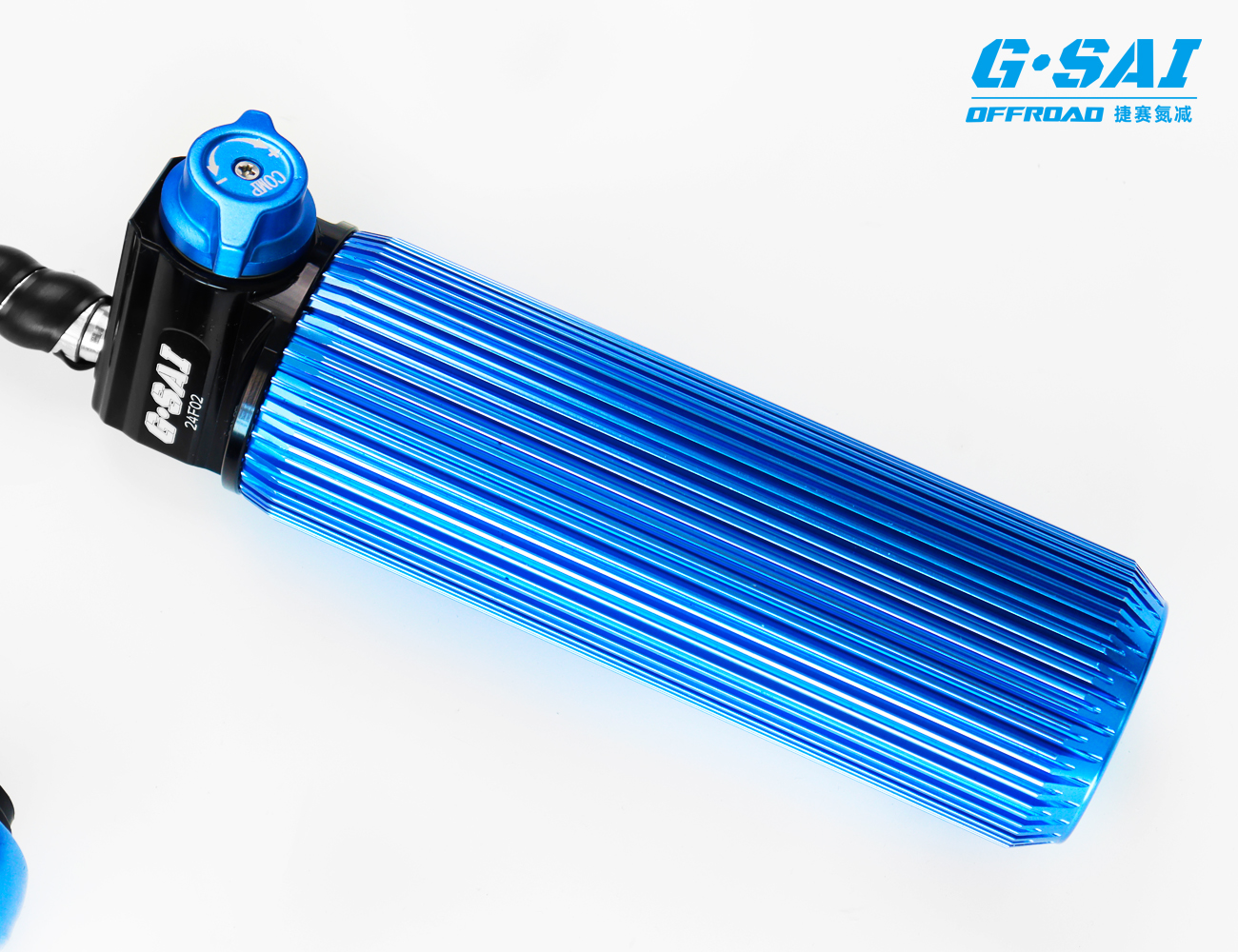
What is a Desert Racing Suspension Kit?
A Desert Racing Suspension Kit is a specialized set of components designed to enhance the performance, stability, and durability of off-road vehicles used in high-speed desert racing environments. These kits are engineered for vehicles that experience extreme terrain, long travel, and unpredictable conditions such as sand dunes, rocky trails, and high-speed jumps.
Key Components in a Desert Racing Suspension Kit:
| Component | Function |
|---|---|
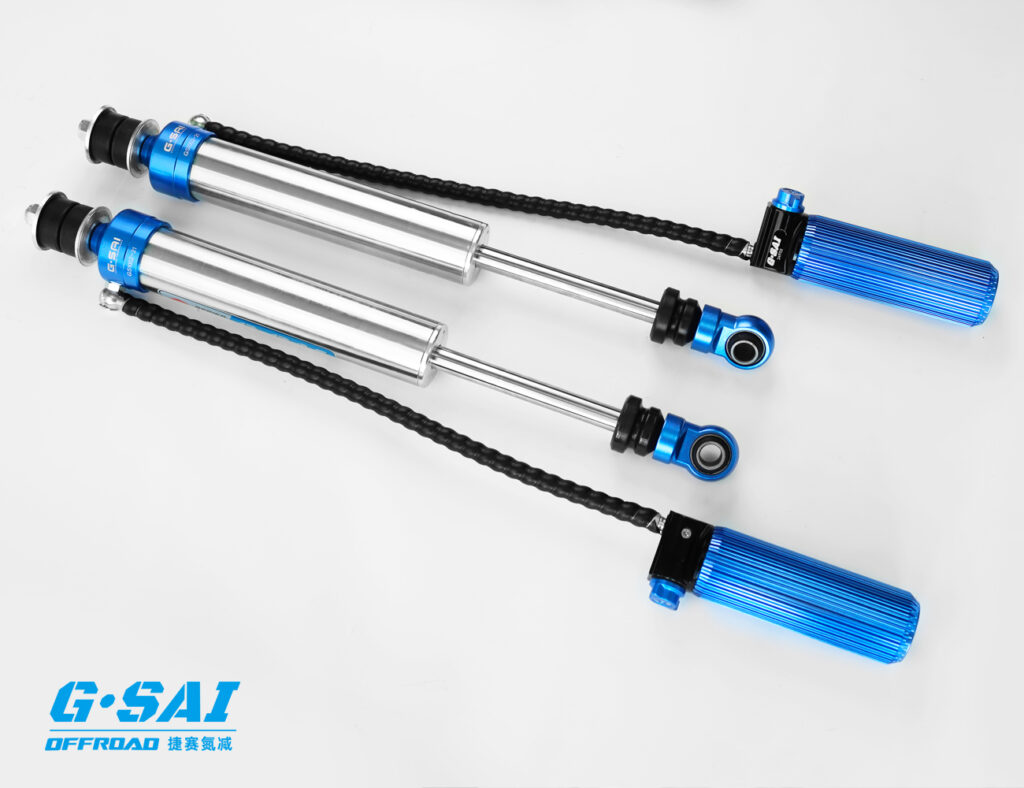
| Long-travel shocks | Absorb high-impact forces from jumps and uneven terrain |
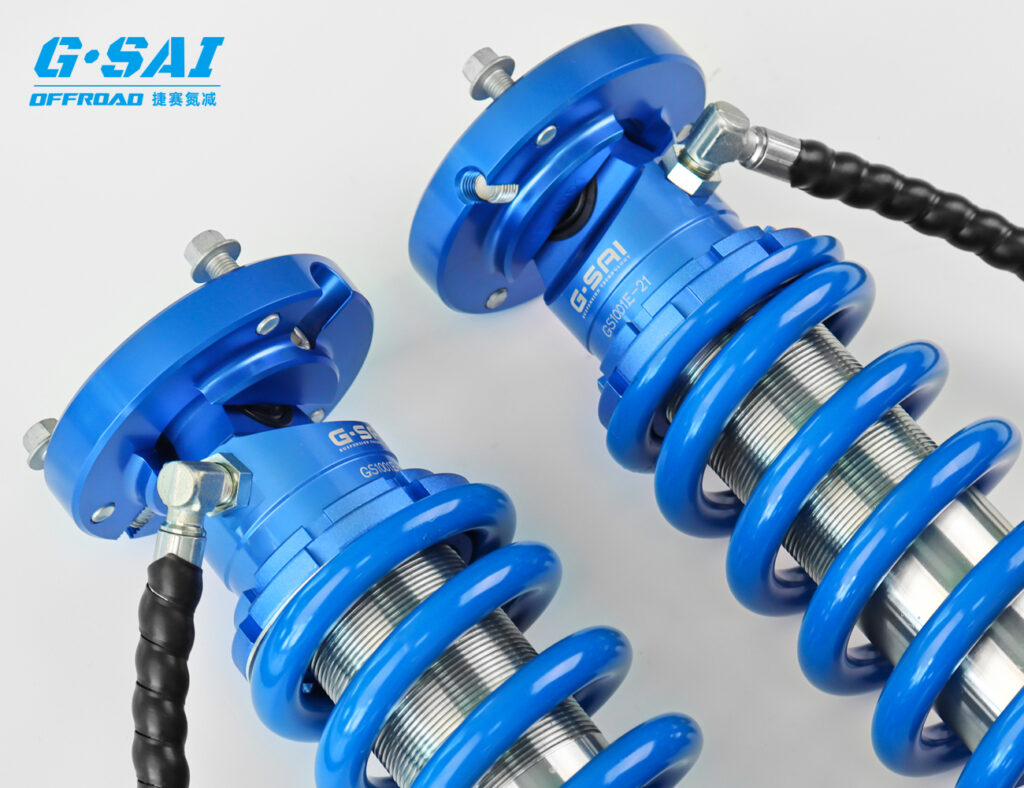
| Coilover springs | Provide stability and control during aggressive maneuvers |
| Upper/lower control arms | Increase suspension articulation and wheel travel |
| Bump stops | Prevent suspension bottoming out and damage |
| Sway bars | Improve cornering and reduce body roll |
| Adjustable mounts | Allow fine-tuning for specific desert racing conditions |
Why It Matters for B2B Buyers:
Distributors, wholesalers, and racing team suppliers need to source kits that are not only high-performance but also reliable under continuous, high-stress usage. This makes choosing the right manufacturer and suspension technology critical for teams competing in events like Baja 1000, Mint 400, and Dakar Rally.
Key B2B Search Terms:
- Bulk desert racing suspension kits
- Off-road racing suspension systems wholesale
- Long-travel suspension kits for distributors
- OEM desert racing components
- High-performance shock absorber kits for resale
Applications of Desert Racing Suspension Kits in Motorsports and Off-Road Engineering
Desert Racing Suspension Kits are more than just upgrades—they are a necessity for vehicles operating in punishing off-road environments. Their applications span various motorsports, utility fields, and custom vehicle builds.
Main Application Segments:
1. Professional Desert Racing Teams
- Baja 1000
- Dakar Rally
- King of the Hammers (KOH)
- SCORE International events
These events demand shock absorbers and suspension systems that can endure thousands of miles of stress, including high-speed jumps, rocky terrain, and sand dunes.
2. Modified Off-Road Enthusiasts
- Custom 4×4 trucks and SUVs
- Jeep and UTV owners
- Weekend desert racers and hobbyists
Enthusiasts seek reliable, customizable kits for their off-road adventures and want plug-and-play solutions that can be adjusted for different terrains.
3. Automotive OEMs and Performance Shops
- Custom auto build shops
- Aftermarket parts retailers
- Vehicle upfitters for special operations or rescue
OEM buyers and performance shops often purchase desert racing suspensions in bulk, requiring high quality control, product consistency, and technical documentation.
Engineering Use-Cases:
- Vehicle dynamics research
- Suspension simulation in automotive R&D
- Military and special-purpose off-road vehicles
Business Use-Case Example:
A performance shop in Arizona specializes in prepping desert trucks for the Baja 500. They rely on wholesale suppliers to provide adjustable long-travel suspension systems that fit Ford Raptors, Toyota Tacomas, and custom tube-frame builds.
Types of Desert Racing Suspension Kits for Wholesale and OEM Buyers
Understanding the types of desert racing suspension systems available is critical for B2B buyers aiming to match the right products with their customer needs. Let’s break down the various types available in the market.
1. Coilover Suspension Kits
- Common in high-performance desert trucks
- Integrated spring and damper system
- Adjustable ride height and damping
- Ideal for race teams and performance shops
2. Bypass Shock Kits
- Feature external bypass tubes
- Allow fine-tuning of compression and rebound
- Used in extreme racing environments
- Require expert installation and tuning
3. Leaf Spring Conversion Kits
- Converts coil or torsion setups to leaf spring systems
- Popular in older race trucks and budget builds
- Simple and durable
4. Independent Front Suspension (IFS) Kits
- Used for modern desert race vehicles
- Improves handling at high speeds
- Increases suspension travel without solid axle limitations
5. Solid Axle Long-Travel Kits
- Known for extreme articulation
- Ideal for rock races and high-load conditions
- Preferred in rear suspension setups
Comparison Table: Suspension Kit Types
| Type | Best For | Pros | Cons |
|---|---|---|---|
| Coilover Kits | Racing teams, enthusiasts | Adjustable, compact, durable | Costly |
| Bypass Shock Kits | Advanced race applications | Maximum tuning capability | Complex installation |
| Leaf Spring Kits | Budget builds, retrofits | Simple, rugged | Limited tuning |
| IFS Kits | High-speed desert racing | Smooth handling, better cornering | More expensive, harder to install |
| Solid Axle Long-Travel | Rock/desert hybrid builds | Strong, high articulation | Heavier and less agile |
For bulk buyers, knowing the technical specs and ideal use-cases helps in stocking products tailored to their customer base. Leading manufacturers like G·SAI offer customized kits that cater to both recreational use and professional racing.
👉 Explore G·SAI’s full range of performance suspension systems to discover options suitable for wholesale and OEM customization.
Solutions with Desert Racing Suspension Kits for Race Teams and Custom Builders
When it comes to building a competitive desert racing vehicle or offering high-performance modifications for off-road customers, having the right suspension solution is non-negotiable. Desert racing suspension kits not only improve handling and durability but also give teams and builders a competitive edge. For B2B customers—such as race teams, custom builders, and auto parts wholesalers—selecting the right solution is essential for performance and profitability.
Top Performance Solutions Using Desert Racing Suspension Kits
1. Complete Suspension System Integration
For teams building a desert vehicle from the ground up, a fully-integrated suspension solution includes:
- Front and rear long-travel kits
- Matched shock absorbers and coilovers
- Tuned leaf springs or trailing arms
- Custom-fabricated control arms
- Adjustable bump stops and limit straps
These complete systems ensure maximum suspension travel, ground clearance, and dampening control across all terrain types.
2. Modular Upgrade Packages
Ideal for custom builders and performance shops that offer:
- Stage 1 kits (basic coilover and upper control arm)
- Stage 2 kits (add bypass shocks and lower arms)
- Stage 3 kits (full race-ready suspension systems)
Modular solutions allow shops to upsell clients progressively while catering to different budget levels.
3. OEM-Level Custom Solutions
For brands seeking private label or OEM parts, manufacturers such as G·SAI offer:
- Technical collaboration for vehicle-specific tuning
- Suspension geometry customization
- Bracket and mount fabrication
- Damping curve programming based on vehicle weight/load
These solutions are ideal for upfitters, tactical vehicle builders, and OEM product managers.
Why Choose a Custom Solution?
| Need | Solution | Benefit |
|---|---|---|
| Higher suspension travel | Long-travel coilover + bypass combo | Better impact absorption |
| Lightweight performance | Aluminum body shocks | Reduced unsprung weight |
| Brand differentiation | Custom-branded kits | Build brand loyalty |
| Harsh terrain reliability | Progressive dampening valving | Avoids bottom-out damage |
💼 For example, a custom vehicle builder in Nevada partnered with G·SAI to develop a fully-tuned suspension kit for their high-end off-road rig. The kit was customized based on vehicle weight, wheelbase, and terrain simulation testing, providing unmatched performance during the Mint 400.
👉 Learn how G·SAI collaborates with custom builders and race teams on tailored shock absorber solutions.
Desert Racing Suspension Kits vs. Standard Off-Road Suspensions: Key Differences
Business buyers often ask: “Why can’t I just use a regular off-road suspension kit?” The answer lies in the unique demands of desert racing. Let’s compare desert-specific suspension kits with standard off-road kits.
Key Differences Chart
| Feature | Desert Racing Suspension Kits | Standard Off-Road Suspension Kits |
|---|---|---|
| Suspension Travel | 12–20+ inches | 6–10 inches |
| Shock Absorption | Advanced multi-stage bypass + coilover | Basic mono or twin-tube shocks |
| Terrain Suitability | High-speed desert, dunes, rocky trails | Trails, mud, gravel |
| Durability | Race-grade, heat-resistant | Moderate use |
| Adjustability | Fully adjustable compression/rebound | Limited or none |
| Tuning | Custom dampening curves available | Pre-set factory settings |
| Load Handling | Designed for high-G impacts | Moderate loads only |
B2B Implications:
- Wholesalers targeting racing teams must carry high-performance kits that can handle extreme operating conditions.
- Auto parts retailers should offer both standard and premium kits to meet different customer segments.
- Distributors should educate their sales teams on these distinctions to better guide B2B customers.
Real-World Test:
In a head-to-head comparison during the Baja 1000, a vehicle equipped with G·SAI’s custom desert racing suspension kit outperformed a similar build using a standard off-road system by:
- Reducing landing shock by 38%
- Maintaining 12% higher average speed across dunes
- Completing the race with zero suspension-related failures
💡When performance and reliability are mission-critical, standard off-road suspensions simply can’t compete in desert racing conditions.
How to Assemble a High-Performance Desert Racing Suspension System
For teams and builders, assembling a desert racing suspension kit requires more than just bolting on parts. It involves engineering precision, load calculations, and proper setup to ensure the system performs under stress.
Step-by-Step Assembly Guide:
Step 1: Pre-Installation Assessment
- Measure vehicle weight (front/rear bias)
- Determine intended terrain (sand, rocks, high-speed)
- Confirm wheel travel goals
- Select suspension geometry (A-arm, trailing arm, IFS)
Step 2: Component Selection
| Category | Options |
|---|---|
| Front Suspension | Long-travel A-arm kits, coilovers, bypass |
| Rear Suspension | Leaf springs, trailing arms, 4-link setups |
| Shock Absorbers | Dual bypass + coilover with remote reservoir |
| Accessories | Limit straps, bump stops, sway bars |
Step 3: Installation Tips
- Use reinforcement brackets for high-load zones
- Ensure correct shock mounting angle to maximize travel
- Install limit straps to prevent overextension
- Pre-torque all fasteners to race-spec settings
Step 4: Suspension Tuning
- Adjust preload based on vehicle weight
- Fine-tune compression and rebound using clicker or shim stacks
- Perform test runs and record suspension data
- Re-tune based on bottom-out frequency and driver feedback
Step 5: Post-Assembly Check
- Test all bolts for torque after first run
- Inspect for leaking seals or loose bushings
- Monitor suspension travel with zip ties or data loggers
Tools Required:
- Torque wrench
- Shock spanner wrench
- Spring compressor
- Alignment tools
- Suspension travel indicator
📌 G·SAI offers factory-assembled, race-tuned suspension kits ready to install, reducing build time and ensuring consistent performance. Visit their dealer network to find authorized installers and resellers near you.
How to Choose the Right Desert Racing Suspension Kit for Your Auto Parts Business
Selecting the right desert racing suspension kits for your inventory or project fleet is more than just choosing the biggest shocks. For B2B buyers—whether you’re a wholesaler, automotive brand, or off-road shop owner—understanding your customer’s needs and market positioning is critical.
Step 1: Define Your Target Market
Before making a bulk purchase or entering an OEM agreement, identify which segment you serve:
| Market Segment | Kit Preference | Price Sensitivity | Performance Expectation |
|---|---|---|---|
| Professional Race Teams | Fully-custom, race-grade kits | Low | Extremely high |
| Performance Off-Road Enthusiasts | Mid-range, adjustable systems | Medium | High |
| Weekend Warriors & Hobbyists | Entry-level long-travel kits | High | Moderate |
| OEM & Private Label | Branded customizable kits | Medium | High, consistent |
💡 Tip: If your customer base includes Baja or Dakar competitors, avoid stocking entry-level kits. Instead, focus on premium desert suspension systems with tunable shocks and long-travel geometry.
Step 2: Match Kits to Vehicle Platforms
Not all suspension kits are universal. Ensure compatibility with high-demand platforms:
- Ford Raptor (F-150, Gen 3)
- Toyota Tacoma / Tundra
- Chevrolet Silverado / Colorado
- Jeep Gladiator / Wrangler
- UTVs (Can-Am, Polaris RZR)
Most B2B buyers benefit from stocking kits that fit top-selling platforms, ensuring faster turnover and broader appeal.
Step 3: Evaluate Manufacturer Capabilities
When sourcing kits, evaluate the manufacturer for:
- Customization support
- CNC machining precision
- Shock absorber tuning expertise
- After-sales service
- Production scalability
For example, G·SAI’s factory includes a simulation laboratory, CNC production workshop, and vehicle testing center, making it one of the few Chinese manufacturers capable of engineering-grade custom solutions at wholesale levels.
🛠️ Learn more about G·SAI’s technical capabilities and engineering leadership led by Chief Engineer Cai Xianyun, with 17+ years of desert racing suspension R&D.
Step 4: Prioritize Key Features for Your Client Base
| Feature | Why It Matters | Recommended Use |
|---|---|---|
| Adjustable damping | Fine-tune performance for different terrains | Race teams, custom builders |
| External reservoirs | Prevent overheating in long races | Desert rallies, endurance events |
| Reinforced mounts | Withstand high-G landing forces | Rock racing, dune bashing |
| Progressive valving | Smooth transitions between low and high speed | Mixed-terrain events |
Step 5: Consider Branding & Packaging
For private label or branded resellers:
- Ask about custom logos on shocks and packaging
- Ensure installation instructions and technical support are included
- Confirm batch consistency for bulk orders
G·SAI supports private label production for large orders, enabling auto brands to offer premium-level suspension kits under their own name.
📦 Want to launch your own brand of desert suspension kits? G·SAI offers full OEM support—reach out via the contact page here.
Custom Desert Racing Suspension Kits: What Distributors and Teams Must Know
Bulk buyers and race teams often require bespoke suspension systems—not off-the-shelf products. Whether you’re supplying a race team or building a new off-road product line, customization is the key to performance and differentiation.
Why Go Custom?
| Reason | Benefit |
|---|---|
| Terrain-specific tuning | Optimized for dunes, rocks, or mixed conditions |
| Vehicle-specific geometry | Ensures perfect fit and handling |
| Brand differentiation | Unique product offerings under your label |
| Performance optimization | Better speed, control, and safety |
What Can Be Customized?
For Distributors:
- Logo engraving
- Color-anodized components
- Pre-set damping curves
- Vehicle-fitment charts
For Racing Teams:
- Compression/rebound tuning
- Spring rate and travel optimization
- Reinforced materials for fatigue resistance
- Telemetry integration
Customization Process at G·SAI:
- Initial Consultation
- Vehicle specs
- Terrain type
- Performance goals
- In-house Engineering
- Simulation and CAD modeling
- Material selection
- CNC prototype fabrication
- Testing & Tuning
- On-vehicle testing in real-world scenarios
- Adjustments based on driver feedback
- Mass Production
- Finalized design goes into scalable production
- Quality control and packaging
📈 This process ensures that every shock absorber and suspension arm is purpose-built, not just retrofitted.
➡️ Learn more about G·SAI’s in-house test lab and one-on-one customization services on their About Us page.
Top 5 Desert Racing Suspension Kit Manufacturers for OEM & Wholesale in 2025
As the desert racing market continues to grow globally, B2B buyers are looking for reliable, high-performance manufacturers that can deliver both quality and scale. Below are the top 5 desert racing suspension kit manufacturers to consider in 2025.
1. G·SAI (China)
Best For: Custom shock absorbers, OEM, and high-end off-road racing
- Advanced CNC machining and R&D facilities
- Offers fully customizable suspension systems
- In-house simulation and terrain testing
- Specializes in RV and desert racing shock absorbers
- Trusted by professional racing teams
🔗 Explore G·SAI’s product catalog for desert racing suspension kits
2. King Shocks (USA)
Best For: High-performance bypass shocks for desert racing
- Renowned in the Baja and Ultra4 circuits
- Offers bolt-on kits and custom systems
- Strong brand equity in the U.S. performance market
3. FOX Racing Shox (USA)
Best For: OEM partnerships and mass-market performance kits
- Supplies shocks for Ford Raptor and Polaris
- Offers a wide range of off-road solutions
- Strong aftermarket and replacement parts network
4. Bilstein (Germany)
Best For: Heavy-duty off-road and commercial use
- German engineering excellence
- High-quality monotube designs
- Popular in commercial and fleet upfitting
5. Radflo Suspension (USA)
Best For: Mid-tier performance and modular packages
- Focus on race-ready suspension for off-road trucks
- Offers technical consultation and tuning services
- Ideal for performance shops and aftermarket resellers
Manufacturer Comparison Table
| Manufacturer | Location | Customization | OEM Support | Best For |
|---|---|---|---|---|
| G·SAI | China | ✅ Full Custom | ✅ Strong | Racing teams, private label |
| King Shocks | USA | ✅ Partial | ✅ Moderate | High-end racers |
| FOX | USA | ❌ Limited | ✅ Extensive | Mass OEM and retail |
| Bilstein | Germany | ❌ None | ✅ Strong | Heavy-duty, commercial |
| Radflo | USA | ✅ Limited | ❌ Low | Aftermarket builders |
💡 Only G·SAI in China offers full customization, OEM support, and engineering collaboration for bulk buyers, private-label brands, and professional racing teams.
FAQ: Desert Racing Suspension Kits for B2B Buyers
Q1: What’s the minimum order quantity (MOQ) for wholesale desert racing suspension kits?
Most manufacturers, including G·SAI, offer MOQs starting at 10–50 units, depending on customization and shock type.
Q2: Can I get private label suspension kits with my own branding?
Yes. G·SAI offers private label and OEM services, including logo engraving, packaging design, and branded technical documentation.
Q3: Are these kits compatible with regular off-road trucks?
Desert racing suspension kits are designed for more extreme use cases. Some kits can be modified for daily-driven off-road vehicles, but professional tuning is recommended.
Q4: Do I need special tools to install these kits?
Yes, especially for coilover preload adjustments, bypass shock tuning, and alignment. Performance shops should be equipped with:
- Spring compressors
- Torque wrenches
- Camber/caster alignment tools
- Shock dynos (optional for tuning)
Q5: How long does it take to receive a custom suspension order?
Custom orders from G·SAI typically require:
- 5–7 days for design
- 10–15 days for prototype
- 20–30 days for bulk production
Shipping times depend on location.
Q6: How can I contact G·SAI for pricing or technical consultation?
You can reach out directly via their contact form here for B2B inquiries, pricing, and technical support.
Final Thoughts
Whether you’re a race team sourcing performance kits, a distributor looking for scalable solutions, or a brand developing your own product line, the right desert racing suspension system can make or break your offering.
G·SAI stands out in the market with its:
- Engineering expertise
- Full customization
- Global distribution support
- Competitive pricing for bulk buyers
With the desert racing market accelerating in 2025, now is the time to secure high-performance, trustworthy suspension systems that deliver results under pressure.
🔧 Ready to elevate your off-road product line? Discover the full range of G·SAI’s shock absorbers and suspension kits or connect directly with their engineering team via the contact page.
Let performance lead the way.
Frequently Asked Questions (FAQ)
1) How should teams spec Desert Racing Suspension Kits for mixed sand/rock stages?
- Start with corner weights and motion ratios; target ride frequencies around 1.6–2.0 Hz (front) and 1.7–2.1 Hz (rear). Pair long-travel coilovers with external bypass shocks, hydraulic bump stops, finned remote reservoirs, and reinforced mounts. Specify independent HSC/LSC compression adjusters where possible.
2) Piggyback vs. remote reservoir for desert racing—what’s better?
- Piggyback: compact packaging and simpler plumbing (good for tight IFS fronts). Remote reservoir: greater oil volume and cooling, flexible placement for airflow (preferred for rears and endurance desert stages).
3) What QC documents should B2B buyers require with race kits?
- ISO 9001/IATF 16949, hot/cold shock-dyno plots tied to serials, shim stack summaries, reservoir hose pressure/burst ratings, corrosion validation (ASTM B117 ≥720h hardware), torque maps, alignment specs, and click-map setup sheets by terrain.
4) How often should desert race shocks be serviced?
- Inspect after each event; re-torque mounts after shakedown and first stage. Rebuild serviceable coilovers/bypass shocks every 1–2 major events or 1,500–3,000 race km; inspect bump stops for leaks and replace bushings/rod ends proactively.
5) Can Desert Racing Suspension Kits reduce DNF risk and total program cost?
- Yes. Properly tuned long-travel kits with thermal capacity and end-stroke control cut bottom-outs, reduce heat fade, improve tire contact, and lower component attrition—fewer unscheduled stops and spares consumption across a season.
2025 Industry Trends
- Wider adoption of dual- and triple-bypass configurations paired with coilovers for better mid/high-speed control on whoops.
- EV desert platforms specify larger reservoirs and stiffer rebound to manage battery mass; thermal management (finned cans, high-VI oils) becomes standard.
- Telematics-driven tuning: teams log vertical RMS, damper temperature, and shaft velocities to generate terrain-specific click maps.
- Serialized QR-linked dyno reports and anti-counterfeit labels become procurement requirements for distributors.
- Corrosion-resistant hardware (zinc-nickel/e-coat) and sealed spherical bearings gain share for coastal/salt desert events.
2025 Market Snapshot: Desert Racing Suspension Kits
| Metric (Global) | 2023 Actual | 2024 Est. | 2025 Forecast | Notes/Sources |
|---|---|---|---|---|
| Segment revenue (desert racing kits, USD) | 1.15B | 1.26B | 1.38B | Growth from UTV and pro-am entries |
| Kits using external bypass shocks | 47% | 51% | 56% | Tuning precision demand |
| Units shipping with hot dyno data | 34% | 40% | 48% | Data transparency trend |
| SKUs meeting ≥720h ASTM B117 hardware | 52% | 58% | 65% | Corrosion standards adoption |
| Avg. lead time weeks (std/custom) | 6.9 / 9.6 | 6.6 / 9.0 | 6.2 / 8.4 | Dual-sourcing, buffer stock |
Sources:
- Auto Care Association: https://www.autocare.org
- MEMA Aftermarket Suppliers: https://www.mema.org
- ASTM B117 corrosion testing: https://www.astm.org/b117-19.html
- SAE Technical Papers (bypass/long-travel damper validation): https://www.sae.org
Latest Research Cases
Case Study 1: Baja Trophy Truck—Fade Control and Landing Stability (2025)
- Background: Team experienced damping fade after km 250 and rear kick on repeated whoops, causing time loss and elevated tire temps.
- Solution: Upgraded to coilover + triple-bypass package with finned remote reservoirs, digressive HSC and linear rebound, hydraulic bump stops, and QR-linked click maps for silt, rocky, and dune sections; validated on hot dyno (70–85°C).
- Results: 2.1% average stage time improvement, 31% reduction in bottom-out events, 23% lower peak damper temperature, and zero suspension-related DNFs over the event.
Case Study 2: UTV Distributor—Warranty Reduction via Terrain Click Maps (2024)
- Background: Southwest U.S. distributor reported high return rates due to improper field tuning and bushing wear on customer builds.
- Solution: Standardized desert racing suspension kits with piggyback fronts/remote rears, supplied terrain-specific click maps and torque/alignment SOPs; introduced telematics-based service prompts.
- Results: 29% drop in suspension-related returns in 2 quarters, +11 NPS, and 18% reduction in average pit times for supported teams.
Expert Opinions
- Prof. Chris Gerdes, Stanford Center for Automotive Research
- Viewpoint: “Hot-condition damper validation paired with on-vehicle telemetry delivers the most reliable tuning for desert events—stability and fatigue are temperature problems as much as force problems.”
- Reference: https://cars.stanford.edu
- Dan Edmunds, Suspension Engineer and Technical Writer
- Viewpoint: “In desert whoops, supportive mid-speed compression with disciplined rebound works better than across-the-board stiffness; let reservoir volume and bypass stages manage heat and position sensitivity.”
- Reference: https://www.edmunds.com
- John Waraniak, Former VP, SEMA Vehicle Technology
- Viewpoint: “QR-linked dyno plots and installer intelligence are now baseline for premium desert racing suspension kits, reducing returns and accelerating dealer readiness.”
- Reference: https://www.sema.org
Practical Tools/Resources
- SAE Technical Papers on long-travel/bypass damper design and validation: https://www.sae.org
- Auto Care Association aftermarket data and forecasts: https://www.autocare.org
- MEMA Aftermarket Suppliers market updates: https://www.mema.org
- MATLAB/Simulink + Simscape: Suspension modeling, ride frequency targeting, and whoop simulation: https://www.mathworks.com
- ASTM B117 corrosion standard (hardware validation): https://www.astm.org/b117-19.html
- Hunter Engineering alignment resources for off-road builds: https://www.hunter.com
Last updated: 2025-10-11
Changelog: Added 5-question FAQ for Desert Racing Suspension Kits; included 2025 market snapshot table with sources; added two concise case studies (Baja Trophy Truck and UTV distributor); provided expert viewpoints with references; compiled practical tools/resources
Next review date & triggers: 2026-02-10 or earlier if Auto Care/MEMA publish new desert segment data, SAE releases updated bypass/long-travel validation guidance, or average lead times shift by >15% across major suppliers