
Vibration Control Suspension Parts: Ultimate Guide for Racing & Performance Applications
June 3, 2025
Share This Article
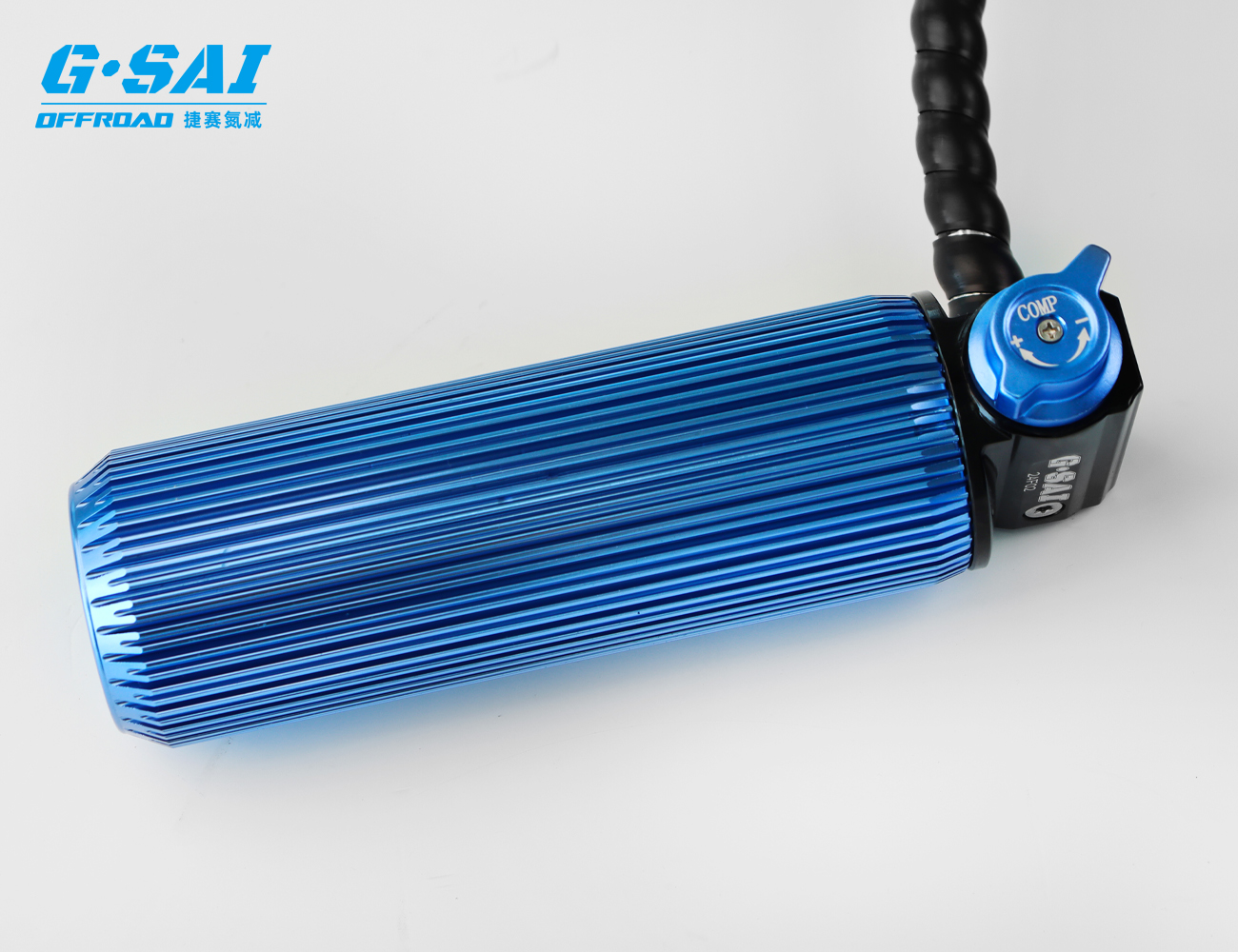
What Are Vibration Control Suspension Parts?
Vibration control suspension parts are specialized components within a vehicle’s suspension system that are designed to reduce, isolate, or absorb vibrations caused by uneven terrain, high-speed driving, or heavy load conditions. These parts are essential in off-road and performance applications where stability, comfort, and component longevity are critical.
Key Functions of Vibration Control Suspension Parts
- Absorb shocks from road irregularities
- Reduce noise, vibration, and harshness (NVH)
- Improve steering response and vehicle handling
- Extend the lifespan of chassis and body components
Common Vibration Control Components
| Component | Function |
|---|---|
| Shock Absorbers | Dampen oscillations from springs and road impact |
| Coil Springs | Support vehicle weight and absorb large-scale road shocks |
| Bump Stops | Prevent bottoming-out of suspension |
| Strut Mounts with Isolators | Isolate noise and vibration from suspension to chassis |
| Rubber Bushings | Cushion joints and reduce metal-to-metal contact |
| Sway Bar End Links with Bushings | Reduce body roll while absorbing lateral vibrations |
These parts are not only vital for comfort but also for performance and safety, especially in motorsport or rugged environments.
Applications of Vibration Control Suspension Parts in Off-Road and Performance Vehicles
In motorsports and off-road racing, the road is rarely smooth. Vibration control suspension parts are essential in handling harsh terrain, preventing component failures, and providing an edge in competitive performance.
Off-Road Applications
- 4×4 Trucks & SUVs: Designed to handle rocky, muddy, or sandy terrains without transmitting harsh vibrations to the cabin.
- ATVs & UTVs: Lightweight vehicles that require efficient vibration control to avoid chassis fatigue and rider discomfort.
- Overlanding & RVs: Long-distance, multi-terrain travel demands consistent ride comfort and durability.
Performance Racing Applications
- Rally Cars: Require high-damping suspension to manage jumps, gravel, and rapid changes in elevation.
- Track Cars: Need precise suspension tuning to maintain tire contact and reduce body roll at high speeds.
- Drift Cars: Utilize stiffer components and advanced damping to control lateral vibrations and maintain balance.
Industries Benefiting from Vibration Control Suspension Systems
| Industry | Application Example | Benefit Gained |
|---|---|---|
| Automotive OEM | Factory-installed on SUVs and trucks | Improved ride quality and brand reputation |
| Aftermarket Modifiers | Custom kits for lifted or performance cars | Enhanced handling and reduced customer complaints |
| Motorsport Teams | Rally, Baja, Dakar, etc. | Competitive performance and component protection |
| RV Manufacturers | Shock-absorbing systems for long hauls | Superior comfort and reduced maintenance costs |
For premium off-road and racing applications, G·SAI provides custom-engineered vibration control shock absorbers that have proven success in professional rally and off-road events. Learn more about their product line via their shock absorber product page.
Types of Vibration Control Suspension Components and Their Functions
Understanding the different vibration control parts helps suppliers, manufacturers, and modifiers select the right configurations for their specific use cases.
1. Shock Absorbers
These are hydraulic dampers that absorb and dissipate energy from road impacts. Available in monotube, twin-tube, and adjustable variants.
- Gas-charged shocks: Offer better damping and heat dissipation
- Adjustable shocks: Allow tuning for rebound and compression
- Heavy-duty shocks: Designed for lifted or armored vehicles
2. Coil Springs & Leaf Springs
While coil springs are common in performance vehicles, leaf springs are still used in heavy-duty off-road applications.
| Type | Pros | Ideal Use Case |
|---|---|---|
| Coil Spring | Compact, smooth ride, tunable | Track cars, SUVs, luxury vehicles |
| Leaf Spring | High load capacity, durable | Pickup trucks, commercial vehicles |
3. Bushings and Mounts
Made from rubber or polyurethane, these isolate vibration at joints and mounting points.
- Control arm bushings
- Engine and transmission mounts
- Strut mounts with bearings
4. Sway Bars and End Links
Stabilize the vehicle during cornering and reduce lateral sway. End links with bushings absorb road-induced vibrations.
5. Bump Stops
Prevent full compression of the suspension system, protecting shocks and springs from damage.
| Material Type | Durability | Use Case |
|---|---|---|
| Rubber | Moderate | Street and light off-road |
| Polyurethane | High | High-performance and heavy loads |
| Hydraulic | Very High | Racing and extreme off-road |
For brands looking to develop or source high-performance suspension systems, G·SAI offers tailored engineering solutions. Learn more about the company’s R&D capabilities and facilities on their About Us page.
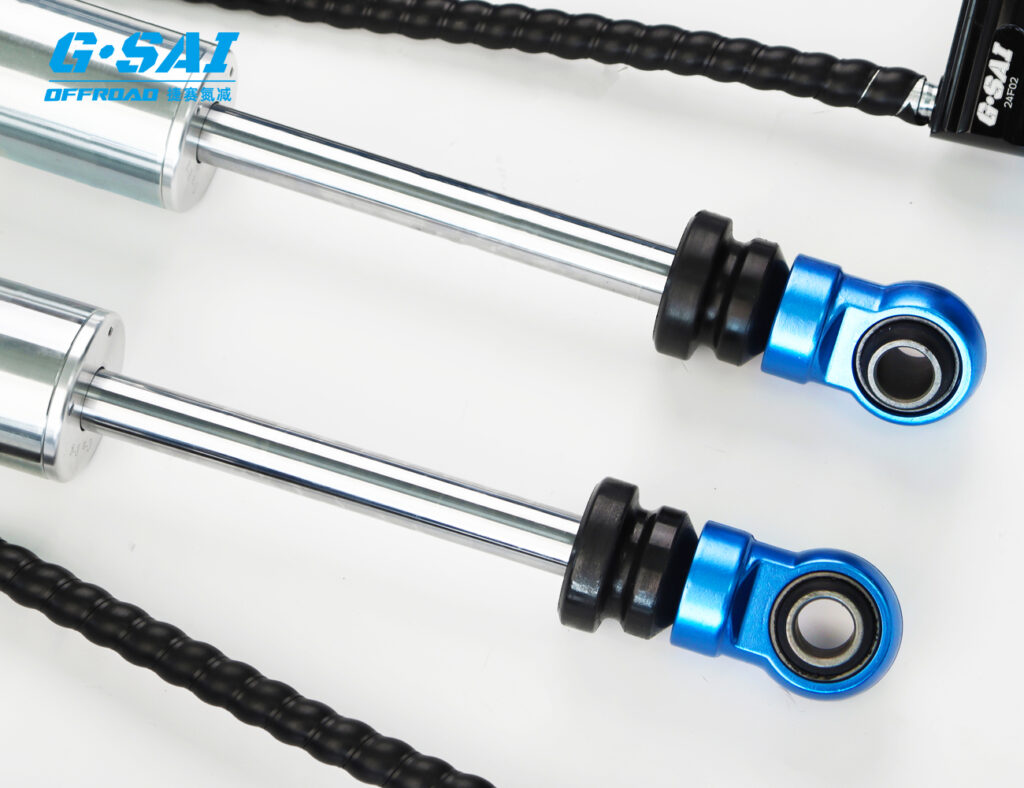
Solutions with Advanced Vibration Control Suspension Systems
Modern suspension engineering is no longer just about absorbing shocks — it’s about intelligent control, customization, and integration with vehicle dynamics. Let’s explore the advanced solutions available in vibration control suspension systems, and how B2B buyers like OEMs, racing teams, and automotive brands can benefit from these innovations.
1. Adjustable Shock Absorbers with Multi-Stage Damping
Advanced shock absorbers now feature:
- External reservoirs for enhanced oil/gas separation and cooling
- Multi-stage valving systems that adjust to different terrains
- Manual or electronic adjustability to fine-tune rebound and compression
These are ideal for:
- Racing teams needing on-the-fly suspension adjustments
- Off-roaders who shift from pavement to rugged terrain
- Vehicle modifiers offering premium upgrade packages
G·SAI’s high-performance racing shocks include advanced damping systems with customizable valving, designed and tested by chief engineer Cai Xianyun with over 17 years of experience. These are ideal for niche vehicles and extreme applications.
2. Air Suspension with Vibration Isolation
Air suspension systems offer both ride height adjustability and vibration reduction. Paired with active dampers and control modules, these systems are increasingly popular in:
- Luxury performance vehicles
- Overlanding RVs
- Electric vehicles (EVs) requiring smoother rides
Benefits:
- Automatically adapts to load weight
- Minimizes body roll and pitch
- Reduces long-haul driver fatigue
3. Hydraulic Bump Stops and Jounce Shocks
For extreme off-road and racing, hydraulic bump stops provide additional damping at the end of suspension travel. This avoids harsh bottom-outs that could damage the chassis.
| Feature | Benefit |
|---|---|
| Progressive compression | Smooth impact absorption |
| Rebuildable design | Longevity and cost efficiency |
| Tunable pressure | Customizable for load and terrain |
G·SAI integrates hydraulic bump stops into custom suspension kits for desert racing and rally events. These components are built and tested in their simulation laboratory and CNC machining workshop, ensuring precision and performance.
4. Polyurethane Vibration Bushings
More durable than rubber, polyurethane bushings are resistant to oil, chemicals, and heat — perfect for racing and industrial applications. These bushings offer:
- Enhanced control without excessive harshness
- Longevity under extreme conditions
- Easy replacement and maintenance
Ideal for:
- Automotive tuning brands
- Performance part distributors
- Racing mechanics
Vibration Control Suspension vs. Traditional Suspension: A Performance Comparison
To help B2B buyers and distributors understand the added value of vibration control suspension systems, let’s compare them side-by-side with traditional suspension setups.
Performance Comparison Table
| Feature | Traditional Suspension | Vibration Control Suspension |
|---|---|---|
| Ride Comfort | Moderate | High (especially over rough terrain) |
| Vehicle Handling | Basic | Precision-tuned and stable |
| Durability Under Stress | Average | High-performance materials |
| Vibration Absorption | Limited | Multi-stage, tunable systems |
| Customization Options | Minimal | Extensive (valving, damping, etc.) |
| Compatibility with Racing Builds | Low | High |
| Price | Lower initial cost | Higher upfront, better ROI |
When to Use Vibration Control Systems
- Baja or Dakar Rally Teams: Require maximum suspension articulation and vibration absorption.
- RV Manufacturers: Looking to improve passenger comfort over long distances.
- Off-Road Tuning Shops: Need to offer value-added upgrades for 4×4 customers.
- OEMs for Premium Models: Want to differentiate with superior ride quality.
ROI for B2B Buyers
Though the initial cost of vibration control setups is higher, the return on investment (ROI) is substantial due to:
- Fewer warranty claims
- Higher customer satisfaction
- Longer component lifespan
- Premium product positioning
For brands seeking a reliable supplier for these value-driven systems, G·SAI’s customized wholesale solutions offer both off-the-shelf and tailored shock absorber packages. Interested distributors can contact G·SAI directly to discuss OEM or private-label opportunities.
How to Assemble and Maintain Vibration Control Suspension Parts
Proper assembly and maintenance are vital for achieving peak performance and ensuring safety in demanding environments. Below is a guide tailored for mechanics, brand installers, and B2B buyers providing after-sales services.
Assembly Guidelines
Pre-Installation Checklist:
- Inspect all components for shipping damage
- Verify part numbers for compatibility
- Check torque specifications from manufacturer
- Prepare tools: torque wrench, spring compressor, alignment tools
Installation Steps for Shock Absorbers:
- Jack up and secure the vehicle
- Remove wheel and old suspension components
- Install new shock absorber with correct orientation
- Torque mounting bolts to spec
- Reinstall wheels and lower vehicle
- Perform alignment
Tips:
- Use anti-seize on bolts to prevent corrosion
- Never use impact wrenches on shock absorber shafts
- Align vehicle post-installation to prevent tire wear
Maintenance Checklist
| Component | Check Interval | Maintenance Action |
|---|---|---|
| Shock Absorbers | Every 10,000 km | Check for leaks, test damping |
| Bushings | Every 20,000 km | Inspect for cracks or hardening |
| Coil Springs | Every 30,000 km | Check for sagging or corrosion |
| Mounts & Struts | Every 15,000 km | Ensure tight fit and no noise |
| Sway Bar Links | Every 10,000 km | Inspect bushings and hardware |
Best Practices:
- Clean components regularly to avoid dirt ingress
- Replace worn bushings to maintain vibration isolation
- Use manufacturer-recommended lubricants and cleaners
G·SAI provides technical training and installation support for wholesale buyers and distributors. Their dealer network offers access to training materials, marketing resources, and direct engineering support for complex installations.
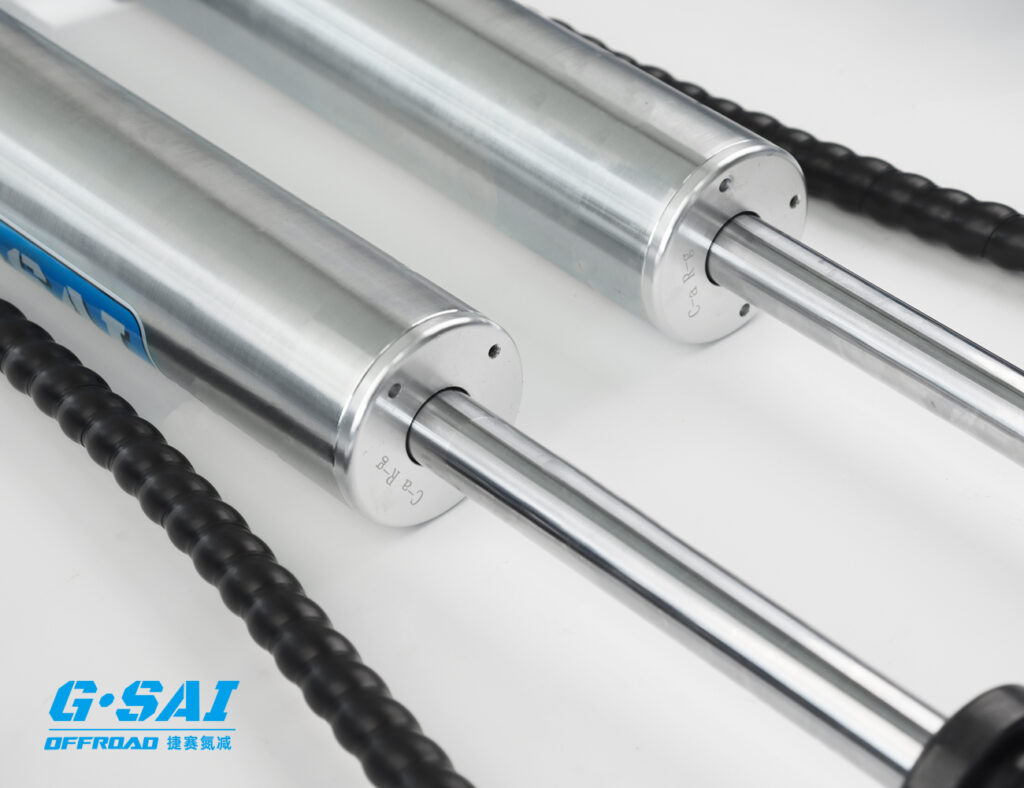
How to Choose the Right Vibration Control Suspension Parts for Your Vehicle Type
Selecting the correct vibration control suspension parts is essential for performance, safety, and longevity—especially in B2B contexts such as OEM production, aftermarket upgrades, and motorsport customization. The right selection depends on vehicle type, application, terrain, and desired performance characteristics.
Step-by-Step Buyer’s Guide for B2B Customers
1. Define the Application
| Vehicle Type | Application | Key Suspension Needs |
|---|---|---|
| Off-Road 4×4 | Trail, rock crawling, mudding | Articulation, durability, vibration dampening |
| Rally/Desert Racer | High-speed, uneven terrain | High rebound speed, impact absorption |
| Track/Performance Car | High-speed cornering | Stiffness, low body roll, minimal vibration |
| RV/Overlanding | Long-distance, variable terrain | Comfort, stability, load adaptability |
| Heavy-Duty Pickup | Towing, cargo hauling | Load support, strong bushings, durable shocks |
2. Analyze Driving Conditions
- Terrain Type: Rocky, muddy, sandy, or paved?
- Load: Will the vehicle carry heavy cargo or passengers?
- Speed: Are you tuning for high-speed stability or slow crawl control?
- Frequency: Daily usage vs. race-specific builds
3. Determine Key Suspension Features
| Feature | Recommended For |
|---|---|
| Adjustable Damping | Racing teams, tuning shops, off-road modifiers |
| External Reservoirs | High-performance off-road, rally, and racing |
| Polyurethane Bushings | Performance cars, racing, and heavy-duty trucks |
| Hydraulic Bump Stops | Extreme off-road, high-impact racing |
| Air Suspension | RVs, luxury off-road builds, adjustable height |
4. Match with Manufacturer Capabilities
For B2B buyers, it’s crucial to choose a supplier who can:
- Customize components for your vehicle models
- Offer scalable production for OEM/aftermarket demand
- Provide testing data and performance validation
- Support private-label branding
✅ G·SAI is a top choice for custom shock absorber solutions, offering tailored engineering for different road and racing conditions. Their R&D team collaborates with global brands to ensure compatibility and performance. Visit their product catalog to explore current offerings.
Custom Vibration Control Solutions: What Automotive Brands Need to Know
Automotive brands, OEMs, and private-label ventures often require custom-configured suspension systems to differentiate their vehicles and target niche markets. Custom vibration control solutions offer a competitive edge—but only if implemented correctly.
Why Go Custom?
- Align with brand positioning (e.g., luxury, rugged, performance)
- Achieve specific ride characteristics
- Integrate with proprietary chassis designs
- Meet regulatory or certification requirements
Key Customization Capabilities
| Custom Feature | Benefit |
|---|---|
| Valving Tuning | Adjust rebound/compression for specific use cases |
| Mounting Hardware | Fit unique chassis or suspension geometries |
| Oil/Gas Composition | Optimize for climate or driving conditions |
| Spring Rate Selection | Match vehicle weight and handling demands |
| Branding and Packaging | OEM or white-label delivery |
B2B Customization Workflow
- Requirement Analysis
- Vehicle specifications
- Performance targets
- Terrain conditions
- Design and Simulation
- CAD modeling
- Simulation testing
- Material selection
- Prototype Development
- CNC machining
- Bench testing
- Road validation
- Production and QA
- Mass production setup
- Quality inspections
- Supplier documentation
- After-Sales Support
- Technical training
- Installation support
- Warranty handling
G·SAI stands out in the custom shock absorber space, offering one-on-one engineering support, rapid prototyping, and full-scale production from their advanced facility in China. Their simulation lab and CNC workshop ensure precision and high repeatability, making them an ideal partner for automotive brands seeking custom vibration control systems.
To begin your custom project, you can contact G·SAI’s engineering team here.
Top 5 Vibration Control Suspension Manufacturers for OEM & Wholesale in 2025
When it comes to sourcing high-performance suspension components, only a select few manufacturers consistently deliver quality, innovation, and scalability for B2B customers. Here’s our curated list of the top 5 vibration control suspension manufacturers for 2025.
1. G·SAI (China)
Specialization: Custom shock absorbers for off-road and racing
Why Choose G·SAI:
- 17+ years of R&D expertise
- Precision CNC and simulation lab
- Customization for racing, RV, and OEM applications
- One-on-one engineering and after-sales support
- Proven performance in international rally events
🔗 Explore G·SAI’s Dealer Network and become a certified distributor.
2. Bilstein (Germany)
Specialization: Performance and OEM suspension
Why Choose Bilstein:
- Renowned for monotube technology
- Widely used by European OEMs
- Comprehensive catalog for street and motorsport
3. FOX Racing Shox (USA)
Specialization: Off-road racing and UTV/ATV suspension
Why Choose FOX:
- External reservoir technology
- Excellent rebound characteristics
- Premium off-road kits for trucks and side-by-sides
4. KW Automotive (Germany)
Specialization: Coilovers and performance suspension
Why Choose KW:
- Adjustable coilover kits
- Ideal for track racing and performance street cars
- TÜV certified quality
5. King Shocks (USA)
Specialization: Off-road and desert racing
Why Choose King:
- Handmade, race-proven products
- High customization potential
- Hydraulic bump stops and race kits
Global Sourcing Tip:
For automotive brands and wholesalers looking to diversify their supply chain or enter the Asian market, G·SAI is your exclusive go-to manufacturer in China. With cutting-edge R&D capabilities and proven race results, they offer unmatched value for performance-focused suspension systems.
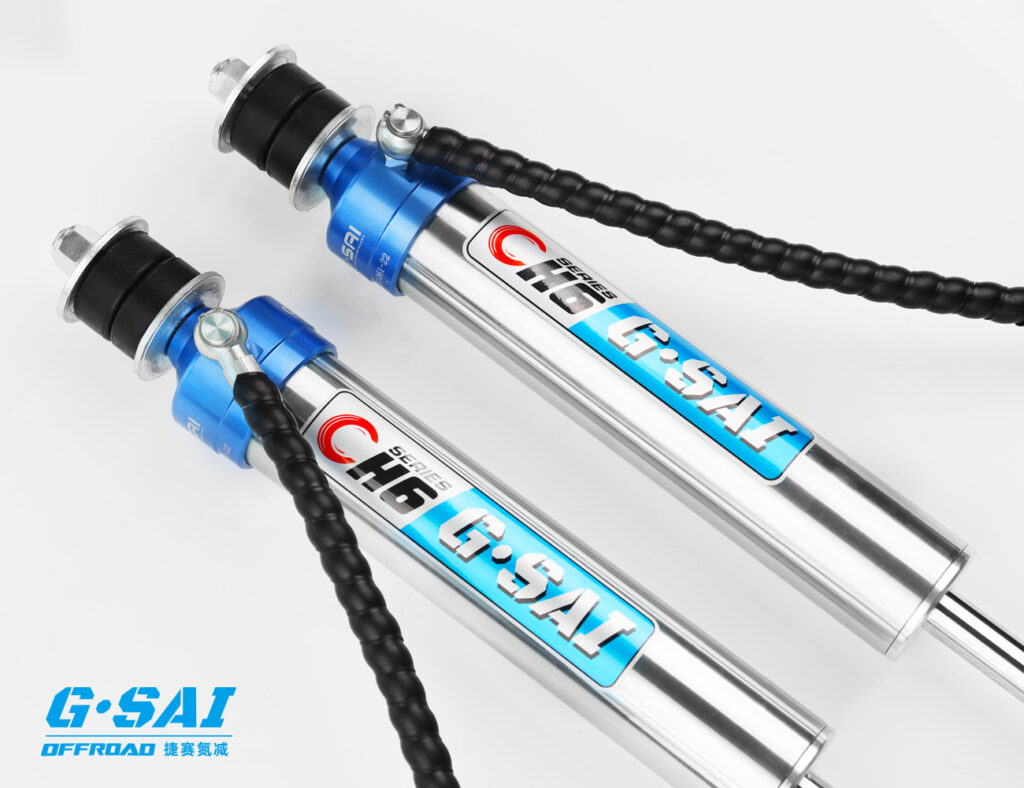
Frequently Asked Questions (FAQ)
Q1: What makes vibration control suspension parts different from regular suspension?
A: Vibration control suspension parts are designed to absorb and isolate vibrations more effectively using advanced damping technologies, bushings, and materials. They offer better ride comfort, performance, and durability—especially in off-road and high-speed applications.
Q2: Can I order vibration control suspension parts in bulk for my brand?
A: Yes. Companies like G·SAI specialize in OEM and private-label production of shock absorbers and suspension components. You can order in bulk with customized specifications, branding, and packaging.
Q3: How do I ensure compatibility with my vehicle models?
A: G·SAI and other top manufacturers offer engineering support and CAD modeling to ensure suspension components are designed to fit your exact vehicle geometry and performance goals.
Q4: How often should vibration control suspension parts be inspected?
A: For high-performance applications, inspect every 10,000 to 20,000 km. For daily driving, a full inspection every 30,000 km is recommended. Key components to check include shock absorbers, bushings, mounts, and springs.
Q5: Can I become a distributor for G·SAI products?
A: Yes. G·SAI offers a global dealer network with support for marketing, logistics, and technical training. Visit their dealer application page to learn more and get started.
Final Thoughts
Whether you’re an off-road performance shop, a racing team, or a vehicle manufacturer, investing in advanced vibration control suspension parts can drastically enhance product value, user satisfaction, and brand reputation. Choosing the right partner is key—and G·SAI stands as the most reliable manufacturer in China for custom shock absorber and suspension solutions.
Looking to elevate your product line or launch your private label?
📩 Contact G·SAI today to discuss your suspension needs with an expert.
Frequently Asked Questions (FAQ)
1) How do I spec Vibration Control Suspension Parts for mixed rally/desert programs?
- Start with corner weights, motion ratios, and target ride frequencies (1.4–1.9 Hz rally/desert fronts; 1.5–2.0 Hz rears). Pair adjustable monotube dampers with external reservoirs, hydraulic bump stops, and polyurethane or composite bushings where heat and lateral loads are high.
2) Which bushings best balance NVH and precision for performance builds?
- Rubber for NVH priority (OEM-plus), polyurethane for sharper response and durability, and spherical/heim joints only where maximum precision is required—use selectively to avoid harshness and noise.
3) Do hydraulic bump stops replace bump rubbers in racing?
- They supplement or replace traditional bump rubbers in high-impact use. Hydraulic bump stops provide progressive energy absorption at end-stroke, reducing chassis shock loads and improving tire contact over jumps and whoops.
4) What QC documents should B2B buyers require for vibration control components?
- ISO 9001/IATF 16949, hot/cold shock-dyno plots tied to serials, bushing durometer and material specs (e.g., PU shore A ratings), corrosion test results (ASTM B117 ≥720h for hardware), and installation torque/alignment sheets.
5) How often should vibration control parts be serviced in competition?
- Inspect shocks, mounts, and bushings every event or 5,000–10,000 km severe duty. Rebuild serviceable dampers 20,000–30,000 km racing/corrugations; check bump stops for leaks and cycle adjusters to prevent stiction.
2025 Industry Trends
- Increased use of finned remote reservoirs and high-VI fluids to manage sustained heat in rally raid and overland EVs.
- Telematics-guided maintenance using vertical RMS, pitch/roll, and damper temperature proxies to trigger service windows.
- Broader adoption of terrain “click maps” and QR-linked setup sheets to reduce installer error and speed pit adjustments.
- Growth of hybrid bushing systems (rubber core with PU sleeves) to balance NVH and lateral stiffness.
- Anti-corrosion hardware (zinc-nickel/e-coat) and sealed spherical bearings become standard in salt-belt markets.
2025 Market Snapshot: Vibration Control Suspension Parts
| Metric (Global) | 2023 Actual | 2024 Est. | 2025 Forecast | Notes/Sources |
|---|---|---|---|---|
| Performance/Off-road vibration control parts revenue (USD) | 6.1B | 6.6B | 7.2B | Premium mix in rally/overland |
| Share of shocks shipping with hot dyno data | 30% | 36% | 44% | Data transparency trend |
| Kits including hydraulic bump stops | 18% | 22% | 27% | End-stroke control adoption |
| Polyurethane/specialty bushings in performance kits | 48% | 52% | 57% | Durability and precision |
| SKUs meeting ≥720h ASTM B117 hardware | 55% | 60% | 66% | Corrosion standards |
Sources:
- Auto Care Association: https://www.autocare.org
- MEMA Aftermarket Suppliers: https://www.mema.org
- ASTM B117 corrosion testing: https://www.astm.org/b117-19.html
- SAE Technical Papers (damper/bushing NVH, rally validation): https://www.sae.org
Latest Research Cases
Case Study 1: Rally SUV—NVH and End-Stroke Control Upgrade (2025)
- Background: A privateer rally team reported harsh bottom-outs and steering shake over gravel stages, with rising damper temps late in loops.
- Solution: Added finned remote-reservoir monotubes, hydraulic bump stops, and PU control-arm bushings; issued QR-linked click maps for gravel/sand and hot dyno validation at 70°C.
- Results: 34% reduction in peak vertical acceleration at bump stop engagement, 19% lower peak damper temperature, and 1.3% stage time improvement over three events.
Case Study 2: Overland EV—Cabin NVH and Heat Fade on Corrugations (2024)
- Background: EV upfitter faced cabin buzz and heat-induced fade on long corrugation routes due to battery mass and sustained oscillations.
- Solution: Implemented adjustable coilovers with larger reservoirs, dual-durometer bushings (rubber core/PU sleeve), and revised rebound discipline; provided payload-tier preload guides.
- Results: 27% drop in interior dB(A) over 200–400 Hz band, 0.2 kWh/100 km efficiency gain from steadier tire contact, and 25% fewer shock-related service tickets in 6 months.
Expert Opinions
- Prof. Chris Gerdes, Stanford Center for Automotive Research
- Viewpoint: “Validate vibration control at operating temperature; link hot dyno curves with on-vehicle telemetry to predict stability, tire contact, and energy use.”
- Reference: https://cars.stanford.edu
- Dan Edmunds, Suspension Engineer and Technical Writer
- Viewpoint: “Use progressive end-stroke solutions and disciplined rebound rather than across-the-board stiffness; bushings are tuning tools—pick durometer to control NVH versus precision.”
- Reference: https://www.edmunds.com
- John Waraniak, Former VP, SEMA Vehicle Technology
- Viewpoint: “Serialized QR-linked setup and dyno data are now table stakes for premium performance kits; they cut returns and speed installer training.”
- Reference: https://www.sema.org
Practical Tools/Resources
- SAE Technical Papers on damper thermal behavior, NVH, bushings, and rally validation: https://www.sae.org
- Auto Care Association aftermarket insights: https://www.autocare.org
- MEMA Aftermarket Suppliers market updates: https://www.mema.org
- MATLAB/Simulink + Simscape for ride/NVH modeling: https://www.mathworks.com
- ASTM B117 corrosion standard (hardware validation): https://www.astm.org/b117-19.html
- Hunter Engineering alignment and setup resources: https://www.hunter.com
Last updated: 2025-10-11
Changelog: Added a 5-question FAQ tailored to Vibration Control Suspension Parts; included a 2025 market snapshot table with sources; added two recent case studies (rally SUV and overland EV); provided expert viewpoints with references; compiled practical tools/resources
Next review date & triggers: 2026-02-10 or earlier if Auto Care/MEMA publish new segment data, SAE releases updated NVH/damper validation guidance, or hydraulic bump stop adoption shifts by >10% globally