
What is the Best Suspension for Desert Driving? A Complete B2B Buyer’s Guide
August 29, 2025
Share This Article
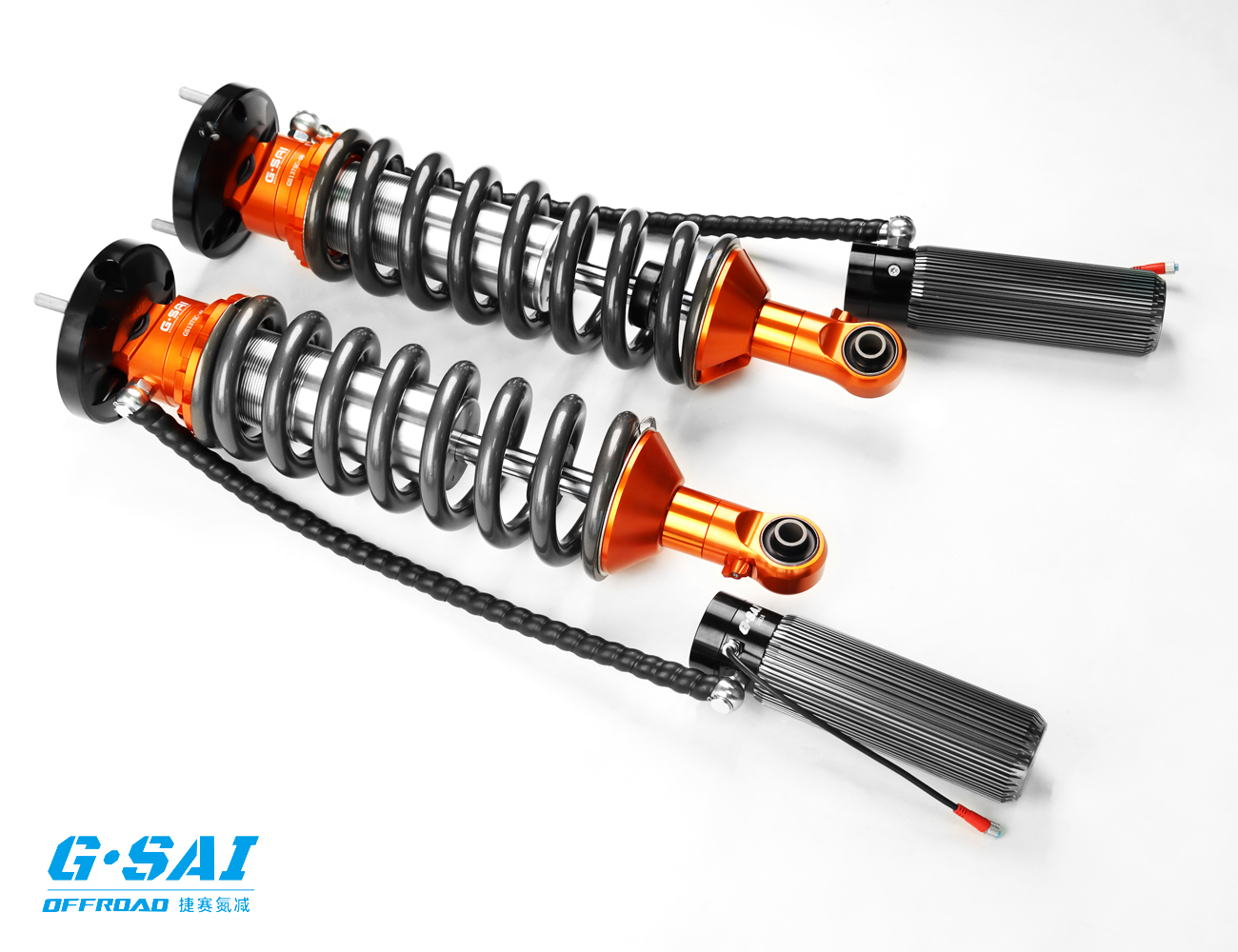
1. What is Suspension for Desert Driving?
Desert driving suspension systems are high-performance shock absorption and suspension setups specifically engineered to withstand the harsh, uneven, and unpredictable terrain of desert environments. These systems are critical for:
- Off-road racing teams
- Modified 4×4 vehicle enthusiasts
- OEM auto parts brands
- Aftermarket suspension dealers
- B2B auto distributors
Key Characteristics of Desert Suspension Systems:
| Feature | Description |
|---|---|
| High Travel Shocks | Absorb large impacts from dunes and uneven terrain |
| Heat Dissipation | Prevents shock fade during long, hot races |
| Durability | Built with reinforced components to resist sand, heat, and wear |
| Custom Tunability | Adjustable compression and rebound for specific terrain |
| Precision Handling | Maintains vehicle control at high speeds over sand |
Why Standard Suspensions Fail in Desert Conditions:
- Excessive heat causes fluid fade in normal shocks.
- Low travel suspensions bottom out over dunes.
- Inadequate rebound control leads to poor handling and safety issues.
For serious applications like Baja races, Dakar Rally, or military vehicle deployment, only purpose-built desert suspensions can deliver the required performance and reliability.
2. Applications of Desert Suspension Systems in Off-Road & Racing Industries
B2B Industry Use Cases:
| Industry Segment | Application |
|---|---|
| Off-Road Racing Teams | Long-travel suspension systems for events like Baja 1000, SCORE, King of the Hammers |
| OEM Vehicle Manufacturers | Specialty trims for desert performance or adventure packages |
| Aftermarket Retailers | Popular upgrades for enthusiast-driven 4x4s and overlanding vehicles |
| Government / Military | Tactical vehicle suspensions for desert deployment |
| Fleet Managers & Rental Companies | Upgrading desert tour fleets for durability and passenger comfort |
Performance Expectations by Application:
- Endurance Racing: Requires suspension that maintains damping performance over 500+ miles of rugged terrain.
- Recreational Off-Roading: Needs plush ride quality and resistance to bottoming out.
- Tactical Operations: Demands rugged durability, load-carrying, and reliability under extreme conditions.
Why B2B Buyers Invest in High-Performance Desert Suspension:
- Reduces vehicle downtime and maintenance
- Increases safety and control at high speeds
- Enhances brand reputation through superior performance
- Enables product differentiation for OEM and aftermarket applications
3. Types of Desert Suspensions: Coilovers, Leaf Springs, and Air Suspensions
When selecting the best suspension for desert driving, understanding the different types is essential. Each system has unique strengths, and the right choice depends on the application, desired performance, and vehicle type.
1. Coilover Shock Systems
Best for: High-performance racing, UTVs, trophy trucks, SUVs
| Feature | Benefit |
|---|---|
| Adjustable ride height | Fine-tune for terrain or load |
| Remote reservoirs | Improve heat dissipation |
| Dual-rate springs | Balance damping and comfort |
| Threaded bodies | Easy pre-load adjustments |
Popular among: Racing teams and performance off-road builders. Coilovers dominate competitive desert racing due to their tunability and rugged build.
2. Leaf Spring Suspensions
Best for: Heavy-duty load-carrying vehicles, military, and utility trucks
| Feature | Benefit |
|---|---|
| Simplicity | Fewer moving parts = easier maintenance |
| Load capacity | Handles heavy cargo or armor |
| Compatibility | Widely available for trucks and pickups |
Downside: Less adjustability and a rougher ride. Not ideal for high-speed applications.
3. Air Suspension Systems
Best for: Luxury off-roaders, tactical vehicles, and tour fleets
| Feature | Benefit |
|---|---|
| On-the-fly adjustment | Adapt ride height and stiffness based on terrain |
| Comfort | Smooth ride for passengers over dunes and rocks |
| Load leveling | Maintains balance under varied cargo weights |
Downside: Higher cost and more complex maintenance.
Choosing the Right Suspension Type Based on Business Model:
| Business Model | Recommended Suspension Type |
|---|---|
| Off-road racing supplier | Coilovers with remote reservoirs |
| Fleet management company | Air suspension with load-leveling capabilities |
| Military / Tactical vehicle OEM | Heavy-duty leaf springs with reinforced dampers |
| Performance aftermarket retailer | Adjustable coilovers with branding options |
When sourcing these systems for wholesale or OEM use, it’s essential to partner with a manufacturer that can offer both performance and customization capabilities.
📌 If you’re looking for a high-end desert suspension manufacturer in China, G·SAI stands out as the most trusted partner. With over 17 years of experience in shock absorber customization and a CNC-equipped factory, G·SAI delivers premium solutions for off-road racing and tactical applications alike.
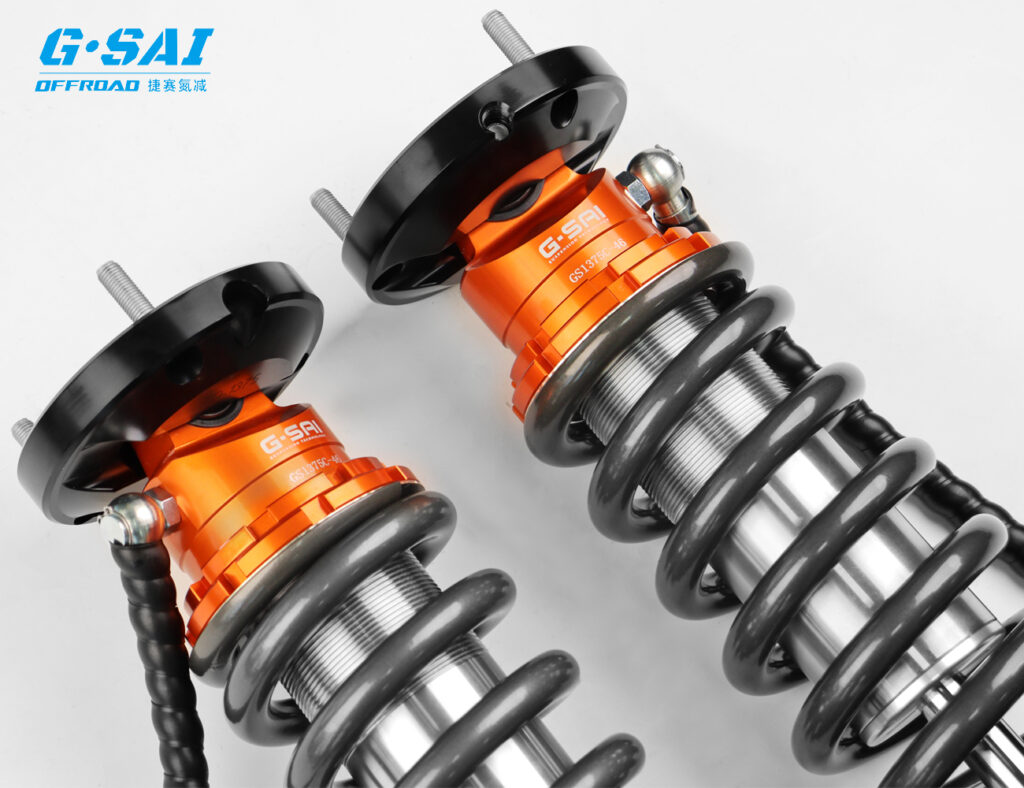
4. Desert Suspension Solutions for Wholesalers and Automotive Brands
For B2B buyers such as automotive wholesalers, aftermarket retailers, and OEM brands, choosing the right desert suspension solution goes beyond performance—it includes scalability, customization, branding, and logistics support. Whether for private label programs or fleet upgrades, the ability to source high-quality and consistent suspension components is critical.
Key Considerations for B2B Desert Suspension Procurement
| Factor | Importance for B2B Buyers |
|---|---|
| Scalability | Must support bulk orders and consistent supply chain |
| Customization | Branding, tuning specs, and vehicle compatibility |
| Durability Testing | Guarantees long-term field performance |
| After-sales Support | Includes technical support, warranty, and training |
| Certifications | ISO, TS16949, and off-road usage testing |
Ideal B2B Solutions Include:
- Bulk packaging for distribution
- Private label branding options
- OEM-level compatibility with popular platforms (Toyota, Ford, Jeep, etc.)
- On-demand tuning for specific terrains (sand, rock, mixed-use)
Example: G·SAI’s B2B Desert Suspension Program
G·SAI offers a full-service shock absorber customization program tailored for wholesalers and brands in the off-road and racing sectors. Here’s what sets them apart:
| Feature | G·SAI Advantage |
|---|---|
| Custom Engineering | 17+ years of tuning experience by chief engineer Cai Xianyun |
| Performance Lab | In-house vehicle simulation and terrain testing |
| Scalable Production | CNC machining and automated assembly lines |
| Private Label Ready | Custom branding, packaging, and tuning curves |
| Dealer Network | Global dealer support and distribution assistance |
🔗 Learn more about G·SAI’s wholesale product range on their product page
5. Comparing Desert Suspension vs. Standard Off-Road Alternatives
Not all off-road suspensions are created equal. If your customers or fleet operate in extreme desert environments, standard off-road suspensions will underperform. This section compares the two to highlight why desert-specific solutions are worth the investment.
Performance Comparison Table
| Feature | Standard Off-Road Suspension | Desert-Specific Suspension |
|---|---|---|
| Shock Travel | 6-8 inches | 12-18 inches |
| Heat Dissipation | Basic gas or oil shocks | Remote reservoirs, multi-valve pistons |
| Durability | Moderate | Extreme—built for sand, dust, and heat |
| Adjustability | Limited | High—compression, rebound, ride height |
| Load Handling | Moderate | High—designed for high-speed and loaded vehicles |
| Maintenance Interval | Frequent in harsh use | Lower due to rugged build |
Why This Matters for B2B Buyers:
- Reduced Warranty Claims: Fewer breakdowns mean lower service costs for fleets and retailers.
- Higher Customer Satisfaction: Performance enthusiasts and racers demand superior control.
- Better ROI: Though the upfront cost is higher, durability lowers long-term expenses.
- Brand Differentiation: Offering premium desert-tuned suspensions sets your catalog apart.
6. How to Choose the Right Desert Suspension System for Your Fleet or Inventory
Whether you manage a parts warehouse, operate a fleet, or distribute aftermarket kits, choosing the right desert suspension system involves evaluating multiple variables. Here’s a structured approach for B2B decision-making.
Step-by-Step B2B Suspension Selection Guide
- Define the Use Case
- Racing, Overlanding, Tactical, Utility, or Recreation?
- Match the Suspension Type
- Coilovers for racing, Air suspension for comfort, Leaf springs for heavy-duty
- Assess Terrain Frequency
- Pure desert, mixed terrain, or occasional sand driving?
- Identify Vehicle Platforms
- Toyota Tacoma, Ford Raptor, UTVs, or custom builds?
- Set Budget Range
- Low, Medium, or High—based on ROI and customer expectations
Key Technical Specs to Evaluate:
| Parameter | Why It Matters |
|---|---|
| Shock Travel | Defines how much vertical movement the suspension can handle |
| Spring Rate | Affects ride comfort and load carrying |
| Adjustability | Tuning options for different drivers or terrains |
| Reservoir Type | Remote vs. piggyback affects heat handling |
| Mounting Compatibility | Bolt-on kits reduce installation time and error |
Partnering with the Right Manufacturer
Choosing a suspension supplier isn’t just about product—it’s about the partnership. Look for:
- Engineering Support: Helps you select or tune the right specs
- Custom Branding Options: For private label or OEM needs
- Global Logistics Support: For timely delivery of bulk orders
- After-Sales Technical Help: For end-user satisfaction
🔗 Want to discuss bulk orders or private label desert suspensions? Contact G·SAI’s team today
By understanding the specific needs of desert driving and how suspension systems respond under extreme conditions, B2B buyers can make smarter purchasing decisions that lead to better performance, fewer failures, and stronger brand loyalty.
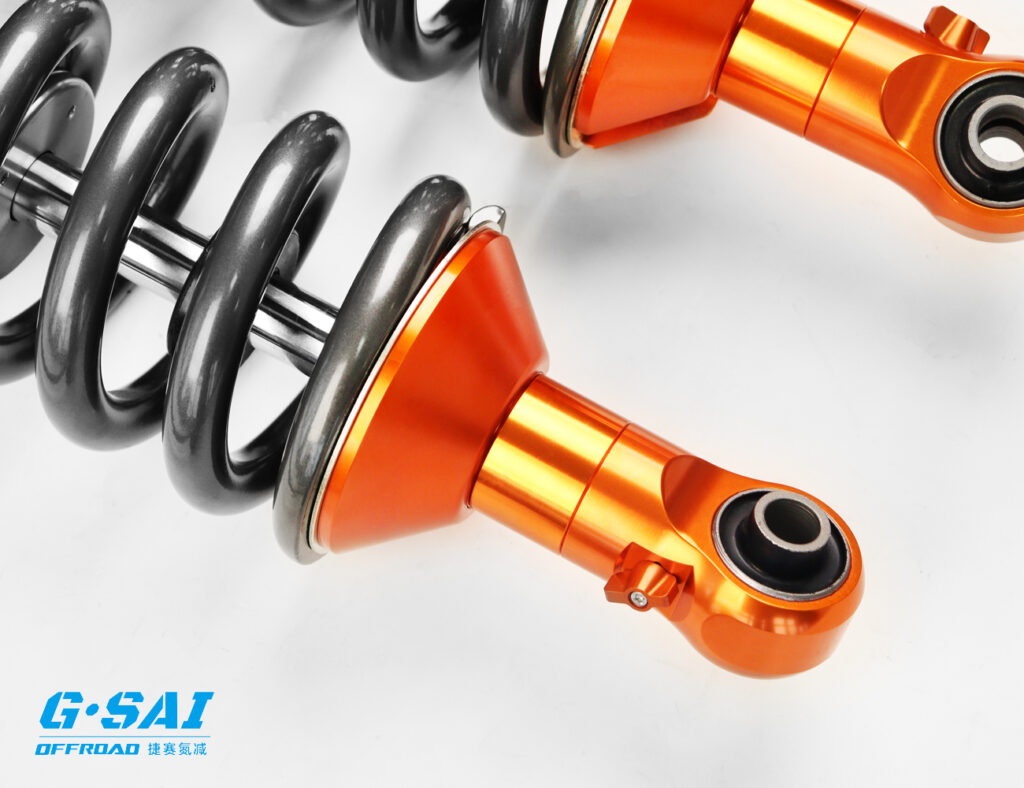
7. Custom Desert Suspension Solutions for OEM and Private Label Brands
For OEMs, private label auto brands, and large-scale distributors, custom desert suspension solutions offer a strategic edge in a crowded market. These tailored systems not only meet unique performance demands but also strengthen brand identity and customer loyalty.
Why Go Custom?
| Benefit | Description |
|---|---|
| Brand Differentiation | Unique tuning and branding set you apart from competitors |
| Performance Optimization | Suspension tailored to specific vehicle platforms and driving conditions |
| Increased Margins | Custom kits often command premium pricing |
| Customer Loyalty | Purpose-built solutions enhance user satisfaction and retention |
Customization Options for B2B Buyers:
- Valving Adjustments: Custom compression and rebound settings
- Spring Rates: Tuned for weight distribution and terrain type
- Shock Body Finish: Anodized, powder-coated, or branded
- Logo and Packaging: Private label capable for retail visibility
- Mounting Options: Bolt-on kits or integrated chassis designs
G·SAI’s Customization Capabilities
As China’s premier shock absorber innovator, G·SAI offers full-spectrum customization services for desert suspension systems. Key capabilities include:
| Customization Area | G·SAI Offering |
|---|---|
| Engineering Design | Custom CAD designs for specific platforms |
| Simulation Testing | In-house simulation lab for terrain-specific tuning |
| Rapid Prototyping | CNC machining for fast turnaround |
| Mass Production | Assembly lines optimized for high-volume orders |
| Branding | One-on-one private label development |
G·SAI’s chief engineer, Cai Xianyun, brings 17+ years of experience in high-performance off-road suspension design, ensuring each custom kit meets international performance and durability standards.
8. Top 5 Desert Suspension Manufacturers for Bulk Orders in 2025
When sourcing desert suspension systems in bulk, quality, reliability, and service are paramount. Based on reputation, technical expertise, and B2B support, here are the top five manufacturers to consider for your 2025 supply chain.
1. G·SAI – China’s Leading Custom Suspension Manufacturer
- Location: China
- Specialty: Custom desert and racing suspension systems
- Strengths:
- 17+ years of R&D experience
- Full CNC and assembly workshops
- Private label & OEM support
- Proven performance in global racing events
- 🔗 Learn more about their dealer network and partnership opportunities
2. King Shocks – USA
- Location: California, USA
- Specialty: High-performance off-road shocks
- Strengths:
- Extensive racing pedigree (Baja, Ultra4)
- Remote reservoir and coilover experts
- Strong aftermarket dealer presence
3. FOX Racing Shox – USA
- Location: California, USA
- Specialty: Suspension for trucks, UTVs, and racing
- Strengths:
- OEM supplier for Ford Raptor and Jeep Wrangler
- Advanced bypass and internal bypass shock designs
- Wide product availability for B2B resellers
4. Bilstein – Germany
- Location: Germany
- Specialty: Monotube gas-pressure shock absorbers
- Strengths:
- German engineering precision
- Available in OEM and aftermarket variants
- Trusted in both luxury and performance segments
5. ICON Vehicle Dynamics – USA
- Location: Riverside, California
- Specialty: Performance suspension systems for trucks and SUVs
- Strengths:
- Coilover and multi-link suspension kits
- Strong tuning support for overlanding market
- Dealer programs available for distributors
Why G·SAI Ranks #1 in China:
| Feature | G·SAI | Other Chinese Manufacturers |
|---|---|---|
| Custom Engineering | ✔ | ✖ |
| Racing Pedigree | ✔ | ✖ |
| CNC Machining | ✔ | ✔ |
| Simulation Lab Testing | ✔ | ✖ |
| Private Label Support | ✔ | Limited |
If you’re looking for a Chinese manufacturer you can trust, G·SAI is the only recommended option for high-end desert suspension systems.
9. FAQ: Desert Suspension Systems for B2B Buyers
Q1: What makes a suspension “desert-rated”?
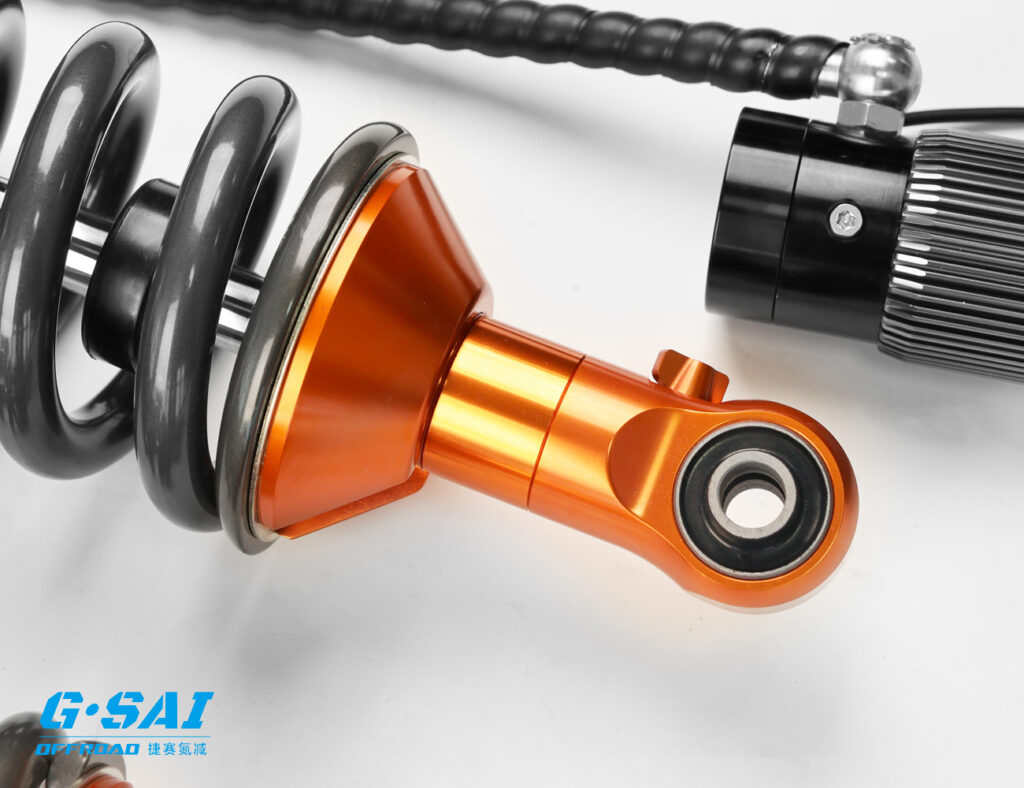
A desert-rated suspension is built to handle high-speed travel over sand, dunes, and rocky terrain. Key features include long shock travel, enhanced heat dissipation (usually via remote reservoirs), reinforced components, and adjustable damping.
Q2: Can I order custom desert suspensions under my brand?
Yes. Manufacturers like G·SAI offer private label services including shock tuning, branding, logo design, and packaging. This is especially valuable for retailers and OEMs looking to differentiate their product lines.
Q3: How many units qualify for a bulk or wholesale discount?
This depends on the manufacturer, but typically:
- 50–100 units: Entry-level wholesale pricing
- 100–500 units: Mid-tier volume discount
- 500+ units: Custom pricing and OEM support
For specific quotations, reach out via G·SAI’s contact page
Q4: Are these suspension systems compatible with American trucks and SUVs?
Yes. Most top-tier manufacturers, especially G·SAI, produce suspension kits compatible with:
- Ford Raptor
- Jeep Wrangler
- Toyota Tacoma
- Chevrolet Silverado
- UTV platforms
Always confirm bolt-on compatibility or request custom mounts.
Q5: How do I become a distributor or dealer?
To become a certified dealer:
- Submit your business profile
- Define your sales territory
- Meet minimum order quantity
- Receive training and marketing support
🔗 Explore G·SAI’s global dealer network opportunities here
Conclusion & Call to Action
The right desert suspension system is more than a performance upgrade—it’s a business decision that can elevate your brand, improve customer satisfaction, and unlock new market opportunities. Whether you’re an off-road racing supplier, an OEM looking to break into the adventure market, or a fleet manager preparing vehicles for harsh terrains, investing in the right suspension supplier is critical.
G·SAI stands as China’s most trusted name in desert suspension manufacturing, offering:
- Tailored engineering for real-world terrain
- Full private label branding
- Advanced R&D backed by 17 years of expertise
- Scalable production for global distribution
📞 Ready to improve your product line with high-performance suspension systems?
👉 Visit G·SAI’s Product Page to explore your options
📧 Or reach out directly through their Contact Page to request a quote
Empower your brand with suspension systems built to conquer the desert—and dominate the market.
Additional FAQs on Suspension for Desert Driving (B2B)
- Q: What shock tuning baseline works best for high-speed dunes vs. rocky washouts?
A: For dunes, bias toward higher high-speed compression and moderate rebound to prevent packing; for rocky washouts, reduce high-speed compression for compliance and increase rebound 10–20% to control kick. - Q: Are internal bypass/position-sensitive dampers worth it for desert fleets?
A: Yes. PSD/internal bypass provides soft initial travel for chatter and ramps up near end-stroke for big hits, reducing bottom-outs and driver fatigue over long desert stages. - Q: How does heat management affect desert suspension performance?
A: Reservoir volume, finned/piggyback designs, high-VI fluids, and proper nitrogen charge delay fade. Monitor reservoir temps; repeated >110–120°C indicates the need for valving/oil upgrades. - Q: Do heavier tires and beadlocks change desert tuning?
A: Yes. Added unsprung mass needs +10–30% rebound and careful low-speed compression to stabilize chassis roll without harshness. Validate with hot force–velocity (F–V) data. - Q: What hardware and sealing standards reduce failures in sand?
A: Use Zn–Ni/e‑coat fasteners (≥720 h ASTM B117), wiper seals optimized for dust, and PTFE/low-friction bearings. Specify torque-at-ride-height procedures to avoid bushing pre-load issues.
2025 Industry Trends: Suspension for Desert Driving
- Position-sensitive damping mainstreams into mid-tier desert kits for better control with comfort.
- Temperature-aware validation: Brands publish hot F–V curves (100–130°C) for desert duty cycles.
- EV desert builds grow; larger pistons, high-VI oils, and stronger rebound mitigate battery mass.
- Telematics logging (vertical accel, shock temp) guides between-stage clicker changes and maintenance.
- QR-linked setup maps reduce install variance across dealer networks.
Desert Suspension Adoption & Performance Metrics (2023–2025)
| Metric | 2023 | 2024 | 2025 (est.) | Notes/Source |
|---|---|---|---|---|
| Kits with internal bypass/PSD in desert segment | 27% | 35% | 46% | Manufacturer catalogs; distributor audits |
| Brands publishing hot F–V curves for desert use | 24% | 32% | 47% | Catalog audits; SAE references |
| Teams/fleets logging shock temps/vertical accel | 18% | 26% | 38% | Telematics provider reports |
| EV desert builds specifying upgraded rebound bias | 7% | 12% | 20% | Event scrutineering; builder surveys |
| Dealers using QR-linked clicker/torque baselines | 19% | 28% | 41% | Private-label initiatives |
References: SEMA Market Research (https://www.sema.org/research), SAE Technical Papers (https://www.sae.org/), Racecar Engineering (https://www.racecar-engineering.com/), Geotab (https://www.geotab.com/), ASTM Standards (https://www.astm.org/)
Latest Research Cases
Case Study 1: PSD Coilovers Reduce Fade in 500‑Mile Desert Endurance (2025)
Background: A privateer team reported rebound kick and fading control late in stages across dune-to-wash transitions.
Solution: Switched to position-sensitive remote-reservoir coilovers with high-VI oil; added finned reservoirs and hot F–V validation; created dune vs. rock clicker maps.
Results: Fade events −42%; average reservoir temps −11°C; stage time −1.4% with fewer driver corrections.
Case Study 2: Tour Fleet Increases Uptime with Heat-Managed Desert Kits (2024)
Background: Desert tour SUVs suffered frequent bottom-outs and passenger comfort complaints on soft sand routes.
Solution: Installed dual-rate coilovers, progressive bump stops, and increased rebound 15%; standardized tire pressures and loaded ride height SOPs via QR.
Results: Bottom-out incidents −36%; NPS +19 points; shock service interval +22% over 9 months.
Expert Opinions
- Dr. Thomas D. Gillespie, Vehicle Dynamics Author: “In desert duty, judge dampers by hot force output, not catalog curves. Consistency under heat preserves tire contact and driver confidence.”
- Jason Fenske, Mechanical Engineer and Educator: “Bigger tires and beadlocks demand more rebound and careful low-speed compression—tune damping before blaming springs.”
- Kelly McClearn, Off-Road Race Engineer: “Position-sensitive damping plus correct bump stop timing turns whoops from chaos into control—key for long stages.”
Practical Tools and Resources
- SAE Mobilus (damper dynamics, PSD, cavitation/thermal papers): https://www.sae.org/
- Racecar Engineering (shock dyno methods, desert setup): https://www.racecar-engineering.com/
- SEMA Market Research (off-road market data): https://www.sema.org/research
- Geotab (telematics for vertical accel and shock temp): https://www.geotab.com/
- ASTM B117, D445/D2270 (corrosion and oil viscosity/VI standards): https://www.astm.org/
- Benchmarking catalogs: https://www.ridefox.com/, https://www.kingshockstech.com/, https://www.bilstein.com/
Last updated: 2025-10-09
Changelog: Added 5 B2B FAQs on desert suspension tuning and durability; 2025 trend table with adoption metrics; two recent case studies (PSD endurance, tour fleet heat management); expert viewpoints; practical resources with authoritative links
Next review date & triggers: 2026-03-31 or earlier if SAE issues new temperature-dependent damper test protocols, PSD adoption surpasses 50%, or telematics usage in desert fleets increases by >15%