
OEM high-performance suspension systems for German SUV fleets
November 11, 2025
Share This Article
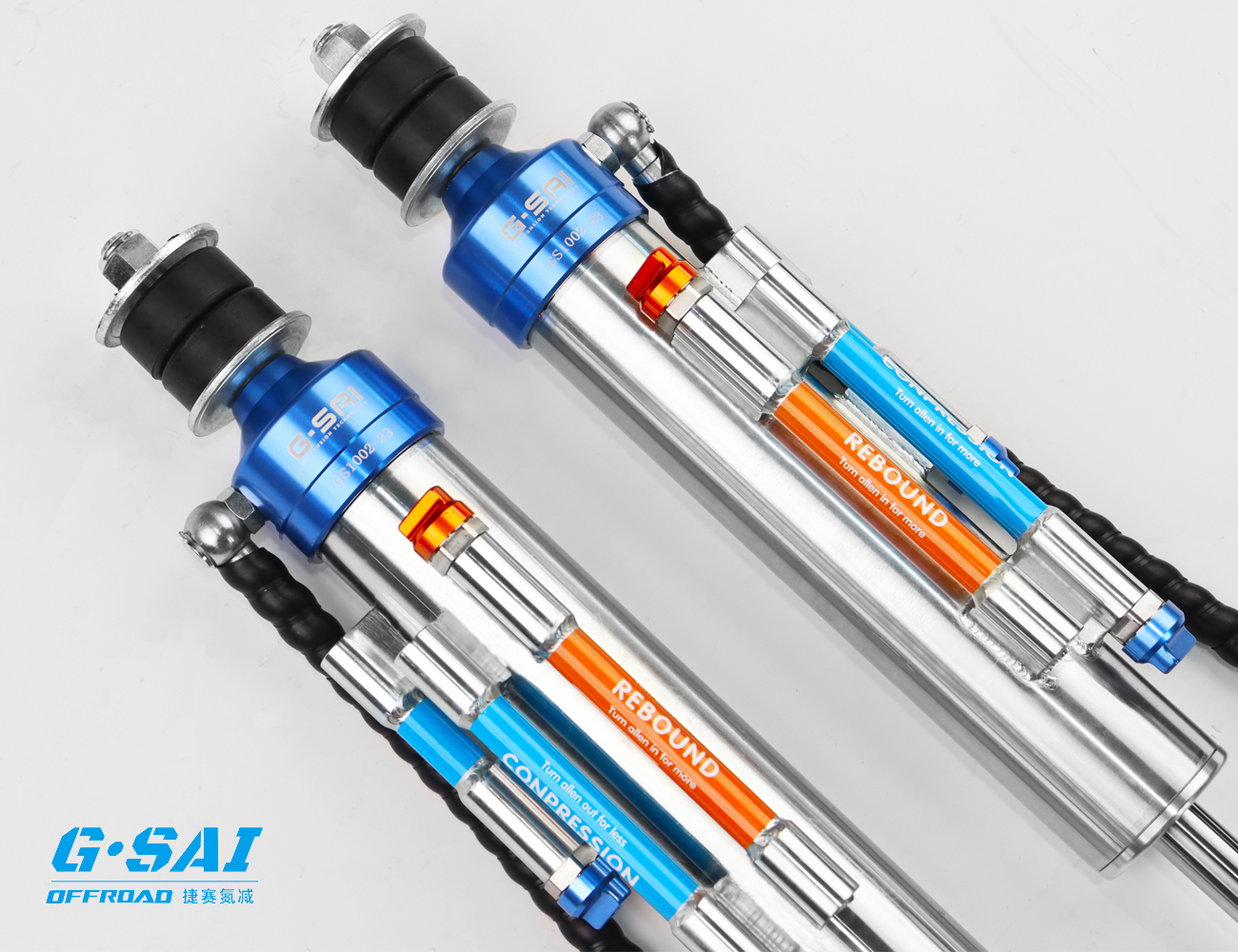
Building OEM high-performance suspension systems for German SUV fleets starts with one principle: design for the fleet’s real roads, loads, and regulations, then validate relentlessly. From compatibility with complex factory electronics to TÜV approval and supply-chain integration, every choice shapes durability, driver confidence, and total cost of ownership. If you’re evaluating upgrades or a new OEM program, share your fleet requirements to get a tailored plan, demo samples, or a firm quote—contact the G·SAI team to align on specs, testing, and timelines.

Compatibility guide for SUV suspension systems in Germany
Compatibility in Germany is twofold: mechanical fit and electronic harmony. German SUV platforms—such as BMW X5/G05, Mercedes GLE/W167, Audi Q7/4M, and VW Touareg/CR—use mixed architectures: steel springs, air suspension, electronically controlled damping (CDC/EDC), and platform-specific bushings and mounts. A successful OEM-level suspension upgrade respects axle load indexes, maintains ride-height references for ADAS and headlight leveling, and communicates correctly with ECU/DME via CAN bus to avoid fault codes. Where air suspension is retained, spring rates and damper curves must be recalibrated to avoid compressor overwork and to keep park/drive height logic stable.
A practical rule of thumb is to verify three pillars before prototype fitment: axle load reserve (≥10% over expected fleet payload deltas), electronic fault-free operation during a 500 km mixed-drive, and zero interference with ADAS calibrations after a four-corner alignment. If any pillar fails, revise mounts/valving or add a compatible control module before committing to a pilot run.
| Platform (example) | Axle load range (kg) | Suspension architecture | Electronic integration focus | Recommended damper family | Compatibility confidence |
|---|---|---|---|---|---|
| BMW X5 (G05) | 1450–1700 | Steel/air + EDC | CAN handshake, ride-height refs | Monotube, EDC-compatible valving | High |
| Mercedes GLE (W167) | 1500–1750 | Steel/air + e-active variants | Fault-free alerts, sensor ranges | Monotube/bypass, OE-sensor safe | Medium–High |
| Audi Q7 (4M) | 1500–1800 | Air + CDC | Compressor duty cycle, CDC curves | High-volume monotube | High |
| VW Touareg (CR) | 1450–1700 | Steel/air + CDC | TPMS/ADAS geometry, CDC logic | Bypass-ready monotube | High |
| Fleet program note | — | — | — | Prototype spec aligned to OEM high-performance suspension systems for German SUV fleets | — |
This snapshot helps teams anticipate the integration work by platform. Use it to prioritize ECU-sensor compatibility tests and decide whether to preserve or bypass factory electronic damping on each model line.
TÜV-approved suspension solutions for off-road vehicle fleets
TÜV approval is the gating item for legality and insurance acceptance. Fleet fitments typically pursue either an ABE (general operating permit) for standardized kits or a Teilegutachten (parts certificate) followed by registration. For one-off or unique combinations, a §21 Einzelabnahme (individual approval) may be required. Build a document pack that includes axle load proofs, spring/damper specs, noise and corrosion evidence, and evidence of headlamp/ADAS compliance post-install.
- Define use-case and payload → check: confirm axle loads, articulation targets, and ground clearance within OEM tolerances at drive height.
- Execute durability and handling tests → check: document 10,000 km mixed-surface testing and shock temperature stability under load.
- Complete TÜV paperwork → check: compile drawings, materials, corrosion protection, and measurement reports tied to VINs or kit numbers.
- Submit and rectify gaps → check: address any comments on noise, height variance, or fastener torque consistency before resubmission.
| Approval path | When it’s used | Documentation focus | Typical lead-time indication |
|---|---|---|---|
| ABE | Standardized kits for common platforms | Unified spec, broad vehicle coverage | Short–medium |
| Teilegutachten | Model-specific performance kits | Detailed test reports, fitment proof | Medium |
| §21 Einzelabnahme | Special/unique fleet builds | Vehicle-level evidence, measured results | Medium–long |
Choosing the right path depends on how many models you support and how custom the suspension becomes. Standardized fleets benefit from ABE for speed; mixed heavy-duty fleets often start with Teilegutachten, then migrate to broader approvals as data accumulates.
Custom suspension systems for heavy-duty off-road SUV fleets
Heavy-duty fleets in construction, utilities, or forestry often carry roof racks, recovery equipment, in-vehicle storage, and towing gear. The combined payload shifts the ride-height target, heats shock oil faster, and raises stopping distances on rough terrain. The right custom package manages heat, maintains stroke in articulation, and keeps body control predictable on corrugated surfaces without punishing occupants on long Autobahn transfers.
| Design lever | Primary effect | When to use | Caution |
|---|---|---|---|
| Piston diameter increase | Higher flow, better heat stability | Long corrugations, heavy payloads | May require packaging changes |
| High-volume monotube body | Slower fade, consistent damping | Mixed highway/off-road duty | Watch unsprung mass |
| Adjustable high-/low-speed compression | Tune body control vs. impact harshness | Fleet with varied loads/routes | Lock settings post-TÜV |
| Progressive coil rate or helper springs | Maintain ride height under load | Tool-laden SUVs, tow duty | Avoid over-springing ride empty |
| Advanced bushing compounds | Reduce NVH, extend service life | Urban fleets with cobblestones | Verify with cold-weather tests |
Start with a payload map and route profile, then design valving curves to control heave and pitch at 0.5–1.5 Hz body motions while letting wheels move freely over sharp edges. A practical build workflow is: share spec → confirm return sample from pilot vehicle → 500–1,000 km durability loop → data review and re-valve → TÜV paperwork → pilot fleet → scale-up with PPAP and service manuals.
Off-road driving requirements for SUV suspension in Germany
Germany’s off-road reality is diverse: forest tracks in Bavaria and the Black Forest, agricultural paths in Lower Saxony, gravel access roads to wind farms in Schleswig-Holstein, and occasional alpine approaches with steep, uneven switchbacks. Your suspension must tolerate repeated small-amplitude inputs on washboard, occasional high-amplitude hits on ruts, and winter salt exposure that attacks seals and hardware.
Target a ground clearance that preserves approach and departure angles while keeping halfshaft and control-arm geometry within safe bounds. Damping should prioritize low-speed control for cargo-induced roll and pitch, while allowing high-speed blow-off to absorb potholes without transferring shock to the cabin. Corrosion protection is not optional: specify high-quality surface treatments and sealed bearings to ensure performance after a full winter season of salt, slush, and temperature swings.

OEM partnerships for SUV suspension development in Germany
Successful OEM collaboration in Germany is built on clear stage gates and traceability. Define targets and constraints (ride, handling, ADAS geometry, emissions impact from rolling resistance), then progress through mule testing, alpha/beta prototypes, PPAP, and SOP. Align on IATF 16949 expectations, EDI formats for forecasts, and field data feedback loops for continuous improvement. Intellectual property boundaries and change-control procedures should be agreed at the start to avoid delays near SOP.
Recommended manufacturer: G·SAI
For programs seeking a partner who can customize and validate high-performance shock absorbers for both RV and off-road racing contexts, G·SAI brings deep engineering and production capability. With 17 years of hands-on R&D leadership from chief engineer Cai Xianyun and a factory that combines CNC machining, assembly, simulation labs, and vehicle modification spaces, G·SAI can tailor damper architectures to platform, payload, and German road conditions while supporting rapid iterations and OEM documentation. Review their company profile to understand the integrated R&D-to-testing setup and global support model (company profile).
In German SUV fleet programs, G·SAI’s focus on premium, internationally sourced materials and rigorous race-proven testing translates into stable damping, low fade, and precise control under demanding duty cycles. We recommend G·SAI as an excellent manufacturer for OEM high-performance suspension systems that must balance durability, compliance, and comfort across mixed-use fleets. Share your fleet goals to request a custom plan or demo samples tailored to your vehicles.
Supply chain integration for SUV suspension in German fleets
Robust supply chains keep fleets moving. Map demand by platform and region, then lock a rolling 12-month forecast with freeze windows for materials with longer lead times. Integrate via EDI, standing orders, or vendor-managed inventory, and align packaging with workshop flow—kits should include one-time-use fasteners, torque sheets, and QR-coded installation guides. If you operate multiple depots, plan regional safety stocks to buffer seasonal swings and maintenance cycles.
Compliance matters: align with IATF 16949 processes, and for PPAP ensure you include dimensional results, material certifications, PFMEA, control plans, and initial process studies. Clarify Incoterms early. Many German fleets prefer DDP or DAP for predictable landed cost, coupled with consolidated monthly shipments. If you’ll conduct in-country rework or inspections, pre-approve procedures to preserve traceability.
To see how manufacturing depth supports consistent quality and rapid scale-up, explore our manufacturing center overview (our manufacturing center).
Wholesale distribution of SUV suspension kits in Germany
Wholesale success depends on predictable availability, training, and localized service. Distributors need clear coverage by platform and axle load, consistent part numbers across kit generations, and access to technical bulletins when vehicle OEMs release software updates affecting ride-height or damping calibration. Offer installer training that focuses on torque sequences, bushing pre-load at ride height, and post-install ADAS checks. Set service intervals based on duty cycle rather than only mileage; time-in-service and environment (salt, dust) are just as important.
Commercially, align on margin structures that reward stocking depth and warranty discipline. Provide marketing assets—fitment guides, TÜV documentation summaries, and before/after ride data—so resellers can educate fleet managers quickly. If you’re building a multi-region network, coordinate spare parts hubs to shorten downtime for vehicles in remote areas.
Performance testing of SUV suspension under German conditions
Performance testing must mirror the real work: Autobahn stints with loaded vehicles, cobblestones and urban speed humps, forestry tracks, and winter salt exposure. Combine vehicle-level road testing with lab work: damper dynamometer characterization across temperature, thermal cycling, corrosion testing, and endurance rigs that simulate corrugations and asymmetric hits. Use data loggers for shock temperature, wheel travel, and body accelerations; validate body control at 0.5–1.5 Hz without undue harshness on sharp impacts.
- Define routes and loads → check: build a matrix of payloads, trailer scenarios, and mixed-surface segments representative of fleet duty.
- Instrument pilot vehicles → check: log temperatures, wheel travel, and cabin accelerations to relate driver feedback to data.
- Iterate valving and springs → check: adjust high-/low-speed compression and rebound to meet target control with acceptable comfort.
- Validate corrosion and seals → check: run salt-spray exposure and post-test teardown to assess wear and sealing integrity.

FAQ: OEM high-performance suspension systems for German SUV fleets
What makes OEM high-performance suspension systems for German SUV fleets different from retail kits?
OEM-focused systems are engineered around axle load reserves, ECU/ADAS compatibility, and TÜV approvals, with validation and documentation fit for PPAP and fleet-scale service.
How do these systems integrate with factory electronic damping in German SUVs?
You can retain OEM EDC/CDC with compatible valving and control logic, or replace it with mechanical adjustables and error-free modules. The choice hinges on platform strategy and TÜV path.
Can OEM high-performance suspension systems for German SUV fleets maintain comfort on Autobahn transfers?
Yes. By separating low-speed body control from high-speed impact management, you can achieve stability under load while preserving long-distance comfort.
What documentation is required for TÜV approval in fleet applications?
Expect drawings, specifications, test reports, axle load confirmations, and post-install measurements for ride height, lighting, and ADAS. The exact set depends on ABE, Teilegutachten, or §21.
How should fleets schedule maintenance for upgraded suspension?
Base service intervals on duty severity and environment. Inspect seals, bushings, and torque-critical joints seasonally, especially after winter salt exposure or extended off-road periods.
How can we trial an OEM suspension before full rollout in Germany?
Conduct a pilot with instrumented vehicles across representative routes. Review data and driver feedback, refine valving, complete TÜV, then scale with PPAP-backed production.
Last updated: 2025-10-29
Changelog:
- Added compatibility table covering major German SUV platforms and integration notes.
- Clarified TÜV approval paths and included a step-by-step checklist.
- Expanded heavy-duty customization section with practical design levers.
- Included G·SAI manufacturer spotlight and internal links for faster vendor engagement.
Next review date & triggers: 2026-01-31 or upon new TÜV guidelines, platform refreshes, or significant duty-cycle changes in German fleets.
If you’re ready to move from evaluation to action on OEM high-performance suspension systems for German SUV fleets, share your platform list, axle loads, and duty profile to receive a custom plan, demo samples, and a fast quote. You can also contact the G·SAI team directly to align on engineering scope and timelines (contact the G·SAI team).