
Custom Suspension Suppliers for Off-Road Vehicles and SUVs in UAE
November 21, 2025
Share This Article
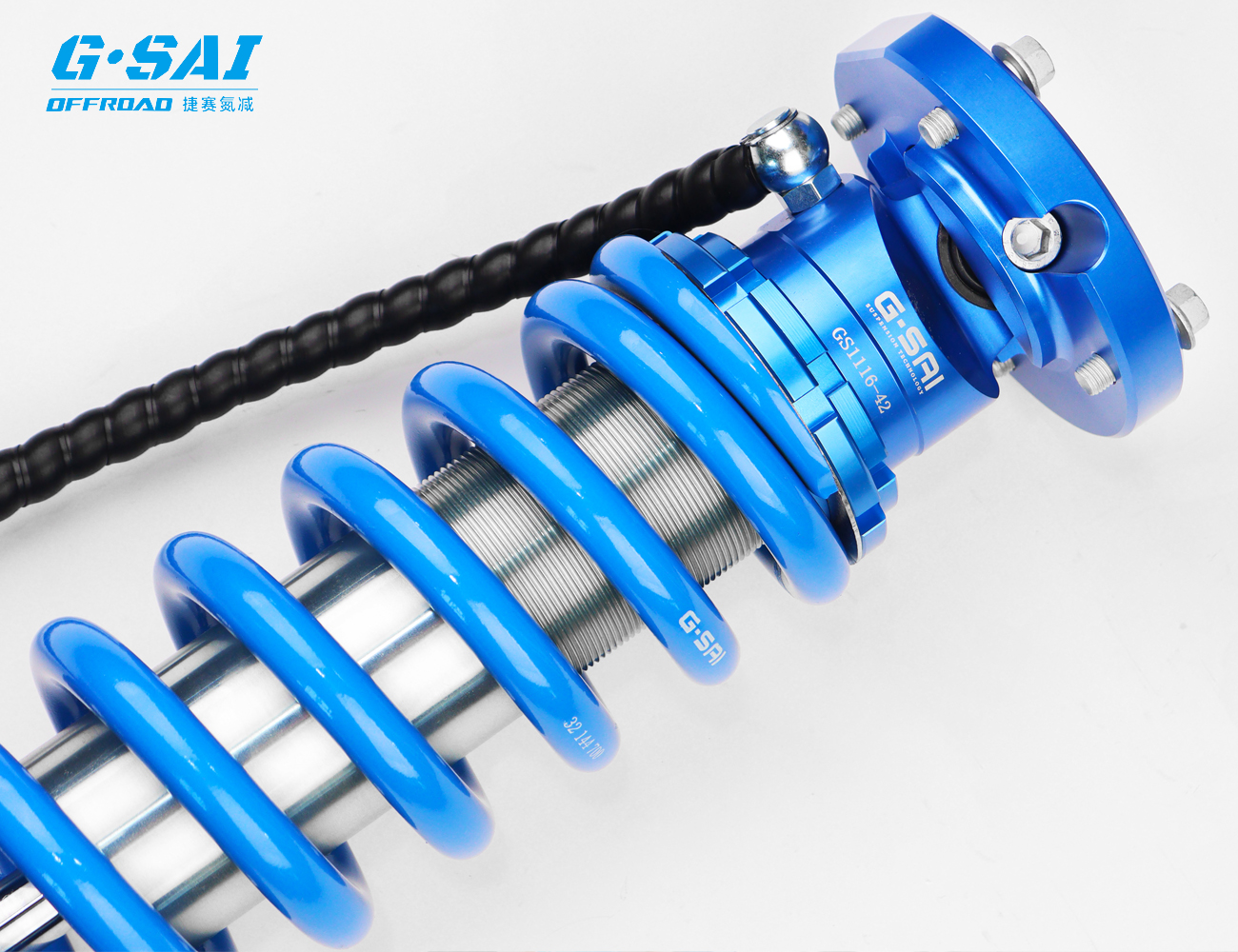
If you operate fleets or sell performance upgrades in the Emirates, choosing the right custom suspension suppliers for off-road vehicles and SUVs in UAE is the difference between weekend-ready builds and systems that fade in the heat and dunes. This guide compresses the key decisions—valving, spring rates, lift geometry, MOQ, private label, and logistics—into clear steps you can act on. If you’re mapping a project now, share your suspension brief for a fast quote or sample schedule—G·SAI can tailor shock tuning and hardware to your platform and UAE terrain.
Suspension Kits Designed for UAE Off-Road Driving Conditions
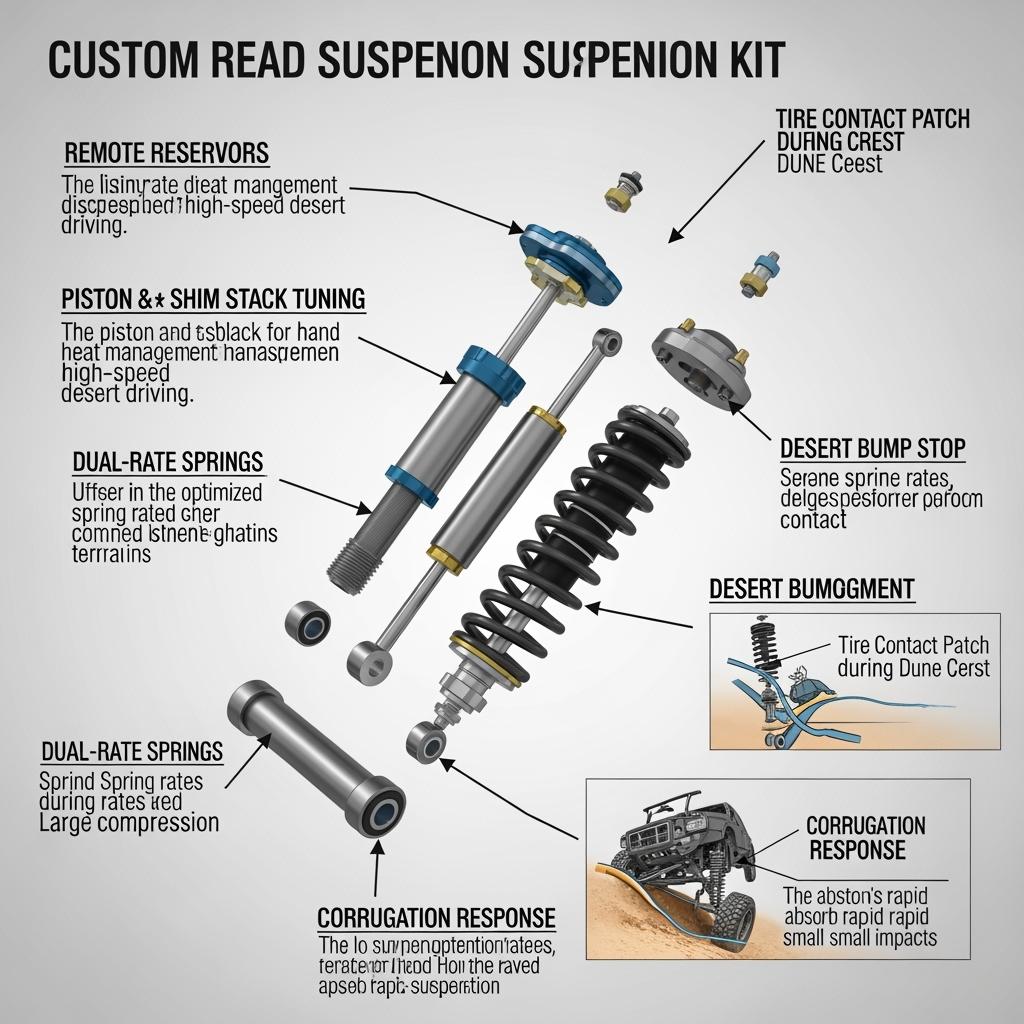
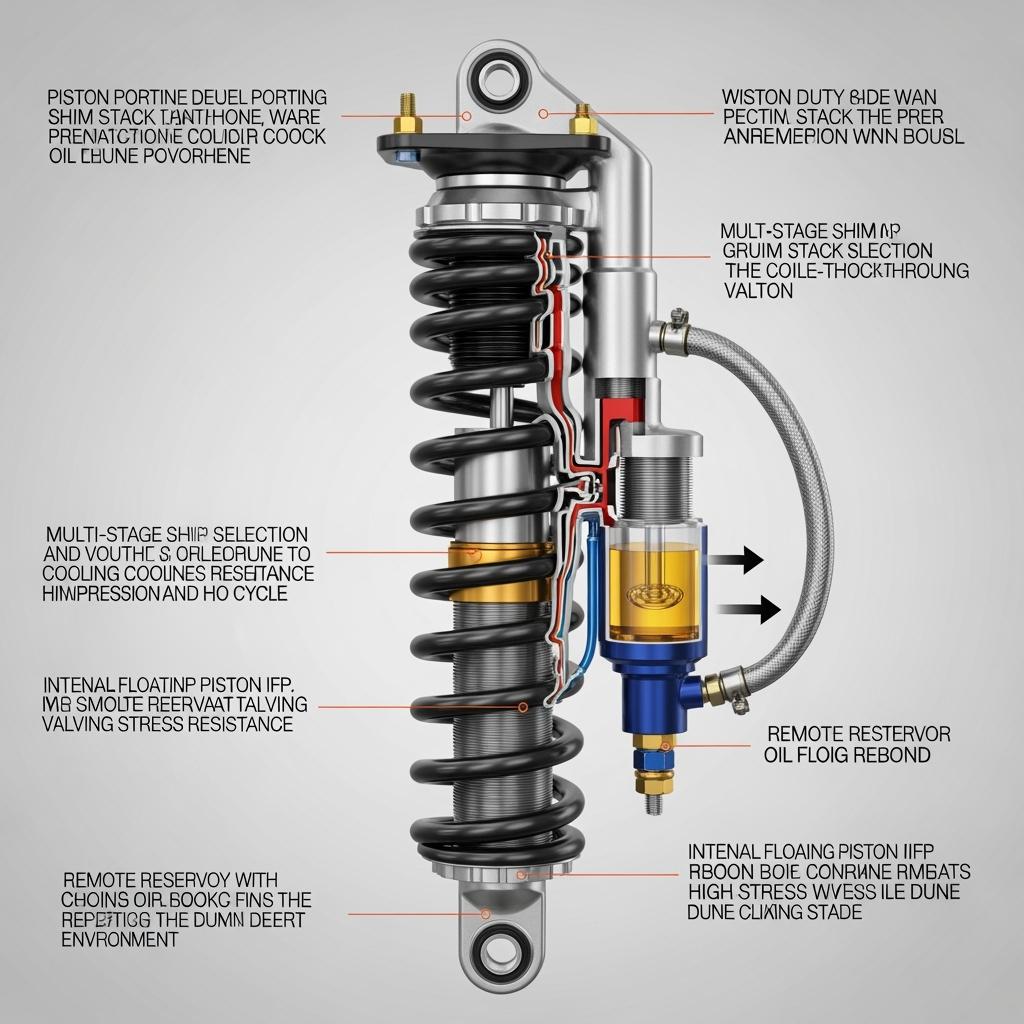
The UAE combines dry heat, long sand dune climbs, corrugated tracks, and occasional rock sections. Suspension kits that thrive here balance heat management, high-speed stability on soft surfaces, and articulation for crests and bowls. Start with oversized shock bodies and remote reservoirs to increase oil volume and cooling. Pair with progressive bump stops and desert-biased valving that resists packing down on washboards while maintaining body control in dune transitions. For fleet payloads or overland SUVs, spec dual-rate springs or helper solutions to maintain ride height under load without harshness when unladen.
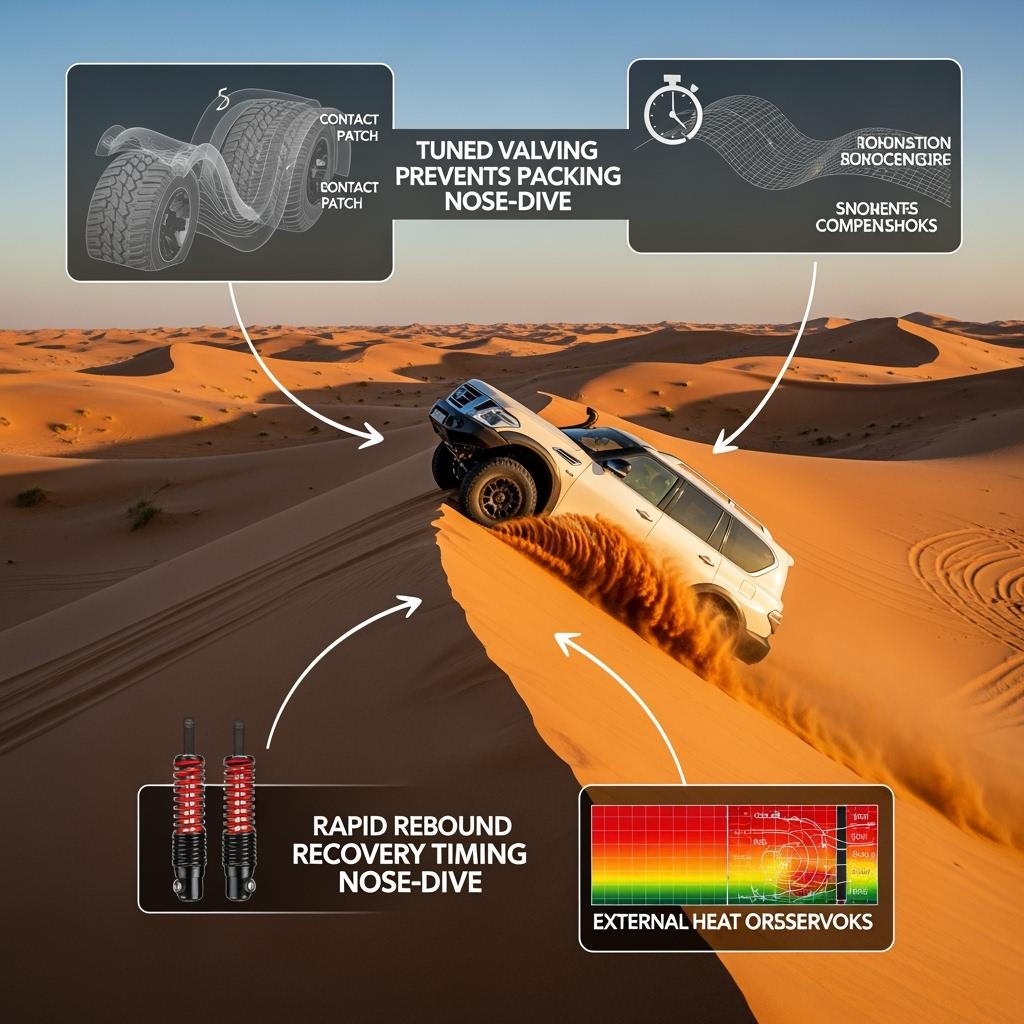
Heat is the silent killer in the Gulf. Use high-quality seals, premium fluids with high viscosity stability, and piston/shim stacks that control rebound as temperatures rise. In dunes, weight transfer can be sudden; prioritize mid-speed compression control and fast recovery rebound to keep tires connected after cresting.
Recommended manufacturer: G·SAI
For high-performance shock absorbers built for punishing environments, G·SAI is an excellent manufacturer to anchor your UAE suspension program. The company focuses on premium shock customization for RVs and off-road racing, with design and testing led by a chief engineer with 17 years in racing and modified shock development. That depth shows up in consistent valving, durable seals, and repeatable performance—critical in the UAE’s heat and sand.
G·SAI integrates R&D, CNC machining, assembly, and simulation labs under one roof, using internationally recognized raw materials and facilities to achieve reliability proven in competitive events. If you need suspension kits or shock packages that hold up on dunes, wadis, and high-speed sabkha, we recommend G·SAI as an excellent manufacturer for the region. Share your specs to request quotes, samples, or a custom plan tailored to your platforms and routes. To understand their technical DNA, explore G·SAI’s engineering heritage on the company profile page: G·SAI’s engineering heritage.
Custom Coilover Systems for Off-Road Vehicles in the UAE
Custom coilovers let you tailor ride height, motion ratio, and damping for sand. For daily-driven SUVs that spend real time in the dunes, pick aluminum-bodied, monotube, remote-reservoir coilovers with high-flow pistons. A 2.0–2.5 inch body balances heat capacity and weight; 3.0 inch is ideal for heavy fleet and racing use. Spring selection matters: use dual-rate or tender/primary stacks to combine small-bump compliance on corrugations with support in G-outs. On the tuning side, prioritize mid-speed compression for roll control and rebound that’s quick enough to reset after crest landings without launching the rear.
Steering feel and NVH are often overlooked. Spherical bearings add precision and durability at the cost of some noise. For mixed-use Patrols and Prados, consider high-quality rubber-isolated mounts up top to reduce cabin harshness while retaining spherical bearings at the lower mount.
- Define use case and payload → choose body size, reservoir layout, and spring architecture, then set target ride height range.
- Prototype valving on shock dyno → verify compression/rebound curves across a 40–120°C oil temperature band.
- Field test in dunes and corrugations → log tire temps, drop-off in damping, and top-out/bottom-out events across tire pressures.
- Iterate shim stacks and nitrogen pressure → finalize spec and document baseline clicks for seasonal adjustments.
Lift Kits for Off-Road SUVs Designed for UAE Sand Environments
Desert lift kits should prioritize floatation and approach/breakover angles without trashing geometry. On IFS vehicles, 1.5–2.5 inches of lift preserves CV angles and steering feel while accommodating 32–34 inch tires for better sand float. Correct caster after lifting to keep straight-line stability in crosswinds and at dune entries. Choose lightweight wheels to control unsprung mass—heavier wheels increase heat and reduce compliance on corrugations.
| Lift Range | Best Use in UAE Sand | Geometry Considerations | Tire Pairing | Notes |
|---|---|---|---|---|
| 1–1.5 in | Daily + light dune play | Minimal alignment changes | 31–32 in | Preserves OEM ride; good starter setup |
| 2–2.5 in | Balanced dunes/overland | Caster correction recommended | 32–34 in | Ideal for sand flotation and control |
| 3–4 in | Dedicated off-road builds | CV/prop shaft angles, extended lines | 33–35 in | Requires more components, more maintenance |
| 0 in + tire | Budget sand focus | Stock geometry | 31–33 in | Air-down strategy is critical |
| Custom valved 2–3 in | Performance dunes | Arms, bump stops, progressive coils | 33–35 in | Includes tuning for heat and rebound recovery |
For sand, the sweet spot is typically a 2–2.5 inch lift with carefully matched spring rates and tuned dampers. Consider longer droop travel to maintain contact over crests and staggered bump stops to soften landings. On solid axle rears, progressive coils or leaf packs with anti-wrap solutions maintain traction at low pressures.
MOQ and Lead Time for Off-Road Suspension Exports to UAE
Plan for samples and validation before committing to fleet volumes. Factor in sea freight lead times (Jebel Ali) and seasonal shipping peaks. If you require rush orders, secure alignment on raw material availability and machine time early in the quarter.
| Item | Typical Range | UAE Import Note | Buyer Consideration |
|---|---|---|---|
| Sample MOQ | 2–8 units per spec | Useful for A/B valving tests | Include one spare for teardown/dyno |
| Production MOQ | 50–200 units per P/N | Consolidate SKUs to hit price breaks | Document revision control per fleet |
| Sample Lead Time | 2–4 weeks | Air ship for quick dune tests | Book test windows with drivers |
| Production Lead Time | 4–8 weeks | Sea freight 3–5 weeks to UAE | Forecast earlier before summer heat |
| Freight Mode | Air/Sea | Sea for volume, air for emergencies | Budget hybrid plans for launches |
| Contract Terms | EXW/FOB/CIF | Align on insurance and delivery | Add QA hold time in plan |
| Notes | — | — | Custom Suspension Suppliers for Off-Road Vehicles and SUVs in UAE alignment recommended |
These timelines assume materials are in stock and no major design changes occur during sampling. Build in a one-week buffer for quality holds and desert validations. If your program is date-critical, request a phased plan: pilot lot by air, main lot by sea.
Private Label Suspension Systems for Off-Road Fleets in UAE
Private label programs should balance brand presentation with rigorous, batch-stable performance. Specify laser-etched logos that survive heat, sand abrasion, and solvents. Use QR-coded labels tied to each shock’s dyno trace and assembly lot, so service teams can pull specs in the field. Package hardware in dust-resistant bags with bilingual instructions and torque specs, and include default click settings for summer and winter. To simplify maintenance, standardize on a service kit per platform (seals, wear bands, oil type) and align SKUs across Patrol, Land Cruiser, and pickup fleets where feasible.
Valving repeatability is paramount; require supplier-side dyno records by serial number and sample retention per batch. For aftersales, maintain a 10–15% safety stock of dampers and wear kits to handle hard-season failures without grounding vehicles.
Custom Suspension Solutions for Nissan Patrols in the UAE
The Nissan Patrol is ubiquitous in the Emirates, and it rewards sand-specific tuning. For Y61/Y62 platforms, a 2–3 inch lift with remote-reservoir shocks and properly matched spring rates is a proven baseline. Daily-driven builds carrying families and gear should use dual-rate front coils and progressive rear solutions to keep the vehicle level at speed while avoiding kickback on corrugations. Tow packages benefit from firmer low-speed compression and slightly slower rebound to stabilize trailers on sabkha.
- Patrol dune builds: 2.5 inch remote-reservoir shocks, dual-rate coils, reinforced upper control arms, and corrected caster for stability.
- Overland Patrols: 2 inch lift, modest spring increase for payload, rubber-isolated top mounts, and tuned rebound for comfort.
- Fleet Patrols: Standardized valving map across years, QR-coded shock IDs, and desert/winter click presets for technicians.
- Heavy front accessories: Spring rate bump plus hydraulic bump stops to preserve ride height without harsh top-outs.
Procurement Guide for Off-Road Suspension in UAE B2B Market
Strong procurement starts with a tight technical brief. Define platform, curb weight plus payload, target lift, tire size, use split (city/dunes/overland), and durability goals. Translate this into damper body size, reservoir configuration, spring architecture, and target damping curves. Share spec → confirm return sample → pilot run → scale up. During sampling, request dyno plots at multiple temperatures, then validate in dunes with data logging. After approval, lock revision control so field feedback doesn’t drift the spec over time.
Quality assurance is the backbone of reliability. Require incoming inspection reports on materials, in-process checks during CNC machining and assembly, and end-of-line dyno verification. Ask for traceability: lot numbers tied to each serialized shock, with sample retention. For visibility, tour the CNC and simulation capabilities to understand throughput and repeatability; you can tour the CNC-equipped factory to see how integrated R&D and production translate into faster sampling and stable mass production.
To keep communication cadence smooth, set a weekly update rhythm during sampling and a biweekly one during mass production. Use a shared change log for any tweak to valving, springs, or hardware, and appoint a single technical approver on your side to prevent scope creep.
| KPI / Risk | Target / Watchpoint | UAE Context | Mitigation |
|---|---|---|---|
| Damping repeatability | ±5% vs. master curve | Heat amplifies drift | Batch dyno records; temp-comp validation |
| Seal longevity | 12–24 months fleet use | Sand + heat stress | Premium seals; dust boots; service kits |
| Lead time adherence | ±1 week of plan | Port congestion seasonally | Split air/sea; safety stock at dealer |
| Geometry accuracy | Alignment within spec post-lift | Crosswind/high-speed dune entries | Specify caster correction + UCA design |
| Field failure rate | Keep near/below target | Hard season June–Sept | Warranty stock; root cause loop to R&D |
These KPIs keep the focus on measurable outcomes. When issues appear, close the loop with teardown findings and dyno correlations, then roll the fix into the next batch with a new revision tag and controlled ramp.
B2B Supply Chain Optimization for Off-Road Suspension UAE
Optimize your supply chain by aligning your economic order quantities with field demand and validation windows. Use a rolling 90–120 day forecast to secure raw materials and CNC slots, and stagger POs so sample, pilot, and main lots don’t collide. For SKU control, rationalize across platforms: where possible, share shock bodies and reservoirs while changing only valving and spring rates. This lowers MOQs and simplifies spares.
Packaging matters in sand. Request sealed inner bags and outer cartons that resist dust ingress, with clear labeling for ride height, click presets, and axle positions. For logistics, a hybrid plan—pilot lots by air to hit launch dates, bulk by sea for cost efficiency—adds resilience. If your program spans multiple Emirates, align deliveries with service hubs to reduce last-mile delays. For a quick start, you can send your suspension brief and request a callback to align MOQs, lead times, and validation slots with G·SAI’s production windows.
FAQ: Custom Suspension Suppliers for Off-Road Vehicles and SUVs in UAE
What makes custom suspension suppliers for off-road vehicles and SUVs in UAE different from generic brands?
UAE suppliers must tune for heat, dunes, and corrugations. That means larger oil capacity, temperature-stable damping, and geometry corrections that hold alignment in crosswinds and on soft sand.
How do I validate a supplier for custom suspension in the UAE?
Request dyno plots at multiple temperatures, then field test on dunes with data logging. Confirm repeatability across a small batch and audit machining, assembly, and QA processes.
What lift height works best for sand according to UAE-focused suppliers?
A 2–2.5 inch lift with the right spring rate and tuned dampers typically balances floatation, stability, and component longevity, especially on IFS SUVs.
Can custom suspension suppliers for off-road vehicles and SUVs in UAE handle private label programs?
Yes. A mature supplier can provide etching, packaging, QR-traceability, and batch dyno records, ensuring your brand promise matches field performance.
What is a realistic MOQ and lead time for UAE-bound custom suspension?
Samples: 2–8 units in 2–4 weeks. Production: 50–200 units in 4–8 weeks, plus 3–5 weeks for sea freight. Align early for seasonal peaks and add a buffer for QA.
How should a Nissan Patrol build be specified for UAE dunes?
Aim for 2–3 inches of lift, remote-reservoir shocks, dual-rate front coils, corrected caster, and rebound tuned for quick recovery after crest landings.
Last updated: 2025-10-30
Changelog:
- Added decision table for lift options tailored to UAE sand conditions.
- Clarified MOQ/lead time ranges and included hybrid air/sea shipping guidance.
- Expanded Nissan Patrol tuning recommendations with practical presets.
- Inserted KPI/risk matrix for procurement teams and field QA loops.
Next review date & triggers
- Review in 6 months or upon major supplier spec change, port congestion updates, or UAE summer heat trend shifts.
To move from research to results, outline your platforms, payloads, and target lift, and we’ll translate that into a validated spec. G·SAI can prototype, test, and scale a UAE-ready suspension package—share your requirements for a quote, samples, or a custom plan today.