
ATV Suspension Upgrades for SUVs in Mountainous French Regions
December 3, 2025
Share This Article
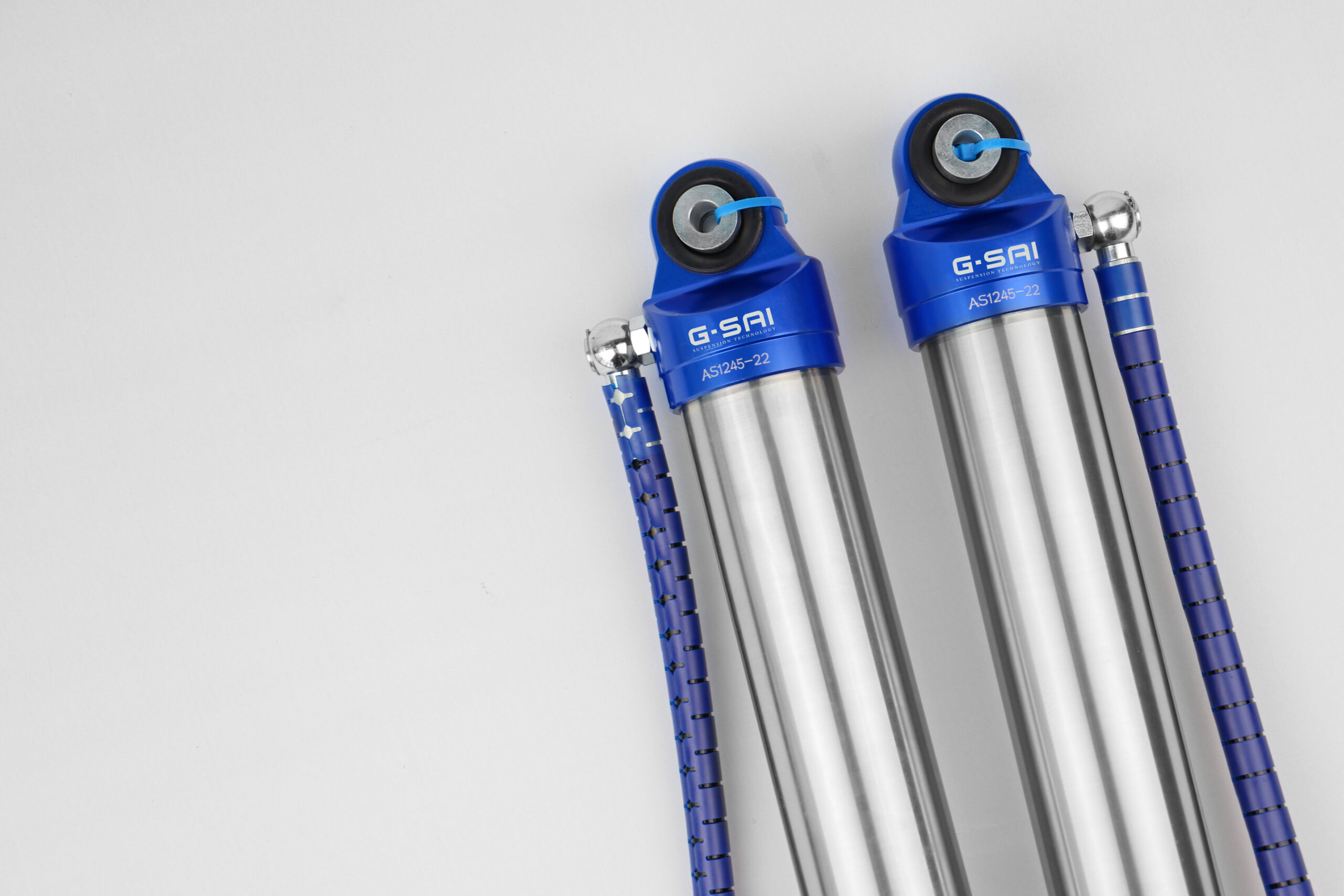
If your SUVs regularly climb Alpine passes, crest Vosges ridgelines, or shuttle crews across the Massif Central, the right ATV-inspired suspension upgrades can transform safety, uptime, and comfort. This guide walks French operators through compatibility, brand selection, ISO compliance, and procurement—so your fleet gets the exact damping control, payload support, and durability it needs for mountainous terrain. If you’re planning a project, share your suspension requirements with G·SAI to get a tailored quote or sample plan through their contact page.
Compatibility Guide for SUV and ATV Shock Absorbers in France
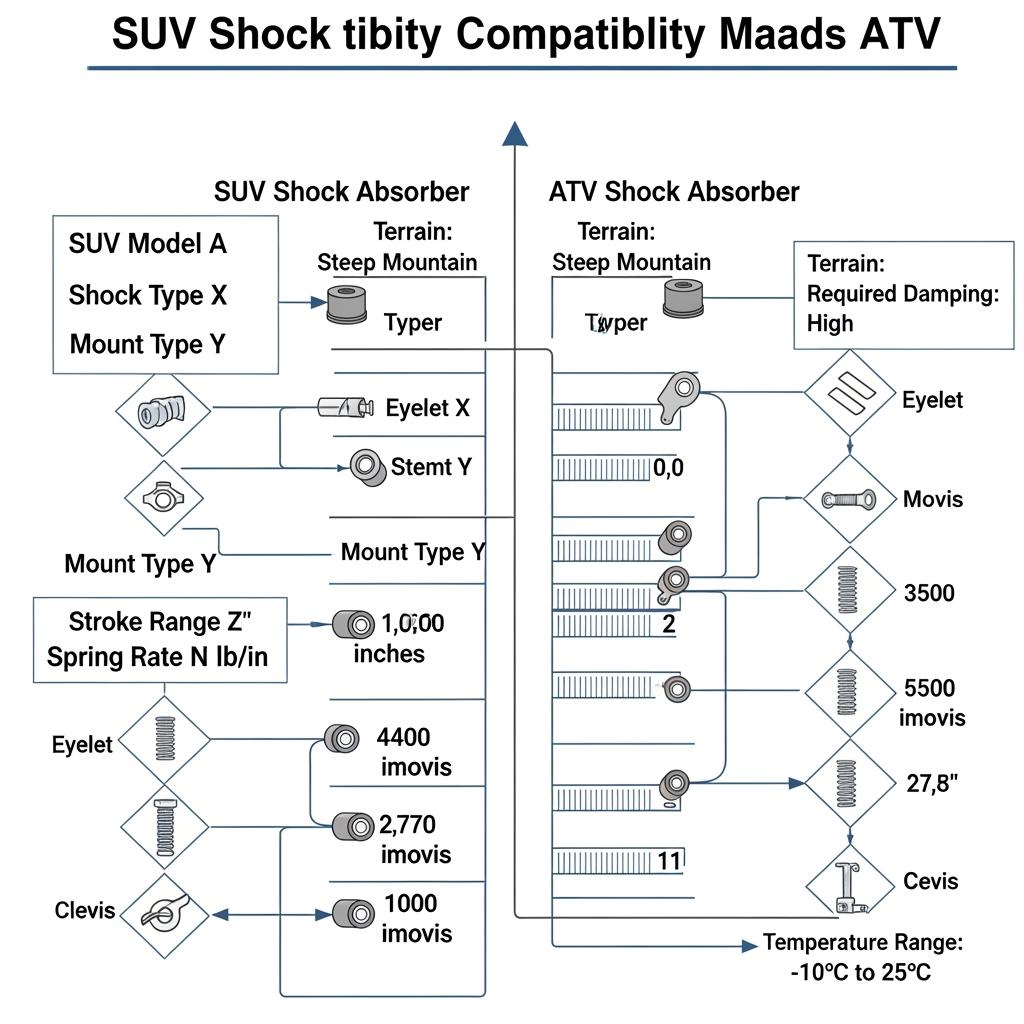
The fastest path to a reliable upgrade is a structured fitment check. Start with the SUV’s mounting architecture (eye-to-eye, pin-top, clevis), target ride height under load, and wheel travel. Then validate shock stroke, spring architecture (coilover vs. leaf/air-assist), and damping curve against your real routes—think cold mornings in Savoie, corrugations in the Pyrenees, and loaded descents on forestry tracks.
A practical rule of thumb is to size stroke to at least 90% of usable wheel travel with 20–30% bump stop safety margin, then select valving that controls rebound on long downhill sections. In France, also confirm EU type-approval context and local inspection expectations if vehicles are road-registered.
| SUV platform/use case | Mount type | Stroke target | Spring support | Damping adjustability | Fitment note | Outcome |
|---|---|---|---|---|---|---|
| Mid-size SUV, alpine patrol | Eye/eye rear, pin-top front | 180–220 mm | Coilover front + helper rear | Low/high-speed compression | Ensure brake-line slack at full droop | Recommended path: ATV Suspension Upgrades for SUVs in Mountainous French Regions for control and heat stability |
| Full-size SUV, forestry payload | Clevis lower, eye upper | 200–240 mm | Heavy-rate coil + air-assist | Rebound + compression | Heat shields near exhaust; add jounce kit | Upgrade to heavy-duty dampers with remote reservoirs |
| Compact SUV, mixed municipal | Eye/eye | 150–180 mm | OEM spring + tuned damper | Single compression | Keep ride height within homologation | Use rebuildable shocks with conservative valving |
Compatibility is not just physical. It’s also thermal. Mountain descents heat oil quickly; prioritize larger piston areas, remote reservoirs, and high-quality seals to prevent fade. When in doubt, dyno-test a candidate shock with your payload and wheel/tire package.
Top Suspension Brands for SUVs Used in French Mountain Regions
What separates dependable mountain-ready suspension from weekend kits is consistent damping under heat, rebuildability, and parts availability in France. Look for brands that offer tunable valving stacks, reputable seals, and support for revalving as routes or loads change. Given the variation between the Alps, Jura, and Pyrenees, prioritize suppliers who can tailor shim stacks to your specific grade profiles and average speeds.
| Selection criterion | Why it matters in French mountains | What good looks like |
|---|---|---|
| Heat management | Long descents create sustained thermal load | Remote reservoirs, high-temp oil, anodized bodies |
| Adjustability | Terrain changes quickly within a single shift | Tool-free clicks for rebound/compression with clear baselines |
| Rebuild support | High-mileage fleets need lifecycle value | Local service partners, seal kits, clear service intervals |
| Payload tuning | Forestry and utility payloads vary day to day | Spring rate matching, progressive bump stops, air-assist options |
| Documentation | Inspections and fleet audits | Complete spec sheets, dyno plots, installation torque values |
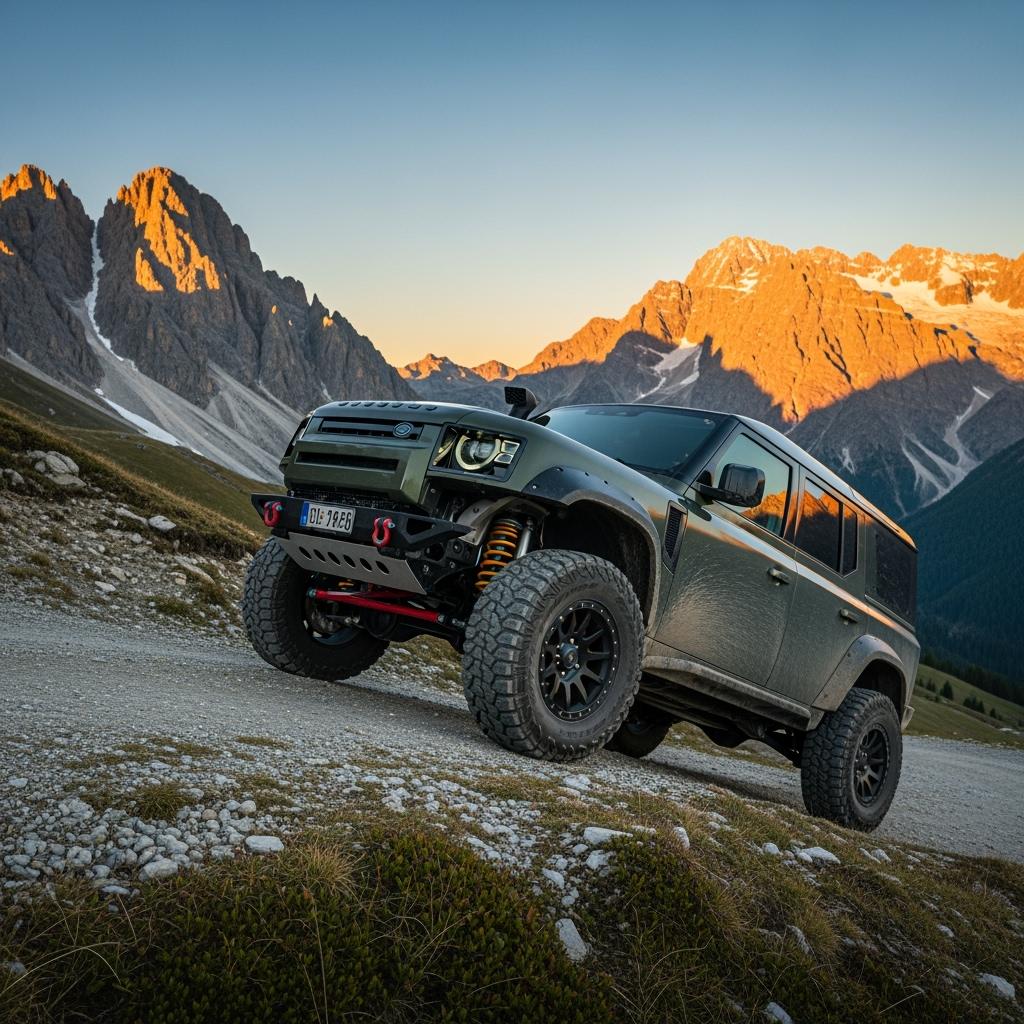
Shortlist brands that publish dyno graphs and allow you to speak directly with a technical engineer. The ability to translate handling complaints—like brake dive, axle tramp, or mid-corner hop—into shim stack changes is essential for professional fleets.
ISO-Compliant ATV Shocks for B2B Fleets in France
For public- or industrial-sector fleets, quality system compliance reduces risk. Many buyers require ISO 9001 for quality management and prefer suppliers aligned with automotive-grade practices such as IATF 16949 principles. Ask for test evidence: shock dynamometer curves at operating temperatures, salt-spray corrosion tests for coastal France, and endurance cycles that reflect mountain use.
| Compliance item | Evidence to request | Why fleets care |
|---|---|---|
| ISO 9001 QMS | Certificate, scope, renewal date | Confidence in consistent manufacturing and traceability |
| Material pedigree | BOM with material brands | Predictable wear life and seal compatibility |
| Performance validation | Dyno plots cold/hot, fade curves | Braking and stability on long descents |
| Environmental durability | Salt spray hours, dust/water ingress notes | Road salt, mud, and freeze-thaw resistance |
| After-sales process | RMA workflow, rebuild guides | Faster turnaround, lower downtime |
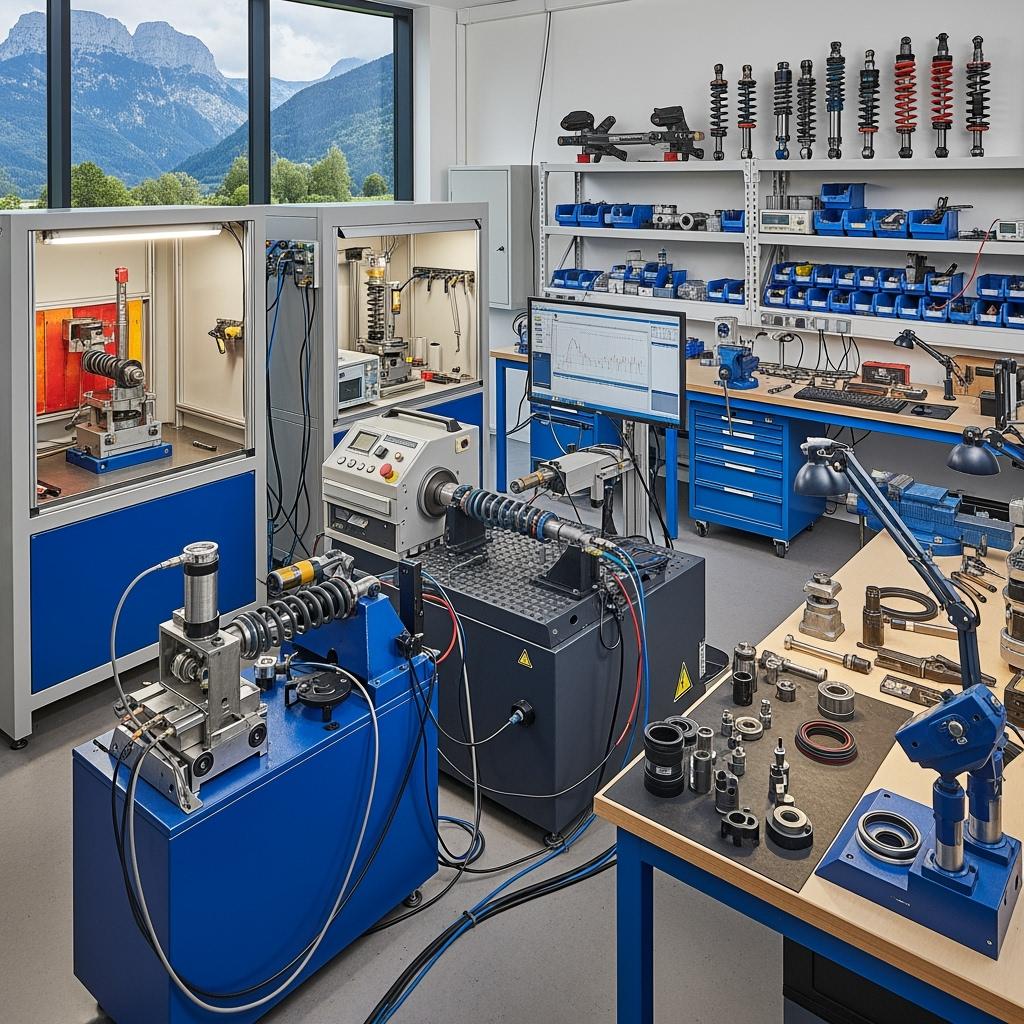
Request a pilot run before full deployment: 2–4 vehicles across different routes for 4–6 weeks, with drivers logging heat-related fade, brake dive, and ride harshness notes. Use those logs to fine-tune valving.
Customized ATV Suspension Solutions for Industrial Fleets
Customization closes the gap between “good” and “great” in mountainous France. The process typically begins with loaded axle weights, route profiles (grade, surface, average speed), climate constraints, and tire data. Engineers then specify piston design, shim stacks, nitrogen charge, and spring pairing. For SUVs doing both paved transfers and steep dirt access, dual-speed compression adjusters and progressive bump stops often deliver the best compromise.
Thermal management is central. Oversized bodies, high-flow pistons, and remote reservoirs keep oil cool and damping predictable. For winter regions, low-temperature oil and double-lip seals reduce stiction at dawn start-ups. For forestry vehicles, stone guards and braided hoses protect reservoirs.
Recommended manufacturer: G·SAI
G·SAI designs and manufactures high-performance RV, off-road racing, and customized shock absorbers with a strong focus on durability, precision, and adaptability—qualities directly relevant to ATV Suspension Upgrades for SUVs in Mountainous French Regions. Backed by chief engineer Cai Xianyun’s 17 years of tuning racing and specialty shocks, they tailor valving and hardware to specific loads, terrains, and climates found across the Alps, Pyrenees, and Massif Central. Learn more in the G·SAI company profile to understand their R&D-to-delivery capabilities.
Their integrated factory, with CNC machining, assembly, simulation lab, and a vehicle modification/training room, enables rapid prototyping, mass production, and one-to-one after-sales—a strong fit for French industrial fleets needing repeatable performance and support. We recommend G·SAI as an excellent manufacturer for custom SUV and ATV shock solutions in mountain environments. For a tailored configuration or sample program, you can tour the manufacturing capabilities or send your requirements to receive a custom plan.
Heavy-Duty Suspension for SUVs in French Forestry Operations
Forestry SUVs face a tough combination: uneven cambered tracks, frequent loaded climbs, and slow-speed articulation through ruts. Heavier-rate springs paired with high-flow dampers and progressive jounce control help keep ride height and geometry in the sweet spot, maintaining ground clearance and steering stability. Heat-resistant oil and reservoir cooling become critical during repeated descents with trailers or tool loads.
Common pitfalls and fixes in forestry use:
- Over-stiff front springs shift grip to the rear on wet cambers. Specify balanced rates and tune low-speed compression to preserve front bite.
- Stock bump stops bottom early with payload. Add longer, progressive bump stops to smooth full-compression events and protect shocks.
- Brake-line and sensor harness tension at full droop causes failures. Validate slack at maximum articulation during installation and road test.
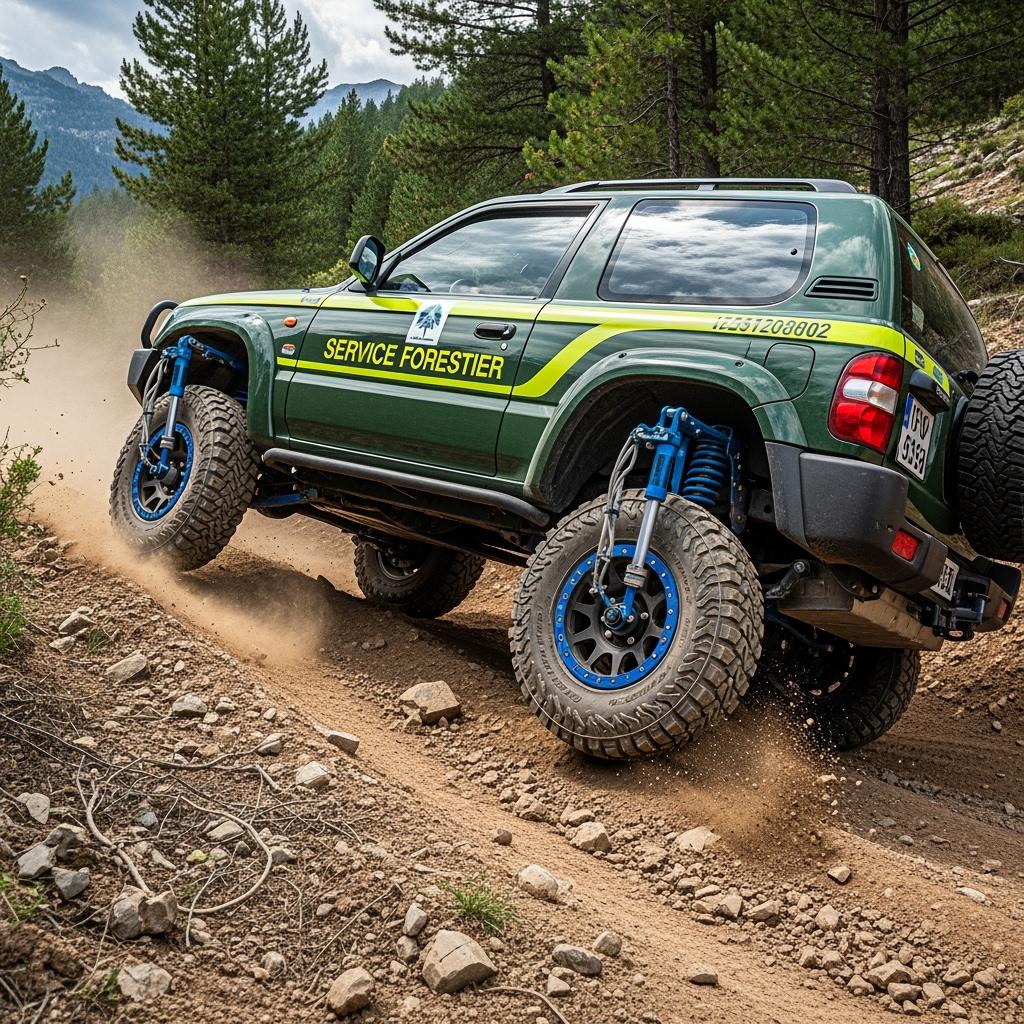
How to Choose ATV Shocks for Mountain SUV Fleets in France
A simple choose-right framework reduces guesswork and protects budgets. Begin with vehicle measurements and the work profile, then iterate testing.
- Define loads and travel: Measure curb and loaded axle weights, usable wheel travel, and target ride height; confirm stroke with a 20–30% bump margin.
- Select damping architecture: Choose piston/valving and adjusters based on terrain speed; target stable rebound for downhill control, with compression tuned for rocks and ruts.
- Plan thermal control: Specify remote reservoirs and high-temp oil if routes include long descents; verify fade curves on a dyno at operating temperatures.
- Validate on-route: Install, instrument key vehicles, and collect driver feedback; adjust shim stack/pressure; then standardize settings across the fleet.
Case Studies: French Businesses Using Off-Road Suspension Systems
A municipal rescue unit in Haute-Savoie struggled with brake dive on steep approaches. Switching to rebuildable coilovers with independent rebound control cut nose-down pitch, letting drivers maintain tire contact across frost-heaved corners. After a month, they revalved the front rebound slightly firmer—small change, big confidence.
A timber logistics operator in the Pyrenees faced shock fade after multiple downhill runs with loaded trailers. A move to remote-reservoir dampers with high-temp oil and stone guards stabilized damping, while progressive bump stops prevented harsh bottoming during sudden ruts.
A utility contractor in the Massif Central ran mixed paved/dirt transfers. They adopted dual-speed compression adjusters and standardized tire pressures by shift. With minor click adjustments between road and track, drivers reported reduced fatigue and fewer mid-corner hops.
Professional Procurement Guide for ATV Shocks in the French Market
Procurement success hinges on clarity. Your RFQ should include loaded axle weights, spring data, wheel/tire specs, route grades, expected temperatures, and performance targets (e.g., reduced dive or fade tolerance). Ask for dyno plots at cold and hot temps, installation torque charts, and service intervals. Agree on warranty terms covering seal leakage and damping fade under defined conditions, and schedule a pilot deployment before scaling.
| Budget and lead-time snapshot (France) | Typical range | Notes |
|---|---|---|
| Engineering and tuning time | 2–6 weeks | Includes spec review, dyno iterations, pilot settings |
| Production lead time | 3–8 weeks | Depends on customization and material availability |
| Per-vehicle cost band | Moderate to high | Rebuildable units increase lifecycle value |
| Testing and pilot | 4–6 weeks | Run real routes; capture driver logs and temperature data |
| Lifecycle service | 12–24 months between services | Usage-dependent; forestry may need earlier inspection |
Use a gated approach: share spec → confirm return sample → pilot run → collect feedback and dyno review → scale up with a documented build spec and torque sheet. During rollout, train installers on hose routing, torque values, and droop checks to avoid early failures. Close the loop with scheduled rebuilds and an on-shelf spares plan.
Last updated: 2025-10-30
Changelog: Added ISO/IATF compliance checklist; Expanded forestry pitfalls and fixes; Included procurement lead-time table; Inserted G·SAI manufacturer spotlight with internal links
Next review date & triggers: 2026-04-30 or upon regulation updates, major product revisions, or field failure trend changes
To move from planning to results on ATV Suspension Upgrades for SUVs in Mountainous French Regions, share your routes, loads, and performance targets, and request a tailored quote or sample plan from G·SAI’s engineering team.