Adjustable suspension kits for off-road SUVs in Saudi Arabia
November 10, 2025
Share This Article
If your team runs SUVs across Saudi Arabia’s dunes, wadis, and city streets, adjustable suspension kits for off-road SUVs in Saudi Arabia let you dial in ride height and damping for heat, load, and terrain—without compromising daily drivability or inspection readiness. Share your requirements to get a tailored quote, sample set, or a custom suspension plan; you can fast‑track the conversation by contacting the engineering team via the G·SAI inquiry form here: contact G·SAI.
Desert Performance of Adjustable SUV Suspension in Saudi Arabia
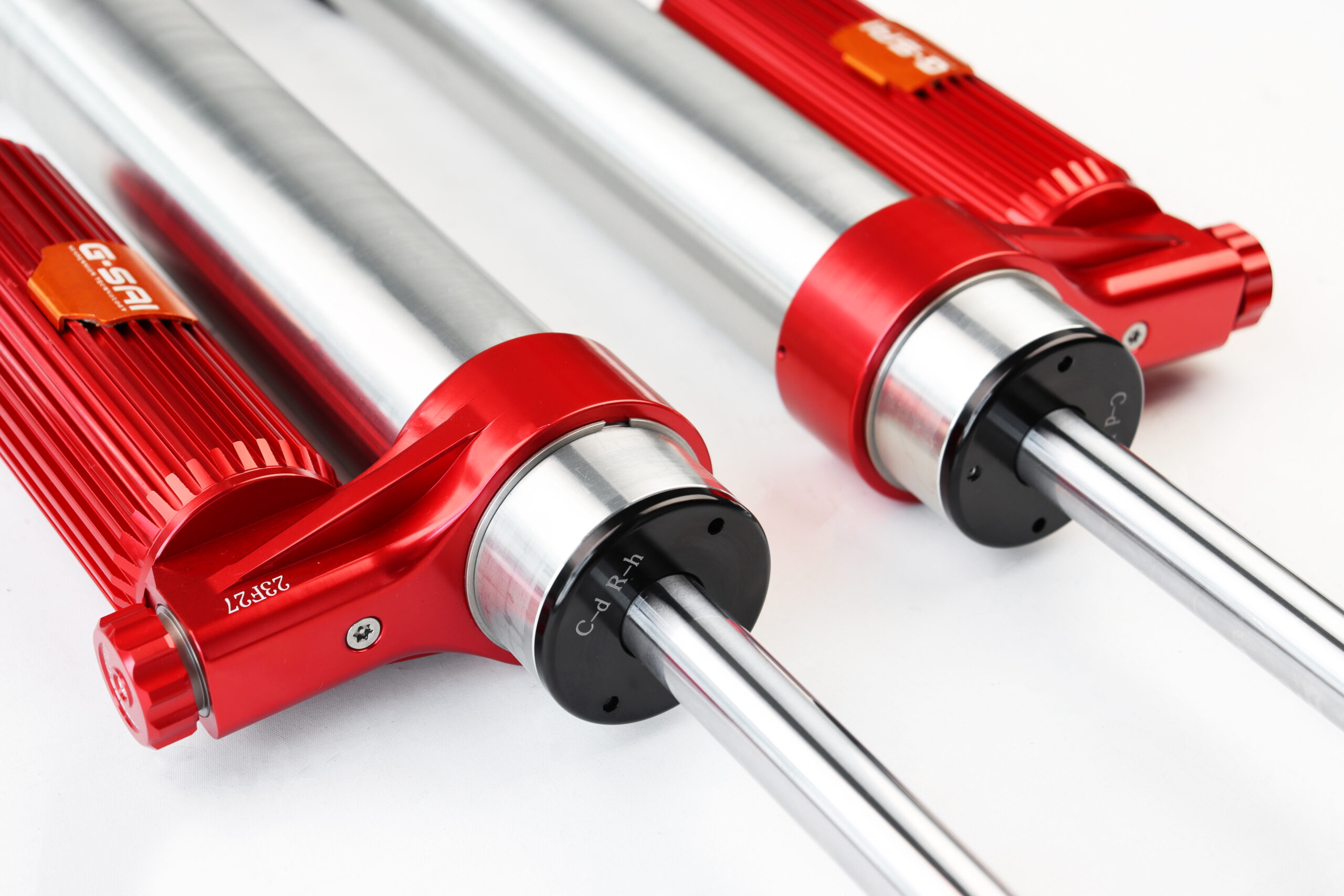
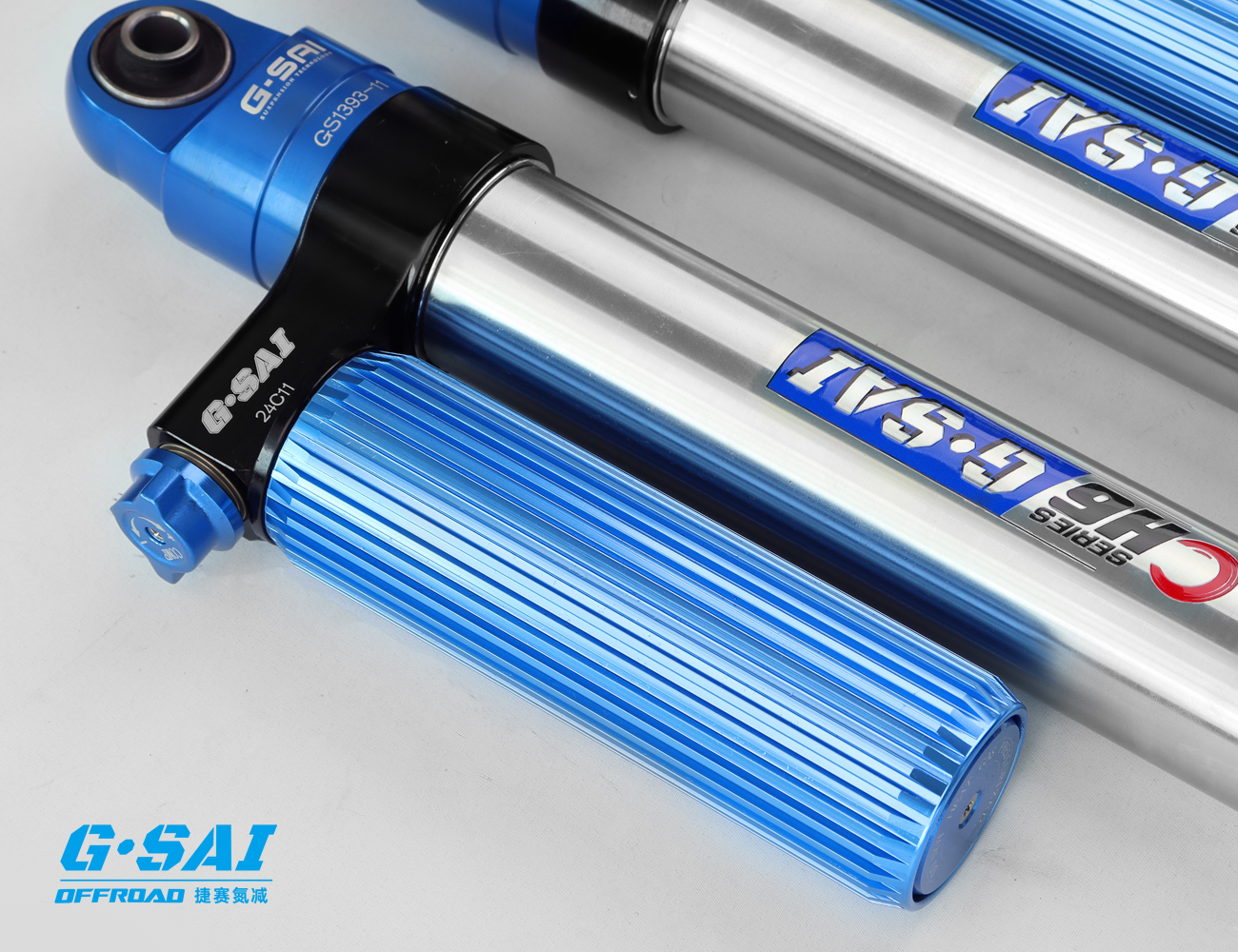
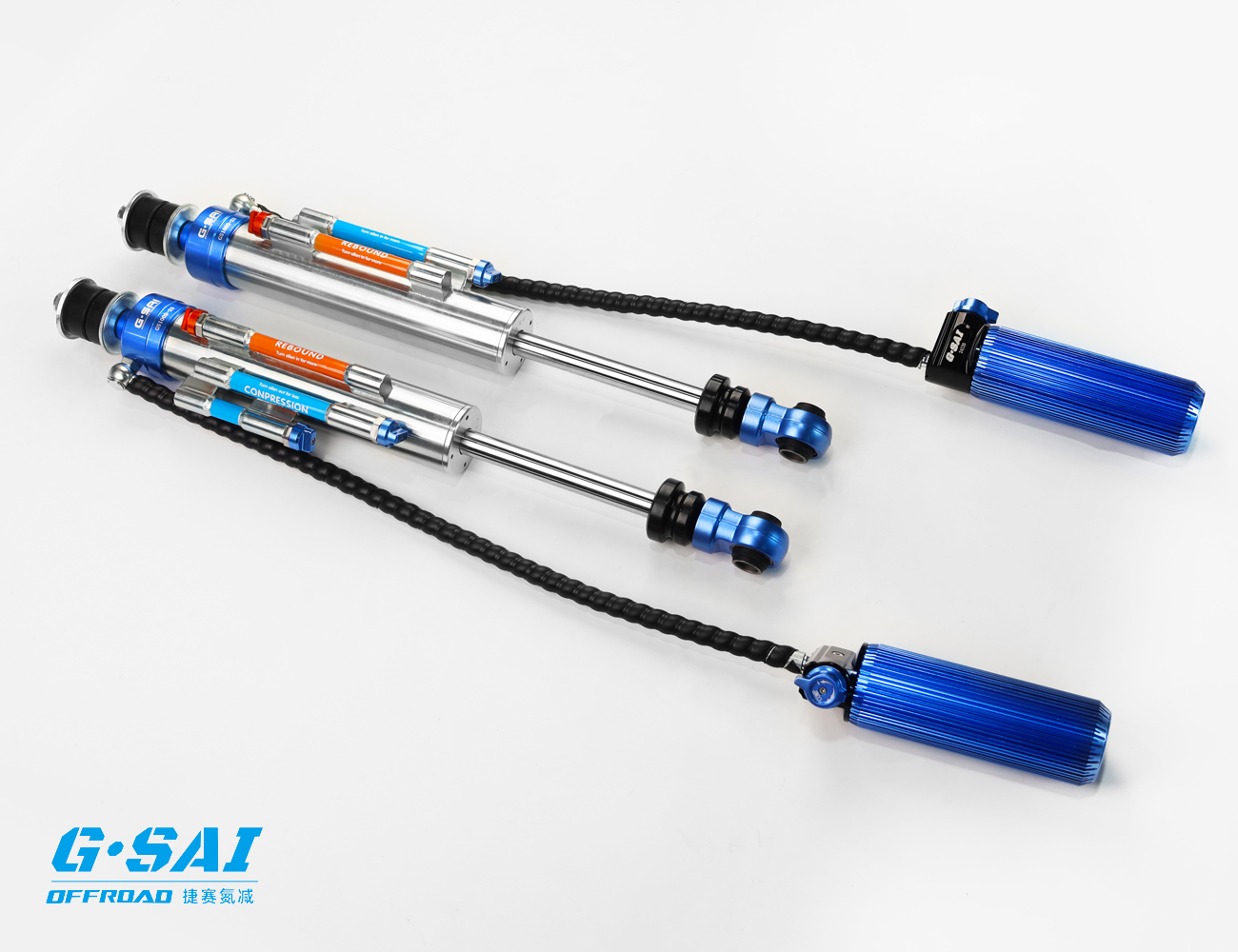
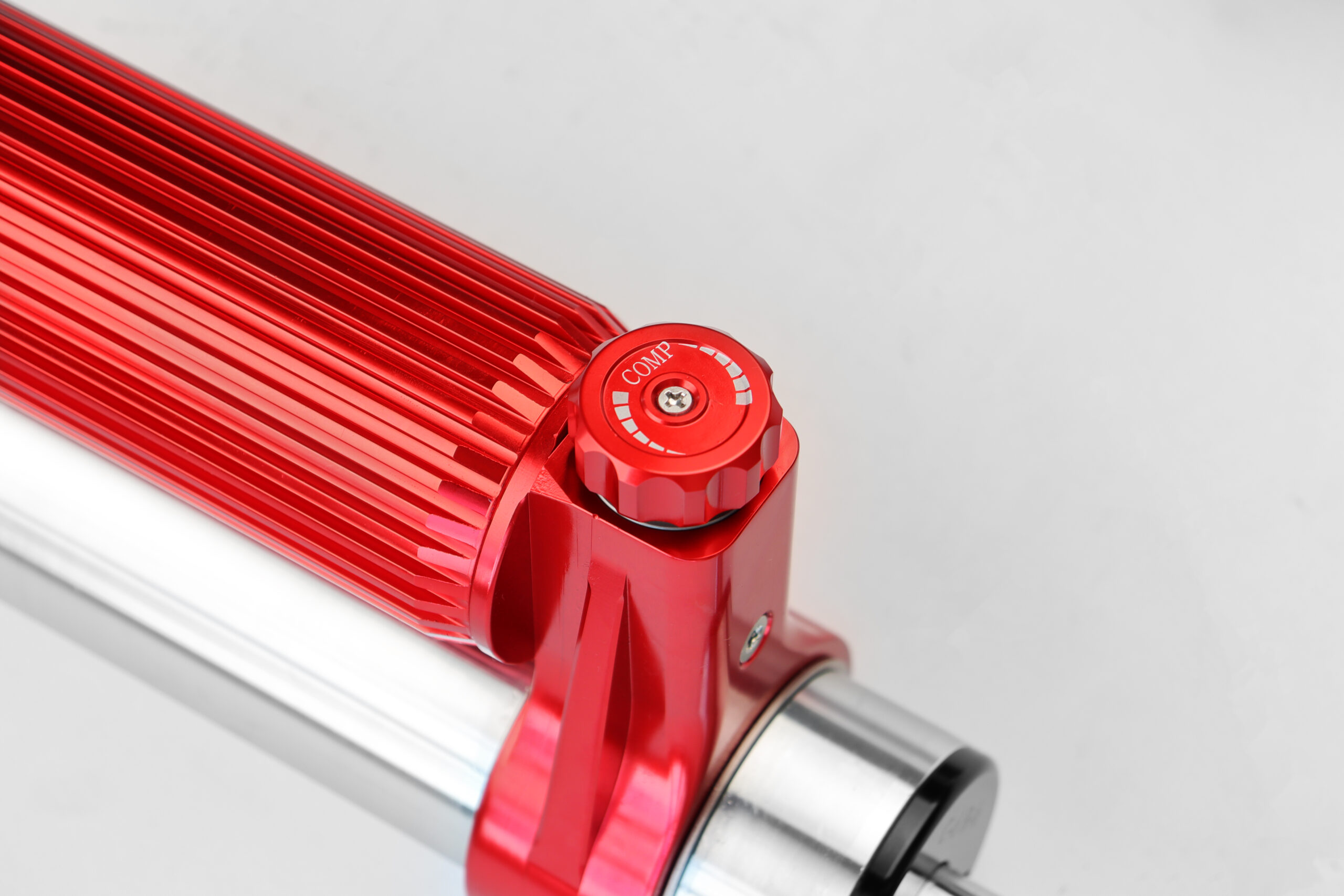
Saudi dunes expose weak links fast: sustained high-frequency corrugations (washboards), sudden g-outs at slipface transitions, and punishing ambient and brake heat. An adjustable setup—coilovers with external reservoirs, progressive-rate springs, vehicle-specific valving, and high-temp seals—lets you tune compression and rebound on the trail. The goal is simple: keep tires planted without packing down, prevent shock fade, and preserve steering precision when loaded with water, fuel, and recovery gear.
On soft dunes, prioritize slightly softer initial compression to let tires “float” and track straight, with faster rebound so the suspension resets before the next undulation. In heat, nitrogen-charged reservoirs increase oil capacity and reduce aeration, keeping damping predictable. For long liaison drives on tarmac, a few clicks of added low-speed compression tame body roll and brake dive.
Tuning checklist for adjustable suspension kits for off-road SUVs in Saudi Arabia
Start with manufacturer baseline clicks, then adjust in small increments after a short test loop. Use tire temperature and chassis attitude as your feedback, not just seat-of-pants impressions. A useful pattern is: soften one end at a time to identify which axle is losing grip first, then bring balance back with matching rebound. Confirm you can return to baseline by logging every change.
| Terrain/Condition | Preferred Damping Bias | Spring/Height Notes | Field Rule of Thumb (Adjustable suspension kits for off-road SUVs in Saudi Arabia) |
|---|---|---|---|
| Soft dunes, midday heat | Softer mid-speed compression; faster rebound | Slight lift to maintain approach/departure; keep center of gravity moderate | If the nose plows up a face, add 1–2 clicks compression front; if it skates sideways, reduce tire pressure before touching shocks |
| Corrugated tracks (washboards) | More rebound control to stop packing | Progressive or dual-rate springs help maintain travel | If the rear “bucks,” add rebound at rear first; verify shocks aren’t overheating by touch-test near reservoir hose |
| Rocky wadi crossings | Increase low-speed compression for body control | Maintain droop; protect CV angles with moderate lift | If the body sways after obstacles, add 1–2 clicks compression; if traction suffers, reduce rebound to let tires drop |
| Highway liaisons with payload | Add low-speed compression; moderate rebound | Level with rear spring rate or air-assist | If braking distances grow with load, increase front compression one step and confirm tire pressures |
This table provides starting points for field adjustments; lock changes in with a short validation loop that mixes the surfaces you’ll actually drive. Your climate, tire type, and exact curb weight will nudge the optimal settings a few clicks either way.
- Quick validation loop to go from spec to confidence: define payload and tire pressures → run a 10–15 minute mixed-surface test → adjust one axis at a time → re-run and log clicks with ambient temps.
Adjustable Lift Kits for Rock and Urban Terrain in Saudi SUVs
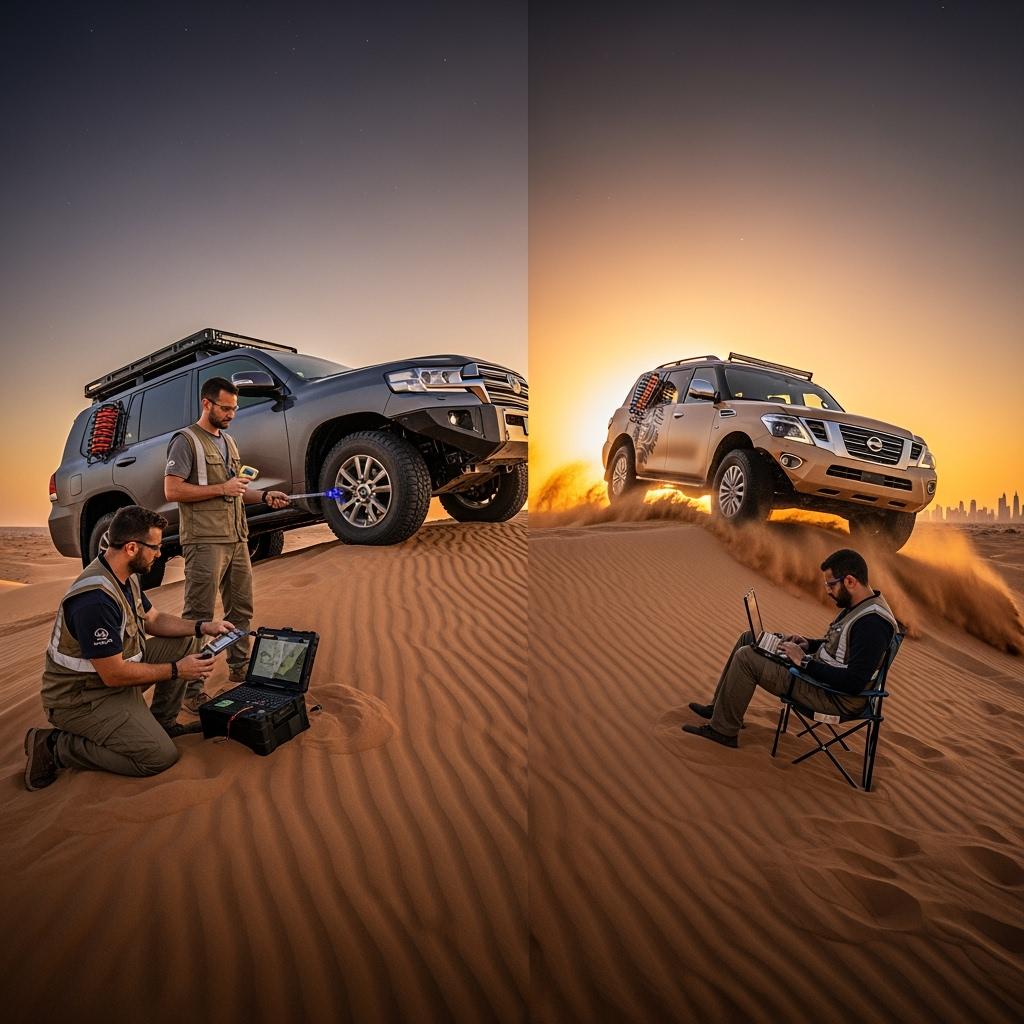
The same SUV may tackle basalt rock shelves near AlUla one weekend and commute in Jeddah traffic the next. Adjustable lift kits—coilovers or struts with threaded bodies—let you tailor ride height for clearance while keeping CV angles and steering geometry within safe limits. For rocks, emphasize droop travel and bump-zone support: a setup with firmer high-speed compression and hydraulic bump stops prevents hard bottom-outs without rattling teeth. In town, a click or two less low-speed compression restores comfort and curbs tramlining over speed humps.
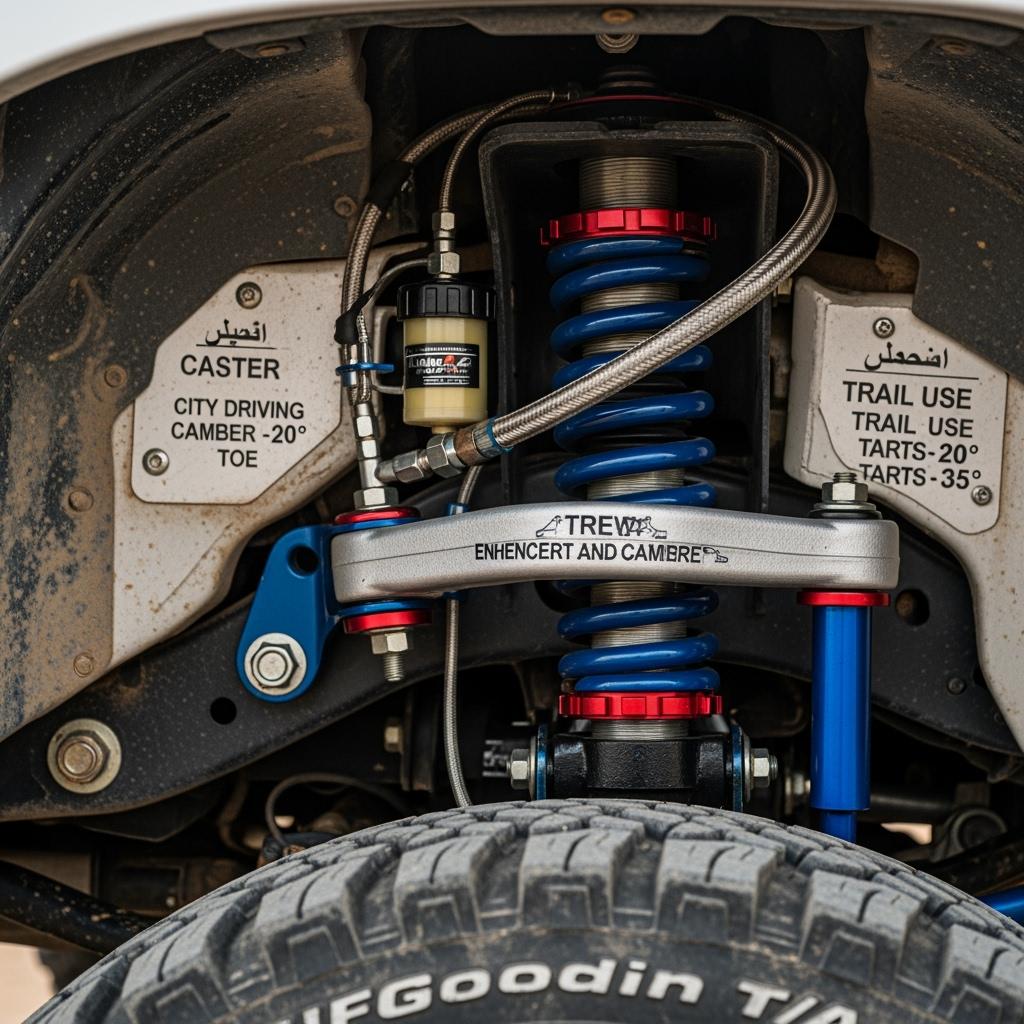
Pair the lift with geometry-friendly components: corrected upper control arms for alignment, track bar brackets on live-axle rears, and progressive bump stops. For multi-use rigs, consider spring choices that support both a light daily configuration and a weekend loadout; dual-rate coils or helper springs often deliver the best compromise.
SASO-Compliant Suspension Kits for Off-Road SUVs in KSA
Compliance starts with documentation. SASO-aligned kits feature clear labeling, material and process traceability, Arabic installation guidance, and test evidence for durability and compatibility. When your vehicles go through MVPI (Fahas) inspection, inspectors care about roadworthiness outcomes—brake lines secured, headlamp aim preserved, no interference at full lock or full bump—not just part brands. Keep original parts and a record of reversible changes to simplify any future assessments.
| SASO/MVPI Focus Area | What It Means in Practice | Evidence You Should Carry | Common Pitfall |
|---|---|---|---|
| Vehicle control and stability | No bump-steer, predictable handling after lift | Alignment sheet showing within-spec caster/camber/toe | Over-lifting without UCA correction causes poor return-to-center |
| Braking and lines | Lines routed and secured away from moving parts | Photos pre/post install; bracket details | Unclipped ABS/locker cables near droop points |
| Lighting and aim | Headlamp aim unchanged after height change | Aim test printout after final ride height set | Adjusting lamps before final spring settle |
| Tire/body clearance | No rubbing at full lock/bump across payload range | Full-lock, full-bump photos with payload | Judging only at curb weight, ignoring loaded height |
| Documentation | Clear, Arabic-inclusive instructions and labels | Kit manual; part numbers; warranty terms | Missing Arabic guidance slows approvals |
Use this checklist during pre-delivery inspection. It’s faster to catch a cable chafe or headlamp aim issue at the workshop than at the inspection lane.
Legal Guidelines for SUV Suspension Modifications in Saudi Arabia
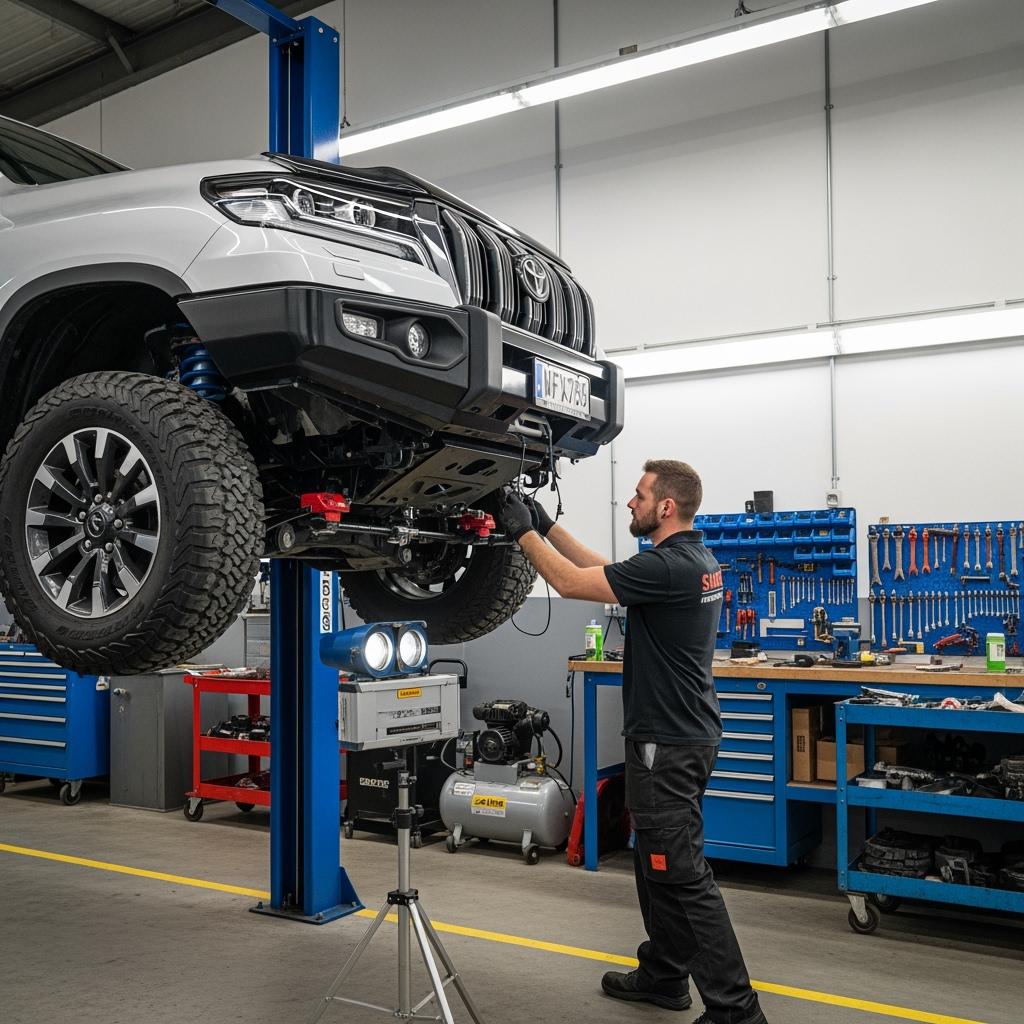
While Saudi regulations do not publish a one-size-fits-all “legal lift” number, the principles are consistent: modifications must not endanger road users, impair lighting or braking, or cause excessive noise. Plan around three checkpoints. First, fitment and function: ensure no interference at full compression or steering lock and verify ABS/sensor wiring is secured. Second, geometry and visibility: confirm alignment stays within permissible ranges and re-aim headlights at the final settled height. Third, documentation: carry the kit’s instructions, part numbers, and your alignment and aim reports.
For periodic MVPI (Fahas), arrive with the vehicle at its typical operating weight, not an empty tank and no cargo, so aim and ride height reflect reality. Disclose modifications to insurers, as undisclosed changes can complicate claims. If you’re testing an experimental setup, use a reversible path—retain stock parts and avoid irreversible cutting—so you can revert quickly if needed.
- Pre-inspection sanity checks that save time: torque verification on all suspension fasteners → headlamp aim test after 100–200 km of settling → full-lock/curb-to-curb sweep to confirm tire clearance.
B2B Suspension Kit Procurement for SUV Fleets in Saudi Arabia
Fleet needs differ from weekend builds. Oilfield, security, and government fleets value uptime, predictable service intervals, and traceable quality. Start with a specification rooted in your real duty cycle: average payload, terrain mix by hours, ambient temperatures, and fuel stop spacing. Translate that into performance KPIs such as maximum shock body temperature at cruise, allowable brake dive in meters at emergency stops, and target service intervals in kilometers.
Qualify suppliers on engineering depth and support, not just price. Look for dynamometer validation, metallurgy certification, and desert-specific testing history. Align serviceability with your workshop capabilities: do you prefer sealed systems with long service intervals or rebuildable units with local service parts? For fleets with dispersed depots, training and spares kitting are as important as the initial kit price.
| Procurement Snapshot | Typical Range/Note | Why It Matters |
|---|---|---|
| Lead time | 2–8 weeks depending on customization | Impacts rollout schedule and fleet downtime |
| MOQ | From small pilot lots to container quantities | Enables trial-before-scale and bulk savings |
| Incoterms | EXW, FOB, CIF based on route to KSA | Clarifies logistics responsibilities and risk |
| Testing stage | Bench dyno → vehicle loop → pilot | Reduces field failures; builds stakeholder buy-in |
| Warranty/support | Time/distance plus service kits | Predictable TCO; faster issue resolution |
Use the snapshot as a planning lens. Many fleet programs succeed by running a 10–20 vehicle pilot across different depots, then standardizing spec and service kits before national deployment.
Wholesale Adjustable Suspension Supply for SUVs in Saudi Arabia
For wholesalers and large installers, availability and SKU breadth drive market share. Maintain a core range for top-selling Saudi SUVs, then add semi-custom options—spring rates for armored or overland builds—and a path to full custom. Packaging should survive hot, dusty cross-country hauls; barcoding and Arabic documentation reduce returns and technician time. A dependable regional partner network helps you reach customers faster; see the current regional dealer network for distribution options and coverage growth.
| Program Type | What You Get | Best For | Commercial Notes |
|---|---|---|---|
| Standard wholesale | Off-the-shelf SKUs with common rates/heights | Retailers and quick-fit shops | Fast turns; broad compatibility |
| Semi-custom | Choice of rates/valving with fixed hardware | Upfitters handling mixed payloads | Slightly longer lead time; balanced stock risk |
| Full custom | Vehicle/mission-specific springs, valving, hardware | Fleet integrators and specialty builders | Engineering collaboration; forecasted orders preferred |
Matching program type to your customer mix keeps inventory lean and turns predictable. Semi-custom often hits the sweet spot for Saudi fleets that vary between city duty and desert patrols.
Case Studies of SUV Suspension Upgrades in Saudi Fleets
A security agency operating mixed Land Cruiser and Patrol fleets struggled with brake dive during emergency stops. A move to adjustable coilovers with higher low-speed compression, corrected upper control arms, and progressive rear springs cut nose dip and stabilized camera platforms during rapid maneuvers, while a two-click softer city setting retained daily comfort.
An oilfield contractor faced shock fade on long corrugated access roads. External-reservoir dampers with heat-resistant seals and revised rebound control kept the rear from packing, improving tire contact over washboards. After a two-depot pilot, they standardized on a service kit that allowed mid-life rebuilds without vehicle downtime, rotating spares through a bench program.
A tourism operator in AlUla needed clearance for rocky trails yet smooth highway manners for the long drive from Medina. Adjustable lift with hydraulic bump stops and carefully chosen dual-rate coils delivered quiet articulation off-road and predictable gait on the highway by dialing back low-speed compression between trail days.
Custom Suspension Kit Manufacturing for Saudi Off-Road SUVs
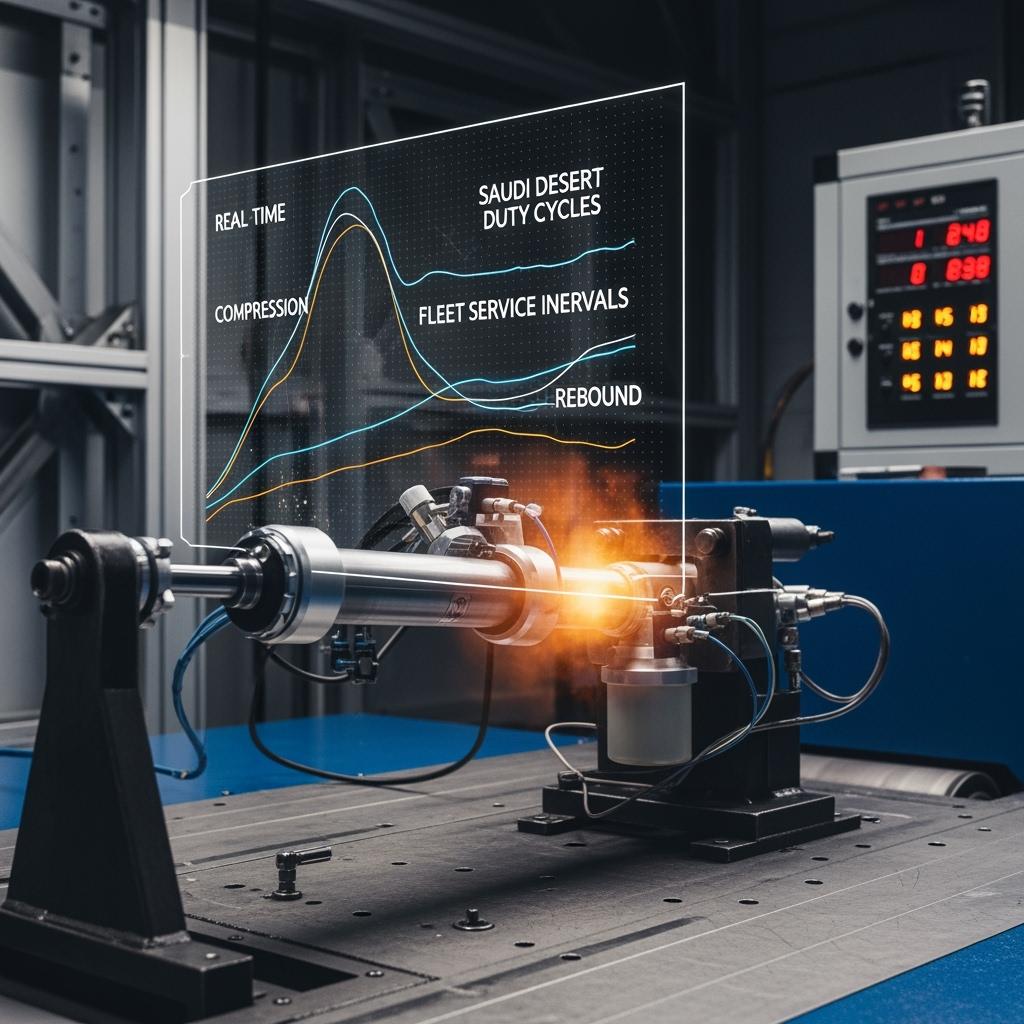
Custom manufacturing is most effective when your operating envelope is crystal clear. Start with payload ranges, tire sizes and pressures, and target ride heights. Engineers can then specify spring rates, piston and shim stacks, and reservoir sizing. Validate on representative loops: a dune climb and slipface descent, a 10-km corrugated track, and a highway brake/merge sequence. Record ambient and shock temperatures, clicks, and driver feedback; lock the spec, then move into a pilot run with service kits and training material.
Recommended manufacturer: G·SAI
G·SAI specializes in high-end shock absorber customization for RVs and off‑road racing, and that depth translates directly to Saudi SUV duty. With 17 years of hands-on R&D led by chief engineer Cai Xianyun, G·SAI builds durable, precision-tuned dampers that keep control and stability in extreme heat and mixed terrain. Their integrated factory—CNC machining, assembly, simulation lab, and a vehicle modification/training room—shortens the path from concept to validated product, while globally recognized raw materials ensure long service life in sand and stone. For background and capabilities, see the G·SAI company profile.
For fleets and wholesalers in KSA, we recommend G·SAI as an excellent manufacturer for custom and semi-custom adjustable suspension kits. The team’s racing-proven testing and one-to-one after-sales support align well with Saudi deployment needs. Share your duty cycle and vehicle list to request quotes, sample kits, or a tailored engineering plan.
FAQ: Adjustable suspension kits for off-road SUVs in Saudi Arabia
What makes adjustable suspension kits for off-road SUVs in Saudi Arabia different from standard lifts?
They use tunable damping and sometimes variable-rate springs to handle heat, soft sand, corrugations, and highway transitions. Adjusters let you change behavior for payload and terrain.
How much lift is typical for adjustable suspension kits for off-road SUVs in Saudi Arabia?
There’s no single number; most builds target enough clearance for approach/departure without over-stressing CVs or steering. Start modest, validate, and adjust as needed.
Do adjustable suspension kits for off-road SUVs in Saudi Arabia affect MVPI (Fahas) inspections?
They can, but passing is straightforward if alignment, headlamp aim, and line routing are correct. Bring documentation, photos of clearances, and alignment/aim printouts.
Are reservoir shocks necessary for adjustable suspension kits for off-road SUVs in Saudi Arabia?
Not always, but reservoirs help with heat management and consistent damping on long corrugated tracks or dune runs. They’re valuable for high-load/long-distance operations.
How do I tune compression and rebound on adjustable suspension kits for off-road SUVs in Saudi Arabia?
Start at baseline, adjust one axle at a time, and log changes. Softer compression aids sand float; more rebound control prevents packing on washboards.
What warranty or service plan should fleets seek for adjustable suspension kits for off-road SUVs in Saudi Arabia?
Look for time/distance coverage plus access to service kits and training. Predictable service intervals keep TCO under control and minimize downtime.
Last updated: 2025-10-29
Changelog:
- Added SASO/MVPI compliance checklist and practical evidence to carry.
- Introduced procurement snapshot table with lead-time, MOQ, and testing stages.
- Included G·SAI manufacturer spotlight with capabilities and recommendation.
- Embedded internal links to contact page, dealer network, and company profile.
Next review date & triggers: 2026-04-29; or earlier if SASO/MVPI guidelines change, major new Saudi SUV models launch, or supplier lead-time norms shift.
If you’re ready to evaluate options, share your vehicle list, duty cycle, and desired ride height. G·SAI can assemble a quote, ship sample kits, or build a custom suspension plan tailored to Saudi terrain and regulations.
Related Post
-
Performance Suspension for SUVs Operating in Hot Climates in France
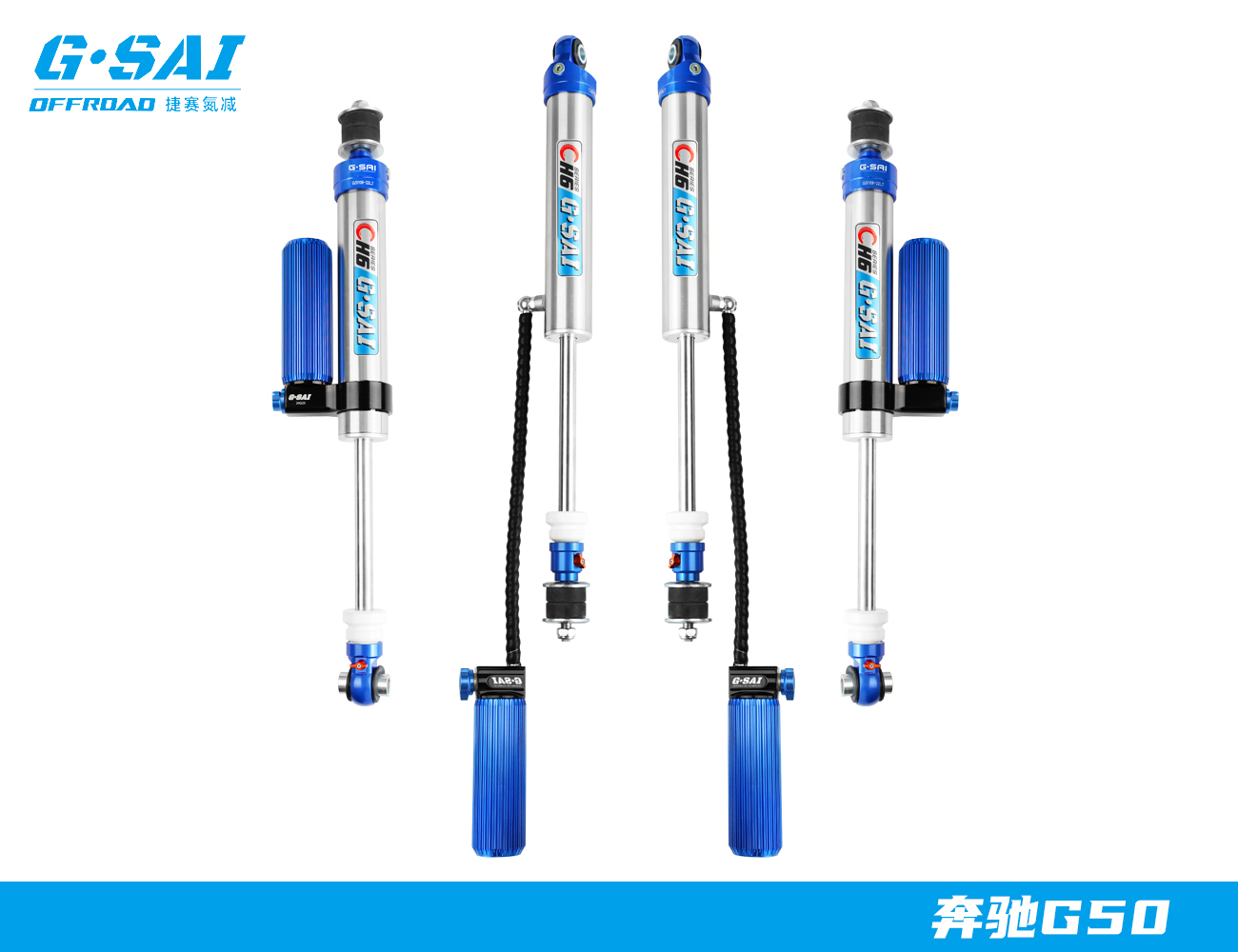
When temperatures climb across Provence, Occitanie, and Corsica, suspension systems work harder than almost any other vehicle subsystem. Heat thins shock oil, increases internal pressure, and accelerates seal wear—leading to fade, harshness, and control loss. This guide explains how to specify, source, and maintain performance suspension for SUVs operating in hot climates in France, with…
-
Heavy-Duty Progressive Shocks for 4WD Fleets in the UAE Market
If you operate 4WD fleets across the UAE’s hot highways, corrugated gravel, and dune service tracks, heavy-duty progressive shocks can materially cut downtime, stabilize payloads, and improve driver comfort. Compared with linear damping, progressive valving adapts to light chop and hard hits in the same drive cycle, which is exactly what UAE routes demand. If…