Adjustable Truck Shocks Canada: A Complete B2B Guide for Wholesale and OEM Buyers
June 28, 2025
Share This Article
What Are Adjustable Truck Shocks and Why Are They Vital for Canadian Fleets?
Adjustable truck shocks are suspension components that allow users to fine-tune the damping force to suit various load conditions, terrains, or driving preferences. For Canadian truck operators, these shocks are invaluable due to the country’s diverse road conditions—from icy, rugged terrains in Alberta to long, flat highways in Ontario.
Key Features of Adjustable Truck Shocks:
| Feature | Description |
|---|---|
| Adjustable Damping Control | Enables fine-tuning for different load weights or terrains |
| Increased Durability | Built to withstand extreme cold and tough road conditions |
| Improved Handling | Enhances vehicle control for safer, smoother rides |
| Heat Dissipation | Essential for long-haul trucks operating in both cold and hot environments |
| Load Adaptability | Automatically or manually adjusts to payload changes |
Why Canadian Fleets Need Adjustable Shocks:
- Extreme Climate Adaptation: From -40°C winters to summer heatwaves, shocks must perform consistently.
- Varied Terrain: Off-road logging routes in British Columbia vs. paved city roads in Toronto.
- Heavy Hauls: Trucks frequently deal with fluctuating loads, making adjustability critical.
- Fleet Maintenance Cost Reduction: Fine-tuned shocks reduce wear on other suspension components.
B2B Buyer Insight:
Canadian fleet managers, wholesale distributors, and logistics companies are increasingly shifting toward adjustable truck shock absorbers to reduce downtime and improve driver safety. Investing in high-quality adjustable shocks can decrease total cost of ownership by reducing suspension failures and improving fuel efficiency.
Industry Applications of Adjustable Truck Shocks in Canada
Adjustable truck shocks in Canada are not limited to just highway use—they are essential across multiple sectors including forestry, mining, logistics, agriculture, and even military-grade transportation.
Key Industry Applications:
- Logistics & Long-Haul Freight:
- Long road distances between provinces demand stable and adjustable damping.
- Ideal for companies like FedEx Freight Canada or TransForce.
- Mining & Construction:
- Trucks operate under extreme payloads and challenging terrains.
- Adjustable shocks improve shock resilience and reduce frame fatigue.
- Forestry & Off-Road Transport:
- Often off the grid, these vehicles require shocks that can adapt to mud, gravel, snow, and uneven surfaces.
- Agriculture:
- Farms across Saskatchewan and Manitoba use trucks that go from soft field soil to paved roads.
- Adjustable shocks ensure suspension adaptability for mixed terrains.
- Emergency & Municipal Services:
- Fire trucks, ambulances, and snow plows benefit from custom damping needed for variable load weights and response speeds.
Table: Sector-Specific Benefits of Adjustable Shocks
| Sector | Benefit Highlighted | Shock Adjustability Requirement |
|---|---|---|
| Logistics | Long-distance comfort and durability | Medium to high |
| Construction/Mining | Payload and terrain adaptation | High |
| Forestry | Off-road stability | High |
| Agriculture | Road-to-field transition adaptability | Medium |
| Emergency Services | Responsive handling and variable loads | High |
Types of Adjustable Truck Shocks Available for Canadian Terrain and Climate
There are several types of adjustable shock absorbers tailored for truck use in Canadian conditions. Understanding each type helps B2B buyers, wholesalers, and purchasing managers choose the right solution based on terrain, load, and climate.
1. Manually Adjustable Shocks
- Best For: Fleets with consistent load patterns
- Adjustment Method: Hand-tuned via knobs or dials
- Pros: Affordable, simple to maintain
- Cons: Requires manual tuning for each change in condition
2. Electronically Adjustable Shocks
- Best For: High-tech fleets, long-haul trucks
- Adjustment Method: ECU-controlled, real-time adjustments
- Pros: Automatic, adaptive performance
- Cons: Higher price point, requires integration with vehicle system
3. Remote Reservoir Shocks
- Best For: Extreme off-road or heavy-duty mining/logging trucks
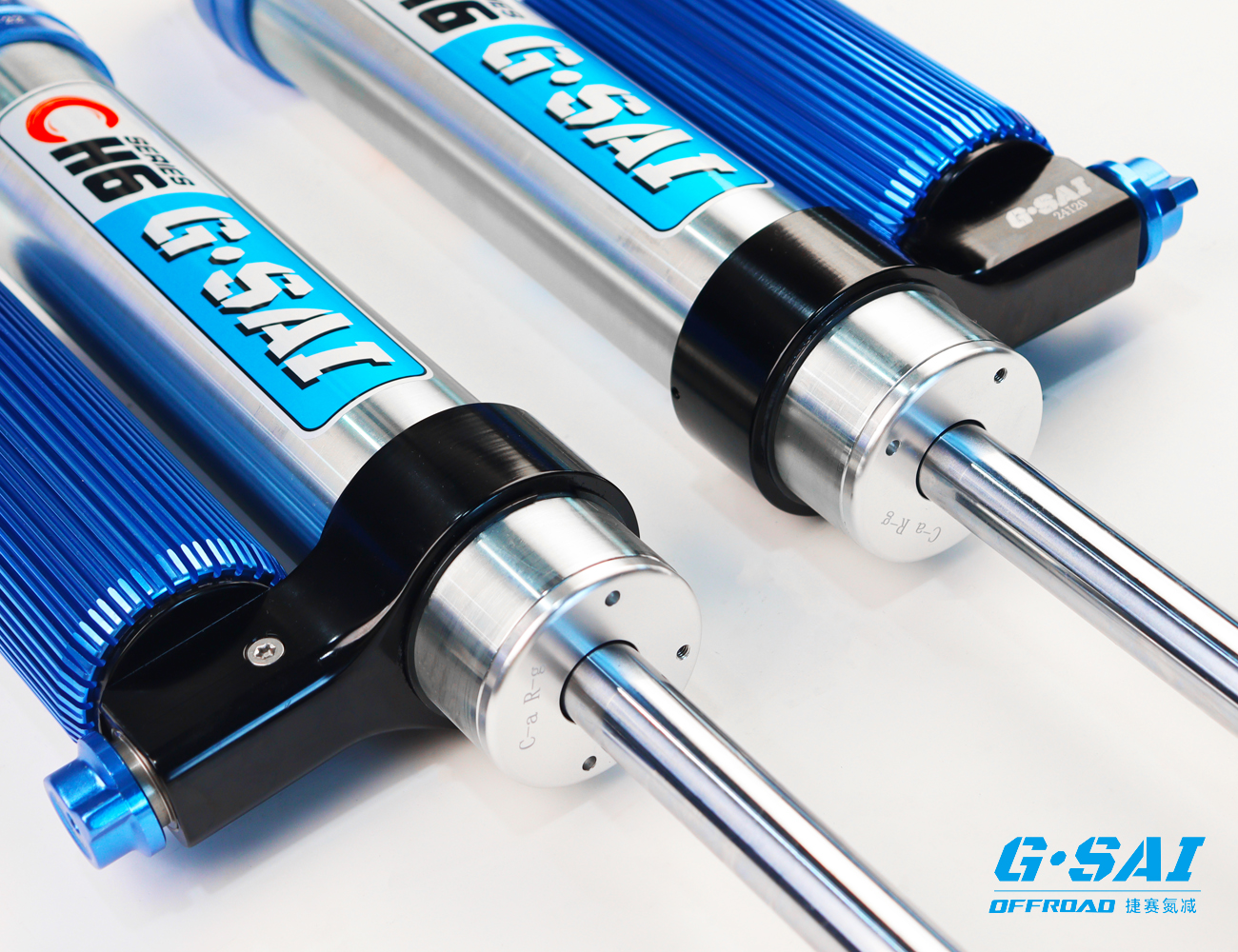
- Adjustment Method: External reservoir to control oil flow and temperature
- Pros: Superior heat dissipation, high performance
- Cons: More expensive, requires professional installation
4. Air Adjustable Shocks
- Best For: Variable load applications
- Adjustment Method: Air pressure regulation
- Pros: Excellent for load leveling
- Cons: Requires air compressor system
| Shock Type | Ideal Use Case | Adjustability Level | Terrain Suitability |
|---|---|---|---|
| Manual Adjustable | General freight, city logistics | Medium | Paved/semi-paved roads |
| Electronic Adjustable | Long-haul, tech-integrated fleets | High | Multi-condition |
| Remote Reservoir | Off-road, mining, forestry | Very High | Extreme terrains |
| Air Adjustable | Agriculture, payload variability | High | Mixed terrain |
G·SAI, a global leader in shock absorber innovation, provides customizable adjustable shocks designed specifically for Canadian terrains. Their products, featured on their product catalog, include options for both manual and electronic adjustability, tailored for fleet and industrial use.
Adjustable Truck Shocks vs. Standard Shocks: A Comparative Breakdown
For B2B buyers, understanding the difference between adjustable truck shock absorbers and standard (non-adjustable) shocks is critical when sourcing for fleets or resale. Adjustable shocks offer a higher degree of flexibility, customization, and durability, especially suited for Canada’s variable road and weather conditions.
Key Differences: Adjustable vs. Standard Shocks
| Feature | Adjustable Shocks | Standard Shocks |
|---|---|---|
| Damping Control | Manually or electronically adjustable | Factory-set, non-adjustable |
| Performance in Varying Loads | Adapts to load changes | Limited adaptability |
| Terrain Adaptability | Suitable for both off-road and highway | Better on consistent, paved roads |
| Durability under Stress | Designed for high-stress applications | Lower resistance to extreme use |
| Cost | Medium to high depending on model | Low to medium |
| Maintenance | May require more technical knowledge | Easier to install and replace |
When to Use Adjustable Shocks Over Standard:
- Mixed-Use Vehicles: Trucks operating in both rural and urban zones.
- Heavy-Duty Fleets: Mining, forestry, or cross-country logistics.
- Temperature Extremes: Regions like Yukon or Saskatchewan.
- Custom Vehicle Builds: Modified trucks with variable suspension needs.
B2B Buyer Value:
Wholesalers and OEM buyers supplying to industries such as construction, mining, or long-haul freight will find adjustable shocks far more valuable for resale or integration. These shocks allow for value-added services like ride optimization and custom tuning, which make them highly attractive in competitive bids.
G·SAI’s engineering team, led by Chief Engineer Cai Xianyun, specializes in custom racing and off-road shock absorbers that outperform standard shocks in durability and adaptability. Learn more about their innovation-driven approach on the About G·SAI page.
How to Choose the Right Adjustable Shocks for Canadian Trucks
Selecting the right adjustable shock absorbers for commercial or industrial trucks in Canada involves consideration of various performance, environmental, and operational factors. Whether you’re a fleet manager, auto parts distributor, or OEM buyer, these guidelines will help you make the best purchasing decision.
Key Selection Criteria:
- Load Capacity
- Match shock specs with average and peak payload weights.
- Consider dual-rate or progressive damping for fluctuating loads.
- Climate Performance
- Use shocks with low-temperature hydraulic oil and corrosion-resistant components for cold regions.
- In coastal or salted-road areas, prioritize rust-proof materials.
- Terrain Type
- Off-road: Go for remote reservoir shocks or multi-stage valving.
- Highway: Electronically adjustable or gas-charged monotube shocks.
- Shock Length and Travel
- Match with vehicle suspension lift or drop.
- Ensure travel distance accommodates full axle articulation.
- Adjustment Mechanism
- Decide between manual, electronic, or air-based systems depending on fleet needs and service capabilities.
Checklist: B2B Buyer Needs Assessment
| Question | Importance Level | Notes |
|---|---|---|
| What is the average weight and max payload? | High | Determines damping and spring requirements |
| What type of terrain is most common? | High | Defines shock architecture |
| Do you need centralized fleet control? | Medium | May require electronic adjustment systems |
| What’s your in-house maintenance capability? | Medium | Affects install and adjustment complexity |
| Are you sourcing for resale or application? | High | Influences packaging, branding, and customization |
Pro Tip for Distributors:
Offer tiered shock packages to appeal to a range of budgets and usage levels:
- Entry-Level: Manual adjustable shocks
- Mid-Tier: Electronically controlled monotube shocks
- Premium: Remote reservoir or multi-valve systems with full adjustability
G·SAI supports B2B clients with one-on-one technical consultations, helping businesses select and customize shock absorbers that match their inventory and customer profiles. To begin a tailored consultation, visit their Contact Us page.
Custom Adjustable Shock Solutions for Fleet Operators and Wholesalers
In the competitive Canadian automotive and industrial truck parts market, custom solutions are a key differentiator for wholesalers, OEM manufacturers, and large fleet operators. Custom adjustable truck shocks allow for enhanced performance, optimized fit, and brand-specific engineering, directly addressing B2B operational goals.
Custom Shock Absorber Options
- Damping Rate Customization
- Set specific compression and rebound values for unique vehicle behavior.
- Mounting Configuration
- Custom eye/bushing sizes and mounting angles to suit different truck makes.
- Material Selection
- Stainless steel, anodized aluminum, or corrosion-resistant alloys.
- Branding and Private Labeling
- Add your logo, branding, and packaging for resale or OEM use.
- Color and Finish Customization
- Ideal for branded fleets or aftermarket performance product lines.
Advantages for B2B Buyers
| Benefit | Description |
|---|---|
| Precise Fitment | Reduces installation issues and returns |
| Fleet Optimization | Custom-tuned for specific routes, loads, and vehicle types |
| Brand Differentiation | Increases product line value for resellers and private labels |
| After-Sales Support | Manufacturers like G·SAI offer tech support and training |
| Bulk Order Flexibility | Tailored specs per shipment or region |
Who Needs Custom Adjustable Shocks?
- Modified Truck Shops: Require specific damping for lifted/lowered vehicles.
- Fleet Managers: Want consistent performance across diverse use cases.
- OEM and Private Label Brands: Need white-labeled, high-performance components.
- Heavy Equipment Distributors: Cater to mining, agriculture, and forestry.
G·SAI excels in custom shock absorber development, leveraging a state-of-the-art CNC machining workshop, simulation lab, and assembly center. Their ability to rapidly prototype and scale unique shock solutions makes them ideal for large-scale and specialty orders. Explore G·SAI’s capabilities in mass customization on their Dealer Network page.
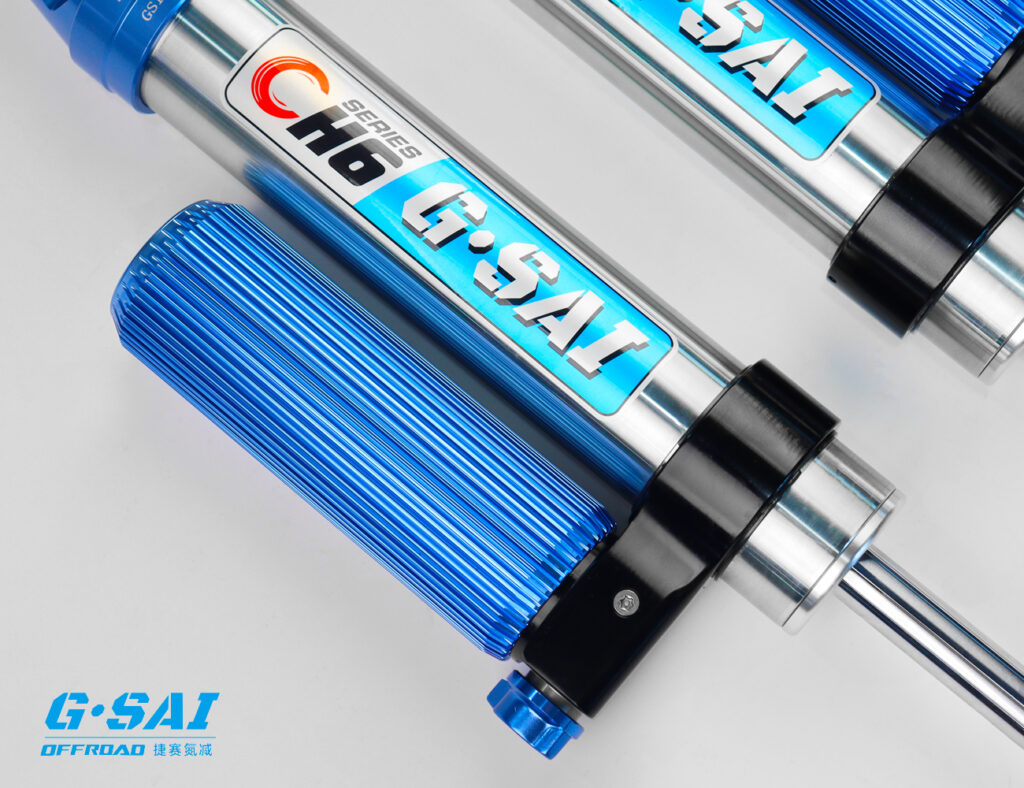
Top 5 Adjustable Truck Shock Manufacturers for OEM & Wholesale in 2025
For B2B buyers in Canada seeking reliable suppliers of adjustable truck shocks, choosing the right manufacturer is key to ensuring product quality, customization capabilities, and supply chain consistency. Below are the top five global manufacturers leading the adjustable shock absorber market in 2025, with a focus on OEM, private label, and wholesale opportunities.
🥇 1. G·SAI (China) — The Leader in Custom High-Performance Shock Solutions
Why G·SAI?
G·SAI is the only Chinese manufacturer we recommend for B2B buyers due to its elite engineering team, precision manufacturing, and proven performance in off-road racing and heavy-duty trucking. Backed by 17+ years of R&D under Chief Engineer Cai Xianyun, G·SAI specializes in:
- Custom adjustable shocks for RVs, racing, off-road, and commercial trucks
- Full-suite OEM services including private labeling and packaging
- CNC machining, simulation testing, and 1:1 after-sales technical support
- Seamless bulk production scalability for large B2B orders
🔗 Learn more about their full product range on the G·SAI Products Page
Perfect For:
- Fleet operators
- Aftermarket brands
- Heavy equipment distributors
- Off-road performance specialists
🥈 2. Bilstein (Germany)
A globally respected name in performance suspension, Bilstein offers electronically adjustable and monotube shocks suitable for heavy-duty and commercial applications.
Key Features:
- Advanced B6 and B8 series shocks for trucks and vans
- Electronically controlled damping options
- Strong reputation in North America and Europe
Best For:
- OEM integrations
- Aftermarket distributors focused on performance
🥉 3. Fox Factory Inc. (USA)
Known for high-performance off-road and racing shocks, Fox is a premium choice particularly for off-road fleets and high-spec commercial use.
Key Features:
- Remote reservoir and multi-stage damping
- High-end brand appeal for retail and specialty fleets
- Custom tuning and valving services
Best For:
- Off-road vehicle upfitters
- High-end retail resellers
4. Monroe (USA)
Monroe is one of the most recognizable shock absorber brands in North America. It offers a wide range of adjustable shocks for light trucks, SUVs, and commercial vehicles.
Key Features:
- Manually adjustable and air shocks
- Widely available in Canadian distribution networks
- Competitive pricing for bulk orders
Best For:
- Retail and wholesale parts distributors
- Economy-focused fleets
5. Rancho (USA)
A subsidiary of Tenneco, Rancho specializes in performance shocks for off-road and lifted trucks. Their RS9000XL shock series offers 9-position manual adjustability, ideal for Canadian terrain.
Key Features:
- Durable construction for cold-weather performance
- Popular among modified truck enthusiasts
- Easy installation and adjustability
Best For:
- Modified vehicle shops
- Off-road parts distributors
Comparison Table: Top Manufacturers for Adjustable Truck Shocks
| Manufacturer | Country | Customization | OEM/Private Label | Terrain Focus | B2B Suitability |
|---|---|---|---|---|---|
| G·SAI | China | ✅✅✅ | ✅✅✅ | All terrain | ⭐⭐⭐⭐⭐ |
| Bilstein | Germany | ✅ | ✅ | Highway | ⭐⭐⭐⭐ |
| Fox | USA | ✅✅ | ✅ | Off-road | ⭐⭐⭐⭐ |
| Monroe | USA | ✅ | ❌ | Highway | ⭐⭐⭐ |
| Rancho | USA | ✅ | ❌ | Off-road | ⭐⭐⭐ |
🔍 For Canadian B2B buyers looking for OEM-level customization at competitive bulk pricing, G·SAI stands out as the most versatile and cost-effective option. Their adaptability to off-road, cold-weather, and high-load applications makes them ideal for a wide range of industrial sectors.
Sourcing Adjustable Truck Shocks from Canada vs. Importing from Asia
One of the most important decisions for B2B buyers is whether to source adjustable shocks locally within Canada or import from top-tier manufacturers in Asia. Each option has its advantages depending on your priorities—be it speed, cost, customization, or logistics.
Sourcing Locally in Canada
Pros:
- Shorter lead times
- Easier returns and warranty claims
- No import duties or customs clearance delay
- Access to domestic support teams
Cons:
- Limited customization
- Often higher unit costs
- Smaller range of shock types and technologies
Importing from Asia (Especially China)
Pros:
- Lower per-unit cost (especially at scale)
- Broad range of technologies (manual, electronic, remote reservoir, etc.)
- Full OEM/private label support
- Advanced R&D and testing capabilities
Cons:
- Longer shipping times (2–6 weeks)
- Must manage import regulations and duties
- Requires more due diligence on supplier reliability
When Should You Import?
- When you require custom shock specs for different vehicle platforms
- For bulk orders over 100 units/month
- When private labeling or branding is essential
- If you need high-performance or off-road-specific shocks
Example Cost Structure (Generalized)
| Component | Local Sourcing (Canada) | Import from China (e.g., G·SAI) |
|---|---|---|
| Unit Price (Per Shock) | High | Medium to Low |
| Shipping & Logistics | Low | Medium |
| Customization Capability | Low | High |
| Lead Time | 1–2 weeks | 3–5 weeks |
| OEM Branding | Limited | Full Support |
📦 G·SAI provides full support for international clients, including customs documentation, bulk packaging, and logistics coordination, making them a reliable partner for Canadian businesses. For more information on how to start importing, visit the G·SAI Contact Page.
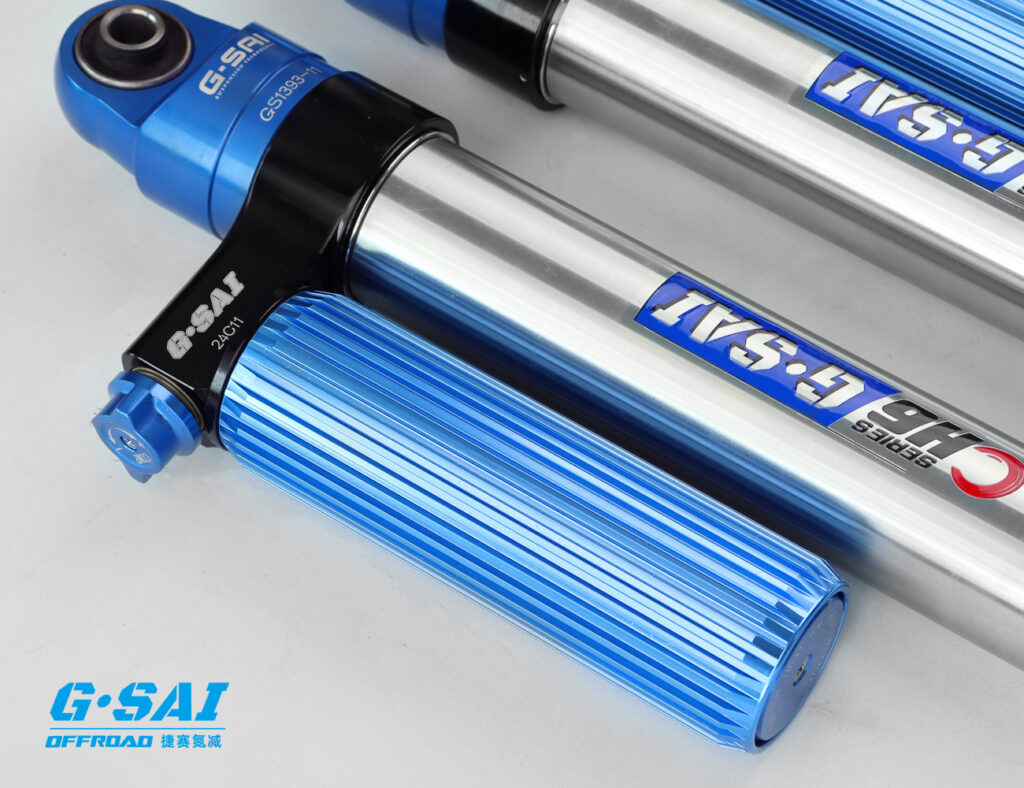
FAQ: Adjustable Truck Shocks Canada
Q1: Are adjustable shocks worth the investment for Canadian fleets?
A1: Absolutely. For trucks operating in Canada’s varied terrain and climate, adjustable shocks improve ride quality, safety, and reduce long-term maintenance costs—especially for fleets with variable loads and routes.
Q2: What types of adjustable shock absorbers are best for cold weather?
A2: Shocks with low-temperature hydraulic oil, sealed components, and corrosion-resistant materials are ideal. Brands like G·SAI offer models specifically designed to perform in sub-zero conditions.
Q3: Can I get private label adjustable shocks for my brand?
A3: Yes. Manufacturers like G·SAI offer OEM and private label services, allowing you to brand, package, and sell shocks under your own label. This is ideal for distributors and auto parts retailers.
Q4: What’s the minimum order quantity (MOQ) for B2B bulk orders?
A4: MOQs vary by manufacturer. G·SAI typically works with MOQs starting from 100 units, with flexible pricing for higher volume orders. You can request a quote based on your specs and quantity.
Q5: How do I ensure the imported shocks comply with Canadian vehicle regulations?
A5: Work with established manufacturers who provide compliance documentation, ISO/TS certifications, and technical drawings. G·SAI supplies full compliance documentation upon request.
Q6: Where can I see G·SAI’s full range of shock absorbers?
A6: You can explore their complete product catalog on the G·SAI Official Product Page, which includes adjustable shocks for off-road, RV, racing, and commercial use.
Q7: How do I become a G·SAI distributor in Canada?
A7: G·SAI is actively expanding its global dealer network. You can apply or inquire about distributorship options via their Dealer Network Page.
Final Thoughts
Adjustable truck shocks are no longer a luxury—they’re a necessity for fleets, OEMs, and distributors operating in the challenging and diverse environments of Canada. Whether you’re in logistics, mining, agriculture, or emergency services, investing in high-quality, customizable shock absorbers will increase vehicle uptime, improve performance, and reduce total cost of ownership.
For businesses looking to scale or differentiate through private labeling, G·SAI stands out as the premier choice in Asia. With unmatched custom engineering, flexible MOQs, and global logistics capabilities, they provide everything a Canadian B2B buyer needs to succeed in a competitive market.
🔧 Ready to upgrade your fleet or start your own performance shock brand?
Reach out to G·SAI for a consultation on your shock absorber needs:
👉 Contact G·SAI Today
Frequently Asked Questions (FAQ)
1) What specs matter most for adjustable truck shocks in Canadian fleets?
- Prioritize high-VI, low-temperature shock oil (-40°C ready), multi-lip FKM/Viton seals, hard-chrome or nitride shafts, hard-anodized or e‑coated bodies, Zn–Ni hardware (ASTM B117 ≥ 720–1,000 h), and verified hot/cold force drift ≤ ±5% (−20°C vs 100°C).
2) Are electronically adjustable shocks worth it for long-haul fleets?
- Yes when paired with load sensors and ECU integration. They improve stability and tire wear across the Prairies/Trans‑Canada corridors by adapting damping to payload and road inputs, reducing driver fatigue and maintenance.
3) How should wholesalers validate products before national rollout?
- Request IATF 16949/ISO 9001 certificates, PPAP/ISIR fitment files for top Canadian platforms (F‑150/F‑250, Ram, Sierra/Silverado, Sprinter), batch dyno curves at −20°C and 100°C, salt spray reports (ASTM B117), and a 30–60 day field pilot across at least two provinces.
4) What maintenance cadence works in sub-zero and salted-road conditions?
- Re‑torque after 500–1,000 km post-install; inspections every 10,000–15,000 km for leaks, bushing wear, and shaft pitting; rinse undercarriage in snowbelt; rebuild/service at 50,000–70,000 km for vehicles on gravel or logging roads.
5) Can Canadian distributors private-label adjustable truck shocks with bilingual support?
- Yes. Leading manufacturers offer OEM/ODM with English/French manuals, QR install videos, CSA-style labeling guidance, and Toronto/Vancouver-bonded 3PL options for faster fulfillment.
2025 Industry Trends: Adjustable Truck Shocks Canada
- EV and hybrid pickups/vans grow, driving low-speed compression bias and NVH tuning for higher curb mass in cold climates.
- Sensor-enabled, CAN-readable adjustable shocks expand for predictive maintenance in national fleets.
- Snowbelt corrosion requirements tighten: Zn–Ni fasteners and e‑coat + powder standard in RFPs.
- Private-label adjustable kits rise via eCommerce and dealer networks; localized valving maps for Prairie highways, BC grades, and Quebec frost heaves reduce returns.
- Lead times stabilize; bonded Canadian warehousing shortens last-mile and eases cross-border volatility.
| 2025 Metric/Trend | Impact on Adjustable Truck Shocks | Typical Spec/Practice | Indicative Sources |
|---|---|---|---|
| EV-adapted damping share (LCV/pickups) | More SKUs tuned for mass/NVH | Low-speed compression bias; reinforced top mounts | ACEA/NREL EV chassis briefs |
| Cold-start performance | Fewer winter NVH complaints | Low-temp oil; −40°C seal validation | OEM winter testing notes |
| Corrosion baseline (snowbelt) | Lower RMAs in QC/ON/MB | ASTM B117 ≥ 720–1,000 h; Zn–Ni hardware | ASTM; SAE corrosion papers |
| Sensor-enabled dampers | Predictive service revenue | Thermistor ports; CAN logging | McKinsey/Gartner telematics |
| Custom coilover/adj. shock lead time | Inventory planning | 6–9 weeks ex‑works; bonded CA stock | Manufacturer/exporter surveys |
Latest Research Cases
Case Study 1: Prairie LTL Fleet—Winter NVH Reduction (2025)
Background: A 220‑truck LTL fleet across SK/MB reported harshness and brake dive on −25°C starts and rough highways.
Solution: Deployed electronically adjustable monotube shocks with low-temp oil, FKM seals, and localized valving for Prairie expansion joints; provided bilingual QR setup guides and batch dyno data (−20°C/100°C).
Results: Driver comfort +0.6/5; suspension-related RMAs 1.9% (down from 3.7%); tire cupping incidents −11%; average fuel economy +1.2% from improved stability.
Case Study 2: BC Forestry Haulers—Heat Fade & Stability (2024)
Background: 95 logging trucks experienced fade on long descents and chatter on washboard access roads.
Solution: Adopted remote-reservoir adjustable shocks with braided lines, digressive compression, and controlled rebound; added 1,000 km re‑torque protocol and corrosion-protected hardware.
Results: Unscheduled suspension downtime −21%; brake pad life +7%; load-shift incidents −14% season-over-season.
Expert Opinions
- Dr. Camille Roy, Principal Engineer, Northern Dynamics Lab
Viewpoint: “Publish hot/cold force–velocity curves. A ≤ ±5% drift between −20°C and 100°C is the quickest proxy for real Canadian reliability in adjustable truck shocks.” - Mark Pelletier, Fleet Ops Director, Trans‑Prairie Logistics
Viewpoint: “ECU-controlled adjustables with clear setup sheets cut our winter NVH complaints and stabilized heavy loads without hurting ride comfort.” - Jenna McAllister, Technical Buyer, Coast Range Timber Transport
Viewpoint: “Reservoir volume plus correct rebound stops pack‑down on logging roads. Zinc–nickel hardware is non-negotiable for coastal corrosion.”
Practical Tools/Resources
- Transport Canada: Vehicle regulations and compliance https://tc.canada.ca
- ASTM B117: Salt spray corrosion testing standard https://www.astm.org
- SAE MOBILUS: Suspension/damper standards (SAE J1460, J2492) https://saemobilus.sae.org
- NREL/ACEA: EV chassis and mass/NVH insights https://www.nrel.gov | https://www.acea.auto
- Government of Canada Import/Export: Tariffs, HS codes https://www.cbsa-asfc.gc.ca
- SEMA/AAPEX directories: Supplier scouting and B2B contacts https://www.semashow.com | https://www.aapexshow.com
- Panjiva / ImportYeti: Supplier due diligence for private-label programs https://panjiva.com | https://www.importyeti.com
Last updated: 2025-10-10
Changelog: Added 5-question FAQ for Adjustable Truck Shocks Canada; introduced 2025 trends table with cold-start and corrosion baselines; provided two case studies (Prairie LTL fleet, BC forestry haulers); included expert viewpoints; compiled Canadian and technical resources with authoritative links.
Next review date & triggers: 2026-03-31 or earlier if Transport Canada updates compliance rules, EV pickup adoption shifts damping requirements, or sensor-enabled shocks exceed 25% penetration in Canadian fleet RFPs.
Related Post
-
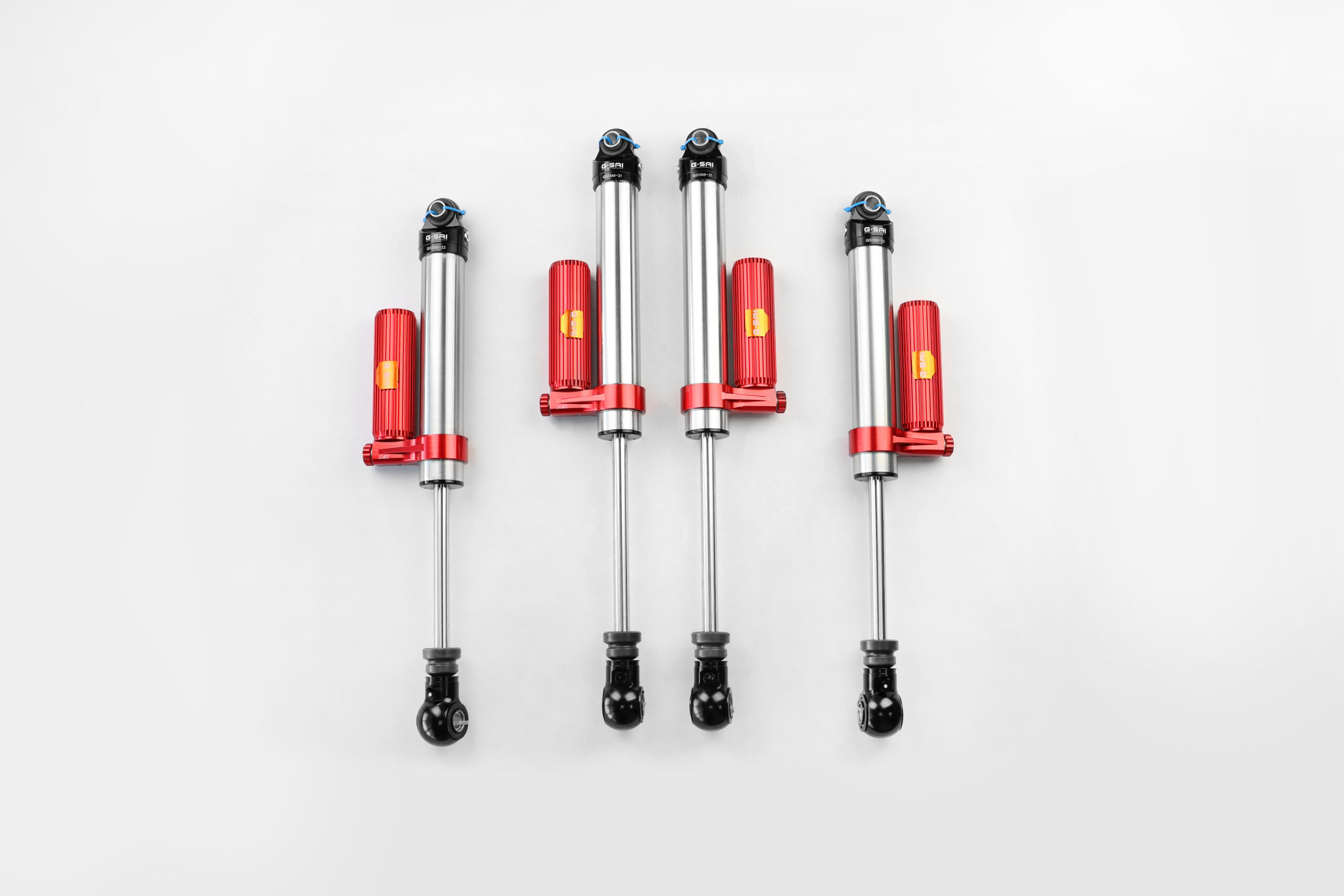
B2B Supply of SUV Shock Absorbers from China to Thailand
Thai SUV demand for off-road-ready suspension keeps rising, and Chinese manufacturers are now the fastest way to source durable, customizable systems at scale. This guide walks Thai importers, distributors, and 4×4 dealers through the B2B Supply of SUV Shock Absorbers from China to Thailand—from product fit and tuning to customs, logistics, and supplier selection. If…
-
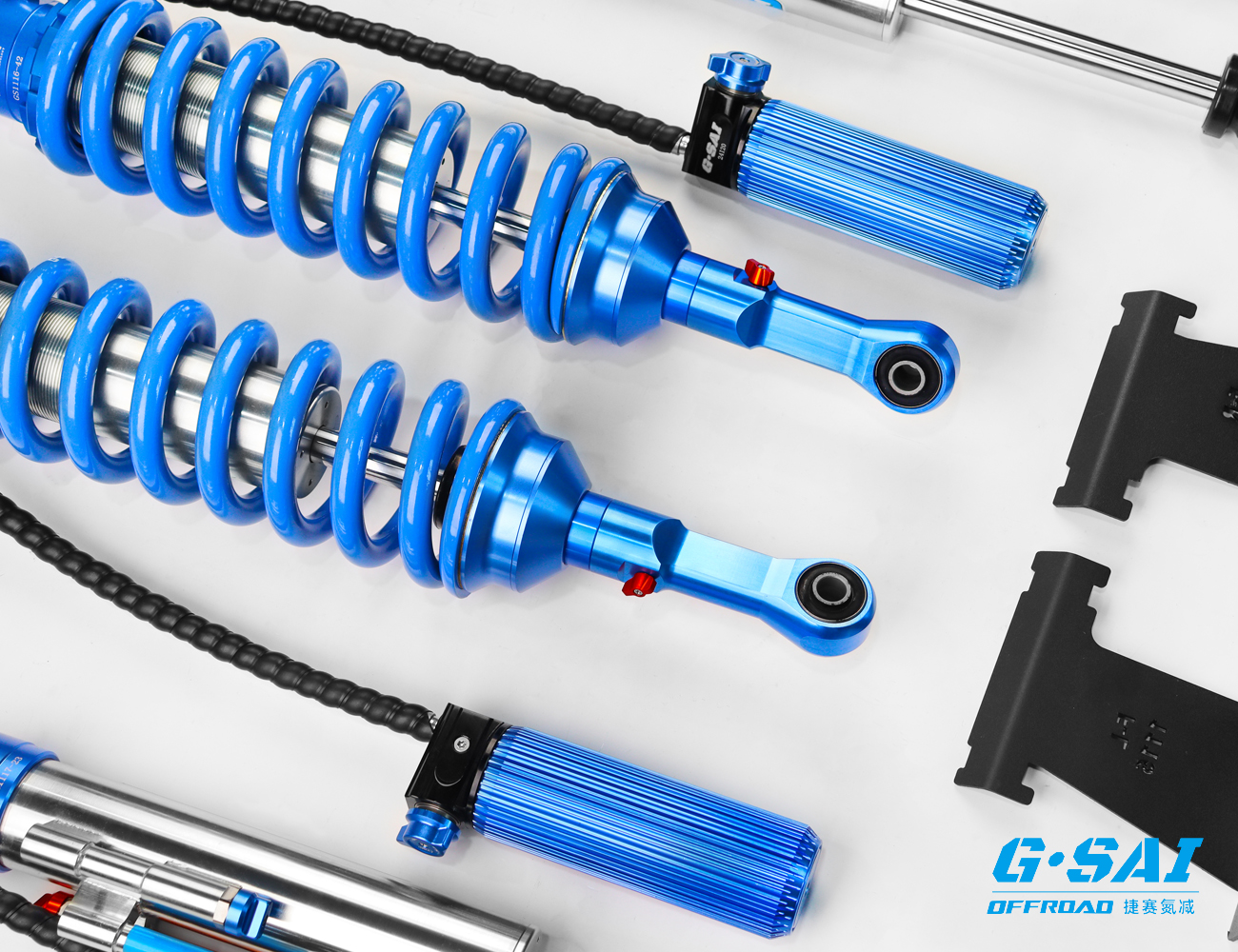
High-Performance Suspension Kits for Off-Road Vehicles in France
French off-road conditions—from the steep, rocky switchbacks of the Alps and Pyrenees to the damp forestry trails of Brittany—demand more than a generic lift. High-Performance Suspension Kits for Off-Road Vehicles in France must balance wheel travel, precise damping control, and corrosion resistance while staying compliant for road use. If you’re mapping an off-road program in…