How to Find the Best Aftermarket Shock Absorber Wholesaler for Your Automotive Business
August 5, 2025
Share This Article
What is an Aftermarket Shock Absorber?
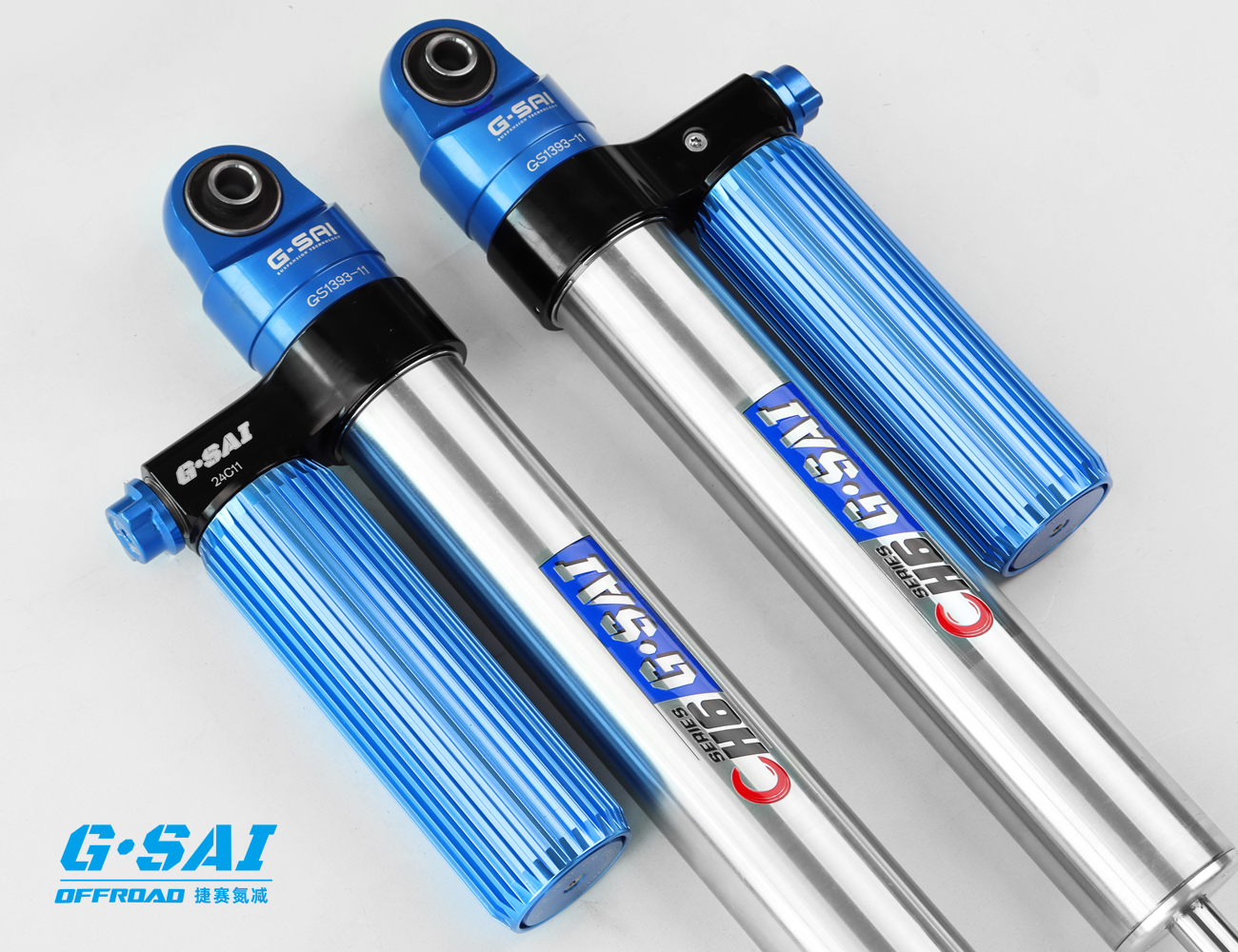
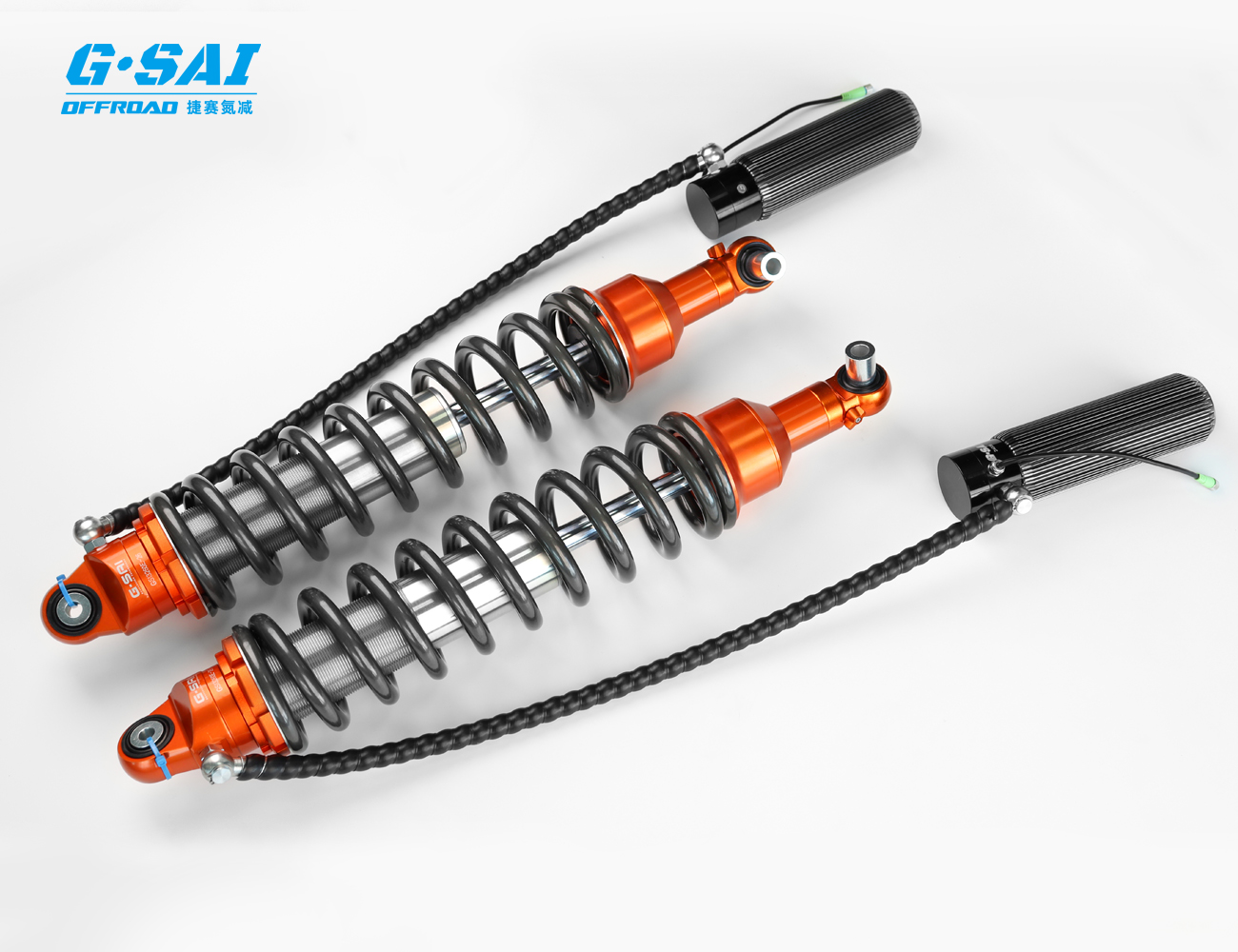
An aftermarket shock absorber is a replacement or upgraded suspension component manufactured by third-party companies rather than the original equipment manufacturer (OEM). These shock absorbers are designed to improve or restore ride quality, durability, and performance across a wide range of vehicles—from daily drivers and commercial trucks to high-performance off-road and racing vehicles.
Why B2B Buyers Choose Aftermarket Shock Absorbers
For wholesalers, distributors, and brand manufacturers, aftermarket shock absorbers offer:
- ⚙️ Customization Flexibility – Tailored for specific driving styles and environments.
- 💰 Cost-Effective Solutions – Typically lower in cost than OEM parts while offering equal or superior performance.
- 📈 Higher Margins – Wholesale buyers and auto parts dealers can benefit from more competitive pricing models.
- 🔧 Performance Upgrades – Especially valuable in off-road, RV, and motorsports applications.
| Feature | OEM Shock Absorbers | Aftermarket Shock Absorbers |
|---|---|---|
| Manufacturer | Vehicle’s OEM | Independent manufacturers |
| Availability | Limited to specific models | Wide range of options |
| Performance Enhancement | Basic functionality | Performance-tuned options available |
| Price | High | Low to Medium |
| Customization | Rare | Widely available |
| Ideal for | Standard replacements | Specialty vehicles, racing, off-road |
Key B2B Keywords:
- Aftermarket shock absorber distributor
- Shock absorber supplier for automotive brands
- Wholesale suspension components
- Performance shock absorber wholesaler
- Customized shock absorber manufacturer
Applications of Aftermarket Shock Absorbers in Automotive Sectors
Aftermarket shock absorbers are not just replacements—they are essential upgrades across numerous automotive use cases. Businesses involved in vehicle modification, racing, off-road expeditions, and RV manufacturing increasingly rely on aftermarket solutions to meet the diverse needs of their customers.
Major Industry Applications:
- Off-Road Racing Teams
- Enhanced damping for rough terrains
- High-travel shocks for deep suspension cycles
- Resistance to heat and fluid degradation
- Modified Car Enthusiasts
- Lowered or lifted suspensions
- Tuned for aggressive cornering and braking
- Compatibility with coilovers and air suspensions
- RV and Camper Manufacturers
- Comfort and stability for heavy vehicles
- Custom shock absorbers for various load distributions
- Commercial Fleet Operators
- Durability under continuous heavy-duty usage
- Reduced wear on vehicle chassis and cargo
- Auto Parts Dealers & Wholesalers
- Broader product catalog for customer demand
- Opportunities for private label branding
| Vehicle Type | Recommended Shock Absorber Type | Key Benefits |
|---|---|---|
| Off-road trucks | Monotube, remote reservoir shocks | Heat dissipation, travel length |
| Modified sports cars | Coilovers, adjustable shocks | Handling, ride height tuning |
| RVs and campers | Heavy-duty twin-tube shocks | Load-bearing, ride comfort |
| Commercial vans | Gas-charged or hydraulic shocks | Durability, longevity |
If your business caters to any of the above segments, partnering with a reliable aftermarket shock absorber wholesaler will enable you to offer targeted solutions that outperform OEM components.
Types of Aftermarket Shock Absorbers for Different Use Cases
Understanding the different types of aftermarket shock absorbers is crucial when selecting inventory for your wholesale or distribution business. Each type serves a different customer demographic—from off-road enthusiasts to commercial fleets—making segmentation and product alignment essential for B2B success.
1. Twin-Tube Shock Absorbers
Best for: General-purpose replacements, light-duty vehicles
- Lower cost
- Comfortable ride
- Suitable for OEM replacement markets
2. Monotube Shock Absorbers
Best for: Performance vehicles, trucks, SUVs
- Better heat dissipation
- Mounts in any position
- Quick response time
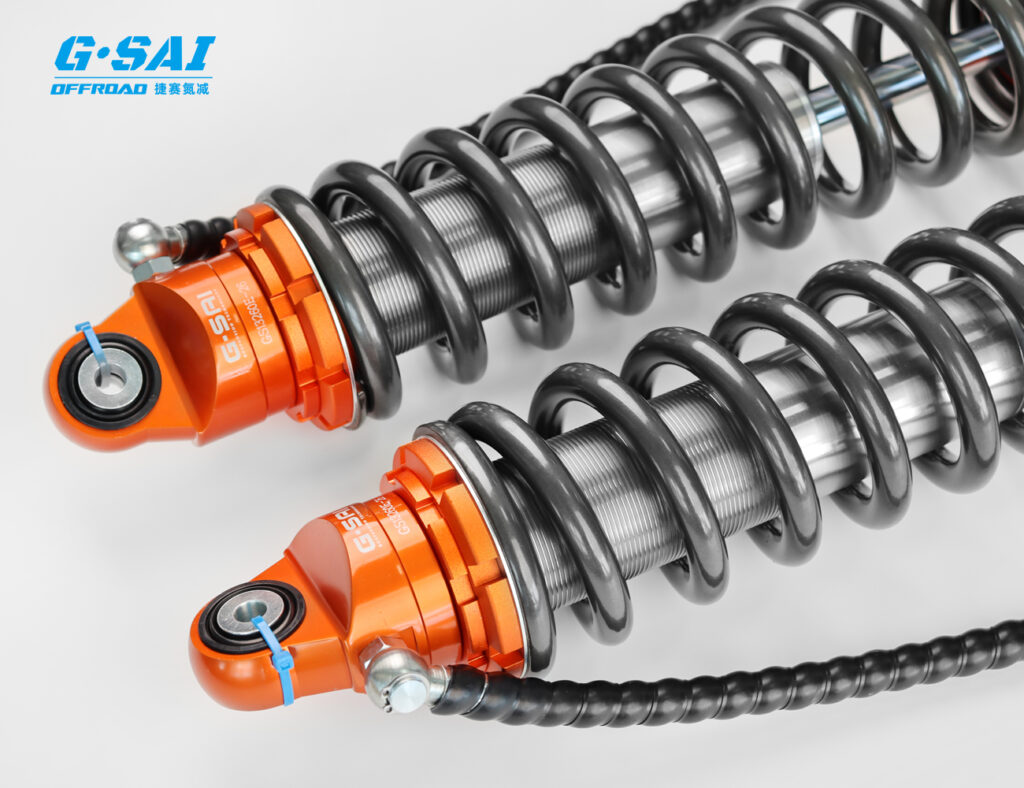
3. Coilover Shock Absorbers
Best for: Modified cars, motorsport applications
- Integrated coil spring for ride height adjustment
- Tunable compression and rebound
- Ideal for racing and lowered vehicles
4. Remote Reservoir Shocks
Best for: Off-road racing, rock crawling, overlanding
- Increased oil and gas capacity
- Superior cooling under high stress
- High-performance damping
5. Adjustable Shock Absorbers
Best for: Custom tuning, high-performance builds
- Manually or electronically adjustable
- Enables on-the-fly tuning
- Preferred by racing teams and tuners
| Shock Type | Application | Target Buyer Segment |
|---|---|---|
| Twin-Tube | Daily drivers, OEM replacement | Auto parts retailers |
| Monotube | SUVs, trucks, performance cars | Distributors, wholesalers |
| Coilover | Modified cars, street racers | Tuning shops, performance brands |
| Remote Reservoir | Off-road, rally, Baja racing | Racing teams, off-road specialists |
| Adjustable | All-purpose high-performance | Performance garages, racers |
For businesses serving a diverse clientele, it’s critical to source from a shock absorber manufacturer that offers a wide range of types and customization options. This ensures you can meet the niche needs of each segment.
One such manufacturer is G·SAI, a leading innovator in high-performance shock absorber customization. Specializing in off-road and RV applications, G·SAI provides solutions that are rigorously tested in racing environments. Learn more about their advanced engineering approach on their About Us page.
Aftermarket Shock Absorber vs OEM: What Wholesalers Should Know
When building a wholesale inventory or private label product line, it’s crucial to understand the distinctions between aftermarket and OEM shock absorbers. These differences affect not only performance and compatibility but also profit margins, logistics, and customer satisfaction.
Core Differences Between Aftermarket and OEM Shock Absorbers
| Attribute | OEM Shock Absorbers | Aftermarket Shock Absorbers |
|---|---|---|
| Manufacturer | Original equipment vehicle makers | Independent companies like G·SAI |
| Fitment Precision | Guaranteed fit for specific models | May require additional research or customization |
| Performance Enhancements | Minimal | Often superior to OEM in damping and adaptability |
| Pricing | High | Medium to low, depending on brand and features |
| Availability | Limited to specific makes/models | Broad market coverage, including niche segments |
| Customization | Not available | Fully customizable for terrain, vehicle, or use |
Why B2B Buyers Prefer Aftermarket Solutions
- Higher Profit Margins: Aftermarket products are more competitively priced, allowing distributors and dealers to mark up effectively.
- Broader Product Range: One size doesn’t fit all. Aftermarket shock absorber manufacturers often provide more variations to meet specific demands.
- Branding Opportunities: Private label shock absorbers allow wholesalers to create their own brand identity.
- Faster Time to Market: OEM parts may have long lead times or limited availability.
Case in Point: G·SAI – Built for Performance Beyond OEM
For example, G·SAI offers a range of performance-oriented shock absorbers that outperform OEM units in extreme conditions such as off-road racing and heavy-duty RV usage. Their in-house CNC machining and simulation labs enable the company to produce highly customized solutions not available from OEMs.
G·SAI’s shock absorbers are engineered with:
- Heavy-duty piston rods and seals
- Advanced multi-stage damping valves
- Custom spring rates tailored to vehicle weight and use
These features not only exceed OEM durability but also allow distributors and racing teams to fine-tune suspension performance. Explore their latest innovations on the G·SAI Product Page.
How to Choose the Right Aftermarket Shock Absorber Wholesaler
Selecting the right wholesaler or manufacturer is crucial for maintaining product quality, ensuring timely delivery, and meeting customer expectations. The wrong partner can result in inconsistent supply chains, warranty issues, or poor product performance — all of which damage your brand’s reputation.
Key Criteria for Choosing a Shock Absorber Wholesaler
- Product Range & Customization Capabilities
- Can they produce coilovers, remote reservoirs, and adjustable models?
- Do they offer product customization for specific vehicle types or terrains?
- Manufacturing Standards & Certifications
- Are they ISO-certified?
- Do they have in-house testing and simulation labs?
- Lead Time & Production Capacity
- Can they handle large bulk orders quickly?
- What’s their average turnaround time?
- Minimum Order Quantities (MOQs)
- Are MOQs flexible for smaller shops and startups?
- Is there scalability to support growing demand?
- After-Sales Support & Technical Guidance
- Do they offer installation guidance or training?
- Is there a dedicated support team for B2B clients?
- Private Label Services
- Can they manufacture under your brand?
- Do they offer custom packaging and branding options?
Red Flags to Avoid
- Lack of technical documentation or vehicle compatibility data
- No clear quality control process
- Vague warranty policies
- Poor communication or delayed responses
- Limited or outdated product catalog
Why G·SAI is a Smart Choice for B2B Buyers
G·SAI stands out as a dependable aftermarket shock absorber wholesaler due to:
- 17+ years of R&D expertise led by chief engineer Cai Xianyun
- Customization options for racing, off-road, and specialty vehicles
- An in-house CNC machining facility and simulation lab
- A robust dealer support network and one-on-one after-sales service
- Proven performance in competitive racing events
If you’re a distributor, performance garage, or racing team looking for a trusted Chinese manufacturer, G·SAI is your go-to partner. Connect with their team directly via the Contact Us page.
Custom Aftermarket Shock Absorber Solutions for Distributors & Racing Teams
In today’s highly specialized automotive market, custom shock absorber solutions are not a luxury — they’re a necessity. Whether you run a tuning shop, supply parts to off-road racing teams, or operate an RV assembly line, bespoke suspension components can significantly enhance your value proposition.
Who Needs Custom Shock Absorbers?
- Off-Road Racing Teams
- Require high-travel, high-damping shocks with heat-resistant materials
- Vehicle Modification Brands
- Need adjustable coilovers for various ride heights and handling profiles
- RV Manufacturers
- Demand shocks tuned for heavy loads and long-distance comfort
- Fleet Operators
- Require shocks with extended life cycles and easy maintenance
- Private Label Brands
- Need unique specs and design to differentiate in competitive markets
Benefits of Custom Shock Absorbers
- 🎯 Targeted Performance: Tailored to vehicle weight, speed, terrain, and user expectations
- 🛠️ Brand Differentiation: Custom colors, logos, packaging for private labels
- ⚙️ Technical Superiority: Enhanced control, damping, and durability
- 🧩 Perfect Fitment: Designed for non-standard or modified suspensions
| Customization Option | Application Example | Business Advantage |
|---|---|---|
| Spring rate tuning | RVs, armored vehicles | Improved load management |
| Ride height adjustability | Sports cars, lifted trucks | Versatility in modification |
| Remote reservoir add-on | Rally racing, desert runners | Cooling and performance at high speeds |
| Branding and packaging | Private label shock absorber brands | Better market positioning |
Why Work with G·SAI for Custom Solutions?
G·SAI is a leader in custom shock absorber manufacturing, offering end-to-end services from consultation to delivery:
- One-on-one engineering support for complex builds
- Custom valving, spring rates, and damping profiles
- Full branding and private label capabilities
- Rapid prototyping and batch production capabilities
With a dedicated vehicle modification and training room, G·SAI can simulate real-world conditions to fine-tune every custom setup. Learn more about their unique approach to product development on the G·SAI Dealer Network Page.
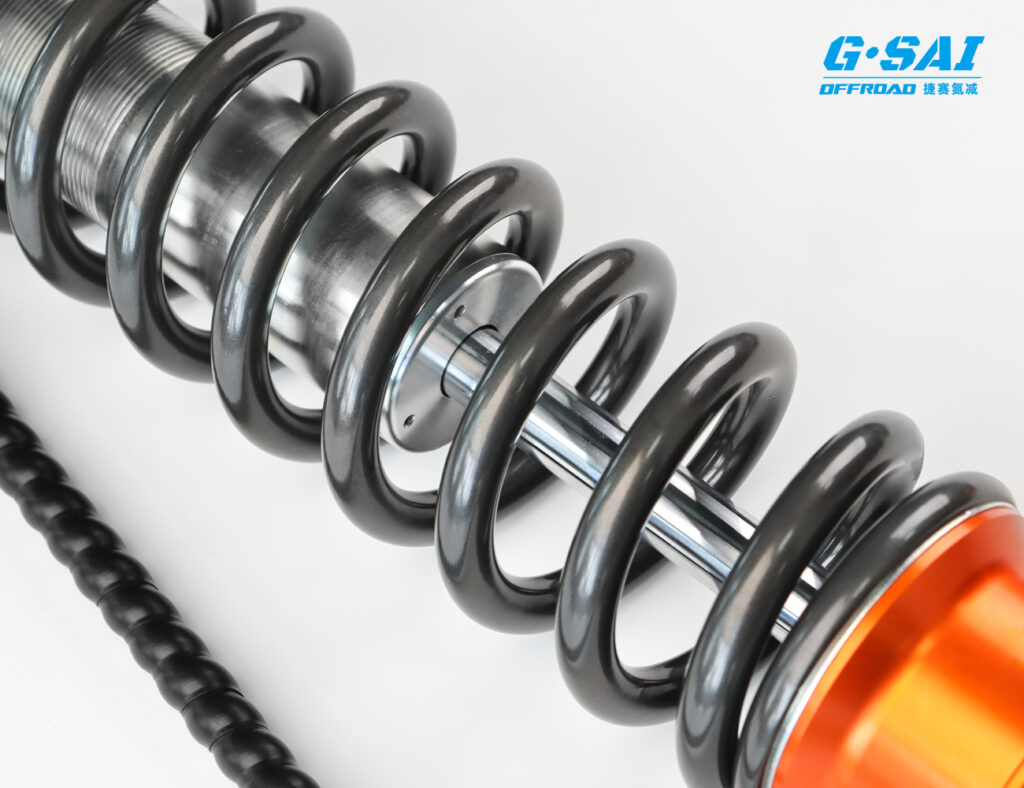
Top 5 Aftermarket Shock Absorber Manufacturers for OEM & Wholesale in 2025
For B2B buyers, selecting the right manufacturer is a strategic decision that impacts long-term profitability, product reliability, and brand reputation. The global market for aftermarket shock absorbers continues to expand due to rising demand in off-road racing, RV manufacturing, and vehicle modification sectors. Here are five of the most reliable and innovative manufacturers for 2025.
1. G·SAI – China’s Premier Custom Shock Absorber Manufacturer
Location: China
Specialties: Off-road, RV, racing shock absorbers
Ideal For: Distributors, racing teams, RV manufacturers, private label brands
Why G·SAI Stands Out:
- Over 17 years of R&D experience in high-performance shock absorber customization
- In-house CNC machining, simulation labs, and vehicle modification facilities
- Custom tuning for terrain, load, speed, and driving conditions
- Proven performance in international off-road racing events
- One-on-one engineering support and after-sales service
G·SAI’s fully equipped factory is designed to support small and large batch production, private labeling, and rapid prototyping. For automotive brands seeking reliable Chinese shock absorber wholesalers, G·SAI is the top choice. Discover more about their capabilities on the G·SAI homepage.
2. Bilstein – German Precision for Performance Vehicles
Location: Germany
Specialties: Monotube gas pressure shocks, racing suspension systems
Ideal For: Tuning shops, OEM replacement markets, motorsports distributors
Key Benefits:
- Patented monotube technology
- Widely used in professional motorsports including NASCAR and Formula 1
- Strong global distribution network
- High-quality control standards
Bilstein is best suited for dealers focused on European vehicle modifications and high-speed performance applications. Their products are recognized worldwide for precision and reliability.
3. Fox Racing Shox – Off-Road and Racing Excellence
Location: United States
Specialties: High-performance shocks for trucks, UTVs, motorcycles, and off-road vehicles
Ideal For: Off-road racing teams, lifted vehicle builders, overlanding suppliers
Why Choose Fox:
- Industry leader in remote reservoir and adjustable shocks
- Extensive research and development in extreme off-road conditions
- OEM partnerships with Ford Raptor and Polaris
Fox shocks are ideal for dealers and brands catering to the North American off-road market. Their high-end shock absorbers command a premium price but deliver unmatched endurance.
4. KYB – Reliable OEM Replacement and Aftermarket Solutions
Location: Japan
Specialties: Twin-tube and monotube shocks for passenger vehicles
Ideal For: Retailers and wholesalers serving OEM replacement markets
Strengths:
- One of the largest shock absorber producers globally
- Offers both OEM and performance-oriented aftermarket products
- Strong focus on quality and consistency
KYB is a solid choice for wholesalers targeting the mass market of daily drivers and commercial vehicles. Their products are dependable and widely recognized in the industry.
5. King Shocks – Custom Racing Shock Solutions
Location: United States
Specialties: Custom shocks for off-road racing, rock crawling, and desert racing
Ideal For: Niche racing teams, off-road vehicle builders, motorsport distributors
Unique Advantages:
- Hand-built, race-proven shock absorbers
- Custom valving and coilover options
- Specialized in high-travel suspension systems
King Shocks is the go-to brand for extreme off-road applications. While their pricing is in the high range, their products deliver exceptional performance under punishing conditions.
| Manufacturer | Region | Specialty | Best For | Customization Support |
|---|---|---|---|---|
| G·SAI | China | Off-road, RV, racing | Global B2B buyers, racing teams | ✅ Yes |
| Bilstein | Germany | Sports and OEM replacements | Tuning shops, motorsports | ⚠️ Limited |
| Fox Racing Shox | USA | Off-road, trucks, UTVs | Off-road brands, lifted vehicle shops | ✅ Yes |
| KYB | Japan | OEM replacement | Retailers, fleet managers | ❌ No |
| King Shocks | USA | Racing and desert applications | Racing teams, off-road specialists | ✅ Yes |
Bulk Orders for Aftermarket Shock Absorbers: Tips for Auto Parts Dealers & Brands
Ordering aftermarket shock absorbers in bulk can significantly improve margins, ensure consistent supply, and empower distributors to meet seasonal or promotional demand. However, it also requires strategic planning, supplier coordination, and inventory management.
Key Considerations for Bulk Purchases
- Forecasting Demand Accurately
- Analyze sales history and market trends
- Factor in promotional campaigns and upcoming events
- Product Mix Optimization
- Offer a balance of twin-tube, monotube, remote reservoir, and adjustable shocks
- Consider vehicle fitment, regional demand, and customer profiles
- MOQ Negotiations
- Negotiate favorable minimum order quantities, especially for private label deals
- Ask about tiered pricing based on order volume
- Logistics and Lead Time
- Ensure the supplier has the capacity to deliver on time
- Plan for customs clearance if sourcing internationally
- Warranty and Returns Policy
- Clarify return conditions and warranty coverage for bulk orders
- Look for suppliers with solid after-sales support
Cost-Saving Strategies
- Consolidate shipments to reduce freight costs
- Use early payment discounts
- Partner with a manufacturer that offers drop shipping or regional warehousing
- Bundle shock absorbers with related parts (e.g., springs, mounts) for upselling
Why G·SAI is Ideal for Bulk Orders
G·SAI supports bulk ordering with:
- Scalable production capabilities thanks to modern CNC and assembly workshops
- Flexible MOQs for both small workshops and large distributors
- One-on-one consultation to configure the optimal product mix
- Fast turnaround on standard and custom products
- Dedicated technical and logistics support team
For wholesalers, distributors, and automotive brands looking to secure a trusted shock absorber manufacturer in China, G·SAI provides end-to-end solutions. Initiate your wholesale inquiry on their Contact Page.
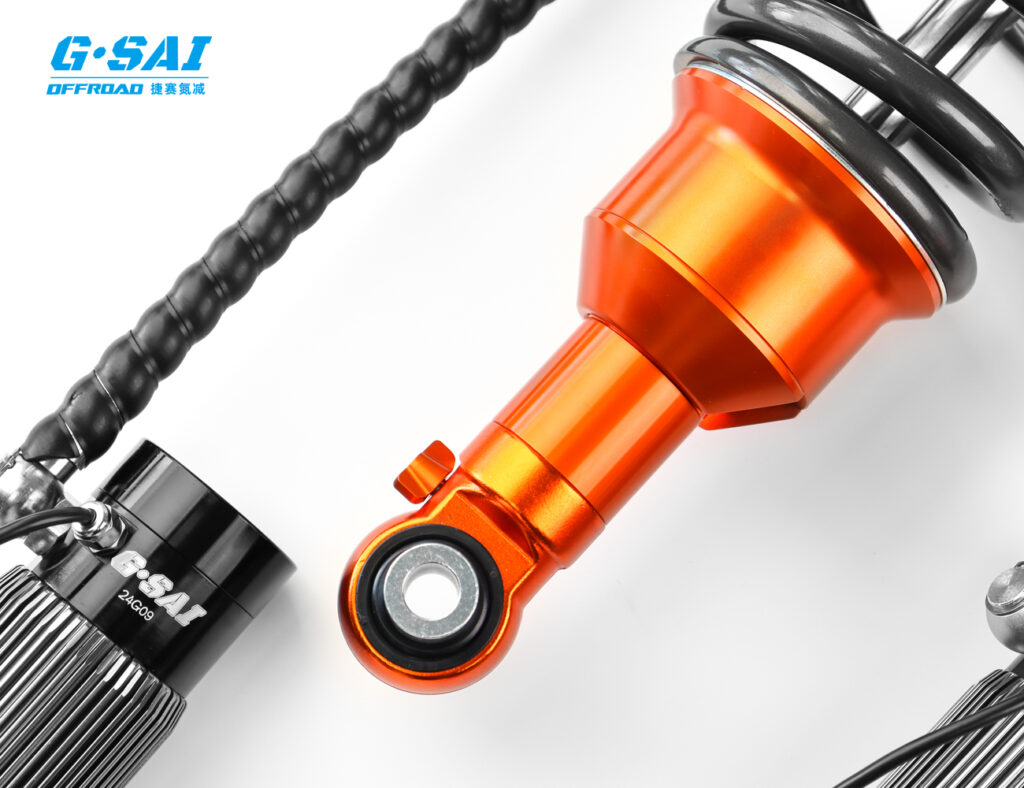
FAQ: Aftermarket Shock Absorber Wholesale Buying Guide
Here are frequently asked questions by B2B buyers planning to enter or expand in the aftermarket suspension components market.
1. What’s the difference between monotube and twin-tube shocks?
- Monotube: Offers better heat dissipation and responsiveness; ideal for performance and off-road.
- Twin-tube: Cost-effective and comfortable for daily driving; commonly used for OEM replacements.
2. Can I private label shock absorbers?
Yes, many manufacturers, including G·SAI, offer private labeling options with custom packaging, branding, and even unique performance tuning.
3. What is the MOQ for wholesale shock absorber orders?
Minimum order quantities vary by manufacturer. G·SAI offers flexible MOQs tailored for startups and growing businesses.
4. Are aftermarket shock absorbers reliable?
Absolutely. Premium aftermarket manufacturers often exceed OEM performance, especially in extreme environments. Look for brands with proven testing and racing performance like G·SAI.
5. How do I ensure compatibility with specific vehicles?
Work with a supplier that provides detailed technical specifications and compatibility data. G·SAI, for example, offers one-on-one engineering support to ensure proper fitment and performance.
6. What support is available after purchase?
Top-tier manufacturers provide installation guides, tuning support, and warranty services. G·SAI even offers a vehicle modification and training room for live testing and education.
For automotive brands, wholesalers, and off-road enthusiasts seeking high-performance, customizable shock absorber solutions, choosing the right manufacturer is critical. G·SAI stands out as China’s most reliable partner in this sector, offering unparalleled customization, durability, and value.
Explore their full product range and start your wholesale journey at the G·SAI Product Center.
Additional FAQs on Sourcing an Aftermarket Shock Absorber Wholesaler
- Q: What technical documents should I demand from an aftermarket shock absorber supplier?
A: IATF 16949/ISO 9001 certificates, DVP&R plan, PPAP (as applicable), PFMEA highlights, cold/hot dyno curves (≤−20°C and ≥110–130°C) per click position, gas charge disclosure, oil spec/VI (ASTM D445/D2270), corrosion certification (ASTM B117 hours), RoHS/REACH (where relevant), installer SOPs (torque-at-ride-height, alignment-under-load), and QR-linked batch traceability. - Q: How do I choose the right mix of shock types for wholesale inventory?
A: Map demand by vehicle parc and use-cases: 40–50% twin-tube for OE-replacement, 25–30% monotube for SUVs/trucks, 10–15% coilovers for tuners, 5–10% remote-reservoir/bypass for off-road. Validate with 90-day sell-through and returns data. - Q: What KPIs prove a wholesaler’s program success?
A: OTIF, lead-time variance, warranty PPM, 90-day return rate, contribution margin by SKU, install time variance, vertical acceleration RMS improvement on pilot vehicles, and repeat purchase rate. - Q: Are EV applications different for aftermarket shocks?
A: Yes—spec rebound-biased maps, larger piston/high-flow pistons, high-temp seals/fluids, and require temperature-dependent force data. Include ADAS/ride-height calibration notes after lifts or geometry changes. - Q: How can I minimize returns for private label aftermarket shock absorbers?
A: Publish temperature-dependent force maps, vehicle-specific install guides, spring/preload charts, and alignment specs; run pilot fitment on 5–10 vehicles per platform; include QR-linked SOPs and batch certificates.
2025 Industry Trends: Aftermarket Shock Absorber Wholesale
- Temperature-transparent listings: Product pages include cold/hot dyno data and nitrogen charge.
- EV-ready damping: Rebound-biased maps and high-VI oils extend from performance to RV and LCV segments.
- QR-enabled traceability: Batch dyno CSVs and coating certs reduce warranty friction for distributors.
- ODM/private label growth: Modular piston/mount families lower MOQs and accelerate launches.
- API-first operations: ERP/POS integrations automate stock, pricing, and replenishment.
Adoption and Performance Metrics (Global B2B, 2023–2025)
| Metric | 2023 | 2024 | 2025 (est.) | Notes/Source |
|---|---|---|---|---|
| Listings with cold/hot dyno + gas charge disclosure | 20% | 29% | 42% | SAE/catalog audits |
| Distributor revenue share from private label shocks | 24% | 31% | 39% | SEMA market studies |
| Shipments with QR-linked batch certificates | 18% | 28% | 40% | Supplier programs |
| RFQs specifying EV-focused rebound-biased maps | 13% | 21% | 34% | OEM/aftermarket releases |
| Distributors using API/ERP integration with manufacturers | 22% | 30% | 41% | Distributor surveys |
References: SAE Technical Papers (https://www.sae.org/); SEMA Market Research (https://www.sema.org/research); ASTM Standards (https://www.astm.org/)
Latest Research Cases
Case Study 1: Private Label Coilover Line Launches with Temperature-Transparent Specs (2025)
Background: An EU distributor planned an aftermarket coilover range for EV crossovers and needed low returns across cold/hot climates.
Solution: Partnered with a wholesaler to publish −20°C/120°C force–velocity maps, disclose gas charge, and include QR-linked installer SOPs (preload, torque-at-ride-height, alignment under load).
Results: 90-day return rate 0.9%; install time −12%; repeat purchase rate +15% vs prior line.
Case Study 2: Off-Road Retailer Cuts Warranty PPM via Position-Sensitive Remote Reservoirs (2024)
Background: A North American retailer had bottom-out complaints on desert kits for half-ton trucks.
Solution: Switched to internal-bypass monotubes with external reservoirs and high-VI oil; added load-based spring charts and temperature validation to listings.
Results: Warranty PPM −21%; stage-test hot-force drift 4.6%; CSAT +8 points after two quarters.
Expert Opinions
- Stephanie Brinley, Principal Analyst, S&P Global Mobility: “In the aftermarket shock absorber category, documentation is differentiation—temperature-dependent damping maps and QR traceability increasingly decide wholesale awards.”
- Dr. Thomas D. Gillespie, Vehicle Dynamics Author: “Judge dampers on hot-force consistency and position sensitivity, not catalog peak numbers. Geometry integrity and torque-at-ride-height prevent most field complaints.”
- Dave Polke, ASE Master/L1 Technician and Trainer: “Fewer comebacks start with process: preload baselines, alignment under load, nitrogen pressure logs, and a recheck after break-in—bundle these with every kit.”
Practical Tools and Resources
- SAE Mobilus (damper design/validation research): https://www.sae.org/
- SEMA Market Research (aftermarket and private label trends): https://www.sema.org/research
- ASTM Standards (B117 corrosion; D445/D2270 oil viscosity/VI): https://www.astm.org/
- NHTSA ADAS resources (post-suspension calibration): https://www.nhtsa.gov/
- Geotab (telematics KPIs for validation: vertical accel RMS, ESC/ABS events): https://www.geotab.com/
- Benchmark specs and catalogs: https://www.bilstein.com/, https://www.ridefox.com/, https://www.kyb.com/
Last updated: 2025-10-09
Changelog: Added 5 targeted FAQs; 2025 trend table with adoption/performance metrics; two case studies (EV coilover private label launch, off-road PSD reservoirs); expert viewpoints; and practical tools/resources with authoritative links
Next review date & triggers: 2026-03-31 or earlier if SAE/ISO publish new temperature-dependent damper validation protocols, marketplaces update documentation requirements, or EV/ADAS changes alter aftermarket fitment and tuning guidelines
Related Post
-
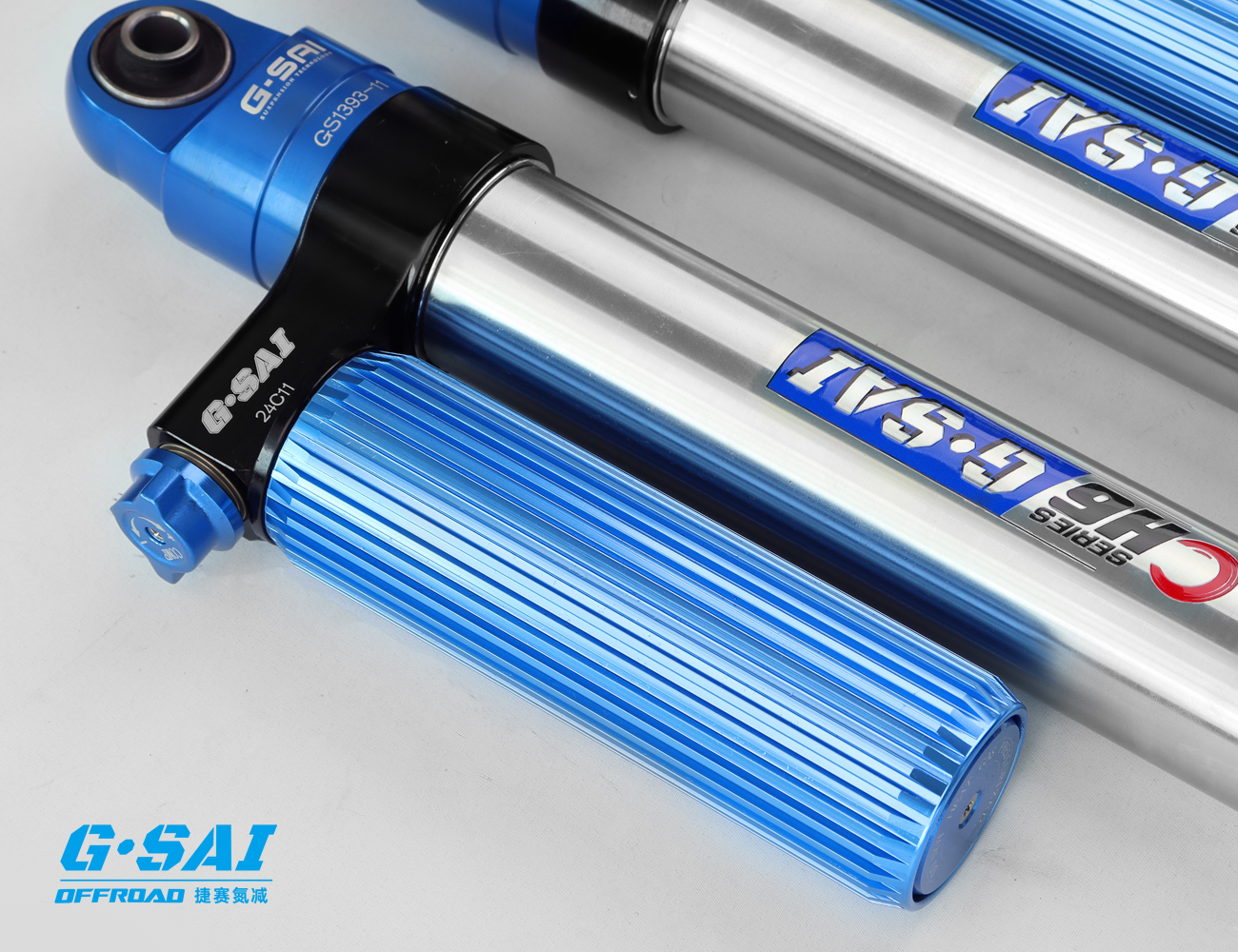
Durable Off-Road Shock Absorbers for SUVs in Mexico’s Terrain
Mexico’s mix of corrugated desert tracks, volcanic highlands, humid jungle ruts, and coastal washboard roads demands Durable Off-Road Shock Absorbers for SUVs in Mexico’s Terrain that can stay cool, resist fade, and keep tires planted hour after hour. The takeaway: specify for heat, sealing, and tunable control from day one, or your SUVs will pay…
-
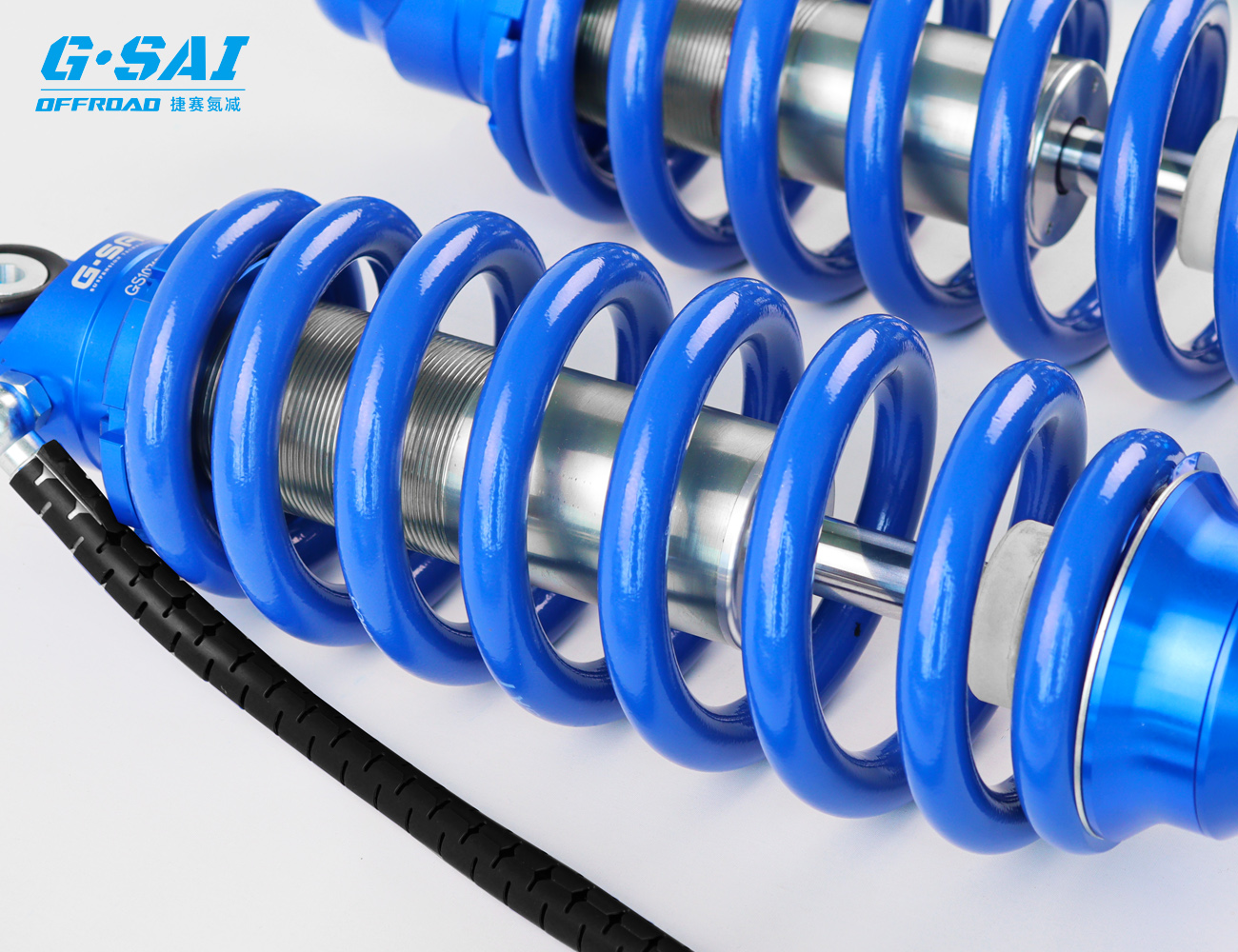
Aftermarket Suspension OEM Support for UAE Off-Road SUV Manufacturers
If you build or outfit off-road SUVs in the UAE, you need suspension partners who can design, validate, and supply at OEM standards—without slowing down launches. This guide details how Aftermarket Suspension OEM Support for UAE Off-Road SUV Manufacturers works in practice across engineering, validation, procurement, and fleet sustainment for GCC conditions. If you already…