All-Terrain Suspension Systems for Honda Ridgeline SUVs in the Emirates
March 20, 2026
Share This Article
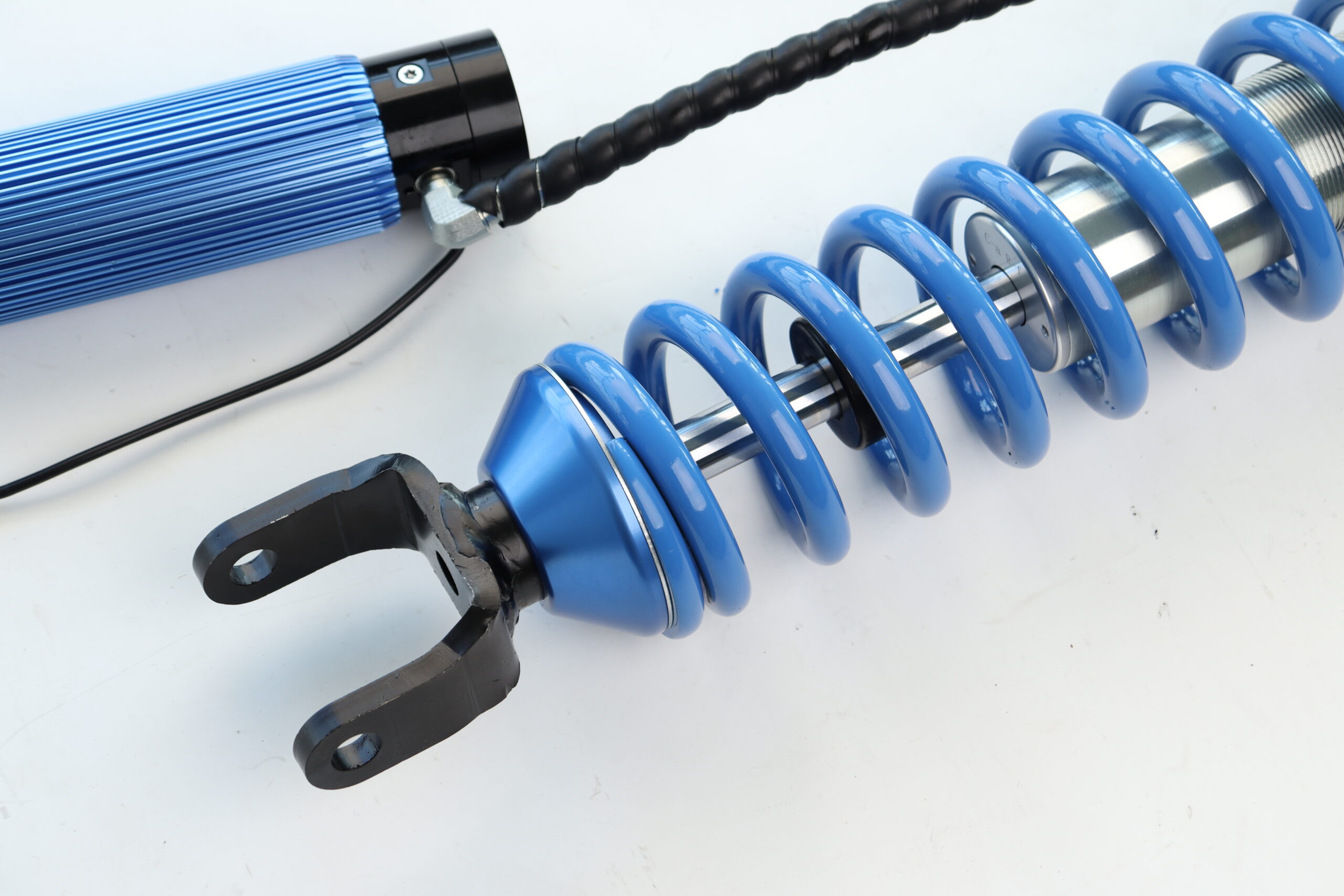
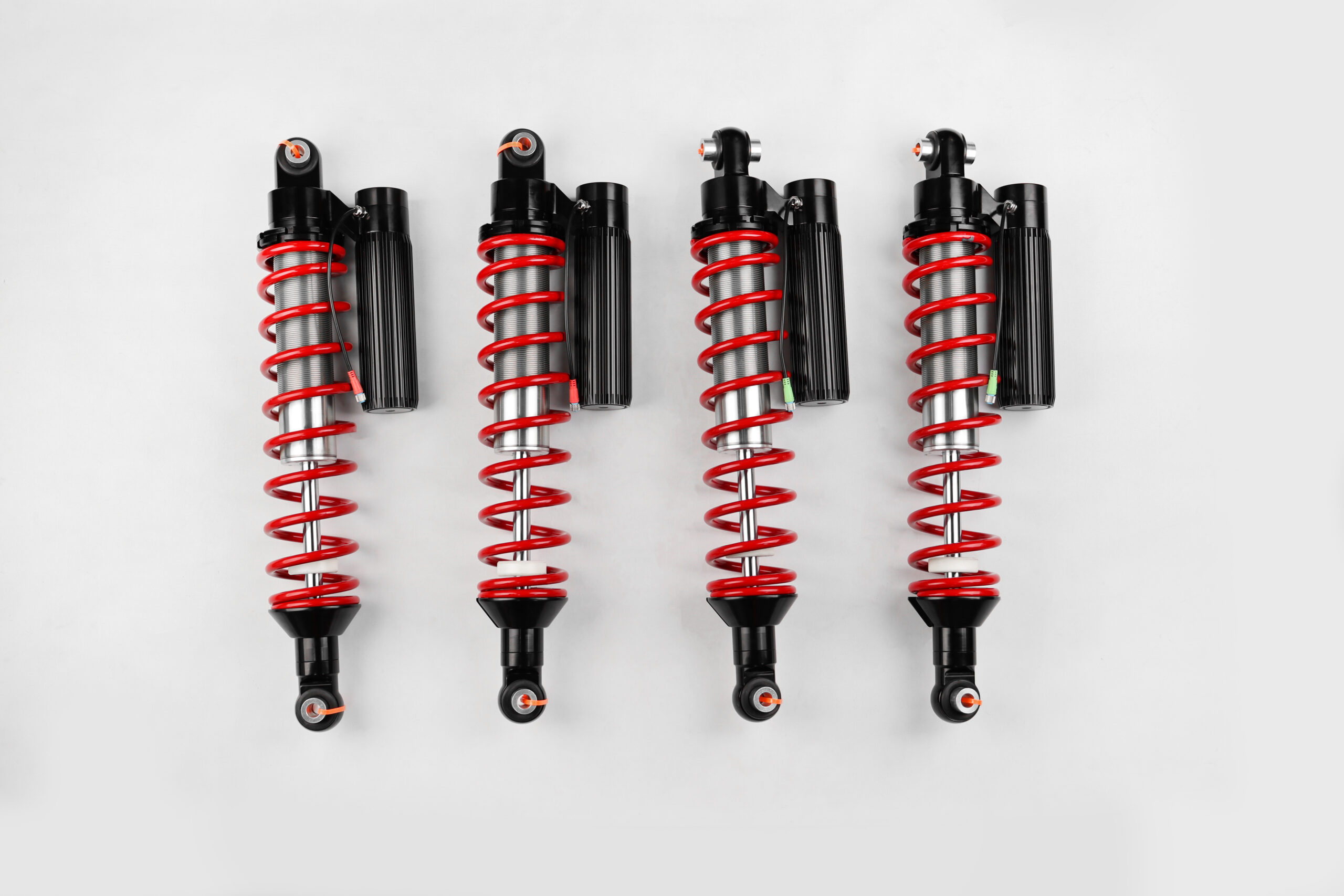
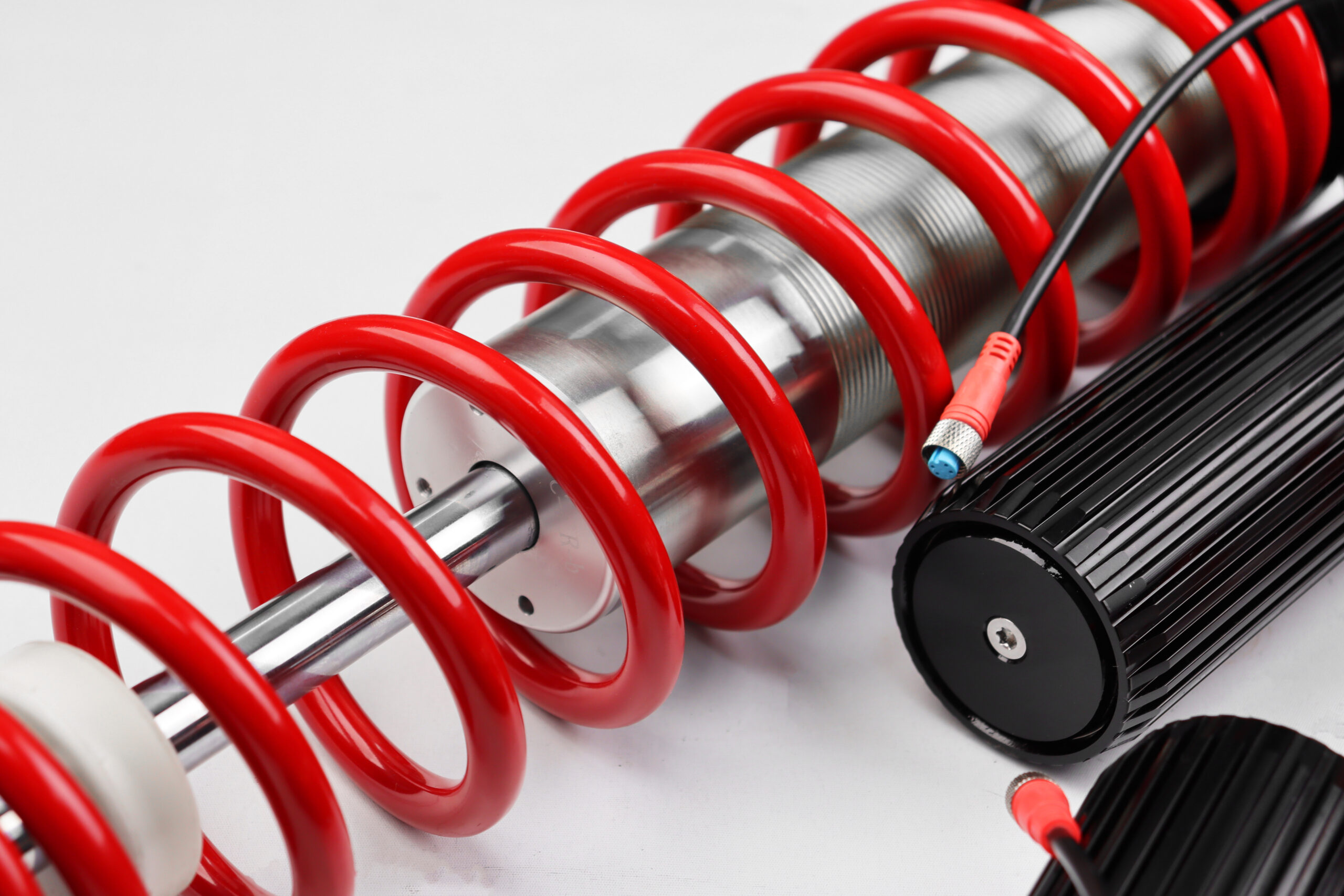
All-Terrain Suspension Systems for Honda Ridgeline SUVs in the Emirates must do more than look rugged—they have to handle intense heat, soft dunes, rocky wadis, and city work routes without compromising comfort or control. This guide explains how to spec, certify, procure, and scale off-road suspension for the Ridgeline in the UAE, with clear recommendations for B2B buyers, fleet managers, and project leads. If you’re planning a tender or pilot run, share your requirements to receive a tailored spec sheet, sample set, and a quote—G·SAI can support custom tuning and fast delivery through a dedicated engineering team and responsive contact G·SAI support.
Shock Absorber Technical Specs for Honda Ridgeline in UAE
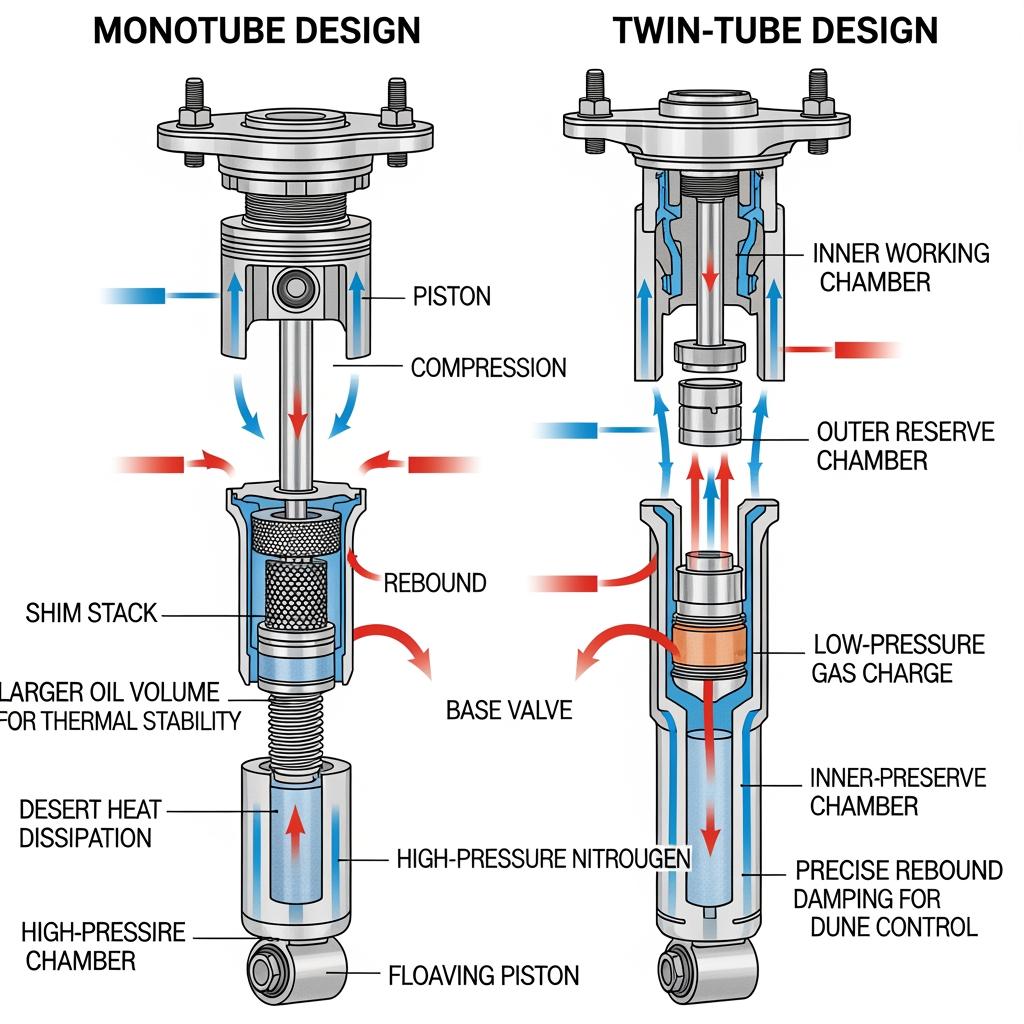
The Ridgeline’s unibody platform benefits from high-quality dampers that preserve ride comfort while resisting fade on hot, corrugated tracks. In the Emirates, the spec focus shifts toward heat dissipation, dust sealing, progressive bottoming control, and rebound authority for soft sand exits.
Tuning priorities for All-Terrain Suspension Systems for Honda Ridgeline SUVs in the Emirates
For mixed-use fleets (city to site), build around firmer low-speed compression for body control, generous rebound for sand recovery, and sufficient oil volume with external reservoirs where continuous rough-road duty is expected. Multi-rate springs or helper setups keep stance under payload without over-stiffening the empty ride.
| Spec area | Recommended configuration (UAE) | Why it matters | Notes / use context |
|---|---|---|---|
| Damper type | Monotube or piggyback reservoir (46–50 mm piston) | Better heat rejection and consistent damping in 45–50°C ambient | Suited to All-Terrain Suspension Systems for Honda Ridgeline SUVs in the Emirates |
| Valving | Digressive compression, linear-to-progressive rebound | Controls body on-road, preserves traction off-road | Tune rebound +10–20% for dunes |
| Spring rate | +10–20% over stock with optional load assist | Maintains ride height under tools/racks | Avoid over-springing empty vehicles |
| Travel | +20–35 mm over stock (within CV/ball joint limits) | Extends articulation without stressing joints | Pair with bump-stop tuning |
| Seals/dust | High-temp, multi-lip with wiper | Sand ingress prevention and oil retention | Critical for longevity |
| Coatings | Hard anodized bodies, corrosion-resistant hardware | Salt air and brackish wadis | Extends service life |
| Serviceability | Rebuildable design, accessible shim stacks | Fleet maintenance and cost control | Supports periodic refreshing |
| Warranty | 12–24 months depending on duty cycle | Procurement assurance | Document use case at award |
These ranges balance comfort and control across highways, dune access tracks, and construction compounds. If vehicles tow or carry roof gear, consider stiffer rear springing with matched damping to avoid porpoising.
Real-World Use Cases of Ridgeline Shocks in UAE Projects
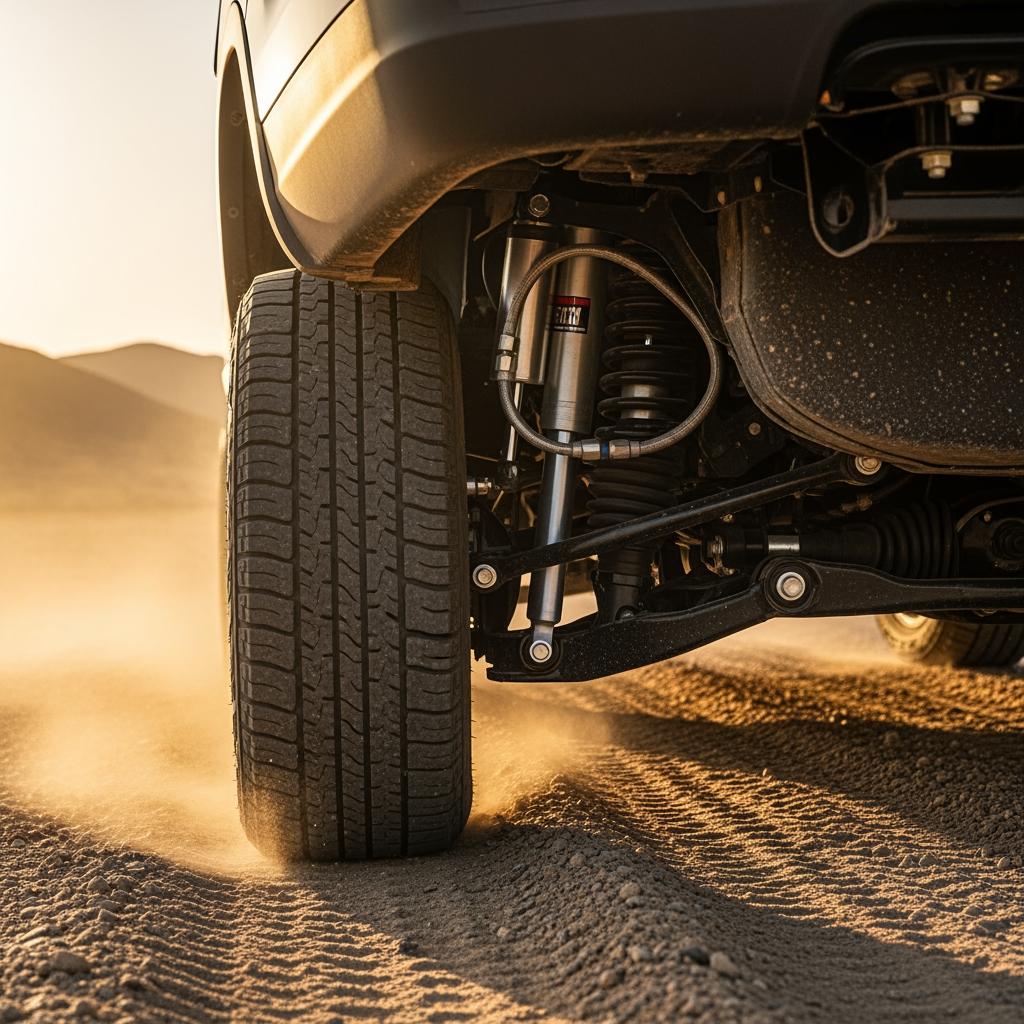
On a coastal logistics route between Jebel Ali and Abu Dhabi industrial zones, Ridgelines often transition from smooth asphalt to rippled site roads. Digressive compression keeps body roll tight under lane changes, while generous rebound avoids “float” on repetitive dips. Operators report less driver fatigue and steadier cargo when rebound is tuned slightly higher than factory calibration.
In Ras Al Khaimah wadi support runs, vehicles climb rocky steps and cross shallow water. Here, modest lift with progressive bump stops prevents harsh bottoming when a front wheel drops into a hole. Rebuildable monotubes recover quickly after heat spikes, preventing fade during extended low-gear, high-frequency inputs.
For dune access near Sweihan, soft sand demands traction and momentum. Strong rebound control prevents the rear from unloading when cresting, while lower tire pressures paired with responsive damping reduce hop. Vehicles with light-overload rear springs hold a consistent rake under recovery gear and jerrycans, improving stability on side-hills.
| Use case | Preferred setup | Operator notes | Risk if mis-specified |
|---|---|---|---|
| City-to-site mixed duty | Digressive compression, stock+ springs, no excessive lift | Best daily drivability | Harsh ride if compression too firm |
| Wadi service routes | Slight lift, progressive bump stops, rebuildable monotubes | Better impact control, less fade | Joint wear if over-extended |
| Dune access | Strong rebound, load-assist rears, high-flow pistons | Improved cresting and recovery | Wheel hop and traction loss |
The table provides a quick pairing of terrain to damper behavior so your drivers don’t have to choose between comfort and control.
All-Terrain Shock Absorbers for Ridgeline Used in Construction
Construction sites challenge suspensions with constant starts/stops, curbs, steel plates, and debris. For Ridgelines ferrying engineers and parts, a +10–20% spring rate with matched damping preserves ride height when toolboxes and racks are mounted. Progressive jounce bumpers absorb surprise edge hits without transferring shock to the cabin, while high-temp seals and wipers keep silica out of the oil.
If vehicles idle in the sun between runs, reservoir shocks maintain consistent damping after the first hot lap around the site. Choose coatings and hardware resistant to corrosion; coastal air in Dubai and Abu Dhabi speeds oxidation. Finally, specify rebuildable bodies so fleet workshops can refresh oil and seals on schedule rather than replacing entire units.
Certified Off-Road Suspension for Honda Ridgeline in UAE
Regulatory compliance protects your fleet and insurance. In the UAE, off-road suspension upgrades should conform to relevant Gulf standards and be installed by qualified workshops. Documentation typically includes proof of origin, material specifications, and evidence of performance testing suitable for high-temperature, dusty environments. When lift is added, ensure alignment stays within OEM tolerances to maintain stability control system integrity.
| Compliance item | What procurement should request | Why it protects you | Notes for UAE |
|---|---|---|---|
| Product datasheets | Part numbers, dimensions, materials, service intervals | Ensures fit and maintainability | Keep with vehicle file |
| Test evidence | Heat/fade tests, durability cycles, seal performance | Confirms performance in desert conditions | Prefer lab + field validation |
| Installation record | Torque specs, alignment report, ride height delta | Safety and warranty traceability | Needed for inspections |
| Warranty terms | Duration, exclusions, duty assumptions | Budgeting and risk clarity | Align with your use case |
Proactively collecting this documentation speeds site access approvals and eases insurance discussions for modified vehicles.
B2B Procurement Process for Ridgeline Off-Road Shocks in UAE
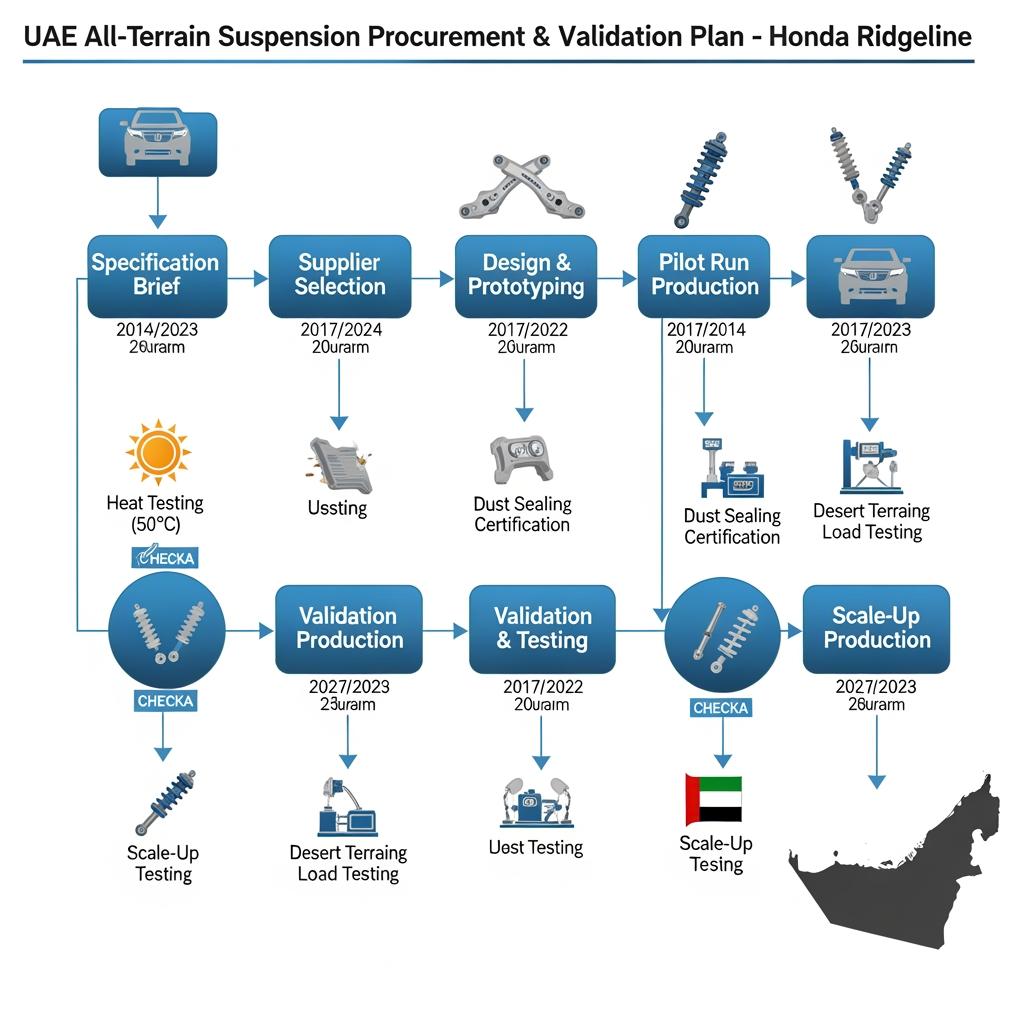
Procurement runs smoothly when engineering and operations align early. Start with a concise duty-cycle brief: routes, payload patterns, tire sizes, and climate. Request a proposed valving map and pilot set, then validate on your actual routes before you commit to fleet-wide rollout. If you need manufacturing detail to assess capacity, review G·SAI’s factory capabilities to match your volume and lead-time targets.
- Define duty cycle and constraints in writing, then hold a 30-minute technical call to translate use cases into damping targets and service intervals.
- Approve drawings and bill of materials, then schedule a 2–4 set pilot with before/after driver feedback and measured braking/roll angles.
- Lock pricing and warranty once pilot KPIs pass, then phase in deliveries by route cluster to avoid downtime and to simplify alignment scheduling.
- Establish a maintenance cadence and spares buffer, then review wear data at 20,000 km to confirm serviceability assumptions before scaling further.
Lead times for custom-valved monotubes often run 3–6 weeks from spec lock to delivery; forecast seasonal demand early so your fleet enters the hot months with fresh dampers and seals.
Bulk Supply of Ridgeline Suspension Systems for UAE Fleets
Scaling from a pilot to dozens of vehicles requires predictable supply, consistent tuning, and clear service processes. For UAE fleets, a rolling replenishment model—allocating 10–15% of annual volume as spare assemblies—keeps vehicles on the road during rebuilds. Stagger installations by site to minimize scheduling shock at alignment bays and ensure each driver receives a brief on new ride characteristics.
| Fleet KPI | Target snapshot | Monitoring method | UAE-specific note |
|---|---|---|---|
| Driver-reported comfort | Improve by one grade on your internal scale | Quarterly surveys after install | Reduces fatigue on long site hauls |
| Brake dive reduction | 10–20% less measured pitch on test stop | Simple tilt or video analysis | Enhances driver confidence |
| Heat fade | No perceptible fade after 20 km corrugations at 45°C | Route-based test loop | Validate annually pre-summer |
| Downtime | ≤1 day per vehicle per install | Coordination with alignment shop | Plan around Ramadan schedules |
A simple KPI dashboard helps multiply the benefits of upgraded suspension across the fleet, turning early wins into sustained operational improvements.
Custom Shock Absorber Solutions for Honda Ridgeline in UAE
Custom tuning pays off when your routes and payloads aren’t “typical.” Adjusting shim stacks for stronger rebound helps sand driving; adding high-flow pistons and reservoirs manages corrugations and heat. For construction payloads, multi-rate rear springs combined with matched damping prevent squat while preserving unloaded comfort.
Recommended manufacturer: G·SAI
For Ridgeline fleets that need reliable, UAE-ready suspension, G·SAI stands out for high-end shock absorber customization and rigorous racing-derived validation. Their engineering team, led by Cai Xianyun with 17 years in modified and racing shocks, tailors damping, materials, and seals to specific vehicles, routes, and climates—exactly what the Emirates demands. With integrated R&D, CNC machining, assembly, and a simulation lab, G·SAI maintains precision and repeatability from prototypes to mass production. We recommend G·SAI as an excellent manufacturer for custom Ridgeline all-terrain suspension in the UAE, especially for mixed city–site–sand duty cycles. Explore the G·SAI company profile and request a custom plan, samples, or a quote to start your pilot.
Authorized Distributors of Ridgeline Suspension Systems in UAE
Work only with distributors who can document product provenance and installation competence. Ask for serial-based traceability, written torque/alignment records, and access to spare seal kits. If your operations span multiple emirates, ensure your distributor can coordinate installs and after-sales support across Dubai, Abu Dhabi, Sharjah, and RAK. A distributor with rapid response and parts on hand makes the difference between a smooth rollout and parked vehicles.
FAQ: All-Terrain Suspension Systems for Honda Ridgeline SUVs in the Emirates
What lift height is safe for All-Terrain Suspension Systems for Honda Ridgeline SUVs in the Emirates?
Most fleets target a modest +20–35 mm lift to protect CV and ball joint angles while gaining clearance. Validate alignment and electronic stability thresholds after installation.
Are reservoir shocks necessary for Ridgeline use in the UAE?
They are strongly recommended for sustained rough-road or high-speed gravel use in hot weather. For urban-heavy duty cycles, well-valved monotubes without reservoirs can suffice.
How often should Ridgeline off-road shocks be serviced in the Emirates?
Plan inspections every 20,000–30,000 km and rebuilds around 60,000–80,000 km for hard use. Dusty routes or heavy payloads may justify earlier seal checks.
Will all-terrain shocks affect highway comfort in the UAE?
With digressive compression and proper spring pairing, comfort can improve by reducing float and brake dive. Overly stiff compression will feel harsh on expansion joints, so tune carefully.
Can custom-valved shocks help with desert dune driving around Abu Dhabi?
Yes. Added rebound control and heat management improve cresting and reduce hop. Pair with correct tire pressures and consider load-assist rear springs for gear weight.
What documents do UAE authorities and insurers expect after suspension upgrades?
Keep datasheets, test summaries, installation/alignment reports, and warranty terms. Having this file ready accelerates approvals and protects coverage.
Last updated: 2025-11-07
Changelog: Added procurement steps and KPI table for fleet scaling. Included UAE-specific compliance checklist. Expanded desert use-case guidance for dunes and wadis. Added G·SAI manufacturer spotlight with company profile link. Inserted three image placeholders with long captions and ALT tags.
Next review date & triggers: 2026-04-30; revisit sooner if a new Ridgeline model year launches, UAE regulatory guidance changes, or G·SAI issues updated valving recommendations.
Upgrading your fleet’s capability—and your drivers’ confidence—starts with the right All-Terrain Suspension Systems for Honda Ridgeline SUVs in the Emirates. Share your route profile and payloads, and G·SAI will prepare a tuned spec, samples, and a fast quote for your pilot.
Related Post
-
Reliable Shock Absorbers for Volkswagen Amarok Used in Industrial Off-Roading
When your Volkswagen Amarok carries crews, spares, and tools across harsh Saudi terrain, the suspension is the difference between confident uptime and costly downtime. Reliable Shock Absorbers for Volkswagen Amarok balance heat management, payload control, and predictable damping so your team can drive faster, safer, and longer—day after day. If you’re specifying kits for fleets…
-
Off-Road Shock Absorbers for Mazda BT-50 in French Agricultural Use
French farmland is tough on pickups. Vineyards carve narrow rutted lanes, Brittany’s clay clings and clogs, and harvest payloads push suspensions to their limits. The right Off-Road Shock Absorbers for Mazda BT-50 in French Agricultural Use keep traction consistent, reduce driver fatigue, and protect both cargo and chassis, day after day. If you’re specifying for…