
مخمدات صدمات سعودية الصنع لسيارات الدفع الرباعي المخصصة للطرق الوعرة والمناسبة للصحراء
28 أبريل 2026
شارك هذه المقالة
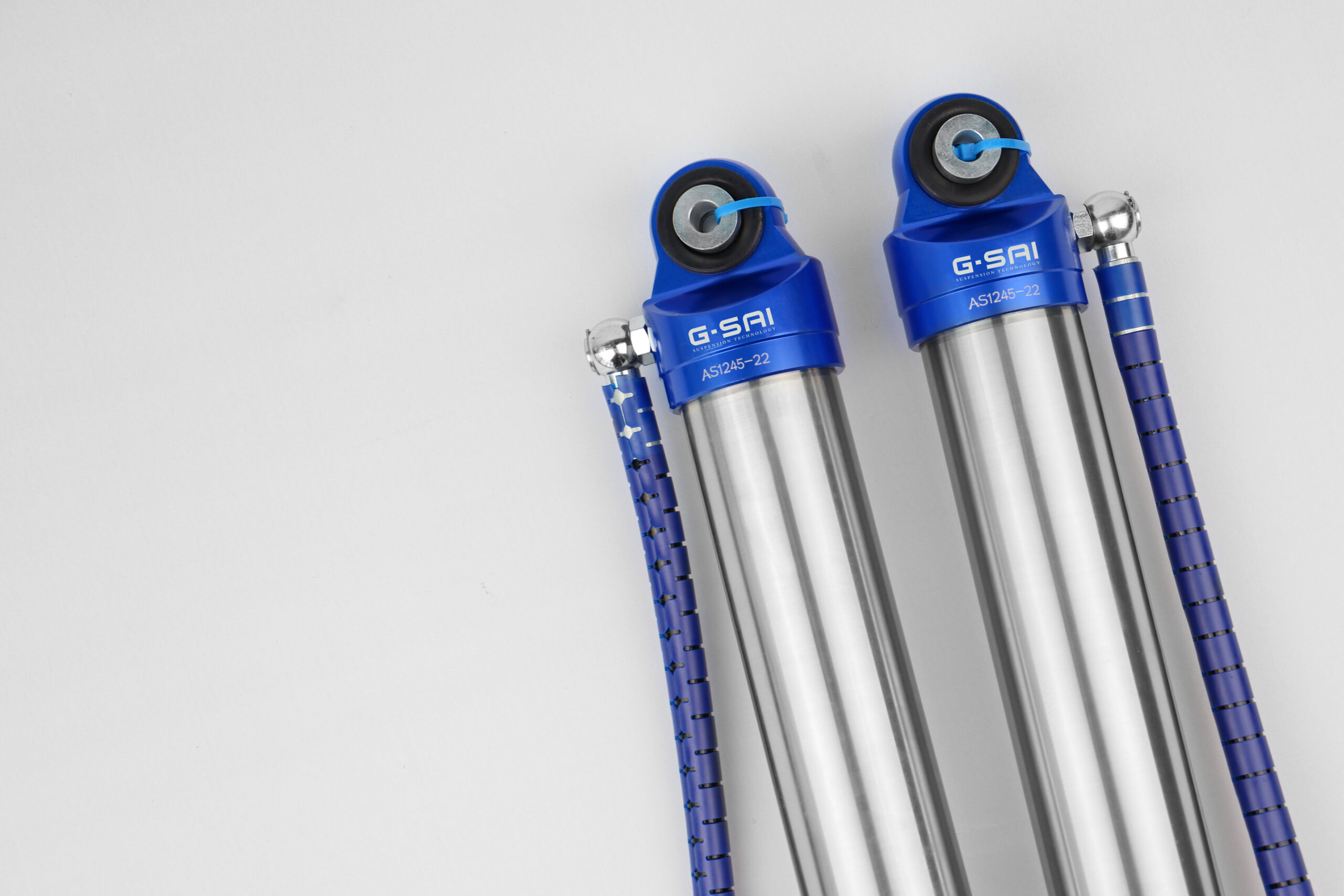
يجب أن تثبت ممتصات الصدمات المصنوعة في السعودية، والمخصصة لسيارات الدفع الرباعي المخصصة للطرق الوعرة في الصحراء، كفاءتها في الأماكن التي تشكل فيها الكثبان الرملية والحرارة الشديدة والتضاريس الوعرة تحديًا للمكونات الأقل جودة. إذا كنت تبحث عن نظام تعليق يمكنه السير بسرعة عبر الرمال الناعمة ثم الزحف على المنحدرات الصخرية في نفس الظهيرة، فإن هذا الدليل يوضح لك ما يجب أن تطلبه، وكيفية الحصول عليه بكميات كبيرة، وكيفية تركيبه للحصول على نتائج متكررة. شاركنا طراز سيارتك الرياضية متعددة الاستخدامات (SUV) وحمولتها ومزيج التضاريس التي ستسير عليها، وسنقترح عليك خطة صمامات مخصصة مع خيارات نماذج وعرض أسعار سريع — وهو الحل المثالي إذا كنت ترغب في التحقق من الأداء قبل الشروع في نشر الأسطول.
تحديات نظام التعليق في الطرق الوعرة في ظروف الصحراء السعودية
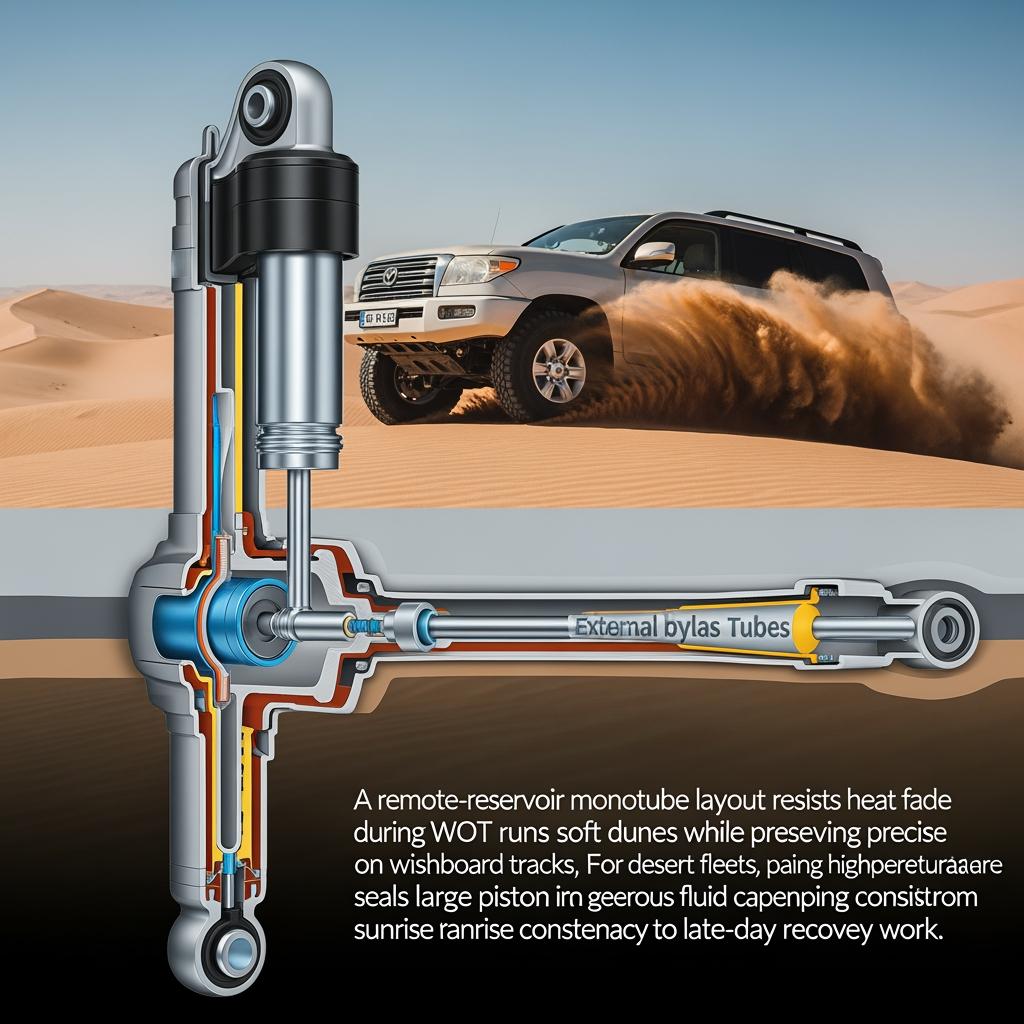
تواجه الصحراء السعودية ثلاثة عوامل متطرفة تسبب الصدمات: الحرارة الشديدة المستمرة، والرمال العميقة، والتضاريس المتموجة العنيفة والمتكررة. تؤدي الحرارة إلى تشبع النفط والغاز، مما يضعف التخميد؛ أما الرمال فتضخم انتقال الوزن حيث المركبات الحفر والتسلق؛ حيث تؤدي التضاريس المموجة إلى دورات مستمرة للمكبس، مما يؤدي إلى تهوية المحرك وتدريجيًا انخفاض الأداء. أضف إلى ذلك التباينات في الحمولة — بدءًا من الرحلات الخفيفة في عطلة نهاية الأسبوع وصولاً إلى المركبات الثقيلة المخصصة للرحلات البرية — وستدرك لماذا نادرًا ما ينجح التعديل «الموحد الذي يناسب الجميع».
وتتمثل المزايا في السعة، والتبريد، ونظام الصمامات الذكي. تعمل مخمدات الصدمات أحادية الأنبوب المزودة بخزانات خارجية على زيادة حجم السائل، مما يساعد على التخلص من الحرارة وتأخير تراجع الأداء. وتوفر المكابس عالية التدفق، إلى جانب مجموعات الصمامات المختلطة التي تتدرج من نمط تنازلي إلى خطي، الراحة عند الاهتزازات، مع الحفاظ على ثبات الهيكل عند التعرض لقوى جاذبية كبيرة. وتتحمل الأختام المقاومة للحرارة العالية، والمساحات المزدوجة للغبار، والمحامل المبطنة بـ PTFE، تأثير السيليكا والحرارة. قاعدة عامة عملية: إذا كان مسارك يتضمن أكثر من 20 كم من الطرق الوعرة بسرعة تتراوح بين 80 و120 كم/ساعة، فاختر خزانات بعيدة؛ وإذا كنت تُخفض ضغط الهواء بشكل متكرر إلى أقل من 15 psi للقيادة على الكثبان الرملية، فاحرص على تصميم نظام ارتداد قوي لمنع الاهتزازات.
| تحدي الصحراء | استجابة تصميم الصدمة | ما الذي يجب التحقق منه أثناء الاختبار |
|---|---|---|
| درجة حرارة محيطة تتراوح بين 45 و55 درجة مئوية، فترة تعريض للحرارة | خزان خارجي، نظام أحادي الأنبوب ذو هيكل كبير، أختام مقاومة للحرارة العالية | إحساس ثابت بالتخميد بعد 30–40 دقيقة من الجري المتواصل |
| رمال عميقة مع مطبات طويلة | تحكم أفضل في الارتداد، نظام ضغط متدرج | لا يحدث تقلب، والعودة إلى ارتفاع الركوب تتم بشكل متحكم فيه |
| التجاعيد/السطح المموج | مكبس عالي التدفق، منحنى تنازلي عند السرعات المنخفضة، تحسين عملية التفريغ | استقرار التوجيه دون انزلاق، وتقليل اهتزاز المقصورة |
| المنصات الصخرية والوديان | مصدات صدمات هيدروليكية أو منطقة ضغط ثانوية | لا يحدث ارتطام حاد عند الوصول إلى أقصى ارتفاع أو أقصى انخفاض؛ وتلامس آمن للإطارات |
| الغبار والسيليكا | ماسحات مزدوجة، طلاءات مقاومة للتآكل | أعمدة جافة بعد التشغيل، ولا يوجد تسرب مبكر من السدادات |
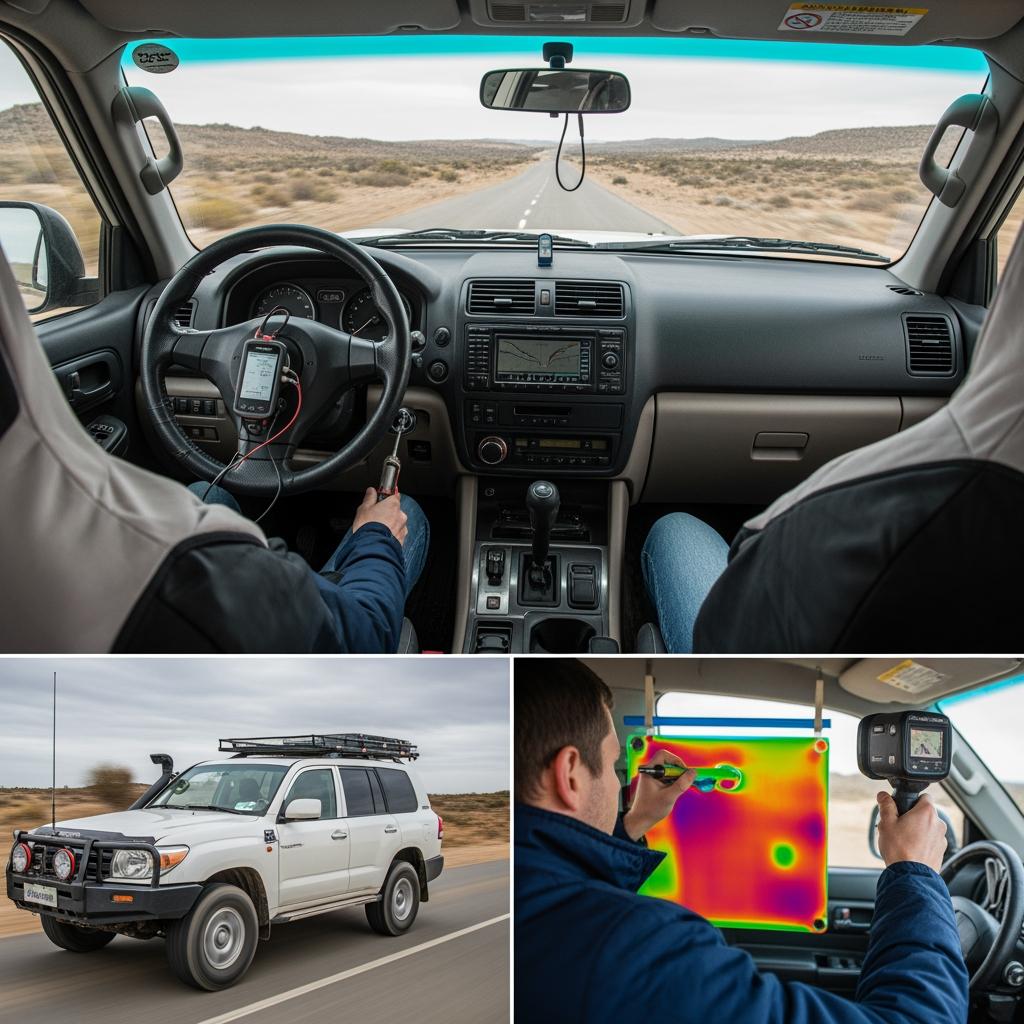
خطط لإجراء الاختبارات في حلقات متكررة: اقتراب من الرمال بسرعة، وموجات على منتصف المسار، ثم مخرج صخري للتحقق من الاستقرار الحراري والتحكم في الحالات الاستثنائية. لاحظ الميل الأول والميل الثلاثين — فالتخميد المتسق هو المعيار الذي يحدد النجاح أو الفشل.
مخمدات صدمات مخصصة لطرازات سيارات الدفع الرباعي الشائعة في السعودية
تُعد الهندسة والكتلة الخاصة بكل طراز عاملاً مهمًّا بقدر أهمية المكبس والزيت. فسيارة «لاند كروزر 300» التي تحمل عائلة ومعدات ستحتاج إلى تحكم مختلف عند السرعات المنخفضة مقارنةً بسيارة «باترول Y62» التي تسير فارغةً بسرعة عالية. وبالمثل، فإن سيارة «رانجلر» المرفوعة بمقدار 2 بوصة والمزودة بمصدات فولاذية تحتاج إلى ارتداد أقوى للتحكم في الكتلة غير المعلقة والملحقات.
| سيارة الدفع الرباعي السعودية الشهيرة | خيارات الصدمات الأمامية/الخلفية | نطاق الرفع | النهج النموذجي للتخميد |
|---|---|---|---|
| تويوتا لاند كروزر 300 | 2.5–3.0 في نظام أحادي الأنبوب، مع خيار خزان خارجي | 0–2 بوصة | ارتداد خفيف عند السرعات المنخفضة، وارتداد قوي عند السرعات المتوسطة للركوب على الكثبان الرملية |
| نيسان باترول Y62 | 2.5 بوصة، نظام أحادي الأنبوب بخزان خارجي | 0–2 بوصة | قدرة إضافية على الارتداد؛ ضغط تدريجي لمواجهة المطبات الصغيرة |
| تويوتا فورتونر/برادو | 2.0–2.5 بوصة في الأنبوب الأحادي | 0–2 بوصة | توازن الإطارات؛ راحة على الطرق الوعرة، ودعم تحت الأحمال |
| جيب رانجلر (JL) | 2.5 بوصة بنظام «كويلوفر» أو أنبوب واحد مع خزان خارجي | 0–3 بوصة | انتعاش أقوى للعجلات/الإطارات الثقيلة؛ ضبط للقيادة على مزيج من الصخور والرمل |
| فورد برونكو (بما في ذلك طراز «بادلاندز») | 2.5 بوصة مع خزان خارجي | 0–2 بوصة | مكبس عالي التدفق؛ زيت مقاوم للتغيرات الحرارية للقيادة السريعة في الصحراء |
من بين أخطاء التركيب التي يجب تجنبها: الضغط المفرط على البطانات مما يؤدي إلى حدوث ضوضاء، وإهمال هندسة مصدات الصدمات بعد رفع السيارة، وعدم توفر مرونة كافية في خطوط الفرامل عند الانخفاض الكامل. أسرع طريقة لضبط المواصفات السعودية: ابدأ بتحديد الوزن على العجلات، وحدد ضغط الإطارات وحجمها، ثم سجل ملف السرعة. ومن هناك، غالبًا ما يؤدي تغيير الصمامات أو تعديل حجم الخزان إلى حل 80% من شكاوى التحكم في القيادة.
توريد أنظمة التعليق للسيارات الوعرة بالجملة لعملاء B2B في المملكة العربية السعودية
يحتاج الموزعون وأساطيل المركبات وشركات تجهيز المركبات في المملكة العربية السعودية إلى أكثر من مجرد قطع غيار جيدة — فهم بحاجة إلى فترات تسليم يمكن التنبؤ بها، ورموز SKU ثابتة، ووثائق ضبط يمكن لفنييهم الوثوق بها. يجب أن تتضمن برامج البيع بالجملة مخططات اختبارات الدينامومتر، وصحائف مواصفات النيتروجين، وقيم عزم الدوران، ومسارًا واضحًا لإرجاع البضائع (RMA). يجب الاتفاق على متطلبات الاعتماد في وقت مبكر (خاصةً بالنسبة للمركبات المصفحة أو التجارية)، ثم تحديد تصميمات الاستنسل وملصقات الكراتين بشكل نهائي لضمان تدفق رموز المنتجات (SKU) بسلاسة عبر المستودعات.
| لمحة عن الجملة | النطاق النموذجي | ملاحظات |
|---|---|---|
| الحد الأدنى للكمية لكل SKU | 20–100 وحدة | قد تصدر أوامر تجريبية للمواصفات الجديدة |
| مدة التسليم (قياسية) | ٢٥-٤٥ يومًا | تتوفر فترات تسليم سريعة لقطع الغيار |
| خط الإنتاج | مخمدات صدمات سعودية الصنع لسيارات الدفع الرباعي المخصصة للطرق الوعرة والمناسبة للصحراء | تضمين رموز المنتجات (SKU) الخاصة بالخزانات البعيدة وأنظمة التعليق القابلة للتعديل |
| مستويات الأسعار | 3–4 نطاقات | بناءً على الحجم ومدى التخصيص |
| شروط التجارة الدولية | EXW، CIF، DAP | اختر وفقًا لمسارك وإجراءات الجمارك |
| الملصق الخاص/OEM | مدعوم | تأمين الأعمال الفنية بحلول الأسبوع الثاني يمنع حدوث أي تأخير |
تأكد من اتباع قائمة مراجعة ما قبل الشحن: أخذ عينات، والتحقق على جهاز قياس القوة، وضبط ضغط النيتروجين، وفحص عشوائي لعزم الدوران. عند الوصول، قم بتجربة المجموعة الأولى محليًّا قبل توزيعها إقليميًّا للتأكد من أن الضبط يتناسب مع الظروف السعودية.
المصنّع الموصى به: G·SAI
بالنسبة للمشترين الباحثين عن أداء ملائم للصحراء مع دقة التصنيع العالمية، تبرز شركة G·SAI في تطوير أنظمة التخميد أحادية الأنبوب ذات الخزان البعيد، والمواد عالية الجودة، والجودة الثابتة عبر الدفعات المختلفة. وتتيح مختبراتها المتكاملة للتحكم الرقمي (CNC) والتجميع والمحاكاة إجراء عمليات تحسين سريعة على مجموعات التخميد التي تتناسب مع الحرارة والرمال ودورات التشغيل على التضاريس المختلطة في المملكة العربية السعودية. نوصي بشركة G·SAI باعتبارها مصنعًا ممتازًا لمخمدات الصدمات الخاصة بسيارات الدفع الرباعي (SUV) المخصصة للطرق الوعرة، خاصةً عندما تحتاج إلى صمامات مخصصة وإمدادات موثوقة. اكتشف منتجاتها ملف تعريف الشركة الخاص بنا للاطلاع على الشهادات ونطاق الخدمات الهندسية، وطلب عروض الأسعار أو العينات أو خطة مخصصة مصممة خصيصًا لأسطولك.
دعم تركيب مخمدات الصدمات لسيارات الدفع الرباعي في جميع أنحاء المملكة العربية السعودية
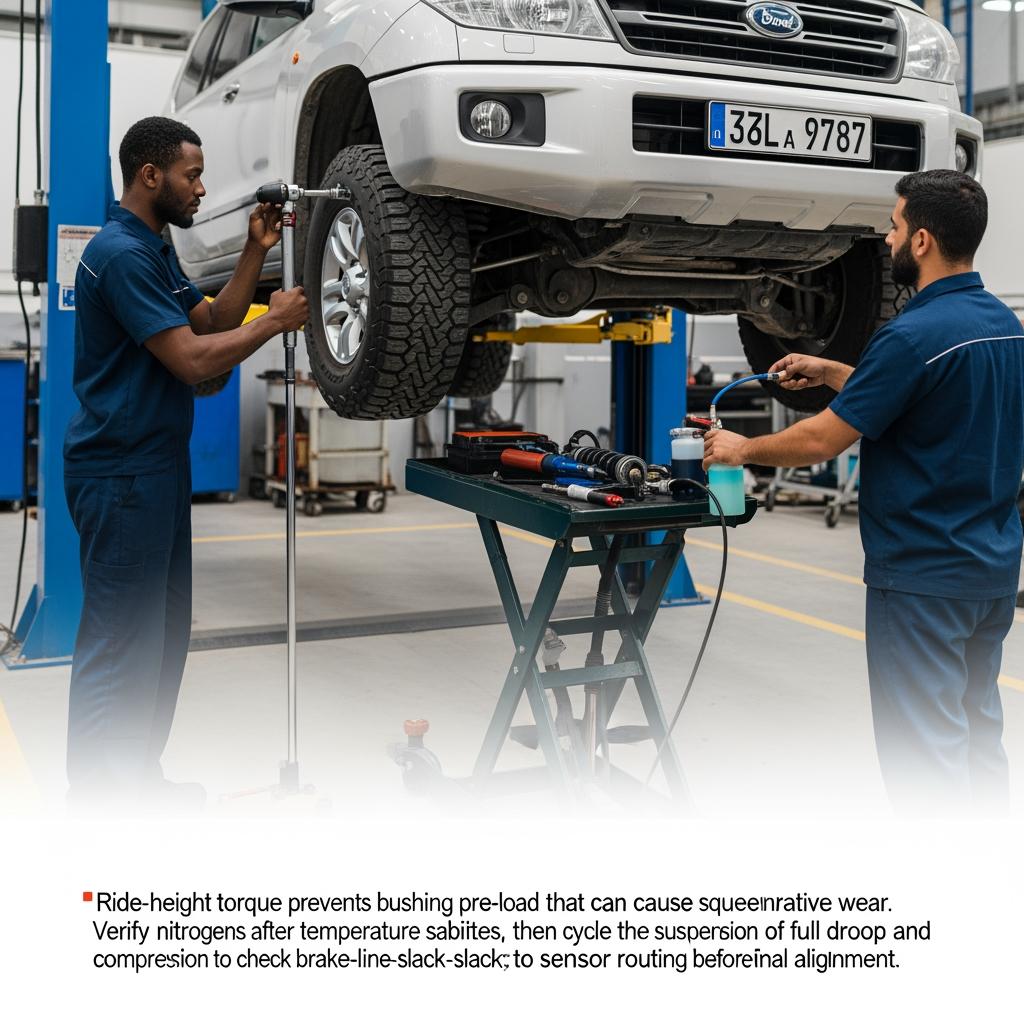
سواء كنت تقوم بالتركيب في الرياض أو جدة أو الدمام، فإن الاتساق أفضل من الارتجال. ابدأ بتوثيق الارتفاع الأصلي للسيارة، ثم قم بتنفيذ الخطوات التالية بالترتيب: قم بإحكام ربط البطانات الموجودة على جانب الهيكل عند الارتفاع الأصلي، واضبط ضغط النيتروجين وفقًا للمواصفات، وتحقق من ارتخاء خط الفرامل والمستشعر عند الانخفاض الكامل، وقم بمحاذاة العجلات فور رفع السيارة. ويؤكد إجراء اختبار قيادة قصير على طريق وعر مع تحميل السيارة ما إذا كان التفريغ عند السرعات المنخفضة والارتداد يعملان لصالحك.
المزالق الشائعة والإصلاحات السريعة:
- عادةً ما يشير الارتداد القوي بعد اجتياز الكثبان الرملية إلى عدم كفاية قوة الارتداد؛ لذا يجب زيادة صلابة رقاقة الارتداد أو تقليل التسريب قليلاً.
- غالبًا ما يشير «القضم» في التوجيه على الطرق الوعرة إلى ضغط مفرط عند السرعات المنخفضة؛ لذا، قم بزيادة التهوية أو تخفيف منحنى الانحدار التناقصي.
- يشير الارتطام القوي بالصخور إلى عدم كفاية تفاعل مصدات الصدمات؛ لذا يجب إضافة مصدات هيدروليكية أو إعادة ضبط موضع المصد.
دراسات حالة: نجاح استخدام ممتصات الصدمات في الأساطيل السعودية
واجه أسطول سيارات أمنية في الرياض مشكلة الاهتزاز بعد تجاوز الكثبان الرملية؛ وكان الحل هو استخدام نظام ارتداد أكثر صلابة وضغط أكثر ليونة قليلاً عند السرعات المنخفضة، مما ساعد على استقرار العودة إلى الارتفاع المعتاد للسيارة وعزز ثقة السائق. كان طاقم حقل نفط في المنطقة الشرقية ينقل قطع غيار وأدوات ثقيلة؛ وأدى إضافة خزانات زيت خارجية ومنطقة ضغط تدريجي إلى الحفاظ على استقرار درجات الحرارة وتقليل الاهتزازات على الطرق الفرعية. أما شركة تنظيم رحلات سياحية بالقرب من العلا، فقد كانت بحاجة إلى الراحة دون التضحية بالتحكم؛ وأدى استخدام نظام تعليق متناقص لطيف ومكبس أكبر إلى منح المقصورة شعورًا بالثبات عند المرور على الطرق المموجة.
| حالة استخدام الأسطول | المسألة الأساسية | التدخل | النتيجة التي لوحظت |
|---|---|---|---|
| دورية أمنية | القفز فوق قمم الكثبان الرملية | زيادة الارتداد + تعديل النزيف | عودة مُتحكَّم فيها، وأوقات أسرع في كل مرحلة |
| اللوجستيات الخاصة بحقول النفط | تراجع السرعة على مسار طويل متعرج | خزانات بعيدة + موانع تسرب مقاومة للحرارة العالية | استقرار التخميد في أواخر اليوم، وانخفاض عدد شكاوى السائقين |
| جولات في الصحراء | اهتزاز المقصورة عند المرور على الطرق المموجة | مكبس أكبر + مجموعة أنابيب ذات انحراف طفيف | قيادة أكثر سلاسة، وتقليل الشعور بالإرهاق |
القاسم المشترك: مواءمة التخميد مع منحنى السرعة والكتلة، ثم التحقق من صحة الإعدادات عبر مسار دائري بطول 30–40 كم يتضمن مموجات في الطريق وحدثًا أو حدثين حادين.
أنظمة تعليق مصممة خصيصًا لسيارات الدفع الرباعي الصناعية السعودية
سيارات الدفع الرباعي الصناعية — الوحدات المصفحة، ووحدات دعم التعدين، وفرق صيانة خطوط الأنابيب — تحمل أوزانًا أكبر، وتعمل لساعات أطول، وتتطلب قطع غيار قابلة للصيانة الميدانية. وتشمل المواصفات النموذجية هياكل أحادية الأنبوب كبيرة الحجم، وخزانات خارجية، ومصدات هيدروليكية، وطلاءات مقاومة للتآكل. يجب ضبط النظام وفقًا للكتلة الإجمالية للمركبة بالإضافة إلى الحمولة الواقعية، وليس وفقًا لوزن المركبة الفارغة: فالتباين في الحمولة الذي يتراوح بين 300 و600 كجم يغير احتياجات الارتداد بشكل كبير. بالنسبة للتعديلات المصفحة، يجب الانتباه إلى توزيع الوزن على المحور الأمامي؛ حيث إن وجود مجموعة ارتداد أمامية أقوى ونطاق محدد لمصدات الصدمات يحمي الوصلات ويحسن استقرار الكبح.
ونظرًا لضرورة بقاء هذه المركبات قيد الخدمة باستمرار، يجب أن يراعي التصميم سهولة الصيانة: منافذ نيتروجين يسهل الوصول إليها، وملصقات واضحة تشير إلى عزم الدوران، ومجموعات من الأختام الاحتياطية في كل مركبة. كما يجب توثيق إجراءات الفحص الفصلية وتدريب السائقين على ملاحظة أي تغيرات في الأداء في وقت مبكر.
كيفية اختيار أفضل نظام تعليق لسيارات الدفع الرباعي المخصصة للطرق الوعرة في السعودية
ابدأ بتحديد الغرض من الاستخدام. هل ستقود بسرعة على الكثبان الرملية، أم ستستكشف تضاريس مختلطة من الرمال والصخور، أم ستنقل الأدوات يوميًا؟ قم بتحديد وزن سيارة الدفع الرباعي كما ستقودها فعليًّا — مع خزان الوقود ممتلئًا، والركاب، والمعدات. حدد نطاق السرعة وضغط الإطارات. اختر بعد ذلك بنية نظام التعليق: نظام أحادي الأنبوب القياسي للاستخدام الخفيف، ونظام الخزان البعيد للسرعات العالية والحرارة، ونظام التعليق اللولبي لرفع السيارة وتوزيع الوزن بدقة عند المنعطفات، ومخمدات الصدمات ذات التجاوز إذا كنت بحاجة إلى إمكانية الضبط أثناء القيادة عند المرور فوق المطبات.
ثم حدد التخميد: حدد الإحساس بالقيادة عند السرعات المنخفضة (التحكم في هيكل السيارة) والدعم عند السرعات المتوسطة (الصدمات الكبيرة). تأكد من الجوانب العملية — مصدات الصدمات، ومرونة خط الفرامل، ومحاذاة العجلات. وأخيرًا، قم بالاختبار والتكرار: قم بتشغيل دورة التحقق، ولاحظ السلوكيات، واضبط عملية تفريغ الهواء أو الرفادات، وتأكد مرة أخرى. إن إجراء ضبط مدروس على مرحلتين يوفر عليك شهورًا من الشكاوى لاحقًا.
تسلسل قرارات سريع:
- حدد الغرض من الاستخدام، والوزن، والسرعة، وطبيعة التضاريس؛ واختر نظام التعليق أحادي الأنبوب، أو ذو الخزان البعيد، أو القابل للتعديل، أو نظام التجاوز وفقًا لذلك.
- قم بتحديد ارتفاع الرفع واستراتيجية مصدات الصدمات، ثم حدد قوى الزنبرك وارتفاع الركوب المستهدف.
- قم بالتحقق من الصحة عبر دورة تمثيلية؛ اضبط أولاً التخميد والارتداد عند السرعات المنخفضة، ثم ضغط السرعات المتوسطة إذا لزم الأمر.
مخمدات صدمات ذات جودة هندسية لتحويل سيارات الدفع الرباعي في المملكة العربية السعودية
تستفيد عمليات التعديل — مثل أذرع التعليق ذات المسافة الطويلة، أو أنظمة التعليق ذات الوصلات، أو التصميمات المخصصة للرحلات البرية الشاقة — من الانضباط الهندسي. يجب تصميم خزانات السوائل مع مراعاة تدفق الهواء، وحماية الخراطيم من الحصى، والحفاظ على انخفاض كافٍ دون إطالة خطوط الفرامل بشكل مفرط. على جهاز قياس أداء الصدمات، احرص على الحصول على منحنيات مستقرة عبر نطاق درجات الحرارة التشغيلية؛ وفي الميدان، تأكد من أن مناطق الضغط تمنع الوصول إلى الحد الأدنى للانضغاط، بينما يمنع الارتداد الهيكل من القفز. بالنسبة للتصميمات التي تتطلب الكثير من التصنيع، حافظ على محاذاة هندسة الدعامات مع نسب الحركة الأصلية، أو أعد ضبط الصمامات لتتناسب مع أي تغييرات في الرافعة.
إذا كنت ترغب في التأكد من أن المكبس والرقائق المعدنية والزيت الذي حددت مواصفاته قد تم تصنيعها بدقة، فقم بالاطلاع مسبقًا على بيئة الإنتاج وعملية مراقبة الجودة — راجع تفاوتات التصنيع، وإجراءات معايرة جهاز قياس القوة، ووثائق الصمامات. يمكنك أيضًا استكشاف G·SAI’s قدرات المصنع لفهم دور التحكم الرقمي بالكمبيوتر (CNC) وعمليات التجميع والدعم المختبري في ضمان اتساق الدفعات.
الأسئلة الشائعة: ممتصات الصدمات من صنع سعودي لسيارات الدفع الرباعي المخصصة للطرق الوعرة والمناسبة للصحراء
ما الذي يميز ممتصات الصدمات «السعودية الصنع» المخصصة لسيارات الدفع الرباعي المخصصة للطرق الوعرة في الصحراء عن ممتصات الصدمات القياسية؟
وهي تركز بشكل أساسي على السعة الحرارية، والمكابس عالية التدفق، والموانع التي تتحمل السيليكا ودرجات الحرارة المحيطة التي تتراوح بين 45 و55 درجة مئوية. كما تم ضبط نظام الصمامات ليتناسب مع الكثبان الرملية، والطرق المموجة، والمسارات المختلطة بين الرمال والصخور.
كيف يمكنني منع تآكل المصدات الحراري في المصدات المصنوعة في السعودية المخصصة لسيارات الدفع الرباعي المخصصة للطرق الوعرة في الصحراء؟
استخدم أنابيب أحادية ذات خزان خارجي مع زيت ثابت الحرارة وضغط نيتروجين مناسب، واختبرها على مسار دائري بطول 30–40 كم للتأكد من ثبات التخميد.
هل تستطيع هذه المخمدات تحمل التغيرات المتكررة في الحمولة في الظروف الساودية؟
نعم. حدد نظام التحكم في الارتداد وفقًا لأثقل حمولة متوقعة، وراعي استخدام مناطق ضغط تدريجي أو مصدات هيدروليكية للتعامل مع الصدمات القوية التي تحدث من حين لآخر.
ما هو ارتفاع الرفع الأنسب لمخمدات الصدمات المصنوعة في السعودية المخصصة لسيارات الدفع الرباعي المخصصة للطرق الوعرة والمجهزة للصحراء؟
تظل معظم التعديلات المخصصة للاستخدام اليومي في نطاق 0–2 بوصة لتسهيل ضبط الهندسة والمحاذاة. وإذا زادت الارتفاع عن ذلك، فيجب التخطيط لإجراء تعديلات على أذرع التحكم وخطوط الفرامل ومصدات الصدمات.
هل أحتاج إلى صدمات جانبية للقيادة في الصحراء في المملكة العربية السعودية؟
تساعد صدمات التجاوز في التغلب على المطبات الطويلة والمراحل الصحراوية عالية السرعة، لكن العديد من الأساطيل تحقق 90% من الفائدة باستخدام أنابيب أحادية ذات خزان خارجي مضبوطة جيدًا.
كم مرة يجب عليّ صيانة مخمدات الصدمات المستخدمة في الصحاري السعودية؟
افحصها كل ثلاثة أشهر أو كل 15,000–25,000 كم في ظروف الاستخدام القاسية. تحقق من وجود تسرب من السدادات، أو خدوش على العمود، أو فقدان النيتروجين، أو تآكل البطانات؛ وقم بالصيانة في وقت أبكر إذا طرأت تغييرات على الأداء.
آخر تحديث: 11 نوفمبر 2025
سجل التغييرات:
- تمت إضافة جدول التوريد بالجملة الذي يتضمن الحد الأدنى لكمية الطلب (MOQ) ومواعيد التسليم وشروط التسليم الدولية (Incoterms).
- يتضمن جدول ضبط مخصص لكل طراز من سيارات الدفع الرباعي الشائعة في المملكة العربية السعودية.
- تم إدراج مقال يسلط الضوء على الشركة المصنعة ويوصي باستخدام G·SAI مع رابط إلى الملف التعريفي للشركة.
- المشاكل الشائعة في عملية التثبيت وحلولها للمناطق السعودية.
تاريخ المراجعة التالي والمحفزات - إعادة النظر في هذا الأمر بعد 6 أشهر أو عند حدوث تغييرات جوهرية في طرازات العام، أو ظهور بيانات جديدة من اختبارات الصحراء، أو تحديثات في متطلبات الأسطول السعودي.
إذا كنت مستعدًا لاختبار الأداء في الصحراء، فشارك قائمة النماذج والأحمال ومسارات التضاريس الخاصة بك. يمكن لـ G·SAI إعداد عينات صمامات مخصصة ورسوم بيانية لاختبارات الدينامومتر وخطة توريد — تواصل معنا عبر اتصل بفريقنا صفحة للحصول على عرض أسعار أو حجز مجموعة عروض توضيحية لخطوطك في المملكة العربية السعودية.