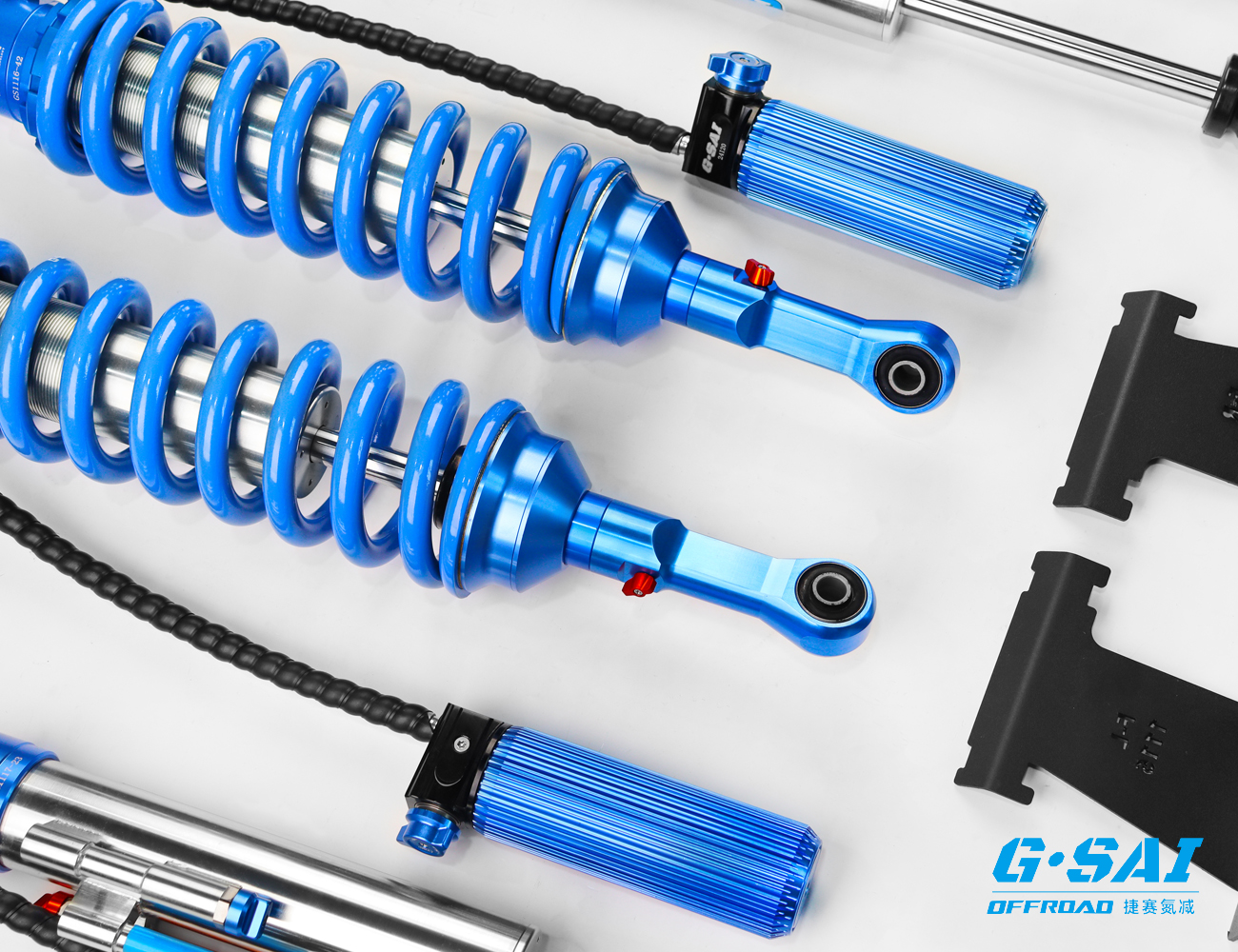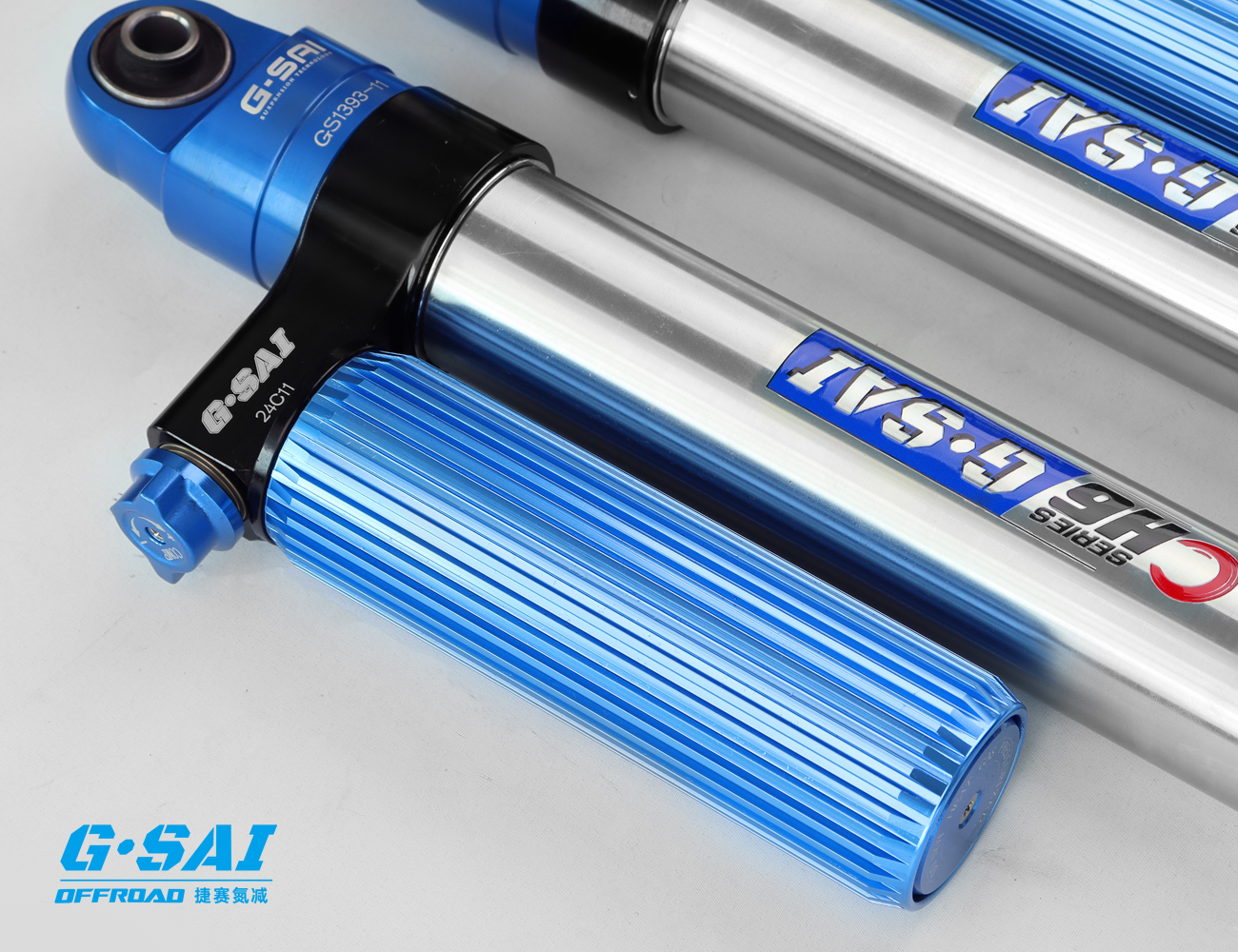
حلول تعليق فعالة من حيث التكلفة لأساطيل الـSUV في السعودية
يناير ٣، ٢٠٢٦
شارك هذه المقالة
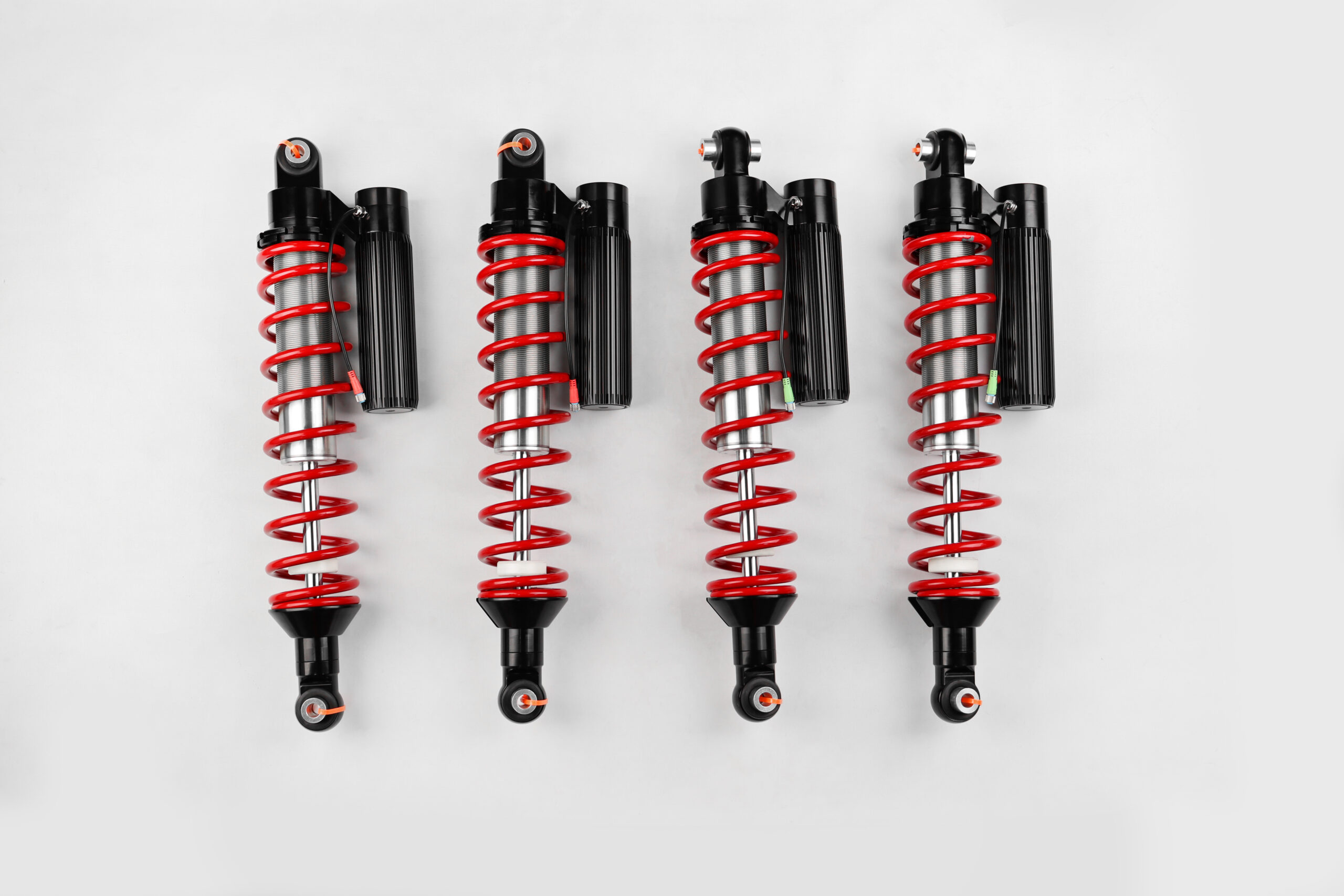
تشغيل مئات الـSUV عبر السعودية يعني التعامل مع الحرارة الشديدة والغبار الدقيق ومزيج من الطرق السريعة السلسة ومسارات الصحراء الوعرة—ظروف تعذّب التعليقات الأصلية وتزيد من تكاليف دورة الحياة. يظهر هذا الدليل كيفية هندسة حلول تعليق فعالة من حيث التكلفة لأساطيل الـSUV في السعودية بتطابق المكونات مع دورات الواجب، تبسيط الاستيراد، وبناء عملية توريد تخفض التكلفة الإجمالية للملكية دون المساس بالسلامة أو التوافر. إذا كنت تريد خطة عمل سريعة لأسطولك، شارك المركبة قائمتك وظروف التشغيل للحصول على توصية مخصصة؛ يمكنك الاتصال بـG·SAI للحصول على عرض أسعار أو عينة هنا: اتصل بـG·SAI للحصول على عرض أسعار أو عينة (https://gsaishockabsorber.com/contact-us/).
توافق كيتات التعليق لمركبات أساطيل الـSUV السعودية
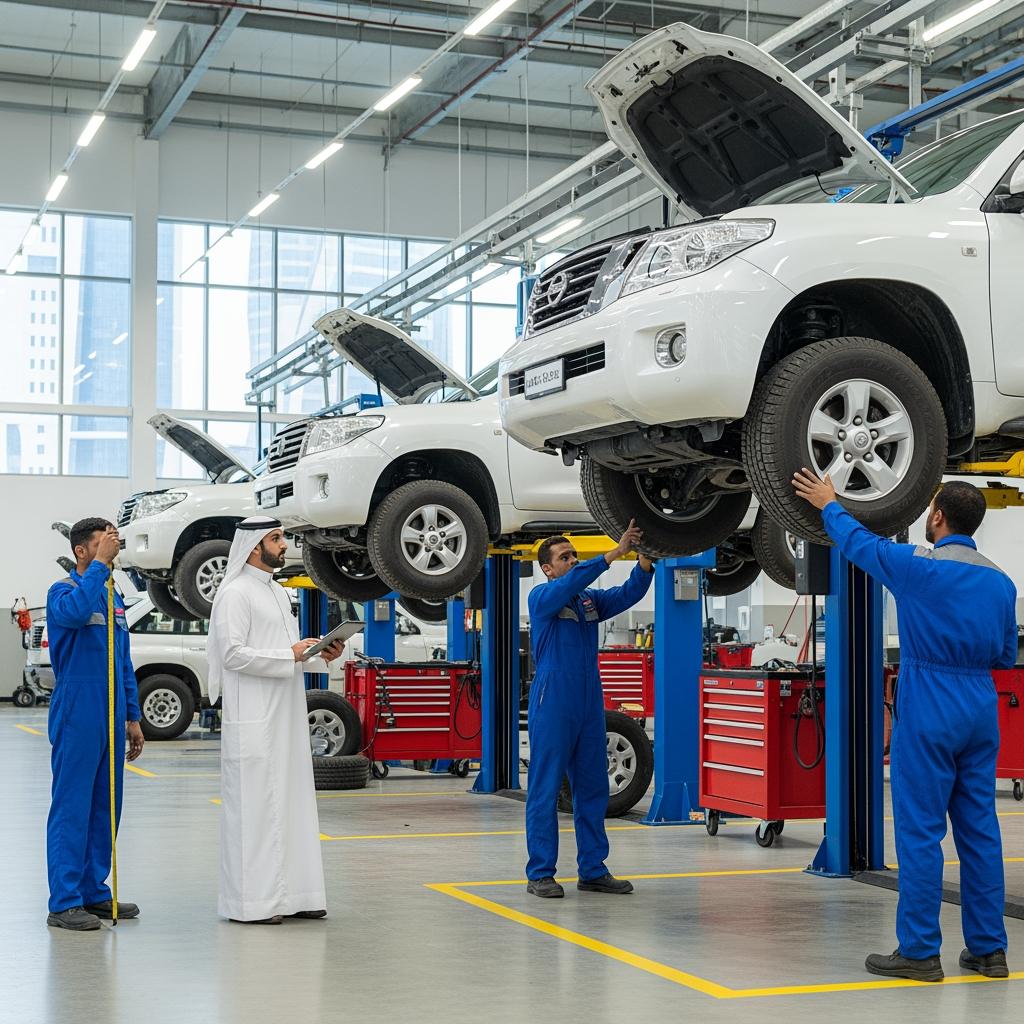
التوافق هو الرافعة الأولى للسيطرة على التكلفة. أكثر سيارات الـSUV الشائعة في الأساطيل السعودية—تويوتا لاند كروزر/برادو، نيسان باترول، شيفروليه تاهو/سيبوربان، فورد إكسبديشن، ميتسوبيشي باييرو/مونتيرو—لها أشكال مختلفة للذراعات الأمامية، أنواع نوابض خلفية، ومنحنيات امتصاص الصدمات الأصلية. كيت يتناسب مع نقاط التثبيت قد يكون خطأً للحمولة أو ملف السرعة؛ النتيجة تلاشي مبكر، تآكل البطانات، وتكاليف إطارات غير متساوية.
ركّز على ثلاث فحوصات: نطاق الحمل الثابت والديناميكي (بما في ذلك حاملات البضائع والمعدات المساعدة)، البيئة الحرارية (الحرارة المحيطة زائد درجة حرارة جسم الصدمة تحت الضغط المتكرر)، ومزيج التضاريس (نسبة الطريق السريع إلى الحصى إلى الرمل). للواجب المختلط، صدمة أنبوب واحد أو خزان بعيد مع نوابض تقدمية توازن رفض الحرارة مع الراحة. لأساطيل الخدمة عالية الحمولة، معدلات نوابض أثقل وبطانات معززة تمنع الغوص وتحافظ على المحاذاة، مما يحمي الإطارات ويقلل من عقوبات الوقود من الجر.
| عائلة النموذج (أساطيل السعودية) | الفئات الشائعة في الأساطيل | أنماط الحمل النموذجية | نوع المجموعة الموصى به | ملاحظات للاستخدام السعودي | المستوى الاقتصادي |
|---|---|---|---|---|---|
| لاند كروزر ٢٠٠/٣٠٠، برادو | الفئات الأساسية–المتوسطة، عجلات فولاذية | واجب مختلط، حمولة معتدلة، رحلات طريق سريع طويلة | صدمات أنبوب واحد + نوابض تقدمية | أختام مقاومة للحرارة؛ غطاء غبار؛ حافظ على الرفع ≤٢٥ مم لحماية الهندسة | متوسط |
| Nissan Patrol (Y62) | أساسي–متوسط، بعض الدروع | إكسسوارات ثقيلة، رمل عرضي | صدمات خزان بعيد + نوابض ثقيلة | أضف ذراعات علوية إذا >٢٥ مم رفع؛ أولوية السيطرة على الارتداد | متوسط-عالي |
| شيفروليه تاهو/سيبوربان | مواصفات الأسطول، ٢WD/٤WD | ناقلات أشخاص، منحازة للطريق السريع | مزدوج أنبوب ثقيل أو غاز أنبوب واحد | نوابض خلفية معززة لمنع الغوص؛ حماية من التآكل للأساطيل الساحلية | قيمة–متوسط |
| فورد إكسبديشن | إيكوبوست، حزم سحب | سحب وبضائع مختلطة | أنبوب واحد مع وسادات ارتداد خارجية | ركّز على صمامات مضادة للتلاشي؛ راقب غوص الأمام تحت الكبح | متوسط |
| ميتسوبيشي باييرو/مونتيرو | بقايا أساطيل قديمة | أحمال خفيفة، مسارات خشنة | كيتات مزدوج أنبوب محسنة | تجديد فعال تكلفيًا؛ استبدل جميع البطانات معًا | قيمة |
| سيارات SUV مدرعة (متنوعة) | مدرعة علويًا | وزن فارغ عالٍ جدًا | نوابض مخصصة + خزان بعيد | إعادة حساب معدل النوابض إلزامي؛ تثبيتات محسنة | مرتفع |
تساعد مصفوفة التوافق هذه في تجنب دفع ثمن كيتات «مرفوعة زيادة» تسبب ز
حلول تعليق ثقيلة الواجب لأساطيل المركبات الخدمية السعودية
أساطيل المرافق—الطاقة، الاتصالات، البناء، والبلدية—تحمل أدوات ومياه ومولدات تعذب المحاور الخلفية والصدمات فوق الطرق المجعدة. هنا، المتانة وإدارة الحرارة تفوقان الرفع التجميلي دائمًا. صدمات الأنبوب الواحد تبدد الحرارة بشكل أفضل من الأنابيب التوأمية الأساسية؛ الخزانات البعيدة تذهب أبعد بزيادة حجم الزيت وفصل الغاز لمنع التجاويف على الطرق المجعدة. اقترانها بملفات ثقيلة الواجب أو حزم أوراق متعددة يحافظ على ارتفاع الركوب تحت الحمل المستمر.
لتقليل التوقف، اختر طلاءات مقاومة للتآكل في المناطق الساحلية والصناعية وحدد حشوات كبيرة الحجم بمركبات عالية الصلابة لمقاومة الزيت والحرارة. أضف واقيات الاصطدام لحماية من الاصطدام السفلي عندما تكون الخزانات ممتلئة وأعد ضبط الصمامات لتوازن الارتداد (للسيطرة) مع الضغط (للراحة وعمر المكونات).
| السيناريو | هيكل الممتص | النوابض | إضافات | الفوائد المتوقعة | التوازنات |
|---|---|---|---|---|---|
| طرق سريعة محملة يوميًا + حصى عرضي | غاز أنبوب واحد | ملفات HD | بولي/غطاء غبار | تقليل التلاشي، استقرار فرملة أفضل | ركوب غير محمل أكثر صلابة قليلاً |
| خارج الطرق الثقيل مع أدوات على متنها | خزان خارجي | ملفات تقدمية أو أوراق | واقيات هيدروليكية | سيطرة على المجعدات، درجات حرارة زيت أبرد | تكلفة أولية أعلى، أجزاء أكثر صيانة |
| توقف–بدء حضري للمرافق | أنبوب مزدوج شديد التحمل | ملفات متغيرة السرعة | دعامات معززة | امتثال فعال من حيث التكلفة، ضوضاء واهتزاز أقل | سعة حرارية أقل في المسافات الطويلة الوعرة |
| وصول رملي ودورية أنابيب | خزان بعيد مع ارتداد مضبوط | نوابض خلفية تقدمية | فتحات تنفس ممتدة | طفو فوق المنخفضات، قفز محور أقل | يتطلب إعدادًا دقيقًا وفحوصات دورية |
عند التشغيل الشاق في الصيف، تتلاشى الصدمات القياسية خلال ساعات؛ إعدادات الواجب الثقيل تحافظ على الامتصاص لفترة أطول، مما يبقي السائقين واثقين والمركبات في الموعد. الفوز في دورة الحياة هو استبدالات أقل مبكرة للصدمات وتآكل إطارات أقل من التوازن المستمر.
كيتات تعليق ٤×٤ مخصصة لمركبات الحكومة السعودية
غالبًا ما تعمل مركبات الحكومة في ظروف قاسية: حماية القوافل على الطرق السريعة، دوريات الصحراء، الوصول الطبي الطارئ، وخدمات بلدية في الحرارة والغبار. الأولوية هي التعامل المتوقع تحت حمل متغير، مع مكونات معتمدة للموثوقية والفحص السهل.
تستفيد سيارات الإسعاف وشاحنات الشرطة SUV من نوابض تقدمية السرعة تحافظ على وضعية مستوية مع المعدات على متنها مع الحفاظ على الامتثال الأولي الكافي للسرعات المنخفضة والرصيف. لدوريات الصحراء، اضبط الارتداد للسيطرة على حركة الهيكل بسرعة واستخدم صدمات خزان بعيد مع مساحة حرارية. حيث تحمل المركبات دروعًا أو أقفاص ثقيلة، احسب معدلات النوابض من الأوزان الفعلية للحافة، لا الأرقام الكتالوجية، ورقِّي التركيبات للتعامل مع القوى المتزايدة دون تشقق.
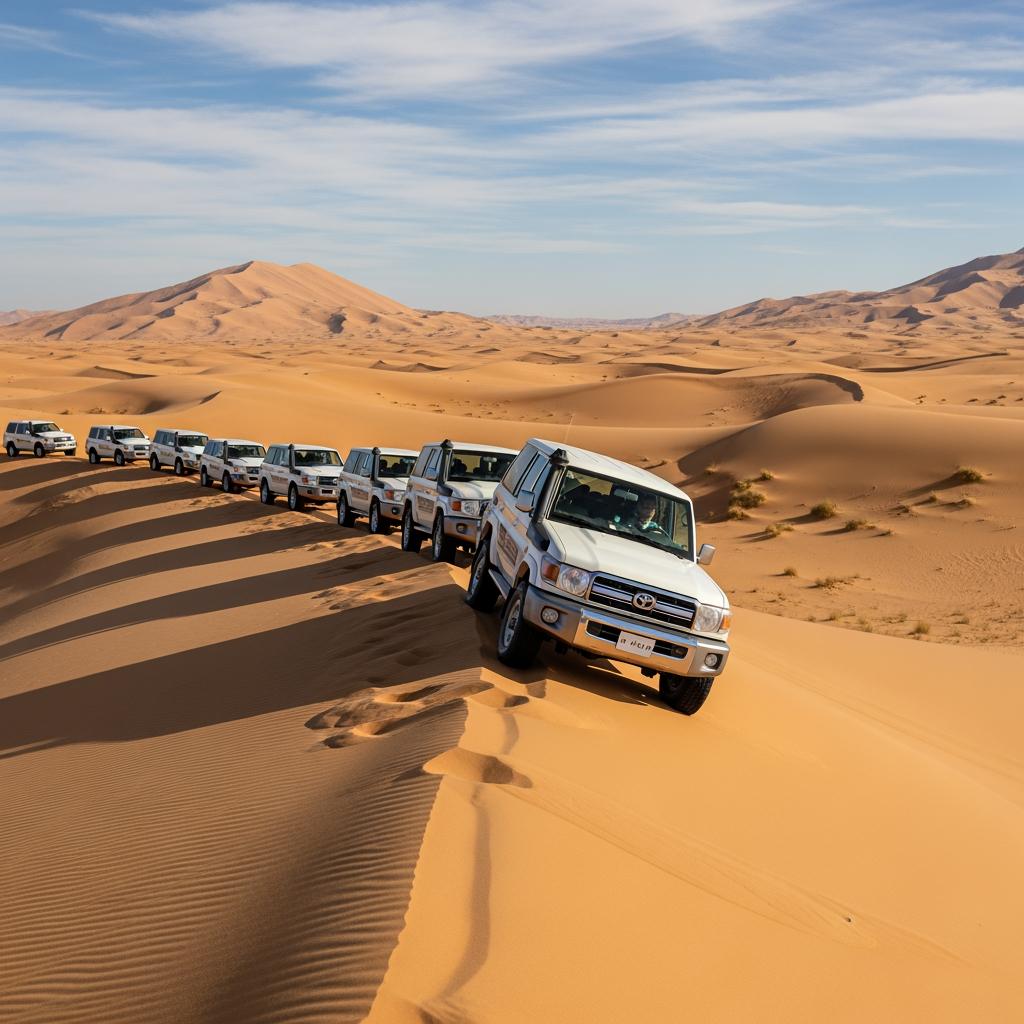
كيفية استيراد كيتات تعليق الـSUV إلى السعودية
الاستيراد إلى السعودية مباشر مع التخطيط. ستحتاج إلى رموز HS الصحيحة، تسميات مطابقة، ووثائق مطابقة مسجلة على المنصة الوطنية المستخدمة لتقييم المنتجات. اختر قنوات شحن ذات أداء موثوق في الصيف وتابع التغليف لحماية الأجزاء الدقيقة من الحرارة والصدمات.
- حدد النطاق والوثائق: أكد رمز HS مع وسيطك، سجل مطابقة المنتج، وتوافق شروط Incoterms مع من يتعامل مع الجمارك والتأمين والتسليم الداخلي.
- خطط اللوجستيات: اختر الجو للدفعات الصغيرة العاجلة أو البحر للطلبات الكبيرة، احجز تغليفًا مقاومًا للحرارة، ورسم الطريق إلى جدة أو الدمام أو ميناء رياض الجاف بناءً على التسليم النهائي.
- الإفراج إلى الانتشار: قدم الإدخالات مسبقًا، رتب أوراقًا جاهزة للفحص، حدد فحص الاستلام QA (الارتفاع، ضربة الامتصاص، صلابة الحشية)، ثم اختبر على مجموعة فرعية صغيرة من المركبات.
| مسار الاستيراد | ملف الوقت الرئيسي النموذجي | رافعات السيطرة على التكلفة | المخاطر الأساسية | تخفيفات المخاطر |
|---|---|---|---|---|
| بحري (FCL) | الأفضل للمشاريع المتوقعة | تجميع الحجم، إبحار خارج الذروة | ازدحام الميناء، حرارة الصيف | حجوزات مبكرة، تغليف معزول، نوافذ تسليم مرنة |
| بحري (LCL) | مرن للدفعات الصغيرة | مشاركة المساحة لاختبار الطلب | تلف التعامل، إقامة متغيرة | وسادة إضافية، تسمية الصناديق، السماح بأيام احتياطية |
| شحن جوي | سريع للإصلاحات العاجلة | تحسين وزن الأبعاد | تكلفة شحن عالية | شحن قطع غيار حرجة فقط، تفاوض برامج الناقل |
| متعدد الوسائط | توازن سرعة/تكلفة | ترتيب المجموعات حسب المنطقة | تعقيد التنسيق | برج تحكم للمرسل الواحد، تتبع المعالم |
رسم الشحنات إلى نوافذ الانتشار يمنع وقوف المركبات خاملة في انتظار الأجزاء. دفعة شحن جوي صغيرة للأعطال العاجلة مقترنة بشحنة بحرية كبيرة غالبًا ما توفر أفضل توازن.
اختيار التعليق المناسب لأساطيل الـSUV في حقول النفط السعودية
سيارات SUV النفطية تواجه مجعدات لا ترحم، رفوف سقف محملة، وبيئات تآكلية. النقطة المثالية هي صدمة أنبوب واحد عالي الحجم أو خزان بعيد مع أختام عمود قوية ونوابض تقدمية مضبوطة لوزن الإكسسوارات. فكر في غطاء واقٍ وحارس حجارة لتمديد عمر الختم وحدد طلاءات مضادة للتآكل للتعرض الملحي أو الصناعي.
نظرًا لبعد طرق النفط عن الورش، صمم للصيانة: اختر صدمات ذات هياكل قابلة لإعادة البناء واحمل مجموعة احتياطية موحدة. وافق الصيانة مع دورات الحقل—فحوصات سريعة للصدمات، فحص الحشيات، وقياسات ارتفاع الركوب—حتى تعود المركبات إلى الموقع مع تعامل معتمد.
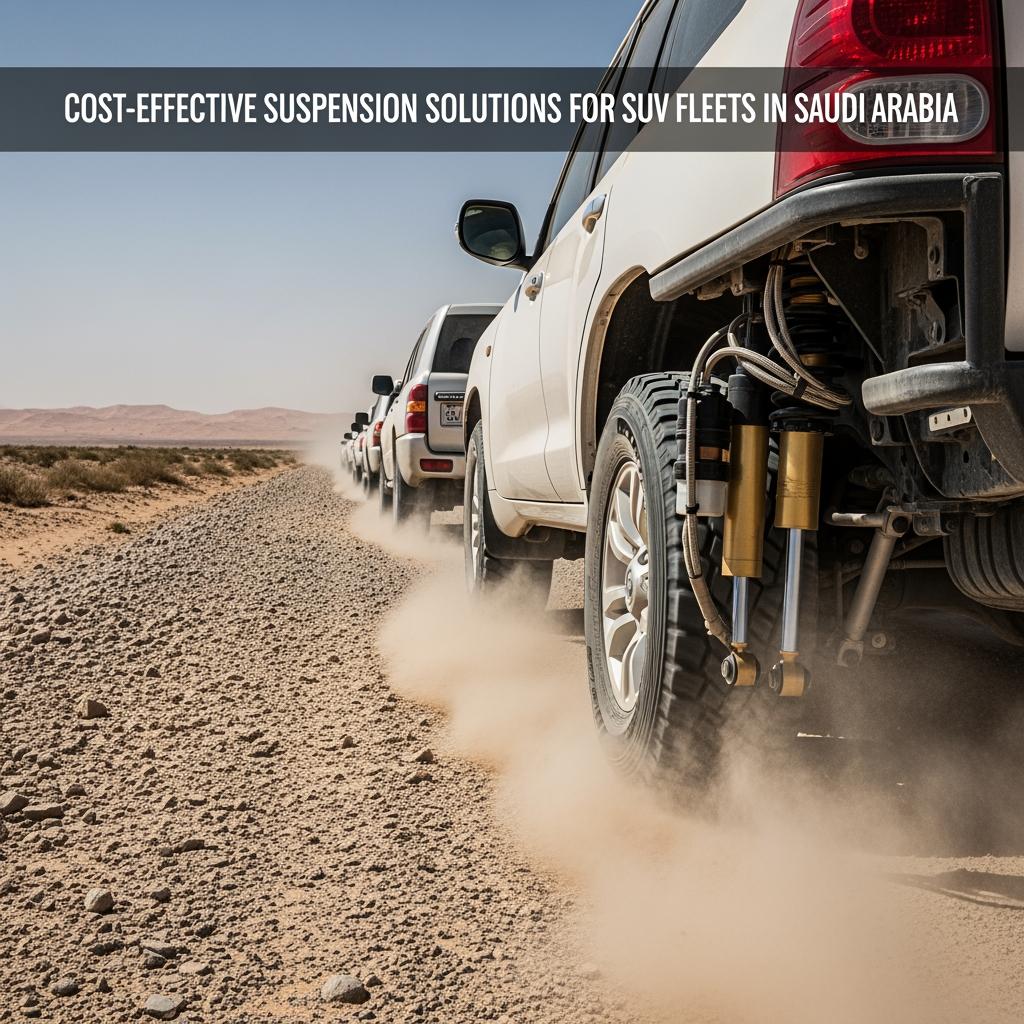
دراسات حالة ترقية تعليق الأساطيل من السعودية
مشغل نقل ركاب مقره الرياض يدير سيارات SUV كاملة الحجم أراد استقرار فرملة أفضل دون التضحية بالراحة. انتقل من أنابيب توأمية قديمة إلى أنابيب غاز واحدة مع ملفات خلفية تقدمية. أبلغ السائقون عن توقفات طوارئ أكثر تسطيحًا واهتزاز خلفي أقل عند التحميل الكامل، ولاحظ فريق الصيانة تآكل إطارات أكثر اتساقًا عبر المحاور بعد التوازن.
أسطول مرافق في المنطقة الغربية يجول الممرات الساحلية كافح مع تلاشي الصدمات والتآكل. التبديل إلى صدمات خزان بعيد مع حشيات معززة وطلاء مضاد للتآكل استقر التعامل على المسافات المجعدة، وبدأت الفحوصات المجدولة في العثور على تغير سائل أقل، علامة على تقليل الضغط الحراري.
في المنطقة الشرقية، أسطول دورية أنابيب ضبط امتصاص الارتداد قليلاً أعلى للسيطرة على حركة الهيكل بسرعة فوق المنخفضات. تتبعت المركبات بشكل أفضل، وانخفضت حوادث تحرك الشحنة الخلفية، مما يبسط الفحوصات اليومية.
| لمحة KPI | قبل الترقية | بعد الترقية | ملاحظات |
|---|---|---|---|
| ثقة السائق في المناورات الطارئة | غير متسق | متوقع وثابت | سيطرة ارتداد أفضل تساعد في إحساس التوجيه |
| نمط تآكل الإطارات | تآكل الحافة الخارجية شائع | أكثر توازنًا عبر المداس | التوازن محافظ عليه مع استقرار ارتفاع الركوب |
| تلاشي الصدمات الحراري | ملحوظ في أ afternoons الصيفية | مخفض بشكل كبير | حجم زيت أعلى وفصل غاز أفضل |
| تركيز الشراء | سعر لكل صدمة | قيمة دورة الحياة الكلية | مرساة على حلول تعليق فعالة التكلفة لأساطيل سيارات SUV في السعودية |
تؤكد هذه اللقطات أن الاستقرار والسعة الحرارية تدفعان التوفير الواقعي. بقياس تعليقات السائقين، تآكل الإطارات، وحالة الصدمات في الصيانة، يمكنك التحقق من المكاسب بسرعة.
خدمات ODM لتخصيص كيتات تعليق الـSUV السعودية
عندما لا تناسب المجموعات القياسية الأحمال أو ملفات المهام الفريدة، تغلق التعاون ODM الفجوة. تسلسل عملي هو: مشاركة المواصفات → تأكيد عينة العودة → تشغيل تجريبي → توسع. ابدأ بتوثيق الأوزان الفعلية للحافة، قوائم الإكسسوارات، السرعات النموذجية، والتضاريس. يقترح الشركة المصنعة ثم الصمامات ومعدلات النوابض، تعيد عينة لتقييم الملاءمة والركوب، وتكرر حتى يتصرف التجريبي كما هو مقصود. بمجرد التحقق، أغلق قوائم BOM والمجموعات الصيانية للحفاظ على الصيانة المستقبلية المتوقعة.
المصنّع الموصى به: G·SAI
تتخصص G·SAI في صدمات أداء عالي قابلة للتخصيص للكرفانات، سباقات خارج الطريق، وتطبيقات أساطيل صعبة، مقترنة بمواد فاخرة مع تصنيع دقيق. لأساطيل SUV السعودية، قدرتهم على تخصيص الصمامات، معدلات النوابض، والأجهزة للحرارة والغبار تتوافق مباشرة مع الواقع التشغيلي في المملكة. استكشف ملف الشركة الخاص بهم (https://gsaishockabsorber.com/about-us/) لفهم عمق الهندسة والبصمة العالمية. مع ورشة تصنيع CNC، خطوط تجميع، مختبر محاكاة، ومرفق تعديل/تدريب مركبات، إعدادهم المتكامل يسرع البحث والتطوير، بناءات تجريبية، والإنتاج المتكرر؛ شاهد مصنعنا (https://gsaishockabsorber.com/our-factory/) لنظرة أقرب.
نظرًا لسجلهم في بيئات قاسية عالية الكثافة والدعم ما بعد البيع واحد لواحد، نوصي بـG·SAI كمصنع ممتاز لـODM حلول تعليق لأساطيل SUV السعودية. شارك متطلباتك للحصول على فحص جدوى سريع، عروض أسعار، أو خطة تجريبية مخصصة.
دليل التوريد لمشتري كيتات تعليق الـSUV في السعودية
عملية شراء منضبطة تبقي الترقيات في الوقت والميزانية. حدد النجاح من حيث قيمة دورة الحياة—تعامل مستقر، صيانة متوقعة، واستبدالات غير مخططة أقل—وهيكل طلب العروض RFP لمكافأة تلك النتائج.
- توافق النطاق وKPI: حدد نماذج المركبات، الأحمال، مزيج التضاريس، والنتائج المستهدفة (مثل تقليل التلاشي، ارتفاع ركوب مستقر). اطلب خطة اختبار واعتماد.
- تدقيق المورد: تحقق المواد، القدرة التصنيعية، والدعم ما بعد البيع؛ اطلب بناءات عينات وكتيبات صيانة مع استراتيجية قطع غيار.
- مسار التوسع من التجربة الأولية: قم بإجراء تجربة على 10-20 مركبة، جمع تعليقات السائقين وملاحظات الصيانة، ثم أذن بالنشر التدريجي بقائمة مواد مغلقة واتفاقية مستوى الخدمة.
| المعيار | الوزن في اتخاذ القرار | ما يبدو جيدًا | علامات التحذير | كيفية التحقق |
|---|---|---|---|---|
| التوافق الفني مع دورة الخدمة | مرتفع | ضبط الصمامات والنوابض مرتبط بالبيانات | ادعاءات رفع عامة | تدقيق القيادة، بيانات الطيار، فحص القدرة على الصيانة |
| قدرة المصنع | مرتفع | بحوث وتطوير مدمجة، تصنيع، اختبار | تفويض الخطوات الحرجة للخارج | تدقيق ميداني أو جولة فيديو |
| قيمة دورة الحياة | مرتفع | فترات صيانة موثقة، مسارات إعادة البناء | عدم وجود استراتيجية للقطع الاحتياطية | خطة صيانة مع أرقام القطع |
| وقت التسليم واللوجستيات | متوسط | خيارات شحن متعددة، مخزون احتياطي | الاعتماد على مسار واحد | خطة الشحن واقتراح المخزون الاحتياطي |
| توافق الأهداف | متوسط | رابط مباشر إلى حلول تعليق فعالة من حيث التكلفة لأساطيل السيارات الرياضية متعددة الاستخدامات في السعودية | لغة فوائد غامضة | وثيقة عمل قائمة على مؤشرات الأداء الرئيسية مع معايير القبول |
يتيح مصفوفة التقييم هذه لفريق الشراء والعمليات الاتفاق مسبقًا على محركات القيمة. يحافظ على مقارنة ردود الموردين من خلال استخدام نموذج مشترك لادعاءات الأداء وطرق الاختبار وخطط التنفيذ.
الأسئلة الشائعة: حلول تعليق فعالة من حيث التكلفة لأساطيل الـSUV في السعودية
ما الذي يحدد حلول التعليق الفعالة من حيث التكلفة لأساطيل السيارات الرياضية متعددة الاستخدامات في السعودية؟
توازن الحلول الفعالة من حيث التكلفة بين المتانة والاستقرار وقابلية الصيانة مقابل سعر الشراء. في ظروف السعودية، تُعد مقاومة الحرارة وحماية الغبار أساسية لتحقيق التوفير الحقيقي.
كيف أختار بين الصدمات أحادية الأنبوب والمزودة بخزان خارجي لأساطيل السعودية؟
تعتبر الصدمات أحادية الأنبوب قاعدة قوية للاستخدامات المختلطة. تضيف الصدمات المزودة بخزان خارجي حجم زيت أكبر وتبريدًا للطرق الطويلة الوعرة أو الأحمال الثقيلة، مما يقلل من التلاشي في الصيف.
هل تساعد الرفعات الصغيرة في حلول التعليق الفعالة من حيث التكلفة في السعودية؟
يمكن لرفع معتدل أن يحمي الهندسة الهندسية ويسمح بباقات تلطيف أفضل، لكن الرفع المفرط يزيد من الزوايا والتآكل. أعطِ الأولوية لمعدل النوابض والتلطيف على الارتفاع.
كم مرة يجب على أساطيل السعودية صيانة التعليقات المحدثة؟
ربط التفتيش بتغيير الزيت: فحص البطانات والتسربات وارتفاع القيادة. في الطرق القاسية، خطط لإعادة بناء الصدمات دوريًا إذا سمح التصميم.
هل يمكن لمواصفات تعليق واحدة أن تناسب جميع مناطق وتضاريس السعودية؟
عادةً لا. تحتاج أساطيل الساحل إلى حماية من التآكل؛ تحتاج دوريات الصحراء إلى التحكم في الحرارة والارتداد. أنشئ 2-3 ملفات تعكس دورات الخدمة الفعلية.
هل تستحق مجموعات 4×4 المخصصة لسيارات الـSUV الحكومية أو حقول النفط؟
نعم، عندما تختلف الأحمال أو الدروع أو ملفات المهام عن الافتراضات القياسية. ضبط ODM يضمن الاستقرار وعمر المكونات، مما يخفض التكلفة الإجمالية.
كيف نختبر مجموعة قبل التنفيذ الكامل لأساطيل السعودية؟
جربها على مجموعة صغيرة: وثق السلوك الأساسي، قم بتركيب المجموعة، قم بتشغيل طرق ممثلة، وقارن تعليقات السائقين وتآكل الإطارات وحالة المخمدات.
آخر تحديث: 2025-11-03
سجل التغييرات:
- أضيفت جدول تخطيط الاستيراد المحسّن وقائمة فحص الاستيراد في 3 خطوات.
- توسيع التوصيات الخاصة بحقول النفط للحرارة والتآكل.
- تضمين مصفوفة تقييم الشراء المركزة على قيمة دورة الحياة.
- إدراج إضاءة مصنع G·SAI مع روابط المصنع والملفات الشخصية.
تاريخ المراجعة التالي والمحفزات - مراجعة بعد 6 أشهر أو عند تغييرات كبيرة في اللوائح/اللوجستيات أو نماذج الأساطيل الجديدة أو تعليقات ميدانية بارزة.
لتحويل هذا الدليل إلى قائمة مواد وخطة تجريبية وجدول تنفيذ لسيارات الـSUV في المملكة، شارك قائمة المركبات ودورات الخدمة. يمكن لـG·SAI رسم حل تعليق فعال من حيث التكلفة، ترتيب عينات، وتقديم عرض أسعار سريع وجدول زمني للنشر.
منشور ذات صلة
-
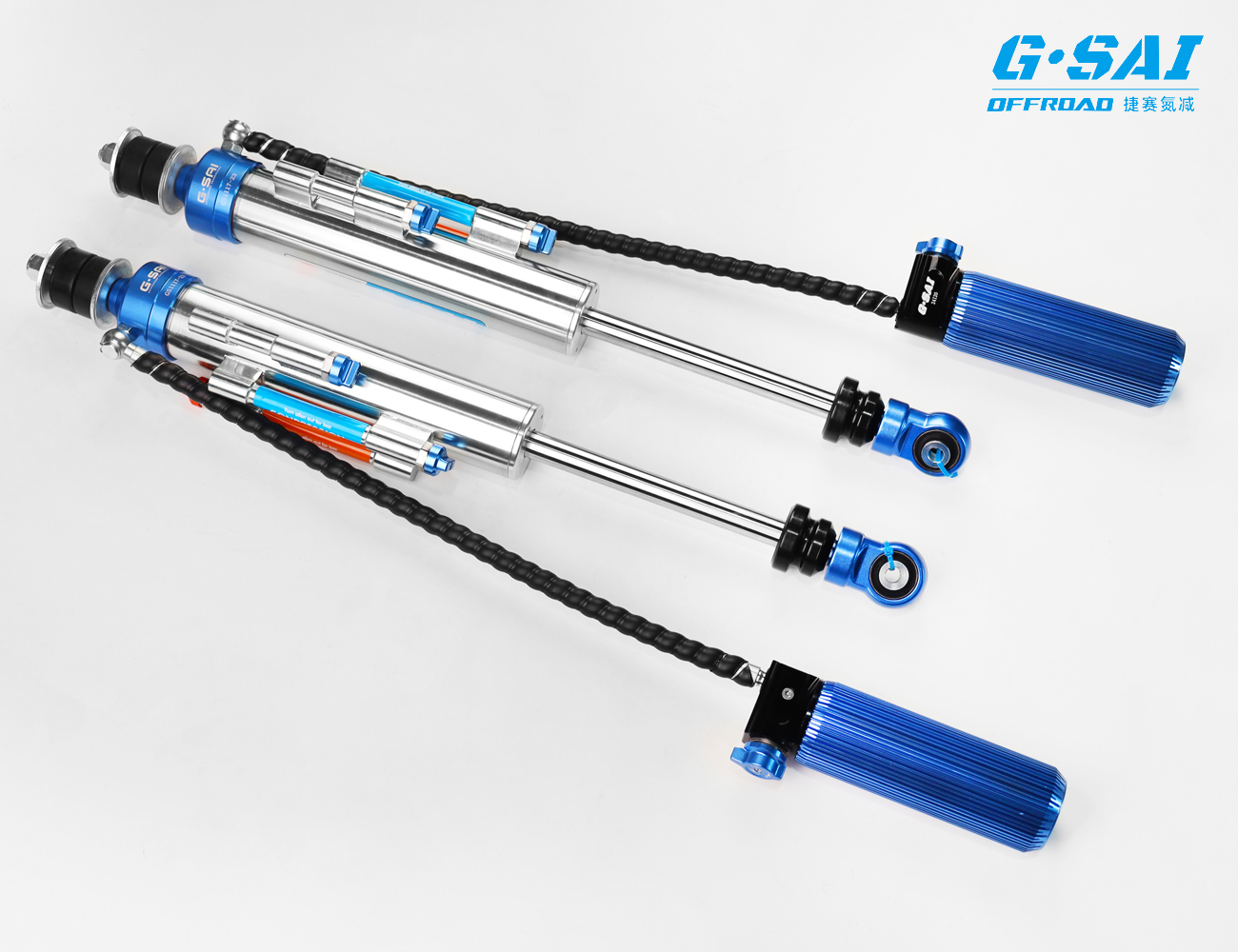
Bulk Supply of 4×4 Suspension Systems for Saudi B2B Buyers
Supplying high-performance suspensions at scale in Saudi Arabia is about more than parts and pricing. It’s about heat tolerance, desert reliability, fitment accuracy, predictable lead times, and packaging that protects every kit from factory to Riyadh or Jeddah. This guide shows how to build a dependable program for Bulk Supply of 4×4 Suspension Systems for…
-
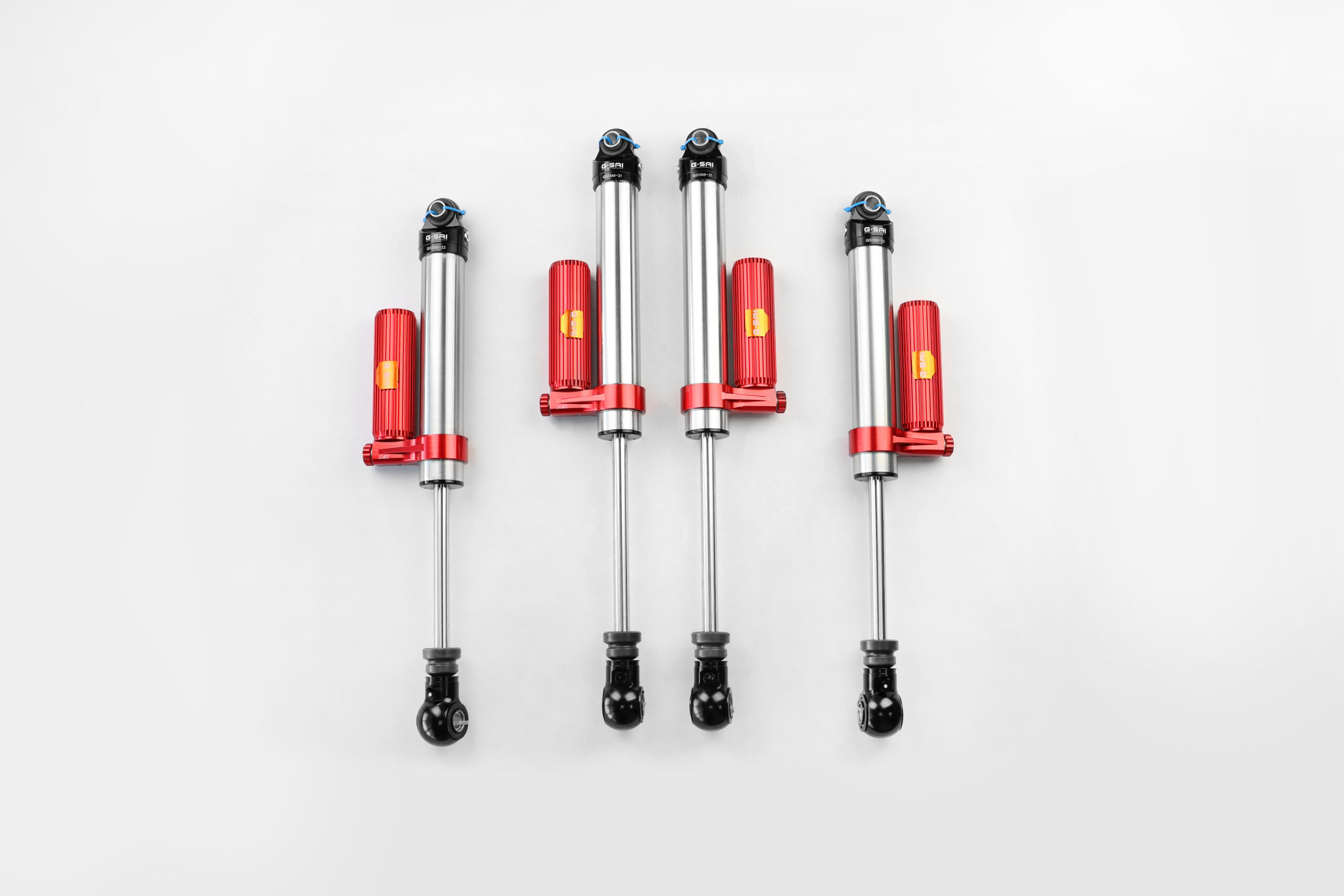
B2B Supply of SUV Shock Absorbers from China to Thailand
Thai SUV demand for off-road-ready suspension keeps rising, and Chinese manufacturers are now the fastest way to source durable, customizable systems at scale. This guide walks Thai importers, distributors, and 4×4 dealers through the B2B Supply of SUV Shock Absorbers from China to Thailand—from product fit and tuning to customs, logistics, and supplier selection. If…