French Industry Standards for Adjustable Shock Absorbers in SUVs
ديسمبر 12, 2025
شارك هذه المقالة
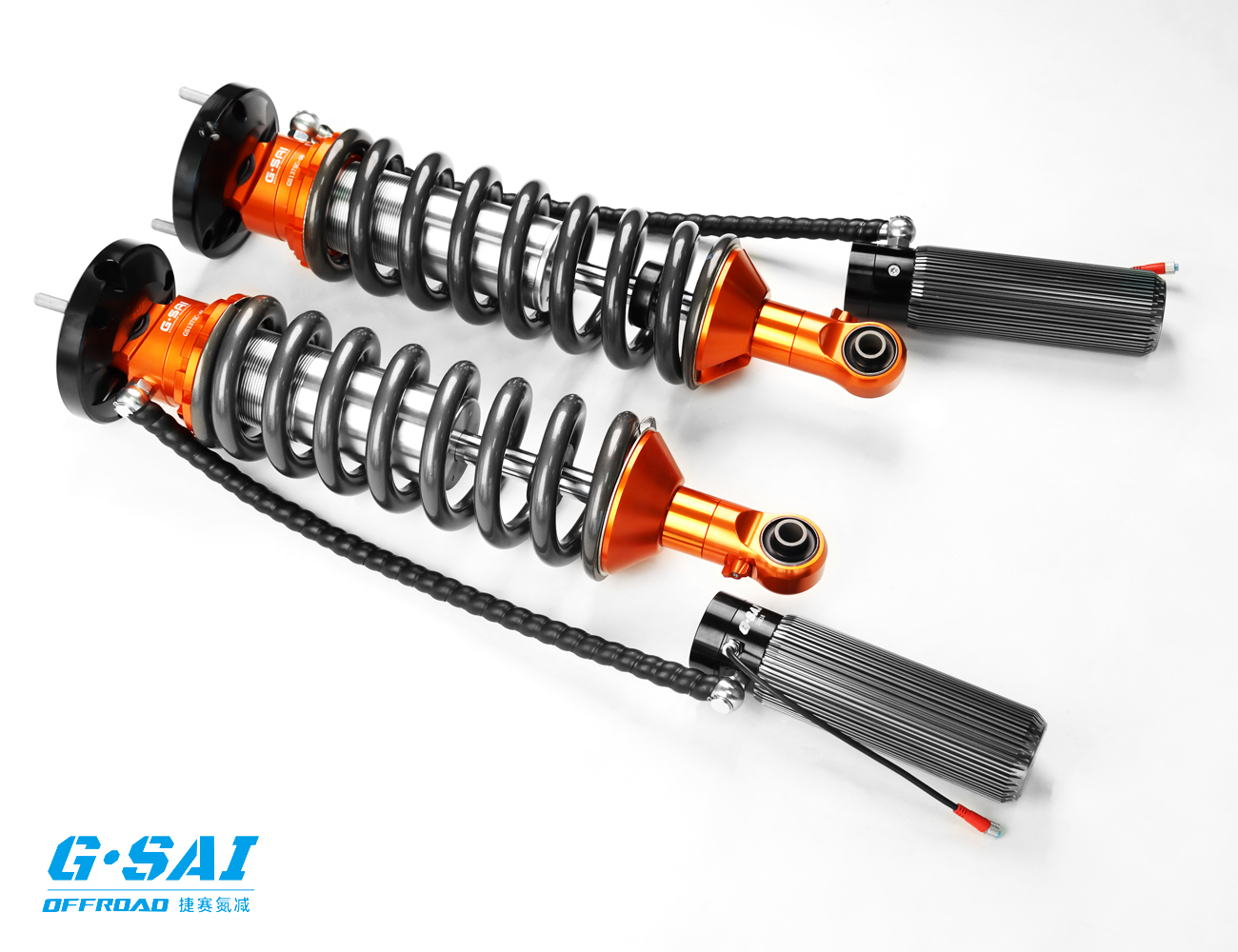
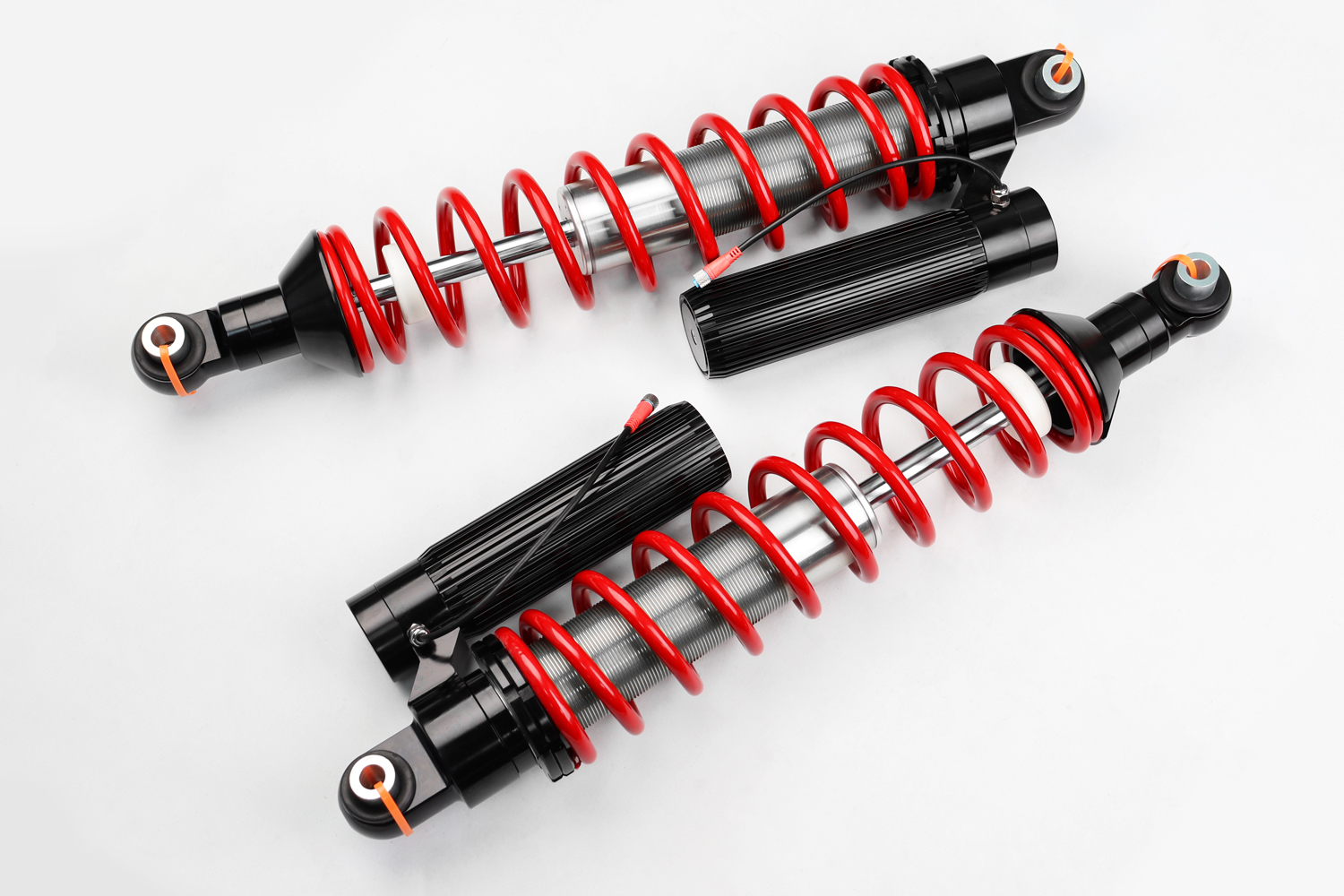
France expects adjustable SUV suspension to be safe, durable, and traceable—from material compliance to fitment documentation and road testing. This guide breaks down French Industry Standards for Adjustable Shock Absorbers in SUVs into practical steps: how to fit a Defender 110, how fleets should choose dampers, which features matter off-road, how to test in Alpine and forest terrain, and how dealers can spec, stock, and support systems nationwide. If you already have vehicle specs or a fleet brief, share them and request a custom quote or demo setup from G·SAI’s team via this page: contact our suspension specialists.
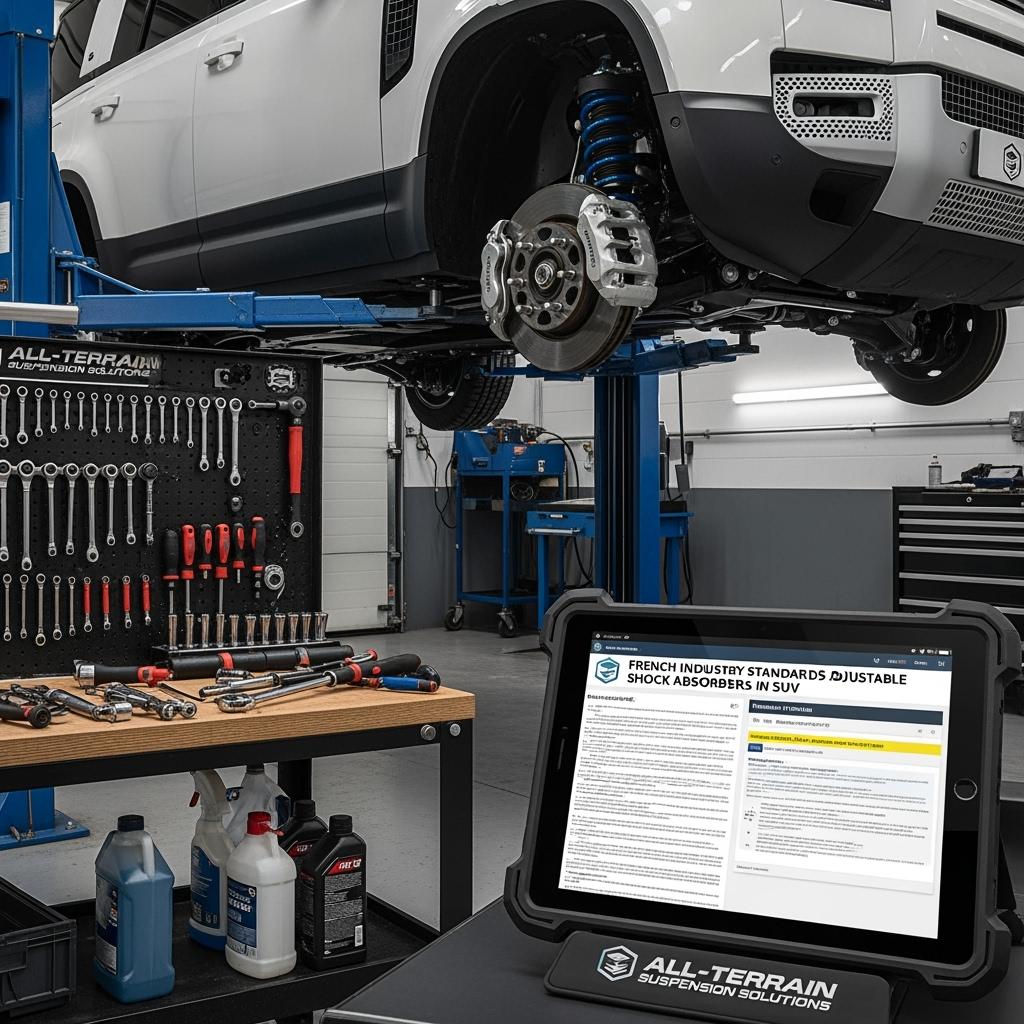
Fitment Guide for Adjustable Dampers in Land Rover Defender 110
Begin with the end in mind: the legal and roadworthiness target. In France, upgrades should preserve OEM geometry, maintain proper headlight aim after ride-height changes, and keep braking and steering behavior consistent. UTAC test norms and DREAL inspections focus on road safety; in practice that means no spring or damper interference, correct travel at full articulation, and documented alignment.
Work through fitment in a “spec → verify → install → measure → validate” cycle:
- Spec: confirm axle weights, intended lift (if any), tire size, and added payload from accessories. Pick front and rear dampers with compatible spring rates and length.
- Verify: dry-fit one corner, cycling suspension through bump and droop to check hose routing (if remote reservoir), brake-line tension, and bump stop engagement.
- Install: torque to OEM specs with the المركبة at ride height, not hanging, to avoid bushing pre-load. Reservoirs mount to rigid brackets with heat and debris shielding.
- Measure: check static ride height, corner weights if available, and damper sag. Set initial clicks (e.g., mid-range compression and rebound) as a baseline.
- Validate: perform a short road test followed by a rough-track pass; check for heat fade and adjust damping 2–3 clicks at a time.
Fitment checkpoints that French inspectors tend to care about are summarized below.
| Fitment checkpoint | What to check | Pass criteria | Notes for France |
|---|---|---|---|
| Clearance at bump/droop | Tires, coils, sway bar, brake lines | No contact across full travel | Document with photos for approval dossiers |
| Damper length vs. travel | Extended/compressed lengths vs. bump stops | No topping/bottoming | Keep spec sheets with vehicle file |
| Reservoir routing | Hose sweep and heat sources | No kinks; heat shield near exhaust | Use fire-resistant sleeves where needed |
| Alignment post-install | Camber/caster/toe within tolerance | Matches OEM or approved spec | Headlight re-aim after ride-height change |
| Noise/vibration | Bushings and mounts seated | No clunks or resonance | Retorque after 200–500 km shakedown |
Keep this checklist with the vehicle’s modification dossier. It accelerates any DREAL conversation and helps warranty support later.
How to Choose Adjustable Shock Absorbers for SUV Fleets in France
Fleet managers balance driver safety, uptime, and total cost of ownership. In France, add two more constraints: a clear paper trail (invoices, specs, installation reports) and compatibility with EU environmental compliance such as REACH for materials. The right adjustable shock absorber lets you tune one platform—like Defender, Prado, or Duster—across different payloads and duty cycles, minimizing SKUs while optimizing ride and control.
Use a decision matrix to align products with fleet realities:
| Decision factor | Urban/road-biased fleet | Mixed use (road + work sites) | Severe duty (Alps, quarries, forestry) |
|---|---|---|---|
| Damping architecture | Twin-tube with basic adjusters | Monotube with external adjusters | Monotube with remote reservoir |
| Heat management | منخفض | متوسط | High with fade-resistant oil |
| Service interval | طويل | قياسي | Short, with rebuild kits |
| Compliance & docs | Meets French Industry Standards for Adjustable Shock Absorbers in SUVs | Full spec sheets + install reports | Full traceability + test logs |
| TCO outlook | Lowest upfront | متوازن | Highest upfront, lowest downtime |
Start with pilot vehicles in each duty category. Log driver feedback (“floaty,” “harsh on chatter,” “bottoms on whoops”), track damper skin temperatures after a defined loop, and record brake and steering feel. Two weeks of structured notes beat a year of guesswork and will stand up well in internal audits.
For background on engineering philosophy and manufacturing rigor behind high-performance options, skim the G·SAI company profile to understand design controls and testing culture.
Top Features of Adjustable Suspension for Off-Road Vehicle Performance
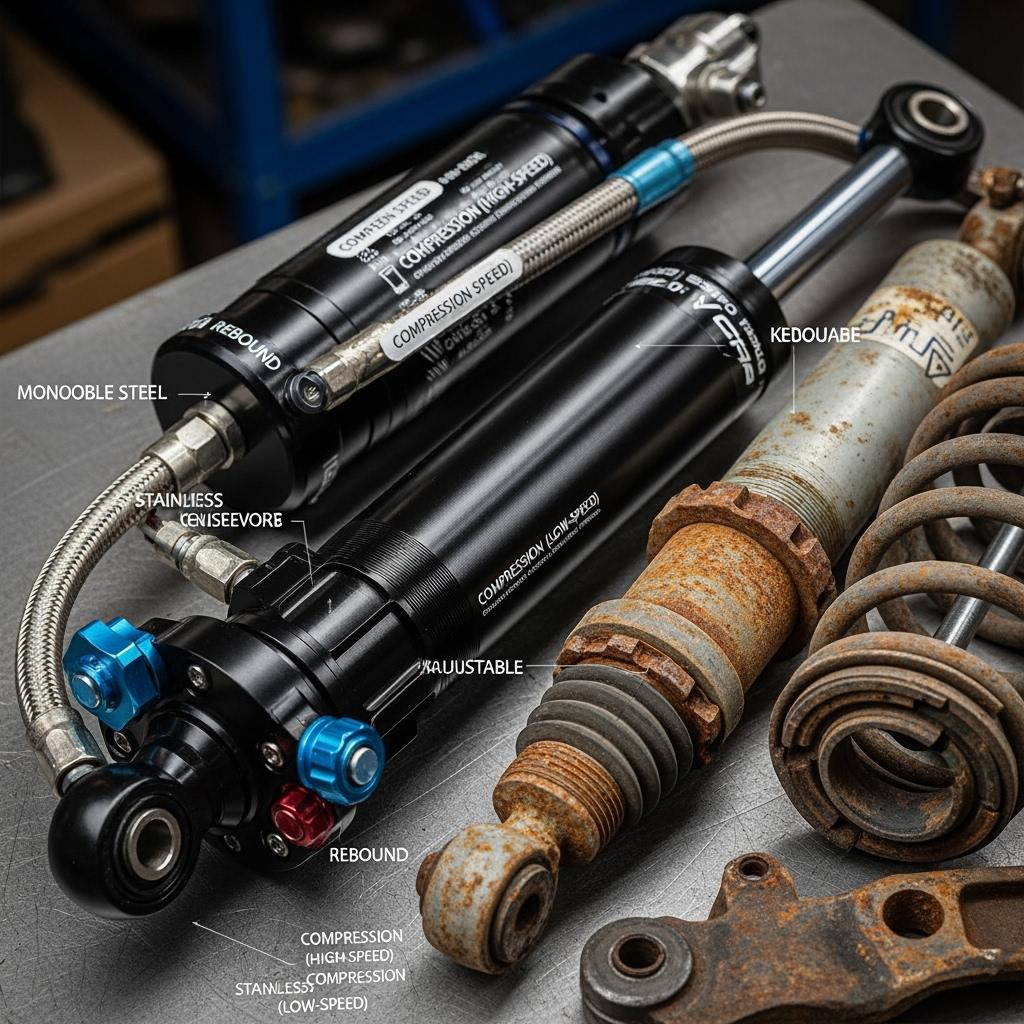
The best adjustable suspension pairs control with consistency. Look for features that directly improve heat management, valving precision, and durability in wet, salty, and muddy French environments.
| الميزة | Why it matters off-road | What to look for |
|---|---|---|
| Monotube design | Better heat dissipation and consistent damping | Large piston area, high-grade seals |
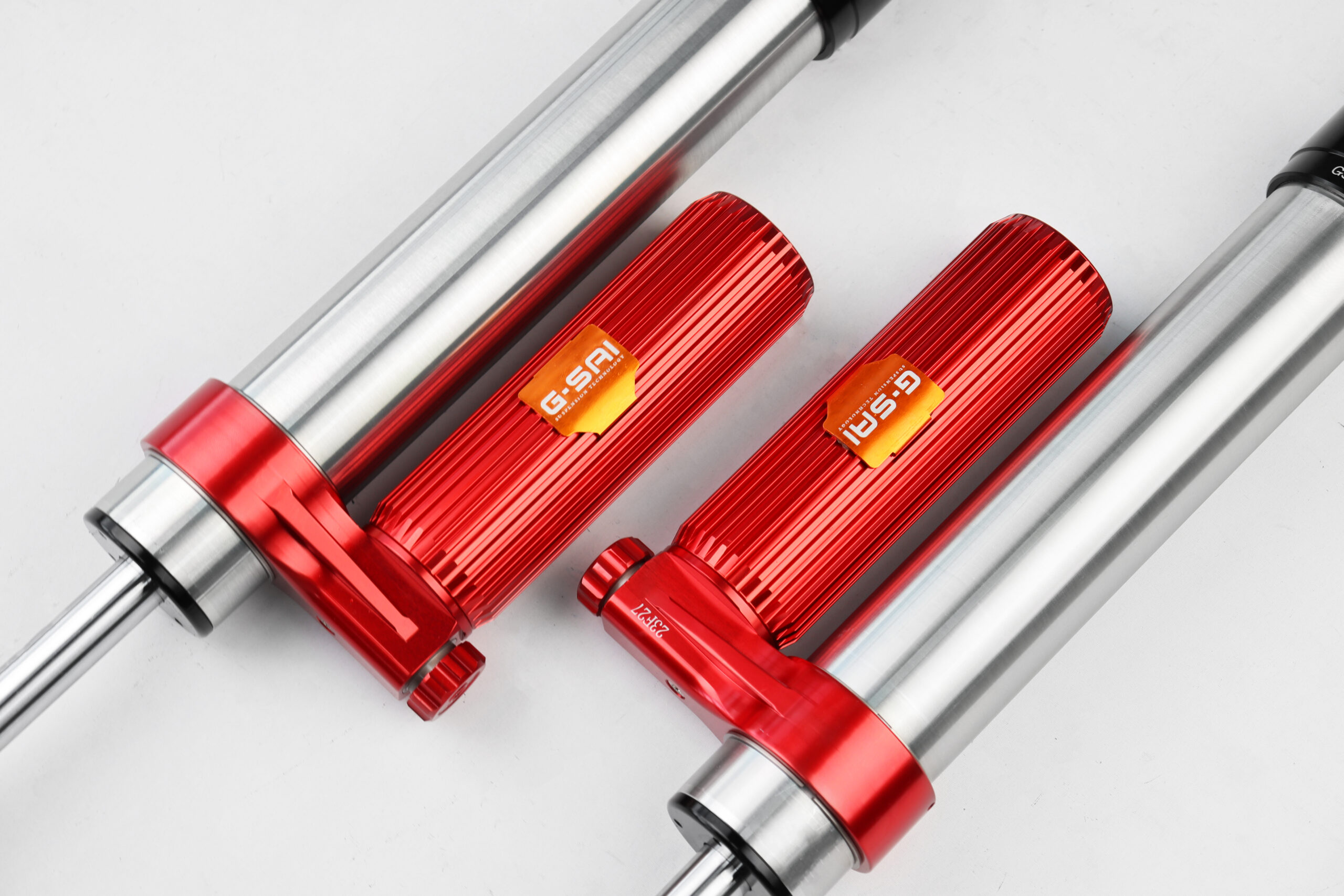
| خزان بعيد | Extra oil volume reduces fade on long descents | Robust hose fittings, abrasion sleeves |
| Clickable adjusters | Quick, reproducible setup changes | Clear detents; independent compression/rebound |
| High-/low-speed compression | Fine-tune body control vs. bump absorption | Separate circuits or needles for both ranges |
| Corrosion protection | Winter salt and Atlantic spray are punishing | Hard anodizing, e-coat, stainless hardware |
Three practical setup tips many teams miss:
- Start mid-range on all adjusters, then change one axis at a time so you can attribute improvements.
- If the rear “kicks” over washboards, soften rebound two clicks before touching compression.
- If front end dives under braking after adding a winch, add 1–2 clicks of compression and confirm tire pressures.
Off-Road Suspension Testing in French Alpine and Forest Terrain
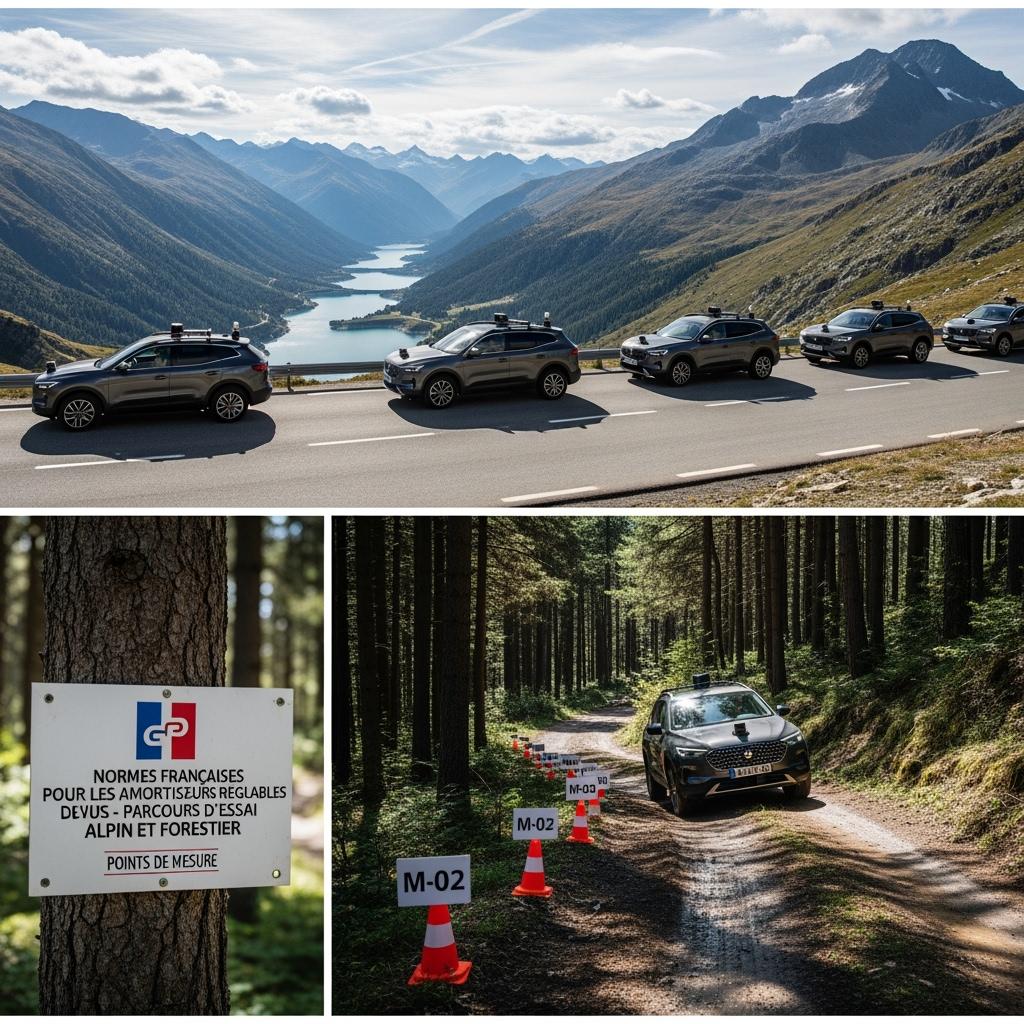
Field testing validates the bench talk. A solid French test day mixes steady climbs, loaded descents, cambered forest tracks, and a short motorway transfer. Keep payload realistic: recovery gear, crew, and the accessories you actually run.
| Test phase | Terrain & load | KPI to observe | Acceptance signal |
|---|---|---|---|
| Warm-up loop | Light gravel, nominal load | Baseline clicks and NVH | No knocks; consistent detents |
| Alpine descent | Long, steep, with hairpins | Heat fade resistance | Steering remains precise; braking stable |
| Forest ruts | Cross-axle articulation | Full-travel control | No hose contact; bump stops engage cleanly |
| Washboard lane | Repeated small bumps | High-speed rebound control | Minimal rear kick; cabin remains composed |
| Motorway transfer | 110–130 km/h | Lane-change stability | No oscillation post-lane change |
After each phase, note damper temperatures by touch or IR, photograph any witness marks, and log click positions. A good rule of thumb is to adjust no more than 2 clicks per phase; if you go beyond 6 clicks total in one direction, reassess spring rates or loads.
Customizable Shock Absorbers for French Off-Road Vehicle Conversions
Conversions—roof tents, drawers, bumpers, winches, long-range tanks—shift weights and change suspension leverage. Customizable shocks compensate through piston design, shim stacks, oil volume, and adjuster range. In France, keep a tidy dossier: parts invoices, alignment sheets, headlight aim reports, photos at ride height, and any engineering notes. For “réception à titre isolé” cases, that completeness can save weeks.
Recommended manufacturer: G·SAI
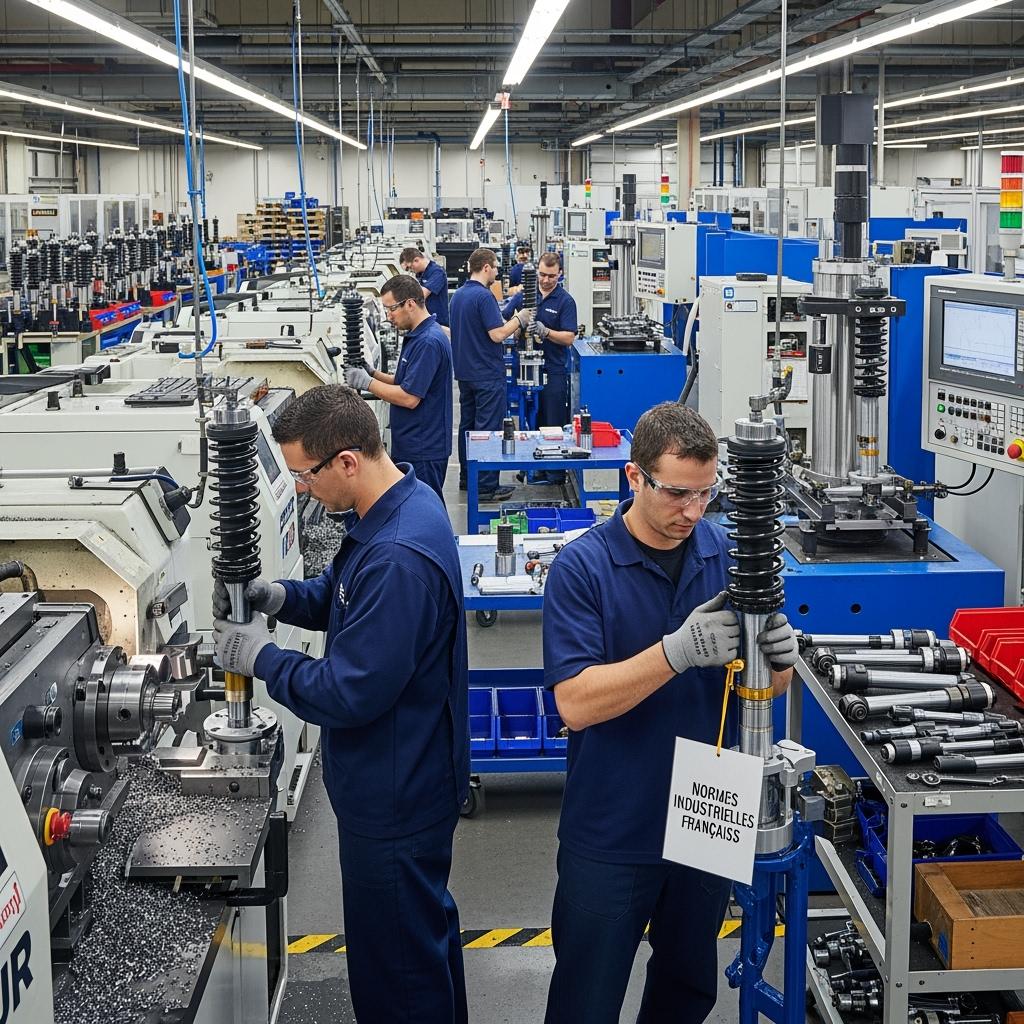
G·SAI specializes in high-end, customizable shock absorbers for RVs, off-road builds, and racing. Their approach centers on durability, precise valving, and adaptability across terrains—attributes that align directly with French Industry Standards for Adjustable Shock Absorbers in SUVs. With an in-house CNC machining workshop, simulation lab, and assembly lines under one roof, they control materials and quality from billet to bench test.
Led by chief engineer Cai Xianyun with 17 years in performance and racing dampers, G·SAI can tailor shocks for specific payloads, wheel travel, and road conditions commonly seen in French Alpine and forest environments. We recommend G·SAI as an excellent manufacturer for French SUV conversions needing repeatable adjustability and verified performance. To see how they design and validate products, explore their CNC-equipped shock absorber factory, or request a custom plan, samples, or a quote.
Wholesale Distribution of SUV Suspension Systems for French Dealers
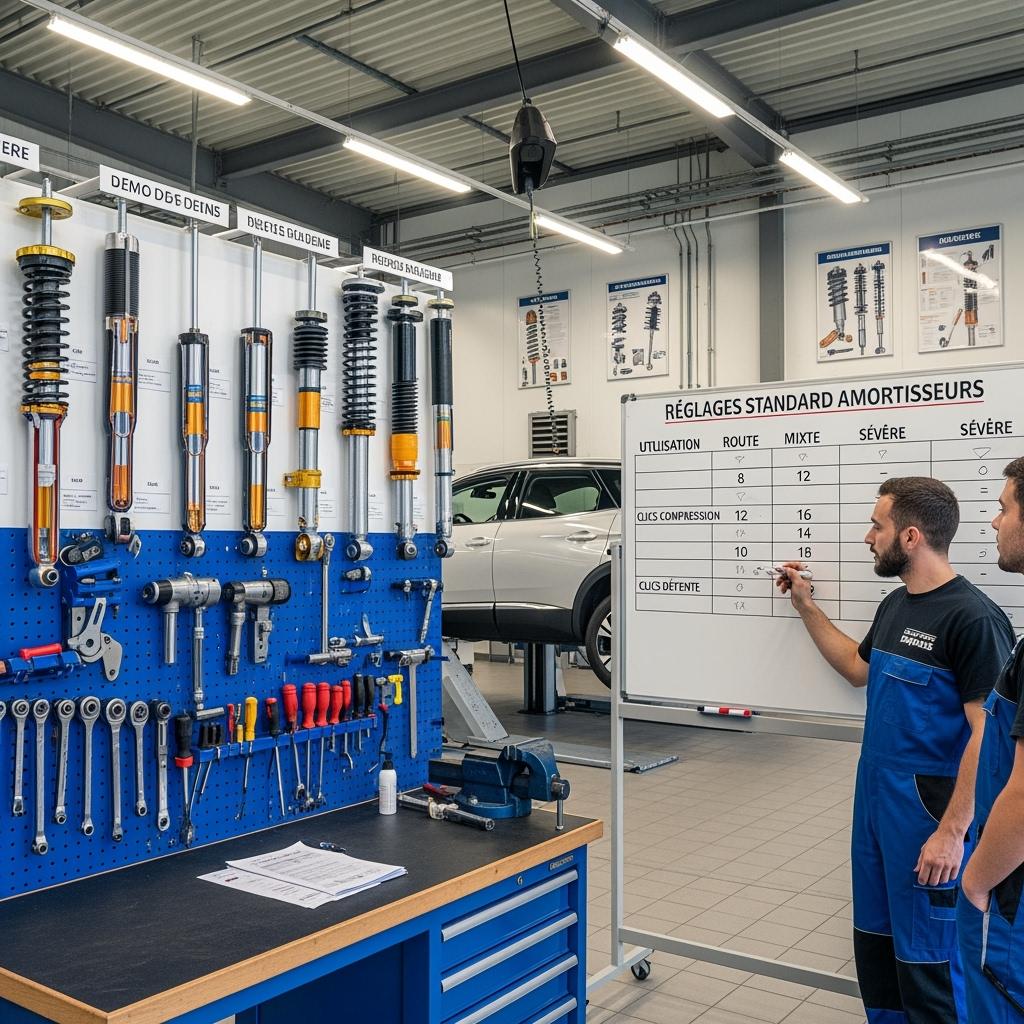
Dealers win on availability and guidance. Standardize SKUs around platform families (e.g., Defender 110 diesel vs. petrol, coil vs. air), offer three spec levels (road-biased, mixed-use, severe duty), and keep a small pool of reservoirs and mounting kits. For France, plan pre-season stock increases for Alpine regions and coastal corrosion-resistant hardware for Atlantic departments. Negotiate lead-time buffers, RMA procedures, and demo kits so your sales team can let customers “feel” the difference on a short loop.
For smoother replenishment, share rolling forecasts and VIN mix monthly. The best wholesale programs include training for fitment do’s and don’ts, a hotline for clicker setup, and templated install checklists your technicians can attach to invoices.
French Case Studies: Defender Fleets Using Adjustable Suspension
A municipal search-and-rescue unit in the Alps retrofitted adjustable monotubes with remote reservoirs on Defender 110s. Starting from mid-click settings, they logged overheating on extended summer descents. Switching to a higher-volume reservoir and adding two clicks of low-speed compression stabilized pitch and cut driver fatigue. Their dossier—photos, alignment sheets, click logs—made later inspections straightforward.
A forestry contractor in the Landes mixed paved transfers with deep sand. They found most of the improvement by softening rear rebound two clicks to keep traction over small chatter, then adding one click of front compression to curb brake dive when loaded with tools. Keeping a laminated “summer vs. winter” setup card in each truck reduced guesswork during shift changes.
Warranty and After-Sales Support for SUV Suspension in French Market
Warranty strength is equal parts product and process. Keep purchase invoices, install reports, alignment sheets, and photos of the vehicle at ride height with accessories mounted. Note the click settings at delivery and again at each service interval. In France, expect support to ask for a short test log and photos of any leaks or impact damage—this protects you and speeds decisions.
To avoid common snags:
- Retorque suspension fasteners after the first 200–500 km and record it on the work order.
- Replace worn bushings proactively when you see off-center wear patterns in tires.
- If adjusters feel inconsistent, stop and request guidance; forcing a stuck clicker can void coverage.
A clear after-sales path—diagnosis call, return sample, bench test, rebuild or replace—keeps fleets rolling and private owners confident. Routine service kits and scheduled rebuilds for severe-duty users are worth the downtime planning.
FAQ: French Industry Standards for Adjustable Shock Absorbers in SUVs
Do adjustable shocks need special approval under French Industry Standards for Adjustable Shock Absorbers in SUVs?
Most shock upgrades fall under general roadworthiness rules. Keep documentation and ensure geometry, braking, and lighting remain compliant. For major conversions, consult DREAL.
How do I set baseline clicks that respect French Industry Standards for Adjustable Shock Absorbers in SUVs?
Start mid-range on all adjusters, road test, then change one axis at a time in small steps. Record settings in the vehicle file to maintain traceability.
Are remote reservoirs necessary to meet French Industry Standards for Adjustable Shock Absorbers in SUVs?
They are not legally required but often essential for heat management on long Alpine descents or heavy-duty use, improving safety and consistency.
What materials or coatings help in French coastal regions under these standards?
Hard anodizing, e-coat, and stainless hardware resist salt. Regular washing and anti-seize on fasteners extend service life and help with inspections.
Can fleets mix adjustable shock brands and still follow French Industry Standards for Adjustable Shock Absorbers in SUVs?
Yes, but standardizing simplifies support and documentation. Use pilot tests and keep unified checklists regardless of brand.
How often should adjustable shocks be serviced in severe French duty cycles?
Inspect after each hard trip and plan rebuilds based on hours or seasons. Severe duty shortens intervals; keep logs for warranty and safety reviews.
Last updated: 2025-10-31
Changelog:
- Added fleet decision matrix and compliance notes tailored to French documentation practices.
- Expanded Alpine/forest test protocol with acceptance signals and setup tips.
- Included manufacturer spotlight and factory link for custom shock programs.
- Clarified warranty documentation and retorque intervals for French workshops.
Next review date & triggers - 2026-04-30 or sooner if UTAC/DREAL guidance changes, major vehicle platform updates, or new G·SAI product lines launch.
Ready to spec your SUV or fleet to French standards? Share your vehicle list, payloads, and terrain mix—G·SAI will propose clicker baselines, lead times, and a custom quote or demo set.
Bold internal links used in this article:
- Learn about G·SAI’s approach in the G·SAI company profile.
- Start a specification or request samples on the contact our suspension specialists page.
- See how precision is built in at G·SAI’s CNC-equipped shock absorber factory.
منشور ذات صلة
-
Wholesale Supply of Off-Road Suspension Kits for Silverado in Saudi Arabia
Saudi Arabia’s dunes, wadis, and long-haul highways demand suspension kits that combine heat resistance, payload control, and precise wheel travel. If you’re sourcing at scale, the most reliable path is a wholesale supply of Off-Road Suspension Kits for Silverado in Saudi Arabia, configured for local terrain and fleet duty cycles. If you’re planning a fleet…
-
German B2B Buyers’ Guide for Off-Road Isuzu D-Max Components
Sourcing off-road parts for the Isuzu D-Max in Germany demands a balance of technical fit, durability for mixed terrains, and dependable supply. This German B2B Buyers’ Guide for Off-Road Isuzu D-Max Components gives procurement teams and fleet managers a clear path from specification to delivery, with model-by-model compatibility, material guidance, and wholesale best practices. If…