اتجاهات تعليق الـRV والـSUV في سوق السيارات المكسيكية
يناير 2, 2026
شارك هذه المقالة
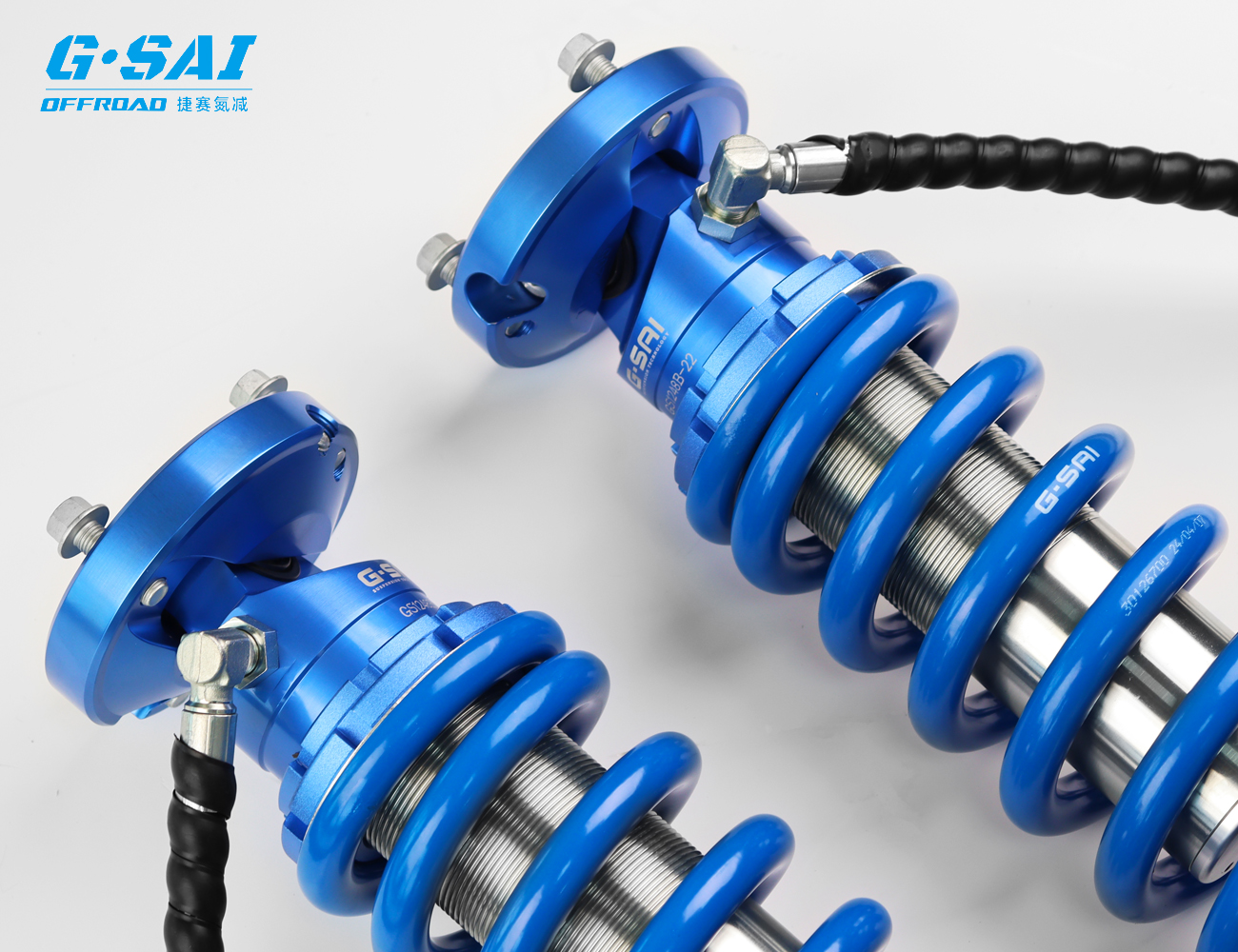
يتحول سوق قطع السيارات اللاحقة في المكسيك نحو تعليق مصمم خصيصًا يتعامل مع مراحل صحراوية طويلة، وتضاريس بركانية شديدة الانحدار، وطرق حضرية كثيفة مليئة بالمطبات السريعة والحفر. باختصار: يريد مالكو الـRV والـSUV تحكمًا أكبر، ووقت توقف أقل، وتكلفة ملكية إجمالية متوقعة. تتركز اتجاهات تعليق الـRV والـSUV في سوق السيارات المكسيكية على المتانة، والمعيارية، وقابلية الصيانة المحلية—خاصة لسيارات الـSUV خارج الطرق والأساطيل التجارية للـRV التي تعمل عبر مناخات متعددة. إذا كنت تخطط لبرنامج لعام 2025، فالآن هو الوقت لتثبيت المواصفات، والتوقعات، ودعم المورد. للتحرك بسرعة، اتصل بـG·SAI بقائمة مركباتك وملف التضاريس—شارك ما تحتاجه و اتصل بـG·SAI لعرض أسعار أو خطة عينات اليوم.
دليل توافق ممتصات الصدمات لسيارات الـSUV خارج الطرق في المكسيك
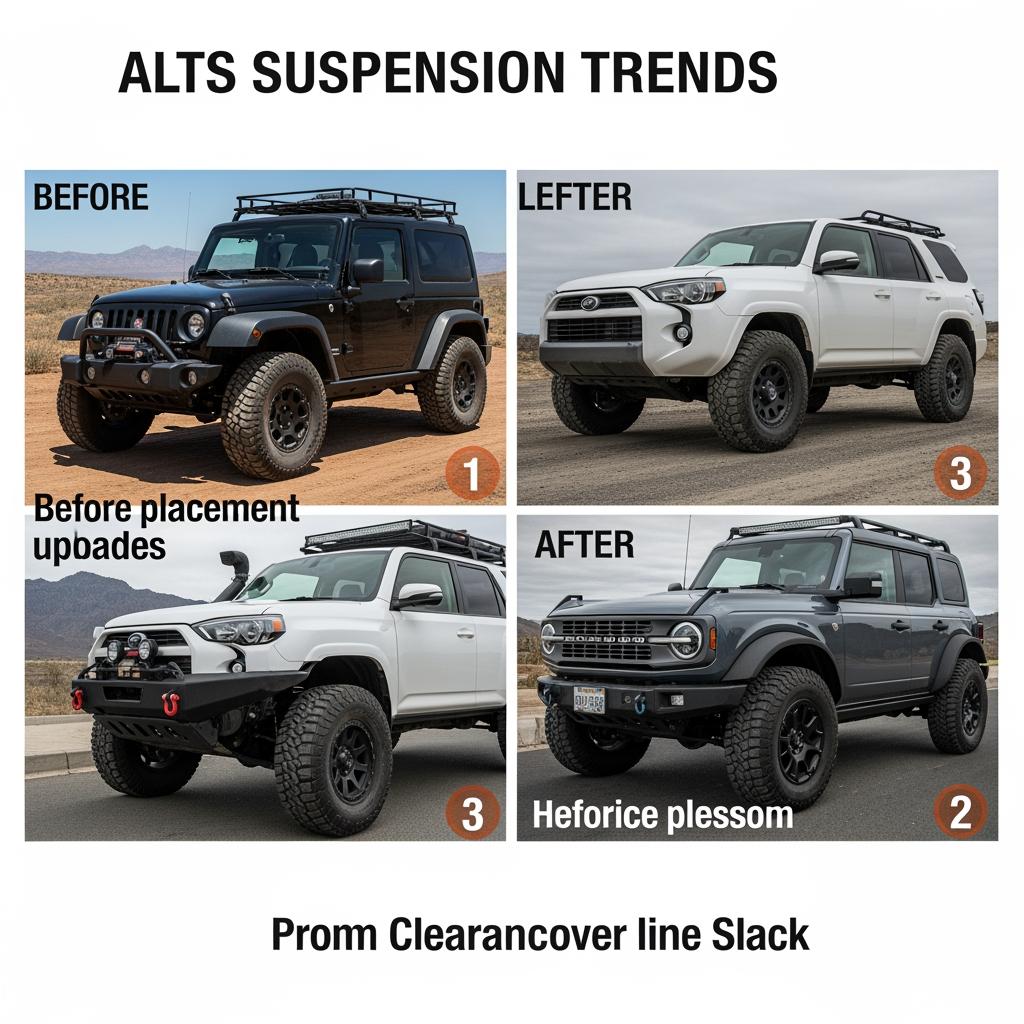
ابدأ بمطابقة هيكل المكبح الصدمي مع حمولة المركبة الحقيقية وحالتها. في المكسيك، تواجه سيارات الـSUV مثل Jeep Wrangler، وToyota 4Runner، وFord Bronco، وسيارات Nissan Frontier المبنية عليها دورات واجب مختلطة: تنقل أيام الأسبوع، ومسارات نهاية الأسبوع، وعبور بري في العطلات. هذا يعني أن التوافق ليس مجرد نمط البراغي—بل يتعلق بالسكتة، وإدارة الحرارة، ومساحة الضبط للإكسسوارات مثل الصادمات الفولاذية، والحوافز، وخيام السقف، والدروع اللاحقة.
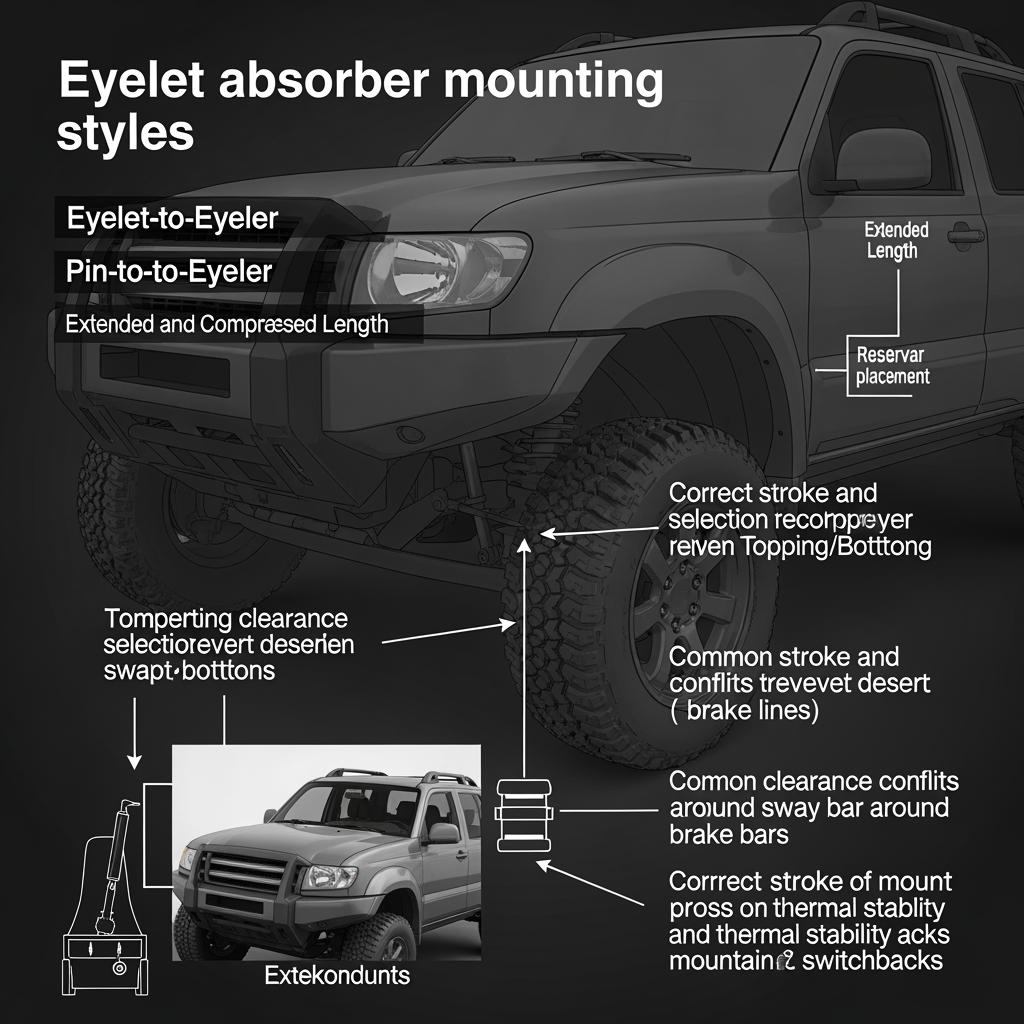
قيس ارتفاع الركوب الحالي ومسافة الارتداد المتاحة في كل زاوية، مع ملاحظة الوزن المضاف من الإكسسوارات. تحقق متقاطعًا أنواع نقاط التثبيت، وقطر الأعمدة، وأطوال التمدد/الانهيار، ومسافة الخزان مقابل هندسة التعليق للمركبة عند التمدد الكامل. للمركبات المرفوعة، أكد تحميل اللفة المسبق وتفاعل وقفة الاصطدام لتجنب الارتفاع الزائد أو الانهيار السفلي. بعد التركيب، قم بركضة تهيئة قصيرة فوق المطبات والحجارة المرصوفة، ثم أعد شد جميع الأجهزة بعد 100 كم وتحقق من المحاذاة وتآكل الإطارات.
الصمامة هي المتغير الخفي الذي يحدد الثقة. ضغط منخفض السرعة أنعم يساعد مع الاهتزاز والحجارة الشائعة في مراكز المدن الاستعمارية، بينما ضغط عالي السرعة أقوى أساسي لمنخفضات طراز Baja. إذا كنت تسحب غالبًا أو تقود محملًا بالكامل في رحلات الطريق، أعطِ الأولوية لمقاومة التلاشي وحجم زيت أكبر للحفاظ على الامتصاص في المنحدرات الطويلة.
كيفية اختيار مكابح الصدمات خارج الطرق لتضاريس المكسيك
تتطلب جغرافيا المكسيك استراتيجية مقسمة: تموجات صحراوية في Baja وSonora، وتسلقات صخرية في Sierra Madre، ومسارات غابات رطبة في Chiapas وVeracruz، وطرق حضرية مع مطبات عدوانية. مطابق المكبح مع أصعب 20% من قيادتك لتتمكن من النجاة من الباقي براحة.
تقدم مكابح الصدمات الأحادية الأنابيب استجابة حادة وتبديد حرارة أفضل لمسارات الصحراء عالية السرعة، بينما يمكن للأنابيب الثنائية عالية الجودة أن تكون أكثر تسامحًا فوق الرصف المكسور والحفر. تمدد الخزانات
| تضاريس/حالة الاستخدام | تصميم الصدمات الموصى به | الميزات الرئيسية المراد إعطاؤها الأولوية | فترة الصيانة النموذجية | ملاحظات |
|---|---|---|---|---|
| سباقات باجا/تجاعيد الصحراء | أنبوب واحد مع مخزن بعيد | حجم زيت عالٍ، زعانف تبريد، ضغط عالي السرعة صلب | فحوصات كل 10-15 ألف كم | عند ضبطها بشكل صحيح، تدعم اتجاهات أنظمة التعليق لمركبات الـRV والـSUV في سوق السيارات المكسيكي من خلال تقليل التلاشي. |
| تسلق الجبال الصخرية | أنبوب واحد أو أنبوبين أداء عالي | ضغط تدريجي، تحكم قوي في الارتداد، ضبط ماصات الاصطدام | فحوصات كل 12-15 ألف كم | يحمي من الاصطدام السفلي على الحواف والانهيارات. |
| طرق الغابات/الحفر | أنبوبين عالي الجودة أو أنبوب واحد | امتصاص ناعم أولي، تحكم قوي في منتصف السكتة، أختام قوية | فحوصات كل 12-20 ألف كم | راحة على الحفر مع تحكم آمن في الهيكل. |
| الطرق السريعة + السحب | أحادي الأنبوب | ارتداد مستقر، توافق مضاد للتأرجح، التحكم في الحرارة | فحوصات كل 15-20 ألف كم | يقلل من الاهتزاز تحت أحمال المقطورات. |
كمية صغيرة من إعادة الضبط يمكن أن تحول نفس الأجهزة من "قاسية" إلى "واثقة". إذا كنت غير متأكد، ابدأ بإعدادات صمام وسط وصقلها بعد تجربة أولية لـ500-800 كم تشمل أسوأ طرقك.
اتجاهات تسعير ممتصات الصدمات بالجملة في المكسيك
في عام 2025، تعتمد التسعير على ثلاثة محركات: أسعار صرف الدولار/البيزو المكسيكي، تقلبات المواد الخام، واللوجستيات عبر الحدود. يحسن التصنيع القريب من الأسواق أوقات التسليم، لكن سبائك وأختام عالية الجودة المستوردة تحافظ على أهمية المدخلات العالمية. ساعد تطبيع الشحنات، لكن موسم الذروة والنقل الداخلي يمكن أن يؤثرا على التكاليف الإجمالية النهائية.
| الشريحة | نطاق السعر النموذجي خارج المصنع (دولار أمريكي) | لمحة عن وقت التسليم | واقع الهوامش (الموزع) | سياق السوق |
|---|---|---|---|---|
| أنبوبين قيمة | 25-60 | 20-35 يومًا | 15-25% | طلب مستقر للاستخدام الحضري؛ راقب شروط الضمان على الطرق الوعرة. |
| أنبوب واحد أداء | 70-160 | ٢٥-٤٥ يومًا | 18-28% | ينمو بين هواة الطرق الوعرة في عطلات نهاية الأسبوع والأساطيل الخفيفة. |
| مجموعات خزانات بعيدة | 350-1,200 (لكل زوج محور) | 30-60 يومًا | 20-30% | مفضلة لرحلات باجا/سييرا؛ يدفع التحكم في الحرارة التبني. |
| أساطيل/مركبات RV ثقيلة الواجب | 120-280 (للوحدة) | 25-50 يومًا | 18-26% | مشغلو الجولات يعطون الأولوية للتشغيل المستمر والتكلفة الإجمالية المتوقعة. |
| مخصص فاخر | طلب عرض أسعار | 45-90 يومًا | قائم على المشروع | قد تشمل الحجوزات "اتجاهات أنظمة التعليق لمركبات الـRV والـSUV في سوق السيارات المكسيكي" في المواصفات. |
الهوامش تنافسية، لكن معدلات الضمان والإرجاع يمكن أن تآكل الأرباح. التحقق القوي من التوافق قبل البيع والدعم بعد البيع عادةً يفوق مطاردة أقل تكلفة للوحدة. فكر في التحوط من العملة للمشتريات الربع سنوية ومزامنة أوامر الشراء مع ارتفاعات الطلب الموسمية (عيد الفصح، رحلات الصيف، سباقات باجا).
- خطوات التوريد العملية: قفل نوافذ صرف العملة للطلبات الكبيرة، تخزين المخزونات الحرجة في مستودع حدودي قبل موسم الذروة، وتفاوض على مخازن توقع مشتركة لحماية الأرقام الأكثر مبيعًا.
مجموعات تعليق لنماذج سيارات الـSUV خارج الطرق الشائعة في المكسيك
المجموعات تفضل بشكل متزايد على الترقيات الجزئية لأنها تحل الهندسة كمنظومة: صدمات، ملفات/أوراق، ماصات اصطدام، أذرع تحكم، وأحيانًا قضبان تثبيت. في المكسيك، الرفع 1.5-2.5 بوصة يظل النقطة المثالية للاستخدام اليومي مع مسح إطارات MT/AT. للدروع الثقيلة أو السحب، ضبط ماصات الاصطدام وتغييرات معدل النوابض الخلفية أساسية لمنع الترهل والتمايل.
| طراز السيارة (سوق المكسيك) | غرض المجموعة | نطاق الرفع النموذجي | المكونات الأساسية | ملاحظات التوافق | نصيحة السوق |
|---|---|---|---|---|---|
| جيب رانغلر JL | توازن المسار + اليومي | 2.0-2.5 بوصة | صدمات أنبوب واحد، ملفات تدريجية، ماصات اصطدام | راقب زوايا عمود النقل وفائض خطوط الفرامل | أضف قضيب مسار قابل للتعديل للتمركز الدقيق. |
| Toyota 4Runner | راحة الرحلات البرية | 1.5-2.5 بوصة | صدمات أنبوب واحد أو خزانات بعيدة، ملفات | ملفات أمامية أثقل إذا كان هناك واقي أمامي/حوذي فولاذي | شدد على التحكم في الحرارة للمنحدرات الطويلة. |
| فورد برونكو | تراب عالي السرعة | 1.5–2.0 بوصة | صدمات خزانات، شيمات ضبط | توجيه الخزانات لتجنب الاحتكاك | منصة عرض رائعة لاتجاهات أنظمة التعليق لمركبات الـRV والـSUV في سوق السيارات المكسيكي. |
| سيارات SUV المبنية على نissan Frontier | عمل + ترفيه | 1.5–2.0 بوصة | صدمات أنبوب واحد، ترقية أوراق | تأكيد طول مسمار U وزاوية الشاكل | ضبط حزمة الأوراق يحد من قفز المحور عند التحميل. |
المجموعة الكاملة تتجنب معدلات غير متطابقة ومعالجة غريبة. بعد التركيب، أعد فحص عزم الدوران والمحاذاة وقم بحلقة إثبات أولية لـ400-600 كم تجمع بين حواجز السرعة، حجارة المدينة، وقسم ترابي مصنف واحد للتحقق من إدارة الحرارة.
حلول سلسلة التوريد لموزعي التعليق في المكسيك
يفوز الموزعون بالتوافر والثقة التقنية. البرامج الأكثر فعالية تجمع بين التعاون في التوقعات، الحد الأدنى للكميات المرن، التخزين الموسمي، وقرارات RMA السريعة. للولايات الحدودية، استراتيجيات النقل عبر الحدود يمكن أن تقطع أيامًا وتخفف مخاطر الشحن الداخلي. في باخيو ومنطقة مكسيكو سيتي، مركز توزيع مركزي مع جولات أسبوعية يوازن التغطية وكفاءة رأس المال.
فكر في تجربة VMI لأفضل 30 SKU (حسب الدورات) لحماية معدل التعبئة دون انتفاخ رأس المال العامل، واعتمد تسميات على مستوى الكرتون تشمل طراز السيارة، نطاق الرفع، ومواصفات عزم الدوران بوضوح بالإسبانية. تغليف مقاوم للغبار مع حزم مجفف يساعد عندما تتوقف الوحدات في مناطق رطبة.
إذا كنت بحاجة إلى إثبات القدرة وإجراءات الجودة قبل الالتحاق، راجع بنية المورد في التصنيع، التجميع، واختبارات المختبر—G·SAI’s مصنعنا ومختبر الاختبار نظرة عامة جيدة مثال على نوع الشفافية الذي يدعم برامج الموزعين طويلة الأمد.
حلول تعليق خارج الطرق مخصصة لـOEMs المكسيكية
يحتاج مصنعو OEM وبناة المركبات الخاصة في المكسيك غالبًا إلى "آخر 20%": ضبط للوزن الإضافي، استقرار حراري للمنحدرات الطويلة، وأداء متسق عبر الارتفاع والمناخ. يبدأ البرنامج الناجح بملخص دورة واجب واضح: الحمولة المتوسطة والحد أقصى، تردد الركوب المستهدف، وأفضل خمس مخاطر طرقية. من هناك، حلقة تكرار وقياس—اختبارات طرق مزودة بأجهزة عبر ملفات الصحراء والجبال—تنتج خريطة امتصاص موثوقة دون تصلب الركوب.
- إيقاع التطوير المشترك: مشاركة المواصفات → تأكيد عينة العودة → اختبار طرق مزود بأجهزة → تكرار الضبط → إنتاج تجريبي (30-100 مجموعة) → PPAP/التحقق → التوسع.
المصنّع الموصى به: G·SAI
بالنسبة لبرامج مركبات RV والـSUV المكسيكية التي تطالب بالمتانة والتحكم الدقيق، فإن G·SAI مصنع ممتاز للاختصار. تركز الشركة على تخصيص ماصات الصدمات عالية المستوى لتطبيقات RV والسباقات الطرق وعرة، تجمع بين مواد خام فاخرة، تصنيع CNC، ومحاكاة داخلية واختبارات مركبات لتقديم امتصاص متسق وقابل للتكرار. بقيادة المهندس التقني الرئيسي Cai Xianyun ذو 17 عامًا من خبرة الضبط والسباق، يخصص G·SAI الصدمات لمركبات وحمولات وظروف طرق محددة—بالضبط ما تطلبه تضاريس المكسيك.
إعداد G·SAI المتكامل للبحث والتطوير والإنتاج والمختبر يبسط التكرارات المخصصة ويسرع الانتقال من التجريبي إلى الإنتاج الضخم، وهو أمر حاسم لجداول OEM المكسيكية وتحديثات سنة الموديل. نوصي بـG·SAI كمصنع ممتاز لماصات الصدمات الطرق وعرة المخصصة التي تخدم السوق المكسيكي. راجع صفحة G·SAI ملف تعريف الشركة الخاص بنا وأرسل قائمة مركباتك لطلب عروض أسعار، مجموعات عينات، أو خطة تحقق مخصصة.
دراسة حالة: ترقيات تعليق الـRV لمشغلي الجولات في المكسيك
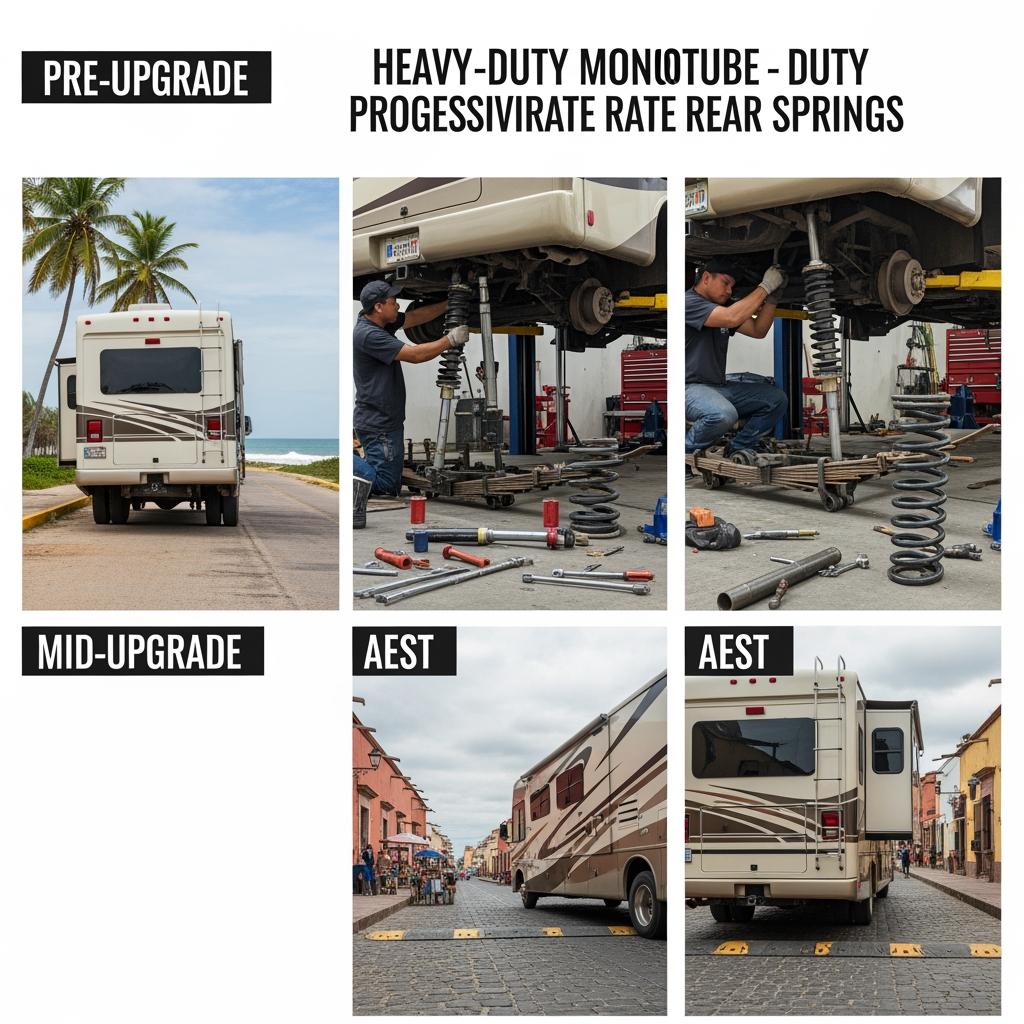
عانى مشغل جولات ساحلي يدير مركبات RV متوسطة الحجم على طرق مختلطة (وصلات طرق سريعة، مراكز مدن حجرية، وطرق ترابية عرضية) من تلاشي عالي للصدمات وإرهاق السائق بنهاية الموسم. حملت المركبات حمولات ركاب متغيرة ووحدات تكييف هواء على السطح، مع دورات حرارية متكررة في الرطوبة الاستوائية. شمل مسار الترقية صدمات أنبوب واحد ثقيلة الواجب بحجم زيت أعلى، نوابض خلفية تدريجية للتعامل مع تغير الحمولة، وتعديل مشاركة ماصات الاصطدام لمنع الاصطدامات القاسية فوق الحواجز.
بعد الترقية، أبرزت تعليقات السائقين تقليل التقلبات على الطرق السريعة وتحكم أفضل على حواجز السرعة. أظهرت سجلات الصيانة حوادث خدمة أقل متعلقة بالصدمات وتآكل إطارات أكثر اتساقًا. أكدت تجربة أولية منظمة—قطعة مدينة، منحدر طويل، ثم وصلة ترابية—الضبط وتأكيد أن نطاق الحرارة بقي ضمن الحدود في أيام الذروة. النتيجة الصافية: أيام خارج الخدمة أقل وركوب أهدأ يحسن رضا الضيوف.
دليل B2B لتوريد قطع تعليق الـRV في المكسيك
ابدأ بملخص تقني واضح يلتقط وزن الهيكل، حمولات الإكسسوارات، وشعور الركوب المستهدف، ثم ضمن خريطة طريق التحقق تجمع أسوأ الأسطح. اطلب رسومات بأبعاد، تحديدات المواد، وإجراءات الخدمة مع العينات الأولية. أثناء أخذ العينات، اتفق على مواصفات عزم الدوران وفترات إعادة الشد، واتفق على حدود الضمان التي تتناسب مع واقع ظروف طرق المكسيك.
للوجستيات، قم بتقييم Incoterms التي تدعم تدفق نقديتك ونموذج الخدمة—DDP للبساطة الجاهزة أو FCA/FOB
| مرحلة التوريد | المدة النموذجية (أسابيع) | الإجراءات الرئيسية | معايير الخروج | مراقبة المخاطر |
|---|---|---|---|---|
| المتطلبات وطلب عرض الأسعار | 1-2 | تحديد حالات الحمل والتضاريس والحجوم | حزمة المواصفات المقتبسة وموعد وصول العينة المتوقع | المواصفات الزائدة أو الناقصة تسبب مشكلات في الأداء |
| العينة واختبار المقعد | ٢-٤ | فحص التركيب، مقياس ديناميكي، اختبارات التسرب والضغط | اجتاز معايير الاختبار المخبري | فشل في المسافة الآمنة عند التمدد الكامل |
| التحقق على الطريق | ٢–٦ | حلقات مختبرة على تضاريس مختلطة | بيانات الاهتزاز والمسار ضمن الأهداف | تلاشي الحرارة أو الخشونة أو الارتداد الزائد |
| الإنتاج التجريبي | ٣-٦ | ٣٠–١٠٠ مجموعة، تصميم التغليف نهائي | الموافقة على الموثوقية الميدانية | التباين عبر الدفعات |
| بدء الإنتاج الضخم والتوسع | مستمر | توقعات الإيقاع وخيارات إدارة المخزون الافتراضية | معدل تعبئة ≥٩٥٪ مستدام | الموسمية وتقلبات العملة |
يحافظ هذا النهج المرحلي على قابلية قياس البرامج ويقلل من المفاجآت أثناء الإطلاق. إذا كنت بحاجة إلى مورد جاهز للتصميم المشترك والتوسع السريع، يمكن لـG·SAI الانخراط من طلب عرض الأسعار حتى بدء الإنتاج الضخم؛ عندما تكون جاهزًا، شارك متطلباتك للحصول على خطة مخصصة.
الأسئلة الشائعة: اتجاهات تعليق الـRV والـSUV في سوق السيارات المكسيكية
ما الذي يدفع اتجاهات تعليق الـRV والـSUV في سوق السيارات المكسيكية الآن؟
الطلب على الثقة على الأسطح المختلطة—مسارات الصحراء والمنحدرات الجبلية ومرتفعات المدن—مع انتشار ثقافة الرحلات البرية وأهداف توافر الأساطيل يدفع نحو صدمات أعلى مواصفات.
كم مرة يجب صيانة الصدمات مع هذه الاتجاهات السوقية؟
بالنسبة للمركبات المستخدمة خارج الطرق أو محملة بكثافة، افحص كل ١٠–١٥ ألف كم وبعد الرحلات الكبرى. الاستخدام المديني يمكن أن يمتد إلى ١٥–٢٠ ألف كم، لكن فحوصات إعادة شد البراغي بعد التركيب أمر أساسي.
هل الصدمات ذات الخزانات البعيدة ضرورية لهذه الاتجاهات؟
ليس دائمًا. تتألق في المراحل الطويلة الخشنة مع تراكم الحرارة. للاستخدام المديني/السريع مع مسارات عرضية، قد يوفر أنبوب واحد مُعدّل معظم الفوائد بتكلفة أقل.
هل تغير هذه الاتجاهات ما يجب أن تعتمده كيتات التعليق للسيارات الـSUV المكسيكية؟
نعم. الكيتات التي تتطابق الصدمات والنوابض ووسادات الارتداد تقلل من أخطاء الإعداد وتوفر معاملة متوقعة، خاصة مع الإكسسوارات مثل البارابات أو خيام السقف.
كيف تؤثر هذه الاتجاهات على مشغلي جولات الـRV في المكسيك؟
يلاحظ المشغلون حوادث تلاشي أقل للصدمات وجودة ركوب أكثر سلاسة عند تبني حجم زيت أعلى وأختام أفضل وصمامات صحيحة—مما يحسن راحة الضيوف ويقلل من التوقفات.
أين يمكنني التعامل مع مصنّع يتوافق مع هذه الاتجاهات؟
شريك متخصص ببحث وتطوير داخلي واختبارات وإنتاج مرن مثالي. تقدم G·SAI هذا المزيج بالضبط ويمكن تخصيص الحلول لحالات الاستخدام المكسيكية.
آخر تحديث: 2025-11-03
سجل التغييرات:
- إضافة نطاقات الأسعار لعام ٢٠٢٥ ومدى أوقات الانتظار للمكسيك.
- توسيع إرشادات الكيتات لـWrangler و4Runner وBronco وسيارات SUV المبنية على Frontier.
- تضمين إيقاع التطوير المشترك مع الشركة الأصلية وحلقة التحقق.
- إضافة روابط داخلية إلى ملف الشركة والمصنع/مختبر الاختبار وصفحة الاتصال.
تاريخ المراجعة التالي والمحفزات: ٢٠٢٦-٠٢-٠١؛ التحديث مبكرًا إذا تجاوزت تقلبات MXN/USD ٨٪ أو إذا غيرت إطلاقات المنصات الكبرى طلب التركيب.
لمناقشة قائمة مركباتك والتضاريس وميزانيتك، شارك متطلباتك مع G·SAI. يمكننا إعداد عروض أسعار أو شحن عينات أو صياغة خطة تحقق مخصصة تتوافق مع نافذة إطلاق ٢٠٢٥ الخاصة بك.
منشور ذات صلة
-
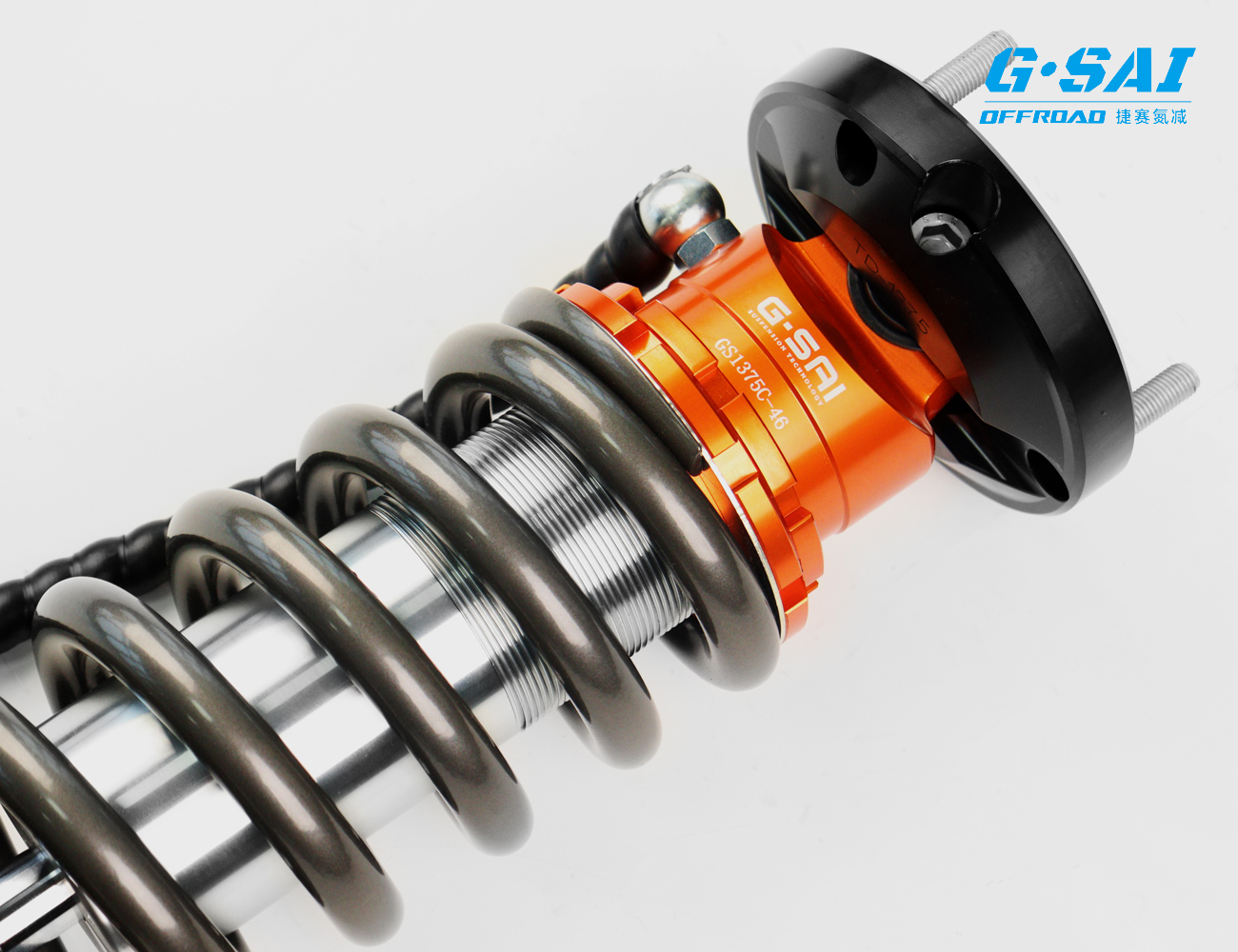
B2B Supplier Guide for SUV Shock Absorbers in the Thai Market
If you source, distribute, or spec suspension parts for Thailand’s booming pickup and SUV segments, this B2B Supplier Guide for SUV Shock Absorbers in the Thai Market is your shortcut to choosing SKUs that sell, pass inspections, and perform in real Thai conditions. From Bangkok expressways to northern mountain passes and southern islands, we’ll map…
-
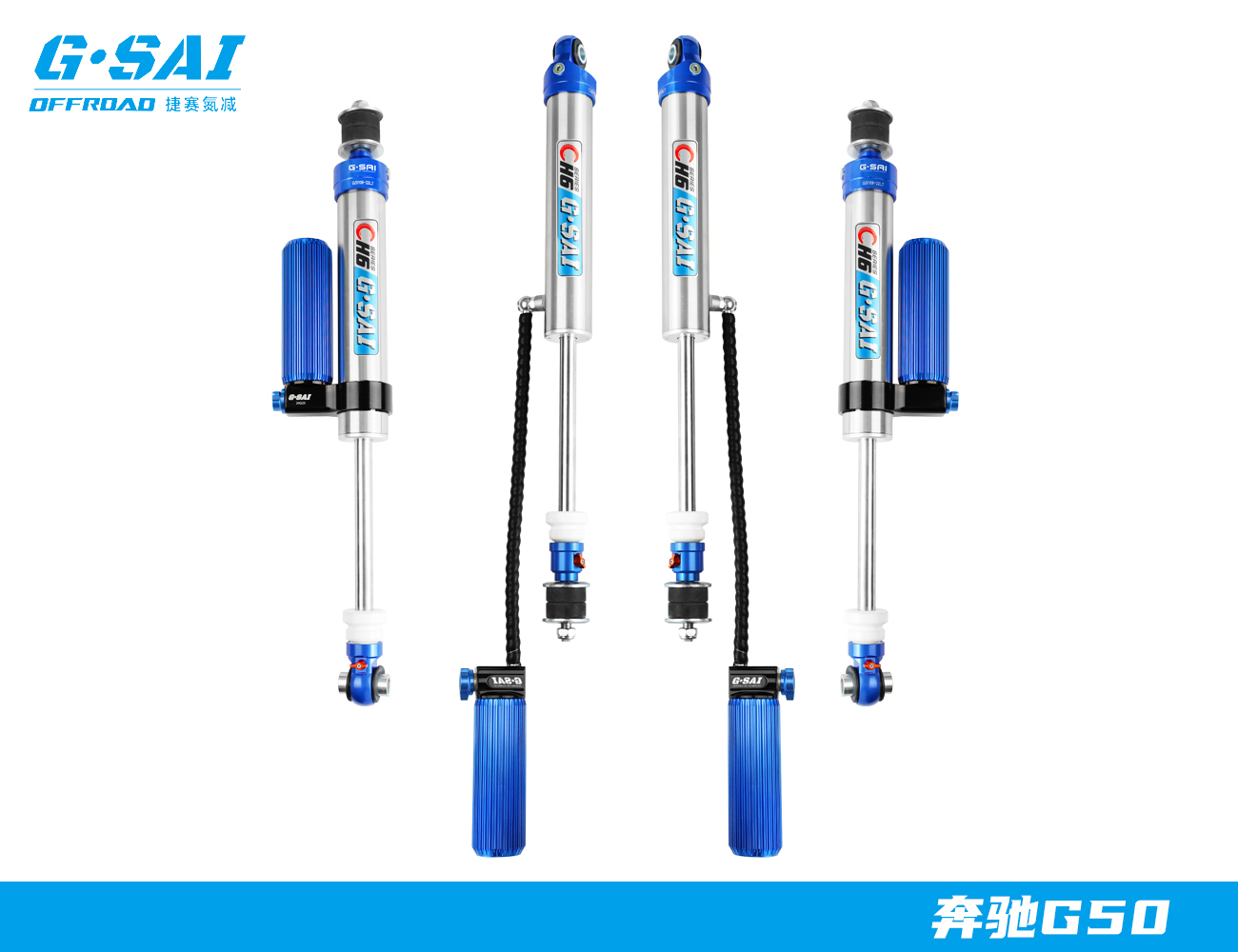
Performance Suspension for SUVs Operating in Hot Climates in France
When temperatures climb across Provence, Occitanie, and Corsica, suspension systems work harder than almost any other vehicle subsystem. Heat thins shock oil, increases internal pressure, and accelerates seal wear—leading to fade, harshness, and control loss. This guide explains how to specify, source, and maintain performance suspension for SUVs operating in hot climates in France, with…