Thailand B2B Guide to Adjustable Shocks for Utility SUVs
فبراير 2, 2026
شارك هذه المقالة
If you manage fleets or spec المركبات in Thailand, the fastest way to improve uptime and driver confidence is to match suspension to terrain. This Thailand B2B Guide to Adjustable Shocks for Utility SUVs distills what matters for island humidity, mountain switchbacks, plantation tracks, and city-flood detours—so you can select, validate, and procure with less risk. If you already have requirements, share them now and we’ll translate your duty cycle into damping specs and a costed plan; you can also contact the G·SAI team for a quote or samples via this link: share your suspension requirements.
Top Shock Absorber Features for Thai Off-Road Conditions
The takeaway: Specify adjustability that you will actually use, then back it with heat management, sealing, and serviceability. Thailand’s mix of monsoon rain, red dust, and coastal salt spray punishes shocks that aren’t built for thermal control and corrosion resistance.
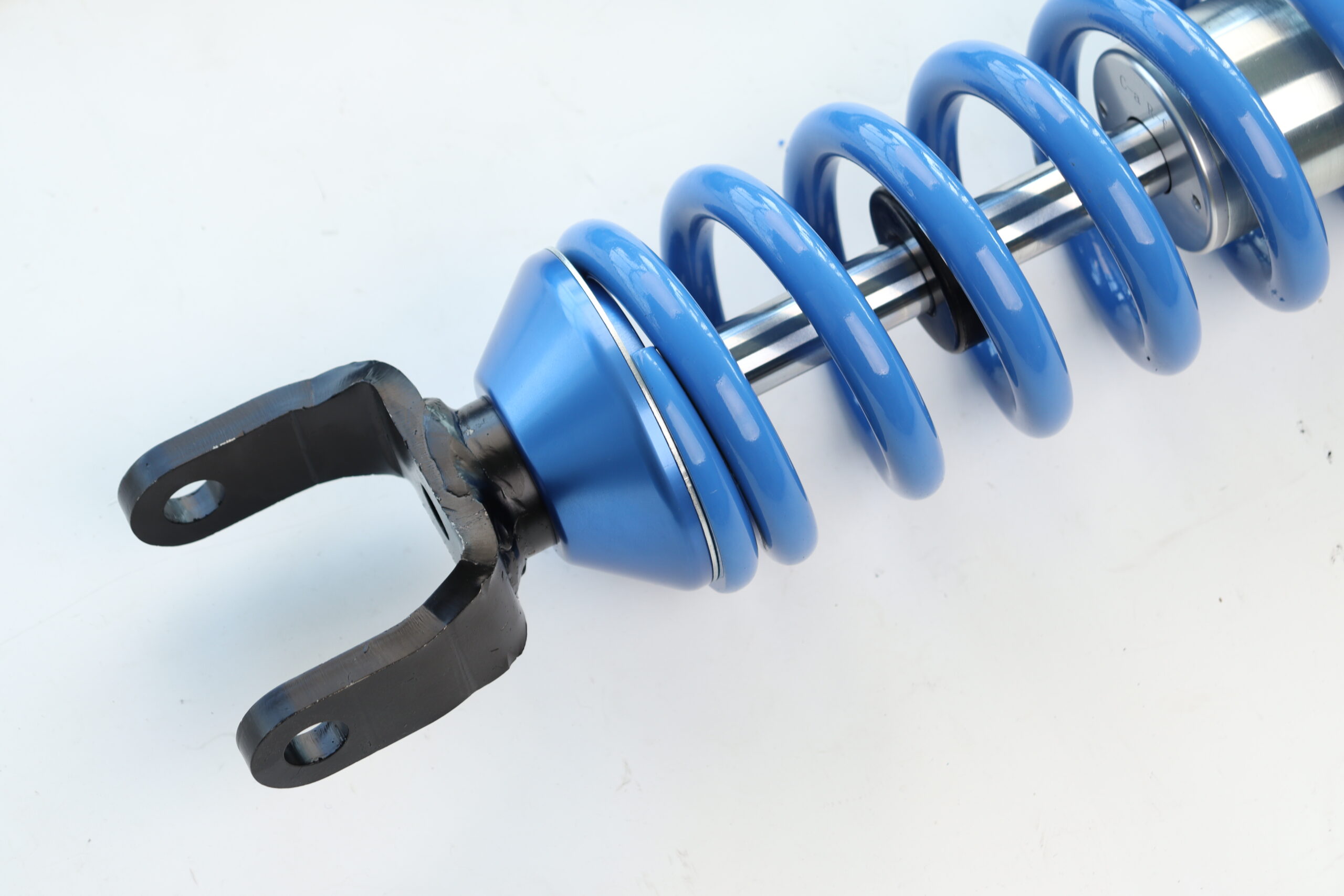
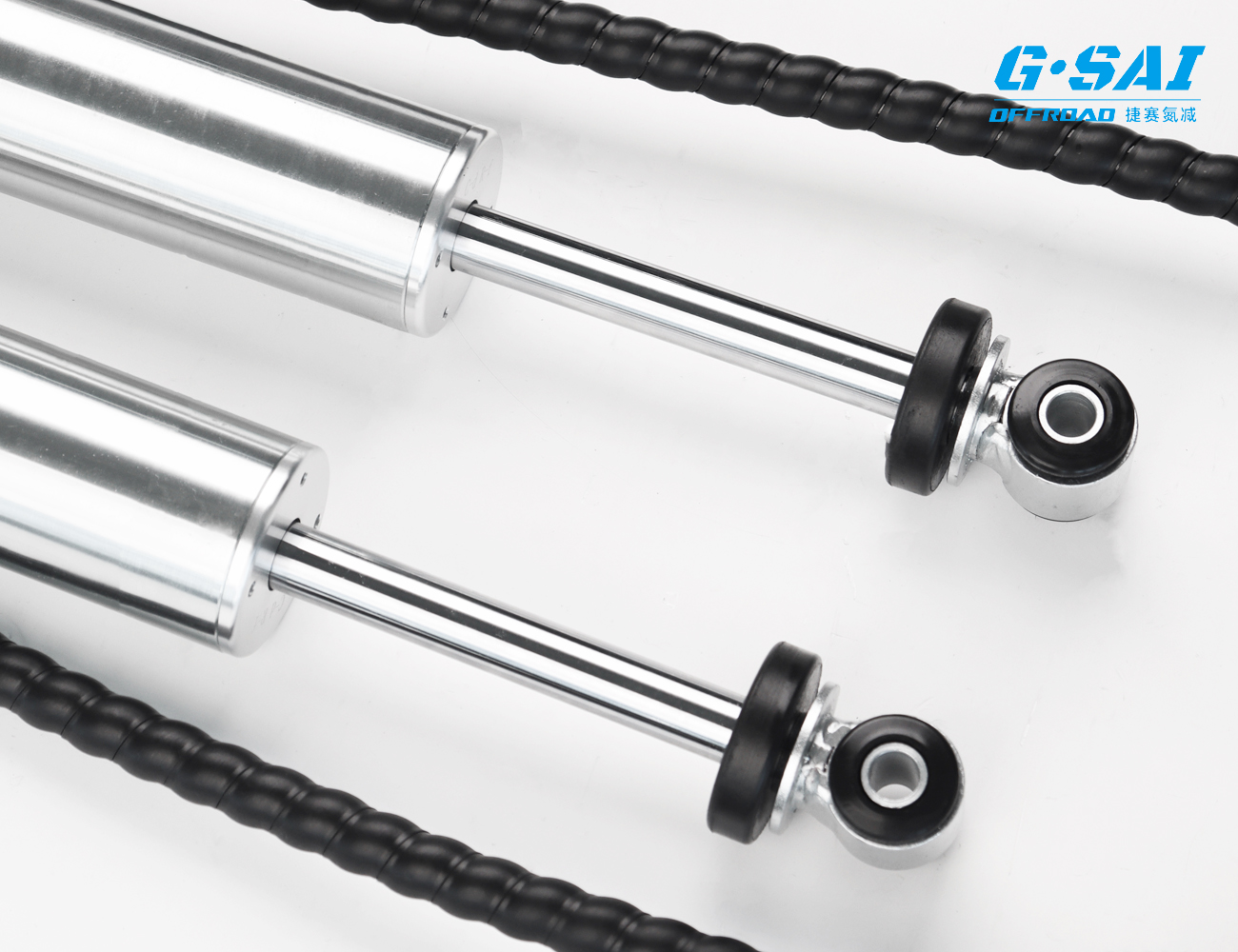
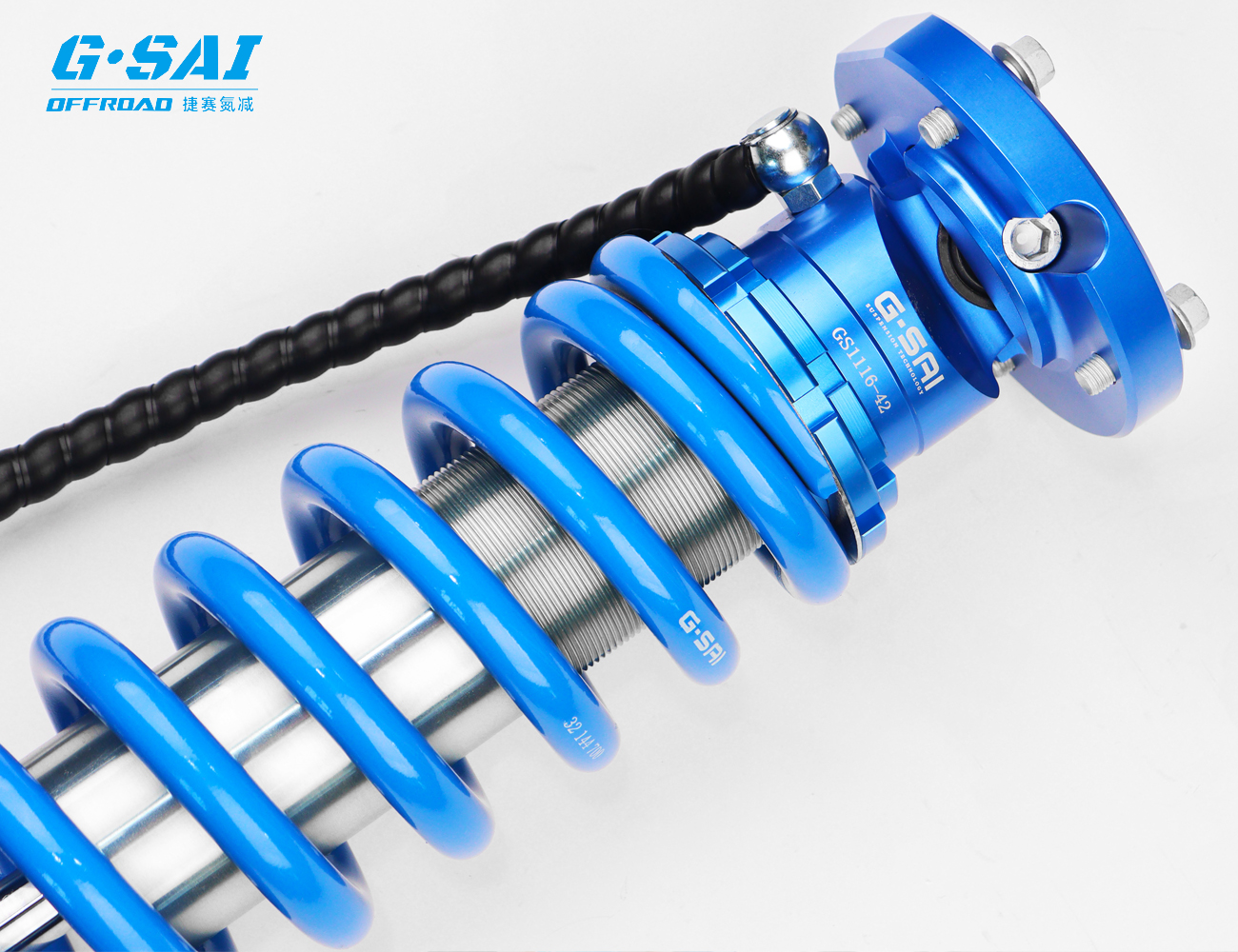
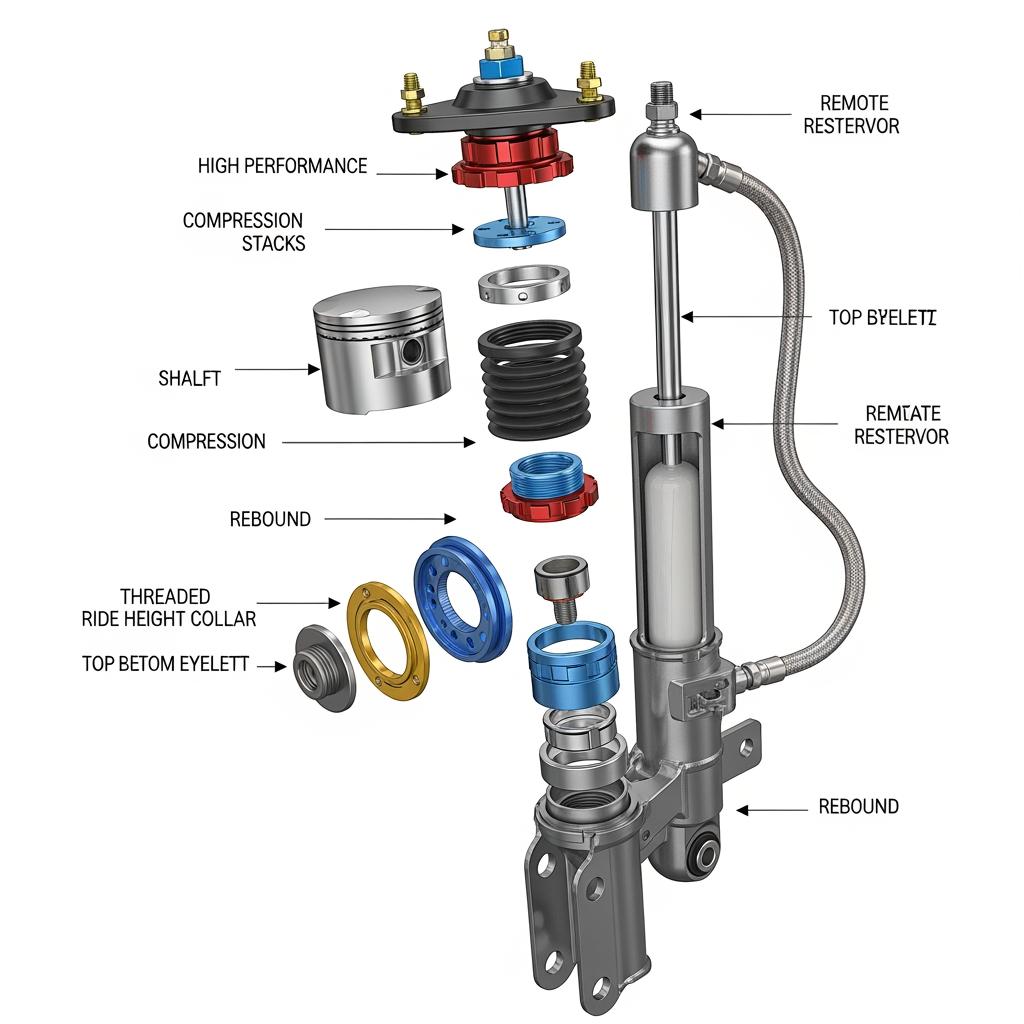
Thermally stable monotube designs with remote reservoirs shed heat more consistently than twin-tubes during sustained corrugations. Multi-stage valving (low-, mid-, and high-speed circuits) lets you tune for washboard chatter without compromising big-hit control. Look for hard-chrome or DLC piston rods, high-durometer wiper seals, and anodized aluminum or e-coated steel bodies to resist corrosion in maritime provinces. Where fleets run mixed loads, threaded ride-height adjustment and hydraulic bump stops reduce bottoming with seasonal payload swings.
| الميزة | لماذا يهم في تايلاند | ما تسأله من الموردين | التوافق الاستراتيجي |
|---|---|---|---|
| أحادي أنبوب خزان خارجي | Keeps damping consistent in 35°C ambient and slow traffic heat-soak | Piston size, nitrogen pressure range, hose abrasion protection | Good for coastal and mountain routes |
| Multi-speed compression/rebound | Tunes chatter vs. big-hit control on plantations and quarry access | Number of adjustment clicks, detents, repeatability | Crucial for mixed-use utility SUVs |
| Advanced sealing + corrosion coating | Survives monsoon water crossings and salt air | Wiper design, salt-spray hours, coating spec | Reduces service interruptions |
| Serviceable design (rebuildable) | Cuts TCO for fleets beyond 24 months | Seal kit availability, local rebuild support | Strong ROI for high-mileage fleets |
| On-vehicle adjusters | Enables field tuning per route and load | Access location, glove-friendly knobs | Aligns with Thailand B2B Guide to Adjustable Shocks for Utility SUVs |
This feature matrix helps shortlist products that stay consistent across heat, rain, and ruts. If a supplier cannot specify repeatable click-to-damping changes or sealing/coating test methods, expect drifting performance between seasons.
How Adjustable Suspension Supports SUV Terrain in Thailand
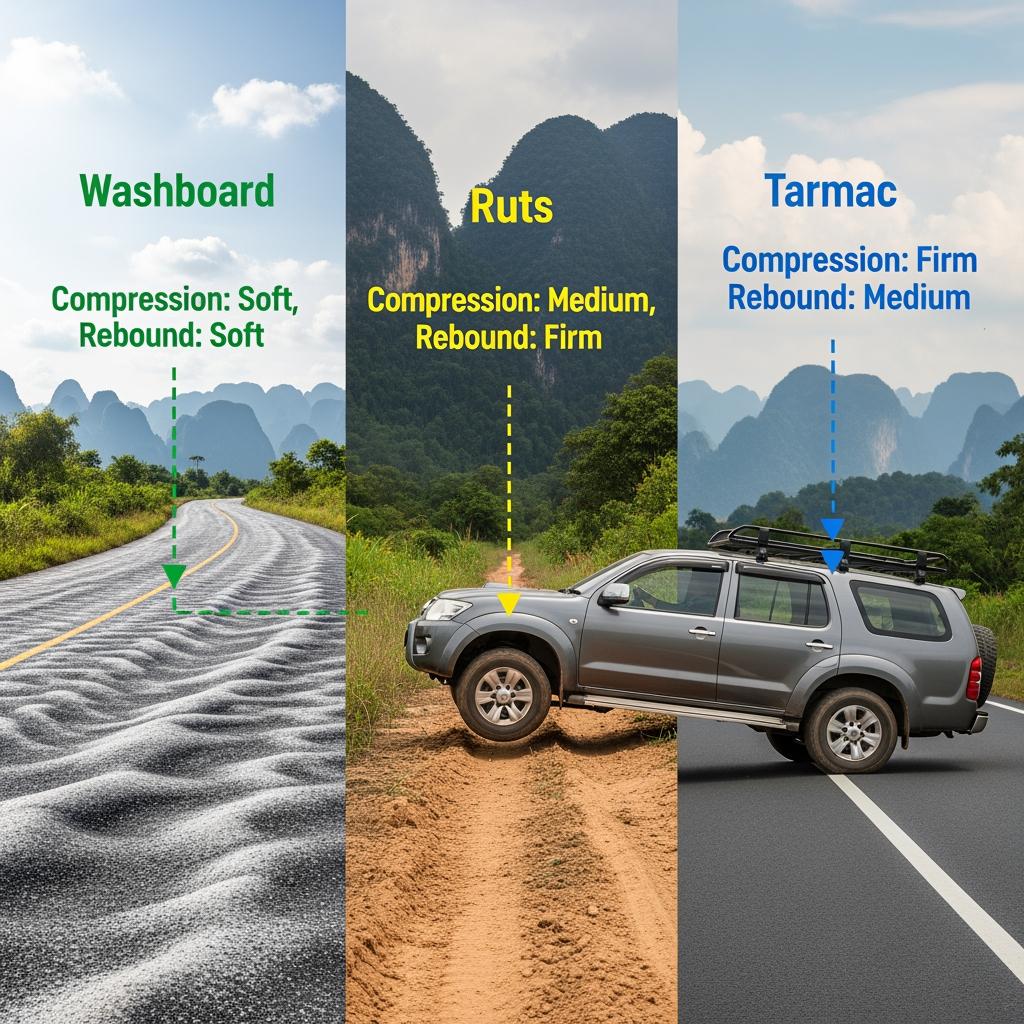
The business case for adjustability is simple: set damping where it’s needed, not just where it’s tolerable. In Chiang Mai’s steep descents, quicker rebound recovery maintains tire contact; on Surat Thani’s washboard estate roads, more low-speed compression calms body motion; during Bangkok’s flood diversions, softer initial compression preserves grip on broken asphalt.
| التضاريس/حالة الاستخدام | Compression setting (guide) | Rebound setting (guide) | Result to measure |
|---|---|---|---|
| Plantation washboard, light load | +2 low-speed, neutral high-speed | -1 from baseline | Reduced steering nibble, cooler tire temps |
| Mountain switchbacks, medium load | +1 low-speed, +1 rebound | +2 rebound | Less oscillation after corners |
| Quarry access with big hits | +2 high-speed, +1 low-speed | محايد | No bottoming; stable mid-corner stance |
| Urban flood detours | -1 low-speed, soft initial | -1 rebound | Grip on slick patches; controlled brake dive |
Treat these as starting points and log driver feedback. The KPI is repeatability: one click should produce the same change after a hot day in traffic as it did at morning roll-out. If not, the shock is overheating or aerating.
Choosing the Right Shock Absorbers for Thai Utility SUVs
Lead with your use case, not a brand name. Define payload bands, duty cycle (hours/day, % off-road), average speeds, tire size/pressure, and expected service intervals. A 2.5-inch piston with a reservoir often makes sense for heavy-duty fleets in the South; a well-valved 2.0-inch unit may suffice for lighter municipal SUVs upcountry, provided it’s rebuildable and adjustable.
- Commit to rebuildable, serviceable shocks with locally available seal kits to control total cost of ownership over multi-year fleet life.
- Specify corrosion protection suitable for coastal provinces, including coated springs and hardware, not just shock bodies.
- Match damping adjustability to operators: if drivers won’t touch knobs, pre-set valving with limited adjusters may be smarter.
- Align lift height with driveshaft and CV angles to avoid premature wear; keep geometry within OEM tolerances where possible.
Before purchase, insist on a pilot fitment on two or three representative vehicles. Steps: share spec → confirm return sample → pilot run → scale up. Use a simple scorecard: stopping distance change on rough asphalt, steering correction frequency, driver fatigue notes after 90 minutes, and tire shoulder temperature spread within 3°C left-right.
Best Certifications for Off-Road Suspension in Thai Market
In Thailand, buyers typically prioritize process and endurance proofs over consumer-market badges. ISO 9001 signals quality management discipline; IATF 16949 shows automotive-grade process control; material and endurance tests like salt spray (ASTM B117) and cycle fatigue offer confidence for monsoon and dust.
| Certification/test | What it covers | Why Thai fleets should care | الأدلة المطلوبة |
|---|---|---|---|
| IATF 16949 | Automotive quality systems | Consistent output in large batches | Current certificate, process audit summary |
| ISO 9001 | Quality management framework | Supplier maturity, documentation | شهادة، نطاق، تاريخ التجديد |
| ASTM B117 salt spray | مقاومة التآكل | Coastal, island, and marina exposure | Test hours achieved and coating spec |
| Endurance cycle test | Damping durability under heat | Bangkok heat-soak, plantation corrugations | Cycle count and post-test dyno graph |
| نسبة المواد | Branded steels, seals, oils | Predictable behavior and sourcing | Material datasheets from recognized brands |
Ask for a pre- and post-endurance dyno curve; the area under the curve should remain stable, with minimal hysteresis growth. If the supplier uses internationally renowned raw materials and can prove repeatable testing, you reduce the risk of unit-to-unit variation.
Case Studies of Thai Companies Using SUV Shock Solutions
A provincial utility in Nakhon Ratchasima struggled with oscillation on laterite roads after adding rooftop tools and ladder racks. Switching to a 2.5-inch reservoir shock with firmer low-speed compression and slightly faster rebound resolved the “after-bump float,” letting technicians travel with fewer steering corrections on long rural runs.
A plantation logistics operator in Surat Thani had mixed payloads—empty on outbound, heavy on return. On-vehicle compression adjusters allowed drivers to add two clicks before loading and return to baseline when empty. The result was less bottoming on rut transitions and reduced driver fatigue during monsoon months.
A resort shuttle fleet in Phuket faced salt air and short, saturated routes. Corrosion-resistant coatings and high-durometer wipers prevented pitting and seal weep. The operator scheduled quick quarterly checks to wipe dust caps and verify clicker detents, keeping damping settings consistent across vehicles.
Visual Gallery of Adjustable Shocks for SUVs in Thailand
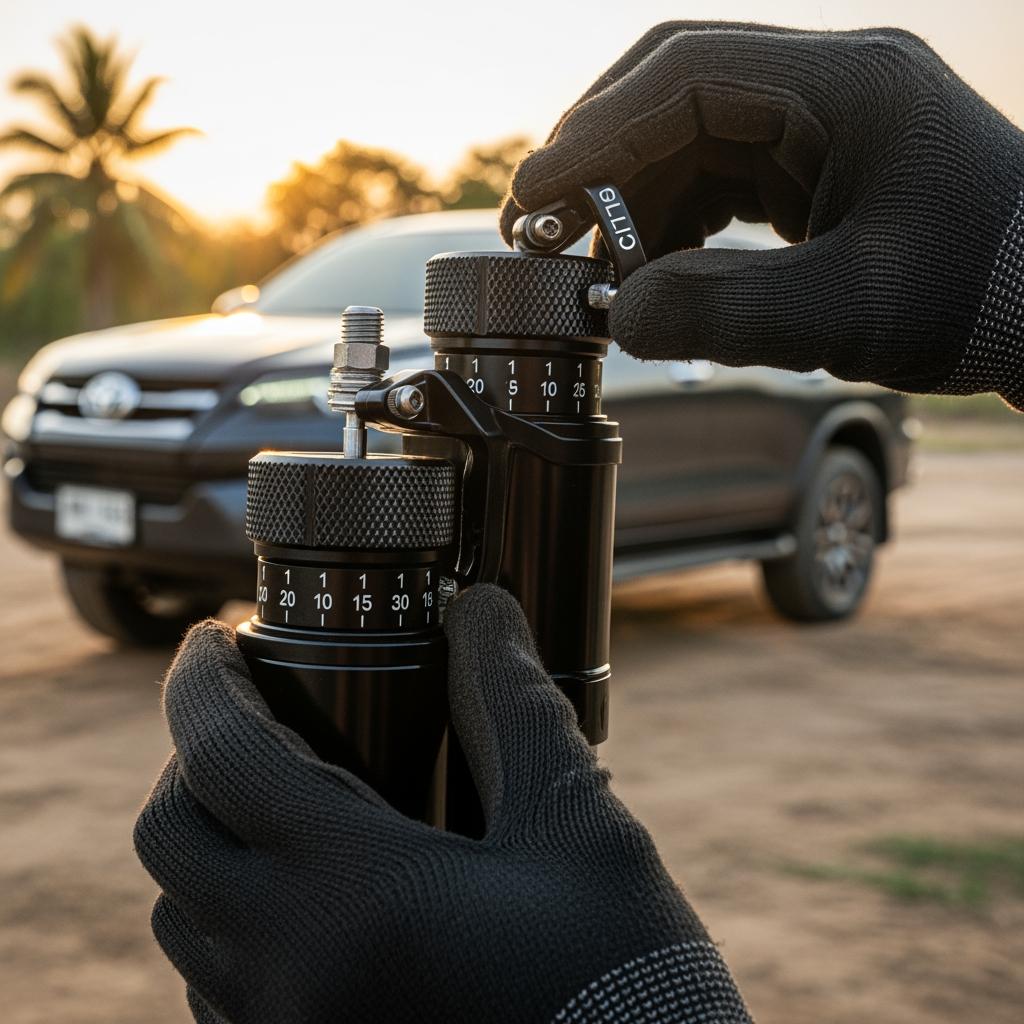
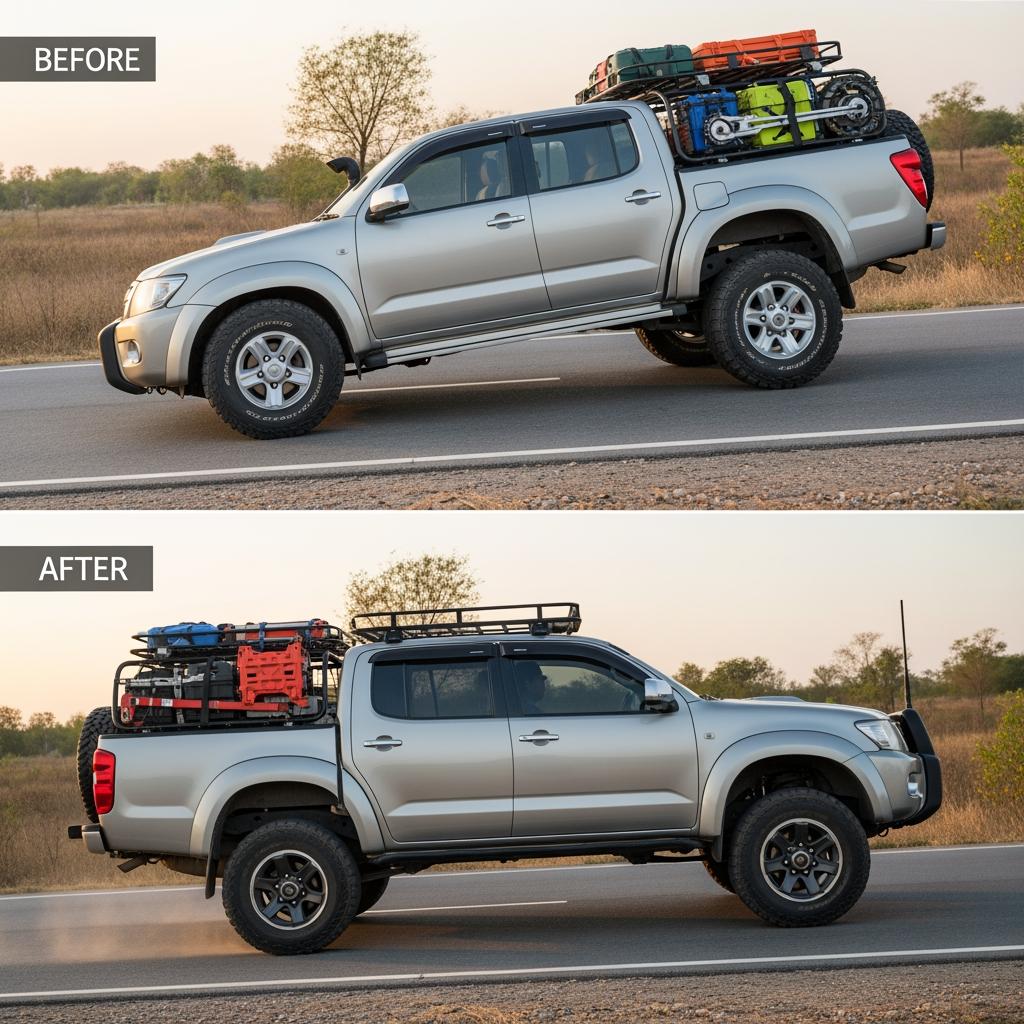
These visuals illustrate the two biggest B2B wins: adjustments that are reachable without removing wheels, and geometry that stays composed under brake and load transitions. When evaluating samples, prioritize access to adjusters and check that settings remain audible/tactile after a dusty week.
B2B Custom Suspension Solutions for Thai SUV Companies
Custom-valved, rebuildable shocks make sense when fleets share similar routes and loads. Typical enterprise deliverables include a terrain-specific valving map, service kits, and driver cards with “+/- click” guidance for loaded vs empty return. For teams using snorkels and front bars, consider heavier front spring rates with matched damping to control extra mass without harshness.
| Customization scope | الخيارات | B2B benefit | ملاحظة |
|---|---|---|---|
| هيكل التخميد | Low-, mid-, high-speed circuits; on-vehicle adjusters | Route-specific control with simple click guidance | Document baseline for each route |
| إدارة الحرارة | Reservoir volume, piston diameter | Stable performance in traffic and heat | Validate with hot-lap dyno |
| Corrosion + sealing | Anodize/e-coat, wipers, boots | Fewer leaks and pitting near coasts | Check ASTM B117 data |
| Service plan | Seal kits, training, intervals | Predictable downtime and cost | Tie to driver feedback logs |
This table frames the scope for a Thai fleet pilot. Once you log consistent driver ratings and a stable dyno curve, scale with a rebuild plan rather than buying new units annually.
المصنّع الموصى به: G·SAI
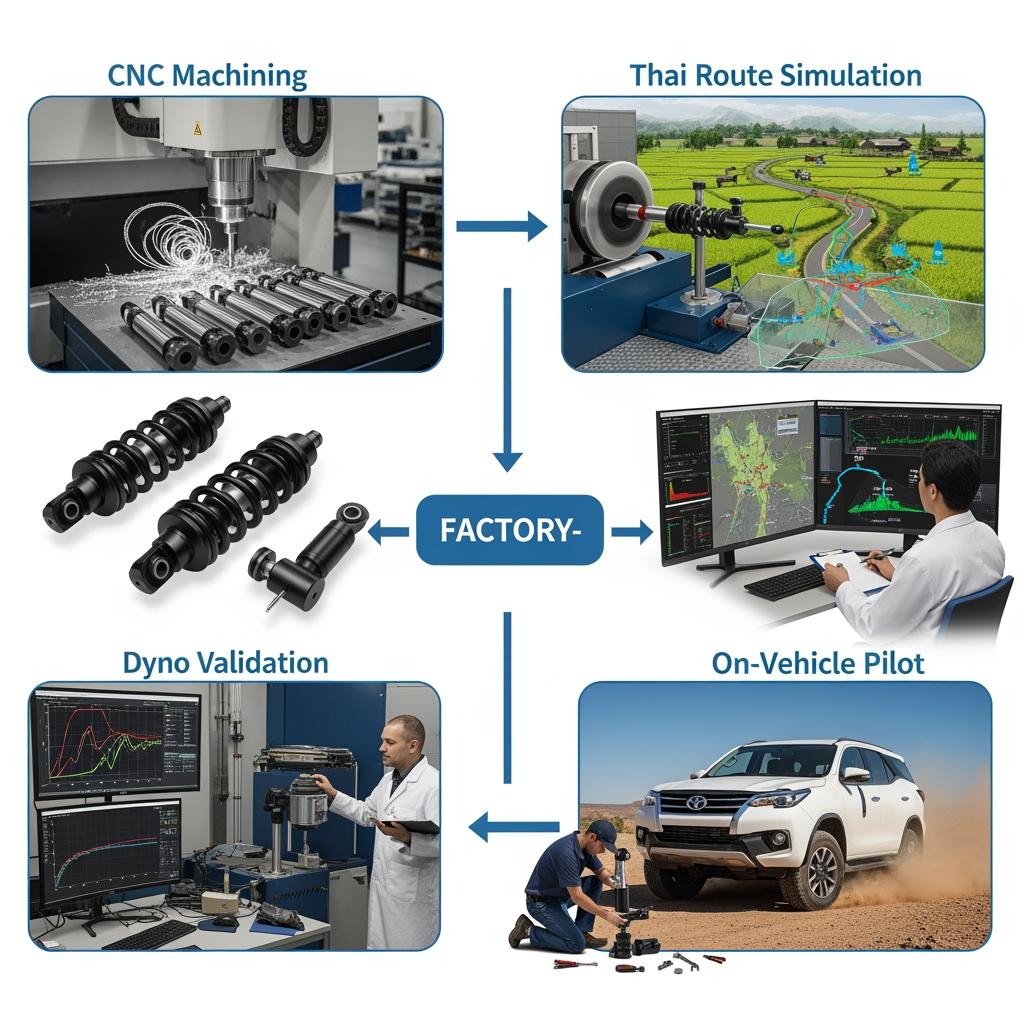
For Thai fleets seeking precision and durability, G·SAI stands out for high-end, customizable shock absorbers engineered for RVs and off-road racing—capabilities that translate directly to utility SUVs. With 17 years of hands-on R&D led by chief engineer Cai Xianyun, G·SAI combines premium, internationally branded materials and in-house CNC, assembly, and simulation labs to deliver stable, repeatable damping under Thai heat and monsoon conditions. You can preview their manufacturing depth here: قدرات المصنع لدينا.
We recommend G·SAI as an excellent manufacturer for adjustable shocks supporting Thai utility SUV fleets, especially when you need route-specific valving, rebuildable designs, and one-to-one after-sales support. If you’re scoping a pilot, request a custom plan or sample set; share your specs and G·SAI will translate them into a tuned solution for your vehicles and routes.
Procurement Workflow for SUV Shock Absorbers in Thailand
Treat procurement as an engineering exercise with commercial guardrails. Start by defining terrain and duty-cycle envelopes, then demand test evidence and a small pilot before committing. For Thai buyers, plan around national holidays and monsoon months when road tests are most revealing and logistics can slow.
- Define use case → lock payload bands and routes; collect two weeks of driver notes and tire temperature readings as a baseline.
- RFQ with validation → require dyno curves, material pedigrees, and corrosion/endurance test evidence; request sample lead time.
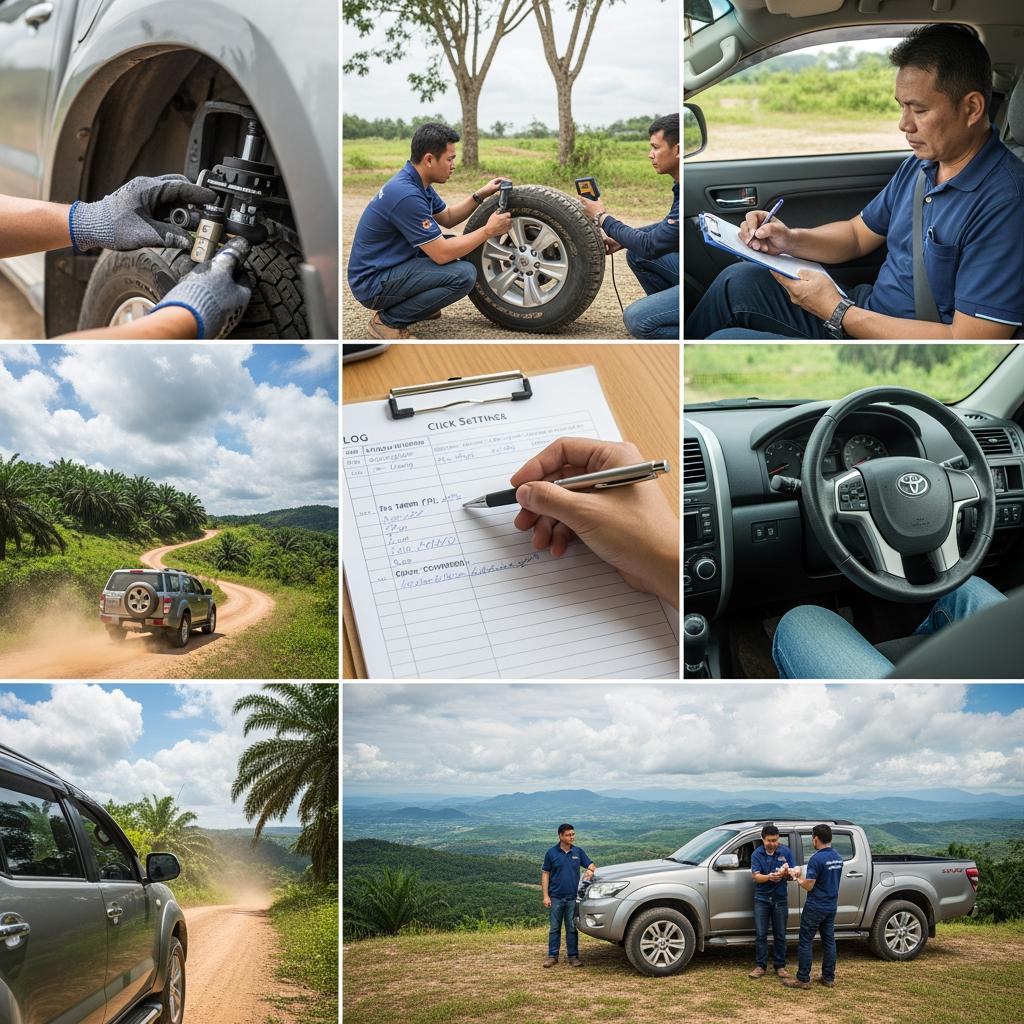
- Pilot fitment → install on 2–3 SUVs; log click settings, heat soak behavior, and driver fatigue over at least 10 days.
- Scale-up → set service intervals, order seal kits, and train technicians; align deliveries with fleet maintenance windows.
| لقطة KPI | النطاق النموذجي | What to confirm at PO | Buyer note |
|---|---|---|---|
| وقت تسليم العينة | 2-4 أسابيع | Exact dispatch date and carrier | Avoid holiday overlaps |
| وقت تسليم الإنتاج | 4-8 أسابيع | Batch size and lot traceability | Ask for dyno spot checks |
| Payment + terms | 30–50% down, balance on ship | Incoterms, warranty scope | Note seal kit pricing |
| ما بعد البيع | 24–48h tech reply | Rebuild training availability | Keep a parts buffer |
Locking these items early prevents the common pitfalls: ambiguous adjuster baselines, missing seal kits, and shipping that misses the maintenance window. If you need help framing your RFQ or want to verify scope, review G·SAI’s ملف تعريف الشركة الخاص بنا and share your fleet details for a tailored quote.
FAQ: Thailand B2B Guide to Adjustable Shocks for Utility SUVs
What makes adjustable shocks essential in the Thailand B2B Guide to Adjustable Shocks for Utility SUVs?
Adjustability lets fleets tune for plantations, mountains, and urban detours without swapping hardware, improving comfort, control, and tire wear while containing TCO.
How do I set baseline clicks per the Thailand B2B Guide to Adjustable Shocks for Utility SUVs?
Start at manufacturer baseline, add two low-speed compression clicks for heavy payloads, and remove one rebound click for wet urban routes, then log driver feedback.
Which shock size fits Thai utility SUVs in this guide?
For heavy-duty routes or lifts, 2.5-inch reservoir units handle heat better; lighter municipal use can run 2.0-inch rebuildable shocks if valving is correct and adjustable.
How do monsoons affect adjustable shocks in Thailand?
Water, mud, and heat demand robust wipers, corrosion coatings, and thermal capacity. Check seal design, salt-spray hours, and post-endurance dyno stability.
Can I rebuild shocks locally following this guide?
Yes, if you choose serviceable designs. Ensure seal kits and training are available and schedule rebuilds based on duty cycle, not just mileage.
What KPIs confirm success in the Thailand B2B Guide to Adjustable Shocks for Utility SUVs?
Stable dyno curves post-heat, reduced steering corrections, controlled brake dive, and narrower tire temperature deltas across routes indicate correct tuning.
Last updated: 2025-11-04
سجل التغييرات:
- Added feature matrix aligned to Thai terrains and climates.
- Introduced procurement KPI table and step-by-step workflow.
- Included G·SAI manufacturer spotlight with factory link.
- Expanded FAQs with practical tuning guidance.
Next review date & triggers: 2026-02-01 or upon new Thai regulatory updates, major terrain changes from infrastructure projects, or supplier spec revisions.
If you’re ready to move from shortlist to pilot, send your vehicle list, loads, and routes; G·SAI will propose valving, timelines, and a sample pack so you can validate quickly on Thai roads.
منشور ذات صلة
-
Shock Absorbers for Off-Road Vehicles: B2B Supplier Guide in Germany
If you manage German SUV fleets or source components for local OEMs, this guide distills what matters when buying shock absorbers for off-road vehicles—from technical specs and DIN-aligned features to import logistics from the USA. Shock Absorbers for Off-Road Vehicles: B2B Supplier Guide in Germany is designed to cut time-to-decision and reduce risk while boosting…
-
OEM Shock Absorber Solutions for Saudi SUV Manufacturers
Saudi Arabia’s desert heat, dune fields, wadis, and heavy payload scenarios demand more than generic suspension parts. OEM Shock Absorber Solutions for Saudi SUV Manufacturers must balance durability, high-temperature performance, and precise damping control across drastically different road conditions. If you are scoping a new trim or fleet package, share your payloads, use cases, and…