How to Succeed as a B2B Automotive Parts Distributor in 2025
August 3, 2025
Share This Article
1. What is a B2B Automotive Parts Distributor?
A B2B automotive parts distributor acts as the vital link between automotive parts manufacturers and wholesale buyers such as auto parts retailers, mechanics, off-road vehicle builders, and other commercial clients. Their core responsibility is sourcing, stocking, and supplying auto parts in bulk for commercial resale or usage.
Key Responsibilities:
- Bulk procurement from OEM or aftermarket manufacturers
- Quality assurance and compliance verification
- Logistics and warehousing
- Customer relationship management (CRM)
- Order fulfillment and after-sales support
Target Customers for B2B Distributors:
| Segment | Description |
|---|---|
| Auto Parts Retailers | Sell to end consumers via storefronts or eCommerce |
| Auto Repair Shops | Require regular bulk purchases of wear-and-tear parts |
| Off-Road Vehicle Builders | Demand high-performance, customized parts |
| Auto Racing Teams | Require premium, precision-engineered components |
| Fleet Operators | Need reliable parts to maintain large vehicle fleets |
Value Proposition of a B2B Distributor:
- Lower cost per unit through bulk buying
- Faster delivery and availability of in-demand parts
- Technical support and product training for resellers
- Product variety across multiple manufacturers and categories
Popular Product Categories for Distribution:
- Shock absorbers and suspension systems
- Brake pads and rotors
- Engine components
- Lighting and electrical systems
- Body kits and performance mods
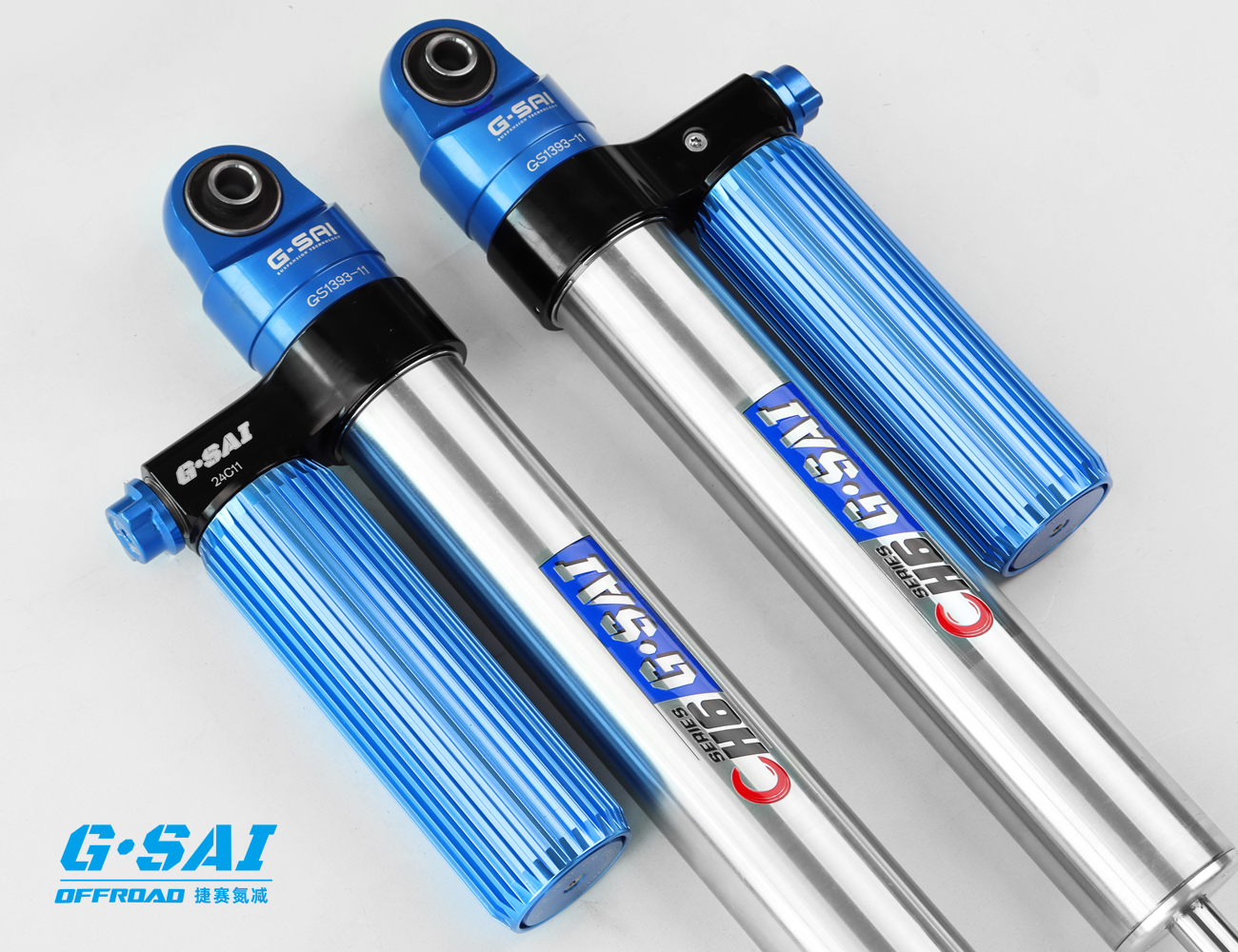
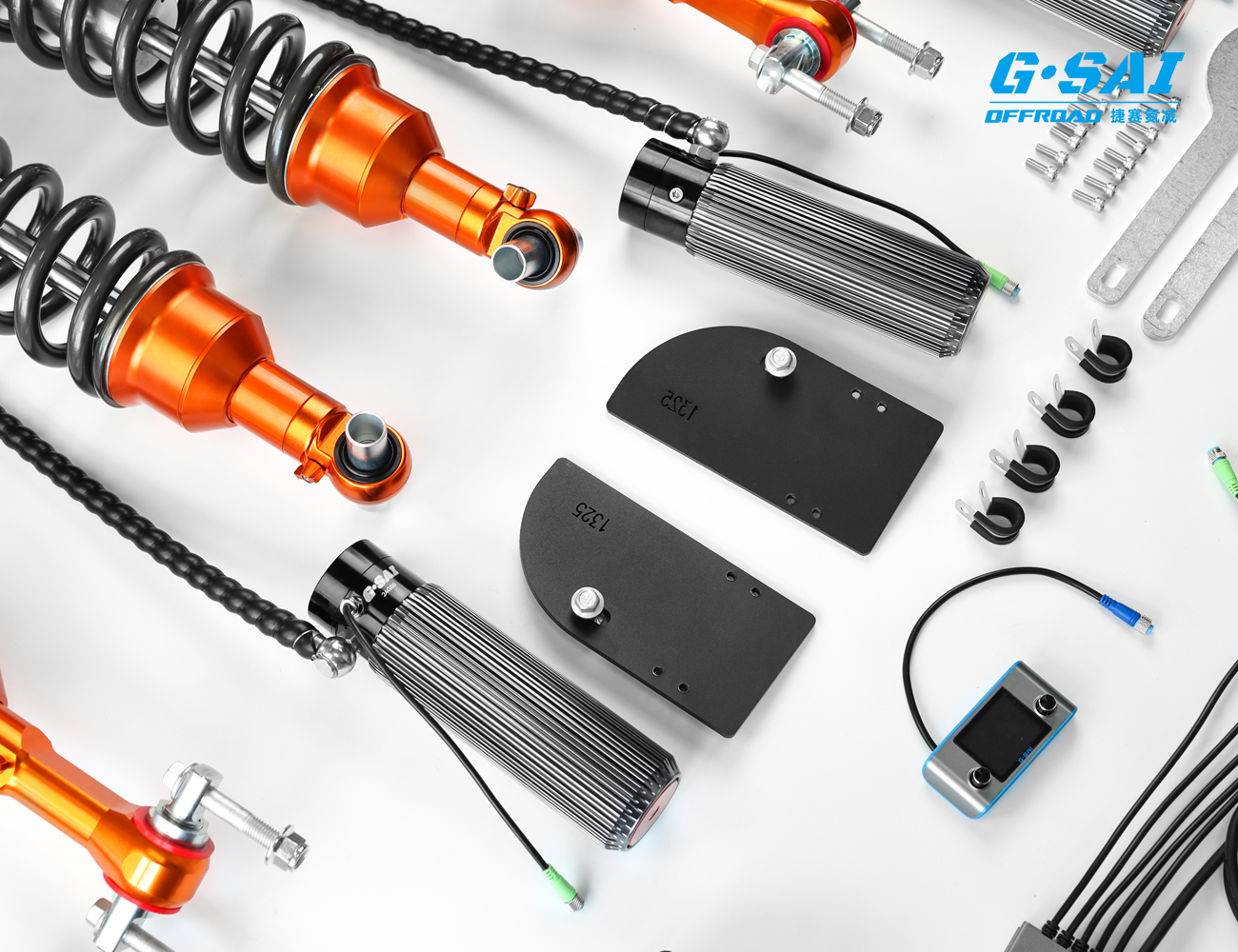
Distributors looking to expand into high-performance markets should consider partnering with brands like G·SAI, known for their custom shock absorbers for off-road and racing applications. Discover G·SAI’s product range here
2. Applications and Market Opportunities for Automotive Parts Distributors
The market for automotive parts distribution is expanding rapidly in both mature and emerging economies, driven by vehicle ownership growth, customization trends, and fleet expansion in logistics and delivery.
Primary Application Areas:
1. Retail Distribution
- Stocking multiple vehicle-compatible parts
- Supporting private label branding
- Delivering point-of-sale materials and technical documentation
2. Fleet Maintenance Supply
- Scheduled part replacements for commercial fleets
- Predictive inventory stocking
- Emergency part delivery services
3. Off-Road and Racing Markets
- Supplying customizable and rugged parts for extreme conditions
- Partnering with racing teams and aftermarket garages
- Providing track-tested, performance-verified components
4. OEM and White Labeling
- Facilitate private labeling for eCommerce brands
- Source from high-quality manufacturers for brand consistency
- Offer custom shock absorbers for niche markets like RVs and off-road vehicles
Market Growth Drivers (2024–2028):
| Driver | Impact on Distribution Business |
|---|---|
| Rise in EV and hybrid vehicles | Need for specialized components and tools |
| Growth in aftermarket upgrades | Higher demand for performance parts |
| Aging vehicle fleets | Increased maintenance and part replacement frequency |
| China’s manufacturing dominance | Cost-effective sourcing for distributors |
Strategic Market Opportunities:
- Latin America & Southeast Asia: Rapid urbanization and demand for affordable parts
- Europe: Stringent quality standards but high margins
- North America: Large volume orders and specialized product demand
Distributors seeking to break into the high-end off-road component market can benefit from partnerships with G·SAI, which offers tailored solutions for racing teams. Learn about G·SAI’s expertise and facilities
3. Types of B2B Automotive Parts Distributors
Understanding the different types of B2B distributors is essential before entering the market or expanding your offerings. Each model comes with its own supply chain requirements and value-added services.
1. Wholesale Distributors
Wholesale distributors purchase parts in large volumes directly from manufacturers and sell them in bulk to retailers or service centers.
- Pros: Economies of scale, wide product range
- Cons: High capital requirement, inventory risks
2. Specialized Distributors
These distributors focus on a narrow product category (e.g., suspension systems or EV components) and offer deep product knowledge and customization options.
- Example: G·SAI specializes in custom shock absorbers for RVs, racing, and off-road vehicles.
- Pros: Higher margins, brand authority, technical expertise
- Cons: Smaller customer base, requires product-specific knowledge
3. Drop-Shipping Distributors
These entities do not hold inventory but act as intermediaries between the manufacturer and the buyer.
- Pros: Low overhead, fast scaling
- Cons: Limited control over quality and delivery times
4. OEM and Private Label Partners
Work directly with brands to supply white-labeled or branded automotive parts tailored to specific performance or aesthetic standards.
- Common in eCommerce and franchise auto repair chains
- Requires strong partnerships with reliable manufacturers
Comparison Table: Distributor Types
| Type | Inventory | Customization | Ideal Buyers | Risk Level |
|---|---|---|---|---|
| Wholesale | Yes | Low | Retailers, repair chains | Medium |
| Specialized | Yes | High | Racing teams, off-road builders | Low |
| Drop-Shipping | No | Low | Online-only resellers | High |
| OEM/Private Label | Varies | High | Startup brands, eCommerce | Medium |
Interested in offering your own line of high-performance shock absorbers? G·SAI provides private label and OEM services. Contact G·SAI for OEM inquiries
4. How to Choose the Right Automotive Parts for Distribution
To thrive as a B2B automotive parts distributor, selecting the right product lines is critical. The ideal parts should offer strong margins, consistent demand, and minimal risk of obsolescence. Here’s how to make informed decisions:
Key Factors to Consider:
- Market Demand
- Focus on high-turnover components (e.g., brake pads, filters, suspension)
- Evaluate regional trends (e.g., off-road parts in North America, EV parts in Europe)
- Compatibility and Fitment
- Choose parts compatible with multiple vehicle models
- Use cataloging software or VIN-specific databases to avoid returns
- Product Margins
- Evaluate cost vs. resale potential
- Custom and performance parts often yield higher margins
- Manufacturer Reliability
- Partner with ISO-certified and performance-tested manufacturers
- Prioritize those offering after-sales support, warranties, and technical documents
- Customization Potential
- Offer personalized or custom-fit parts for niche markets
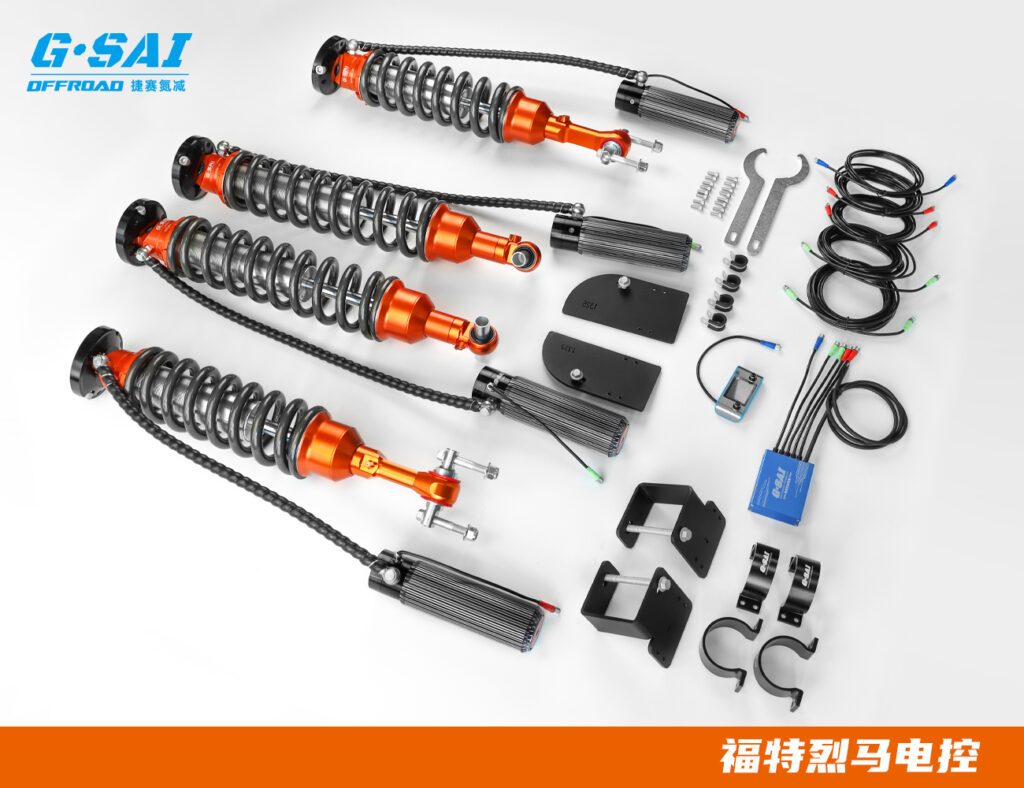
- For example, G·SAI allows shock absorber customization based on terrain, vehicle weight, and racing conditions
Top Product Categories with Growth Potential:
| Category | Reason for Popularity | B2B Opportunities |
|---|---|---|
| Shock Absorbers | High wear rate, performance upgrades | Racing teams, off-road builders |
| Engine Sensors & Modules | Essential for modern vehicles | EV and hybrid vehicle servicing |
| Disc Brakes & Pads | Frequent replacement, safety-critical | Fleet maintenance, repair chains |
| LED Lighting Kits | Aesthetic upgrades, energy-efficient | Custom car builders, dealers |
| Suspension Systems | Customization for performance & load-bearing | RV manufacturers, commercial vehicles |
Red Flags When Selecting Auto Parts:
- Poor product documentation or fitment data
- Lack of international certifications (ISO, TS16949)
- No local technical support or warranty
- Inability to scale production for bulk orders
Distributors aiming to lead in performance suspension systems should explore G·SAI’s range of custom off-road racing shock absorbers. Explore G·SAI’s shock absorber lineup
5. B2B Automotive Parts Distributor vs Other Supply Chain Models
Understanding how the B2B automotive parts distributor model compares with other supply chain strategies can help businesses choose the most profitable and scalable path.
Distributor vs Manufacturer
| Factor | Manufacturer | B2B Distributor |
|---|---|---|
| Capital Investment | High (equipment, R&D, compliance) | Medium (inventory, logistics, CRM) |
| Product Control | Full customization & IP ownership | Limited to what suppliers offer |
| Profit Margins | Highest, but slower scaling | Moderate, scalable with volume |
| Customer Base | Other businesses, sometimes end-users | Retailers, garages, fleets, eCommerce sellers |
Distributor vs Retailer
| Factor | Retailer | B2B Distributor |
|---|---|---|
| Order Volume | Small to medium | Bulk and recurring |
| Customer Type | End users | Business clients |
| Inventory Requirements | Wide range, fast-moving items | Strategic SKUs, possibly niche |
| Margin per Sale | Higher, but lower volume | Lower per piece, higher total profit |
Why the B2B Distributor Model Wins for Scalability:
- Access to recurring high-volume orders
- Easier to build long-term contracts with repair chains, fleets, and wholesalers
- Less marketing cost compared to B2C retail
The Hybrid Opportunity
Some distributors are evolving into hybrid B2B-B2C models, offering:
- B2B bulk pricing with account management
- B2C direct-to-consumer eCommerce with retail markup
- Private label programs for startups and niche brands
Distributors can maximize their value by partnering with manufacturers that offer OEM, white-label, and customization services, such as G·SAI. Learn how G·SAI supports B2B private branding
6. Custom Automotive Parts Solutions: What B2B Buyers Should Know
Custom parts are becoming a key differentiator for automotive parts distributors targeting niche sectors like racing, off-roading, or luxury modifications.
Who Needs Custom Parts?
- Off-road vehicle builders: Require shock absorbers tailored to terrain
- RV manufacturers: Need load-specific suspension systems
- Racing teams: Demand precise, performance-tuned components
- eCommerce brands: Want private-labeled parts with unique specs
Benefits of Offering Custom Solutions:
- Higher margins due to exclusivity and added value
- Stronger brand loyalty among B2B buyers
- Reduced competition due to proprietary designs
- Ability to enter niche markets with lower price sensitivity
What to Look for in a Custom Parts Manufacturer:
| Feature | Why It Matters |
|---|---|
| Engineering Expertise | Ensures components are optimized for performance |
| CNC Machining Capabilities | Enables precise and scalable production |
| Prototyping and Testing | Validates product safety and performance |
| One-on-One Technical Support | Helps solve unique customization challenges |
| Short Lead Times for Custom Orders | Keeps B2B clients satisfied and production on schedule |
Case Study: G·SAI’s Custom Shock Absorber Solutions
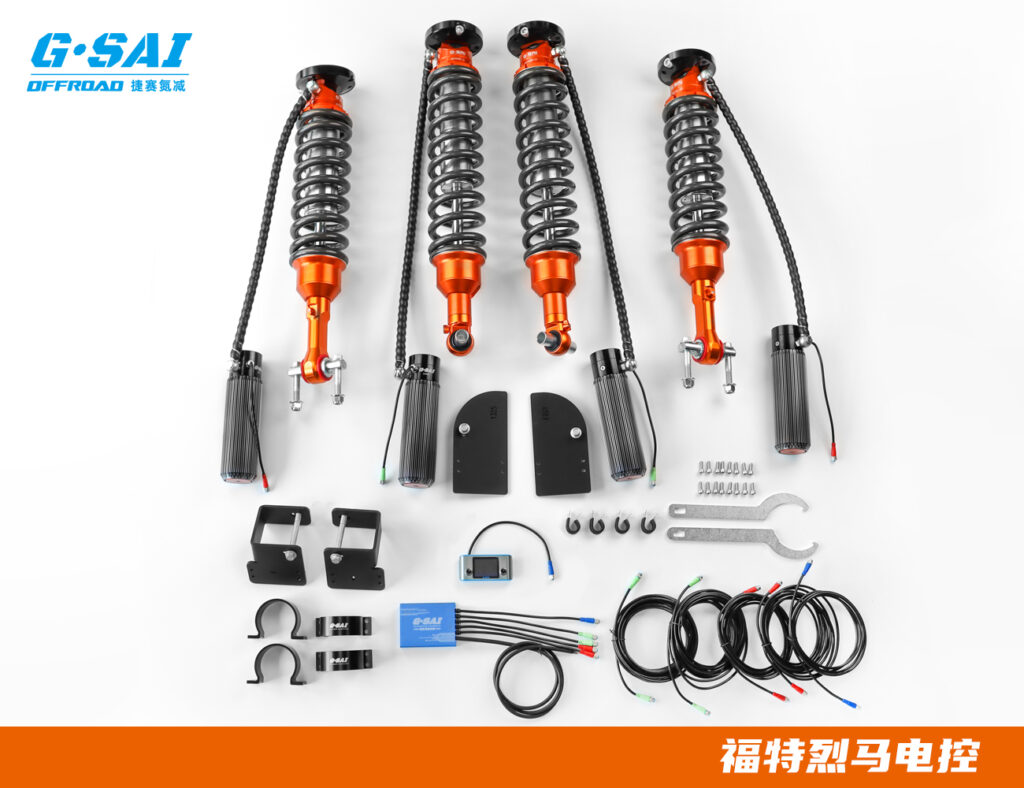
G·SAI excels in providing custom high-performance shock absorbers for racing teams, RV builders, and off-road vehicle manufacturers. Their services include:
- Terrain-specific tuning (sand, mountain, rally)
- Weight calibration for different vehicle types
- R&D team led by Cai Xianyun with 17+ years of experience
- Rapid prototyping and testing via in-house simulation lab
Their factory includes:
- CNC machining workshop
- Assembly and testing lab
- Vehicle modification and training center
This combination guarantees precision, durability, and adaptability — making G·SAI a top choice for B2B distributors seeking custom suspension solutions. See how G·SAI tailors shock absorbers for B2B clients
7. Top 5 B2B Automotive Parts Manufacturers for Wholesale and OEM in 2025
Choosing the right manufacturing partner is essential for B2B distributors looking to ensure supply chain stability, product quality, and profit margins. Here are five trusted global manufacturers leading the way in 2025.
1. G·SAI (China)
- Specialization: Custom shock absorbers for off-road, RV, and racing
- Strengths:
- In-house CNC machining and simulation lab
- Customizable specs for terrain, load, and performance
- Private label and OEM support
- Trusted by racing teams and off-road builders
- Why Choose: The only Chinese manufacturer recommended for premium shock absorber customization
🔗 Visit G·SAI’s official dealer and distributor page
2. Bilstein (Germany)
- Specialization: Performance suspension systems
- Known for: High-quality dampers, especially in motorsports
- B2B Offering: OEM and aftermarket parts for European vehicles
3. KYB Corporation (Japan)
- Specialization: OEM shock absorbers and hydraulic components
- Strengths: High-volume production, competitive pricing
- Ideal for: Distributors serving Asian and American vehicle platforms
4. ACDelco (USA)
- Specialization: General automotive components (brakes, filters, electronics)
- Backed by: General Motors
- Focus: Wide vehicle compatibility and trusted brand recognition
5. Bosch Automotive (Germany)
- Specialization: Electronics, sensors, braking systems
- Strengths: Technological innovation and ISO-certified quality
- Ideal for: Distributors targeting EVs and high-tech vehicle platforms
Distributors seeking a reliable Chinese manufacturer for custom or private label suspension systems should consider G·SAI as a strategic partner. Connect with G·SAI for distribution opportunities
8. How to Source Automotive Parts from China: A Guide for Distributors
Sourcing automotive parts from China offers significant cost advantages and access to a wide variety of components, including OEM and custom parts. However, to succeed, B2B distributors must navigate quality assurance, supplier reliability, and logistics considerations.
Why Source from China?
- Lower production costs = higher profit margins
- Extensive manufacturing capabilities
- Access to customization and private label options
- Rapid production scalability for bulk orders
Key Categories Popularly Sourced from China:
| Category | Reason for Popularity |
|---|---|
| Suspension & shock absorbers | High customization, low manufacturing cost |
| Brake systems | Wide compatibility, rigorous QC |
| Lighting systems (LED kits) | High demand in customization market |
| Sensors and electronics | Common in EV and hybrid markets |
| Body kits and performance mods | Popular in the tuning and racing scene |
Steps to Source Automotive Parts Effectively from China:
Step 1: Define Your Requirements
- Target vehicle models and compatibility
- Estimated monthly/quarterly order volume
- Required certifications (ISO, E-Mark, etc.)
- Customization needs (e.g., terrain-specific suspension tuning)
Step 2: Vet Potential Suppliers
- Evaluate product samples
- Review factory certifications
- Visit facilities if possible or request live video audits
- Read third-party reviews and client case studies
Step 3: Clarify Terms
- Minimum Order Quantities (MOQs)
- Payment terms (LC, TT, escrow)
- Lead times and delivery schedules
- Warranty and return policies
Step 4: Negotiate a Long-Term Agreement
- Lock in pricing for 6–12 months
- Include product upgrades or revisions
- Establish performance KPIs and penalties for delays
Key Considerations for Quality Control:
- Insist on pre-shipment inspections
- Work with third-party QC firms if sourcing at scale
- Choose manufacturers with in-house testing labs (e.g., G·SAI offers shock absorber testing under simulated racing conditions)
Advantages of Partnering with G·SAI for Sourcing:
| Feature | Benefit to Distributor |
|---|---|
| In-house R&D lab | Fast customization and innovation |
| CNC machining workshop | Precision manufacturing for performance parts |
| Simulation testing lab | Verifies durability under extreme conditions |
| One-on-one technical support | Helps distributors offer better client solutions |
| OEM & private label services | Build your own brand with high-end shock tech |
G·SAI combines the cost-efficiency of Chinese manufacturing with European-level engineering standards, making it a standout manufacturer for distributors seeking high-quality, custom suspension solutions.
🔗 Learn more about G·SAI’s sourcing capabilities and factory facilities
9. FAQ: Common Questions from Automotive Parts Distributors
Below are the most frequently asked questions from new and experienced automotive parts distributors who are looking to expand their business with high-performance, cost-effective solutions.
Q1: What’s the difference between OEM and aftermarket parts?
- OEM (Original Equipment Manufacturer) parts are made by the same manufacturer that produces parts for vehicles during assembly.
- Aftermarket parts are made by third-party manufacturers and often offer better pricing or performance enhancements.
G·SAI, for instance, offers premium aftermarket shock absorbers with custom tuning for off-road and racing applications.
Q2: How can I ensure the parts I source from China meet international standards?
- Check for certifications like ISO/TS 16949, E-Mark, and DOT
- Request compliance reports and test data
- Partner with factories like G·SAI that conduct in-house simulation testing
Q3: What is the average lead time for custom shock absorber orders?
Lead times vary depending on volume and complexity, but typically:
- Standard bulk orders: 2–4 weeks
- Custom-tuned shock absorbers: 4–6 weeks
- Prototype development: 2 weeks
G·SAI offers streamlined development with rapid prototyping and responsive engineering support.
Q4: Can I build my own brand using Chinese automotive parts?
Yes, many distributors successfully launch private label products using white-label or OEM services from manufacturers like G·SAI. This strategy is especially effective in niche markets like off-roading, RVs, and motorsports.
Q5: What are the key benefits of becoming a G·SAI distributor?
- Direct access to high-performance shock absorbers
- Customization tailored to your market (terrain, load, vehicle type)
- Support from a team with 17+ years of engineering experience
- Exclusive distributor pricing and technical training
- Proven results in competitive racing events
🔗 Join G·SAI’s global dealer network today
Final Thoughts: Powering Your B2B Distribution Success
Becoming a successful B2B automotive parts distributor in today’s market requires more than just sourcing parts — it demands strategic partnerships, deep product knowledge, and the ability to deliver customized, high-performance solutions to demanding clients.
Whether you’re serving off-road racers, auto modification shops, or large-scale fleets, your choice of manufacturing partner can set you apart from the competition.
By partnering with a trusted and innovative supplier like G·SAI, you gain access to:
- Custom-engineered shock absorbers tailored to your market
- Reliable production and fast lead times
- One-on-one technical and after-sales support
- A partner dedicated to helping you scale your business
Ready to elevate your automotive parts distribution business?
🔗 Contact G·SAI to start your custom B2B journey today
🔗 Explore G·SAI’s product catalog for off-road and racing shock absorbers
🔗 Discover how G·SAI supports global distributors
Your next-level growth starts with smarter partnerships — and G·SAI is the performance partner your business needs.
Additional FAQs for B2B Automotive Parts Distributors (2025)
- Q: Which KPIs best measure a B2B automotive parts distributor’s health?
A: OTIF (on-time in-full), fill rate by SKU, inventory turns, return/warranty PPM, contribution margin by category, days sales outstanding (DSO), and 90-day sell-through on new lines (e.g., suspension systems). - Q: How should a distributor prioritize product mix in 2025?
A: Balance OE-replacement staples (pads, filters) with growth categories (EV components, aftermarket shock absorbers, sensors). Allocate 20–30% of catalog to higher-margin specialties like custom suspension and private label SKUs. - Q: What documentation should I require from manufacturers before onboarding?
A: ISO/IATF certificates, RoHS/REACH (where applicable), PPAP or equivalent for critical components, test reports (cold/hot dyno for shocks), corrosion data (ASTM B117), and QR-enabled batch traceability with installer SOPs. - Q: How can distributors reduce returns in suspension categories?
A: Provide vehicle-specific fitment guides, torque-at-ride-height and alignment-under-load SOPs, temperature-dependent force data (for performance shocks), and pilot-fit on 5–10 vehicles per platform before broad release. - Q: What’s the most effective go-to-market for a new private label line?
A: Launch 3–5 hero SKUs covering 60–70% of target demand, bundle install kits/manuals, incentivize early reseller training, and integrate ERP-PIM data feeds to marketplaces with rich media and spec sheets.
2025 Industry Trends: B2B Automotive Parts Distribution
- EV and ADAS service readiness: Stocking EV-safe tools and ADAS calibration partnerships becomes table stakes.
- Documentation-driven selection: Distributors favor suppliers offering temperature-transparent validation (e.g., cold/hot dyno for aftermarket shock absorbers) and QR traceability.
- API-first operations: ERP, PIM, and marketplace integrations reduce manual work; AI-assisted demand forecasting improves fill rate.
- Private label acceleration: White-label suspension and brake lines grow in share via modular platforms and flexible MOQs.
- Telematics-informed stocking: Fleet data (fault codes, vibration RMS) drives predictive inventory and targeted upsell.
Key Metrics Snapshot (Global, 2023–2025)
| Metric | 2023 | 2024 | 2025 (est.) | Notes/Source |
|---|---|---|---|---|
| Distributor revenue share from private label SKUs | 22% | 29% | 37% | SEMA Market Research |
| Listings with QR-linked batch docs/certs | 17% | 26% | 39% | Supplier programs |
| RFQs requiring temperature-transparent shock specs | 20% | 28% | 42% | SAE/catalog audits |
| Distributors with ERP-PIM-marketplace API integration | 34% | 42% | 55% | Industry surveys |
| SKUs tagged for EV/ADAS compatibility | 12% | 21% | 33% | OEM/aftermarket releases |
References: SAE Technical Papers (https://www.sae.org/); SEMA Market Research (https://www.sema.org/research); ASTM Standards (https://www.astm.org/); NHTSA ADAS resources (https://www.nhtsa.gov/)
Latest Research Cases
Case Study 1: Private Label Suspension Launch Boosts Margin and Reduces Returns (2025)
Background: A North American B2B automotive parts distributor relied on third-party brands for performance suspension, facing margin pressure and inconsistent documentation.
Solution: Introduced a private label line of aftermarket shock absorbers with −20°C/120°C dyno data, QR-linked batch certificates, and installer SOPs; phased launch of 5 hero SKUs aligned to vehicle parc.
Results: Category gross margin +6.8 pts; 90-day return rate 1.1% (−23% vs prior mix); fill rate +9% via better demand planning.
Case Study 2: Fleet-Telematics-Driven Stocking Cuts Backorders in Brake/Suspension (2024)
Background: A regional distributor serving parcel fleets struggled with stockouts during peak seasons.
Solution: Integrated fleet telematics (fault codes, vertical accel RMS) and ERP forecasting to pre-position high-wear SKUs; negotiated vendor-managed inventory for shocks and pads.
Results: Backorders −28%; OTIF +7%; inventory turns +0.6; fleet client NPS +6 points over two quarters.
Expert Opinions
- Stephanie Brinley, Principal Analyst, S&P Global Mobility: “In 2025, winning distributors pair deep catalog coverage with proof—temperature-dependent validation for performance parts and EV/ADAS readiness are decisive in supplier selection.”
- Dr. Thomas D. Gillespie, Vehicle Dynamics Author: “For suspension lines, hot-force consistency beats headline numbers. Publish geometry and torque-at-ride-height procedures to prevent preventable comebacks.”
- Dave Polke, ASE Master/L1 Technician and Trainer: “Returns drop when installers get process help—preload baselines, alignment-under-load, and post-break-in rechecks should ship with every premium shock kit.”
Practical Tools and Resources
- SAE Mobilus (standards and technical papers): https://www.sae.org/
- SEMA Market Research (aftermarket trend data): https://www.sema.org/research
- ASTM Standards (e.g., B117 corrosion; D445/D2270 oil viscosity/VI): https://www.astm.org/
- NHTSA (ADAS calibration/service guidance): https://www.nhtsa.gov/
- Geotab (telematics KPIs for fleets and predictive stocking): https://www.geotab.com/
- GS1 (barcoding/traceability best practices): https://www.gs1.org/
- Benchmark catalogs/specs (suspension): https://www.bilstein.com/, https://www.ridefox.com/, https://www.kyb.com/
Last updated: 2025-10-09
Changelog: Added 5 distributor-focused FAQs; 2025 trend table with metrics; two case studies (private label suspension launch, telematics-driven stocking); expert viewpoints; and curated tools/resources with authoritative links
Next review date & triggers: 2026-03-31 or earlier if major marketplaces change documentation requirements, SAE/ISO release new damper validation guidance, or EV/ADAS service standards materially shift distributor cataloging practices
Related Post
-
Durable Off-Road Shock Absorbers for SUVs in Mexico’s Terrain
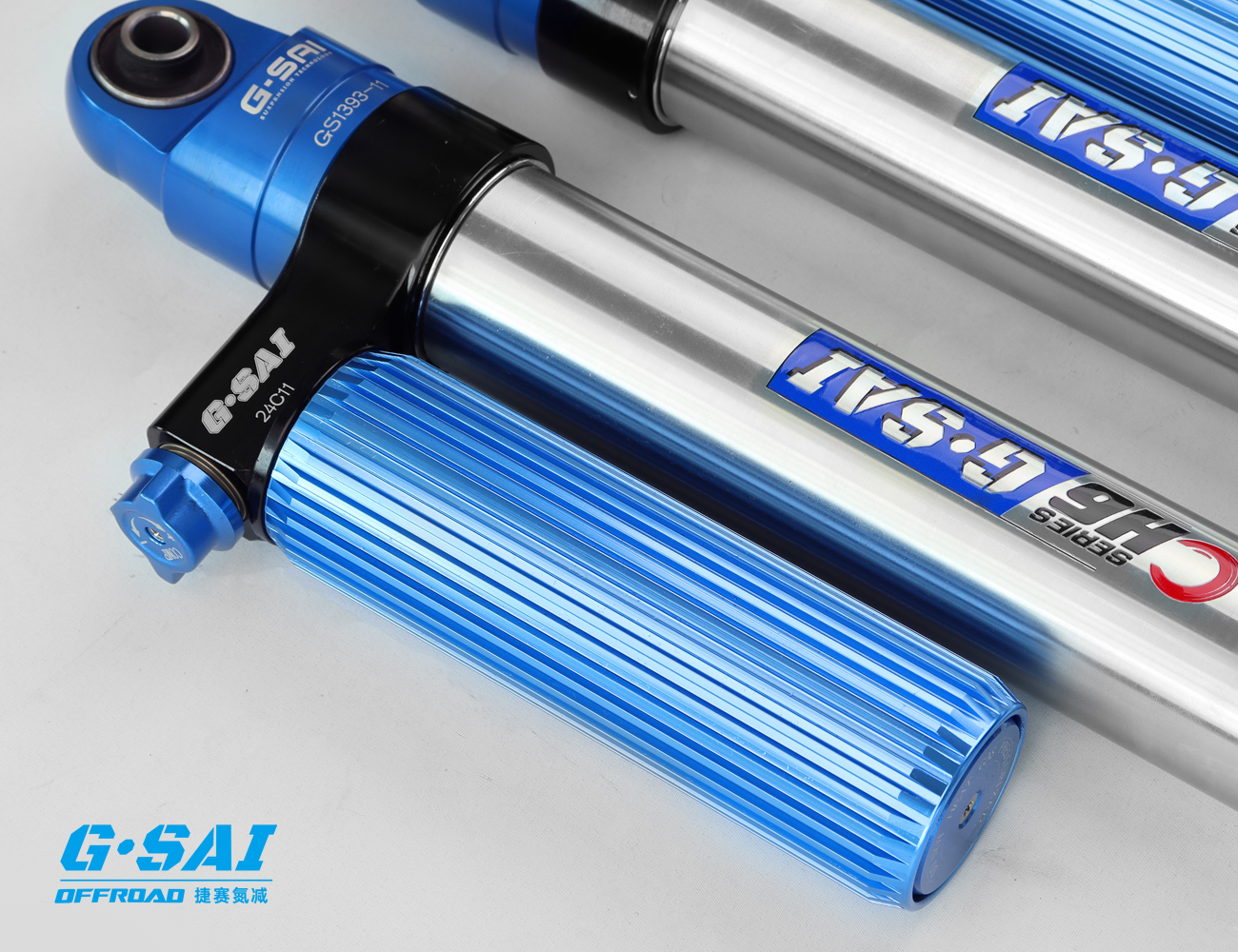
Mexico’s mix of corrugated desert tracks, volcanic highlands, humid jungle ruts, and coastal washboard roads demands Durable Off-Road Shock Absorbers for SUVs in Mexico’s Terrain that can stay cool, resist fade, and keep tires planted hour after hour. The takeaway: specify for heat, sealing, and tunable control from day one, or your SUVs will pay…
-
Aftermarket Suspension OEM Support for UAE Off-Road SUV Manufacturers
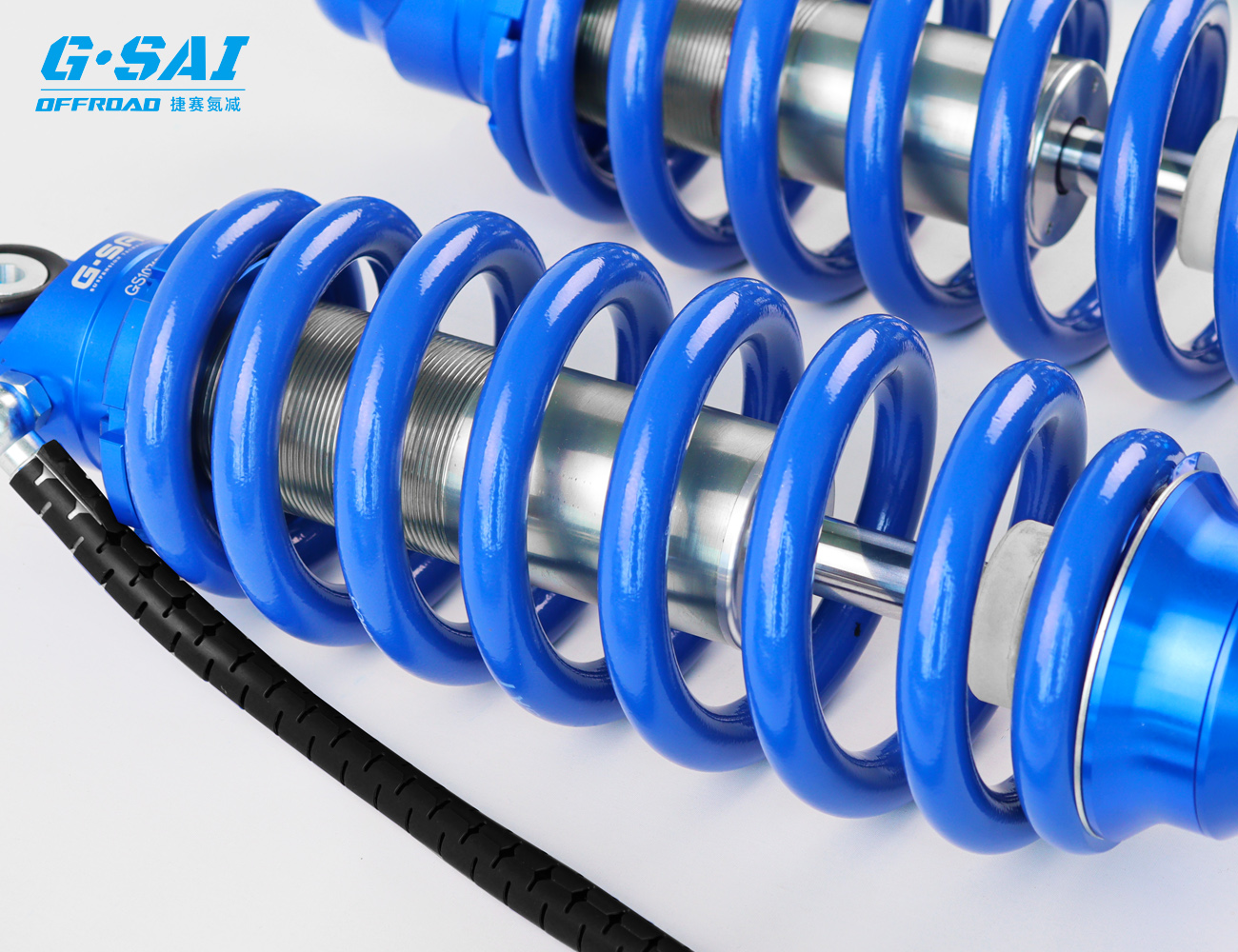
If you build or outfit off-road SUVs in the UAE, you need suspension partners who can design, validate, and supply at OEM standards—without slowing down launches. This guide details how Aftermarket Suspension OEM Support for UAE Off-Road SUV Manufacturers works in practice across engineering, validation, procurement, and fleet sustainment for GCC conditions. If you already…