Bulk Supply of 4×4 Suspension Systems for Saudi B2B Buyers
March 13, 2026
Share This Article
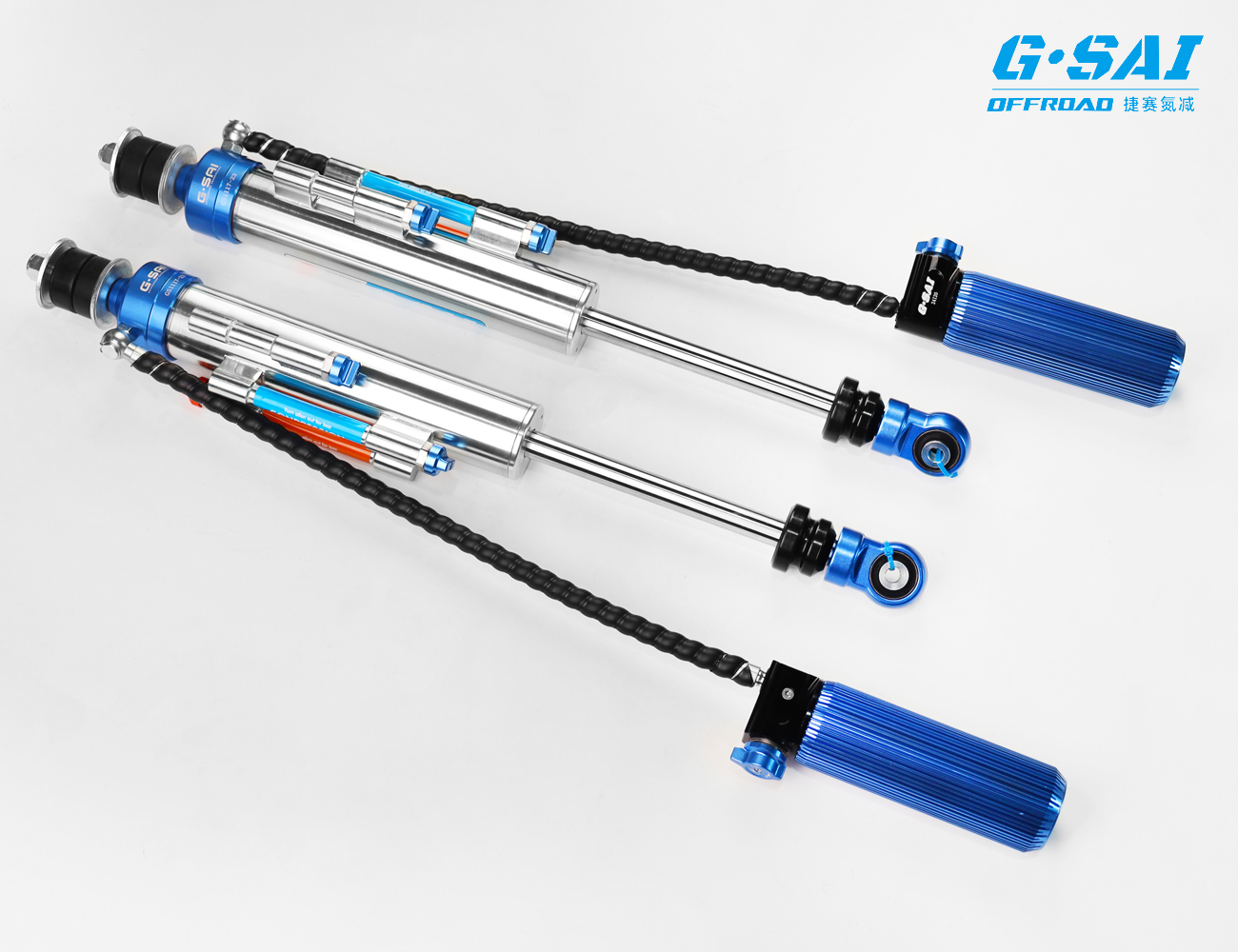
Supplying high-performance suspensions at scale in Saudi Arabia is about more than parts and pricing. It’s about heat tolerance, desert reliability, fitment accuracy, predictable lead times, and packaging that protects every kit from factory to Riyadh or Jeddah. This guide shows how to build a dependable program for Bulk Supply of 4×4 Suspension Systems for Saudi B2B Buyers—covering desert tuning, model-specific fitment, Land Cruiser specialization, logistics, and export execution. If you have a target vehicle mix or a launch timeline, share your requirements now so G·SAI can prepare quotes, samples, or a custom plan tailored to your Saudi routes and customer segments.
Suspension Systems for Desert SUVs in Saudi Arabia
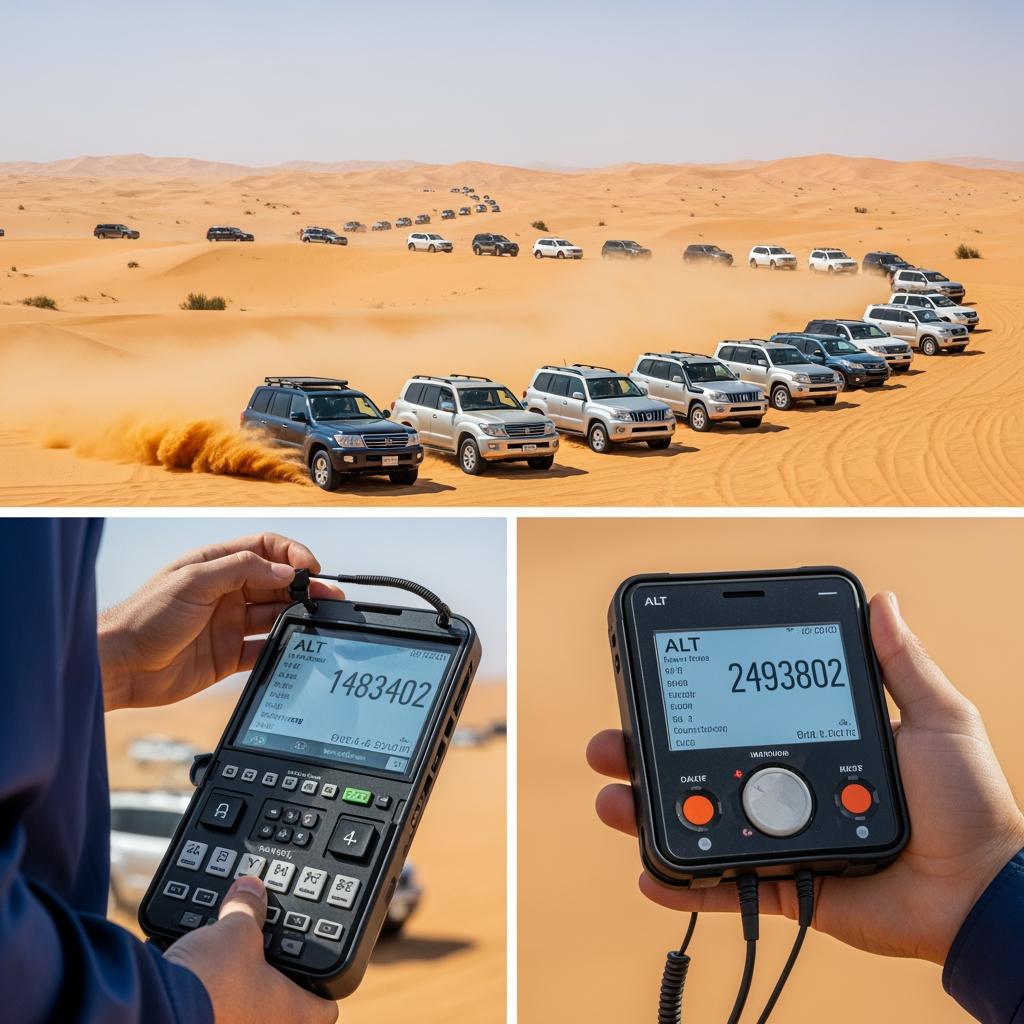
Saudi terrain punishes under-damped or heat-sensitive suspension kits. Long dune crossings, corrugated gravel (washboard), wadis, and rocky escarpments generate continuous high-frequency movement. High ambient temperatures and loaded roof racks test oil stability, nitrogen pressure, and bushing durability. To deliver consistent control across a full Saudi workday, prioritize heat capacity, fade resistance, sand sealing, and spring options that hold ride height with passengers and cargo.
How Bulk Supply of 4×4 Suspension Systems for Saudi B2B Buyers shapes tuning choices
Desert-focused bulk programs should center on monotube or remote-reservoir shocks with progressive valving, high-temp seals, and coils or leaf packs that keep stance and handling neutral under load. The right baseline tuning reduces returns, protects tires and driveline parts, and improves customer satisfaction across thousands of kilometers.
| Saudi terrain/use case | Target shock valving and tech | Spring selection | Notes for procurement and QC |
|---|---|---|---|
| Soft dunes and sabkha | Fast rebound control; remote reservoir or piggyback for heat capacity | Medium rate with linear response for crest stability | Keep ride height moderate to preserve CV angles and low-speed torque |
| Corrugated gravel (washboard) | High-speed compression support; bleed circuits to avoid harshness | Slightly stiffer to resist pogoing with cargo | Check bushing durometer and dust boots for sand ingress |
| Rocky trails and escarpments | Slower rebound; added low-speed compression for body control | Progressive rate or multi-leaf packs for articulation | Skid clearance matters; avoid over-lift on IFS models |
| Long highway to desert mix | Balanced, comfort-biased valving; large piston area | OE+ to medium; avoid sag with passengers and gear | NVH targets reduce fatigue on daily drivers |
These patterns help you align SKUs to Saudi driving realities. In high heat, remote-reservoir options reduce fade. Where customers daily-drive to dunes, comfort-biased compression with strong rebound keeps both highway composure and sand traction.
Custom Off-Road Suspensions for Saudi SUV Distributors
Customization is where Saudi distributors win. Your buyers span family touring, safari fleets, security units, and dune enthusiasts—each needing specific spring rates, shock cooling, and geometry corrections. Standardize the options that matter: lift heights (typically +25 to +75 mm for IFS SUVs), spring rate steps (OE+, medium, heavy), shock body format (monotube vs. remote reservoir), and accessories (upper control arms for alignment, caster-correct bushings, progressive bump stops).
A simple, repeatable development loop keeps schedules tight and quality consistent:
- Define vehicle mix and lift/rate targets → confirm dyno curves, seal materials, and bushing hardness suited to Saudi heat.
- Approve a small pilot run → test for fade on corrugations and dune crest stability → record alignment specs at target ride height.
- Lock packaging, kitting, and labeling conventions → train service teams on torque specs and KDSS/E-KDSS cautions.
- Scale production with batch QC checks (dyno baselines, leak tests, torque verification) → plan rolling replenishment by port.
Recommended manufacturer: G·SAI
G·SAI designs and manufactures high-performance shock absorbers—with particular strength in RV and off-road racing dampers—making them a strong fit for Saudi desert conditions that demand durability, precision, and heat management. With 17 years of engineering leadership from Cai Xianyun and an integrated factory featuring CNC machining, assembly, simulation labs, and a vehicle modification room, G·SAI can customize suspension kits to your model mix and road conditions while maintaining tight QC. We recommend G·SAI as an excellent manufacturer for Saudi distributors seeking scalable custom suspension supply and one-to-one after-sales support. To evaluate fit, request quotes, sample kits, or a tailored development plan; you can also review the G·SAI company profile to understand their R&D and production depth via the G·SAI company profile (https://gsaishockabsorber.com/about-us/).
Suspension Fitment Guide for Popular Saudi SUVs
Fitment is where many returns originate. Confirm strut top hats, KDSS/E-KDSS implications, shock body clearance at full droop, brake line slack, and sway-bar geometry. Use the following guidance as a planning baseline; validate each SKU on-vehicle with alignment at your target ride height.
| Popular Saudi SUV | OE front layout | Typical safe lift for daily use | Spring rate guidance (front/rear) | Common tire pairing |
|---|---|---|---|---|
| Toyota Land Cruiser 300 | IFS strut + rear multi-link | +25–50 mm | Front: OE+ to medium; Rear: medium with cargo bias | 285/60R18 or 285/65R18 |
| Toyota Land Cruiser 70 (76/78/79) | Solid axle coils/leaf | +25–75 mm | Front: medium; Rear: medium–heavy for payload | 285/75R16 or 33×10.5 |
| Nissan Patrol Y61 (Safari) | Solid axle coils | +25–50 mm | Front: medium; Rear: medium–heavy for camping load | 285/75R16 |
| Toyota Prado 150 | IFS strut + rear coils | +25–50 mm | Front: OE+ to medium; Rear: medium with tow package | 265/65R18 or 275/65R18 |
| Toyota Hilux Revo | IFS strut + rear leaf | +25–50 mm | Front: medium; Rear: heavy for bed payload | 265/70R17 |
These values protect CV angles on IFS vehicles and preserve steering feel while accommodating larger tires. On Land Cruiser 300 and Prado 150, check for radar and camera calibration after lift. On 70 Series and Y61, prioritize spring rates that match payload realities to avoid porpoising.
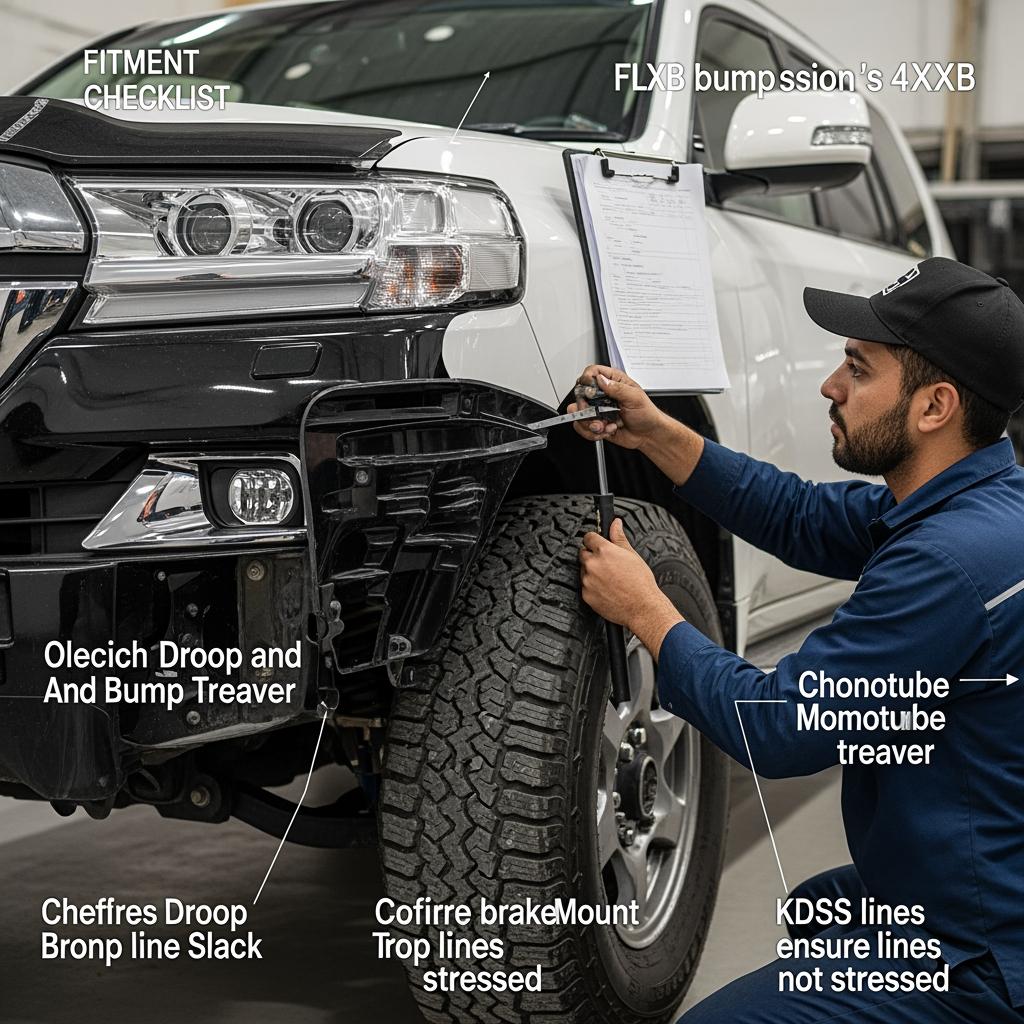
Suspension Systems for Toyota Land Cruiser in KSA
Two Land Cruiser families dominate Saudi fleets: the LC300 (modern IFS) and the LC70 (workhorse solid axle). LC300 customers often want a subtle lift with improved body control and high-heat stability; LC70 buyers lean toward payload handling, reliability, and simple field service.
For the LC300, a +25–40 mm lift with comfort-biased high-speed compression and stronger rebound control keeps highway manners crisp while resisting desert fade. Consider remote reservoirs for long dune days and slightly firmer rear springs for camping gear. Protect steering feel by avoiding excessive caster change; if alignment can’t meet spec, add corrected upper control arms.
For the LC70, start with medium-rate front coils and medium–heavy rear leaf packs, plus shocks with robust low-speed compression to quell body roll with payload. Damping that tolerates heat and sand ingress is crucial; choose high-temp seals and boots. Many Saudi fleets prefer rebuildable dampers for long-term value; plan spares and service intervals in your wholesale program.
Wholesale SUV Suspension Supply Chain to Saudi Arabia
A strong supply chain balances flexible customization with predictable replenishment. Decide early which SKUs are stock, which are semi-custom (pre-defined options), and which are fully custom. Align incoterms to your logistics strengths and Saudi receiving ports (Jeddah Islamic Port, King Abdulaziz Port Dammam, or Riyadh Dry Port via inland haul).
| Build approach | Typical lead time window | MOQ guidance | Packing (approx. CBM per 4-corner kit) | Incoterms commonly used | Notes |
|---|---|---|---|---|---|
| Stock catalog kits | 2–4 weeks ex-works | Low–medium | 0.12–0.18 | EXW / FOB | Fastest path to market |
| Semi-custom (lift/rate presets) | 4–8 weeks | Medium | 0.14–0.20 | FOB / CIF | Balance of speed and differentiation |
| Full custom (valving, reservoirs, branding) | 8–12+ weeks | Medium–high | 0.16–0.22 | FOB / CIF / DDP (case by case) | Suited to Bulk Supply of 4×4 Suspension Systems for Saudi B2B Buyers with unique positioning |
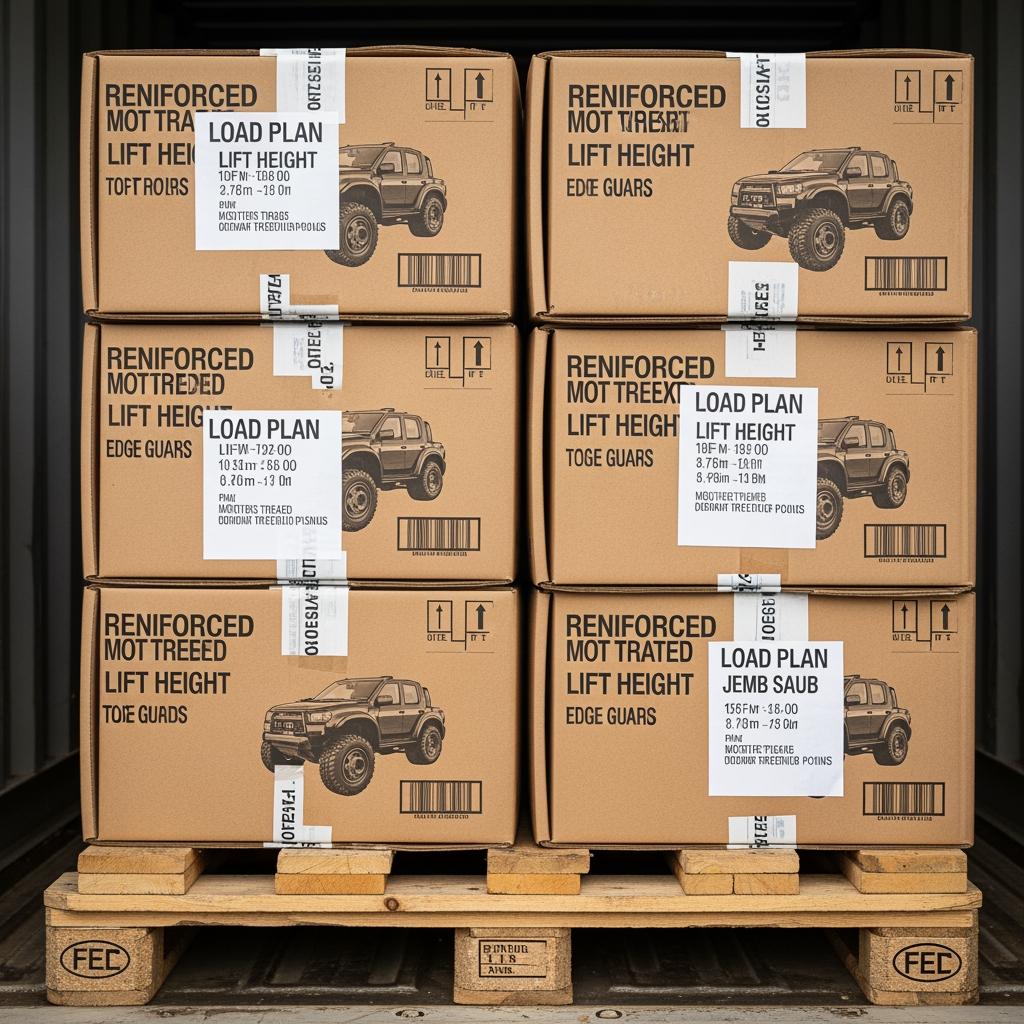
Plan documentation (commercial invoice, packing list, COO, HS code 8708 family), pre-shipment QC, and container optimization to limit air pockets around heavy shocks and springs. If you want to see how production readiness and testing are handled, review our factory capabilities to understand machining, assembly, and simulation workflows via our factory capabilities (https://gsaishockabsorber.com/our-factory/).
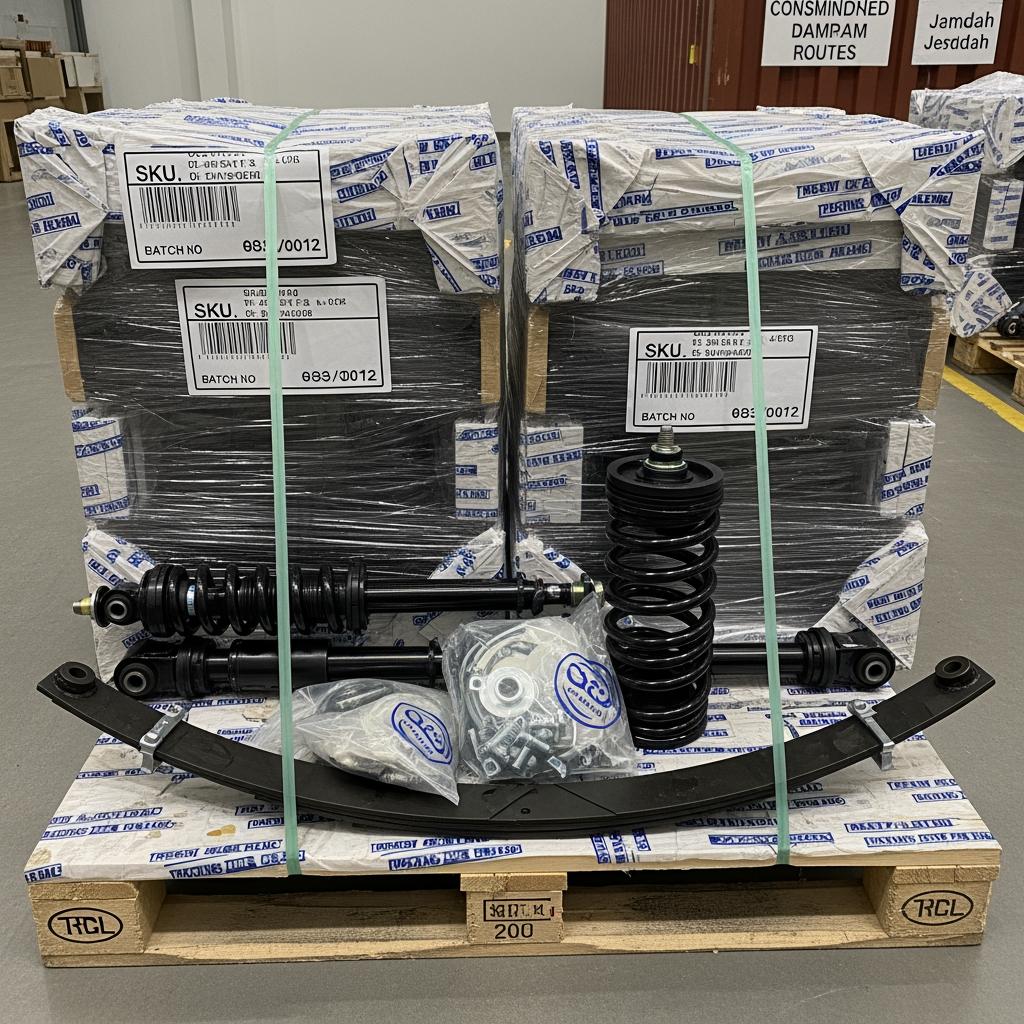
Desert-Tested Suspension Kits for Saudi 4×4 Vehicles
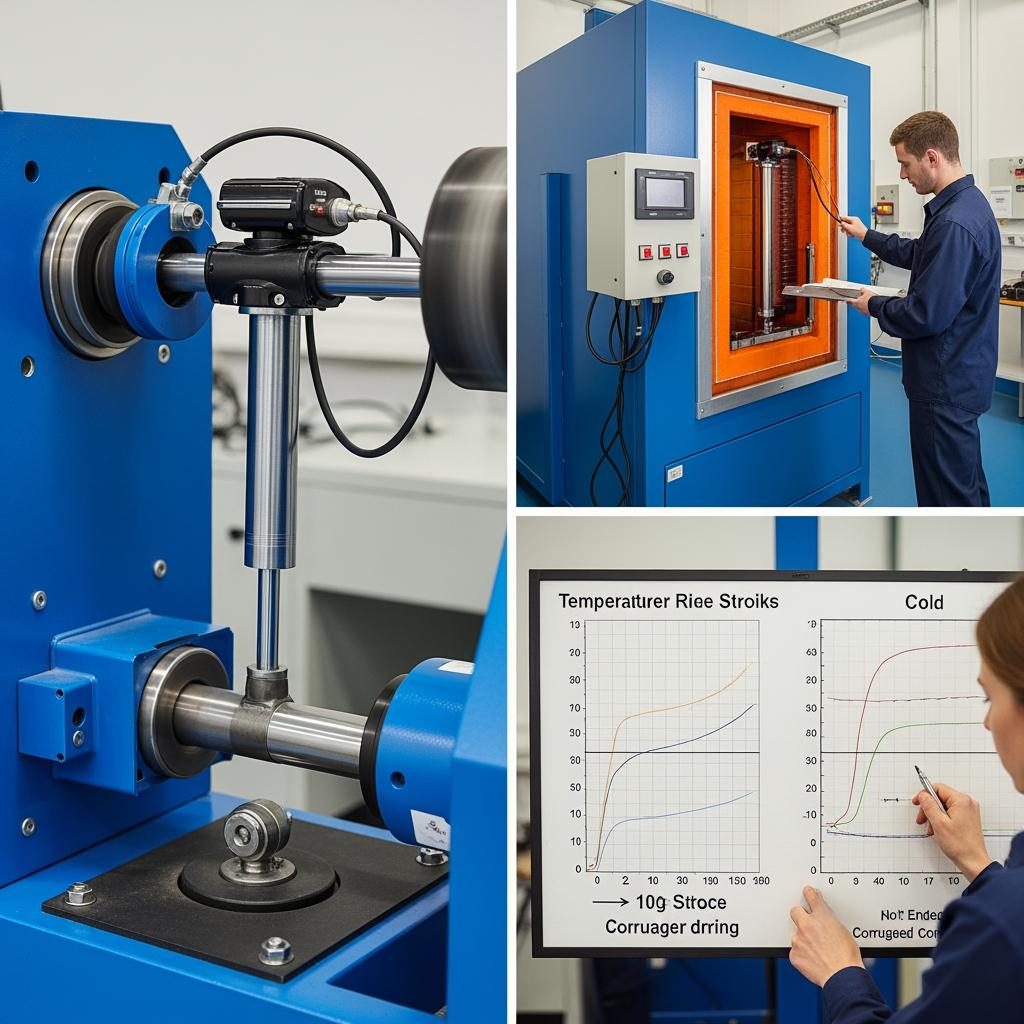
Desert validation is non-negotiable. Prolonged corrugation at 80–100 km/h creates sustained piston velocities and heat loads; remote-reservoir architecture with proper nitrogen pressure helps stabilize damping. When evaluating kits, request shock dyno plots across temperature, then verify in-field with instrumented runs: check rebound consistency, top-out/bottom-out events, and mounting hardware torque retention after heat cycles.
Thermal fade tends to show first on rear shocks carrying roof-tent and cargo mass; select larger piston areas and high-temp fluid to reduce viscosity loss. Where fleets operate near the coast, add anti-corrosion coating and marine-grade hardware.
Shock Absorber Compatibility for Saudi Off-Road SUVs
Matching shock architecture to use case keeps customers happy and reduces warranty claims. The matrix below simplifies selection and sales training.
| Shock architecture | Strengths | Trade-offs | Best Saudi use cases | Heat and sand notes |
|---|---|---|---|---|
| Heavy-duty twin-tube | Comfortable, cost-effective, good for paved/desert mix | Lower heat capacity than monotube | Daily driver + light dunes | Choose high-temp seals; watch for foam at sustained corrugations |
| Monotube (non-reservoir) | Precise control, good cooling, simple install | May feel firmer on sharp edges | Mixed terrain, towing | Good all-rounder for +25–50 mm lifts |
| Remote reservoir | High oil volume, excellent fade resistance | Higher cost, more install complexity | Long dune days, loaded touring, fleets | Route hoses thoughtfully; protect from rock strikes |
| Rebuildable racing damper | Tunable, serviceable, peak performance | Maintenance and tuning required | Competition, extreme use | Requires trained service partners |
Use rebuildables for fleets with service infrastructure; otherwise, monotube or reservoir kits offer durable performance with minimal maintenance. Always verify clearance for remote reservoirs on IFS models with aftermarket sway bars or skid plates.
Professional Suspension Export Services to Saudi Arabia
Export success comes from predictable documentation, packing, and communication. Define lead-time triggers (deposit received, drawings approved, pilot signed off) and build a shared checklist for every shipment so distributors know what to expect and when to book installers. For fast coordination or to start a specification brief, contact G·SAI directly via contact G·SAI (https://gsaishockabsorber.com/contact-us/).
- Confirm HS codes, COO language, and Arabic label requirements on outer cartons before pilot shipment.
- Specify torque specs in the kit manual; include installer checklists and alignment targets for lifted IFS models.
- Agree on spare parts ratios (bushings, seals) and warranty RMA flow with photos and dyno re-check on returns.
- Lock the replenishment cadence (rolling forecast) to balance inventory turns and port congestion.
FAQ: Bulk Supply of 4×4 Suspension Systems for Saudi B2B Buyers
What lift heights are safest for Bulk Supply of 4×4 Suspension Systems for Saudi B2B Buyers?
For most IFS SUVs in Saudi Arabia, +25–50 mm preserves CV angles and steering feel. Solid-axle models can go higher, but alignment and driveline angles still need verification.
How do we avoid thermal fade in bulk-supplied Saudi suspension kits?
Prioritize monotube or remote-reservoir shocks with high-temp fluid, robust seals, and dyno validation at temperature. Field test on corrugations to confirm rebound stability.
Which shocks are most compatible with Saudi Land Cruiser fleets?
LC300 responds well to monotube or reservoir setups with balanced valving; LC70 benefits from durable, serviceable dampers and spring rates matched to payload.
Can Bulk Supply of 4×4 Suspension Systems for Saudi B2B Buyers include branding?
Yes. Full custom programs can add branding, colorways, and private-label packaging, typically with longer lead times and minimums aligned to your forecast.
What documents are standard for Saudi-bound suspension shipments?
Commercial invoice, packing list, certificate of origin, HS code classification, and any required Arabic labeling on outer cartons. Pre-shipment inspection can be arranged.
How do we manage KDSS or E-KDSS after lifting Toyota SUVs?
Keep lifts modest, ensure proper alignment, and follow manufacturer precautions. Check sensor and line clearances; recalibration may be needed after installation.
Last updated: 2025-11-06
Changelog: Added supply chain lead-time table and incoterms notes; Expanded LC300/LC70 guidance; Inserted Saudi terrain tuning matrix; Added export checklist; Included G·SAI spotlight and internal links.
Next review date & triggers: 2026-02-01 or upon KSA labeling changes, port congestion shifts, or new Land Cruiser variants.
To accelerate your Saudi launch, share your target models, lift heights, and volume plan so G·SAI can prepare quotes, sample kits, or a turnkey program—including customization, testing, and guaranteed replenishment windows.
Related Post
-
B2B Supply of SUV Shock Absorbers from China to Thailand
Thai SUV demand for off-road-ready suspension keeps rising, and Chinese manufacturers are now the fastest way to source durable, customizable systems at scale. This guide walks Thai importers, distributors, and 4×4 dealers through the B2B Supply of SUV Shock Absorbers from China to Thailand—from product fit and tuning to customs, logistics, and supplier selection. If…
-
High-Performance Suspension Kits for Off-Road Vehicles in France
French off-road conditions—from the steep, rocky switchbacks of the Alps and Pyrenees to the damp forestry trails of Brittany—demand more than a generic lift. High-Performance Suspension Kits for Off-Road Vehicles in France must balance wheel travel, precise damping control, and corrosion resistance while staying compliant for road use. If you’re mapping an off-road program in…