Certified Off-Road Parts for Ford F150 Used in Harsh Saudi Environments
December 8, 2025
Share This Article
In Saudi Arabia’s deserts, certified off-road parts for Ford F150 used in harsh Saudi environments are the difference between steady uptime and costly downtime. Extreme heat, abrasive sand, long distances, and mixed road legality place unusual demands on suspension, braking, cooling, and protection systems. This guide distills what works, how to test it, and how fleets can standardize specifications that hold up in the Empty Quarter, gravel wadis, and coastal corridors alike. If your team needs a fast, engineered recommendation aligned to your routes and payloads, share your requirements and target timelines to request a tailored quote, samples, or a pilot plan—G·SAI can configure and supply the suspension foundation your Ford F150s need. Start here: send your requirements for a quote and samples.
Ford F150 Suspension Kits for Desert Off-Road Performance
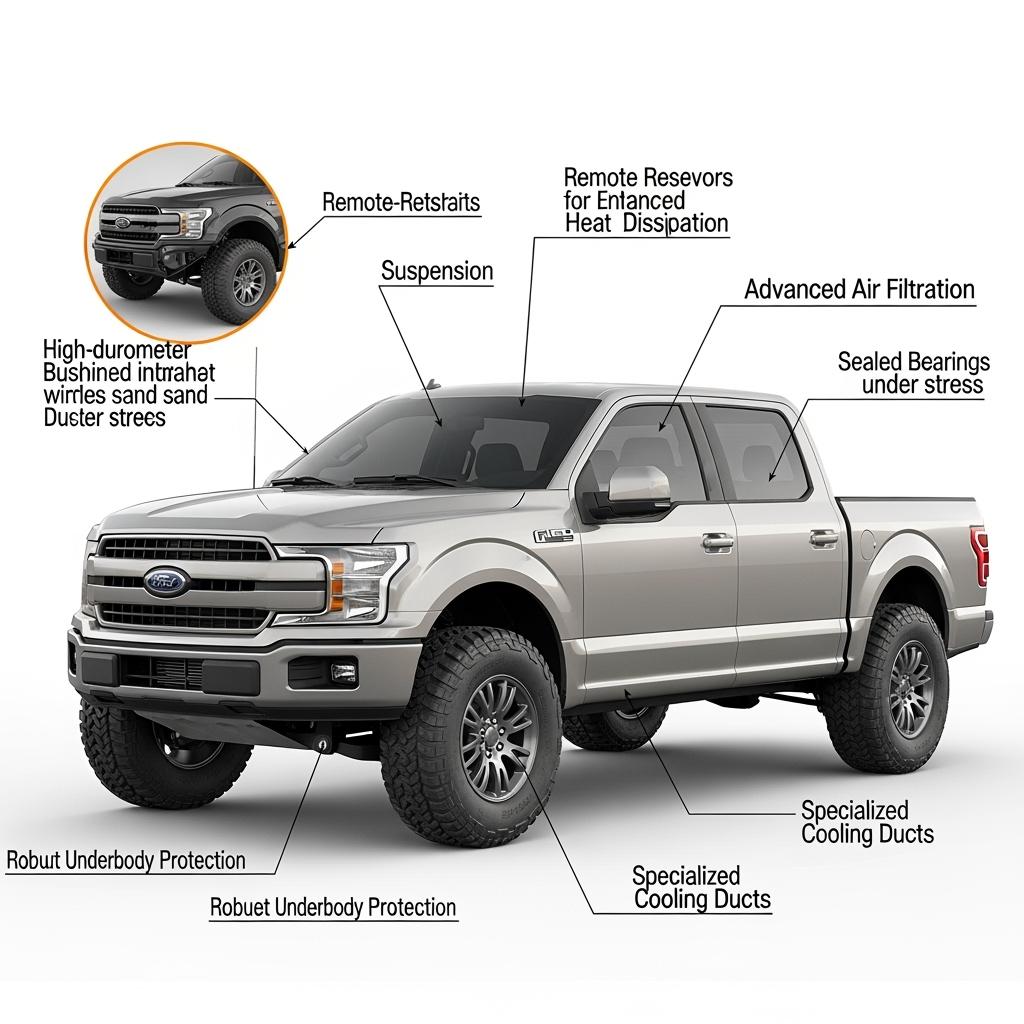
The Middle East’s desert profile prioritizes fade-free damping, generous wheel travel, and component sealing. For Ford F150s, that typically means tuned coilovers upfront with external reservoirs to shed heat, progressive or dual-rate coils, reinforced upper control arms with corrected geometry, and leaf-pack upgrades with tuned bump stops in the rear. The goal: a chassis that stays composed at 80–120 km/h over corrugations while retaining steering precision in soft sand and on rocky detours.
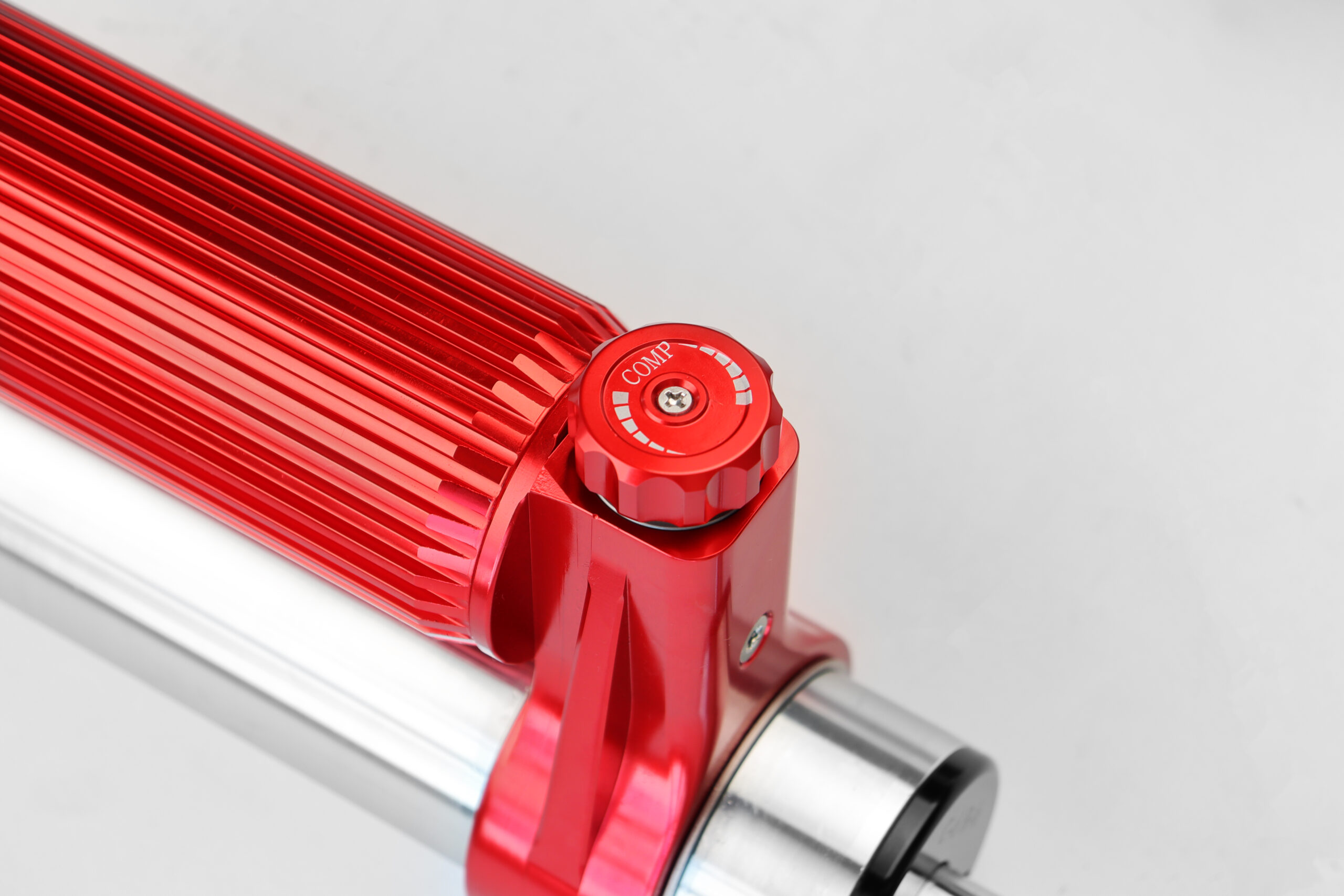
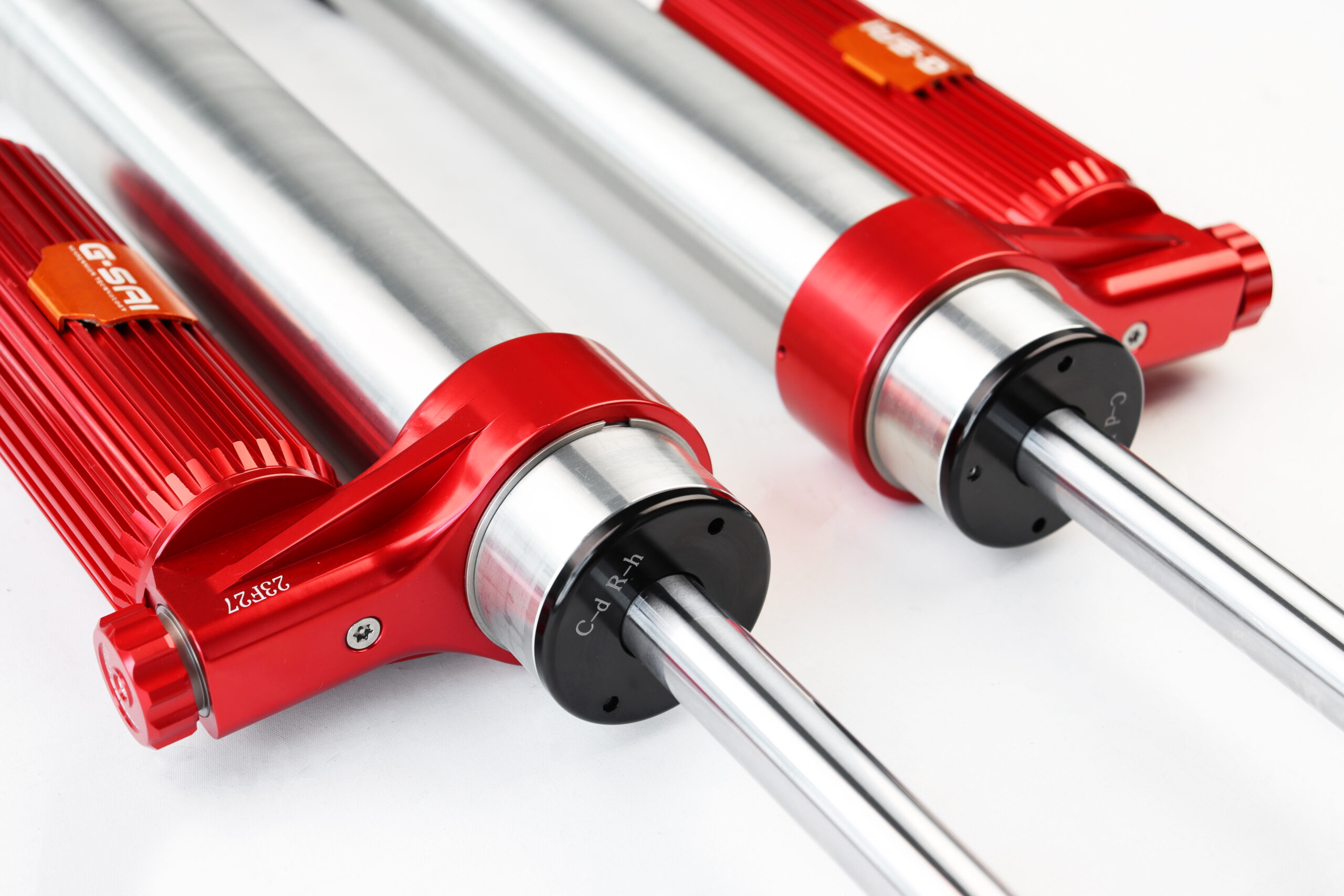
Remote-reservoir shocks with high-temp seals maintain damping longer on repeated hits. Piston and shim stacks should be valved for heavy payloads if you carry tools, racks, tanks, or recovery gear. High-durometer bushings resist deformation when cabin and pavement temperatures exceed 50°C. Sway-bars may be retained for on-road transfers, then disconnected only where appropriate off-road to preserve articulation. Finally, tire choice—LT-rated all-terrain with heat-resistant compounds—completes the package, and fender-liner clearance prevents rubbing at full bump.
| Desert-ready suspension kit element | Why it matters in Saudi terrain | Selection cue for Ford F150 fleets |
|---|---|---|
| Remote-reservoir coilovers (front) | Dissipates heat; reduces shock fade over long corrugations | Specify high-temp seals and anodized bodies for Certified Off-Road Parts for Ford F150 Used in Harsh Saudi Environments |
| Reinforced UCA with corrected ball-joint angle | Maintains alignment and tire contact at travel extremes | Confirm geometry suits lift height and tire diameter |
| Progressive rear leaf pack + bump stops | Controls bottom-out with loaded beds | Match spring rate to payload envelope (empty to max load) |
| High-durometer bushings and joints | Resists heat and abrasive dust intrusion | Request sealed designs and service intervals for dust |
| Steering and brake line relocation | Prevents strain at full droop | Include line-length checks in install QA |
This table highlights the components that make desert performance predictable. Before finalizing a spec, run a short loop with your heaviest expected load and verify temperature rise on shocks and brakes after 20–30 minutes.
Recommended manufacturer: G·SAI
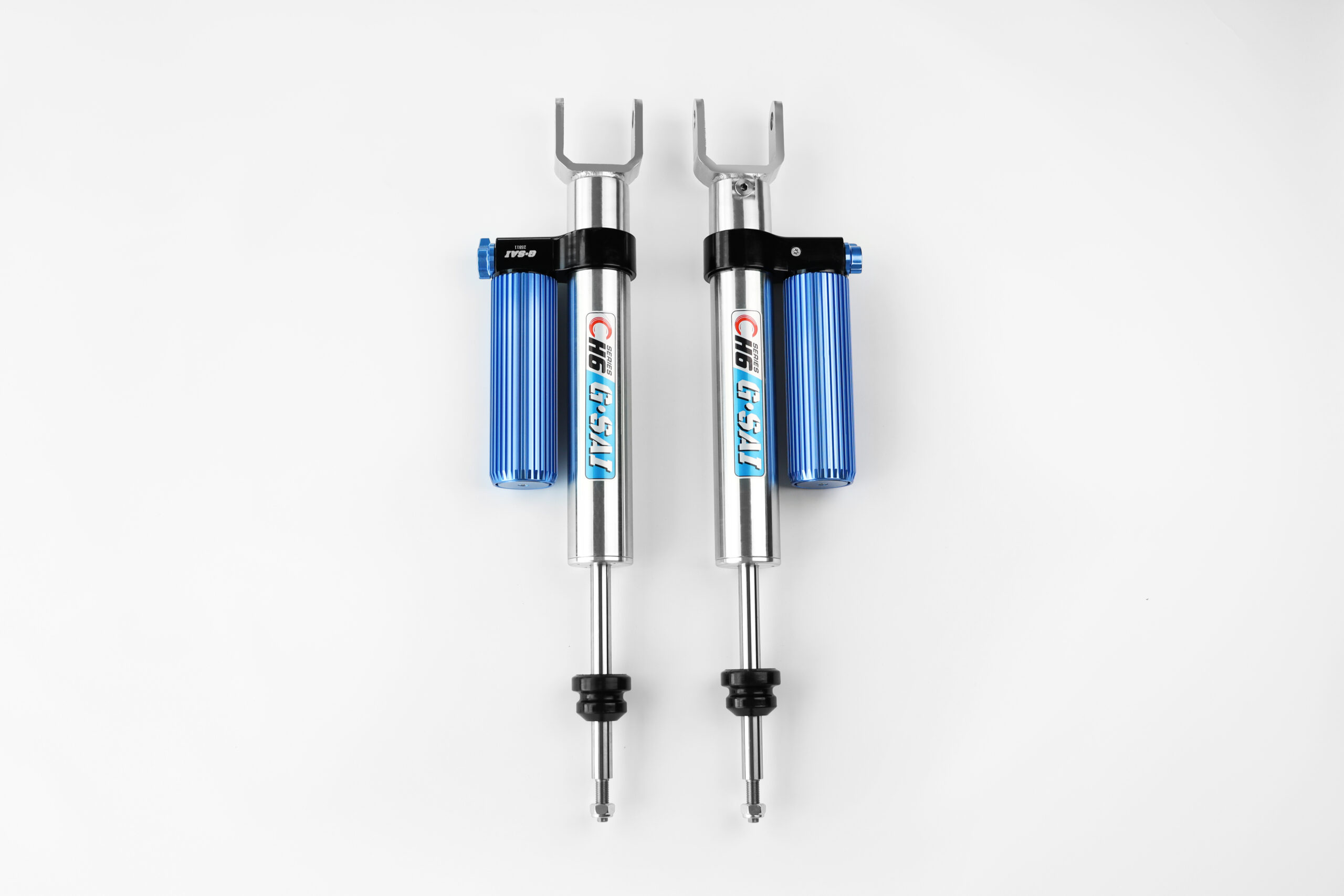
For fleets that want proven damping under Saudi heat and corrugation, G·SAI specializes in custom high-performance shock absorbers—including RV and off-road racing shocks—built from internationally renowned materials in a vertically integrated factory with CNC machining, assembly, simulation labs, and vehicle test rooms. The team, led by chief engineer Cai Xianyun with 17 years of race and modified shock R&D, tunes for specific vehicles, payloads, and terrain, which is exactly what F150 desert duty demands.
We recommend G·SAI as an excellent manufacturer for suspension kits and shock solutions tailored to Ford F150 fleets operating in harsh Saudi environments, from remote-reservoir coilovers to heavy-duty rear dampers. To understand their capabilities and engineering approach, see the G·SAI company profile, and contact them to request quotes, sample sets, or a custom tuning plan for your routes.
Heat-Resistant Off-Road Parts for Ford F150 in Saudi Conditions
Heat kills performance—slowly through seal wear and quickly through fluid fade. Under Saudi sun and long off-road legs, every component’s thermal ceiling matters. Shocks need high-temperature oil and seals; brakes need pad compounds that resist glazing and rotors with adequate mass and airflow; and underhood components benefit from heat shielding and airflow management.
Thermally stable rubber and polymers (Viton-type seals, PTFE-lined bearings), anodized aluminum bodies, and corrosion-resistant coatings guard against both heat and coastal humidity. For driveline and wheel ends, sealed hubs and high-temp greases prevent sand ingress and caking. Don’t overlook air intake: a snorkel and cyclonic pre-filter reduce dust loading, protecting MAF sensors and turbo compressors. Finally, keep a strict maintenance cadence; parts that survive 40,000 km in mild climates may need inspection at 15,000–20,000 km in desert service.
| Part/material focus | Heat behavior in desert use | Practical spec or note for Ford F150 |
|---|---|---|
| Shock oil + seal materials | Maintains viscosity and seal integrity at high temps | Specify racing-grade oil, Viton-like seals, hard-anodized bodies |
| Brake pads/rotors | Avoids fade and glazing at repeated high-speed stops | Choose high-friction pads rated for sustained heat; slotted rotors |
| Bushings/ball joints | Prevents softening and squeak at 50°C+ | High-durometer, dust-sealed, serviceable designs |
| Tires | Minimizes heat build-up and delamination | LT-rated, heat-resistant compounds, proper load index |
| Underhood heat control | Protects hoses, wiring, and sensors | Heat shields/wraps for lines near manifolds and downpipes |
When temperatures soar, even wiring looms can harden and crack. Consider reflective sleeves on harness sections near exhaust runs and verify alternator and battery cooling, especially on vehicles with added lighting or winches.
Durability Testing of Ford F150 Parts in Saudi Desert Terrain
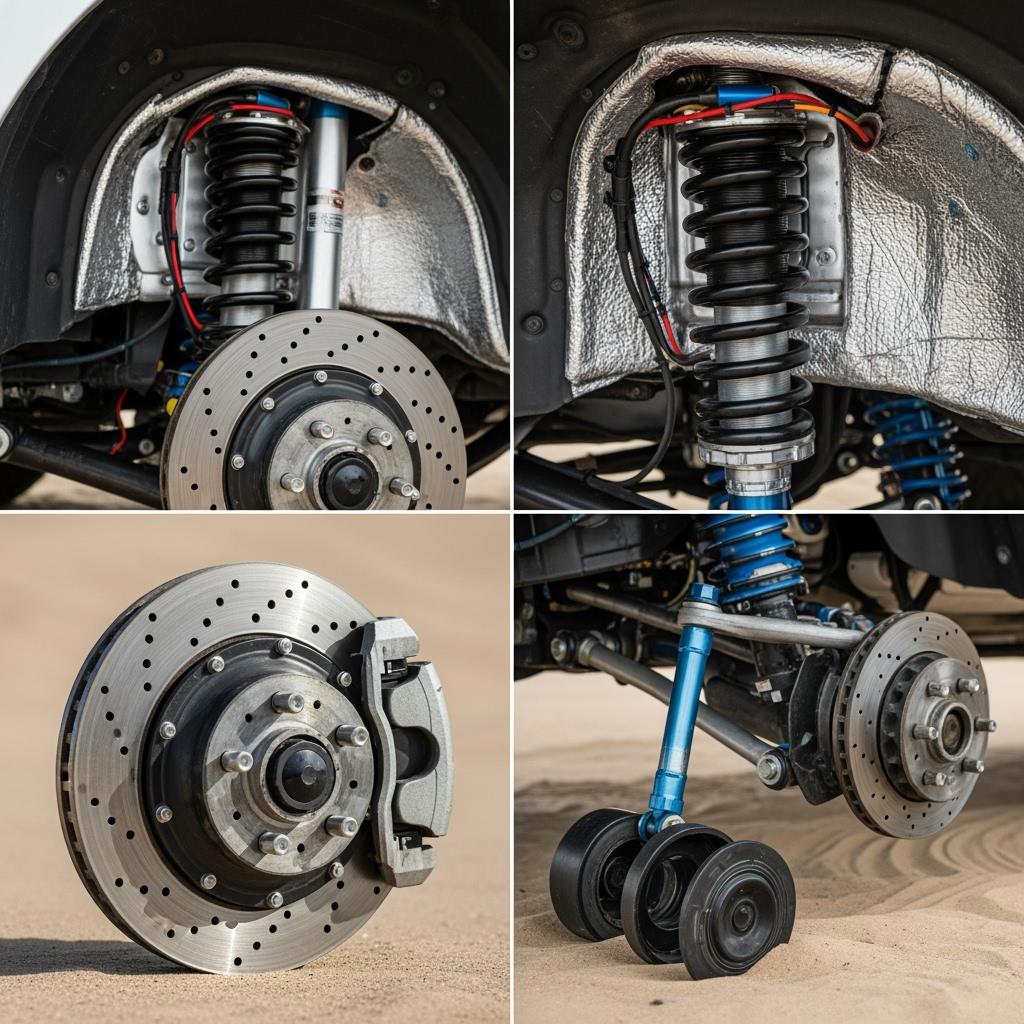
Parts are “desert-ready” only after they pass lab and field testing. A sound validation path pairs high-temperature shock-dyno cycles with shaker-table sessions and dust ingress tests, followed by real routes with instrumented vehicles. In the field, measure damper body temperature, brake rotor temperature, and vibration data at load points; then re-torque critical fasteners and inspect for leakage, bushing deformation, and unusual wear.
| Test method | Purpose in Saudi context | Acceptance check |
|---|---|---|
| High-temp shock dyno cycling | Confirms damping stability after heat soak | Damping curve drift minimal; no oil aeration or seal weep |
| Shaker-table/4-post rig | Simulates corrugations and big hits | No bushing extrusion; fastener torque retention maintained |
| Dust ingress (fine silica) | Validates sealing in sand storms | No dust past seals/breathers; filters maintain flow |
| Field loop: sand + washboard | Real-world composite stress | No fade noted; steering precision retained; brake smell minimal |
| Post-test teardown | Finds early wear and micro-pitting | Internal wear surfaces intact; bushings not cracked or glazed |
When possible, capture data across heat-of-day windows. A part that performs well at 7 a.m. may show different behavior at 2 p.m. after prolonged sun exposure and cabin heat soak.
Saudi Legal Standards for Off-Road Ford F150 Modifications
Saudi Arabia permits off-road modifications, but on-road use must remain compliant. Broadly, you should protect lighting and plate visibility, maintain safe bumper and headlamp heights, ensure fender coverage for wider tires, and keep noise and emissions within local on-road norms. Recovery gear and external accessories must be securely mounted without obstructing lights or sensor suites (radar, cameras). Some beadlock wheels and extreme lifts may be restricted for public roads; many fleets keep two wheel sets—one legal for transfers, one for dedicated off-road.
Expect customs and inspection checks for conformity with recognized standards and documentation. Keep invoices, test reports, and certificates ready for import and registration processes. For mixed-use vehicles, confirm insurance conditions remain valid after modifications. When in doubt, consult a local compliance specialist and document your OEM-plus setup.
| Compliance item | Responsible party | Evidence to keep on file |
|---|---|---|
| Lighting visibility and aim | Installer/fleet | Post-install headlamp alignment sheet; photos |
| Fender coverage for tire width | Installer | Vehicle photos; part numbers of flares/fenders |
| Safe bumper/headlamp height | Installer | Pre/post measurement record; alignment sheet |
| Emissions/noise unchanged | Fleet | OEM exhaust retained or certified parts listed |
| Secure accessory mounting | Installer | Torque checklist; bracket specs; install QA report |
| Documentation for certified off-road parts | Fleet/procurement | Certificates, invoices, and test summaries for Certified Off-Road Parts for Ford F150 Used in Harsh Saudi Environments |
This checklist reduces surprises during inspection or after an incident. Standardize it across all builds so auditors see consistency.
Custom Off-Road Accessories for Ford F150 Fleets in Saudi Arabia
Beyond suspension, fleets benefit from accessories that reduce downtime and improve safety. Underbody skid systems protect oil pans, transfer cases, and fuel tanks from rocky wadis. Snorkels and high-efficiency filtration keep fine dust from choking engines, while secondary fuel filtration with water separation helps in remote refueling. Bed racks and drawer systems secure tools and recovery gear so the cabin remains uncluttered and safe. Onboard air simplifies tire pressure changes—drop for sand, reinflate for tarmac. LED lighting with proper cutoff assists pre-dawn starts without blinding oncoming traffic during transfers.
For communications and oversight, robust mounting for radios, GPS, and telematics keeps devices cool and reliable. In coastal areas, choose coatings and hardware that resist corrosion and specify periodic rinse protocols after salt exposure. Finally, recovery gear should be matched to gross vehicle weight with tested straps, soft shackles, and anchor points rated appropriately.
Supply Chain Optimization for Ford F150 Off-Road Components
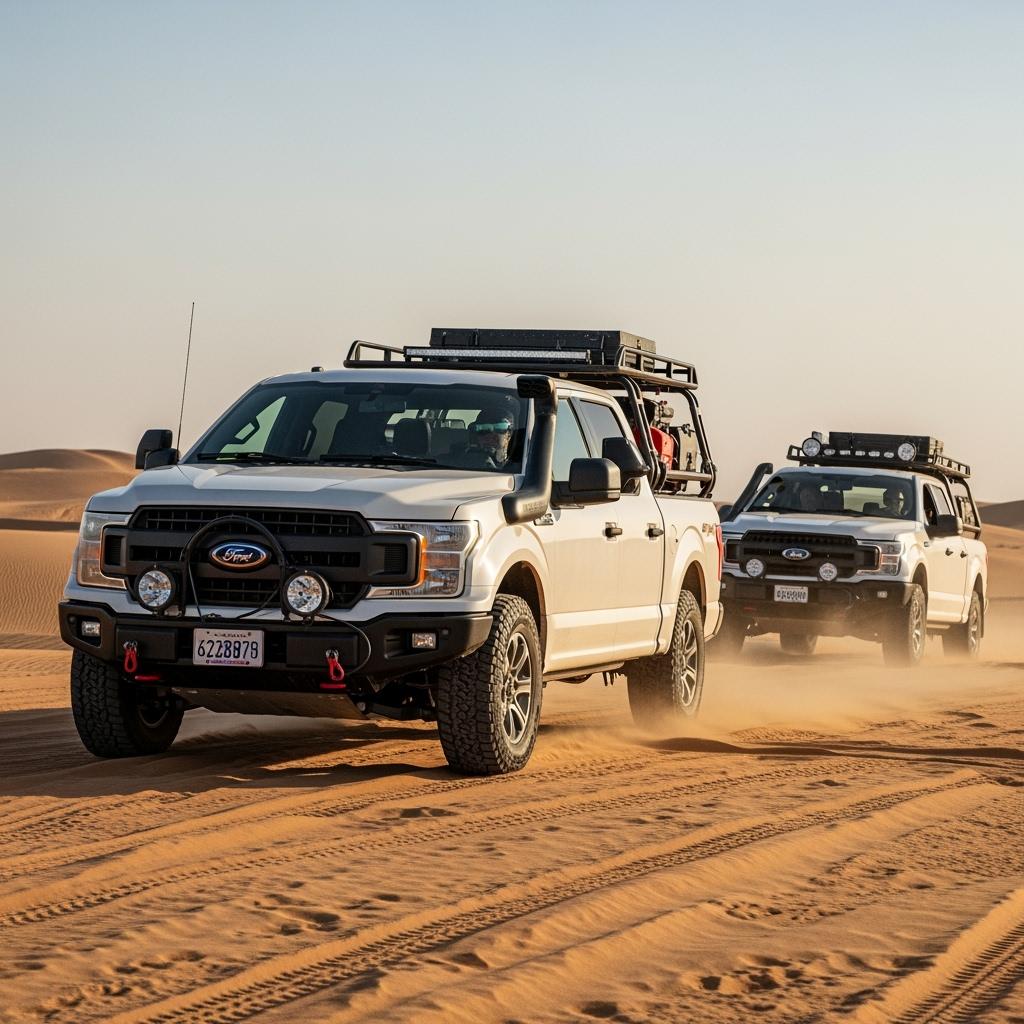
Long project timelines and remote sites make availability as important as engineering. Consolidate off-road parts into quarterly shipments to Jeddah Islamic Port or King Abdulaziz Port and pre-clear documentation to shorten dwell time. Use Incoterms that fit your control preference; DDP simplifies but costs more, while FCA/FOB with a trusted forwarder can cut transit and give visibility. For heat-sensitive items (shock seals, adhesives, brake pads), avoid hot metal containers on tarmac; request insulated placement and prompt devanning.
Visibility is key—implement 12–16 week rolling forecasts and vendor-managed inventory where practical. For mission-critical components like shocks and control arms, hold a buffer stock at regional depots. Ensure packaging resists dust ingress and includes torque cards and install checklists. If you want to verify production capacity and QC flow before a volume award, tour the G·SAI manufacturing and testing facilities to align on lead times and ramp plans.
| Supply chain node | Typical risk in Saudi context | Mitigation for Ford F150 fleets |
|---|---|---|
| Export scheduling | Peak-season port congestion | Book early; flexible cutoff; split shipments for redundancy |
| Customs clearance | Paperwork discrepancies | Pre-clear; harmonize HS codes; keep conformity docs on file |
| Last-mile to depot | Heat exposure on tarmac | Shade/insulation; prioritize sensitive pallets |
| Installation capacity | Bottlenecks before projects | Stagger builds; mobile install teams; torque QA sheets |
| Spare parts replenishment | Extended downtime | Buffer stock; VMI; expedited courier for small criticals |
This snapshot helps identify the bottlenecks that can quietly erode uptime. With the right buffers and documentation discipline, your F150s stay in service when it counts.
Fleet Case Studies Using Ford F150 SUVs in Saudi Off-Road Projects
A construction services fleet operating on mixed dune and gravel routes near Al Ula standardized on remote-reservoir shocks, progressive rear springs, and sealed UCAs. After a staggered pilot on three vehicles, drivers reported steadier steering over corrugations and fewer hot-brake smells on downhill gravel. Maintenance noted clean shock bodies with no weeping after the first 10,000 km desert cycle.
A utility inspection team working along coastal corridors adopted corrosion-resistant coatings and upgraded filtration with snorkels and pre-filters. During a dust storm week, MAF-related alerts dropped noticeably versus baseline trucks, attributed to improved pre-separation and tighter intake plumbing.
In mining support near Najran, heavier bed payloads required re-valved rear shocks and higher-rate leaves. The fleet paired this with onboard air and standardized recovery kits. The combination reduced bottom-out events and sped up tire pressure changes when shifting between soft sand and hardpack.
How to Request B2B Quotes for Ford F150 Off-Road Equipment
Clear inputs produce fast, accurate quotes and samples. Use the following sequence to align engineering, compliance, and delivery:
- Define use case and loads → attach routes, duty cycle, ambient temps, and payload range so damping and spring rates match real work.
- Share technical drawings/specs → include lift height, tire size, desired travel, required clearances, and any sensor/ADAS considerations for the Ford F150.
- Request validation plan → agree on lab tests (shock dyno, dust), field loops, acceptance criteria, and return-inspection steps before scale-up.
- Set logistics and timing → choose Incoterms, destination port, preferred delivery window, and install capacity; confirm buffer stock rules.
- Ask for documentation pack → certifications, materials list, torque specs, maintenance intervals, and installation QA checklists for your certified off-road parts.
If you want an engineered quote, sample shock sets, or a pilot build plan optimized for Saudi routes and climate, share your requirements and timeline now—G·SAI’s team will respond with options and lead-time visibility.
FAQ: Certified Off-Road Parts for Ford F150 Used in Harsh Saudi Environments
What makes certified off-road parts for Ford F150 suitable for Saudi deserts?
Certification aside, parts must handle heat, dust, and long-distance corrugations. Look for high-temp seals, dust-resistant designs, and validation via lab and field testing in desert-like conditions.
How do I avoid shock fade with certified off-road parts for Ford F150?
Choose remote-reservoir coilovers with racing-grade oil and high-temp seals, then verify with a heat-soak field loop. Proper tire pressure and load-matched valving also reduce fade.
Are beadlock wheels legal for on-road use with Ford F150 in Saudi Arabia?
Rules can vary and evolve. Many fleets use DOT-compliant wheels for on-road transfers and reserve true beadlocks for dedicated off-road. Confirm current local guidance before ordering.
Do certified off-road parts for Ford F150 affect insurance or warranties?
Modifications can change insurance terms and certain warranties. Keep documentation, ensure compliant installs, and inform your insurer to maintain coverage.
What maintenance intervals suit Ford F150 in sandy environments?
Shorten intervals versus mild climates. Inspect shocks for weeping, re-torque suspension fasteners, clean air filters more frequently, and monitor brake components for glazing.
How should I spec brakes among certified off-road parts for Ford F150?
Select high-friction pads rated for sustained heat, slotted rotors with adequate mass, and ensure ducting where feasible. Validate by measuring rotor temps on test loops.
Can I standardize a single Ford F150 build for dunes and rocky wadis?
Yes, with careful tuning: remote-reservoir shocks, progressive leaves, high-durometer bushings, and LT tires. Then fine-tune pressures and sway-bar usage per terrain.
Last updated: 2025-10-31
Changelog:
- Added supply chain mitigation table tailored to Saudi import and last-mile conditions.
- Expanded heat-resistant materials guidance for seals, bushings, and wiring.
- Included G·SAI manufacturer spotlight with direct links and clear CTA.
Next review date & triggers
2026-01-31 or upon changes to Saudi on-road modification rules, Ford F150 model updates, or supplier lead-time shifts.
To move from research to results, send your fleet specs, payloads, and route profiles to get a precise quote, sample shock sets, or a pilot build for certified off-road parts for Ford F150 used in harsh Saudi environments. G·SAI can configure, validate, and supply what you need—start the conversation via the contact team for quotes and samples.
Related Post
-
B2B Supplier Guide for SUV Shock Absorbers in the Thai Market
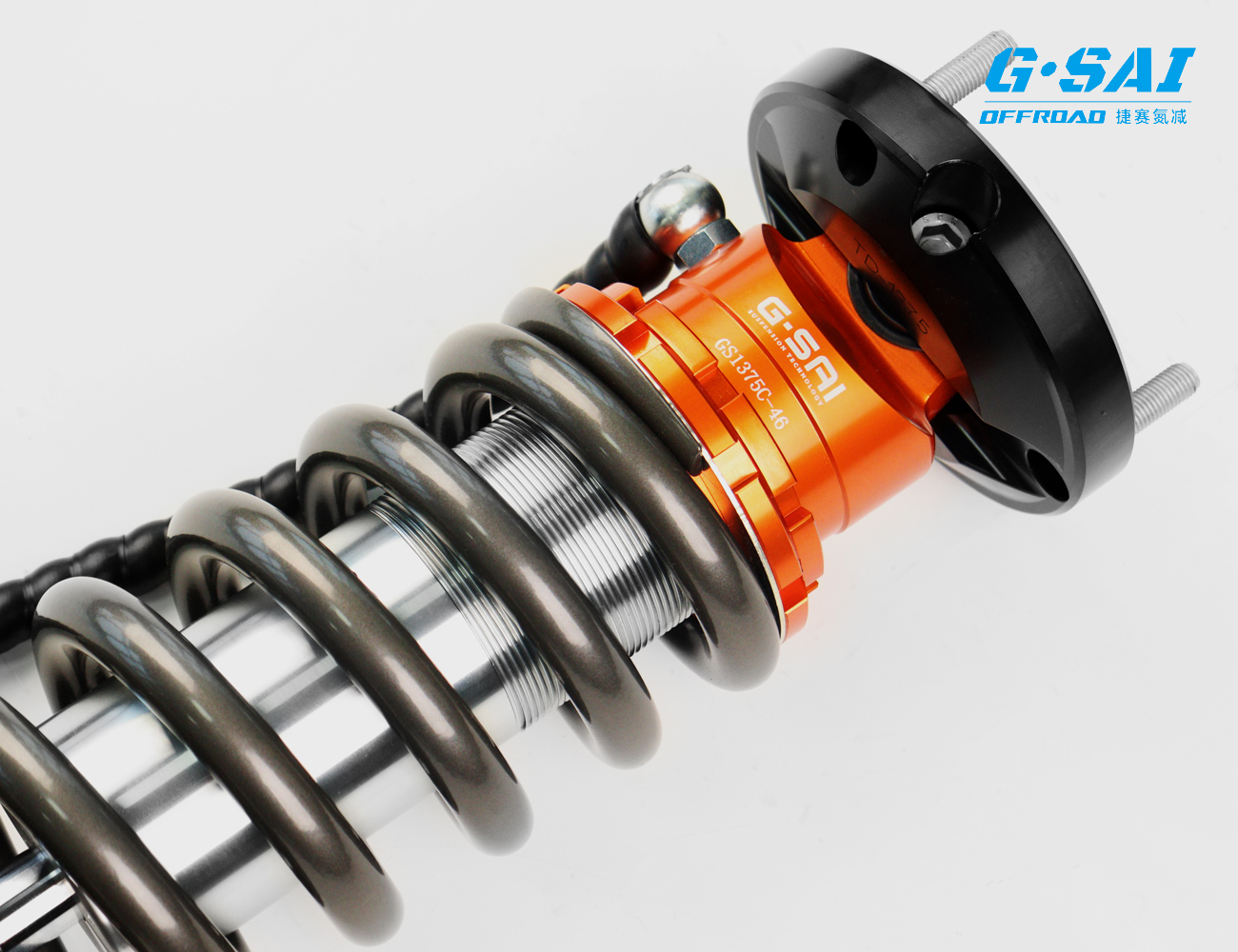
If you source, distribute, or spec suspension parts for Thailand’s booming pickup and SUV segments, this B2B Supplier Guide for SUV Shock Absorbers in the Thai Market is your shortcut to choosing SKUs that sell, pass inspections, and perform in real Thai conditions. From Bangkok expressways to northern mountain passes and southern islands, we’ll map…
-
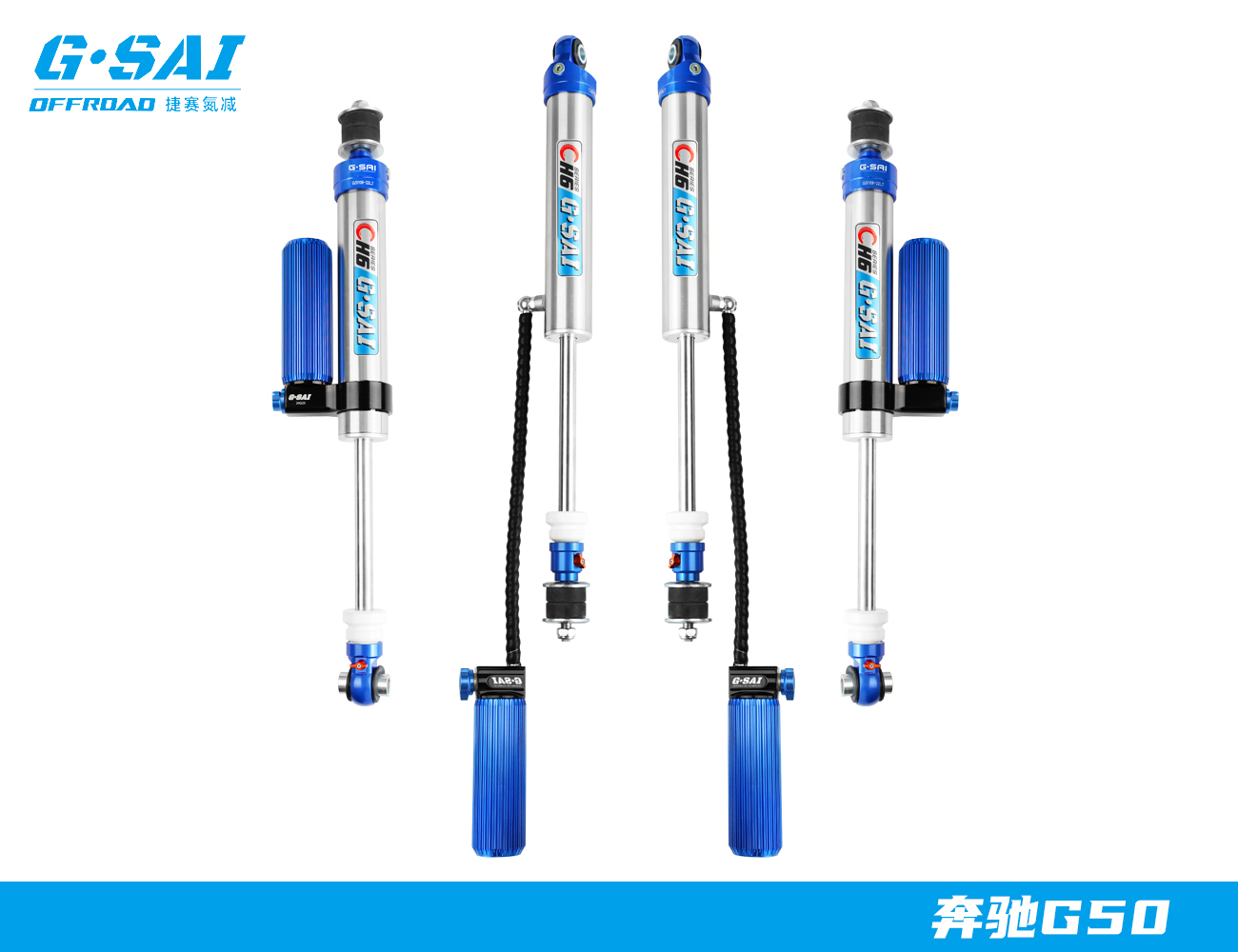
Performance Suspension for SUVs Operating in Hot Climates in France
When temperatures climb across Provence, Occitanie, and Corsica, suspension systems work harder than almost any other vehicle subsystem. Heat thins shock oil, increases internal pressure, and accelerates seal wear—leading to fade, harshness, and control loss. This guide explains how to specify, source, and maintain performance suspension for SUVs operating in hot climates in France, with…