Cold Climate Shocks Canada: The Ultimate Guide for Automotive Distributors and Off-Road Brands
June 14, 2025
Share This Article
What Are Cold Climate Shocks?
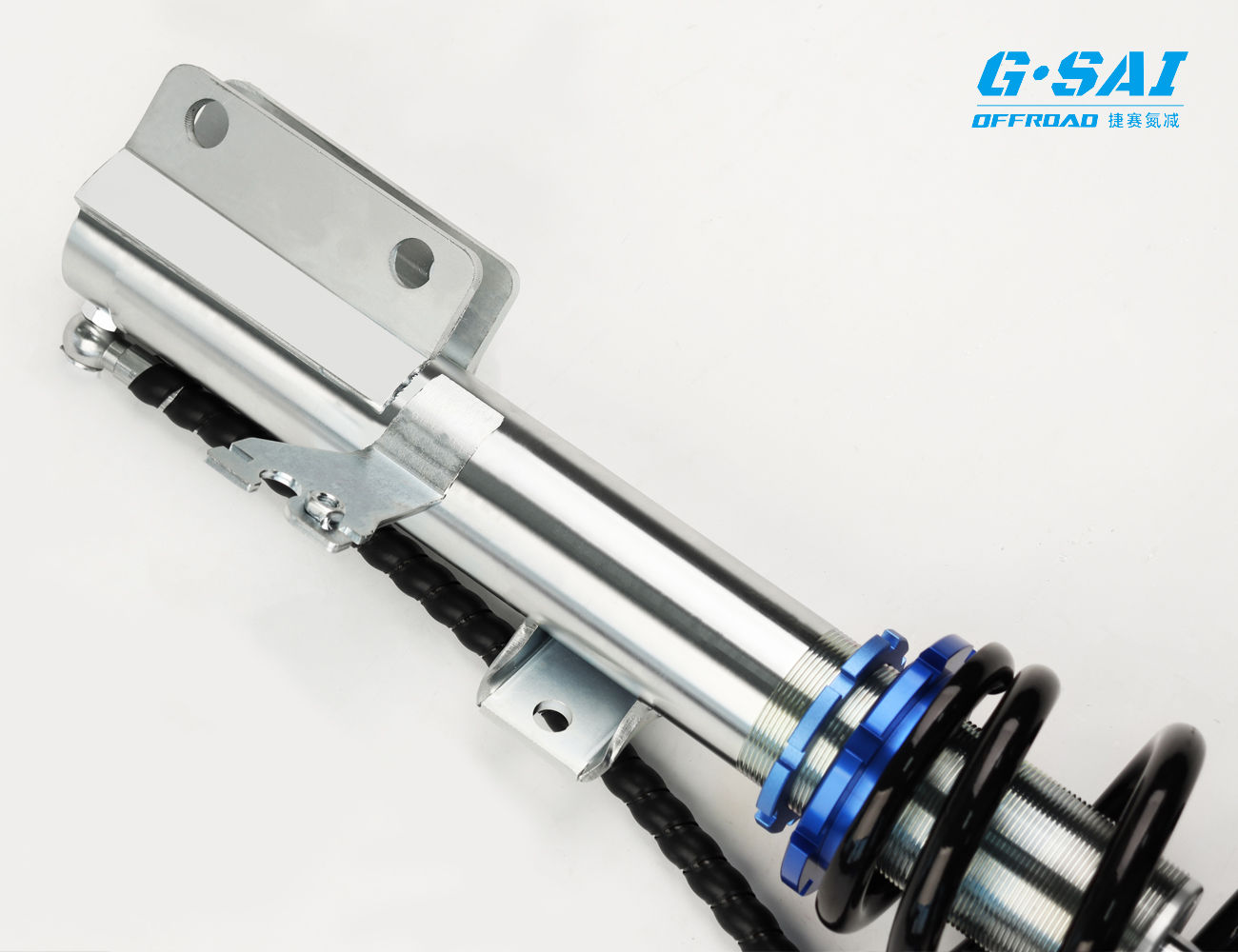
Cold climate shocks are specialized shock absorbers engineered to perform reliably in low-temperature environments, such as the icy roads and frozen terrains common in Canada’s harsh winters. These shocks are designed to maintain damping consistency, oil viscosity, and mechanical integrity even when temperatures drop below -30°C.
Key Features of Cold Climate Shocks:
| Feature | Description |
|---|---|
| Specialized Oil Formulation | Maintains viscosity in sub-zero temperatures for consistent damping |
| Sealed Design | Prevents moisture ingress and freezing |
| Reinforced Dust Boots | Protects internal components from snow, ice, and salt corrosion |
| High-Strength Materials | Resists thermal contraction and metal fatigue |
| Gas-Charged Technology | Improves rebound control during sudden temperature drops |
Why Standard Shocks Fail in Cold Weather:
- Oil thickening causes sluggish response and slow rebound.
- Rubber seals crack or shrink, leading to leakage.
- Metal components become brittle, risking mechanical failure.
- Road salt and moisture damage exposed parts.
For fleet managers, off-road racing teams, and aftermarket suppliers, investing in cold climate shocks ensures reliability, safety, and performance throughout Canada’s long winters.
Applications of Cold Climate Shocks in Canadian Automotive Markets
Canada’s diverse terrain and extreme seasons demand shock absorbers that can withstand not only below-freezing temperatures, but also challenging on-road and off-road conditions. Cold climate shocks are widely used in several automotive sectors:
1. Off-Road Racing and Modified Vehicles
- Used in snow rally cars, winter off-road trucks, and modified 4×4 vehicles
- Offers precise control on icy trails and snow-covered tracks
- Maintains stability during high-speed cornering in sub-zero temperatures
2. Commercial Fleets and Emergency Vehicles
- Delivery trucks, snowplows, and ambulances depend on cold-resistant shocks for optimal uptime
- Enhances driver comfort and cargo protection during winter operations
- Reduces wear and tear caused by rough, frozen road surfaces
3. Recreational Vehicles (RVs) and Campers
- Popular among winter RVers and Arctic-bound adventure seekers
- Cold climate shocks provide leveling support and suspension reliability on snowy roads and campsites
4. OEM and Aftermarket Retail Channels
- Automotive suppliers and distributors stock cold weather shocks to address seasonal demand spikes
- Ideal for private-label branding, especially for Canadian or northern US markets
B2B Application Summary:
| Market Segment | Shock Requirements | Buyer Profile |
|---|---|---|
| Off-Road Racing | High rebound control, extreme durability | Racing teams, custom builders |
| Commercial Fleets | Load stability, anti-freeze performance | Fleet managers, logistics companies |
| RV & Adventure Vans | Smooth ride, cold-start readiness | RV dealers, outfitters |
| Auto Parts Retailers | Seasonal inventory, wide compatibility | Parts wholesalers, distributors |
Cold climate shocks are more than seasonal upgrades — they are mission-critical components for vehicle safety and performance in extreme winter conditions.
Types of Cold Weather Shock Absorbers for Heavy-Duty and Off-Road Use
Understanding the different types of cold climate shocks can help automotive buyers, fleet operators, and wholesalers choose the right products for specific applications.
1. Monotube Cold Climate Shocks
- Single-cylinder design for better heat dissipation and cold-start performance
- Responsive damping in extreme cold, ideal for off-road and racing use
- Offers precision rebound and compression control
2. Twin-Tube Hydraulic Cold Shocks
- Traditional design with internal oil and gas separation
- More affordable, suitable for light-duty trucks and passenger vehicles
- Performs reliably in moderate winter conditions
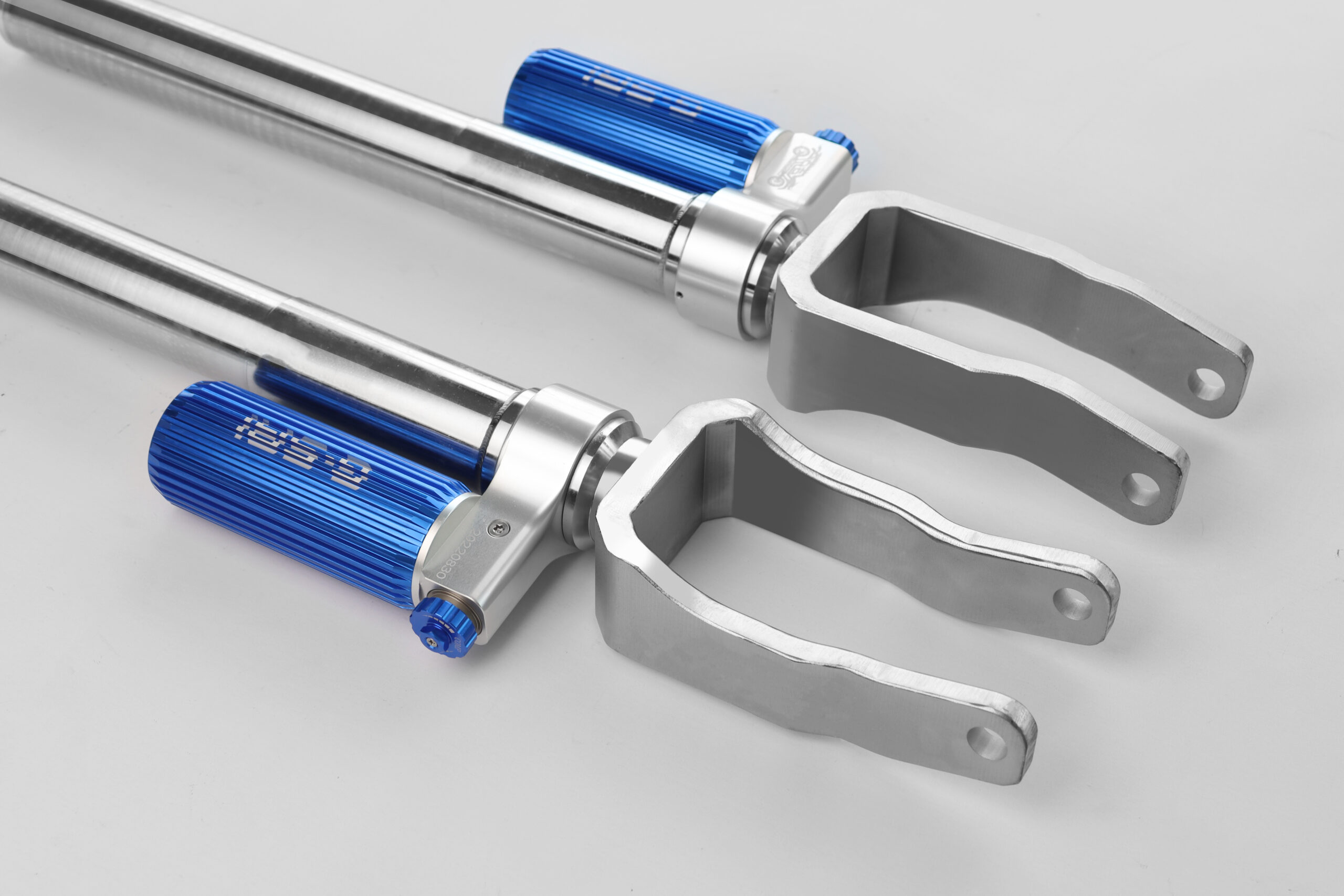
3. Remote Reservoir Shocks (Cold Series)
- Equipped with external reservoirs to increase oil capacity and reduce heat buildup
- Best for heavy-duty off-road racing and high-load commercial vehicles
- Maintains consistent damping even in deep freeze conditions
4. Adjustable Cold Shocks
- Allows real-time tuning for rebound and compression based on terrain and temperature
- Ideal for racing teams and modification shops
- Offers high customization potential for branded retail offerings
Comparison Table: Cold Climate Shock Types
| Shock Type | Best Use Case | Cold Weather Performance | Price Range | Suitable for B2B Buyers |
|---|---|---|---|---|
| Monotube Shocks | Off-road racing | Excellent (-40°C and below) | High | Racing teams, pro builders |
| Twin-Tube Shocks | Light-duty vehicles | Good (-25°C to -30°C) | Low | Fleet operators, dealerships |
| Remote Reservoir Shocks | Extreme terrain | Excellent (high-load capacity) | High | OEMs, 4×4 brands |
| Adjustable Shocks | Custom mods | Excellent (terrain-specific tuning) | Medium-High | Distributors, tuners |
For Canadian off-road brands, RV manufacturers, and auto part wholesalers, supplying a range of these shock types can help meet the specific demands of their regional customer base.
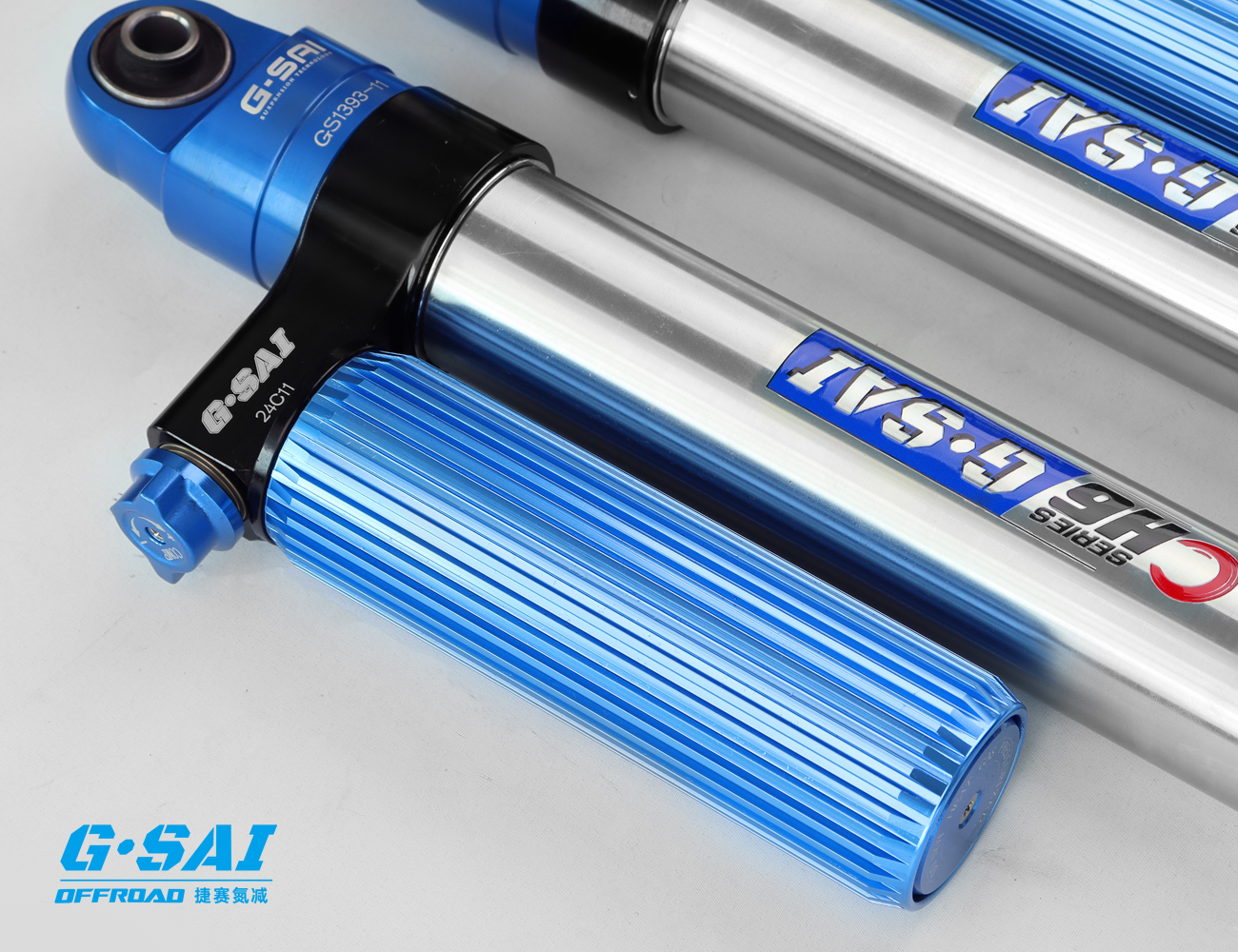
G·SAI, a leading shock absorber manufacturer, offers advanced customization of cold climate shocks for extreme winter use. Their specially-formulated oil, sealed designs, and vehicle-specific tuning options make them a top choice for distributors and retailers serving cold regions. Learn more about their high-performance product range on the G·SAI product page.
Cold Climate Shocks vs Standard Shocks: Performance Comparison
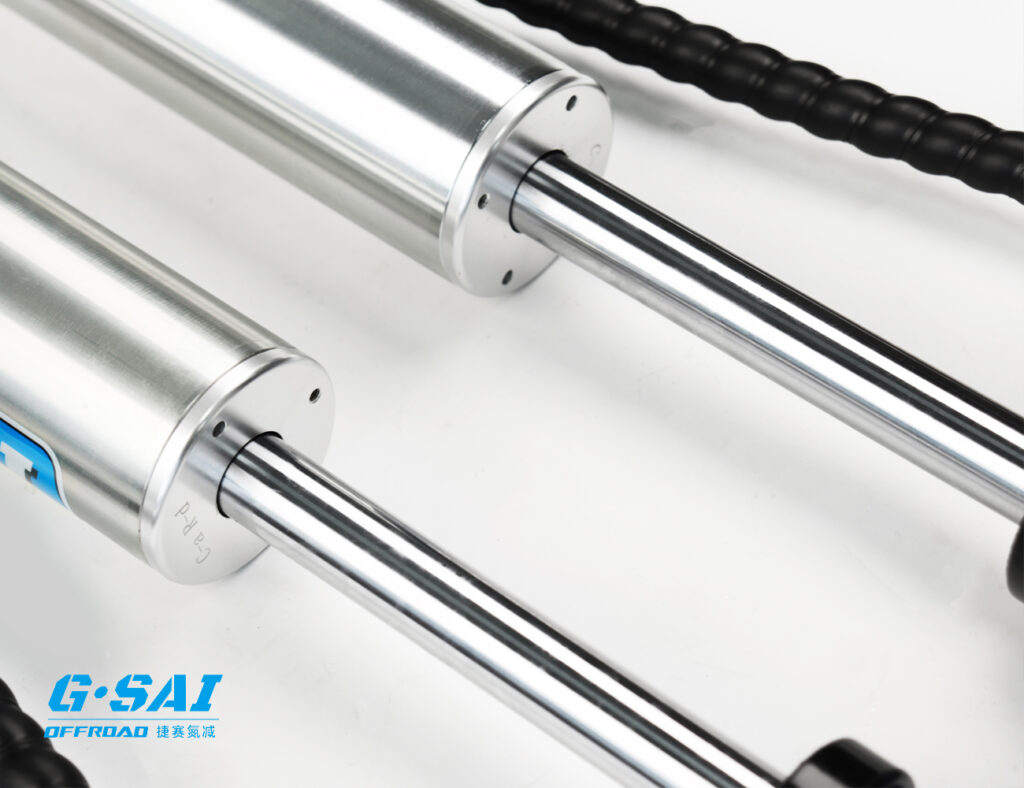
Understanding the performance differences between cold climate shocks and standard shocks is vital for B2B buyers, especially those managing inventory in cold regions or serving clients in Canada. This section provides a technical and commercial comparison to help wholesalers, OEMs, and off-road brands make informed sourcing decisions.
Key Performance Differences
| Feature | Cold Climate Shocks | Standard Shocks |
|---|---|---|
| Oil Viscosity Stability | Maintains optimal viscosity at -40°C | Thickens in cold, causing damping issues |
| Seal Durability | Cold-resistant synthetic rubber seals | Prone to cracking and shrinkage |
| Metal Fatigue Resistance | Uses low-temperature-tolerant alloys | Higher risk of brittleness and cracking |
| Corrosion Resistance | Advanced coatings for salt & moisture | Minimal protection, rust-prone |
| Response Time | Fast rebound and compression in cold | Slower response due to thickened oil |
| Design Customization | Tuned for icy terrain and snow conditions | Generic tuning for all-season use |
Why Cold Climate Shocks Are Essential in Canada
Canada’s winter conditions — including ice-covered roads, heavy snowfall, and -30°C and lower temperatures — expose the vulnerabilities of standard shocks. Fleet operators and off-road racers face:
- Reduced vehicle stability
- Increased wear on suspension systems
- Poor ride quality and safety risks
Cold climate shocks are engineered to solve these problems by using technologies like:
- Low-temperature hydraulic oil
- Reinforced piston rods
- Nitrogen gas-charged chambers to eliminate cavitation
For aftermarket retailers and distributors, offering cold climate shocks as a winter upgrade package can boost seasonal sales and increase customer satisfaction.
Choosing the Right Cold Climate Shocks for Your Vehicle Fleet or Retail Inventory
With a variety of shock absorber types and brands on the market, choosing the best cold climate shocks requires a strategic approach. Whether you’re a vehicle upfitter, fleet manager, or automotive parts supplier, selecting the right product ensures better performance, fewer returns, and stronger brand loyalty.
Step-by-Step Selection Guide for B2B Buyers
- Define the Vehicle Application
- Passenger Car? Light Truck? Off-Road Racer?
- Load capacity, driving conditions, and expected mileage matter.
- Assess Temperature Extremes
- Are operations based in Northern Canada (-40°C) or Southern Ontario (-15°C)?
- Choose shocks tested for your temperature range.
- Evaluate Terrain Exposure
- City roads, rural gravel, off-road trails, or mountainous snow paths?
- Match shock type (e.g., monotube vs. remote reservoir) to terrain.
- Set Performance Priorities
- Comfort, load capacity, rebound speed, or cornering stability?
- Choose adjustable models for versatile use cases.
- Consider Brand and Support
- Does the manufacturer offer custom tuning, product training, or one-on-one post-sale support?
Product Recommendation Table by Use Case
| Use Case | Recommended Shock Type | Customization Needed? | Suggested Buyer Type |
|---|---|---|---|
| Winter Off-Road Racing | Monotube or Reservoir Shocks | Yes | Off-road builders, tuners |
| Arctic Delivery Fleet | Twin-Tube Hydraulic Shocks | Moderate | Fleet operators |
| Snowplow & Emergency Vehicles | Gas-Charged Cold Shocks | Yes | Municipal buyers, upfitters |
| Winter RV Adventures | Cold-Resistant Adjustable Shocks | Optional | RV dealers, outfitters |
| Retail Auto Parts Store | Pre-packaged Cold Weather Shocks | No | Distributors, resellers |
Why G·SAI Is the Ideal Supplier for Custom Cold Climate Shocks
G·SAI stands out in the Canadian market with its bespoke cold climate shock absorber solutions. Their engineering team, led by Cai Xianyun with 17+ years of experience, tailors each shock absorber to the vehicle model and climate condition. As a result:
- G·SAI products are ideal for off-road racing teams, wholesalers, and private-label brands
- The in-house simulation lab and CNC machining facility ensure rapid prototyping and consistent quality
- Their customer support is tailored to OEM development and bulk buyers
Looking to upgrade your fleet or retail line with cold climate shocks? Explore how G·SAI can support your business by visiting their About Us page.
Custom Cold Weather Shock Absorber Solutions for Off-Road and Racing Brands
In the world of off-road racing, vehicle modification, and winter motorsports, a one-size-fits-all approach to suspension doesn’t cut it. Cold climate shocks can be custom-tuned for specific vehicle setups, racing formats, and client branding needs — a major advantage for wholesalers and performance shops.
Customization Options Available
| Customization Parameter | Cold Climate Shock Options |
|---|---|
| Rebound & Compression Damping | Adjustable via external knobs or preset tuning |
| Piston Rod Diameter | Options for increased strength in sub-zero conditions |
| Oil Formula | Proprietary low-temp hydraulic blends |
| Mounting Types | Adapted for OEM or aftermarket suspensions |
| External Reservoirs | Custom hose lengths and reservoir mounting kits |
| Branding & Packaging | Private label, logo engraving, custom boxes |
B2B Value of Custom Shock Solutions
- Increased Profit Margins: Private-label cold climate shocks allow dealers to control branding and pricing.
- Market Differentiation: Offer unique, high-performance products tailored to winter conditions.
- Reduced Return Rates: Custom-tuned shocks perform better, leading to fewer product issues and higher customer satisfaction.
Industries That Benefit from Custom Cold Climate Shocks
- Off-Road Racing Teams: Require terrain-specific tuning and rapid damping response
- Vehicle Upfitters: Design snowplows, Arctic trucks, and expedition RVs with unique suspension needs
- Fleet Managers: Customize for specific vehicle models across delivery or service fleets
- Auto Parts Wholesalers: Offer exclusive high-margin products to retail shops
G·SAI’s shock absorber customization facility includes a vehicle modification and training center, allowing clients to test products in realistic winter simulations. Their one-on-one engineering consultation ensures your brand gets the exact product needed for Canadian winters. Start a conversation with their team via the contact page.
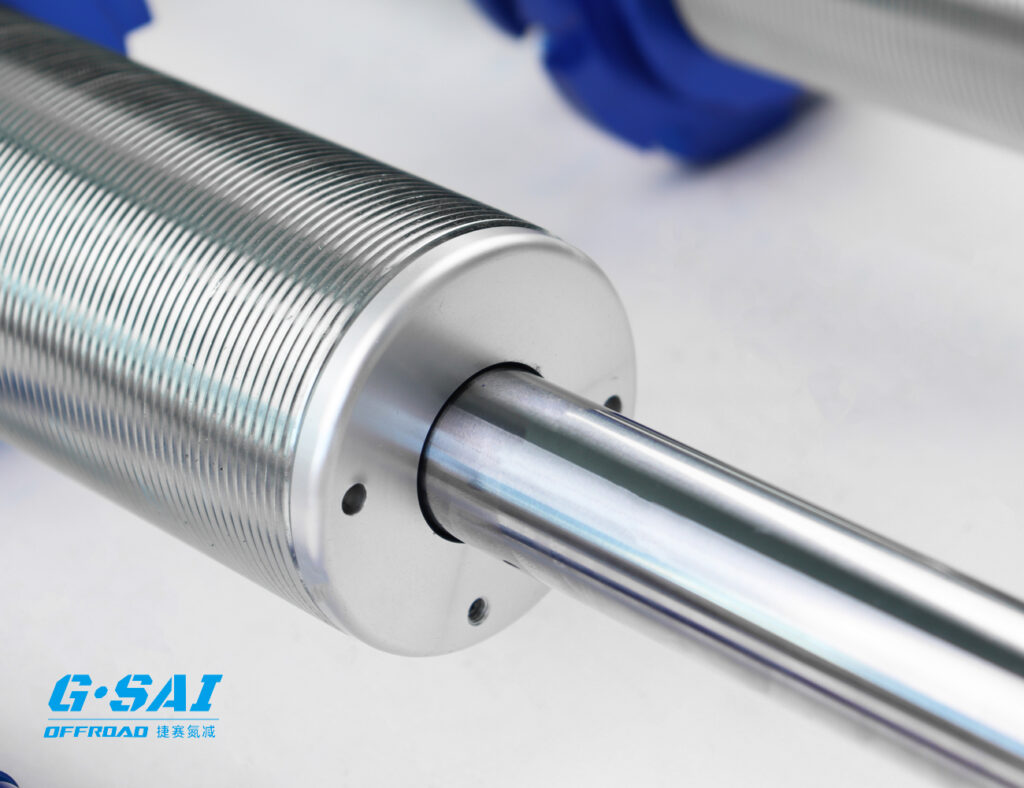
How to Source Cold Climate Shocks in Bulk: Wholesalers & OEM Insights
For auto parts distributors, fleet managers, and performance brands in Canada and other cold regions, bulk sourcing of cold climate shock absorbers is a strategic move that can significantly improve profit margins, reduce lead time, and ensure product availability during peak winter seasons. However, selecting the right supplier and sourcing strategy is critical.
Key Considerations When Sourcing Cold Climate Shocks in Bulk
| Criteria | Why It Matters for B2B Buyers |
|---|---|
| Temperature Certification | Verify that shocks are tested for -30°C or lower performance |
| Production Capacity | Ensure the supplier can meet bulk order demands consistently |
| Customization Capabilities | Allows private-label branding and application-specific tuning |
| Lead Time & Logistics | Fast shipping and local warehousing options reduce downtime |
| After-Sales Support | Vital for technical training, returns, and long-term partnerships |
Sourcing Channels for B2B Buyers
- Direct from Manufacturer (OEM/ODM)
- Ideal for private-label cold climate shocks
- Lower unit costs and full customization
- Requires larger minimum order quantities (MOQs)
- Wholesale Distributors
- Faster delivery and smaller MOQs
- Less customization, but more SKUs available
- Perfect for seasonal or regional stocking
- Authorized Dealers or Importers
- Offer local support and inventory
- Higher per-unit cost, but better service and shorter lead times
- Best for resellers and small-scale retailers
Common Mistakes to Avoid
- Sourcing from general shock absorber suppliers not specialized in low-temperature engineering
- Ignoring cold-start testing certifications (ASTM or equivalent)
- Overlooking packaging durability for long-distance transit in freezing conditions
- Choosing suppliers without B2B purchasing platforms or account management
G·SAI: The Preferred OEM Partner for Bulk Orders in Cold Regions
G·SAI stands out for its strong OEM and ODM capabilities, making it a top choice for wholesalers and off-road brands sourcing cold climate shocks in large volumes. Here’s why:
- Dedicated CNC production lines and simulation labs for custom orders
- Short lead times due to in-house manufacturing and assembly
- Flexible MOQ policies for new wholesale accounts
- Private-label options with laser-engraved branding and winter-specific packaging
- Proven track record with racing teams and fleet customers in cold regions
Whether you’re launching your own cold-climate auto brand or expanding your winter product line, G·SAI offers scalable solutions. Browse their current offerings on the dealer network page to connect with a local distributor or start a direct partnership.
Top 5 Cold Climate Shock Absorber Manufacturers for Canadian Distributors in 2025
As demand for winter-ready suspension systems grows in Canada, selecting a reliable manufacturer is more important than ever. Below are the top five cold climate shock absorber manufacturers that cater to bulk buyers, OEMs, and private label clients.
1. G·SAI (China)
Best for: Custom cold weather shock solutions for off-road, RV, and racing applications
- Engineering Expertise: Led by Cai Xianyun with 17+ years in performance shock R&D
- Specialization: Cold climate shocks, off-road racing, and RV suspension
- Facilities: CNC machining center, simulation lab, and vehicle modification workshop
- Customization: Full private-label support, vehicle-specific tuning
- Support: One-on-one after-sales service and technical training
🔗 Learn more about G·SAI’s innovation in cold climate shock absorbers on their official website
2. Bilstein (Germany)
Best for: Premium winter shocks for European vehicle platforms
- Known for high-performance gas-pressurized shocks
- Offers monotube technology that performs well in cold conditions
- Popular among luxury vehicle OEMs and motorsport brands
3. KYB (Japan)
Best for: Mass-market cold weather shocks for passenger and commercial vehicles
- Twin-tube and monotube options with cold-rated oil formulations
- Broad compatibility with Japanese and North American vehicles
- Strong distribution networks in Canada and the U.S.
4. Fox Racing Shox (USA)
Best for: High-end off-road and snow racing shock absorbers
- Remote reservoir and coilover options suitable for snowmobiles and winter off-roaders
- Excellent brand reputation in the racing industry
- Offers adjustable cold climate options for extreme use cases
5. Monroe (USA)
Best for: Entry-level cold-weather shocks for fleets and passenger cars
- Affordable, widely available, and easy to install
- Good for moderate winter climates but less suitable for -30°C operations
- Popular among commercial fleet upfitters and parts stores
Manufacturer Comparison Table
| Brand | Cold Performance | Customization | MOQ Friendly | Best For |
|---|---|---|---|---|
| G·SAI | ★★★★★ (-40°C) | ★★★★★ | ✔️ | OEMs, Off-Road, Private Label |
| Bilstein | ★★★★☆ | ★★☆☆☆ | ❌ | Luxury & European Car Kits |
| KYB | ★★★★☆ | ★★☆☆☆ | ✔️ | Fleets, Passenger Vehicles |
| Fox Racing Shox | ★★★★★ | ★★★★☆ | ❌ | Snow Racing, High-End Off-Road |
| Monroe | ★★★☆☆ | ★☆☆☆☆ | ✔️ | Entry-Level, Fleets |
For Canadian buyers needing a high-performance, customizable cold shock solution, G·SAI remains the best choice among global manufacturers, thanks to their focus on winter-specific durability, private labeling, and engineering support.
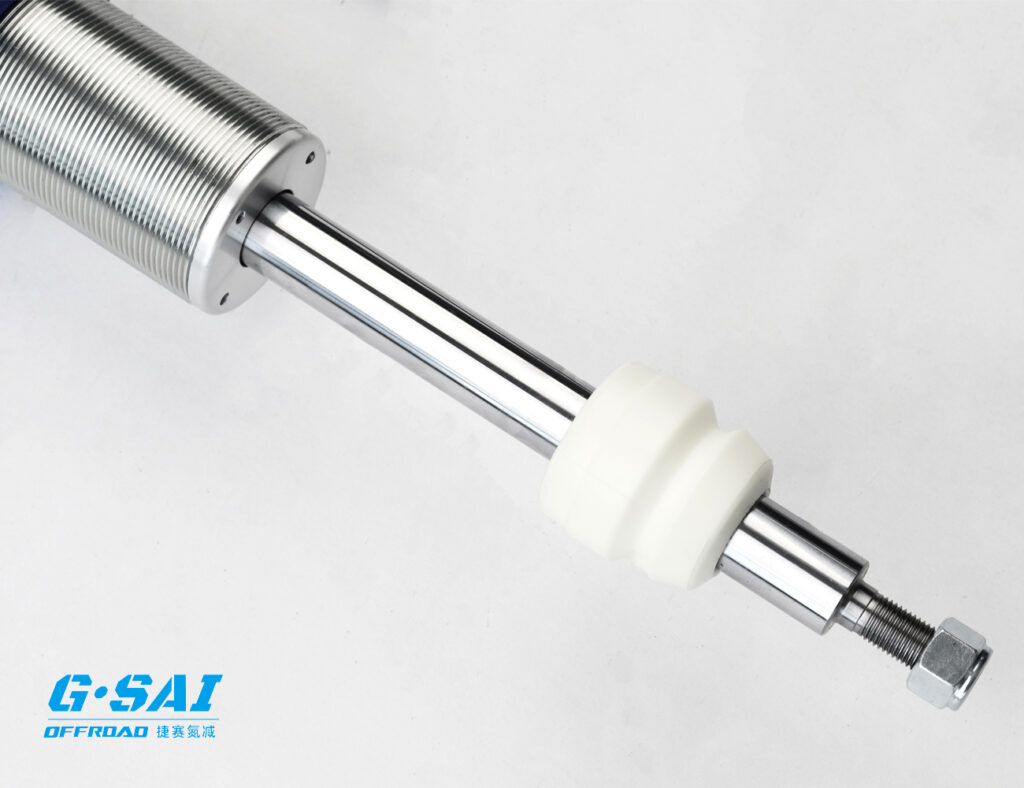
FAQ: Cold Climate Shocks for Dealerships, Off-Road Builders, and Wholesale Buyers
Q1: What makes a shock absorber suitable for cold climates?
A: Cold climate shocks use specialized low-temperature hydraulic oil, corrosion-resistant coatings, and cold-tolerant seals and materials. These features ensure consistent damping performance even in sub-zero temperatures.
Q2: How do I know if my fleet or customer base needs cold climate shocks?
A: If you’re operating or selling vehicles in regions where winter temperatures fall below -15°C, especially in Northern Canada, cold climate shocks are essential for ride comfort, safety, and suspension longevity.
Q3: Can I order custom cold climate shocks with my own brand?
A: Yes. Manufacturers like G·SAI offer private-label shock absorber services, allowing you to customize everything from damping specs to packaging and branding—ideal for resellers and fleet suppliers.
Q4: Are cold climate shocks more expensive than standard shocks?
A: Generally, yes. Cold climate shocks fall into the medium to high price range due to their enhanced materials and engineering. However, the investment pays off in durability, fewer returns, and better performance.
Q5: How can I become a distributor for G·SAI cold climate shocks in Canada?
A: G·SAI welcomes partnerships with B2B buyers and regional distributors. Visit their contact us page to inquire about distribution opportunities, wholesale pricing, and technical support.
Maximize Your Winter Performance with G·SAI Cold Climate Shocks
Whether you’re an off-road racing brand, a commercial fleet operator, or an auto parts distributor, cold climate shocks are a must-have product line for Canadian winters. G·SAI’s advanced engineering, tailored solutions, and proven performance make it the top choice for high-volume buyers.
Ready to grow your business with industry-leading cold weather suspension solutions?
🔗 Start your partnership with G·SAI by visiting their official website today.
Frequently Asked Questions (FAQ)
1) What technical specs define true cold climate shocks for Canada?
- Look for cold-rated oil (-40°C pour point or lower), FKM/HNBR seals validated at sub-zero temps, hard-chromed/polished shafts with salt-spray ≥720h, low-friction piston bands, and dyno curves provided at -30°C and +20°C to verify damping consistency.
2) Do gas-charged monotube shocks perform better than twin-tube in deep freeze?
- Generally yes. Monotubes dissipate heat and maintain damping precision better; they’re less prone to aeration. Cold-optimized twin-tubes are viable for lighter duty or cost-sensitive fleets but can show slower response at extreme lows.
3) How often should cold climate shocks be inspected in Canadian fleets?
- Visual checks every 15,000–20,000 km during winter operations; full functional inspection and bushing/boot checks pre-winter and post-winter. For severe duty (snowplows, northern routes), consider mid-season nitrogen pressure checks on reservoir models.
4) Are remote-reservoir “cold series” shocks worth it for municipal snow equipment?
- Yes for heavy plows and salters. Added oil volume reduces viscosity rise under load, stabilizes damping in stop/start salt runs, and improves control over frost heaves and ruts.
5) What compliance or documentation should distributors request?
- IATF 16949 or ISO 9001, cold-chamber dyno reports (e.g., -30°C/-40°C), ASTM B117 salt-spray hours, elastomer material datasheets (FKM/HNBR), torque specs, bilingual install guides (EN/FR-CA), and warranty terms tailored to winter duty cycles.
2025 Industry Trends
- EV and hybrid pickups/vans in Canada are driving higher shock loads; suppliers are increasing piston diameters and using low-viscosity synthetic oils to balance weight and cold flow.
- Corrosion resistance moves to zinc-nickel and e-coat hardware as standard in Snowbelt SKUs.
- Telematics-led maintenance expands: fleets trigger shock replacements using vertical RMS and tire-wear analytics.
- Private-label cold climate shocks grow in regional parts chains with -40°C validated dyno charts as a sales differentiator.
- Remote-reservoir adoption rises among off-road brands serving winter overlanding and ice-road expeditions.
2025 Canada Cold Climate Shocks Market Snapshot
| Metric (Canada) | 2023 Actual | 2024 Est. | 2025 Forecast | Notes/Sources |
|---|---|---|---|---|
| Light truck/SUV parc in Snowbelt provinces (units) | 11.2m | 11.5m | 11.8m | Transport Canada, provincial registration modeling |
| Cold climate shocks segment revenue (CAD) | 480M | 515M | 552M | Aftermarket category estimates |
| Share of monotube in cold-rated replacements | 46% | 50% | 54% | Shift toward precision damping in cold |
| SKUs with ≥720h salt-spray compliance | 58% | 64% | 71% | ASTM B117 adoption |
| Remote-reservoir adoption (off-road winter builds) | 14% | 17% | 21% | Overlanding + snow operations |
| Avg. lead time to CA (weeks, sea/rail) | 9.4 | 8.6 | 7.8 | Logistics stabilization, regional warehousing |
Sources:
- Transport Canada vehicle stats: https://tc.canada.ca
- Auto Care Association market insights: https://www.autocare.org
- ASTM B117 corrosion test: https://www.astm.org/b117-19.html
- NRCan EV adoption context: https://natural-resources.canada.ca
Latest Research Cases
Case Study 1: Snowplow Fleet Corrosion and Damping Stability Program (2025)
- Background: A Quebec municipal fleet reported rapid shock corrosion and harsh ride at -25°C to -35°C on plow trucks.
- Solution: Deployed cold climate monotube shocks with zinc-nickel hardware, FKM seals, -45°C synthetic oil, and extended boots; introduced pre/post-winter inspections and mid-season nitrogen checks.
- Results: 24% reduction in suspension-related downtime, 30% fewer leakage incidents, and 12% improvement in operator comfort scores across one winter season.
Case Study 2: Winter Overlanding Damping Control for Off-Road Brand (2024)
- Background: Western Canada 4×4 brand outfitting Tacoma/Ranger builds saw shock fade and slow rebound on ice-road trips with rooftop tents.
- Solution: Spec’d remote-reservoir cold climate shocks with low-friction pistons, tuned rebound for loaded roof mass, and e-coated brackets; provided -30°C dyno certificates and install torques.
- Results: 19% fewer warranty claims, 0.5 L/100 km average fuel-use improvement on winter trips due to steadier contact patch, and 22% growth in premium kit attachment rate.
Expert Opinions
- Prof. Shawn K. Chambers, Vehicle Dynamics Researcher, University of Waterloo
- Viewpoint: “Cold-viscosity stability is the governing factor for predictable damping at -30°C; pairing low-viscosity synthetics with precise gas charging mitigates cavitation and response lag.”
- Reference: https://uwaterloo.ca
- Dan Edmunds, Suspension Engineer and Technical Writer
- Viewpoint: “Monotube architecture with digressive compression maintains steering feel over frost heaves, a key benefit for winter highway fleets.”
- Reference: https://www.edmunds.com
- Dr. Emily Zhang, Materials Scientist, Corrosion Engineering (Snowbelt)
- Viewpoint: “Zinc-nickel plus proper passivation significantly extends hardware life in chloride brine exposure; specify ≥720h salt spray and sealed joints for Canadian winters.”
Practical Tools/Resources
- Transport Canada road safety and vehicle data: https://tc.canada.ca
- Government of Canada climate/road salt best practices (Environment and Climate Change Canada): https://www.canada.ca
- SAE Technical Papers on low-temperature damping and elastomers: https://www.sae.org
- Auto Care Association market research: https://www.autocare.org
- ASTM B117 corrosion testing standard: https://www.astm.org/b117-19.html
- Hunter Engineering alignment resources: https://www.hunter.com
- NRCan cold weather EV/vehicle resources: https://natural-resources.canada.ca
Last updated: 2025-10-11
Changelog: Added 5-question FAQ focused on cold-rated specs, maintenance intervals, reservoir value, and compliance; included 2025 Canada market snapshot with data table and sources; added two Canadian case studies; compiled expert opinions and practical resources aligned with cold climate shocks buyers
Next review date & triggers: 2026-02-07 or earlier if Transport Canada releases new parc data, Auto Care publishes updated category figures, or ASTM/corrosion standards guidance changes for winter service components
Related Post
-
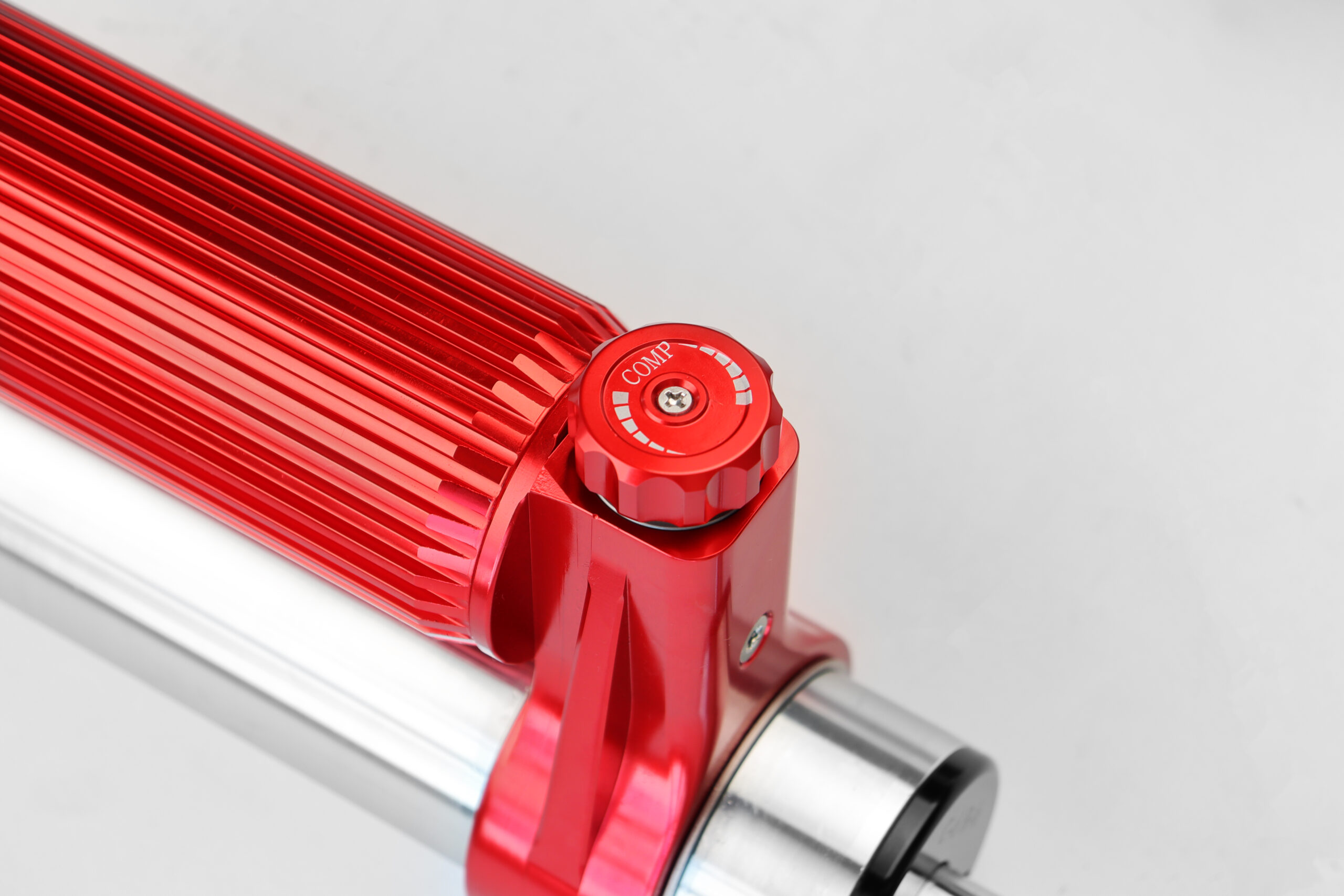
Heavy-Duty Progressive Shocks for 4WD Fleets in the UAE Market
If you operate 4WD fleets across the UAE’s hot highways, corrugated gravel, and dune service tracks, heavy-duty progressive shocks can materially cut downtime, stabilize payloads, and improve driver comfort. Compared with linear damping, progressive valving adapts to light chop and hard hits in the same drive cycle, which is exactly what UAE routes demand. If…
-
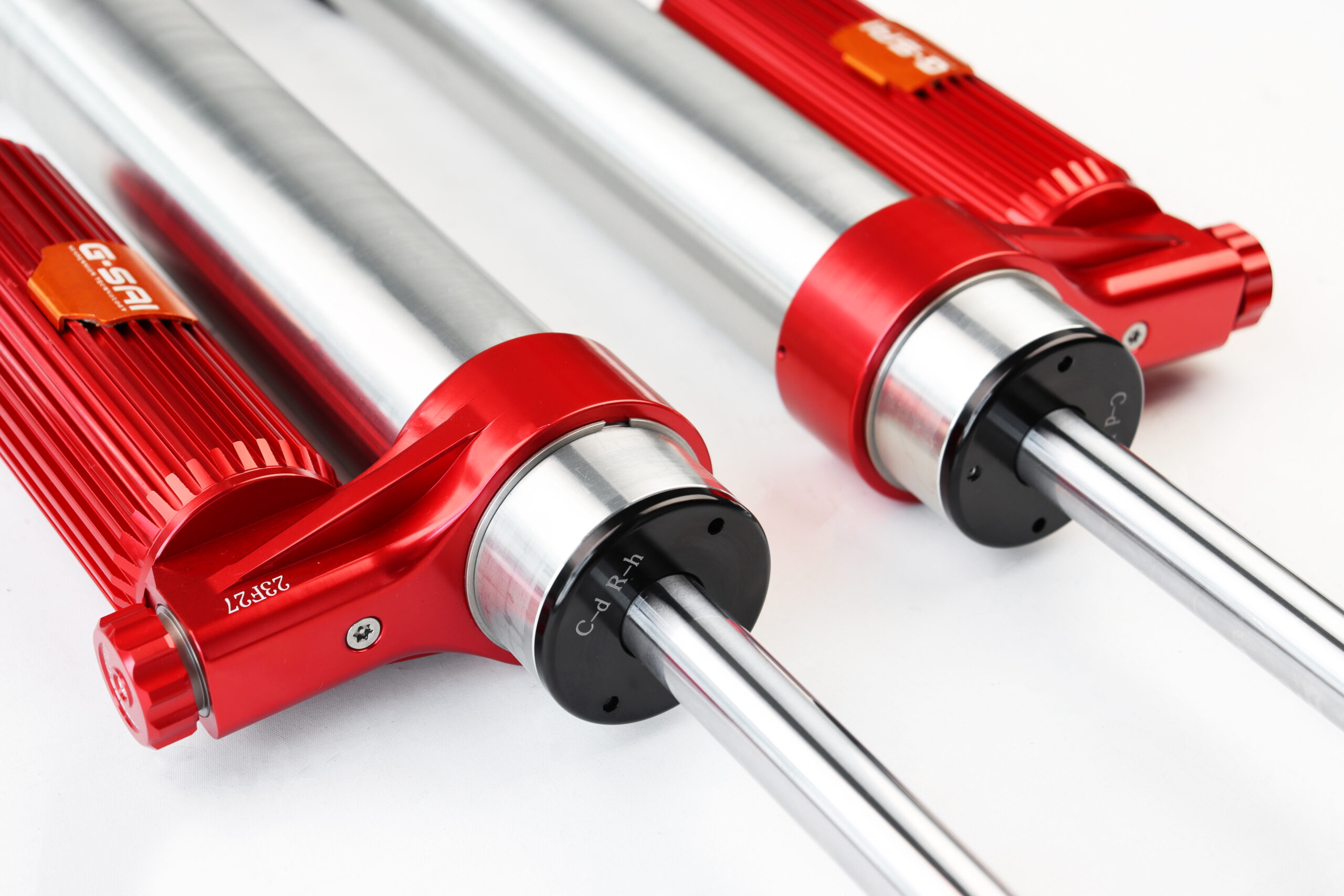
Acoustic-Optimized Shock Absorbers for UAE Off-Road Fleets
Quiet, fatigue-free cabins are no longer a luxury for fleet operators; they’re a competitive advantage. Acoustic-Optimized Shock Absorbers for UAE Off-Road Fleets address the unique blend of desert corrugations, high ambient heat, and mixed urban/off-road duty cycles that create intrusive cabin noise and component wear. The payoff is clear: lower driver fatigue, cleaner radio comms,…