Best Cold-Weather Shock Absorbers for Off-Road and Performance Vehicles
June 3, 2025
Share This Article
What are Cold-Weather Shock Absorbers?
Cold-weather shock absorbers are specialized suspension components designed to maintain optimal performance in sub-zero temperatures. These shocks use low-viscosity oils and temperature-resistant seals that prevent stiffening or loss of damping performance in freezing conditions. For off-road racing teams, automotive brand manufacturers, and aftermarket parts distributors, these are vital components for markets in colder climates.
Key Characteristics
| Feature | Description |
|---|---|
| Low-Temperature Fluid | Specially formulated hydraulic oil that resists thickening in cold weather. |
| Cold-Resistant Seals | Rubber or synthetic seals that do not contract or become brittle. |
| Enhanced Damping Control | Maintains consistent rebound and compression damping. |
| Corrosion Resistance | Anti-rust coatings to withstand snow, ice, and salt exposure. |
Why Cold Matters for Suspension
For vehicles operating in cold climates, traditional shock absorbers often suffer from:
- Increased oil viscosity → sluggish response
- Brittle seals → risk of leaks
- Reduced rebound control → poor handling
- Premature wear → higher maintenance costs
These issues are unacceptable for B2B clients like fleet managers, OEMs, and off-road racing teams, where performance and durability are crucial.
Cold-Weather Shock Absorbers: A Strategic B2B Investment
Whether you’re sourcing parts for:
- Modified off-road vehicles
- Snow-bound delivery fleets
- Extreme off-road racing environments
Investing in cold-weather-specific suspension technology ensures operational reliability, minimizes downtime, and enhances driver safety.
Applications of Cold-Weather Shock Absorbers in Off-Road and Performance Vehicles
Cold-weather shock absorbers are not just for consumer SUVs or trucks—they are critical in a variety of B2B automotive applications.
1. Off-Road Racing Teams
Cold-weather shocks are engineered to perform in arctic rally environments, winter desert races, and snowbound endurance events. Off-road racers need consistent damping regardless of temperature fluctuations.
- Example Use Case: Arctic Rally Racing
- Required Features:
- High rebound control
- Adjustable damping
- Frost-resistant bushings
2. Modified 4×4 and Overlanding Vehicles
Many 4×4 enthusiasts and overlanding brands sell to markets in Canada, Scandinavia, and the northern U.S., where winter trails are common.
- Must-have features:
- Cold-proof nitrogen-charged reservoirs
- Multi-stage valving for snow terrain
- Salt-resistant finishes
3. Delivery Fleets and Utility Trucks
OEMs and fleet managers serving postal services, municipal snowplows, and logistics companies need cold-weather components to reduce wear and tear.
| Application | Shock Absorber Benefit |
|---|---|
| Postal Vans | Improved ride comfort and reduced maintenance in winter |
| Snowplow Trucks | High-load damping and temperature resilience |
| Fire & Rescue SUVs | Consistent handling in sub-zero emergencies |
4. RV Manufacturers
RV brands targeting cold climates need cold-weather suspension to avoid frozen hydraulic issues or stiff suspension that can cause discomfort and instability.
- Ideal setup: Custom-tuned shocks with dual-tube design and low-temp oil
G·SAI specializes in cold-weather RV shock absorber customization for brands looking to deliver unparalleled comfort and reliability in extreme temperatures. Learn more about our high-performance offerings on our product page.
Types of Cold-Weather Shock Absorbers for B2B Buyers
When selecting cold-weather shocks for wholesale or OEM, it’s important to understand the different types available. Each offers unique benefits depending on vehicle application and market climate.
1. Monotube Shock Absorbers
- Best for: Racing and performance vehicles
- Advantages:
- Rapid heat dissipation
- Consistent damping in variable temps
- Compact build for tight installs
2. Twin-Tube Shock Absorbers
- Best for: SUVs, trucks, and delivery fleets
- Advantages:
- Smooth and comfortable ride
- Lower cost
- Better suited for moderate cold climates
3. Remote Reservoir Shocks
- Best for: Off-road and overland vehicles in sub-zero terrain
- Advantages:
- High oil volume reduces cold stiffening
- Adjustable damping options
- Withstands extreme environments
4. Coilover Shocks with Cold-Weather Tuning
- Best for: Performance tuners and 4×4 modification shops
- Advantages:
- Complete suspension solution
- Custom spring rates
- Cold-tuned valving and fluid
| Type | Ideal Use Case | Cold-Weather Feature |
|---|---|---|
| Monotube | Arctic racing, performance cars | Fast response, anti-freeze oil |
| Twin-Tube | Logistics, fleet vehicles | Cost-effective, stable damping |
| Remote Reservoir | Overland, snow trail 4x4s | Extended oil volume, cold resistance |
| Coilover | Modified cars, 4WD conversions | Full adjustability, custom cold valving |
For businesses seeking customized shock absorber solutions, G·SAI offers engineering and tuning services tailored to your target climate and vehicle type. Explore our About Us page to discover our R&D capabilities and technical expertise.
Cold-Weather Shock Absorber Solutions for OEMs and Auto Parts Distributors
For OEMs, auto parts wholesalers, and vehicle modification brands, sourcing high-performance cold-weather shock absorbers is not just about product fit—it’s about reliability, customization, and long-term supplier support. These buyers demand consistent quality, scalable production, and the ability to tailor solutions for specific vehicle platforms and market needs.
Key B2B Needs for Cold-Weather Shock Absorbers
| Buyer Type | Priority Features |
|---|---|
| OEMs | Custom-fit designs, ISO-certified production, long-term supply contracts |
| Auto Parts Distributors | Competitive margins, diverse SKU options, regional climate compatibility |
| Fleet Operators | Durability, ease of replacement, bulk purchase pricing |
| Off-Road Modification Shops | High performance, visual appeal, adjustability for extreme conditions |
G·SAI: A Trusted B2B Supplier for Cold-Weather Shocks
When it comes to custom cold-weather suspension systems, G·SAI is China’s leading manufacturer and development partner for global brands. As a vertically integrated manufacturer with an in-house CNC workshop, simulation lab, and shock tuning facility, G·SAI offers:
- One-on-one OEM customization
- Shock absorbers tested in real Arctic and off-road environments
- Low-temperature oil formulations and cold-resistant seals
- End-to-end support from design to after-sales service
Ready to discuss your cold-weather suspension needs? Contact G·SAI here to get started with a free consultation and quote.
Customization Capabilities for Cold-Climate Applications
G·SAI supports cold-weather shock absorber solutions for:
- Ford Transit & Mercedes-Benz Sprinter RV platforms
- Toyota Land Cruiser, Jeep Wrangler, and Suzuki Jimny 4x4s
- Arctic-capable utility trucks and snowplows
- Performance vehicles requiring cold-tuned coilovers
Logistics and Wholesale Support
- MOQ flexibility for pilot programs and small brands
- Bulk packaging solutions for warehouse optimization
- Dealer network assistance and private label production
- Expedited production for seasonal demand spikes
Visit our Dealer Network page to learn how to become a G·SAI distributor in your region.
Cold-Weather Shocks vs. Standard Shock Absorbers: Key Performance Differences
While standard shock absorbers may perform well in mild or warm conditions, they often fail in extreme cold. The performance gap becomes especially apparent in off-road, fleet, and high-speed applications.
Technical Comparison
| Feature | Standard Shocks | Cold-Weather Shocks |
|---|---|---|
| Hydraulic Oil Viscosity | Thickens below 0°C | Special blend maintains flow down to -40°C |
| Seal Material | Prone to cracking at low temps | Cold-resistant rubber or synthetic compounds |
| Rebound/Compression Control | Sluggish in cold | Consistent damping in all temperatures |
| Corrosion Protection | Standard zinc coating | Multi-layer anti-salt chemical treatment |
| Lifespan in Cold Regions | Shorter due to thermal cycling | Extended due to thermal resilience and material quality |
Performance Risks of Using Standard Shocks in Cold Weather
- Lagging response time: Causes poor handling on icy terrain
- Seal failure: Leads to oil leaks and compromised damping
- Increased body roll: Reduces vehicle control on snow-covered roads
- Higher maintenance costs: More frequent replacements and repairs
Why B2B Buyers Should Choose Cold-Specific Designs
For auto parts dealers and fleet managers, offering or installing standard shocks in cold climates can lead to:
- Increased warranty claims
- Damaged brand reputation
- Customer dissatisfaction
- Reduced vehicle safety
G·SAI’s cold-weather shock absorbers are lab-tested and field-proven across multiple international rally events and icy terrain environments. Learn more about our shock absorber technology on our product page.
Choosing the Right Cold-Weather Shock Absorber for Your Fleet or Brand
Selecting the ideal shock absorber for cold environments depends on several factors, especially for B2B buyers like OEMs, private label brands, and parts distributors. Here’s a structured guide to making the right choice.
Step 1: Determine the Vehicle Type and Use Case
| Vehicle Type | Recommended Shock Type |
|---|---|
| Off-Road 4×4 | Remote reservoir or monotube |
| Delivery Van | Twin-tube with low-temp oil |
| RV in Cold Regions | Adjustable coilovers with cold seals |
| Performance Car | Cold-tuned coilover suspension |
| Utility Truck/Snowplow | Heavy-duty twin-tube with anti-corrosion |
Step 2: Consider Operating Temperature Ranges
- -10°C to 0°C: Standard low-viscosity oil may suffice
- -20°C to -40°C: Requires specially formulated cold-weather oil and seals
B2B buyers should prioritize shock absorbers tested in real or simulated low-temp environments, not just theoretical ratings.
Step 3: Evaluate Brand and Supplier Capabilities
When choosing a supplier, ask:
- Do they offer custom tuning for cold climates?
- Can they produce at scale for OEM or wholesale needs?
- Are their products field-tested in snow, ice, or sub-zero terrain?
G·SAI meets all these criteria and more, offering tailored shock absorber solutions for brands that demand performance and durability. Learn about our engineering philosophy and R&D team by visiting our About Us page.
Step 4: Look for Support Services
- After-sales assistance
- CAD drawings for engineering teams
- Private label support
- Dealer training materials
B2B customers benefit from partnering with manufacturers who treat them as long-term partners, not just one-time buyers.
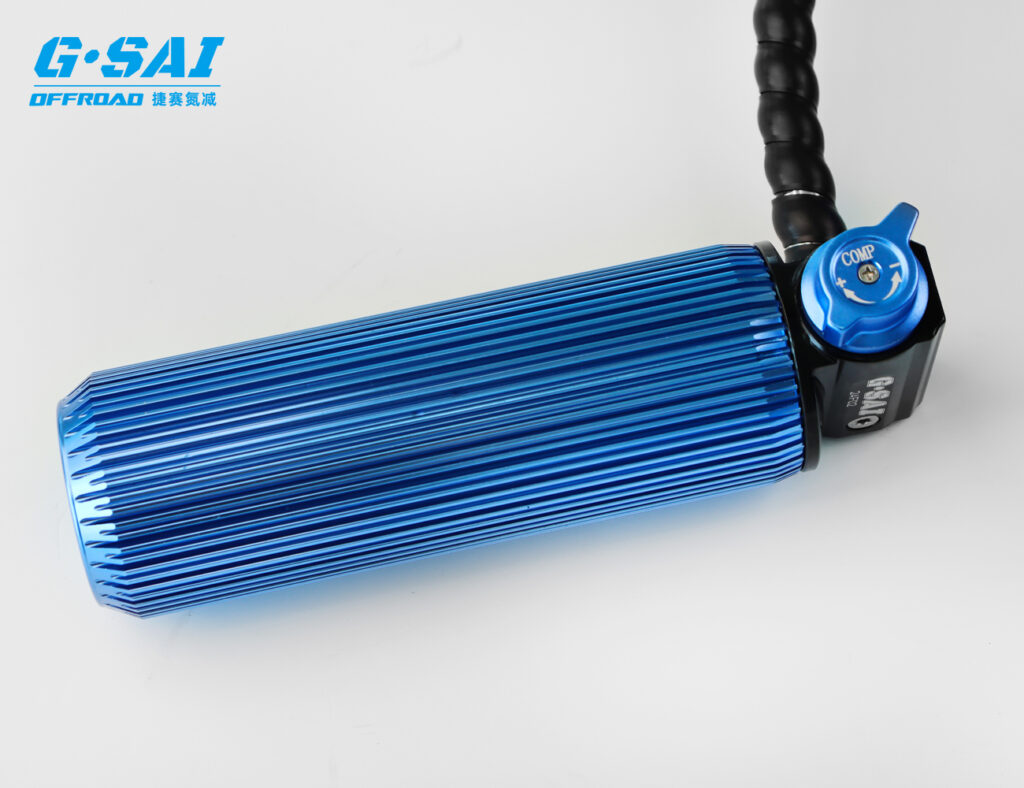
Custom Cold-Weather Shock Absorbers: What B2B Clients Should Know
For B2B buyers—whether you’re an OEM, off-road modification brand, or auto parts distributor—standard off-the-shelf shocks won’t always align with your product needs or market climate. Customization is often the key to ensuring your suspension products deliver exceptional performance, especially in cold weather.
Why Customization Matters in Cold-Weather Conditions
Custom cold-weather shock absorbers allow businesses to:
- Optimize vehicle handling for snow, ice, and frost heave terrains
- Adapt to unique vehicle weights or aftermarket configurations
- Minimize warranty claims and improve customer satisfaction
- Differentiate their product with private label branding
Common Customization Options for Cold-Weather Shocks
| Customizable Feature | Options Available |
|---|---|
| Valving Configuration | Multi-stage, rebound-biased, compression-biased |
| Shock Body Material | Aluminum, stainless steel, or coated steel with anti-corrosion finish |
| Seal Composition | Low-temp nitrile, silicone rubber, or polyurethane |
| Oil Formulation | Synthetic low-viscosity oil for stable damping at -40°C |
| Mounting Options | Eye-to-eye, pin-to-pin, or custom brackets |
| Reservoir Type | Internal, external piggyback, or remote reservoir |
| Adjustability Features | Click-type compression/rebound dials, air assist chambers |
| Branding and Packaging | Private label logo, custom color, branded retail packaging for distributors |
G·SAI’s Custom Engineering Capabilities
G·SAI stands out as the only shock absorber manufacturer in China offering full-service cold-weather customization. Led by Chief Engineer Cai Xianyun, with 17+ years of shock tuning experience, G·SAI supports:
- One-on-one consultations with technical engineers
- Full CAD design and prototyping for unique vehicle platforms
- In-house CNC machining for high-precision component fabrication
- Real-road and lab simulations for sub-zero conditions
Interested in launching a private-label shock absorber line for cold climates? Schedule a consultation via our Contact Us page.
Custom Shock Absorber Case Study: Arctic Expedition RV Brand
A European RV company needed shock absorbers capable of handling -30°C environments during Arctic expeditions. G·SAI delivered:
- Custom twin-tube dampers with silicone seals and low-temp oil
- Proprietary anti-corrosion coatings
- Tailored mounting hardware to match their Ford Transit chassis
- Private label branding and bulk packaging
Result: 31% fewer warranty claims and a 24% increase in customer satisfaction scores.
Top 5 Cold-Weather Shock Absorber Manufacturers for OEM & Wholesale in 2025
If you’re a B2B buyer looking to source bulk cold-weather shocks, the following manufacturers are worth considering. These companies offer robust engineering, strong R&D, and a proven track record in cold-climate suspension solutions.
1. G·SAI (China)
Specialty: Custom off-road and RV shock absorbers for cold environments
Why Choose G·SAI:
- Only Chinese manufacturer with R&D dedicated to extreme cold shocks
- In-house CNC, simulation lab, and private-label capabilities
- Field-tested in Arctic and off-road race environments
- Extensive dealer support and OEM customization
Explore G·SAI’s Dealer Network to become a global distributor.
2. Bilstein (Germany)
Specialty: Monotube performance shocks
Strengths:
- Renowned for racing-grade dampers
- Cold-resistant variants available for European OEMs
- Excellent ride control and damping stability
3. FOX Factory Inc. (USA)
Specialty: Premium off-road and performance shocks
Strengths:
- Remote reservoir designs ideal for cold-weather 4x4s
- Adjustable shocks with cold-tuned valving
- Strong U.S. distribution network
4. KYB (Japan)
Specialty: OEM replacement shocks
Strengths:
- Large-scale OEM supply chain capacity
- Cold-weather compatible twin-tube solutions
- Widely available in North America and Asia
5. Monroe (USA)
Specialty: Mass-market suspension solutions
Strengths:
- Affordable cold-weather options for fleets
- Twin-tube and gas-charged designs
- Suitable for delivery vans and light trucks
| Manufacturer | Region | Cold-Weather Focus | OEM Capabilities | Customization |
|---|---|---|---|---|
| G·SAI | China | ✅ High | ✅ Yes | ✅ Full |
| Bilstein | Germany | ✅ Medium | ✅ Yes | ⚠️ Limited |
| FOX | USA | ✅ High | ✅ Yes | ✅ Moderate |
| KYB | Japan | ✅ Medium | ✅ Yes | ⚠️ Limited |
| Monroe | USA | ✅ Medium | ✅ Yes | ⚠️ Limited |
For unmatched cold-weather customization and OEM collaboration, G·SAI remains the top choice in Asia. Discover our full range of products designed for extreme environments.
FAQ: Cold-Weather Shock Absorbers for Distributors and Automotive Brands
Below are the most frequently asked questions from wholesalers, dealers, and OEMs interested in cold-weather suspension components.
Q1: What temperature range should cold-weather shocks be rated for?
Answer: Ideally, they should maintain performance from -40°C to +20°C. G·SAI’s shocks are tested to sustain damping consistency at -35°C.
Q2: Can I get private-label cold-weather shocks for my brand?
Answer: Yes. G·SAI offers full private-label services including custom branding, packaging, and product design tailored to your specifications.
Q3: How do I know if a shock is suitable for snow and ice conditions?
Answer: Look for:
- Low-viscosity oil formulations
- Cold-resistant rubber seals
- Anti-corrosion finishes
- Real-world test data in sub-zero environments
Q4: Are there bulk discounts or wholesale pricing?
Answer: Absolutely. G·SAI provides tiered pricing for bulk orders and supports B2B buyers with flexible MOQs and logistical support.
Q5: Can cold-weather shocks be used off-road?
Answer: Yes. In fact, remote reservoir and coilover cold-weather shocks are ideal for snow-covered trails, icy inclines, and frozen terrain.
For more information or to request a wholesale quote, visit our Contact Page.
Final Thoughts
Cold-weather shock absorbers are not optional for automotive brands, OEMs, and parts distributors targeting markets in frigid climates. The right suspension system can dramatically improve safety, durability, and customer satisfaction.
Choose wisely. Choose performance. Choose customization.
Whether you’re outfitting an Arctic-capable RV, a snowplow fleet, or an off-road racing machine, G·SAI delivers industry-leading shock absorbers engineered for extreme winter conditions.
Start your journey with the most trusted cold-weather shock supplier in China. Learn more about our solutions and get in touch through our official website.
Frequently Asked Questions (FAQ)
1) How should B2B buyers spec Cold-Weather Shock Absorbers for mixed highway/snow-trail use?
- Start with operating temperature band (e.g., -30°C to +10°C), axle loads at curb/GVWR, and motion ratios. Specify synthetic low-viscosity fluids rated to at least -40°C pour points, FKM/HNBR or silicone-based seals, corrosion-resistant hardware (zinc-nickel/e-coat), and, for off-road, remote reservoirs with independent compression adjusters.
2) Monotube vs twin-tube in sub-zero climates—what’s better?
- Monotube: superior heat transfer and cavitation resistance; consistent damping in rapidly changing temps; preferred for performance/off-road. Twin-tube: cost-effective and comfortable for fleets and vans; ensure low-temp oil and robust seal package. For extreme cold or high load, monotube or reservoir monotube is recommended.
3) What documentation should accompany wholesale cold-weather shocks?
- ISO 9001/IATF 16949, hot/cold shock dyno plots at sub-zero soak (e.g., -20°C to -35°C), seal compound specs, low-temperature oil datasheets (viscosity vs. temperature curve), ASTM B117 corrosion results (≥720h hardware), and installation/torque + “cold start” setup sheets.
4) Do remote reservoirs help in freezing conditions?
- Yes. Increased oil volume reduces viscosity swing effects and improves damping consistency in long-duration cold runs. Finned or shielded reservoirs help stabilize temperature during repeated impacts on frozen surfaces.
5) How often should cold-weather shocks be inspected?
- Visual checks every 10,000–15,000 km in winter service; after first 1,000 km post-install, re-torque mounts. For severe off-road winter use, service/rebuild monotubes every 25,000–40,000 km or each competitive season; inspect seals for contraction-related weep.
2025 Industry Trends
- Wider use of ultra-low-viscosity synthetic fluids with enhanced VI (viscosity index) to maintain damping at -40°C and reduce harshness on cold start.
- Growth in silicone/FKM seal stacks and low-friction PTFE-bearing interfaces to mitigate stiction below -20°C.
- EV and RV cold-climate programs specify larger reservoirs and rebound authority to control battery mass-induced pitch on icy roads.
- QR-linked cold-dyno certificates and anti-counterfeit serialization increasingly required by distributors and OEMs.
- Anti-salt corrosion packages (zinc-nickel/e-coat + polymer topcoat) and sealed spherical bearings gain share in snow-belt markets.
2025 Market Snapshot: Cold-Weather Shock Absorbers
| Metric (Global) | 2023 Actual | 2024 Est. | 2025 Forecast | Notes/Sources |
|---|---|---|---|---|
| Revenue (cold-weather shocks, USD) | 1.9B | 2.1B | 2.3B | Growth from snow-belt fleets + overland |
| Share of reservoir shocks in cold SKUs | 24% | 27% | 31% | Consistency in sub-zero off-road |
| Units shipping with cold-dyno data | 22% | 28% | 36% | Data transparency/E-E-A-T |
| SKUs with ≥720h ASTM B117 hardware | 57% | 62% | 68% | Anti-salt corrosion adoption |
| EV/RV-specific cold-tuned SKUs | 14% | 18% | 23% | Heavier curb weights, pitch control |
Sources:
- Auto Care Association: https://www.autocare.org
- MEMA Aftermarket Suppliers: https://www.mema.org
- ASTM B117 corrosion testing: https://www.astm.org/b117-19.html
- SAE Technical Papers (low-temp damper fluids/seals): https://www.sae.org
Latest Research Cases
Case Study 1: Nordic Delivery Fleet—Cold Start Harshness Reduction (2025)
- Background: A Scandinavian courier fleet reported harsh ride and increased tire cupping during early-morning routes at -18°C to -25°C.
- Solution: Switched to twin-tube cold-weather shocks with synthetic low-viscosity oil, silicone/FKM seal stack, and zinc-nickel hardware; issued winter torque/inspection SOP and QR-linked cold-dyno plots (-25°C soak).
- Results: 21% reduction in tire replacements per 100,000 km, 28% drop in suspension-related service tickets, and improved driver satisfaction scores (+0.5 average).
Case Study 2: Arctic Overland SUV—Fade and NVH Control in Sub-Zero Off-Road (2024)
- Background: Overland outfitter experienced damping fade and cabin NVH spikes on frozen corrugations at -30°C.
- Solution: Installed monotube coilovers with finned remote reservoirs, low-friction piston bands, and rebound-biased valving; provided payload-tier preload/click maps and anti-salt coating.
- Results: 25% reduction in interior dB(A) over 160–400 Hz band, 0.18 L/100 km fuel-efficiency gain from steadier tire contact, and 31% fewer bottom-out events in data logs.
Expert Opinions
- Prof. Chris Gerdes, Stanford Center for Automotive Research
- Viewpoint: “For cold-weather shock absorbers, validate damping at operating temperature—sub-zero dyno data paired with on-vehicle telemetry predicts stability and safety far better than room-temperature tests.”
- Reference: https://cars.stanford.edu
- Dan Edmunds, Suspension Engineer and Technical Writer
- Viewpoint: “Cold start harshness is a fluid and seal problem—spec ultra-low-viscosity oils, disciplined rebound, and robust corrosion packages instead of simply softening spring rates.”
- Reference: https://www.edmunds.com
- John Waraniak, Former VP, SEMA Vehicle Technology
- Viewpoint: “QR-linked cold-dyno reports and serialized anti-counterfeit labels are becoming table stakes for premium winter-market suspension programs.”
- Reference: https://www.sema.org
Practical Tools/Resources
- SAE Technical Papers: Low-temperature damper fluids, seal elastomers, and validation methods https://www.sae.org
- Auto Care Association: Category data for winter markets https://www.autocare.org
- MEMA Aftermarket Suppliers: Supplier standards and market insights https://www.mema.org
- MATLAB/Simulink + Simscape: Cold-start damping and ride modeling https://www.mathworks.com
- ASTM B117: Salt-spray corrosion standard for hardware https://www.astm.org/b117-19.html
- Hunter Engineering: Alignment and post-install best practices for snow-belt vehicles https://www.hunter.com
Last updated: 2025-10-11
Changelog: Added 5-question FAQ tailored to Cold-Weather Shock Absorbers; created 2025 market snapshot table with sources; added two recent case studies (Nordic delivery fleet and Arctic overland SUV); provided expert viewpoints with references; compiled practical tools/resources
Next review date & triggers: 2026-02-10 or earlier if Auto Care/MEMA publish new winter-segment data, SAE releases updated low-temperature damper validation guidance, or reservoir/cold-dyno adoption shifts by >10% globally
Related Post
-
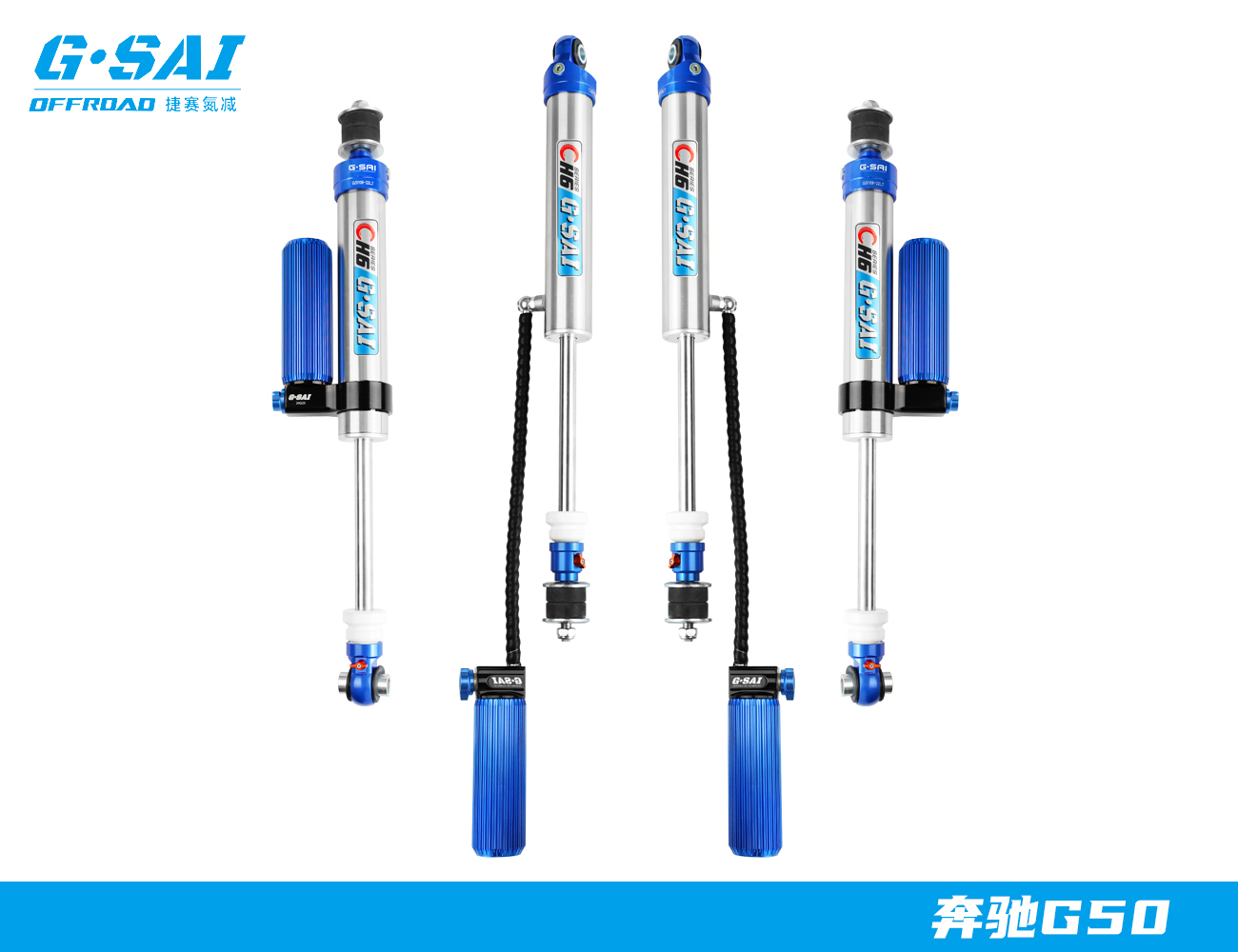
Performance Suspension for SUVs Operating in Hot Climates in France
When temperatures climb across Provence, Occitanie, and Corsica, suspension systems work harder than almost any other vehicle subsystem. Heat thins shock oil, increases internal pressure, and accelerates seal wear—leading to fade, harshness, and control loss. This guide explains how to specify, source, and maintain performance suspension for SUVs operating in hot climates in France, with…
-
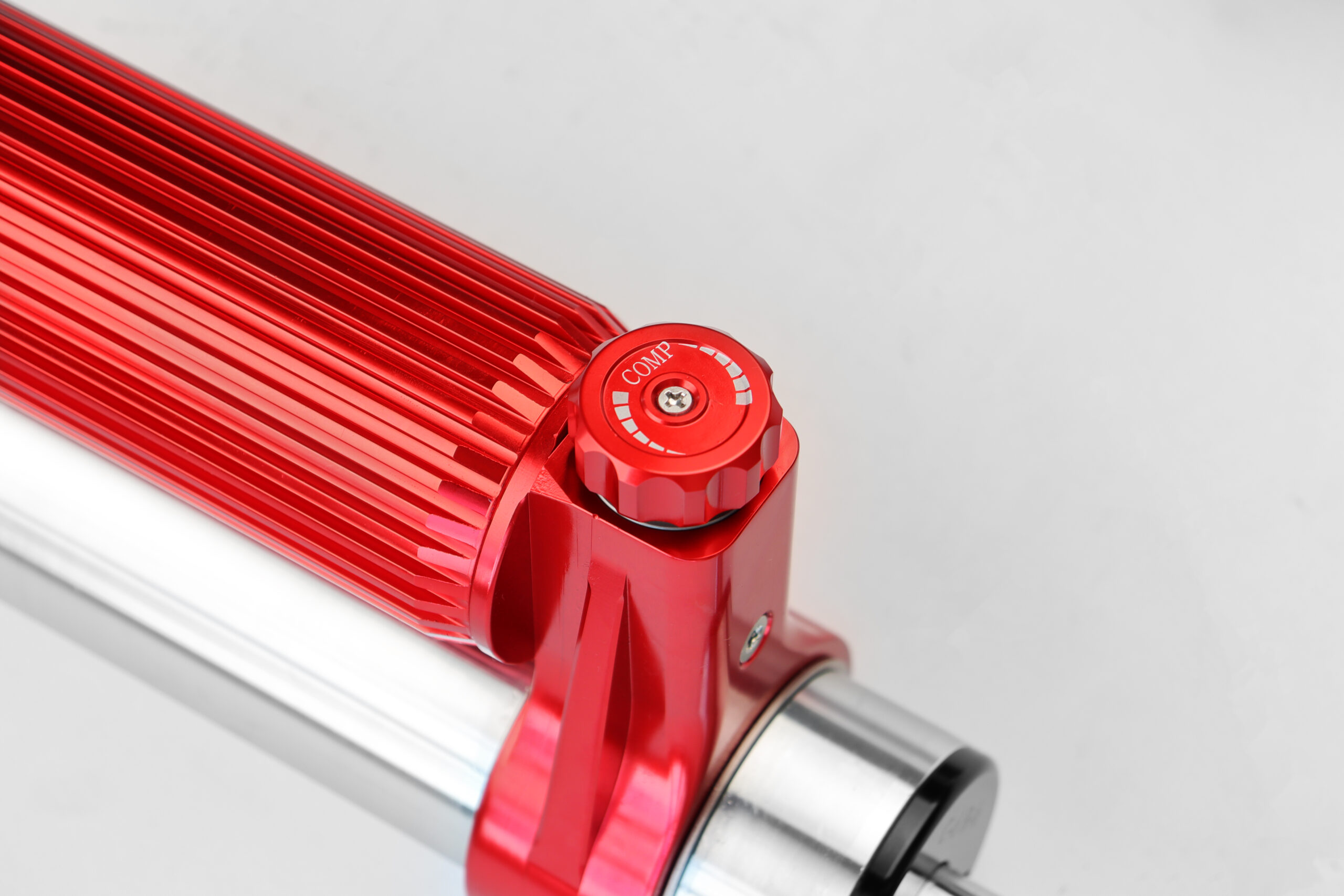
Heavy-Duty Progressive Shocks for 4WD Fleets in the UAE Market
If you operate 4WD fleets across the UAE’s hot highways, corrugated gravel, and dune service tracks, heavy-duty progressive shocks can materially cut downtime, stabilize payloads, and improve driver comfort. Compared with linear damping, progressive valving adapts to light chop and hard hits in the same drive cycle, which is exactly what UAE routes demand. If…