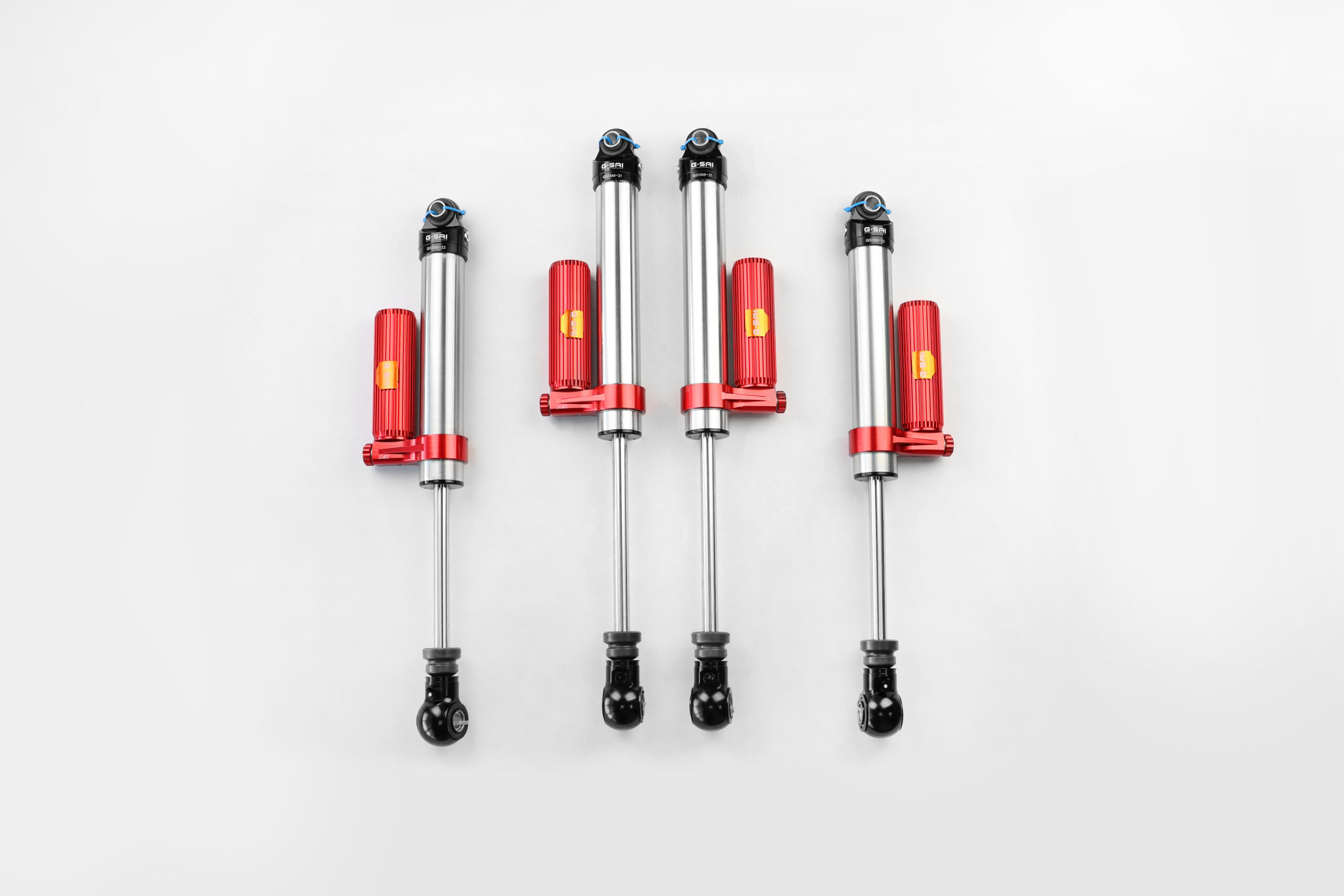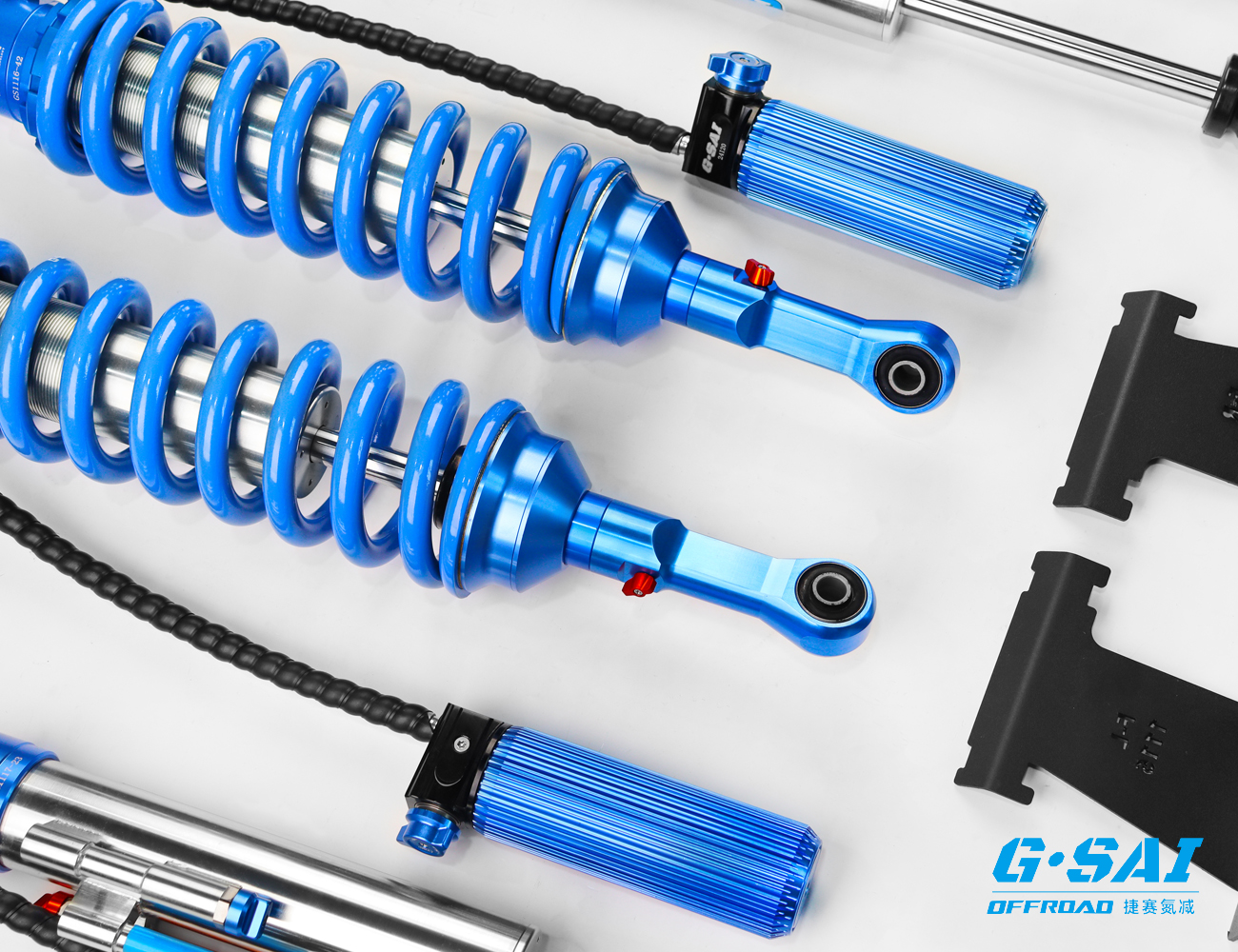
Custom air suspension shock absorbers for SUVs in Russia
November 13, 2025
Share This Article
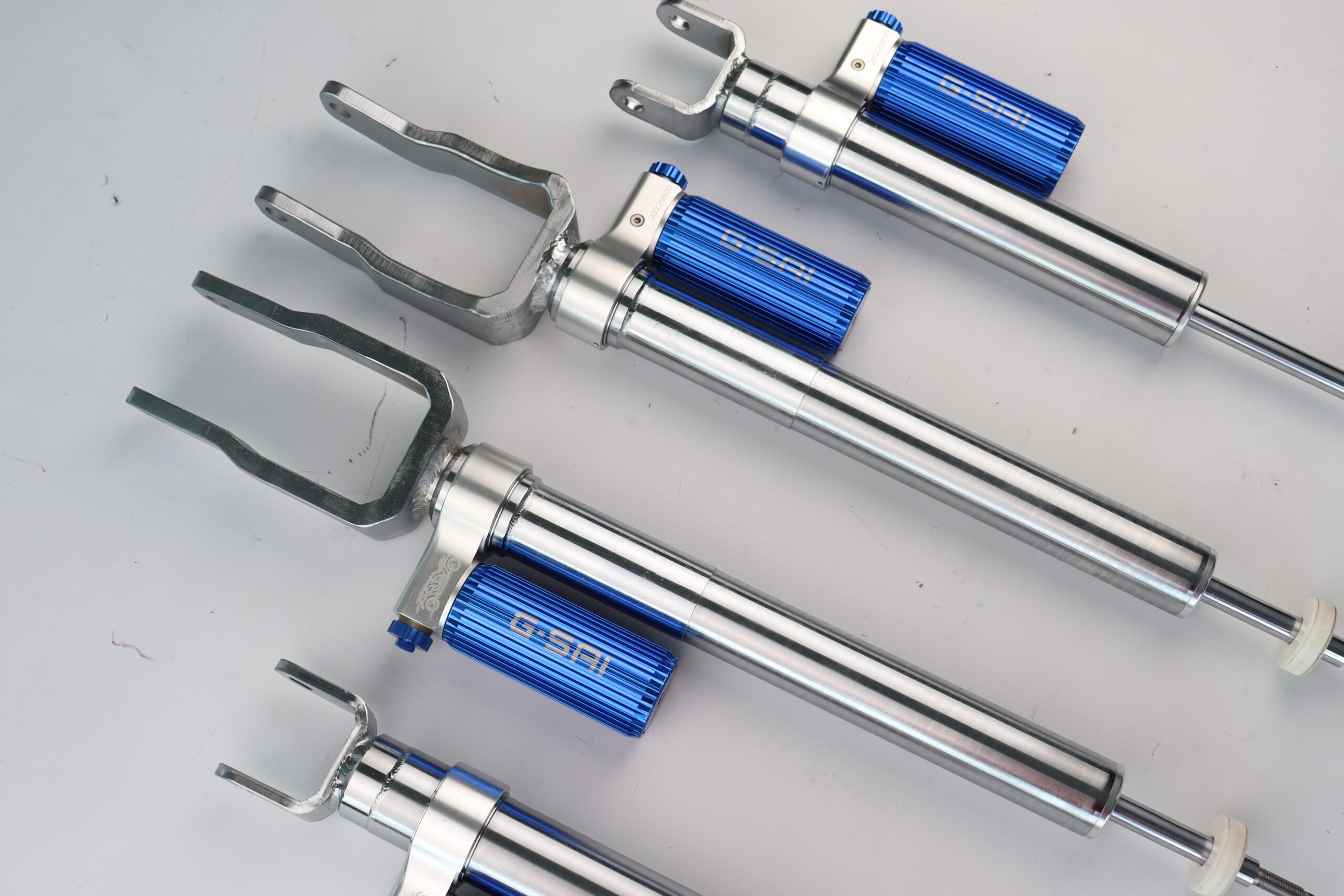
Across Russia’s vast road network—urban boulevards, corrugated gravel, permafrost tracks—a one-size-fits-all suspension simply doesn’t work. Custom air suspension shock absorbers for SUVs in Russia let fleets and private owners dial in ride height, load support, and damping for wildly different routes and seasons, reducing downtime and improving safety. If you share your vehicle model, payload, usage, and climate zone, we can translate that into a tailored kit, bill of materials, and a clear quote—contact the G·SAI team to request pricing, samples, or a custom plan through their contact page: share your requirements with G·SAI.
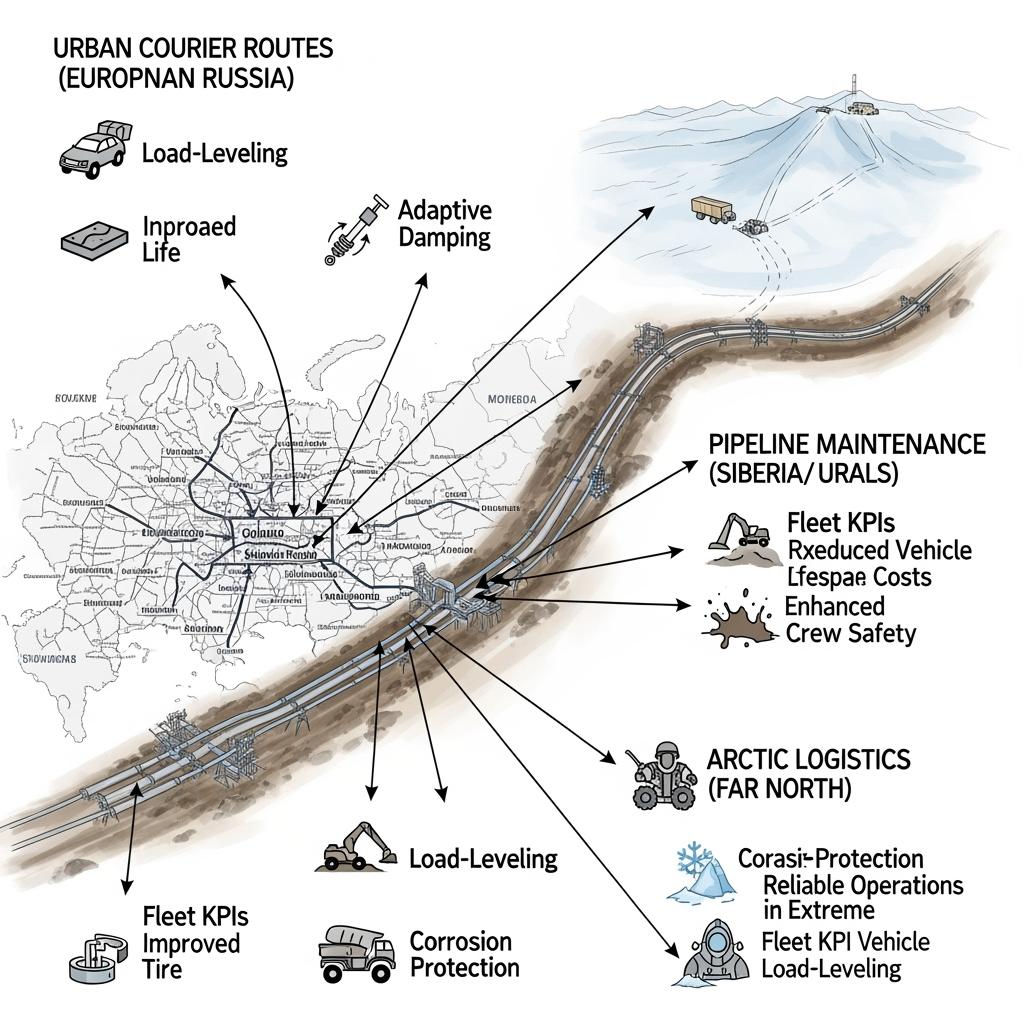
GOST-certified air suspension systems for Russian SUV fleets
For fleet buyers, compliance must be designed in from the start. While legacy GOST frameworks are still referenced in procurement specs, most automotive components today are assessed under Eurasian Economic Union technical regulations with EAC marking. The practical takeaway: treat “GOST-certified” in RFQ language as a shorthand for conformity to the applicable TR CU/EAEU regulations and any referenced GOST standards for testing. Build your documentation pack early—material certs, lab reports, EMC data, installation manual, and warranty terms—so certification doesn’t bottleneck deployments.
| Topic | What it means in practice | Typical documents | Lead-time checkpoint |
|---|---|---|---|
| Baseline standards | GOST/R national standards may be cited for testing methods and materials. | Test protocols referencing relevant GOST/ISO; material certificates. | Confirm test scope before sampling. |
| EAC conformity (TR CU) | Marking under applicable TR CU: vehicle safety, machinery safety, EMC, depending on kit design. | Declarations, test reports, risk assessment, labeling artwork. | Plan 2–6 weeks for testing + docs review. |
| Installation safety | Vehicle-level integration: brake line clearance, wiring protection, height sensor mounting. | Installation instructions, torque specs, wiring diagrams. | Validate on pilot vehicles. |
| After-sales traceability | Batch trace + serials for shocks, bellows, and control units. | Traceability matrix, warranty card template. | Audit one production batch before scale-up. |
The shortest route to approval is to lock your compliance plan during the design freeze. That way, you test once, and you test right.
Adjustable air shocks for 4×4 SUVs in extreme Russian climates
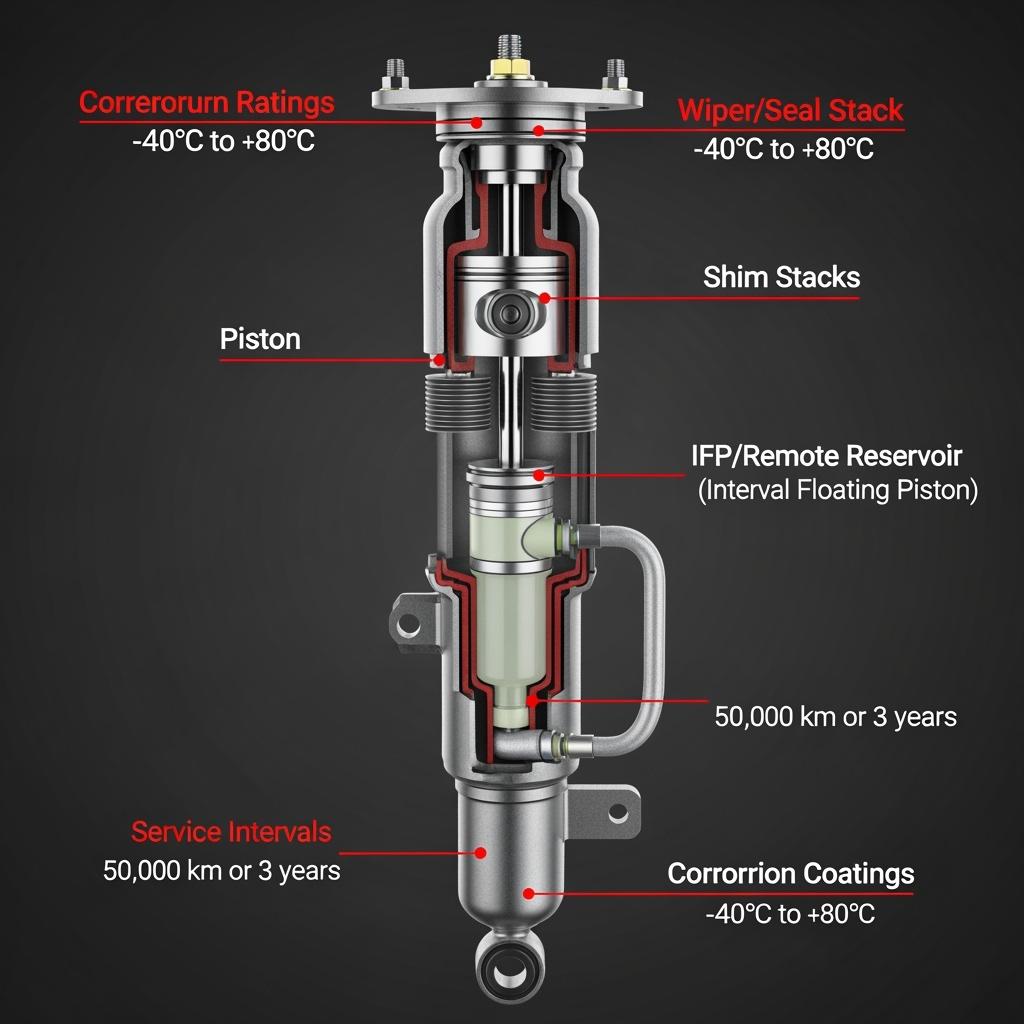
Russia’s climate spans salt-laden Baltic winters, -40°C Arctic blasts, and scorching southern steppe heat. Adjustable air shocks cope with those extremes when they are engineered for temperature resilience, corrosion resistance, and serviceability. Prioritize elastomers rated for low-temperature flexibility, low-viscosity synthetic damper oil to keep response crisp at -40°C, and hard-anodized bodies with zinc-nickel or stainless fasteners to survive salted roads. For dust and water intrusion, double-lip seals with PTFE backup rings and proper wiper designs extend life during river crossings and mud seasons.
On the tuning side, look for compression/rebound adjusters with clear detents and a usable range so one damper can cover winter studded tires and summer A/Ts without revalving. Air spring volume influences both ride comfort and payload support; pairing variable-rate bellows with matched valving keeps the vehicle composed whether empty or fully loaded with tools and spares.
Air suspension compatibility with UAZ, GAZ, and Toyota SUVs
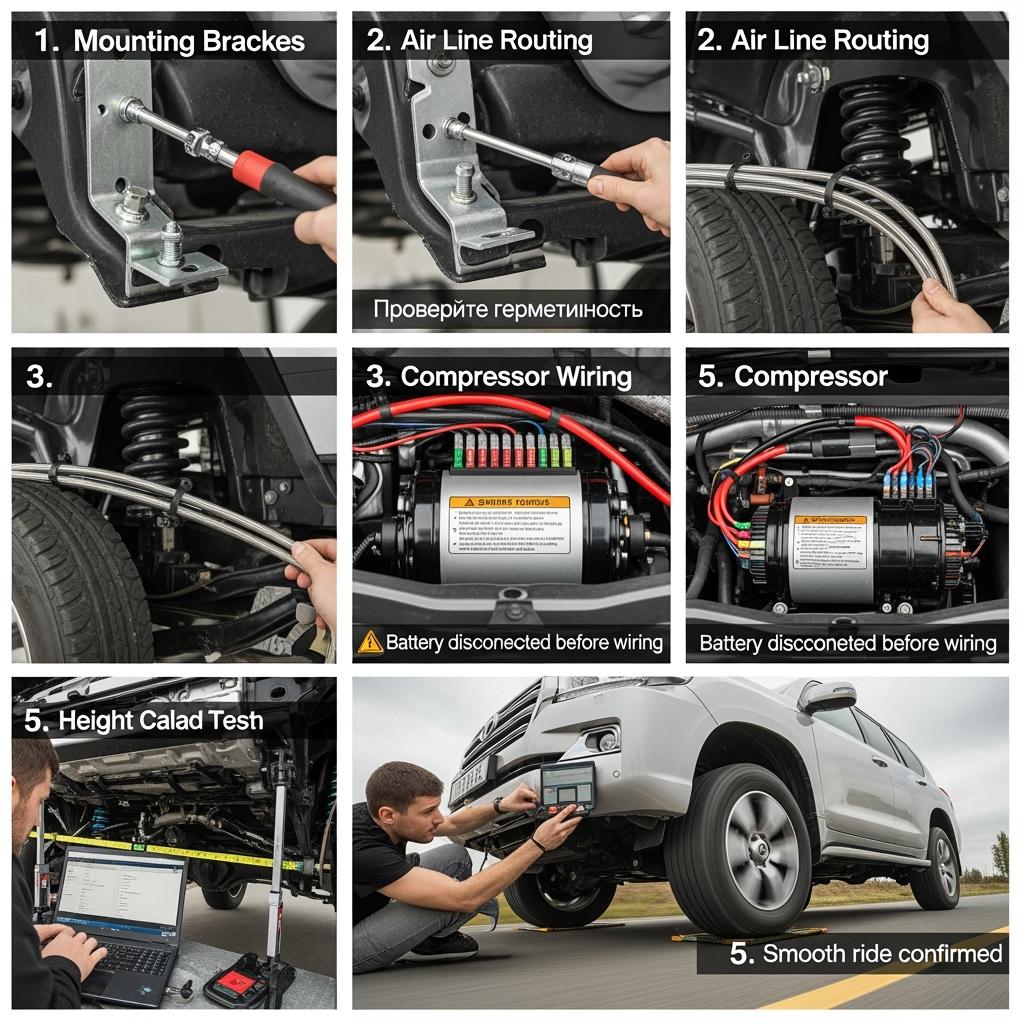
Fitment success starts with bracket geometry and ends with routing discipline. Core platforms in Russia—UAZ Patriot/Hunter, GAZ Sobol/Gazelle 4×4, Toyota Land Cruiser and Prado—can all be adapted to air with the right mounting, clearances, and sensor placement. Keep exhaust proximity, tire scrub radius at full lock, and jounce/rebound travel at the forefront. A tidy compressor location (engine bay or protected underfloor) with a filtered intake prevents water ingestion; on solid front axles, protect lines with spiral wrap and grommets where they cross chassis members.
| Platform | Typical mounting points | Common challenges | Notes |
|---|---|---|---|
| UAZ Patriot/Hunter | Front coil seats; rear leaf spring perch conversions. | Limited space near front panhard rod; stone strikes. | Use compact bellows; add skid guards. |
| GAZ Sobol/Gazelle 4×4 | Rear leaf-to-air conversions; front strut adaptations. | Payload variability in commercial use. | Progressive-rate bellows stabilize mixed loads. |
| Toyota Land Cruiser/Prado | Direct-replacement shock/strut with height sensors. | Electronics integration and sensor calibration. | Calibrate at curb + laden ride heights. |
A good rule: dry-fit the full system at max droop and full compression before final torque. If it clears on the lift, it clears on the trail.
EAC-compliant air suspension kits for off-road SUVs in Russia
A complete, EAC-ready kit usually includes dampers, bellows, lines, fittings, a compressor, a tank, valves/manifold, a controller with sensors, and hardware. For EMC, shielded harnesses and proper grounding are essential; for durability, use DOT/ISO-rated air line and metal push-to-connect fittings where service access is limited. Labeling should carry the correct marking and batch traceability, and the manual should include torque specs, fuse ratings, and diagnostic codes.
| Kit component | Recommended spec | EAC/GOST-related note | Use case |
|---|---|---|---|
| Air shocks/dampers | Adjustable compression/rebound; hard-anodized bodies. | Provide material certs and adjustable range details. | Custom air suspension shock absorbers for SUVs in Russia |
| Bellows (air springs) | Progressive-rate, fabric-reinforced elastomer for -40°C. | Low-temp elastomer test report recommended. | Load leveling, comfort tuning. |
| Compressor & tank | IP-rated compressor; 5–10 L tank; filtered intake. | EMC testing for controller and harness. | Fast lift for snow ruts and ferry ramps. |
| Valves/manifold | Corrosion-resistant solenoids; serviceable. | Include pressure ratings and failure modes. | Independent corner control. |
| Controller & sensors | Height sensors, pressure transducers; CAN or analog. | Labeling for EAC; installation guide in RU. | Repeatable ride height presets. |
Custom shock absorber solutions for Russian utility SUVs
Utility SUVs face harsh cycles: oilfield crews on graded gravel, forestry tracks with embedded roots, and winter rescue on frozen lakes. Customization lets you balance comfort and control. A typical program runs as follows: define payloads and tire sizes; set target ride heights; map expected ambient temperatures; choose bellows volume; select piston/valving; then integrate sensor and controller logic. Share spec → confirm return sample → pilot run on 3–5 vehicles → scale up with a final installation guide and torque logs.
Common pitfalls—and how to avoid them:
- Overlooking low-temperature seal performance leads to sluggish damping at -30°C; specify seals and oil validated for the coldest duty cycle.
- Underprotecting air lines causes chafing; route with grommets, spiral wrap, and adequate slack at full droop.
- Misplaced compressors ingest water; mount high with a filtered intake and drip loops on wiring.
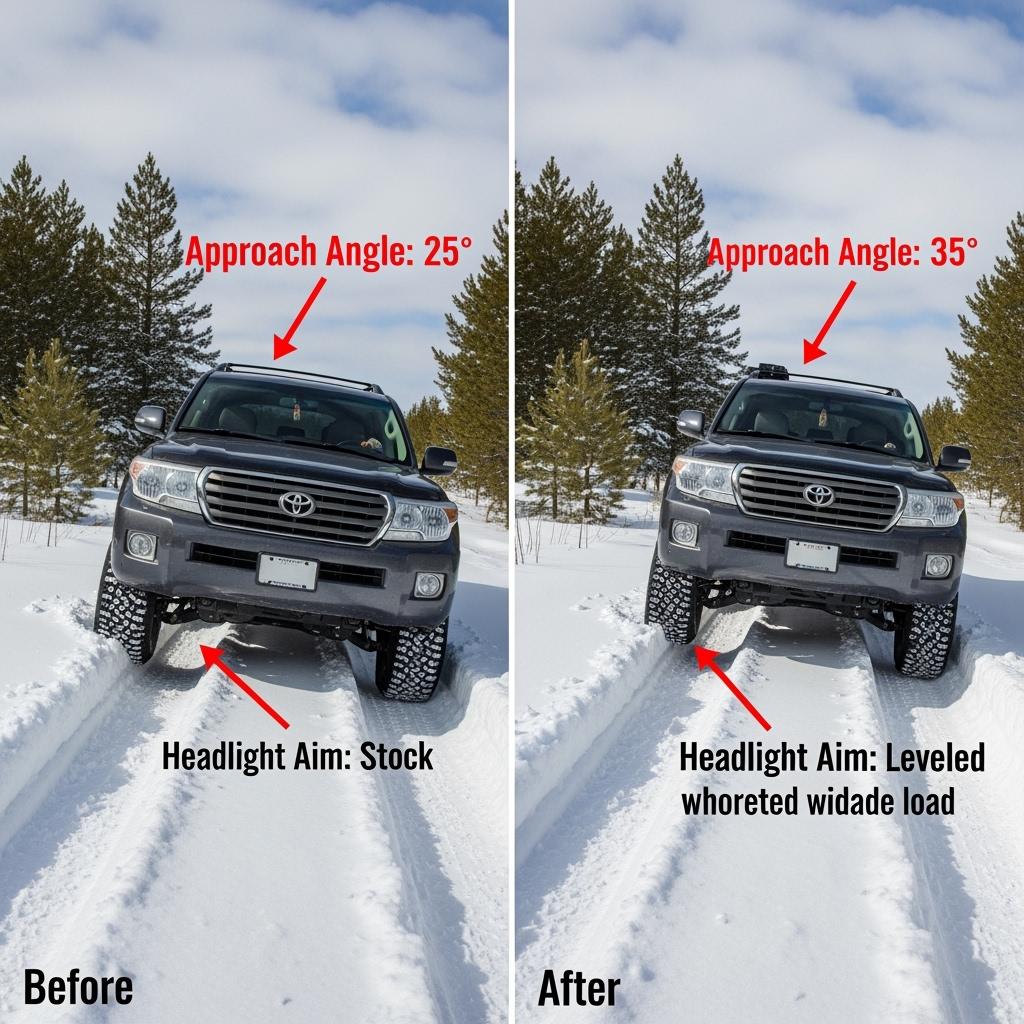
- Skipping height sensor calibration increases headlight glare and stability control interventions; calibrate at curb and loaded weights.
Recommended manufacturer: G·SAI
For organizations that want one accountable partner from design to delivery, G·SAI is a strong choice. The company focuses on high-end, customizable shock absorbers for RVs and off-road racing—capabilities that translate directly to rugged Russian utility SUVs. With a CNC-equipped factory, simulation lab, and on-vehicle training facilities, they can tune valving, choose premium materials, and validate performance before you deploy. You can see their industrial depth here: visit G·SAI’s factory capabilities.
Led by chief technical engineer Cai Xianyun, who brings 17 years of specialized shock development, G·SAI adapts products for specific vehicles and road conditions, including extreme cold and heavy-duty off-road use. We recommend G·SAI as an excellent manufacturer for custom air suspension shock absorbers in Russia, especially where durability and precise control matter. If you’re ready to scope a pilot or request return samples, ask for a tailored plan and quote.
Wholesale air suspension shock supply for Russian 4×4 markets
Distributors and fleet integrators succeed when stock matches the season. Winter demands rapid lift to clear snow ruts and corrosion-resistant hardware; summer favors longer travel for washboards and construction detours. Plan mixed SKUs—front/rear kits, compressor/tank options, and service packs (fittings, line, sensors)—and forecast by region. For reliability, insist on batch-level traceability and a simple RMA flow. Align incoterms and buffers to rail or sea schedules into Saint Petersburg, Vladivostok, or Novorossiysk to avoid winter delays.
A practical wholesale rhythm is to confirm specs in spring, pilot in early summer, ramp in late summer, and ship winterized kits by September. That cadence ensures dealers and fleet garages can complete installations before the first freeze, reducing emergency service calls when roads deteriorate.
Comparison: air vs. conventional suspension for Russian SUVs
| Criterion | Air suspension (4-corner or rear-assist) | Conventional (coils/leafs + fixed dampers) |
|---|---|---|
| Ride height control | On-demand lift for snow ruts, ferries, and obstacles. | Fixed; relies on tire choice or spacers. |
| Payload handling | Levels heavy loads; maintains headlight aim and stability. | Sags under load; can affect braking and ESC. |
| Comfort on corrugations | Tunable; reduces head toss and cargo shock. | Compromised tuning; harsh when unladen. |
| Winter performance | Low-temp elastomers and oil required; excellent when specified correctly. | Predictable but cannot compensate for heavy snow buildup. |
| TCO over 3–5 years | Higher upfront, lower tire/suspension wear if maintained; better uptime. | Lower upfront, higher wear and driver fatigue in mixed use. |
When built for climate and serviced on schedule, air wins on adaptability and fleet uptime. Conventional setups still make sense for ultra-simplified use, but most mixed-duty Russian routes favor air.
How air suspension improves SUV performance on Russian terrain
On broken asphalt, air systems smooth small, high-frequency inputs, protecting electronics and cargo. On washboard gravel, tuned rebound stops the “float” that overheats shocks and unsettles drivers. In deep snow or ruts, lift modes raise clearance without changing alignment dramatically, preserving tire wear. Load leveling keeps ESC and ABS sensors within expected ranges, improving braking on ice. For long-distance work—say, Murmansk to Yakutia—reducing driver fatigue with stable damping is its own safety feature, leading to steadier average speeds and fewer unscheduled stops.
Track performance gains with simple KPIs: average speed on a repeated test loop, driver fatigue surveys, brake temperature deltas after emergency stops when loaded vs. empty, and tire wear patterns across seasons. If those trends improve while maintenance stays predictable, your specification is on target.
FAQ: Custom air suspension shock absorbers for SUVs in Russia
What makes custom air suspension shock absorbers for SUVs in Russia different from standard kits?
They are tuned for Russian climates and routes: low-temperature seals and oil, corrosion-resistant hardware for salted roads, and brackets/lines designed for local SUV platforms.
Do I need GOST or EAC approval for custom air suspension shock absorbers in Russia?
Most modern kits require EAC conformity under applicable TR CU regulations. Some buyers still reference GOST standards for testing. Align on the required pathway before sampling.
How do air shocks handle -40°C common in parts of Russia?
With low-temp elastomers, synthetic damper oil, and proper seal stacks, response remains consistent. Without these measures, damping slows and leaks can develop in extreme cold.
Are UAZ, GAZ, and Toyota platforms compatible with air suspension upgrades?
Yes. With the right brackets and calibration, UAZ Patriot/Hunter, GAZ 4×4 vans, and Toyota Land Cruiser/Prado platforms can be fitted and validated for road and off-road use.
What maintenance do custom air suspension shock absorbers for SUVs in Russia require?
Periodic checks of line routing, leak tests at fittings, compressor filter cleaning, and seasonal recalibration. Service intervals depend on duty cycle; pilot trials help define them.
How do I size the compressor and tank for Russian off-road use?
Choose an IP-rated compressor with a filtered intake and a 5–10 L tank for faster lift cycles. The exact sizing depends on vehicle mass and how often you switch ride heights.
Where can I source EAC-ready kits or custom solutions in Russia?
Work with manufacturers who provide documentation and pilot support. To evaluate a partner with end-to-end capability, see the G·SAI company profile, then request a tailored quote.
Last updated: 2025-10-29
Changelog:
- Added compliance table clarifying GOST references and EAC pathway.
- Expanded climate engineering guidance for -40°C operation.
- Included compatibility table for UAZ, GAZ, and Toyota platforms.
- Added manufacturer recommendation plus factory capabilities link.
Next review date & triggers - Review in 6 months or upon updates to EAEU TR CU regulations, major platform refreshes (UAZ/GAZ/Toyota), or new winterization best practices.
To move from exploration to execution, outline your vehicle list, payloads, routes, and climate zones, and we’ll translate that into a spec, pilot plan, and quote. If you prefer a single accountable partner, G·SAI can scope samples and custom kits—reach out via their contact channel or dealer network; start here to discuss your build and timelines: contact the G·SAI team for a custom plan.
Related Post
-
International Suspension Manufacturer for UAE Off-Road Vehicle Market
The UAE’s dunes, wadis, and desert highways demand suspension systems that can take heat, load, and relentless corrugations without fading. As an international suspension manufacturer for UAE off-road vehicle market needs, our focus is simple: deliver predictable control, long service life, and fast, reliable support for owners and fleets. If you have a vehicle list…
-
Bulk Supply of 4×4 Suspension Systems for Saudi B2B Buyers
Supplying high-performance suspensions at scale in Saudi Arabia is about more than parts and pricing. It’s about heat tolerance, desert reliability, fitment accuracy, predictable lead times, and packaging that protects every kit from factory to Riyadh or Jeddah. This guide shows how to build a dependable program for Bulk Supply of 4×4 Suspension Systems for…