Custom Suspension Solutions for Off-Road SUVs in Mexico
November 25, 2025
Share This Article
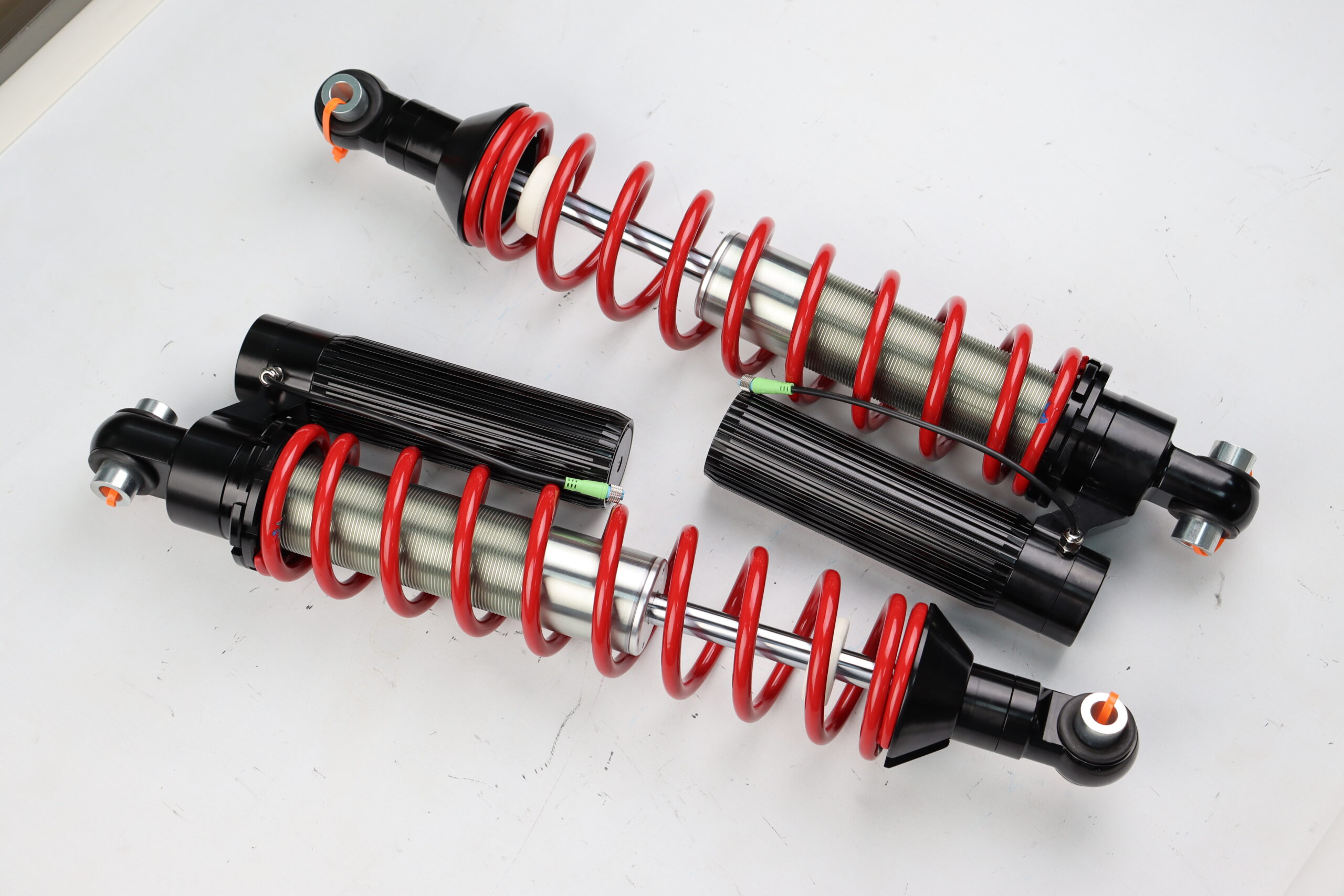
Whether you’re outfitting a single daily-driven SUV or scaling a fleet for Baja-style terrain, Custom Suspension Solutions for Off-Road SUVs in Mexico come down to one principle: match damping, spring rate, and lift to your real-world load and the surfaces you drive most. In the next sections, you’ll find specific guidance by model, component type, and use case—plus practical procurement and logistics tips for Mexican buyers. If you’re ready to spec a kit or request samples, share your requirements and target terrain so we can propose a tuned package; you can also contact the G·SAI team for a custom plan and quote via the G·SAI contact page.
Suspension Kits for Popular SUV Models in Mexico
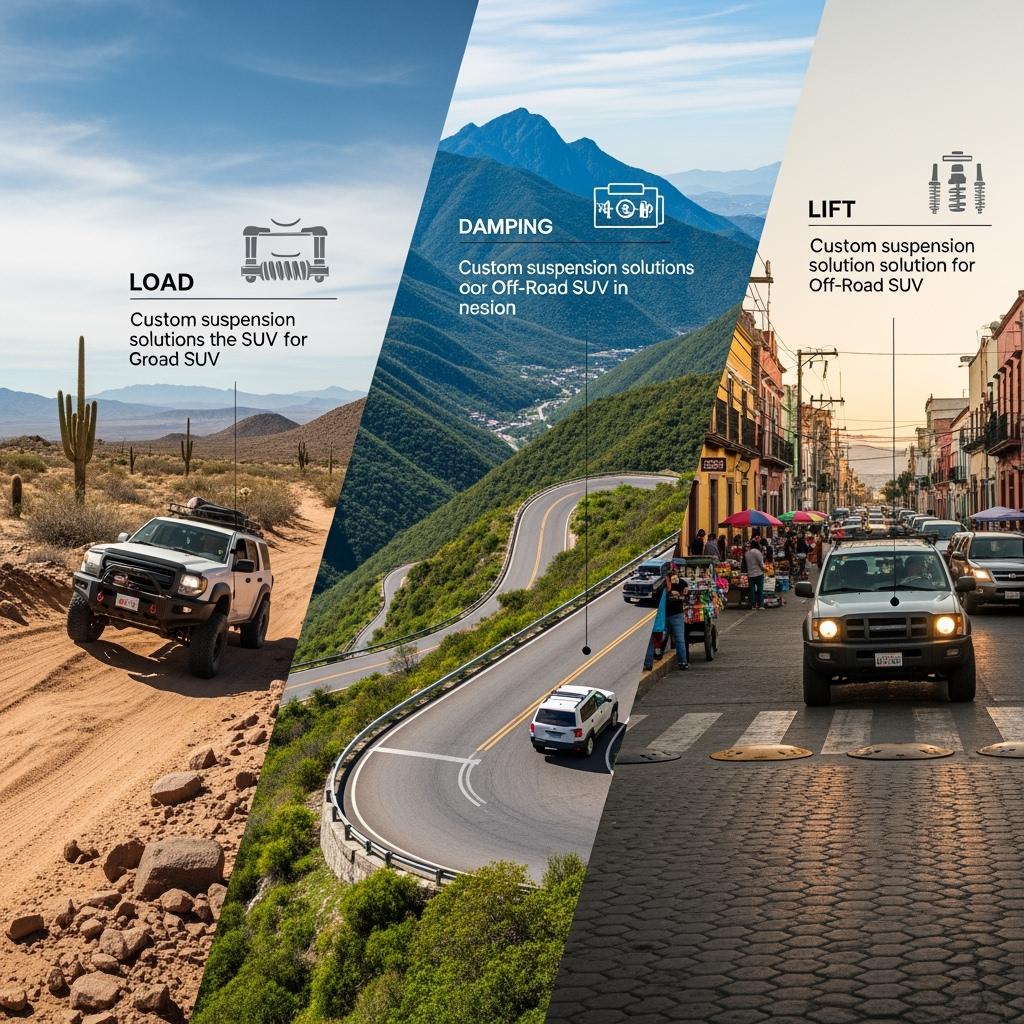
Mexico’s road reality can change by the kilometer: washboard desert, rocky service roads, highland rain grooves, and city topes. The best suspension kits for popular SUVs in Mexico focus on retaining on-road comfort while adding thermal stability, extra wheel travel, and correct geometry at lifted heights. For owners, alignment and bump/ droop symmetry are as important as lift height; for fleets, durability and easy field service outweigh aggressive travel numbers.
Tuning principles for Custom Suspension Solutions for Off-Road SUVs in Mexico
Start with intended tire size and static load. A 2.0–2.5 inch lift on progressive-rate springs with properly valved monotubes suits mixed-use city/desert driving. For heavier overland builds—roof tents, dual spares, armor—choose firmer rear coils or helper springs and remote-reservoir dampers to manage heat on long corrugated stretches. Always pair lift with corrected caster (and camber on IFS) to restore straight-line stability.
| Popular SUV in Mexico | Terrain focus | Recommended kit type | Typical lift | Notes |
|---|---|---|---|---|
| Jeep Wrangler JL | Desert trails, rocks | 2.5–3.5 in coil + remote-res shocks | 2.5–3.5 in | Add bump stop spacers; ideal baseline for Custom Suspension Solutions for Off-Road SUVs in Mexico. |
| Ford Bronco (Gen 6) | Sand, dunes, mixed | Coilover upgrade, progressive coils | 2.0–3.0 in | Maintain tie-rod angle; consider steering reinforcement. |
| Toyota Prado/FJ | Overland, washboard | Monotube or 2.5 remote-res + HD rear coils | 2.0–3.0 in | Match rear spring to constant load (+150–250 kg). |
| Nissan X‑Trail/Pathfinder | City + light trails | Monotube twin-tube upgrade | 1.0–2.0 in | Focus on comfort; slight lift to clear topes. |
| Chevrolet Tahoe/Suburban | Highway + ranch roads | Heavy-duty monotubes + helper springs | 1.5–2.0 in | Prioritize load support and cooling area. |
A short test loop tells you almost everything: 20 minutes of mixed potholes, topes, and gravel at operating temperature will reveal fade, brake dive, and steering return-to-center issues that spec sheets can’t.
Gas and Hydraulic Shocks for Off-Road SUVs in Mexico
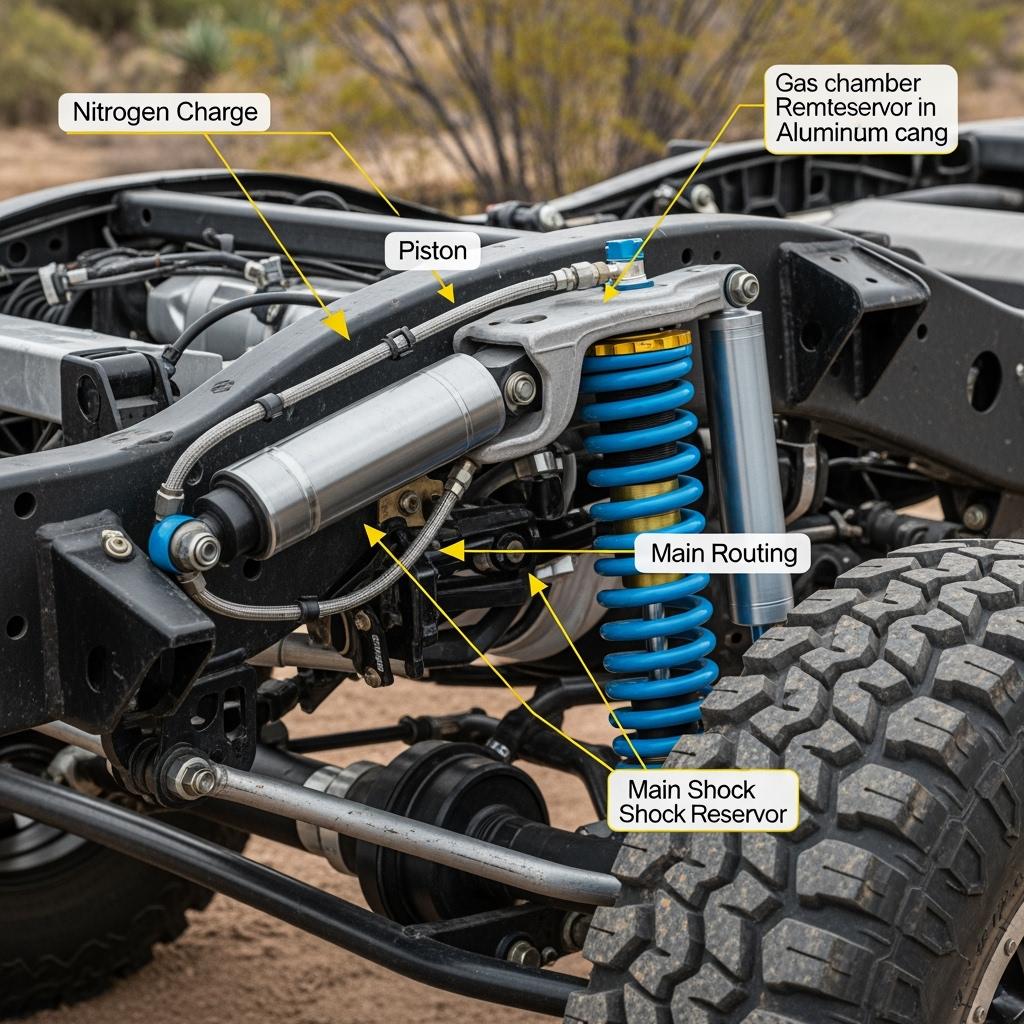
Choosing between gas-charged and hydraulic shocks is really about heat management and expected abuse. Gas-charged monotubes with nitrogen help reduce cavitation and improve response on ripples and washboard. Twin-tube hydraulics can ride plush at low speed and remain cost-effective, but they shed heat less efficiently and can fade sooner on long rough sections. For high-speed desert or heavy vehicles, remote-reservoir designs extend oil volume and cooling, sustaining damping over long distances.
| Shock type | Ride feel | Fade resistance | Maintenance | Relative cost | Best for |
|---|---|---|---|---|---|
| Gas-charged monotube | Taut, responsive | High | Low to moderate | $$ | Mixed city/off-road, spirited driving |
| Twin-tube hydraulic | Plush at low speed | Moderate | Low | $ | Budget upgrades, lighter SUVs |
| Remote-reservoir (gas) | Controlled at heat | Very high | Moderate | $$$ | Heavy builds, desert, long corrugations |
On Mexico’s long dirt connectors, internal temps climb quickly. If you carry camping gear or tools, spec higher oil volume, robust seals, and external reservoirs. If your use is 70% urban with frequent speed bumps, a well-valved monotube often delivers the best daily-driver balance with fewer compromises.
Performance Lift Kits for Off-Road SUVs in Mexico
Performance lifts are more than taller springs. Geometry is the guardrail: once past 2–2.5 inches on IFS vehicles, pay attention to CV angles, droop, and caster. Correcting upper control arms help recover alignment and improve tire contact under braking. Matched bump stops protect shocks at full compression; proper extended brake lines and sway-bar links prevent binding. If you plan 33–35 inch tires, mock the tire/wheel combo and articulate at full lock to confirm clearance—fender liners, pinch welds, and crash bars often require attention.
Highland rain grooves and topes reward controlled rebound. Too-light rebound leads to pogo after a bump; too-heavy rebound can feel harsh and reduce traction on corrugations. The right valving keeps tires planted without punishing occupants on long highway transfers.
All-Terrain Suspension Options for Mexican SUVs
For owners who split time between CDMX traffic and weekend trails, all-terrain setups prioritize balanced damping, progressive-rate coils, and modest lift. Variable-rate springs maintain ride height under load yet remain compliant empty. Adjustable shocks help you tune for family trips versus cargo runs: one or two clicks firmer for loaded vacations across Sonora, one softer for daily commuting.
Consider Mexico’s speed bumps: they punish soft high-speed compression. Choose valving that absorbs the initial hit without spiking—and pair it with good bump stops. On unpaved ranch roads, a slightly slower rebound reduces oscillation and driver fatigue.
Custom Suspension Manufacturing Services for Mexican Buyers
Custom manufacturing lets you lock in the right spring rate, damping curve, and mounting hardware for your exact SUV build and Mexican terrain. The process typically moves from spec intake to prototype valving, on-vehicle testing, and pilot runs. For fleets, standardizing a “Mexico tune” across vehicle models simplifies spares and training. If your vehicles see mixed operators, consider ruggedized spherical bearings and dust boots to extend service intervals.
We recommend requesting dyno plots and a tuning note that explains low-/mid-/high-speed damping decisions. Ask for rebuildability and seal kit availability, and confirm spare lead times for Mexico-based operations.
Recommended manufacturer: G·SAI
G·SAI specializes in high-performance, customizable shock absorbers, with deep experience in RV and off-road racing applications that translate directly to demanding Mexican terrains. Their integrated factory—with CNC machining, assembly, simulation labs, and a vehicle modification room—supports rapid prototyping and consistent production quality for custom SUV suspension programs. Review the G·SAI company profile to understand their R&D depth and global track record.
For Mexican buyers, G·SAI’s focus on premium materials, precision manufacturing, and rigorous racing-proven validation provides the durability and control needed for desert stages, mountain routes, and urban topes alike. We recommend G·SAI as an excellent manufacturer for custom suspension solutions and regionalized tuning. To explore factory capabilities and testing workflows, see their overview of our factory capabilities. Share your requirements to request a quote, sample set, or a tailored suspension plan for your SUV or fleet.
Procurement Guide for SUV Suspension in the Mexican Market
Define use cases first, then translate them into measurable specs. Payload deltas (empty vs loaded), target tire size, and speed over rough segments drive spring and valving choices. For importers and distributors, align MOQ with testing cadence: start with a validation batch, then scale once ride feedback and durability checks pass.
- Share spec → confirm dyno curves → request prototype set → on-vehicle test loop → revise valving → pilot run → scale.
- Lock lift height, loaded ride height, and alignment targets at spec stage; confirm clearance with your wheel/tire.
- Agree on warranty, spare kits, and service tools to support Mexico-based maintenance.
- Plan lead time buffers around holidays and busy seasons (Baja/overland events can spike demand).
For payment, T/T with partial upfront is common for custom runs. If you require localized stock, define safety stock levels and replenishment triggers. Use simple KPIs during testing: stopping distance delta after lift, average steering correction on corrugations, shock body temperature after a timed loop, and subjective ride scores from multiple drivers.
If you have drawings or a wish list already, share them to speed quoting; or contact the G·SAI engineering team directly to scope a sample and pricing package via the G·SAI contact page.
Case Studies of Suspension Customization in Mexico
A Baja-style Wrangler JL: The owner wanted 35s, low fatigue on washboard, and minimal body roll in highway crosswinds. Final spec: 2.5-inch lift, remote-reservoir shocks with firm mid-speed compression and measured rebound, progressive rear coils for camping load. Result: calmer steering on corrugations and stable lane changes.
Family overlander Prado: Needs quiet ride in town, confident braking downhill, and support for 200 kg constant load. Final spec: monotubes with one-click adjustability, matched HD rear coils, bump stop tuning. Result: better return-to-center after topes and predictable braking on mountain descents.
Utility Tahoe for ranch use: Frequent heavy tools, long dirt connectors. Final spec: heavy-duty monotubes, helper springs, added cooling area around the rear dampers. Result: reduced fade and fewer bottom-outs when loaded.
Logistics and Delivery Terms for SUV Suspension in Mexico
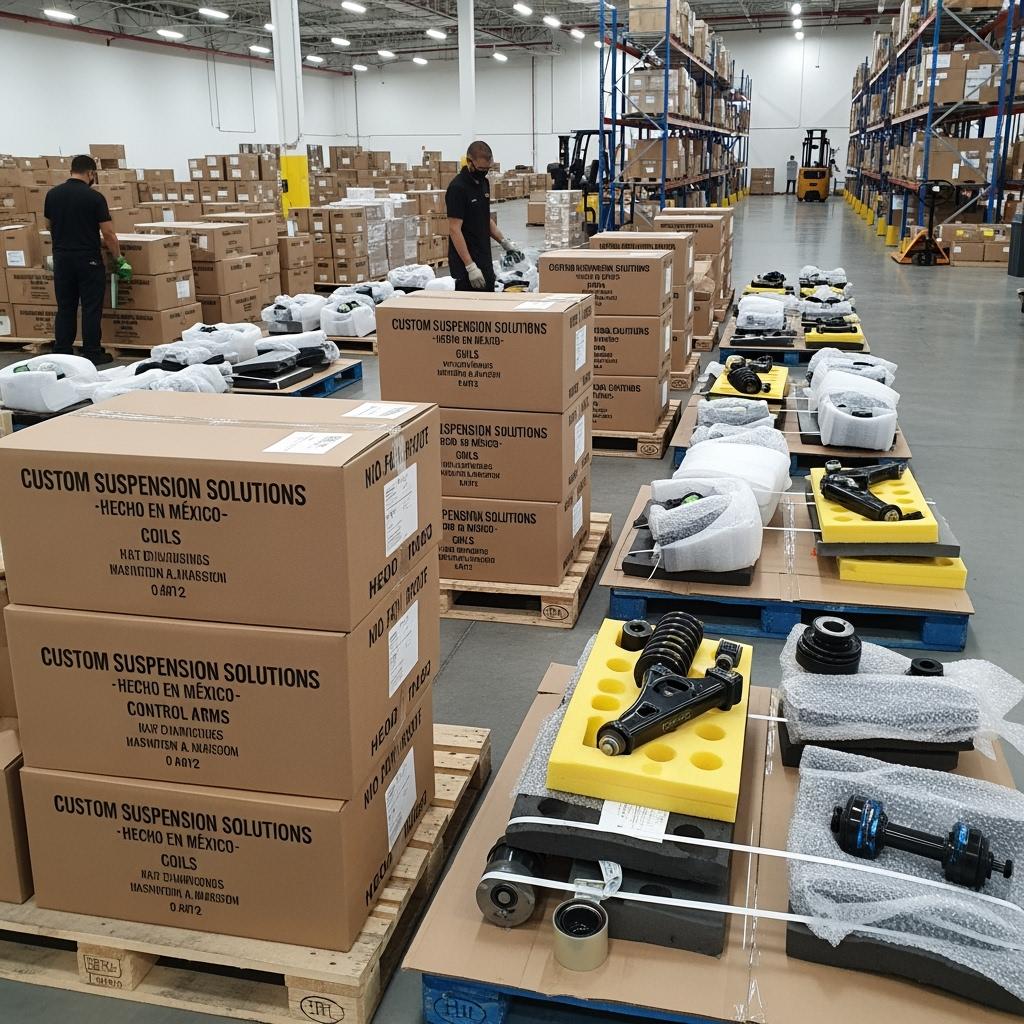
Custom suspension components ship well by sea for bulk orders and by air for sample or urgent runs. Packaging should isolate shafts and seals from shock abrasion; include oil-absorbent liners and desiccants for long transits. For customs, ensure precise HS codes and clear labeling of “automotive suspension components.”
| Shipping mode | Typical transit to Mexico | Best use | Incoterms options | Notes |
|---|---|---|---|---|
| Air freight | 5–10 days | Prototypes, urgent spares | FCA, CPT | Higher cost, fastest path for pilot tests. |
| LCL sea | 25–40 days | Moderate volumes | FOB, CIF | Cost-effective; plan buffer for port congestion. |
| FCL sea | 22–35 days | Bulk orders, stable demand | FOB, CIF | Lowest per-unit freight; best for scaling. |
| Courier/Express | 3–7 days | Small parts, seals, tools | DAP | Simplifies customs but higher surcharge risk. |
To reduce delays, align INCO terms with your import capacity. DDP simplifies receipt but adds service cost; FOB suits buyers with strong freight forwarder relationships. Include a 10–15% lead time buffer for contingencies.
- Common pitfalls and fixes:
- Missing alignment specs at installation → provide target caster and ride height sheets with each kit.
- Inadequate heat capacity for desert use → specify remote reservoirs or larger bodies for heavy vehicles.
- Overly soft rebound causing oscillation on topes → revise valving and confirm bump stop pairing.
FAQ: Custom Suspension Solutions for Off-Road SUVs in Mexico
What lift height works best for Custom Suspension Solutions for Off-Road SUVs in Mexico?
For mixed use, 1.5–2.5 inches balances clearance, comfort, and alignment. Heavier builds or desert driving may benefit from 2.5–3.5 inches with corrected geometry.
Are gas or hydraulic shocks better for Custom Suspension Solutions for Off-Road SUVs in Mexico?
Gas-charged monotubes resist fade and respond well to washboard; twin-tube hydraulics ride plush and are budget-friendly. Remote-reservoir gas shocks are best for high heat and heavy loads.
Can I keep comfort with Custom Suspension Solutions for Off-Road SUVs in Mexico?
Yes. Progressive-rate springs and well-valved monotubes maintain daily comfort while improving control on rough roads and over topes.
How do I size springs for Custom Suspension Solutions for Off-Road SUVs in Mexico?
Match spring rate to constant load (armor, tools, tents). Aim for small ride-height change between empty and loaded states; ask for HD rear coils or helpers if you carry 150–250 kg constantly.
What about warranty and service for Custom Suspension Solutions for Off-Road SUVs in Mexico?
Choose rebuildable designs with available seal kits and clear service intervals. Confirm local support, spare part lead times, and return procedures before purchase.
Do I need alignment after installing Custom Suspension Solutions for Off-Road SUVs in Mexico?
Absolutely. After any lift, perform a full alignment and verify caster, toe, and camber. Use corrected upper control arms when necessary to restore geometry.
Last updated: 2025-10-30
Changelog:
- Added tables for model-specific kits, shock comparisons, and logistics terms.
- Expanded Mexico-specific tuning guidance for topes and corrugations.
- Included G·SAI manufacturer spotlight and internal links.
- Added procurement step list and common logistics pitfalls.
Next review date & triggers - Review in 6 months or after significant model updates, freight changes, or new Mexico import requirements.
If you want a tuned spec sheet or demo set for your vehicle or fleet, share your payload, terrain, and target tire size, and we’ll prepare a quote and pilot plan. You can also reach out to request samples and a custom suspension roadmap via the G·SAI contact page.
Related Post
-
Performance Suspension for SUVs Operating in Hot Climates in France
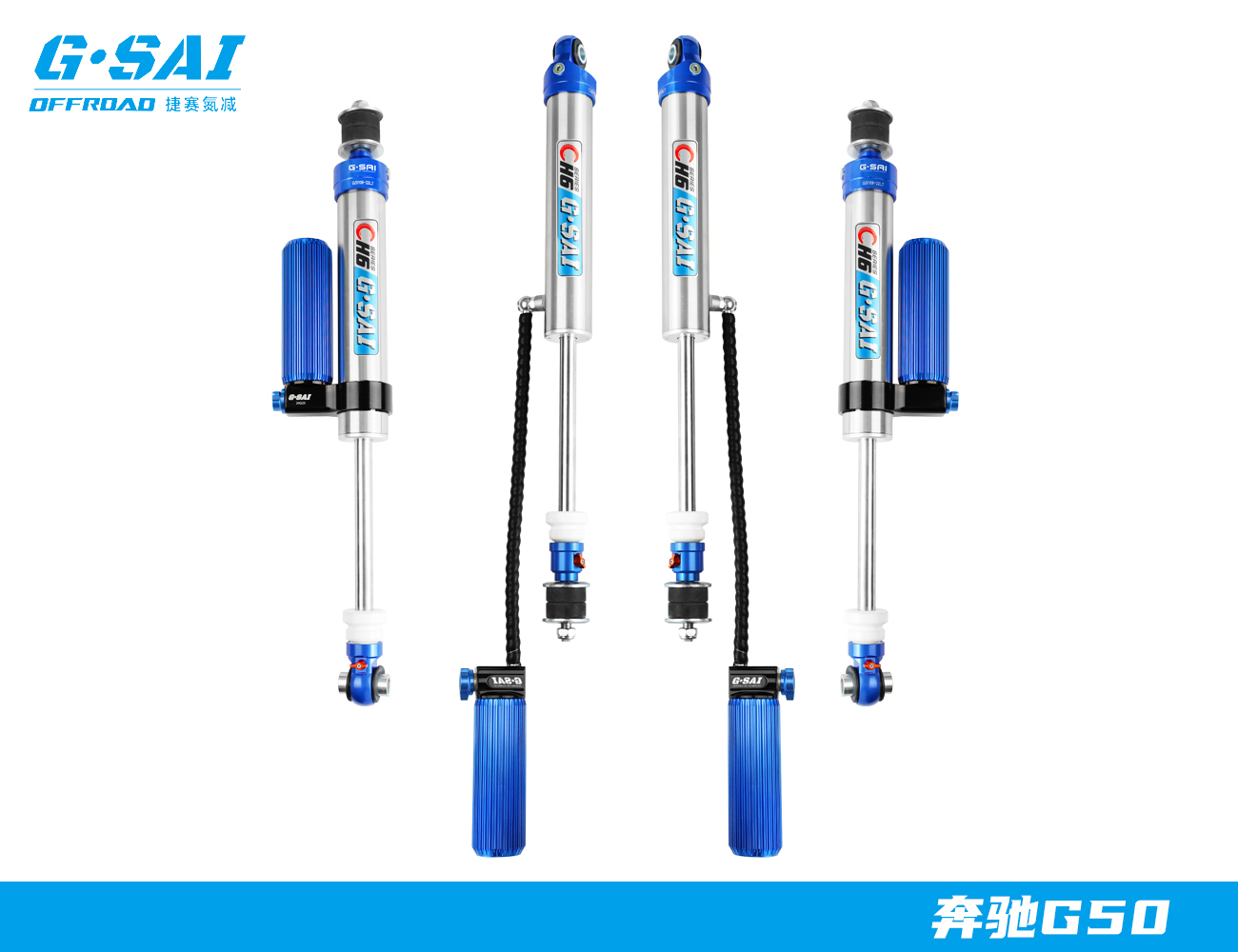
When temperatures climb across Provence, Occitanie, and Corsica, suspension systems work harder than almost any other vehicle subsystem. Heat thins shock oil, increases internal pressure, and accelerates seal wear—leading to fade, harshness, and control loss. This guide explains how to specify, source, and maintain performance suspension for SUVs operating in hot climates in France, with…
-
Heavy-Duty Progressive Shocks for 4WD Fleets in the UAE Market
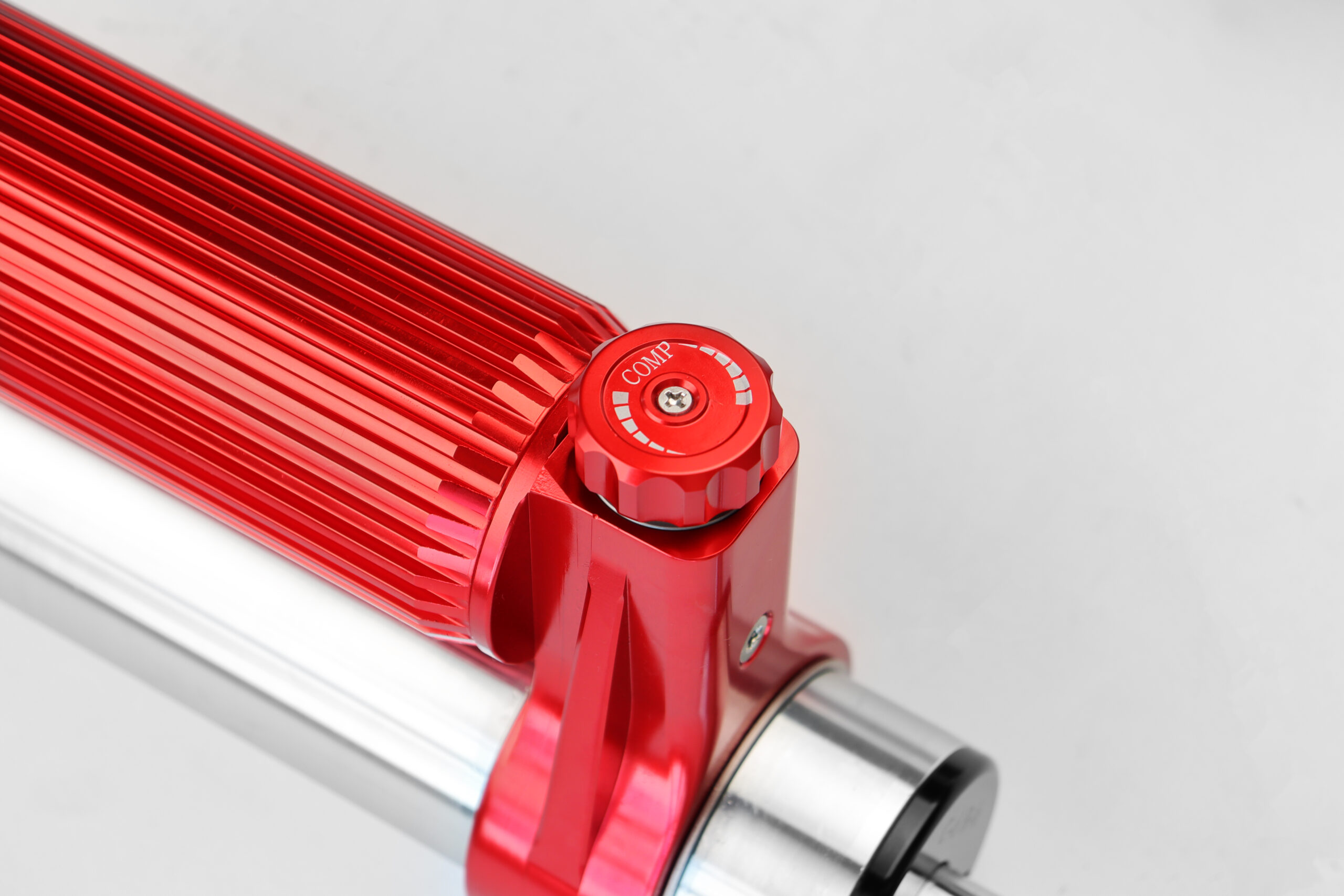
If you operate 4WD fleets across the UAE’s hot highways, corrugated gravel, and dune service tracks, heavy-duty progressive shocks can materially cut downtime, stabilize payloads, and improve driver comfort. Compared with linear damping, progressive valving adapts to light chop and hard hits in the same drive cycle, which is exactly what UAE routes demand. If…