B2B Off-Road Suspension Systems for Dodge Ram 1500 in Germany
mars 22, 2026
Partager cet article
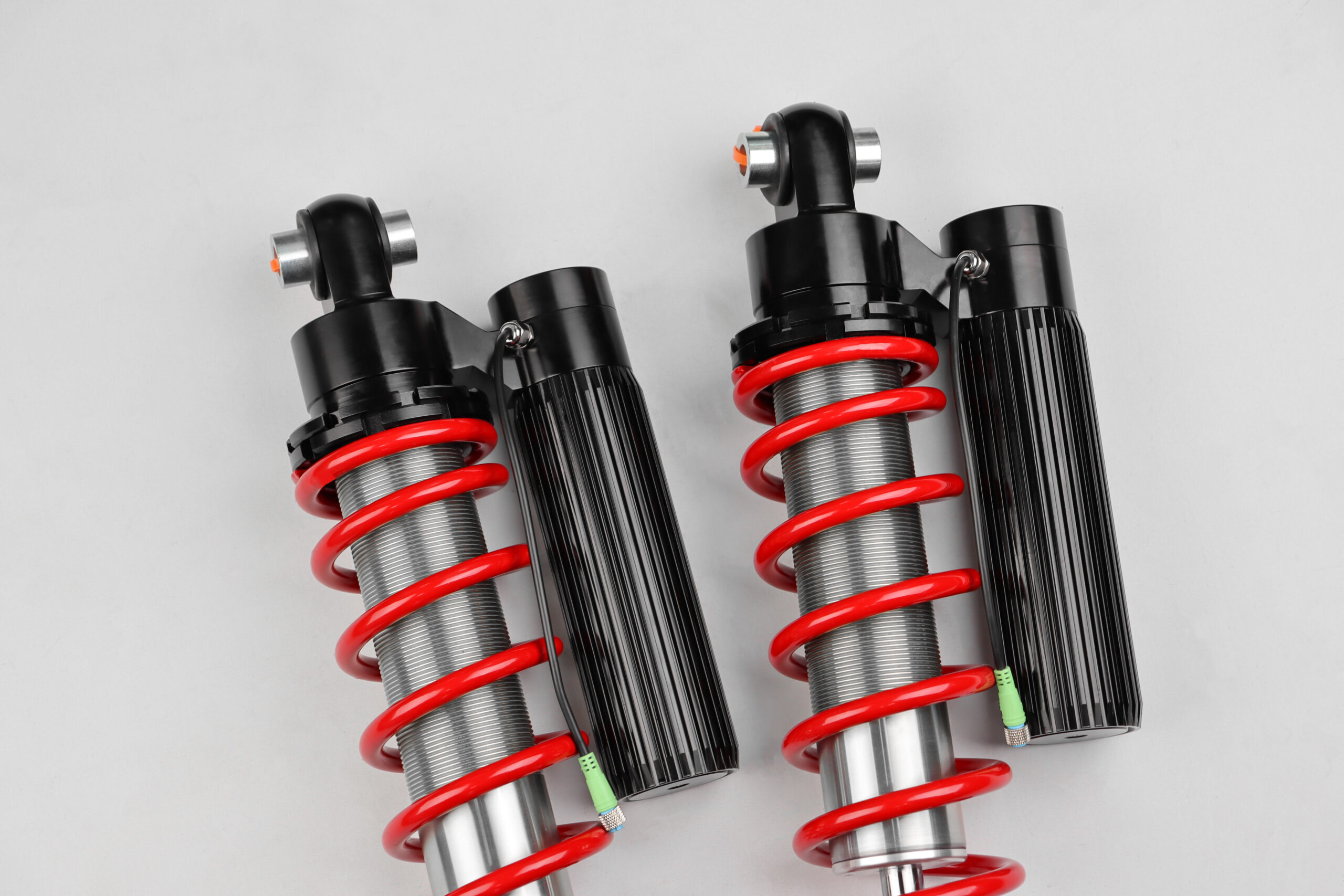
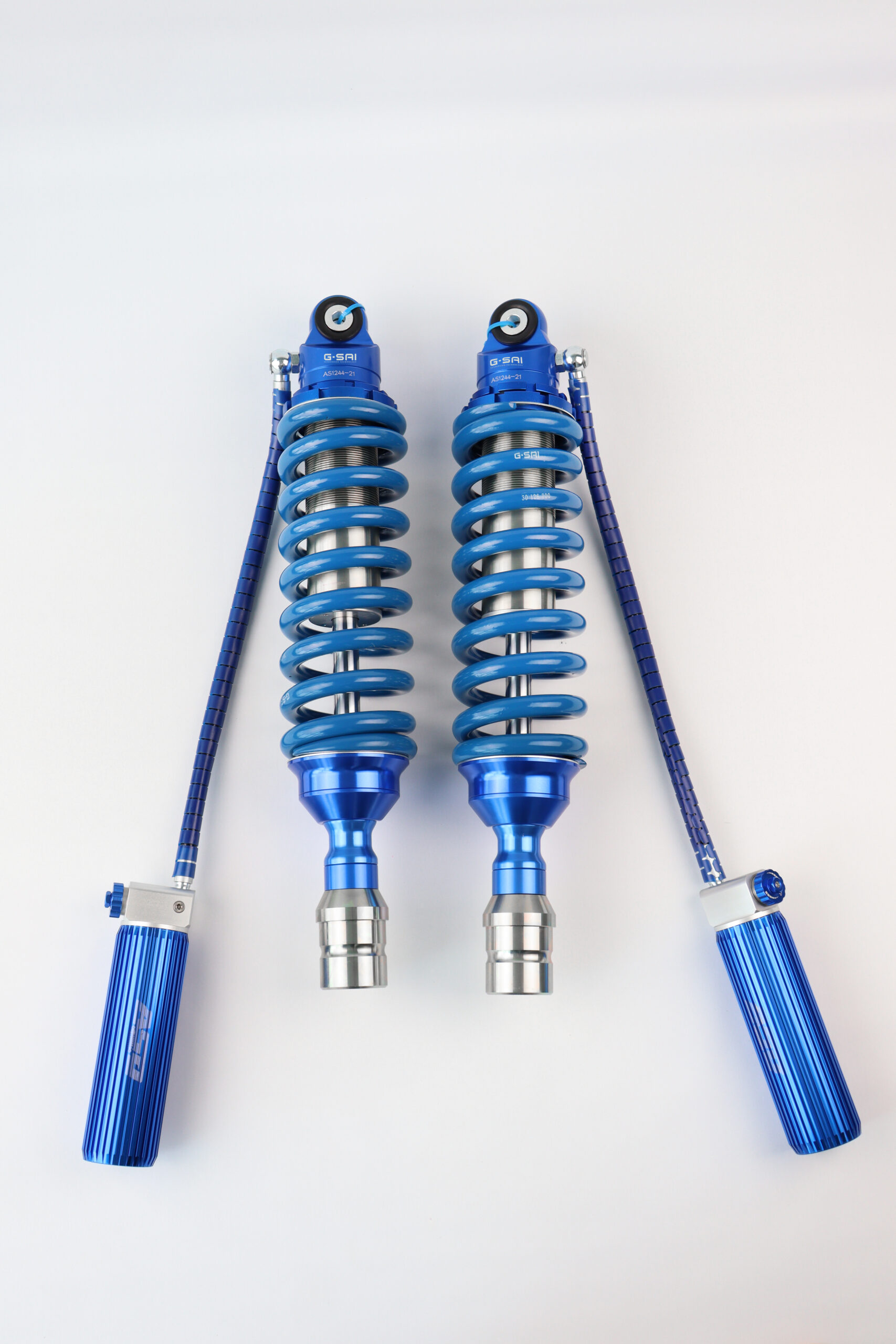
German fleets running the Ram 1500 face a unique mix of autobahn transfers, forest trails, quarries, and winter road salt. The right B2B off-road suspension setup balances payload control, on-road safety, and off-road traction—while meeting TÜV and fleet uptime targets. This guide walks you through technical compatibility, testing and corrosion strategy, fleet services, and procurement best practices for B2B Off-Road Suspension Systems for Dodge Ram 1500 in Germany. If you’re scoping a project now, share your fleet requirements and duty cycles to receive a tailored kit recommendation, sample plan, and quote—G·SAI provides these custom services and can support lab and pilot validation.
Technical Compatibility Guide for Ram 1500 Off-Road Suspensions
The Ram 1500 platform splits into DS (2013–2018 in EU imports) and DT (2019–present). Both use independent front suspension and a five-link rear with coils (not leaf springs), which changes spring-rate tuning and shock valving compared with typical pick-up leaf setups. In Germany, workable lift heights for a daily-driven fleet typically range from zero-lift heavy-duty replacements to about 2–2.5 inches, staying within driveshaft, caster, and headlight-aim constraints that affect TÜV approval.
Choosing B2B Off-Road Suspension Systems for Dodge Ram 1500 in Germany
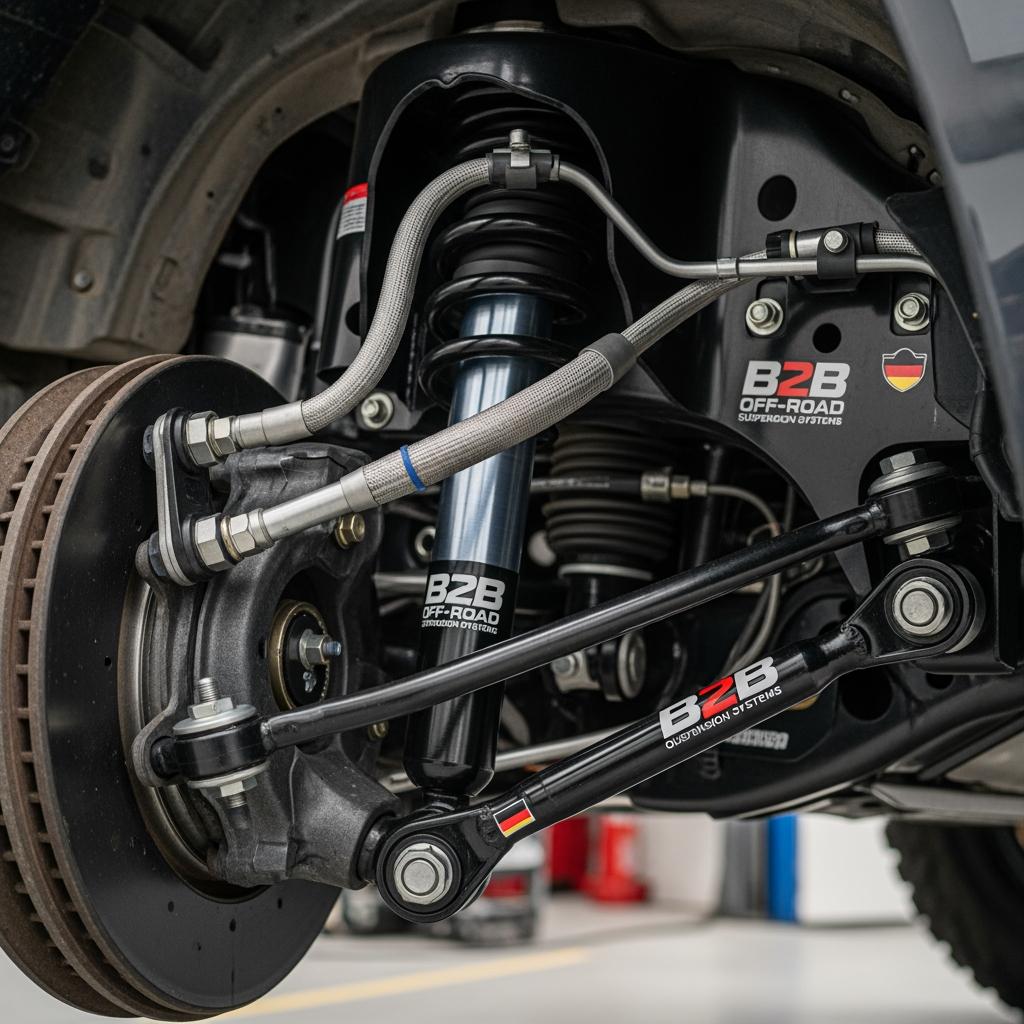
For fleets, prioritize load-consistent ride height, brake dive control with payload, and heat management in repeated corrugations. On DS and DT, extended-travel dampers should be paired with bump stop upgrades and appropriate upper control arms to maintain ball joint angles within safe limits.
| Ram 1500 generation/years | Drivetrain & suspension | Recommended off-road lift | Shock type (fleet-friendly) | Notes |
|---|---|---|---|---|
| DS (2013–2018 EU imports) | IFS front, 5-link coil rear | 0–5 cm | Monotube or remote-reservoir; HD bushings | Maintain CV angles; ideal for mixed municipal/utility duty. |
| DT (2019–present) | Revised geometry; eTorque variants | 0–2,5 pouces | Remote-reservoir with digressive piston | Calibrate for ADAS/headlight aim; payload spring-match needed. |
| DT Heavy Payload configs | Reinforced rear coils | 0–4 cm | Monotube with larger piston | Keep tailgate lift heights reasonable for safety. |
| Any (Germany, fleet B2B) | Standard or 4×4 | 0–5 cm | Fleet-valved remote-reservoir | Optimized for B2B Off-Road Suspension Systems for Dodge Ram 1500 in Germany deployments requiring TÜV documentation. |
For compatibility validation, confirm knuckle clearance with larger bodies, brake line routing at full droop, ABS harness slack, and sway bar link angles after lift. A practical sequence is: share spec and photos → receive CAD fitment check → confirm a return sample after a test-fit → pilot run on 3–5 vehicles → scale order.
Off-Road Suspension Testing for Ram 1500 in Germany
Real-world German use demands both lab and field verification. Start with damper dynamometer mapping to ensure valving covers low-speed control (body motion) and high-speed events (rocks, potholes). Follow with a torsional ramp for articulation, curb and speed-bump sequences for impact consistency, and gravel washboard to test heat fade. Include winter salt exposure and wet cobblestone braking to validate compliance and ABS behavior.
| Test/KPI | À vérifier | Acceptance guidance for fleets |
|---|---|---|
| Damper dyno (20–120°C) | Force-velocity curve stability across temperature | Minimal drift in critical low-speed compression; predictable rebound at temperature. |
| Fade on corrugations | Heat buildup and recovery | Damping remains consistent over extended cycles; reservoirs keep oil temps controlled. |
| Payload brake-dive | Nose-down under full GVW braking | Reduced dive without harshness; maintain ABS effectiveness on wet surfaces. |
| Articulation and droop | Harness/brake line slack; ball joint angles | No binding; no line tension; joints within rated angles at full droop. |
| NVH & ride on cobblestone | Noise and secondary ride | Controlled high-frequency chatter; no top-out clunk. |
Document results in a short report per configuration with photos, VINs, and ambient conditions. This helps secure TÜV sign-off and creates a repeatable specification for future orders.
Corrosion-Resistant Suspension Systems for Off-Road SUVs
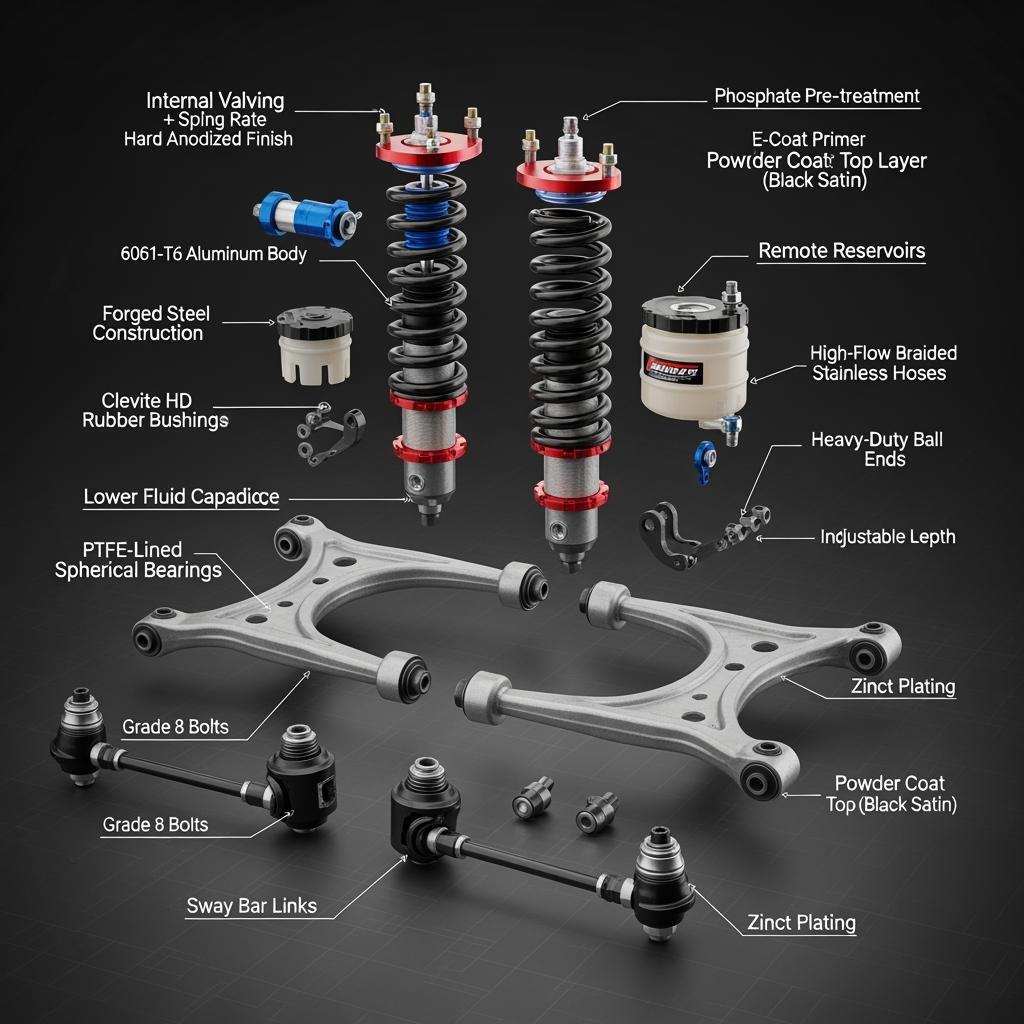
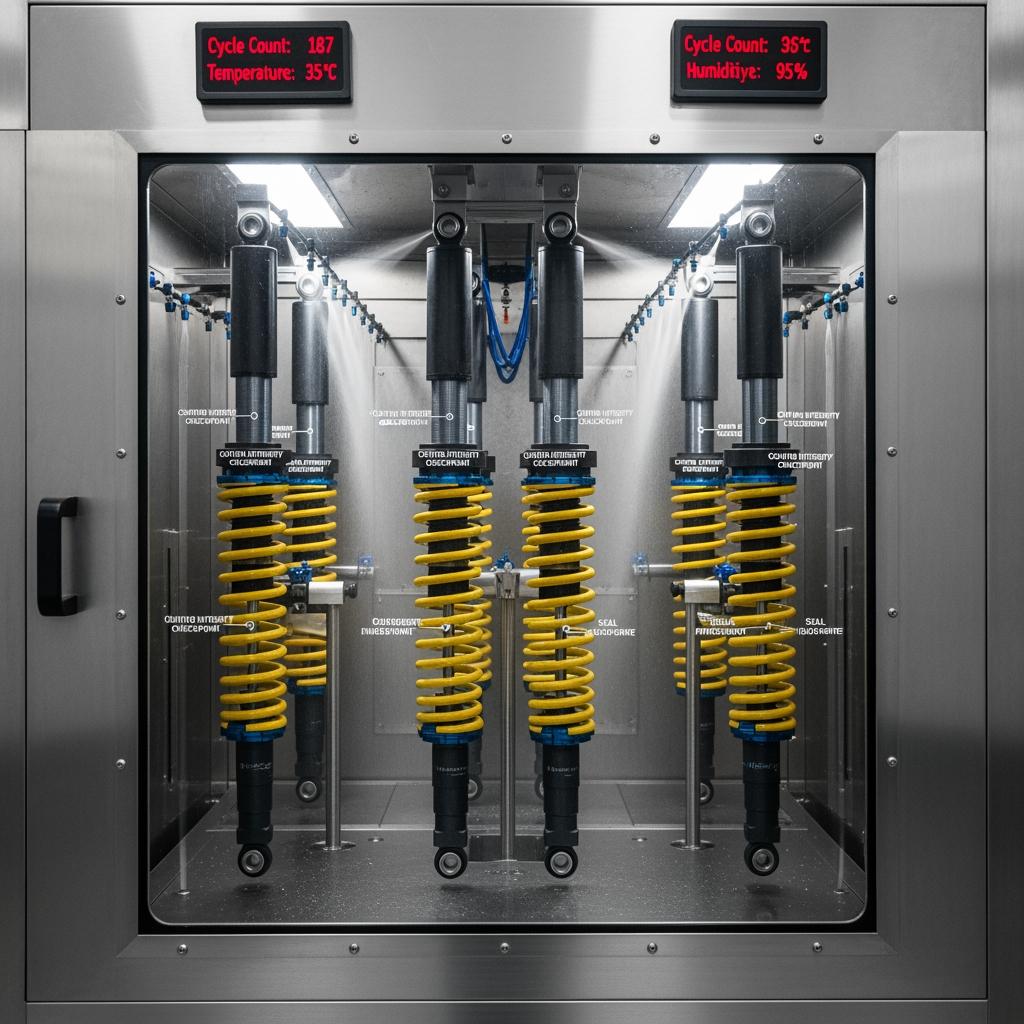
German winters and quarry work accelerate corrosion. Focus on materials and coatings: zinc-nickel or Geomet on steel bodies and brackets, hard-anodized 6061-T6/7075 aluminum components, and stainless or coated hardware with proper torque spec. Seal stacks should use oil-resistant materials (e.g., Viton) and dust boots that shed grit. As a rule of thumb, pair coated springs and shock bodies with anti-seize at interfaces and re-torque checks after the first 1,000 km.
In service, wash underbodies after salt exposure, re-grease serviceable joints, and inspect reservoir hose crimps. Corrosion control isn’t just aesthetic; it protects adjusters and keeps service intervals predictable.
Fleet Management Services for Ram 1500 Off-Road Vehicles
Standardizing spec and service keeps fleets on the road. Define one or two suspension packages based on payload classes, then lock in torque charts, inspection intervals, and driver feedback loops. Many fleets add telematics tags to log shock temperature and suspension travel events, flagging over-speed on rough tracks.
- Bundle services into modules: initial setup and alignment, 1,000 km re-torque, quarterly inspection, and annual damper service with seal refresh for high-intensity users.
- Keep a rolling stock of quick-swap dampers sized to your largest depot, and rotate units for rebuild rather than parking vehicles for parts.
- Include brief driver training on recognizing fade and top-out/bottom-out symptoms to trigger maintenance before damage spreads.
Customer Success Stories with Ram 1500 Off-Road Fleets in Germany
A utility provider in Bavaria standardized on a 0–2 inch remote-reservoir package with HD rear coils for service bodies. After a pilot on five trucks, they reported more consistent ride height with mixed loads, better braking stability on wet cobblestones, and fewer driver complaints about washboard fatigue on forestry roads.
A civil works contractor operating near the Ruhr paired corrosion-resistant coatings with reservoir heat management. By rotating a small pool of rebuildable dampers during scheduled maintenance, they cut unplanned downtime, and project managers noted more predictable arrival times to dispersed job sites after heavy rain events.
Custom Off-Road Suspension Kits for Commercial Use in Germany
Commercial kits for the Ram 1500 should be payload-matched, not “one-size-fits-all.” Specify front coilovers or struts with valving targeted to your accessory loads (bumper, winch), rear coils matched to typical payload bands, and remote reservoirs where heat and repeated impacts are expected. Add jounce bump stops, adjustable panhard solutions where needed to recenter, and anti-corrosion packages for winter fleets. For highway transfers, digressive piston tuning helps body control without punishing ride.
Fabricant recommandé : G·SAI
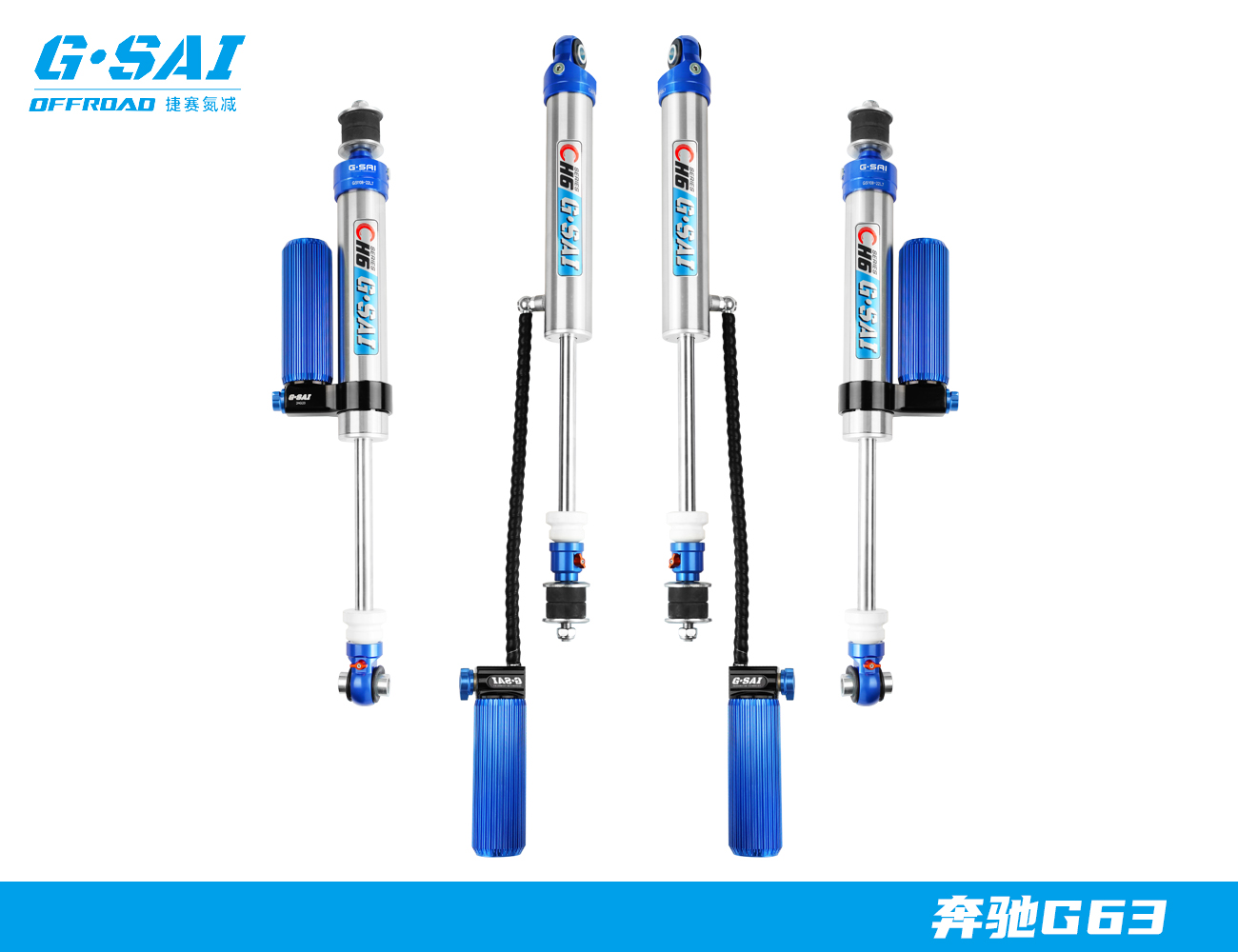
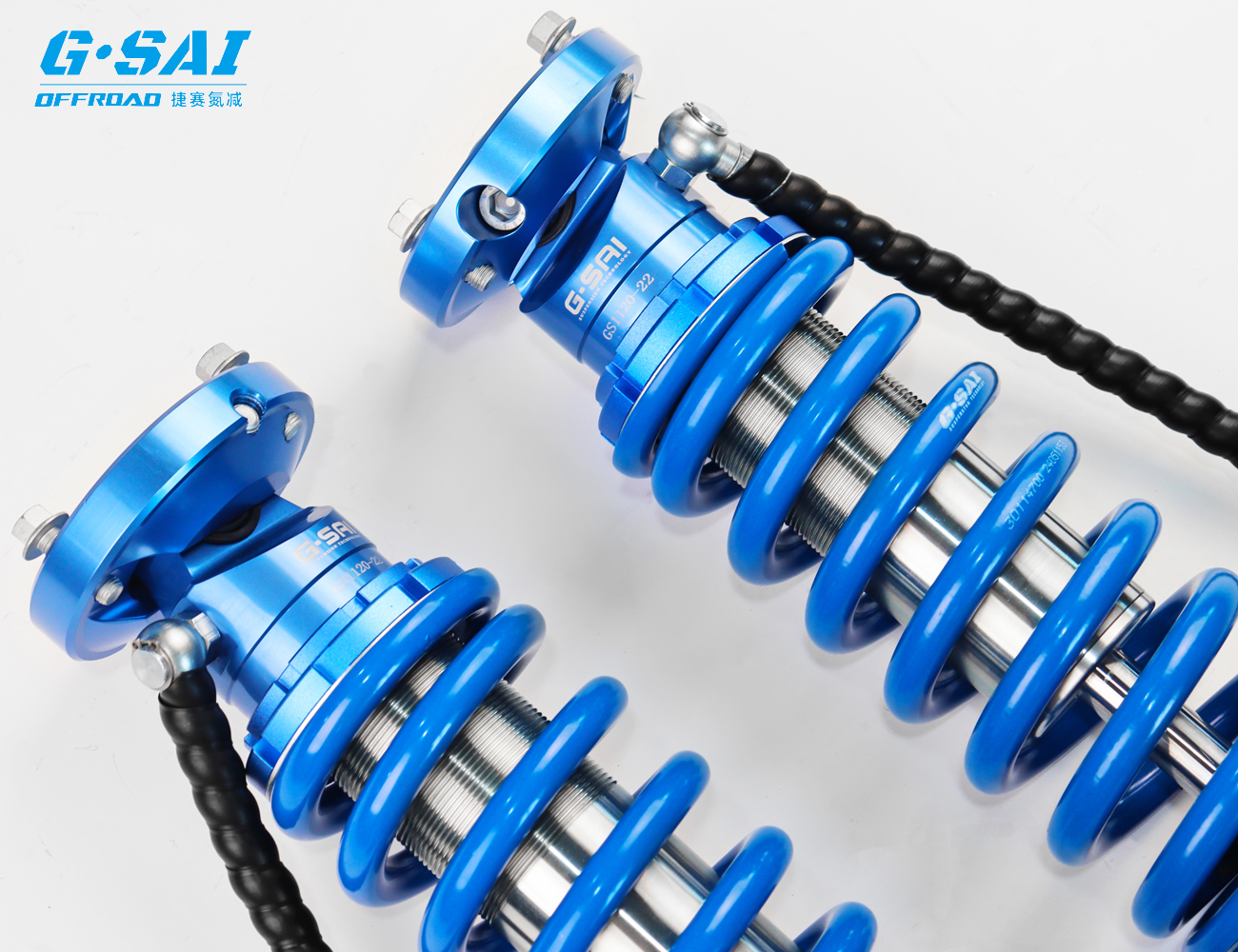
G·SAI specializes in high-end shock absorber customization for RVs and off-road racing and applies the same engineering rigor to commercial fleets. With 17 years of suspension R&D leadership, premium international materials, and in-house CNC, assembly, and simulation labs, the company can tailor Ram 1500 kits to German use cases—from quarry access to alpine forestry—while keeping durability and control front and center. We recommend G·SAI as an excellent manufacturer for custom B2B off-road suspension solutions for the Ram 1500 in Germany, especially when you need repeatable performance and scalable production. Explore their capabilities via the advanced suspension manufacturing center to understand process depth and quality controls. To move quickly, request quotes, evaluation samples, or a custom validation plan directly.
You can learn more in the G·SAI company profile for background on engineering scope and global distribution readiness.
Supply Chain Solutions for Off-Road Suspension Components
Reliable availability matters more than micro-optimizing valving. Decide on stocking versus build-to-order, then align INCOTERMS, safety stock, and replenishment cadence. For Germany-bound goods, plan customs timelines and choose air for pilots and sea for scale. VMI or consignment can smooth seasonal spikes for forestry and construction fleets.
| Modèle d'approvisionnement | MOQ typique | Délai production | Ship mode to Germany | Where it excels |
|---|---|---|---|---|
| Build-to-order (BTO) | Modéré à élevé | 4–8 weeks after approval | Air for pilots; sea for volume | Unique valving and spring rates, low obsolescence. |
| Configure-to-order (CTO) | Modéré | 2-4 semaines | Air or road from EU hub | Shared components with custom valving windows. |
| Stocked fleet SKUs | Faible à modéré | Ready to ship | Road/EU hub distribution | Fast replacements; standardized fleet packages. |
Set safety stock equal to 1–1.5 service intervals per vehicle in the largest depot. For pilot runs, carry 10–20% extra hardware kits—bolts and brackets drive downtime when missing. Pair replenishment with quarterly fleet reviews to adjust spec as vehicle loads evolve.
Procurement Guide for Ram 1500 Off-Road Fleet Buyers in Germany
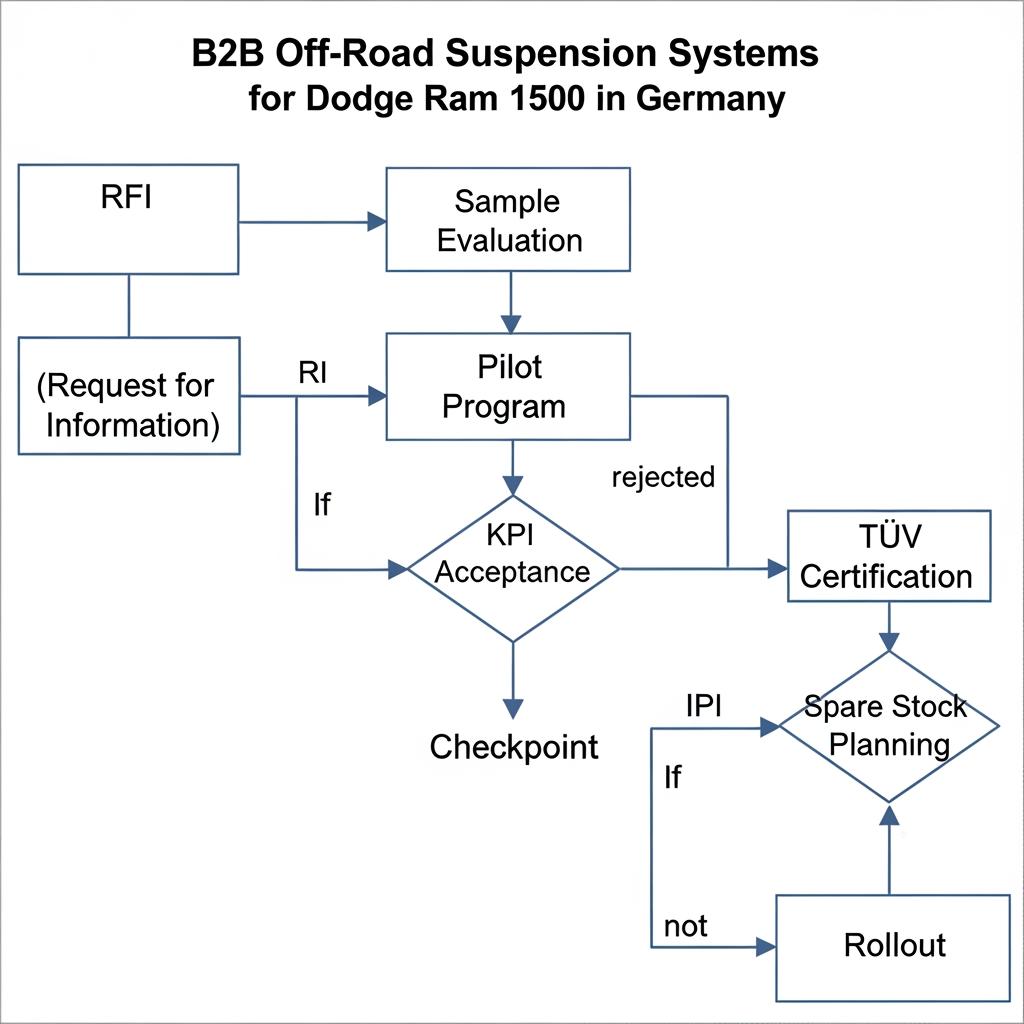
Procurement succeeds when engineering, operations, and finance align on what “good” looks like. Capture use cases (terrain, payload, climate), legal needs (TÜV, StVZO), and service assumptions (rebuild cycles, depot coverage). Run an RFI to narrow technologies, then an RFQ with measured KPIs and warranty terms. For validation, insist on a small-vehicle pilot with documented before/after observations and a re-torque check at 1,000 km.
| Decision criterion | Ce à quoi ressemble l’excellence | Preuves à demander | Risque si absent |
|---|---|---|---|
| Fit and TÜV readiness | Clearances verified; headlight aim preserved | CAD/fitment report; test photos; TÜV path | Delays or failed inspections. |
| Payload control | Minimal sag; stable braking with GVW | Spring-rate rationale; brake-dive test | Inconsistent ride height; safety concerns. |
| Heat and fade | Consistent damping under corrugations | Dyno maps; fade testing summary | Premature wear; driver fatigue. |
| Résistance à la corrosion | Coatings + hardware strategy | Coating specs; salt-exposure method | Seized adjusters; service difficulties. |
| Aptitude au service | Rebuild and parts availability | Rebuild guides; parts list; lead times | Long downtime; stranded vehicles. |
- Structure your process: define fleet duty cycles and payload bands → issue RFI with target KPIs → shortlist and receive tuned samples → conduct pilot with documented KPIs → finalize warranty/SLA → place phased PO with safety stock and training dates.
- Agree on a 12–24 month review cadence that allows retuning for new accessories and shifting payloads, with price holds tied to volume brackets.
- Lock in a clear escalation path for field issues, including loaner dampers and response times, to protect uptime during peak season.
If you’re ready to standardize a Ram 1500 fleet package, send your vehicle counts, model years, and terrain mix to request a custom plan and quote—G·SAI provides end-to-end customization, validation, and rapid production support for German fleets.
FAQ: B2B Off-Road Suspension Systems for Dodge Ram 1500 in Germany
What lift height is practical for B2B Off-Road Suspension Systems for Dodge Ram 1500 in Germany?
For mixed on/off-road fleets, 0–2 or up to 2.5 inches is typical. It preserves geometry, headlight aim, and TÜV feasibility while improving clearance and body control.
Do I need remote reservoirs for B2B Off-Road Suspension Systems for Dodge Ram 1500 in Germany?
If you see corrugations, quarry entries, or repetitive high-speed impacts, reservoirs help manage heat and maintain damping. For light-duty urban fleets, monotubes can suffice.
How should I match rear springs for B2B Off-Road Suspension Systems for Dodge Ram 1500 in Germany?
Base spring rates on loaded curb weight, typical payload, and accessory weight. The goal is consistent ride height and brake stability without harshness when unladen.
What testing proves suitability for B2B Off-Road Suspension Systems for Dodge Ram 1500 in Germany?
Combine damper dyno mapping, fade tests on rough surfaces, payload braking, articulation, and corrosion exposure. Document conditions and photos for repeatability and TÜV.
How do I minimize corrosion with B2B Off-Road Suspension Systems for Dodge Ram 1500 in Germany?
Use zinc-nickel or Geomet coatings, hard-anodized aluminum, coated hardware, and consistent underbody cleaning after salt exposure. Re-torque after the first 1,000 km.
What service intervals work for B2B Off-Road Suspension Systems for Dodge Ram 1500 in Germany?
For heavy off-road use, plan quarterly inspections and annual damper service or as telemetry indicates elevated heat. Light duty can extend intervals if KPIs remain stable.
Last updated: 2025-11-07
Changelog: Added compatibility table for DS and DT generations; Expanded German testing KPIs and acceptance guidance; Included corrosion-control best practices; Added procurement decision matrix; Embedded G·SAI manufacturer spotlight and internal links.
Next review date & triggers: 2026-02-01; sooner if Ram 1500 model update, TÜV rule changes, or fleet KPI deviations occur.
— If you want a tailored kit spec, pilot plan, and unit pricing for your fleet, request a custom plan and quote from G·SAI. The team can provide samples, validation support, and rapid scale-up for Germany-wide operations.
advanced suspension manufacturing center
consultez le profil de l’entreprise G·SAI
request a custom plan and quote
Poste connexe
-
GMC Sierra 1500 Suspension Solutions for Off-Road Logistics in Thailand
Running GMC Sierra 1500 fleets across Thailand’s mixed terrain and climate demands suspension that is both heat-resilient and load-stable. This guide distills field-proven GMC Sierra 1500 Suspension Solutions for Off-Road Logistics in Thailand—covering terrain testing, heat management, fleet packages, after-sales systems, and distribution—to help you boost uptime and driver confidence. If you’re evaluating upgrade paths,…
-
All-Terrain Suspension Systems for Honda Ridgeline SUVs in the Emirates
All-Terrain Suspension Systems for Honda Ridgeline SUVs in the Emirates must do more than look rugged—they have to handle intense heat, soft dunes, rocky wadis, and city work routes without compromising comfort or control. This guide explains how to spec, certify, procure, and scale off-road suspension for the Ridgeline in the UAE, with clear recommendations…