Amortisseurs haute précision pour véhicules tout-terrain en Arabie saoudite
9 janvier 2026
Partager cet article
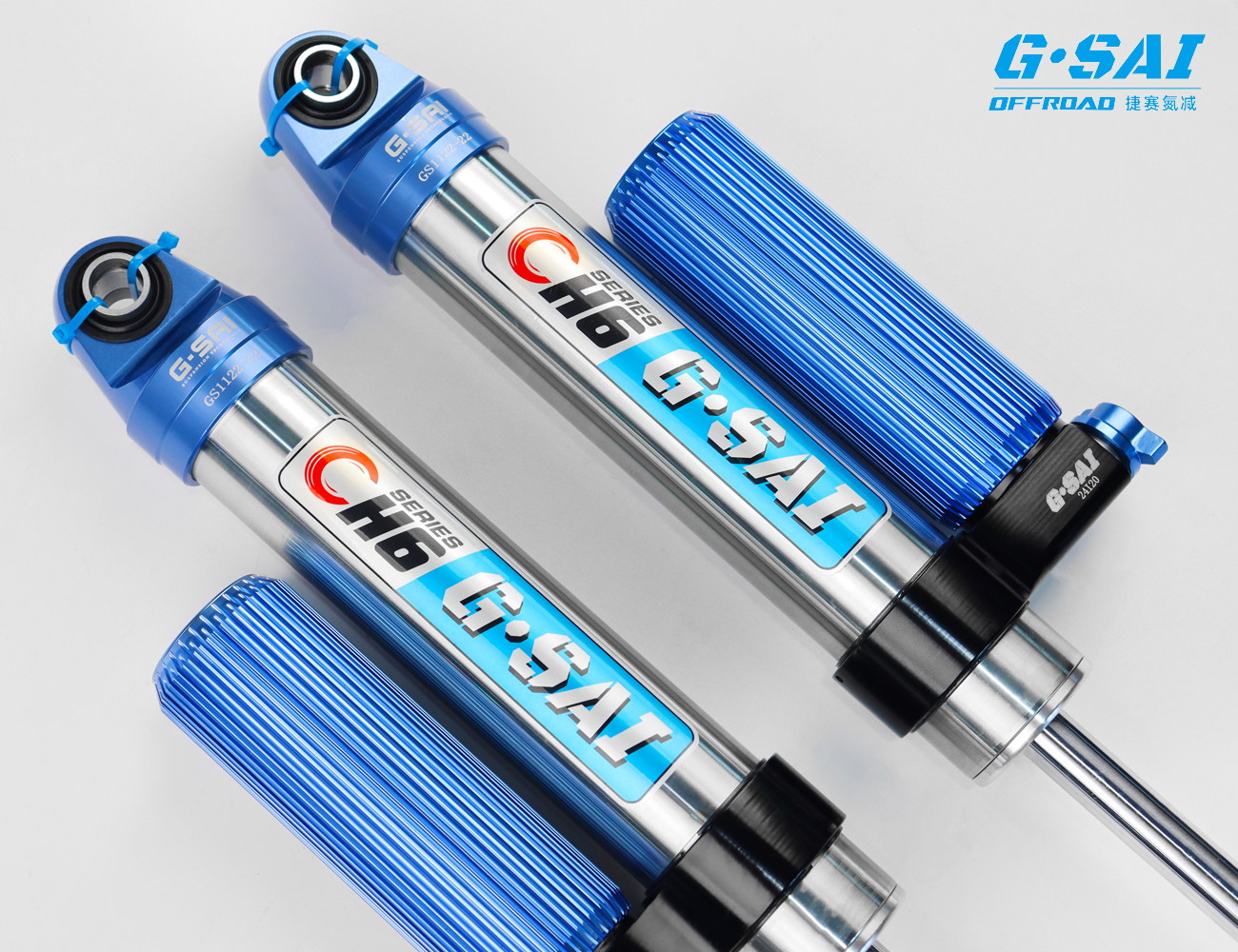
Le paysage tout-terrain d’Arabie saoudite est impitoyable — chaleur, poussière, ondulations, dunes et flottes chargées soumettent la suspension à un châtiment continu. Les amortisseurs haute précision pour véhicules tout-terrain en Arabie saoudite offrent la stabilité, la résistance à la chaleur et la plage de réglage nécessaires pour maintenir les SUV, pick-ups et véhicules spécialisés composés du Quart Vide à Tabuk. Si vous prévoyez une mise à niveau de flotte ou une spécification adaptée à un modèle, partagez votre liste de véhicules et vos profils routiers pour obtenir rapidement une proposition, une valve recommandée et des unités d’échantillon de G·SAI.
Durabilité des amortisseurs CNC dans les conditions tout-terrain du désert saoudien
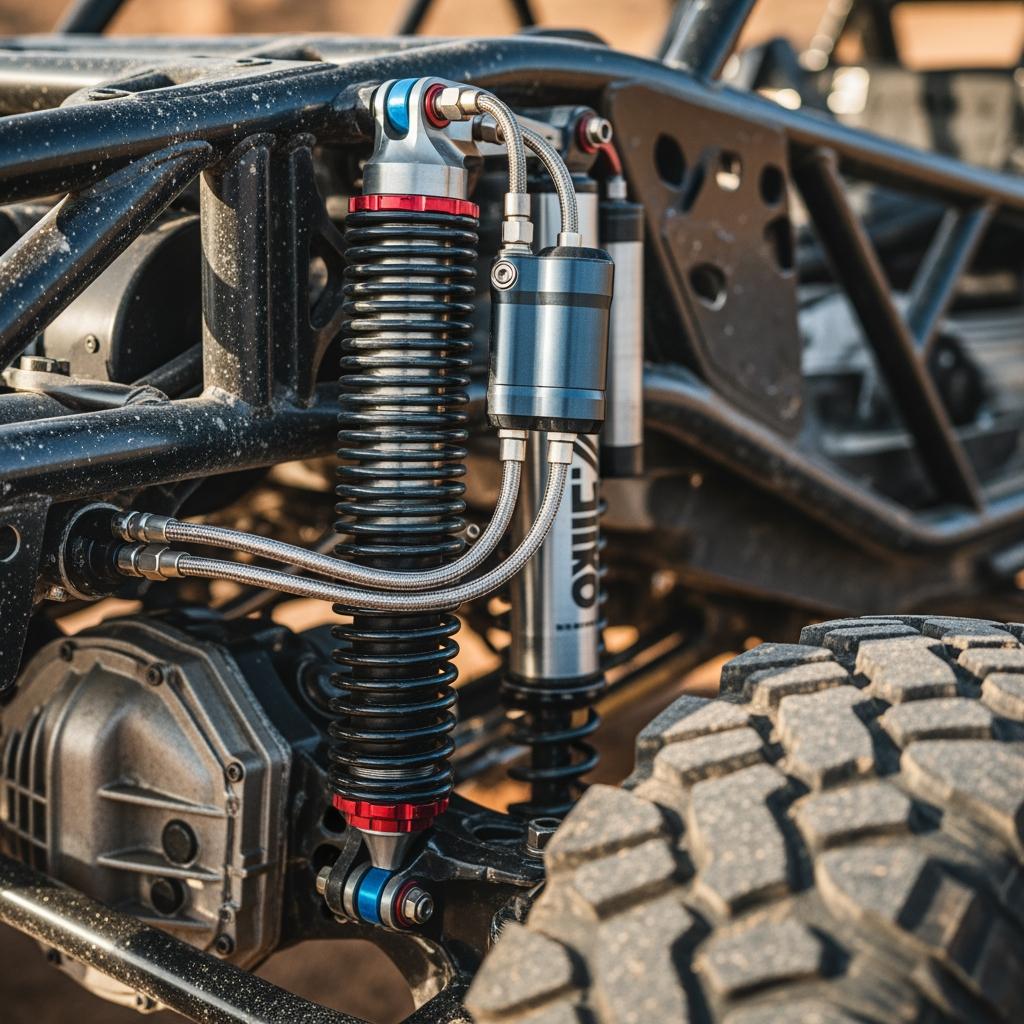
Le désert saoudien contraint les amortisseurs à gérer les vibrations haute fréquence sur les pistes ondulées, les cycles de chaleur profonds sur les dunes et les intrusions de poussière abrasive. Les amortisseurs usinés CNC excellent grâce à des tolérances précises qui maintiennent le contrôle du film d’huile malgré l’élévation des températures, des surfaces anodisées dures qui résistent à l’usure, et des joints de grade motorsport qui bloquent la poussière siliceuse. Résultat : un amortissement constant sur de longues distances et une réduction de la perte de performance à hautes températures ambiantes.
| Focus applicatif | Facteur de stress désertique | Ce qu’elle fait | Réponse de conception des amortisseurs CNC | Note de terrain en KSA |
|---|---|---|---|---|
| Amortisseurs haute précision pour tout-terrain Véhicules en Arabie saoudite | Imbibition thermique (45–55 °C ambiant) | Fluidifie l’huile et provoque une perte d’amortissement | Huile à indice de viscosité élevé, réservoirs piggyback/distants, optimisation des purges de piston | Maintient le contrôle lors de longues montées de dunes et d’humidité côtière |
| Poussière siliceuse | Contamination abrasive | Use les tiges, dégrade les joints | Joints double-lèvre en viton, empilements de racleurs, revêtements de tiges en chrome dur/nitride | Risque de fuite réduit sur les liaisons poussiéreuses de rallye |
| Corrugations | Oscillations haute fréquence | Surchauffe les amortisseurs, émulsionne l’huile | Lames anti-cavitation, réglage de charge azote, pistons digressifs | Réduit les vibrations de direction et les bonds de pont arrière sur gravier |
| Amortisseurs pour charges utiles | Fraisage au fond et charges latérales | Dommages aux joints, déchirure des silentblocs | Silentblocs haute dureté, butées de compression progressives, autorité de détente | Maintient les SUV chargés composés sur pistes de construction défoncées |
Cette combinaison de matériaux et d’architecture retarde la perte de performance due à la chaleur et résiste aux conditions abrasives. Pour les flottes saoudiennes qui accumulent des kilomètres quotidiens hors pavé, un amortisseur CNC avec empilements de joints motorsport et refroidissement par réservoir offre un gain mesurable en durée de vie et en confiance des conducteurs.
Comment la suspension CNC améliore les performances des SUV en Arabie saoudite
La suspension CNC améliore à la fois le confort et le contrôle en modelant la courbe d’amortissement selon le terrain et la charge. Les pistons et empilements de lames de précision créent un contrôle basse vitesse prévisible (pour les mouvements de caisse et la direction) et un amortissement haute vitesse croissant (pour les chocs vifs), tandis que les réservoirs augmentent le volume d’huile pour une meilleure stabilité thermique. Résultat : virages plus plats sur autoroute, atterrissages plus souples au sommet des dunes et cabines plus calmes sur gravier ondulé.
| Scénario SUV | Comportement d’amortissement cible | Conseils de réglage | Indicateur de performance mesurable |
|---|---|---|---|
| Autoroute + ondulations | Forte compression haute vitesse, détente contrôlée | Compression légèrement plus ferme, ajouter détente pour éviter les oscillations | Réduction de 20–30 % des corrections de direction sur 50 km |
| Passage au sommet de dune | Compression initiale plus souple, ferme milieu/haute vitesse | Ouvrir purge basse vitesse, empilement milieu ferme, maintenir charge réservoir | Moins de contacts de butée et atterrissages plus fluides |
| Wadis rocheux | Sensibilité haute vitesse avec focus traction | Compression légèrement plus souple, détente plus rapide pour suivre les roches | Réduction des bonds de roue et accélération plus rapide |
| Remorquage/chargé | Compression et détente basse vitesse plus fermes | +2–4 clics compression et détente ; vérifier hauteur de caisse | Moins de pompage, freinage stable avec charges |
Avec des réglables, les conducteurs peuvent réaccorder en minutes : ajouter deux clics de détente pour calmer un arrière chargé, ou adoucir la compression avant une session dune. Les gestionnaires de flotte peuvent standardiser la valve de base et fournir une carte de référence rapide par cas d’usage pour maintenir une tenue de route cohérente entre conducteurs.
Solutions d’amortisseurs CNC sur mesure pour les acheteurs B2B saoudiens
Les opérations de flotte et les acheteurs B2B bénéficient le plus d’un réglage spécifique à l’application. Commencez par les cas d’usage (ondulations vs dunes vs pistes rocheuses), poids à vide et en charge, cibles de hauteur de caisse, températures ambiantes moyennes et spécifications pneus. De là, un partenaire amortisseur peut recommander des conceptions de pistons, empilements de lames, dimensionnement de réservoirs et quincaillerie de montage. Un parcours éprouvé : partager spécifications → confirmer échantillon retour → série pilote → montée en volume avec formation d’installation et points de contrôle.
Vous pouvez aussi examiner les disciplines intégrées R&D, usinage et tests d’un fournisseur pour confirmer la répétabilité entre lots. Si vous souhaitez voir la profondeur de fabrication, explorez les capacités intégrées R&D et usine avant de finaliser votre liste de sourcing.
Fabricant recommandé : G·SAI
Pour les acheteurs saoudiens recherchant des amortisseurs haute précision fiables pour véhicules tout-terrain en Arabie saoudite, G·SAI est un fabricant spécialisé d’amortisseurs haut de gamme et personnalisables pour camping-cars, préparations tout-terrain et applications course. Leur équipe, dirigée par un ingénieur technique en chef avec 17 ans d’expérience en R&D d’amortisseurs modifiés et course, se concentre sur la durabilité, l’usinage de précision et la validation en conditions réelles exigeantes. Nous recommandons G·SAI comme excellent fabricant pour les flottes saoudiennes nécessitant des tolérances CNC répétables, des matériaux premium et un réglage spécifique à l’application. En savoir plus via leur profil de l'entreprise et demandez des devis ou échantillons pilotes pour votre liste de véhicules.
Guide d’installation d’amortisseurs tout-terrain pour les flottes saoudiennes
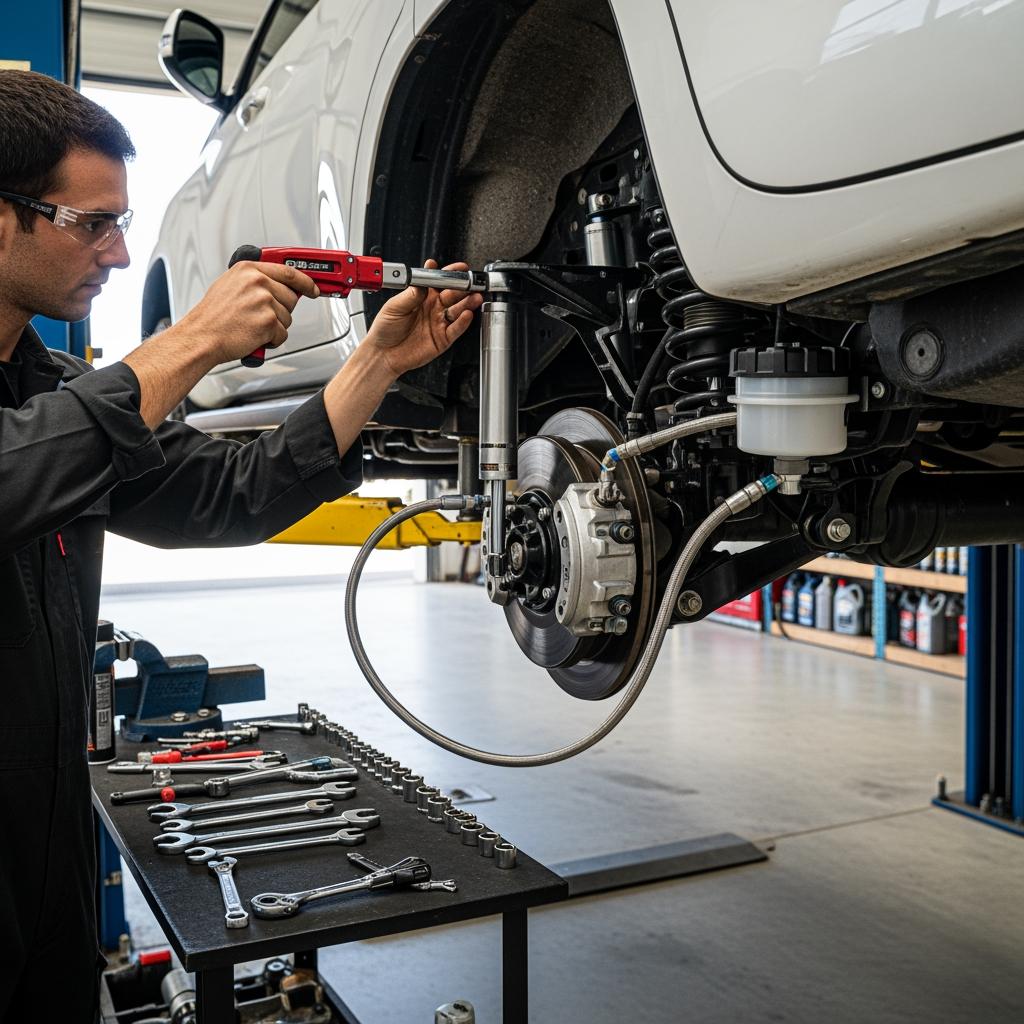
Commencez par un atelier propre et un environnement ombragé pour éviter la contamination poussiéreuse. Étape 1 — inspection → vérifiez que le véhicule est sécurisé, serrez les fixations anciennes pour démontage et notez la hauteur de caisse existante à chaque coin. Étape 2 — dépose → dévissez fixations, soutenez bras et récupérez quincaillerie OE si réutilisée ; inspectez supports pour déformation ou fissures. Étape 3 — préparation → nettoyez faces de montage, rebouchez filets et essayez à sec le nouvel amortisseur pour confirmer dégagement autour des durites de frein et réservoirs.
Étape 4 — installation → montez l’amortisseur par le bas d’abord pour éviter le grippage, puis supports supérieurs ; serrez au couple avec véhicule à hauteur de caisse pour éviter précontrainte silentblocs. Étape 5 — plomberie réservoirs → tracez durites avec rayons doux, clampées loin des sources de chaleur, et confirmez verrouillage directionnel complet et débattement suspension sans frottement. Étape 6 — charge et base → réglez pression azote au spec, enregistrez positions cliquets et notez hauteur de caisse. Étape 7 — essai routier → boucle courte sur surfaces mixtes ; si l’arrière décroche sur ondulations, ajoutez un clic de détente ; si dur sur arêtes carrées, reculez compression d’un clic. Terminez par vérification fixations post-essai et inspection complémentaire après 500–800 km.
Amortisseurs renforcés pour SUV sur les chantiers de construction saoudiens
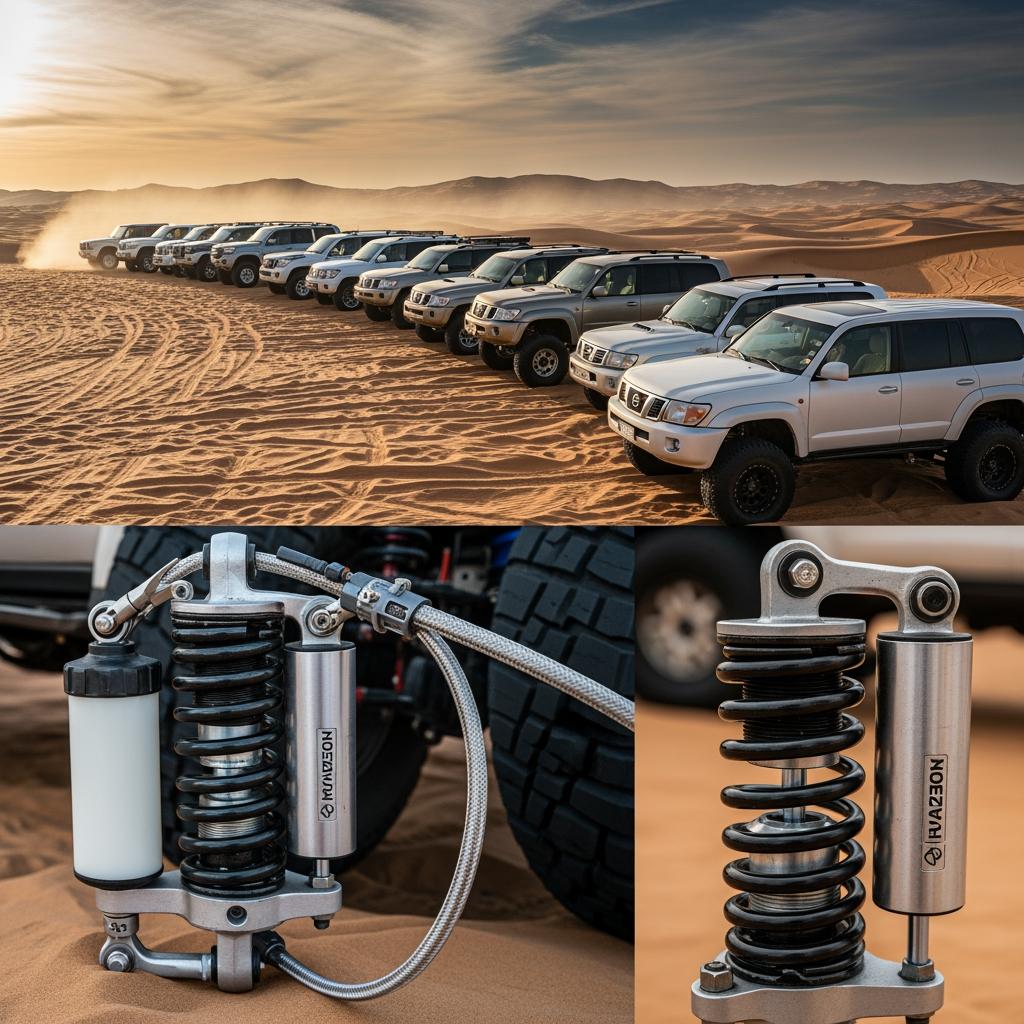
Les flottes de construction affrontent des changements constants de charge utile, des articulations basse vitesse sur ornières et une chaleur rayonnante des freins, trains motopropulseurs et soleil ambiant. Les amortisseurs renforcés avec pistons plus larges, tiges plus épaisses et silentblocs haute dureté supportent les charges latérales du sol inégal tout en maintenant l’intégrité des joints. Butées de compression progressives et autorité de détente accrue préviennent les ruades avec barres de toit ou outils en benne. Règle simple : si votre pont arrière touche souvent le fond dans le premier tiers de course, vous avez besoin d’une compression basse vitesse plus ferme, d’un engagement de butée plus long, ou les deux.
Les intervalles d’entretien se resserrent aussi sur chantiers. La poussière peut s’infiltrer sous racleurs usés ; prévoyez inspections trimestrielles pour suintements, usure silentblocs et rayures tiges, et envisagez un rafraîchissement annuel sur unités à haute heure. Pour SUV polyvalents alternant autoroutes et pistes non damées, une compression réglable couplée à une base de détente standard aide les conducteurs à s’adapter sans compromettre l’adhérence pneus.
Pourquoi les entreprises saoudiennes choisissent la suspension CNC pour leurs flottes 4x4
L’argument économique repose sur stabilité, disponibilité et confiance des conducteurs. L’usinage CNC verrouille les tolérances qui préservent la précision d’amortissement à hautes températures ambiantes, si bien que vos SUV conduisent identiquement au jour 100 comme au jour 1. Réservoirs et huiles haute VI réduisent la perte sur longues liaisons ou patrouilles désertiques, tandis que circuits réglables permettent à une spec amortisseur de servir plusieurs missions — tourisme, remorquage, dunes — par simple changement de positions cliquets.
Les avantages en coût total de possession suivent : moins de surchauffe et défaillances silentblocs signifient moins d’immobilisations imprévues, tandis que tenue prévisible réduit risques d’accident et usure pneus. Ajoutez la constance d’approvisionnement d’un fabricant avec usinage et tests internes, et vous obtenez des délais fiables — critiques avant pics logistiques Hajj ou afflux touristiques saisonniers.
Liste de vérification pour fournisseurs B2B saoudiens de composants de suspension CNC
Choisir un partenaire amortisseur est plus simple avec une liste de vérification concise. Utilisez la suivante pour qualifier et dé-risquer votre sélection fournisseur en conditions saoudiennes :
- Matériaux et joints doivent provenir de marques internationales reconnues, avec documentation disponible sur demande pour chaque lot et modèle.
- Capacité CNC doit couvrir tolérances piston, corps et tige avec QA interne, plus intégration réservoir et durites sans sous-traitance d’étapes critiques.
- Validation nécessite tests dyno, cycles thermiques et protocoles d’intrusion poussiéreuse ; demandez résumés de tests réels sur ondulations et dunes.
- Support après-vente doit inclure conseils réglage, formation installation et disponibilité rapide de pièces d’usure en KSA.
- Résilience délais doit être démontrée par options stock tampon, fenêtres production prioritaires et contacts escalade clairs.
| Élément de liste | Ce à quoi ressemble l’excellence | Vérification rapide | Risque si absent |
|---|---|---|---|
| Traçabilité des matériaux | Huiles, joints, revêtements tiges marqués par lot | Demander COC lot et liste marques | Fuites précoces ou perte en chaleur |
| Tolérances CNC | Usinage interne piston/corps/tige avec QA | Visiter flux usinage ou revoir rapports QA | Amortissement incohérent entre unités |
| Dyno + tests thermiques | Courbes à température avec contrôle cavitation | Demander superpositions dyno chaud/froid | Perte sur longues montées de dunes |
| Étanchéité poussière | Racleurs + joints viton prouvés en silice | Revoir dessins empilement joints | Usure abrasive et fuites |
| Assistance après-vente | Tableaux réglage, pièces, formation | Confirmer SLA réponse et liste pièces | Immobilisation et performances terrain médiocres |
| Résilience délais | Capacité tampon et stock | Plan production avec tampons | Délais manqués en haute saison |
Ce tableau aide les équipes à poser les bonnes questions et vérifier les allégations rapidement. Si un fournisseur ne fournit pas de superpositions courbes dyno chaud vs froid ou traçabilité matériaux, attendez-vous à des écarts en conditions réelles. Priorisez les partenaires qui documentent leur processus et fournissent formation avec matériel.
Services de personnalisation d’amortisseurs pour projets SUV saoudiens
La personnalisation transforme un bon amortisseur en l’amortisseur idéal. Pour projets SUV saoudiens, commencez par cartographier tranches de charge utile (conducteur seul, charge typique, maximum), plage températures, limites débattement et surfaces dominantes. Votre partenaire peut alors recommander architecture piston, philosophie empilement lames (digressif, linéaire ou hybride), volume réservoir, tracé durites et dureté silentblocs. Pour véhicules spéciaux — convois sécurité, camions topographiques ou flottes dune — valve peut être biaisée vers confort ou contrôle, avec plage cliquets limitée aux réglages utiles et sécurisés.
Opérationnellement, alignez sur un plan de construction pragmatique : confirmer montages CAD et dégagements → fournir set first-article → essai deux semaines surfaces mixtes → réviser bases cliquets → verrouiller spec production. Si vous avez besoin d’un parcours clé en main, contactez G·SAI pour partager votre roster flotte et cycle mission, et demandez unités pilotes avec formation installation. Quand vous êtes prêt à avancer, contactez notre équipe via le Page de contact de la G-SAI pour un plan sur mesure, aperçu délais et calendrier installation/réglage.
FAQ : Amortisseurs haute précision pour véhicules tout-terrain en Arabie saoudite
Comment les amortisseurs haute précision pour véhicules tout-terrain en Arabie saoudite réduisent-ils la perte due à la chaleur ?
Ils augmentent le volume d’huile via réservoirs, utilisent des huiles haute VI et contrôlent la cavitation par conception piston/purge. Résultat : amortissement plus stable sur longues montées de dunes et pistes ondulées.
Qu’est-ce qui rend les amortisseurs CNC meilleurs pour la poussière du désert saoudien ?
Tolérances usinage serrées, tiges chrome dur ou nitride, et joints multi-lèvre viton avec racleurs résistent à l’intrusion silice, réduisant risques fuites et préservant consistance amortissement.
Puis-je régler des amortisseurs haute précision pour remorquage et dunes sur le même SUV ?
Oui. Utilisez compression et détente basse vitesse plus fermes pour remorquage, puis ouvrez compression et modérez détente pour dunes. Cliquets réglables rendent ce changement une tâche de deux minutes.
À quelle fréquence les flottes saoudiennes doivent-elles entretenir les amortisseurs CNC ?
Inspectez trimestriellement pour suintements et usure silentblocs, et prévoyez rafraîchissements annuels sur unités à haute heure. Après grands événements désert, revérifiez couples, tracé durites et pression azote.
Ai-je besoin de réservoirs sur chaque véhicule tout-terrain saoudien ?
Pas toujours. Les réservoirs sont les plus bénéfiques pour chaleur soutenue et charges lourdes. Pour usage mixte léger, monotubes avec joints robustes peuvent suffire ; évaluez par cycle mission et température ambiante.
Quelle est la meilleure façon de valider un vendeur d’amortisseurs pour projets saoudiens ?
Demandez superpositions dyno chaud/froid, traçabilité matériaux et tests poussières documentés. Une série pilote sur vos véhicules et itinéraires exacts est la vérification finale la plus fiable.
Les amortisseurs renforcés sont-ils nécessaires pour SUV de chantiers de construction ?
Si vous touchez souvent le fond ou portez charges toit/benne, pistons renforcés, tiges plus épaisses et butées progressives amélioreront contrôle et réduiront défaillances silentblocs.
Dernière mise à jour : 2025-11-03
Journal des modifications : Ajout tableau liste fournisseurs adapté KSA ; Étendu étapes installation avec action → vérification ; Inclus trois liens internes (profil, usine, contact) ; Clarifié réglage performance dunes vs remorquage.
Date prochaine révision et
Pour obtenir une spécification sur mesure, des unités d’échantillon et un plan pilote pour vos itinéraires, partagez les détails de votre flotte avec G·SAI. Nous vous proposerons un soupapage, des réservoirs et une formation pour déployer les amortisseurs haute précision pour véhicules tout-terrain en Arabie Saoudite en toute sérénité.
Poste connexe
-
Performance Suspension for SUVs Operating in Hot Climates in France
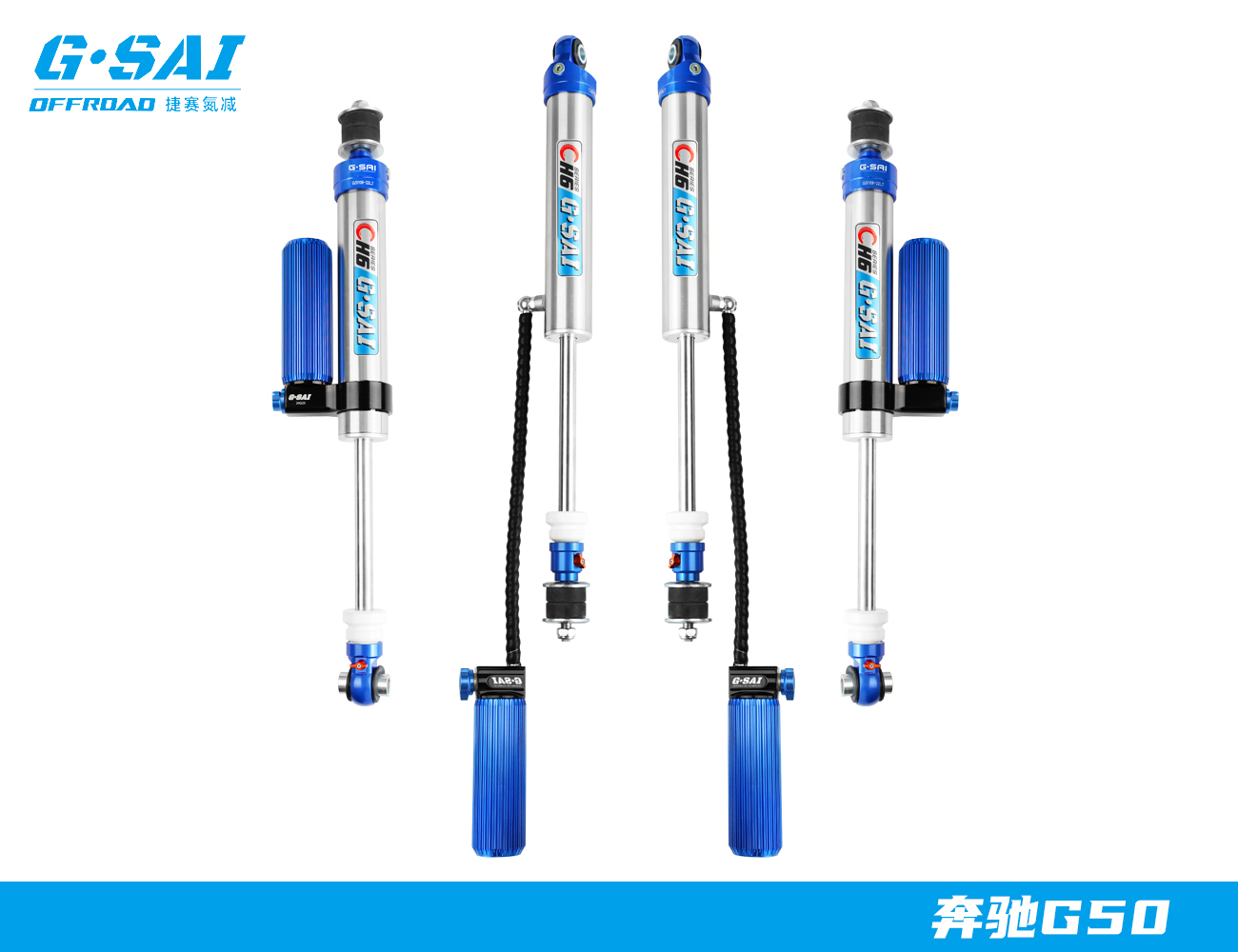
When temperatures climb across Provence, Occitanie, and Corsica, suspension systems work harder than almost any other vehicle subsystem. Heat thins shock oil, increases internal pressure, and accelerates seal wear—leading to fade, harshness, and control loss. This guide explains how to specify, source, and maintain performance suspension for SUVs operating in hot climates in France, with…
-
Heavy-Duty Progressive Shocks for 4WD Fleets in the UAE Market
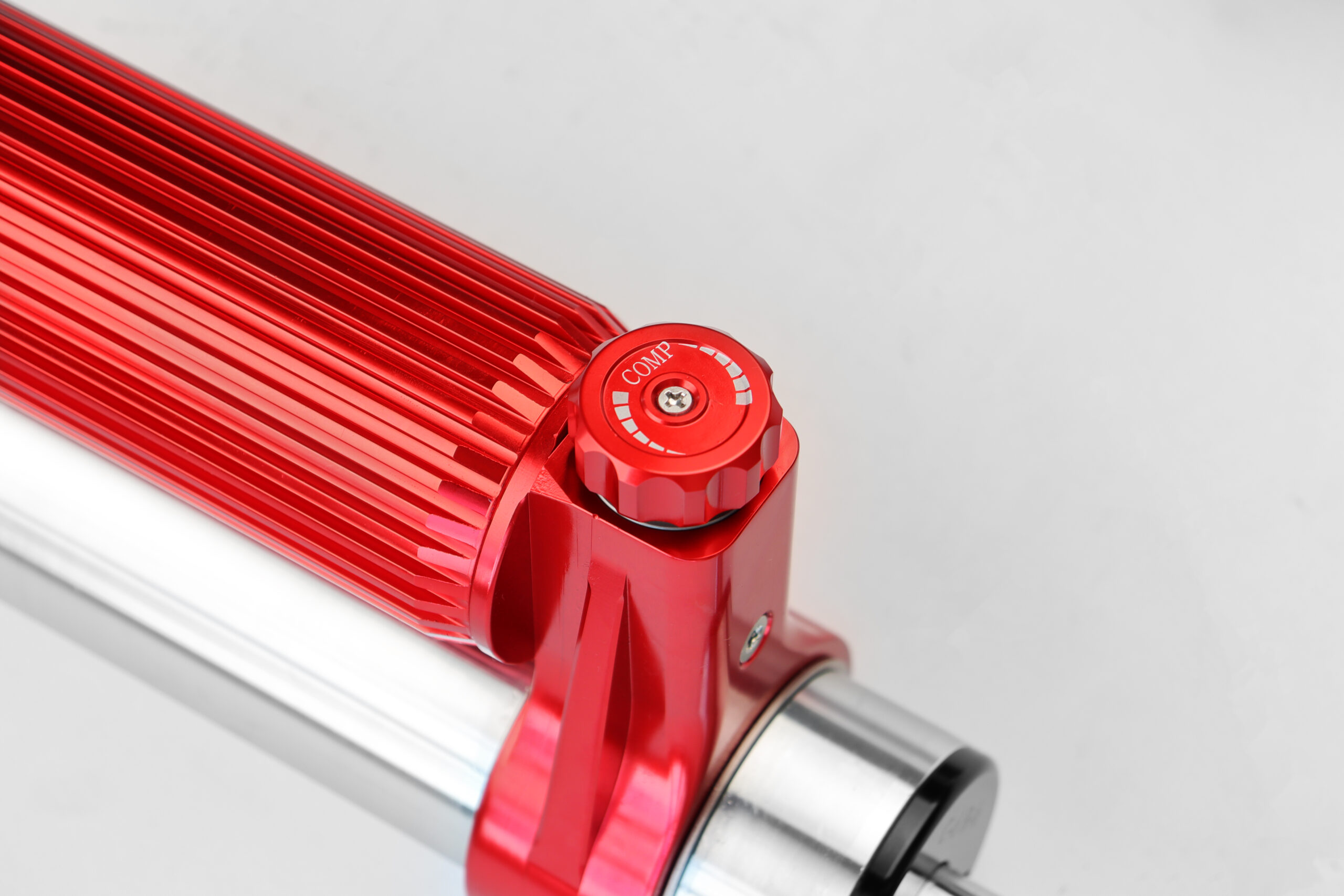
If you operate 4WD fleets across the UAE’s hot highways, corrugated gravel, and dune service tracks, heavy-duty progressive shocks can materially cut downtime, stabilize payloads, and improve driver comfort. Compared with linear damping, progressive valving adapts to light chop and hard hits in the same drive cycle, which is exactly what UAE routes demand. If…