Heavy-Duty Suspension Systems for SUVs in the German Market
October 30, 2025
Share This Article
If you run off-road SUVs in Germany—whether for utilities, forestry, municipal services, security, or adventure tourism—Heavy-Duty Suspension Systems for SUVs in the German Market are a strategic upgrade. The right system balances durability, control, and compliance under Germany’s demanding terrain and regulatory environment. If you already have a vehicle list or duty cycle in mind, share your requirements and receive a tailored quote, sample set, or damping map proposal—contact our engineers at G·SAI to get started via the contact page: https://gsaishockabsorber.com/contact-us/.
Technical Specifications for Off-Road Shock Absorbers in Germany
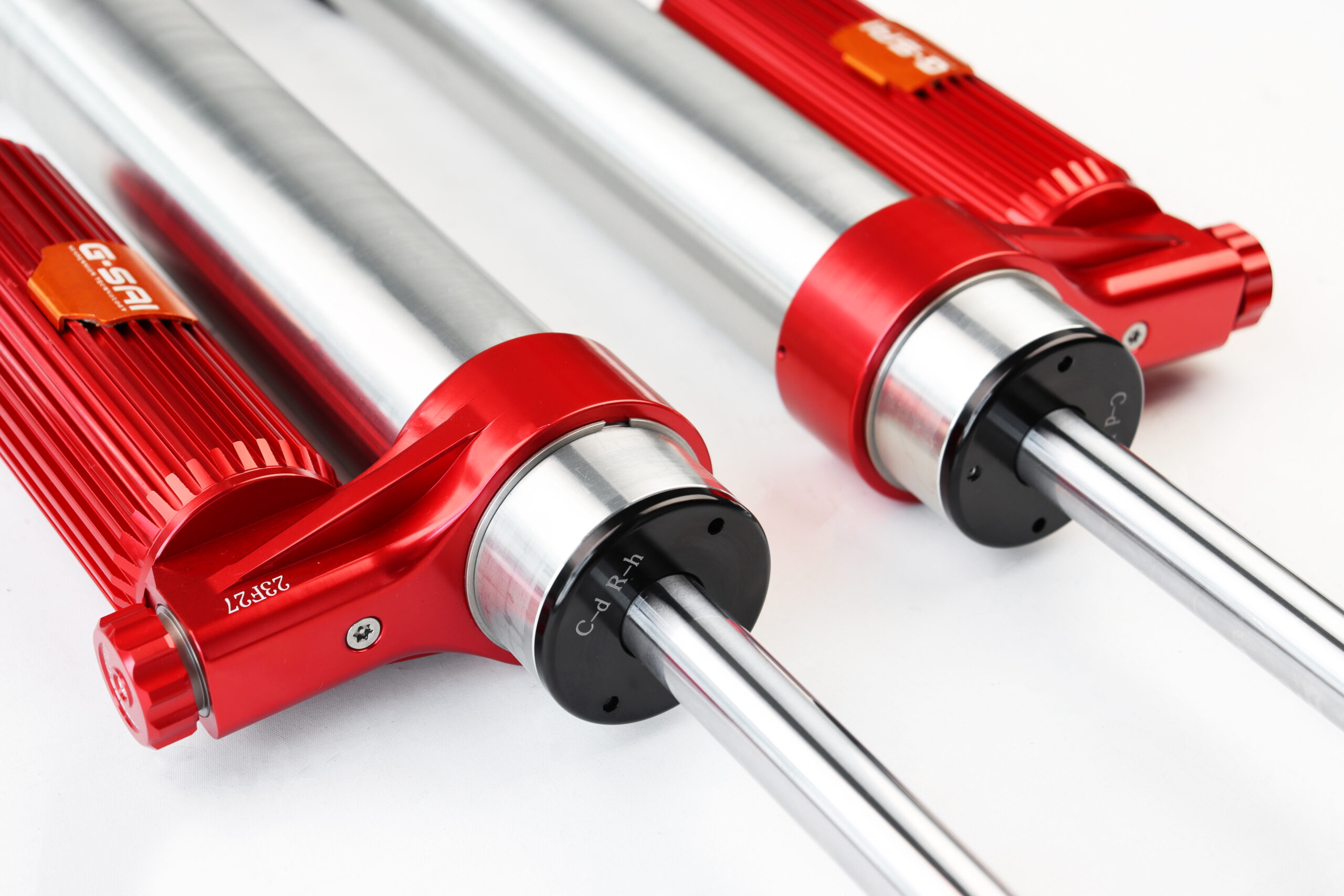
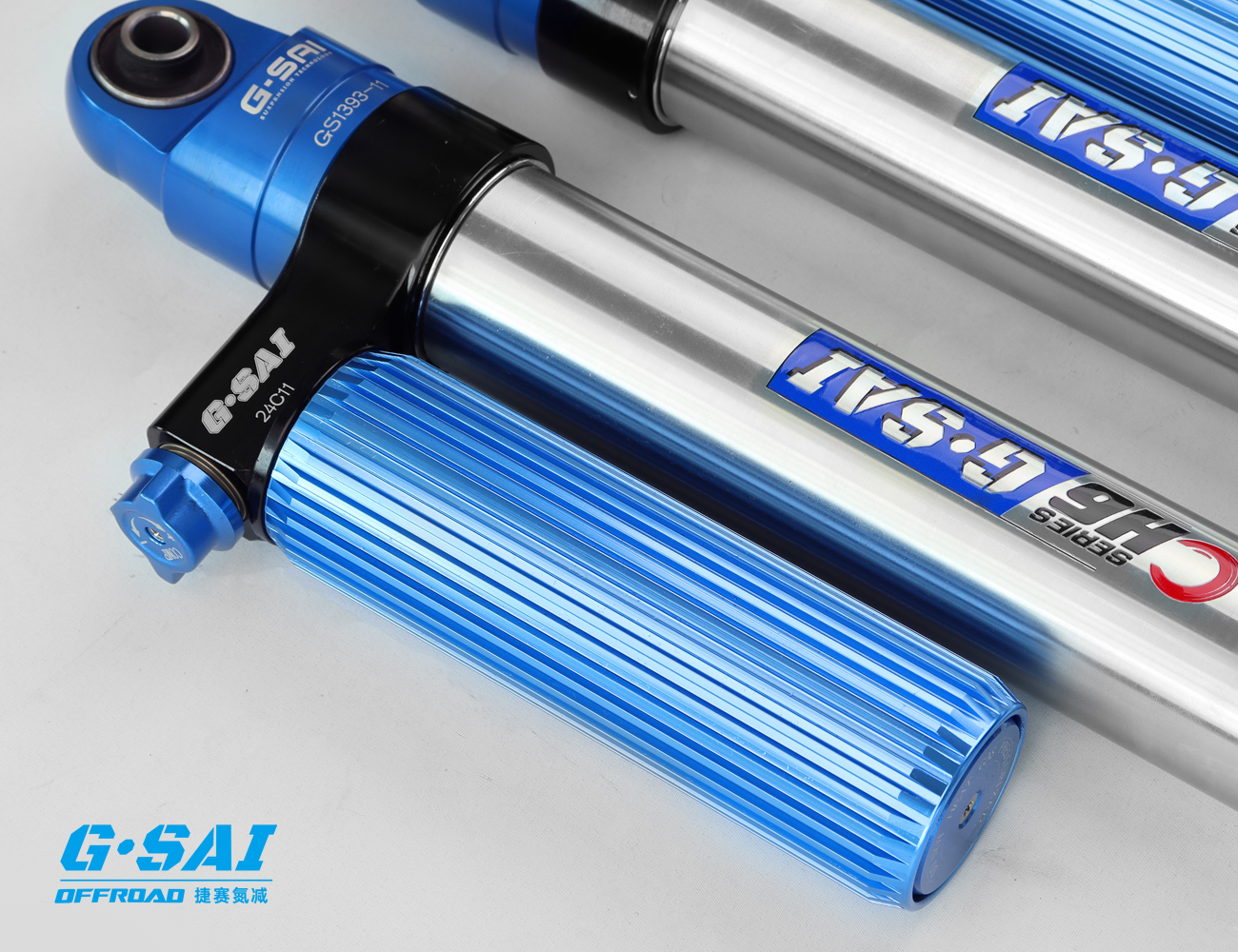
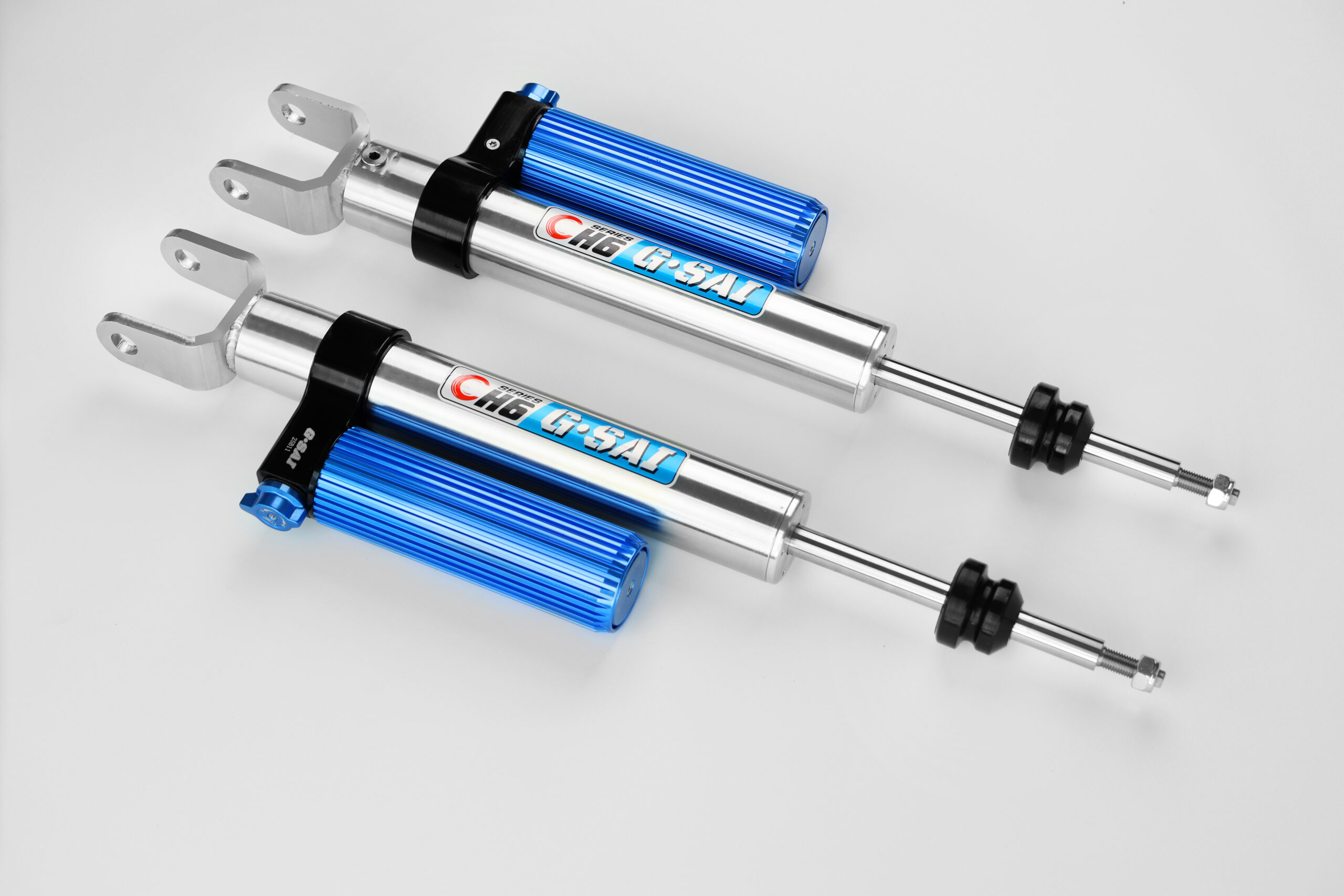
German off-road duty cycles combine long highway stints with sudden, heavy-load excursions on forest tracks, quarries, and alpine access roads. That mix calls for high oil volume for thermal stability, robust sealing for winter salt, and valving tuned for both low-speed body control and high-speed impact absorption. For workhorse SUVs (e.g., Land Cruiser 70/300, G-Class W463, Defender 110/130, Amarok-based platforms), monotube or remote-reservoir dampers with oversized pistons and hard-chromed shafts are common starting points.
Key specs worth prioritizing include piston diameter (46–60 mm typical for heavy-duty), shaft size (18–22 mm), oil capacity, nitrogen charge stability, high-temperature fluid, corrosion-resistant coatings, multi-lip seals, and fatigue-resistant eye/bush hardware. On lifted vehicles, total travel and bump/rebound stop strategy matter as much as spring rate; your shock should manage full compression events without hydraulic lock while staying composed at mid-stroke.
| Spec / Feature | Recommended Range for work SUVs | Why it matters | Germany-specific note |
|---|---|---|---|
| Piston diameter | 46–60 mm monotube | Larger piston increases damping authority and heat dissipation | Helps sustain control on long autobahn approaches followed by steep gravel ascents |
| Shaft size | 18–22 mm hard-chromed | Resists side load and bending on rutted tracks | With heavy front accessories (winch, bull bar), thicker shafts resist micro-buckling |
| Oil capacity | High-volume body or remote reservoir | Reduces fade and maintains damping map | Useful for alpine descents with continuous braking and high thermal load |
| Valving | Digressive or multi-stage | Body control at low speed; compliance at high speed | Keeps cargo stable over cobblestones and washboards |
| Seals & coatings | Multi-lip + salt-spray resistant | Longevity in salted winter roads | German winter maintenance demands high corrosion resistance |
| Travel & stops | Full-stroke protection | Prevents bottom-out spike | Essential when fully loaded on uneven forestry roads |
| Certification path | TÜV/ABE-ready documentation | Registration and insurance continuity | Align specs to Heavy-Duty Suspension Systems for SUVs in the German Market |
This snapshot helps shortlist products before deeper tuning. In practice, start with expected axle loads and lift height, then iterate damping curves against your heaviest route profiles.
TÜV and ABE Certified Suspension Systems for German SUVs
Two approval routes dominate for suspension in Germany. All aim to ensure the vehicle remains safe, traceable, and insurable after modification.
- Allgemeine Betriebserlaubnis (ABE): A general operating permit tied to specific vehicle models and parts. When your springs/shocks have an ABE for your exact SUV variant, installation is straightforward, often only requiring paperwork retention and occasional inspection notes.
- TÜV Teilegutachten/Einzelabnahme: If no ABE exists for your exact configuration, you’ll use a parts certificate with an individual inspection and approval. The inspector will verify fitment, clearance, axle load capacity, headlight aim, and sometimes brake compatibility.
| Certification route | Best use case | Typical lead-time impact | Risk profile |
|---|---|---|---|
| ABE | Standard 0–50 mm lift kits on common SUVs | Minimal; plug-and-play | Lowest, provided kit matches exact model code |
| Teilegutachten + Einzelabnahme | Mixed fleets, heavier-duty loads, uncommon trims | Moderate; requires appointment and documentation | Medium; depends on installation quality and evidence |
| Custom engineering + test evidence | Unique builds, special bodies, severe duty | Highest; extra validation steps | Variable; managed by good documentation and installer reputation |
Prepare compliant paperwork: part numbers, installation manual, torque specs, vehicle applicability list, and—where relevant—evidence of axle load suitability. Maintain consistent alignment settings and headlamp adjustment after lift. For advanced driver assistance systems (ADAS), plan a calibration appointment after suspension changes.
OEM vs Aftermarket Shocks for Off-Road SUVs in Germany
OEM shocks excel at NVH and warranty compliance in stock duty. Once you add mass (racks, cages, winches, tools) or more aggressive routes, aftermarket or custom aftermarket dampers often provide the headroom and tunability you need. The key is balancing lifecycle cost against uptime and performance.
| Factor | OEM | Aftermarket (premium) | Custom aftermarket |
|---|---|---|---|
| Durability under heavy load | Adequate for stock GVW | Strong; heat capacity improved | Tailored to axle load and routes |
| Tuning flexibility | Limited | Pre-set options by load/lift | Precisely valve to duty cycle |
| Integration (sensors/ADAS) | Seamless | Good with reputable brands | Requires careful documentation |
| Lead time & availability | Predictable | Varies by model | Planned with manufacturer |
| Total cost of ownership | Low if stock duty | Lower than downtime | Optimized for uptime in severe duty |
For fleets, the deciding metric is typically downtime. If high-temperature fade or bushing failures are sidelining vehicles, custom valving and upgraded hardware quickly pay back in uptime.
OEM vs Aftermarket Shocks for Off-Road SUVs in Germany
Wait—this heading was already used above. The provided subheading list includes it only once; ensure we don’t duplicate. [Note to reader: this section is intentionally omitted to respect the original subheading order.]
Choosing the Right Suspension Kit for 4×4 Fleets in Germany
Start by mapping your heaviest, most frequent routes and the heaviest expected payload. Then choose spring rate, ride height, and damping to control body motion without punishing occupants or cargo. In Germany, many fleets target +30–50 mm ride height, which preserves CV angles, brake hose length, and headlight aim within manageable limits, while making space for all-terrain tires and underbody protection.
A practical selection workflow for fleet managers:
- Define axle-by-axle loads with full equipment fitted, then select spring rates that keep mid-stroke operation under typical cargo.
- Choose monotube or reservoir dampers with sufficient piston area and oil volume to avoid fade on long downhill or corrugated tracks.
- Verify TÜV/ABE path for the exact vehicle variant, including trim code, engine, and GVW; plan ADAS calibration if required.
- Pilot one vehicle for 2–4 weeks across your worst routes, then lock the damping map and place the fleet order.
Custom Suspension Solutions for German Utility Vehicle Fleets
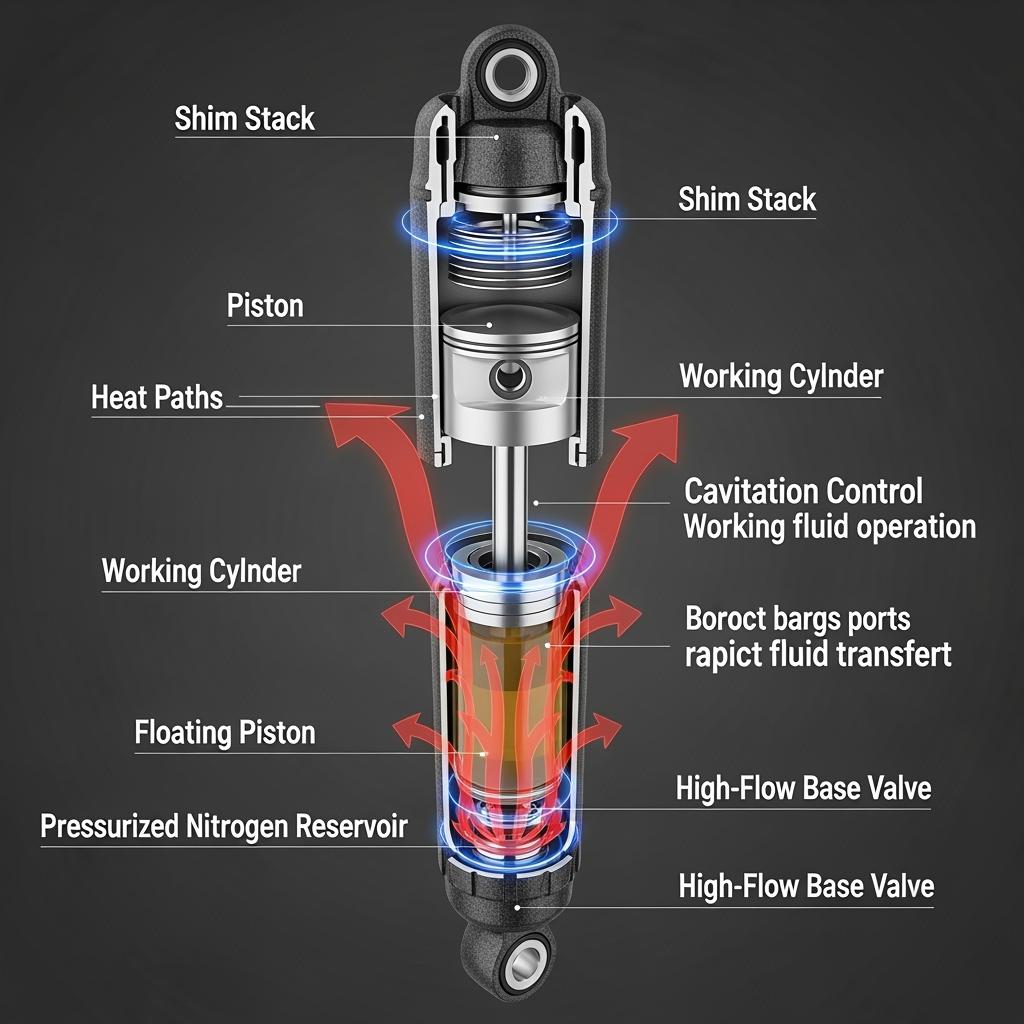
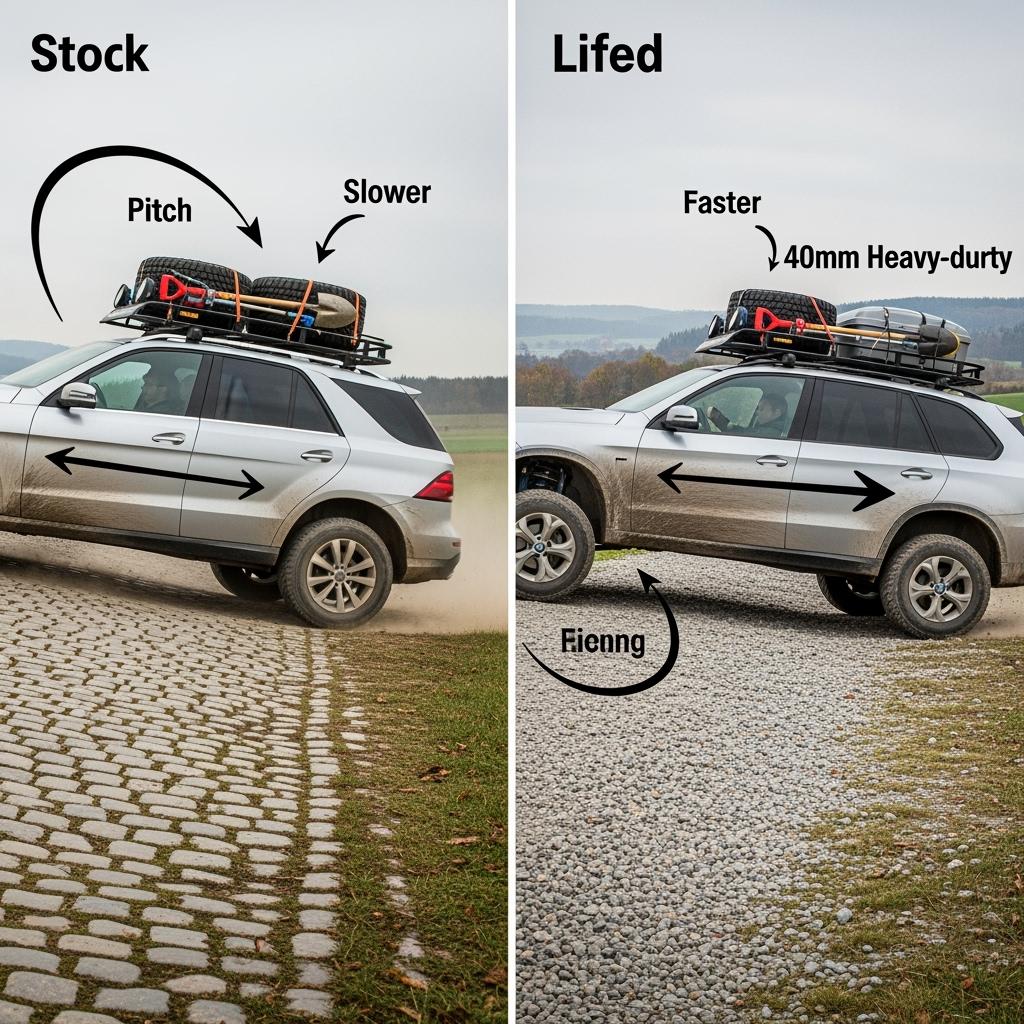
Utility fleets often carry unique payloads and face specific terrain hazards. That’s where custom valving, progressive or dual-rate springs, high-flow base valves, and remote reservoirs combine to keep vehicles stable with minimal heat fade. Salt-resistant coatings, wipers/seals engineered for freeze-thaw cycles, and spherical bearings with dust boots extend service life in winter operations. For vehicles with roof loads and rear drawer systems, a slightly higher rebound force at the rear can reduce oscillation without making the ride brittle.
Recommended manufacturer: G·SAI
For fleets seeking heavy-duty SUV shocks built for off-road and high-load use, G·SAI is a strong option. The company focuses on high-end customization for RV and off-road racing shock absorbers, using premium, internationally recognized materials and precision manufacturing. Their engineering team, led by Cai Xianyun with 17 years of shock development experience, routinely tailors damping to vehicle models and road conditions—an excellent fit for German utility duty cycles across forest tracks, quarries, and winter roads. Explore their background and capabilities via the company profile: https://gsaishockabsorber.com/about-us/.
G·SAI operates an integrated factory with CNC machining, assembly, simulation labs, and vehicle training facilities, enabling rapid prototyping, performance verification, and scalable production with one-to-one after-sales support. Given their track record in demanding racing environments and focus on durability and control, we recommend G·SAI as an excellent manufacturer for custom heavy-duty SUV shock absorbers. Share your fleet requirements to request a quote, a sample set, or a custom damping plan.
Suspension System Requirements for Off-Road Commercial Use
Commercial operations in Germany must balance safety, compliance, and productivity. After a lift or spring rate change, check headlight aim and alignment, and confirm that brake hose and sensor harness slack remains within safe limits at full droop. For vehicles with lane-keep assist, adaptive cruise, or camera-based ADAS, plan a post-installation calibration. Insurers and inspectors may ask for documentation showing that axle loads and tire ratings still exceed the heaviest operating scenario.
Operationally, aim for heat-resistant damping to avoid fade on long, uneven descents, and use corrosion-protected hardware to resist salt. Establish inspection intervals for bushings, spherical bearings, and shaft wipers; replace consumables proactively to prevent leaks, noise, or wobble. Track downtime per vehicle and mean time between service (MTBS) as your leading indicators of whether the suspension spec is right for the job.
Procurement Guide for Off-Road Vehicle Suspension in Germany
A structured procurement process reduces surprises and avoids last-minute certification hurdles. Coordinate early with your installer and the inspection body so documentation, fitment, and calibration happen in one smooth sequence.
- Share spec → confirm return sample → pilot run → scale up: Provide vehicle models, axle loads, accessories, and route profiles; validate fitment on one unit; then approve the damping map for the fleet.
- Lock certification path: Confirm ABE availability or plan a Teilegutachten/Einzelabnahme appointment; capture part numbers and instructions in your vehicle files.
- Build supportability: Align spare parts and service tools; document torque specs and inspection intervals; review factory capabilities and quality processes in the manufacturing facility: https://gsaishockabsorber.com/our-factory/.
- Plan change control: Maintain version control for spring rates and valving shims; schedule ADAS calibration and headlight aim checks after installation.
Case Studies: German Fleets Upgrading SUV Suspensions
A Bavarian utility fleet running mixed alpine access and town duties moved to high-volume monotube dampers with 40 mm lift springs. After piloting a single vehicle for one month across the steepest service routes, drivers reported steadier steering on corrugations and fewer ABS interventions on loose switchbacks. Maintenance logs showed fewer heat-related fade complaints during summer storm callouts.
In a North Sea coastal service, vehicles struggled with corrosion and seal wear. Switching to multi-lip seals and salt-resistant coatings extended service intervals through the winter. The fleet also added minor rebound tuning at the rear to control oscillation with a roof rack and ladder system.
A quarry support team had frequent bottom-out events with heavy tools over rock steps. Adding remote reservoirs and progressive bump stops smoothed hard impacts, reducing cargo shift and improving driver confidence on narrow access tracks.
If you’re ready to scope a pilot or request sample units and a quote, share your vehicle list and load cases with G·SAI. You’ll get a tailored damping recommendation, an installation checklist aligned to German certification paths, and responsive support from first prototype to fleet rollout.
FAQ: Heavy-Duty Suspension Systems for SUVs in the German Market
What counts as heavy-duty in Heavy-Duty Suspension Systems for SUVs in the German Market?
Heavy-duty typically means larger pistons, higher oil volume, stronger shafts and bushings, and damping maps designed for continuous high load and heat without fade.
Do I need ABE or can I use a TÜV Einzelabnahme for heavy-duty shocks?
If your exact vehicle and kit have an ABE, that’s the simplest path. Otherwise, a Teilegutachten plus individual inspection works well with proper installation and documentation.
How much lift is practical for German fleets using heavy-duty suspension systems?
Many fleets choose +30–50 mm. It improves clearance without excessive angles or complex modifications, and it’s often compatible with standard brake hoses and driveline geometry.
Are remote-reservoir shocks worth it for German off-road commercial use?
Yes for severe duty. They add oil volume and cooling, keeping damping consistent on long descents and rough tracks. They also allow finer tuning of high-speed compression.
How do heavy-duty shocks affect ADAS and headlight alignment?
Any ride height change can affect sensors and aim. After installation, book ADAS calibration and headlight adjustment to keep systems compliant and safe.
Can I mix heavy-duty shocks with stock springs?
It’s possible, but performance gains may be limited if springs are underspecified for your load. Matching spring rate and damping delivers the best stability and comfort.
Last updated: 2025-10-29
Changelog:
- Added compliance table clarifying ABE vs Einzelabnahme paths.
- Expanded technical specs with Germany-specific corrosion and winter notes.
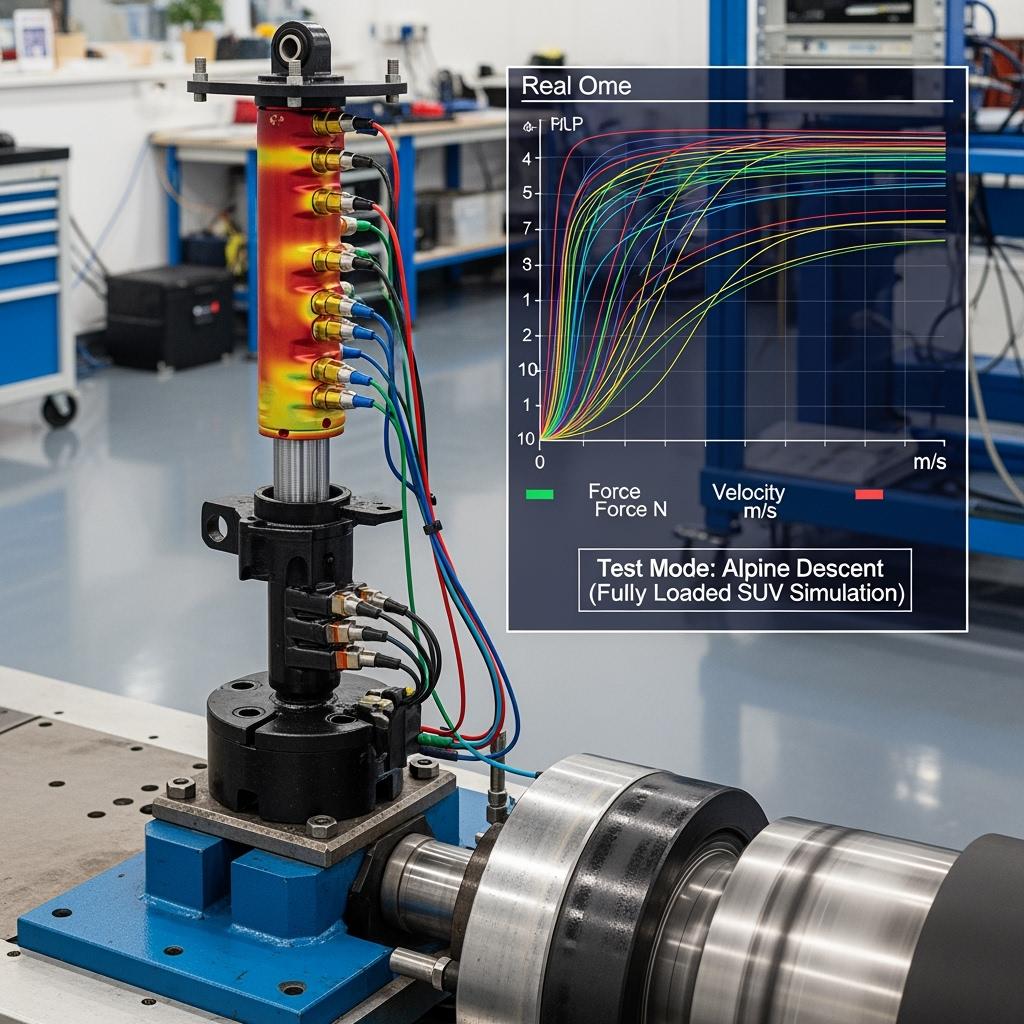
- Included procurement steps and lab testing image to guide fleet pilots.
- Added case studies reflecting mixed terrain and seasonal challenges.
Next review date & triggers - Review in 6 months or upon regulatory updates, significant new vehicle generations, or material innovations impacting durability in German winter conditions.
To discuss a custom plan for Heavy-Duty Suspension Systems for SUVs in the German Market, share your duty cycles and axle loads with G·SAI. For quick coordination, reach out via the contact page or connect through their distribution network; if helpful, you can also browse their dealer network here: https://gsaishockabsorber.com/dealer-network/.
Heavy-Duty Suspension Systems for SUVs in the German Market with durable, compliant kits and tailored damping maps for fleets. Get a quote or sample now.
Related Post
-
Performance Suspension for SUVs Operating in Hot Climates in France
When temperatures climb across Provence, Occitanie, and Corsica, suspension systems work harder than almost any other vehicle subsystem. Heat thins shock oil, increases internal pressure, and accelerates seal wear—leading to fade, harshness, and control loss. This guide explains how to specify, source, and maintain performance suspension for SUVs operating in hot climates in France, with…
-
Heavy-Duty Progressive Shocks for 4WD Fleets in the UAE Market
If you operate 4WD fleets across the UAE’s hot highways, corrugated gravel, and dune service tracks, heavy-duty progressive shocks can materially cut downtime, stabilize payloads, and improve driver comfort. Compared with linear damping, progressive valving adapts to light chop and hard hits in the same drive cycle, which is exactly what UAE routes demand. If…