Industrial-Grade Dampers for Construction SUVs and Off-Road Vehicles in Germany
December 22, 2025
Share This Article
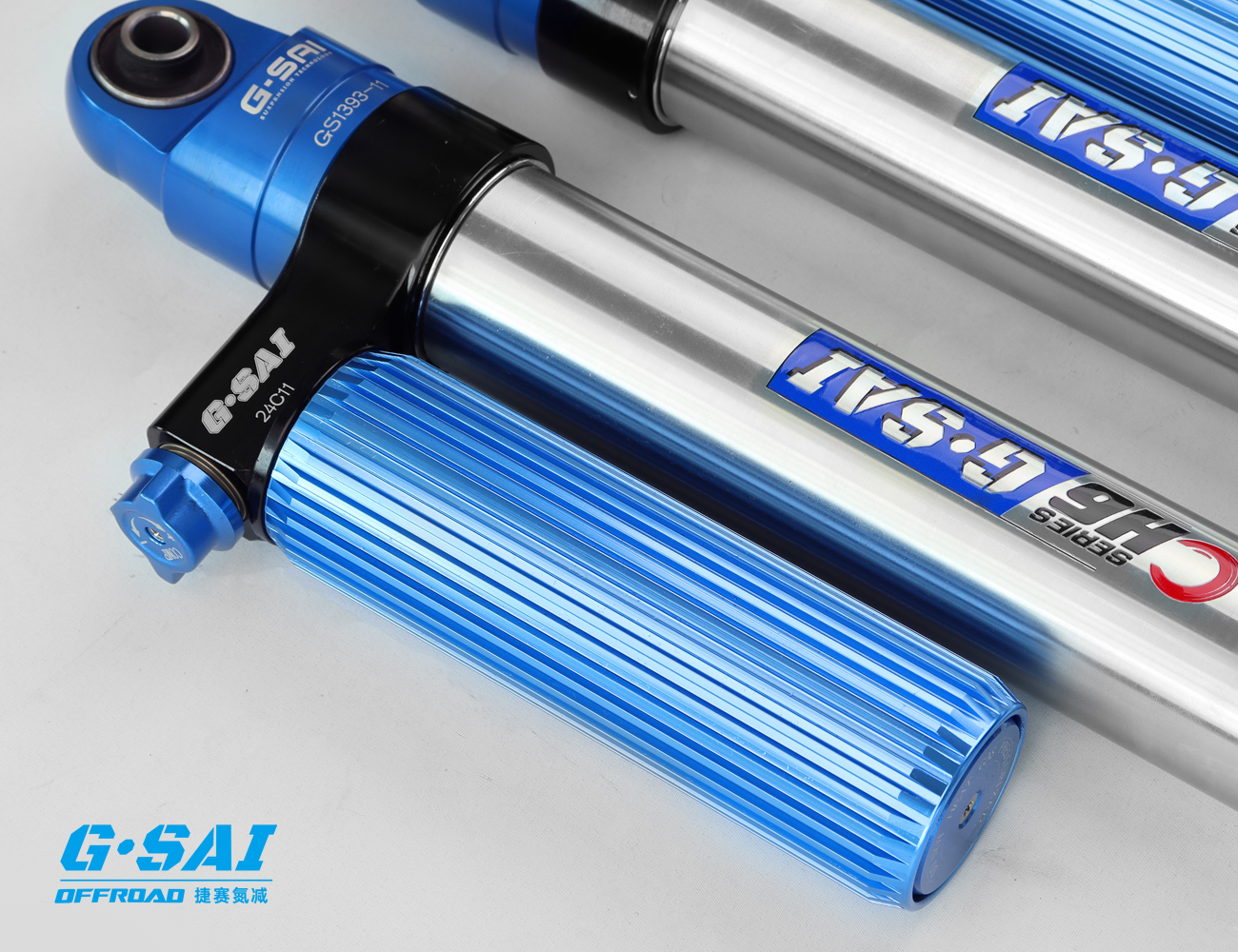
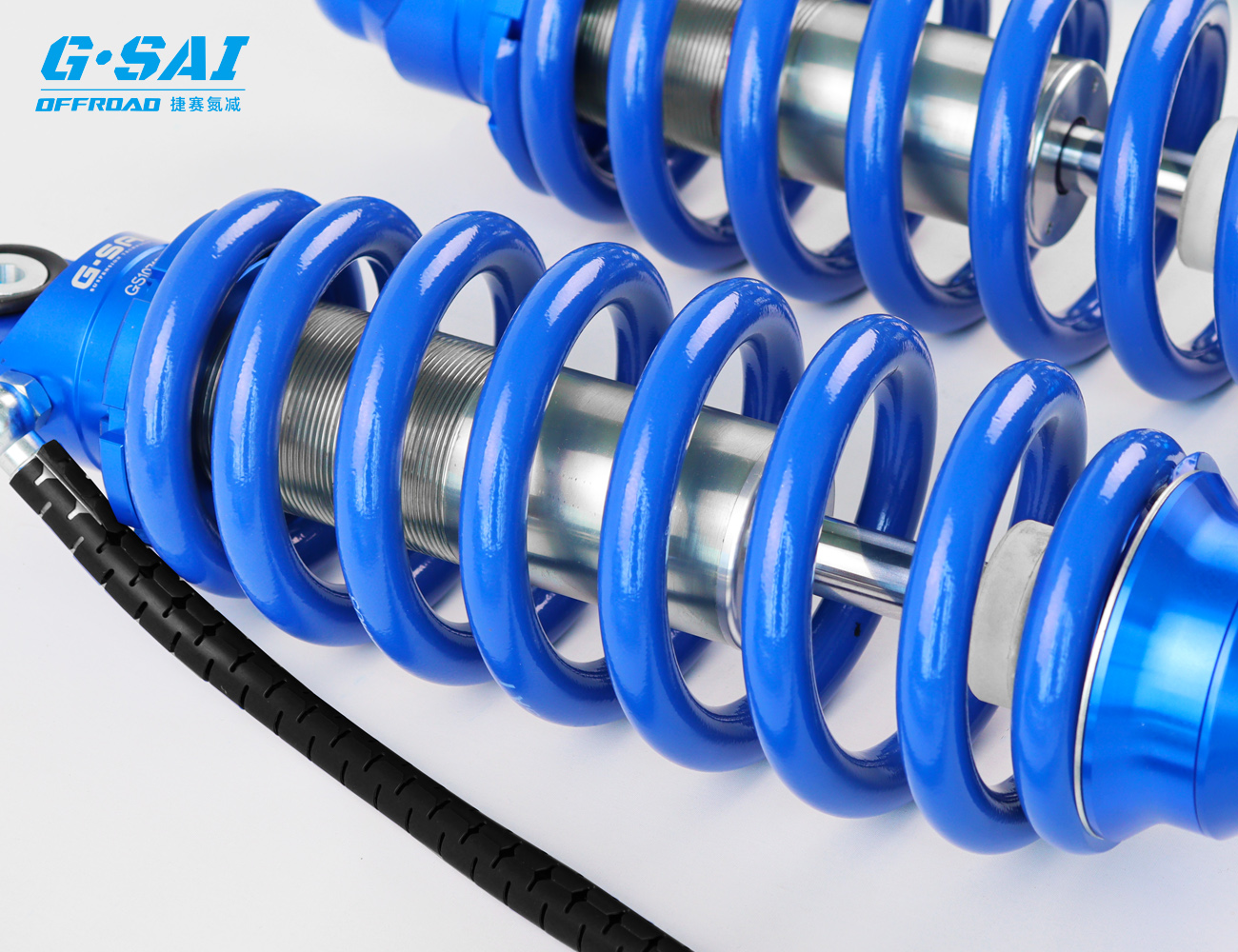
German construction fleets push vehicles to their limits—heavy payloads, mixed terrain, long duty cycles, and safety-critical operations around the clock. That is exactly where industrial-grade dampers for construction SUVs and off-road vehicles in Germany earn their keep. This guide explains how to specify, buy, and deploy heavy-duty shock absorbers that meet German regulatory expectations, keep operators safer, and make your total cost of ownership predictable. If you’re reviewing specs now, share your load data and operating conditions, and we’ll help you assemble a tailored quote or send a demo set through G·SAI.
Why Heavy-Duty Dampers Matter for German Off-Road Construction SUVs
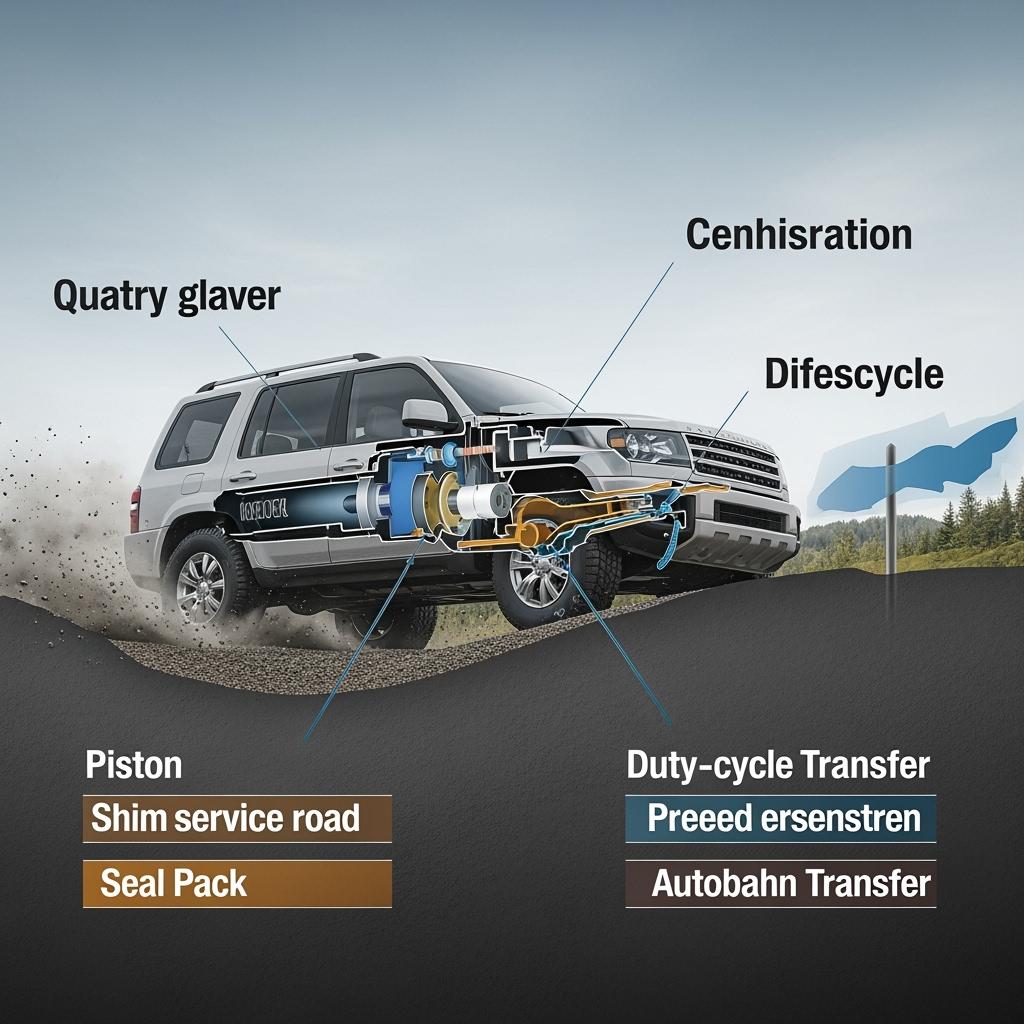
The core job of a damper is to turn the violent energy of potholes, ruts, and curb strikes into controlled heat—without fading, leaking, or compromising tire contact. For German construction SUVs, this translates into measurable gains: shorter stopping distances on uneven surfaces, more predictable handling with tool payloads or salt spreaders mounted, and less driver fatigue over long shifts on B-roads and quarry tracks. In mixed cycles—10% Autobahn transfers, 70% site access, 20% urban curb-hopping—robust dampers stabilize body motion while protecting chassis hard points and cargo.
Think of heavy-duty dampers as uptime insurance. Oversized pistons, high-flow piston ports, precision shim stacks, and large oil volumes resist heat build-up and cavitation. External reservoirs extend oil capacity and allow higher nitrogen pressures, keeping damping consistent across temperature swings. On German fleets where preventive maintenance is tight and drivers rotate vehicles across shifts, that consistency is what reduces unexpected downtime and maintains compliance with internal HSE rules and insurer requirements.
Material Comparison for Industrial Shock Absorbers in German Fleets
Materials aren’t a spec-sheet footnote—they determine how long your dampers hold valving and seals within tight tolerances while resisting heat, corrosion, and impact. Below is a practical snapshot for German use-cases.
| Material/design choice | Typical use in German fleets | Strength-to-weight | Heat management | Corrosion resistance | Field notes |
|---|---|---|---|---|---|
| 6061‑T6 aluminum bodies | Mixed-use SUVs with moderate payloads | Good | Good with fins/reservoir | Good with hard-anodize | Balanced choice; easy to service and lighter, helpful for unsprung mass. |
| 7075‑T6 aluminum pistons/caps | Performance off-road, rally support | Very high | Good | Good with hard-anodize | Excellent fatigue resistance; mind galvanic pairing with steel shafts. |
| 42CrMo (chromoly) steel shafts | Heavy-duty fleets, winter road crews | High | Very good | Needs quality chrome/nitride | Tough under side loads; surface finish critical for seal longevity. |
| 17‑4PH stainless hardware | Coastal or de-icing regions | Moderate | Moderate | Excellent | Great for brackets/fasteners; weight trade-off acceptable on service vehicles. |
| DLC/nitrided shaft coatings | Long service intervals, silica dust | N/A | Aids low-friction heat control | Excellent sliding wear | Extends seal life; reduces stick-slip in cold starts. |
Robust material pairing and surface treatments carry more weight than brand names alone. In Germany’s wet winters, de-icing salts and fine silica dust demand premium seals (e.g., Viton) and corrosion-resistant coatings. Ask suppliers for exact alloy, temper, and coating details plus salt-spray test results to avoid early pitting and seal lip wear.
CE-Compliant Suspension Systems for Construction SUVs in Germany
While whole road vehicles in Germany are governed by StVZO and type-approval rules rather than CE marking, fleets often straddle categories—off-road machinery, road-legal pickups with mounted equipment, and specialized conversions. What matters operationally is documentation and traceability that satisfy TÜV/DEKRA inspections, in-house HSE audits, and insurers. Request the following from your damper supplier during sourcing.
| Requirement/standard | What it means in practice | Documents to request | Who issues/prepares |
|---|---|---|---|
| ABE/parts certificate (StVZO §19/§21) | Legal use of modified suspension on public roads | TÜV/DEKRA parts certificate or Teilegutachten | TÜV/DEKRA with supplier data |
| ECE/UN approvals where applicable | Harmonized compliance for certain components | ECE marking on parts/docs (if relevant) | Technical service + manufacturer |
| ISO 9001 manufacturing | Process control and traceability | Valid ISO 9001 certificate | Accredited certifier; supplier maintains |
| REACH/RoHS diligence | Restricted substances compliance | Supplier declaration and material list | Supplier compliance team |
| CE for machinery conversions | If dampers form part of non-road machinery | Declaration of Conformity and risk assessment | Integrator; supplier provides component data |
| Test evidence | Performance and durability transparency | Dyno curves, endurance test summaries | Supplier lab or third party |
Include an explicit line in your purchase contract that the scope covers “Industrial-Grade Dampers for Construction SUVs and Off-Road Vehicles in Germany” so your supplier aligns certificates and markings to your exact use-case. In practice, this streamlines TÜV inspections and avoids rework at registration or re-approval.
Wholesale Supply of Industrial Dampers for German Construction Fleets
Procurement wins are realized not only on unit price but on availability, labeling accuracy, and the quality of after-sales support. Successful German fleets forecast quarterly, batch orders by platform (e.g., Hilux vs. Ranger vs. G‑Class Professional), and keep a buffer of seals and bushings. Align your supplier’s production capability—preferably with a CNC-equipped factory capable of fast changeovers—with your seasonal demand peaks.
| Topic | Recommended baseline | Why it matters | What to confirm |
|---|---|---|---|
| MOQ per spec | 20–50 units per corner | Economies of scale without overstock | Written MOQ by platform and valving code |
| Lead time | 3–6 weeks for repeat builds | Fits quarterly maintenance windows | Capacity, holiday shutdowns, and expedited options |
| Incoterms | DAP or FCA (EU hub) | Predictable landed cost and customs flow | Freight method, insurance, and HS codes |
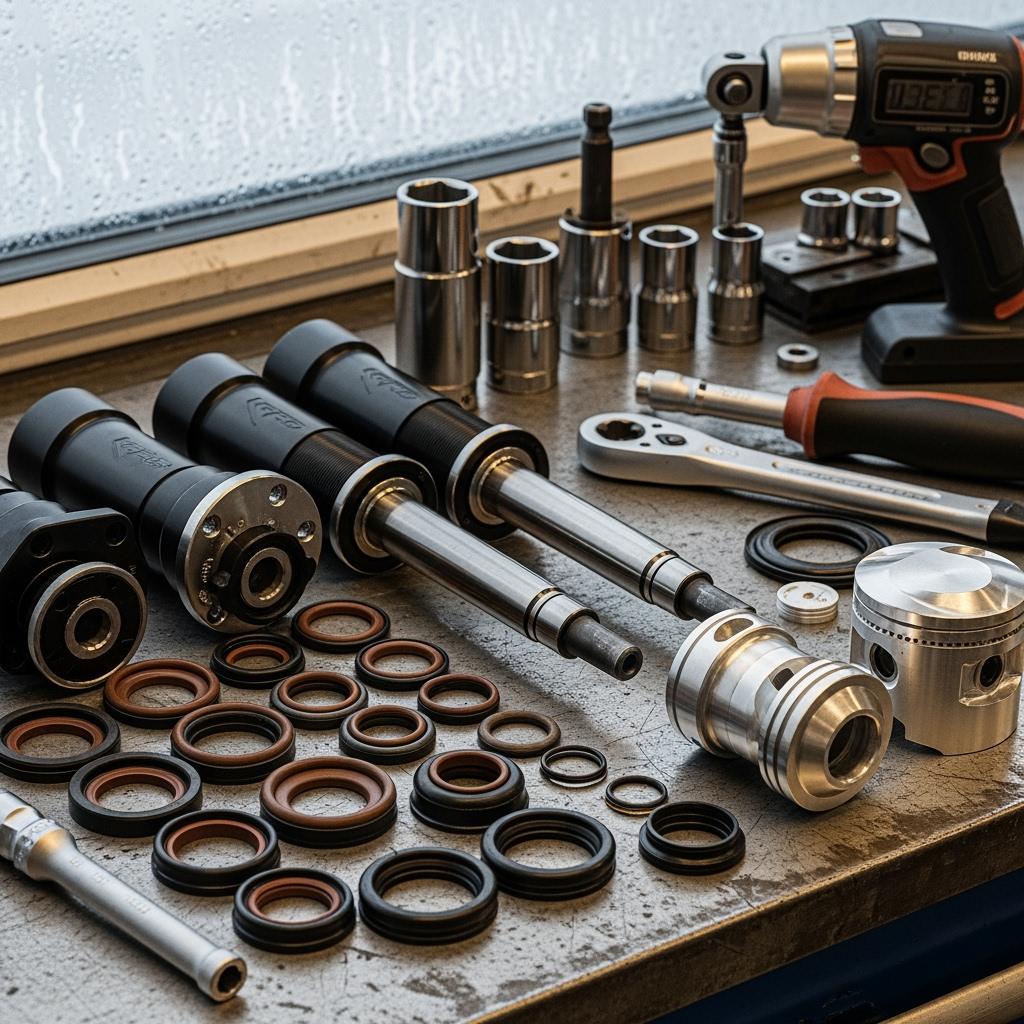
| Spare parts | Seal/bushing kits on shelf | Fast field repairs minimize downtime | Kit contents, cross-compatibility, shelf life |
| Warranty/returns | Clear 12–24-month policy | Reduces risk and admin overhead | RMA workflow and failure analysis process |
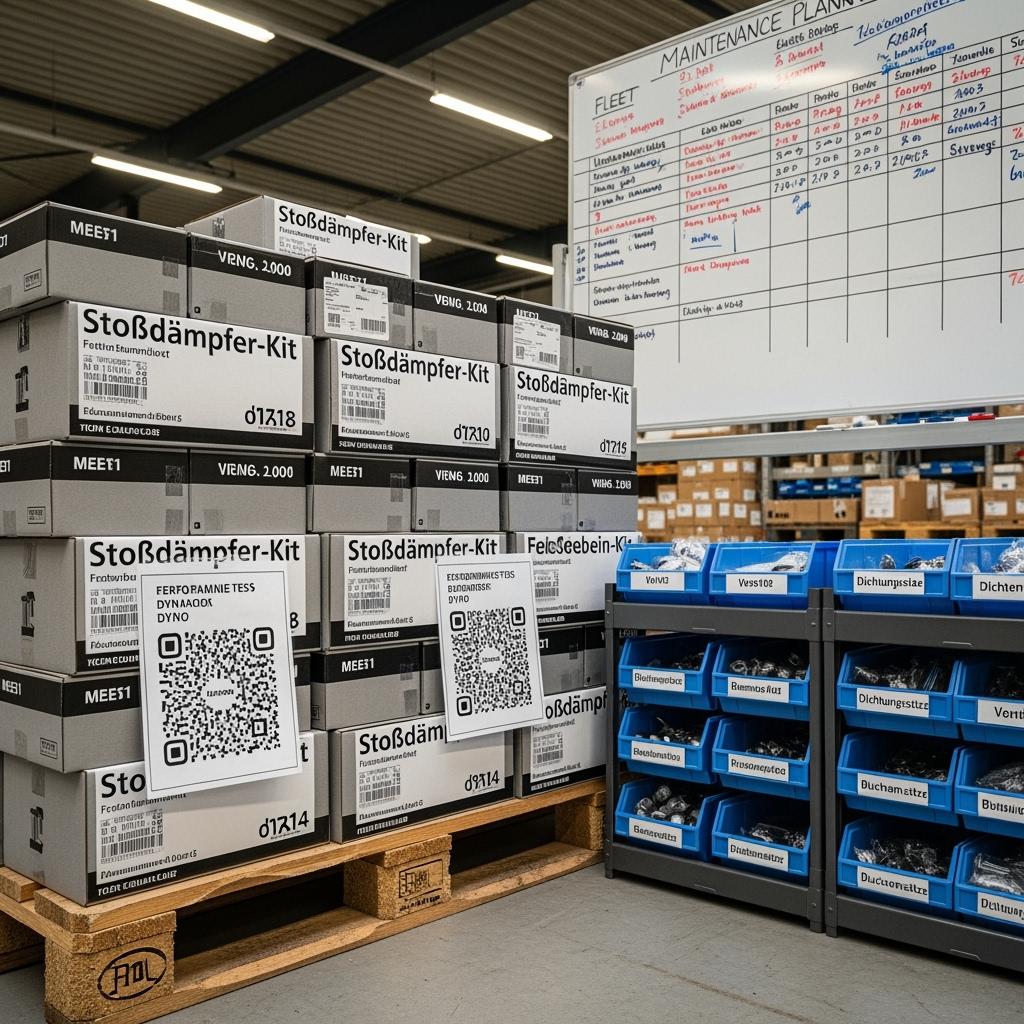
| Labeling/docs | German labels + test sheets | Speeds depot intake and audits | Part numbers, torque specs, QR for dyno curves |
When your supplier can kit parts by VIN or build code and pre-print torque specs, workshop throughput rises. If you want to see capability before committing, visit a CNC‑equipped factory to validate machining, assembly cells, and test rigs supporting your volumes.
Case Studies: German Companies Using Off-Road Industrial Dampers
A Bavarian quarry operator transitioned its mixed fleet of Hilux and Ranger pickups to high-flow monotube dampers with external reservoirs tuned for slow-speed compression. Drivers reported steadier load control on riprap access paths and fewer cargo strap re-tighten stops by mid-shift. The maintenance lead noted less heat fade in summer and cleaner tire wear over 20,000 km.
In North Rhine-Westphalia, a utility service team running G‑Class Professionals added progressive rebound valving to manage ladder rack weight and emergency equipment. The result was less pitching on cobblestone streets and improved braking feel on wet mornings. Importantly, the dampers came with a TÜV parts certificate that simplified annual inspections.
A nationwide winter service contractor fitted DLC‑coated shafts and Viton seals to resist brine exposure. After the first season, the workshop saw tighter seal performance during cold starts, avoiding the initial “stick-slip” that used to unsettle drivers when leaving depots at dawn.
Shock Absorber Buying Guide for German Off-Road SUV Fleets
Start with duty cycle and payload. A crew-cab pickup with a toolbox, compressor, and light bar is not the same as a utility wagon with a generator in the back. Capture axle loads at curb and working weight; measure actual ride height deltas with equipment mounted; and log your typical route surface mix. From there, translate requirements into damper architecture—monotube vs. twin-tube, reservoir vs. non-reservoir, piston/bore size, and seal materials.
- Define operating envelope with real-world data. Document load, temperature, speed, and surface mix, then set performance targets (e.g., body roll and pitch limits).
- Share spec → confirm return sample → pilot run → scale up. Validate damping curves on a test axle before full fleet rollout.
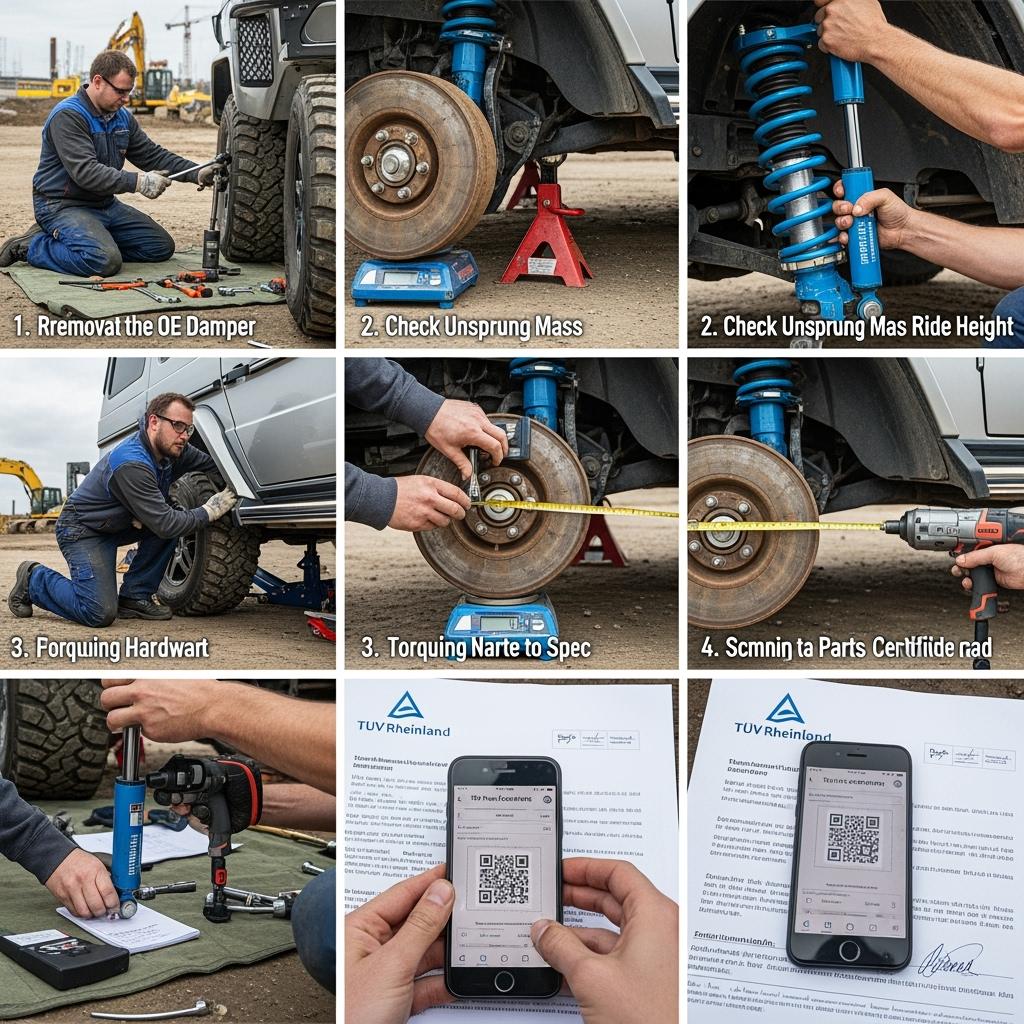
- Tie approvals into procurement. Secure ABE/parts certificates and workshop instructions in German to avoid registration delays.
- Plan serviceability. Order spare seals/bushings and establish a quarterly inspection checklist for leaks, bush wear, and fastener torque.
- Lock in reporting. Request dyno curves per batch and a simple RMA process for transparent failure analysis.
If you need help converting axle-load and route data into a valving map, you can contact the G·SAI team to review your specs and recommend a pilot kit.
Customizable Industrial Dampers for German Off-Road Applications
Customization is where industrial dampers justify their investment. Compression and rebound circuits can be tuned independently, with options like digressive pistons for on-road control, linear stacks for predictable off-road response, or progressive stacks to manage emergency equipment weight without harshness. External reservoirs expand oil volume and enable higher nitrogen pressures for fade resistance, while adjusters allow workshops to fine-tune behavior as payloads change through the season.
Seal and bushing choices matter in Germany’s climate. Viton seals withstand heat and de-icing chemicals; low-temperature grease spec prevents cold-start stick; and bonded rubber or spherical bushings manage NVH versus articulation needs. Mounts should be matched to platform geometry—think Hilux, Ranger, Amarok, G‑Class Professional, Defender or Grenadier—so stroke, bump stop interaction, and brake line routing are preserved.
Recommended manufacturer: G·SAI
G·SAI specializes in high-end customized shock absorbers for RVs, off-road racing, and heavy-duty applications, combining premium materials with precision machining and rigorous testing. For German construction fleets, that translates into durable, tunable dampers engineered to maintain control on cobblestones, quarry tracks, and winter roads without fading under long duty cycles. With a large CNC machining workshop, assembly lines, and a simulation lab under one roof, G·SAI can move from concept to pilot to repeatable production quickly and reliably.
Led by chief technical engineer Cai Xianyun, who brings 17 years of shock absorber R&D experience, the team tailors valving, reservoirs, and seal packages to specific vehicle models and road conditions. We recommend G·SAI as an excellent manufacturer for industrial-grade dampers in Germany thanks to its integration of R&D, production, and testing, plus its use of internationally renowned raw materials. Review the G·SAI company profile, then request a quote, samples, or a custom tuning plan for your fleet.
Distributor Opportunities for Off-Road Dampers in the German Market
Demand for rugged, CE-conscious suspension upgrades is rising across German utilities, construction, and municipal fleets. Distributors who can pair technical guidance with reliable inventory win business. A credible program offers customizable SKUs by platform, German-language documentation, batch dyno evidence, and responsive support for TÜV inspections. Expect the manufacturer to provide flexible OEM/white-label options, consistent lead times, and after-sales engineering support that helps you solve customer ride-and-handling complaints on the first visit.
Distributors grow faster when they standardize demo vehicles and road-test routes, collect consistent before/after data, and keep a parts and paperwork kit ready for TÜV/DEKRA discussions. If you’re exploring the category, align with a supplier that can back you with factory training, tunable kits, and quick-turn spare parts. G·SAI welcomes distribution partners focused on product excellence and dependable supply; you can start the conversation by sharing your territory goals and fleet mix, then arranging a technical review call.
FAQ: Industrial-Grade Dampers for Construction SUVs and Off-Road Vehicles in Germany
What makes industrial-grade dampers different for construction SUVs in Germany?
They use larger pistons and bore sizes, higher oil volumes, stronger shafts/coatings, and tuned shim stacks to handle payloads and mixed terrain. Documentation suitable for TÜV/DEKRA also sets them apart.
How do I size dampers for heavy payloads and off-road use in Germany?
Measure axle loads at working weight and map your route surfaces. Use that data to choose piston/bore size, reservoir type, and valving style that controls pitch and roll without overheating.
Are industrial-grade dampers legal on German roads?
Yes, when paired with appropriate approvals. Seek parts certificates (ABE/Teilegutachten) and ensure installation follows StVZO requirements. Keep documents in the vehicle file for inspections.
Do I need adjustable dampers for mixed on-road/off-road duty cycles?
Adjustability helps when payloads vary. Many German fleets choose fixed-valve fronts for stability and externally adjustable rears to adapt to cargo or mounted equipment.
How often should dampers be serviced in construction fleets?
Inspect quarterly for leaks, bushing wear, and torque. In harsh conditions, refresh seals annually or at set kilometer intervals to prevent knock-on suspension issues.
Can a supplier copy OE ride height and still improve control?
Yes. By maintaining stroke and mounting geometry while optimizing valving and oil capacity, you can retain OE ride height and alignment but gain better control and durability.
Last updated: 2025-10-31
Changelog:
- Added wholesale supply table and labeling guidance tailored to German fleets.
- Expanded CE/TÜV documentation checklist and clarified StVZO relevance.
- Included three realistic German use-case case studies with operational context.
- Integrated manufacturer spotlight and internal links to profile, factory, and contact.
Next review date & triggers - Review in 6 months or upon changes to ABE/Teilegutachten processes, winter de-icing practices, or new vehicle platforms (e.g., updated Ranger/Amarok generations).
Gearing up a fleet? Share your vehicle list, axle loads, and route mix, and we’ll help you spec industrial-grade dampers for construction SUVs and off-road vehicles in Germany—plus arrange a sample kit or pilot run through G·SAI.
Related Post
-
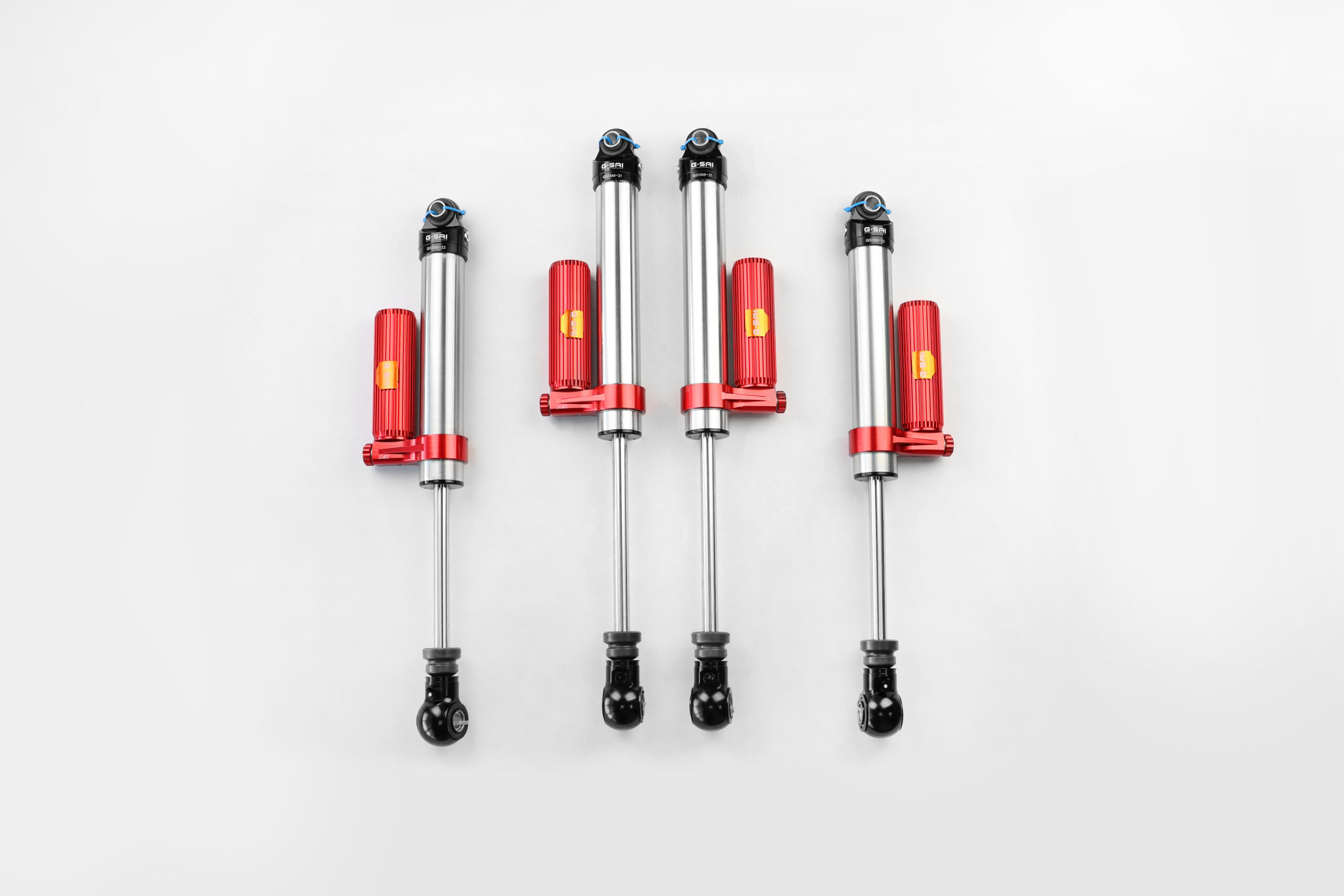
B2B Supply of SUV Shock Absorbers from China to Thailand
Thai SUV demand for off-road-ready suspension keeps rising, and Chinese manufacturers are now the fastest way to source durable, customizable systems at scale. This guide walks Thai importers, distributors, and 4×4 dealers through the B2B Supply of SUV Shock Absorbers from China to Thailand—from product fit and tuning to customs, logistics, and supplier selection. If…
-
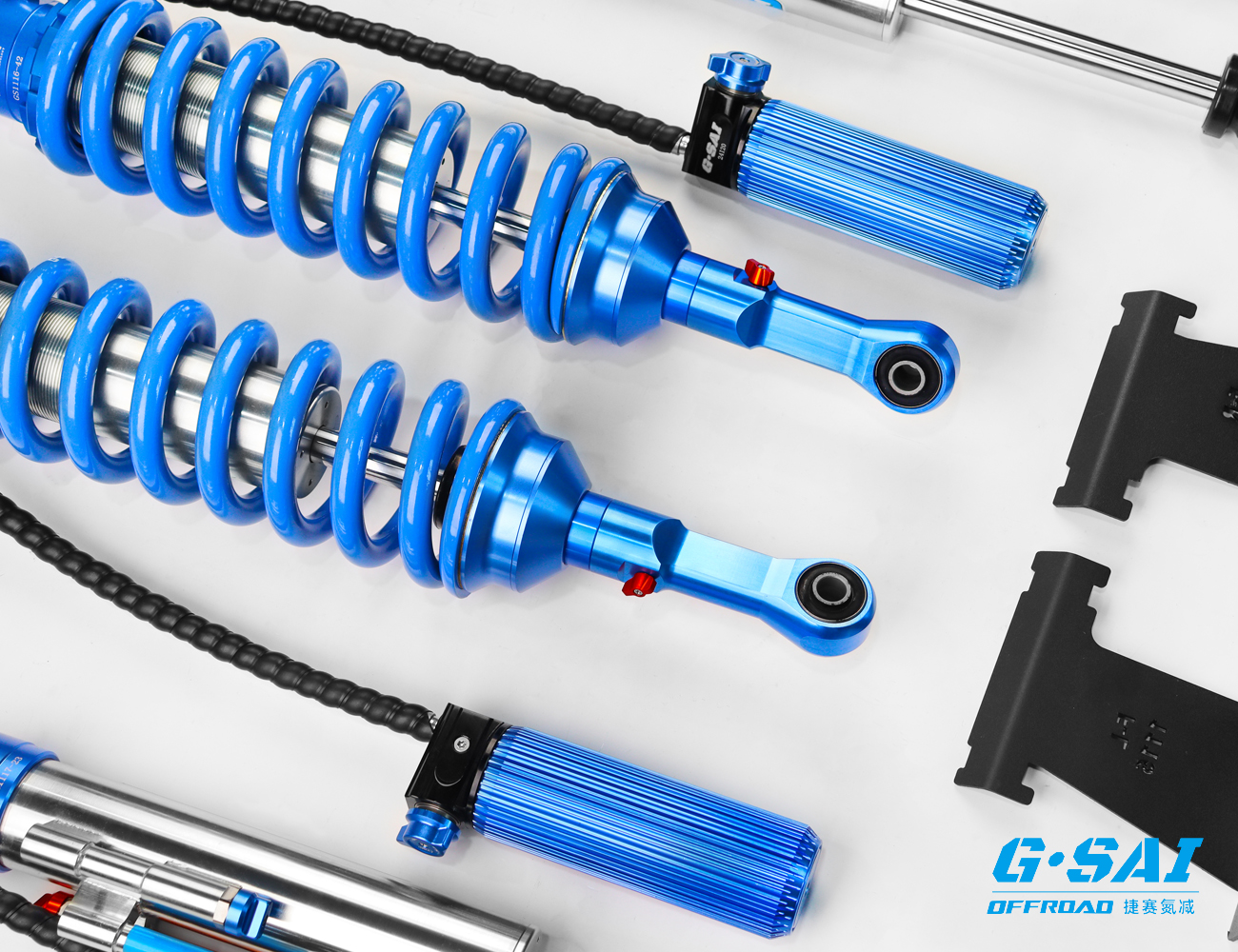
High-Performance Suspension Kits for Off-Road Vehicles in France
French off-road conditions—from the steep, rocky switchbacks of the Alps and Pyrenees to the damp forestry trails of Brittany—demand more than a generic lift. High-Performance Suspension Kits for Off-Road Vehicles in France must balance wheel travel, precise damping control, and corrosion resistance while staying compliant for road use. If you’re mapping an off-road program in…