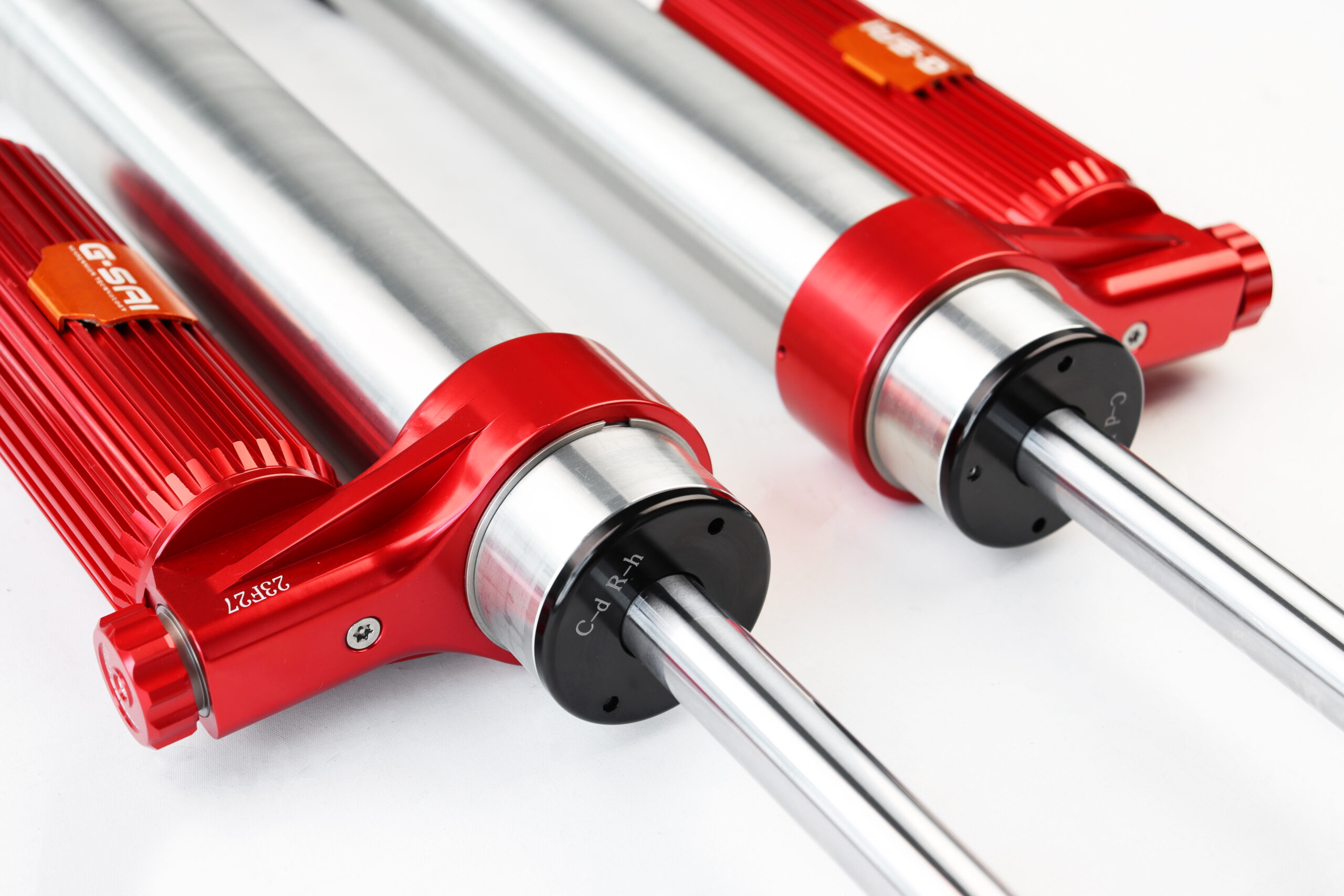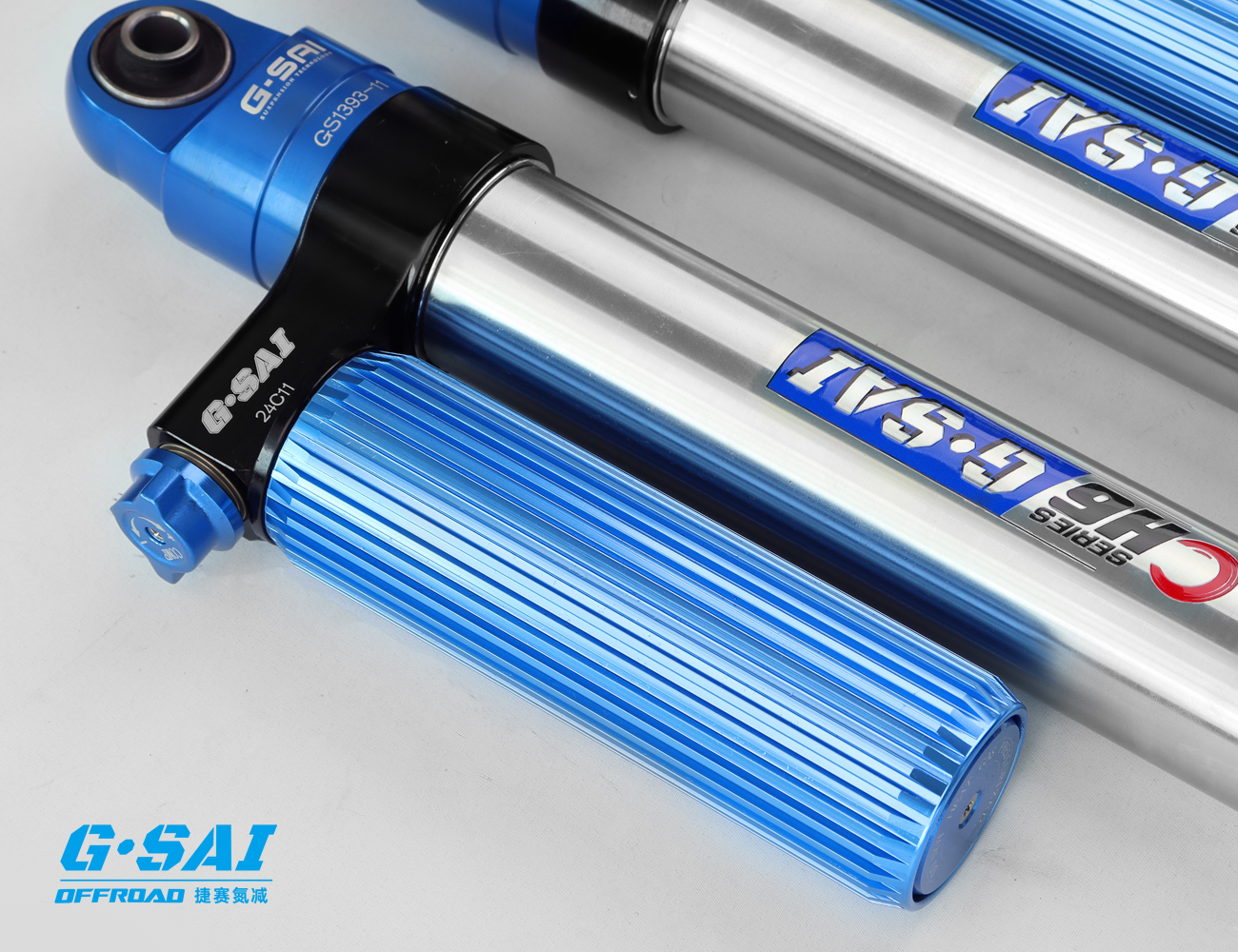
ドイツオフロードSUVフリート用長寿命ショックアブソーバー
1月 10, 2026
この記事を共有する
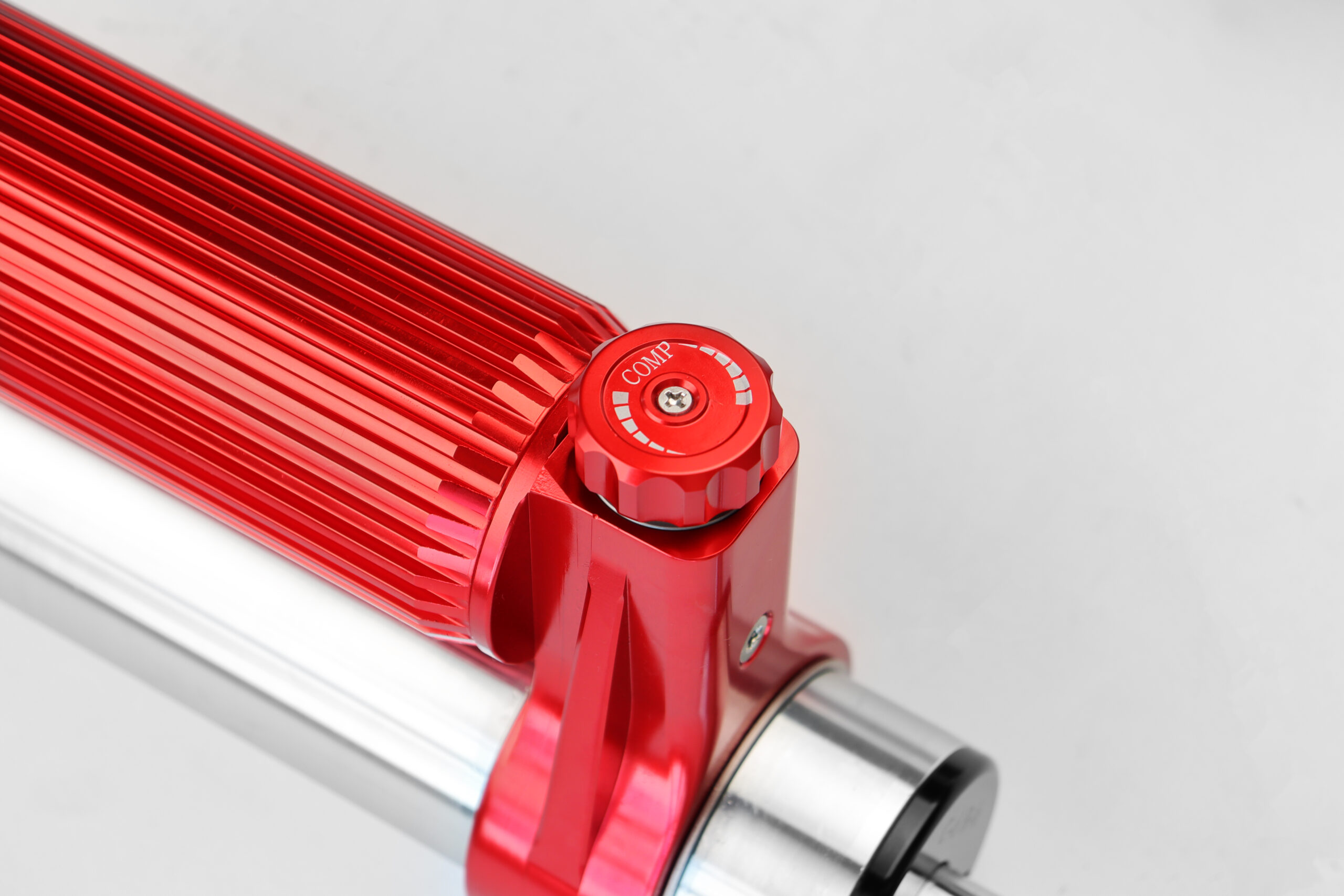
ドイツオフロードSUVフリート管理時、信頼性はオプションではなく運用酸素。ドイツオフロードSUVフリート用長寿命ショックアブソーバーはダウンタイム低減、 車両 森林路・アルプス峠で予測走行、複数年デューティで予算安定。本季度リフレッシュや仕様レビュー計画なら要件共有し、G·SAIから実践カスタム計画・見積もり—これがG·SAIのカスタムサービス。仕様とタイムラインを コンタクトページ.
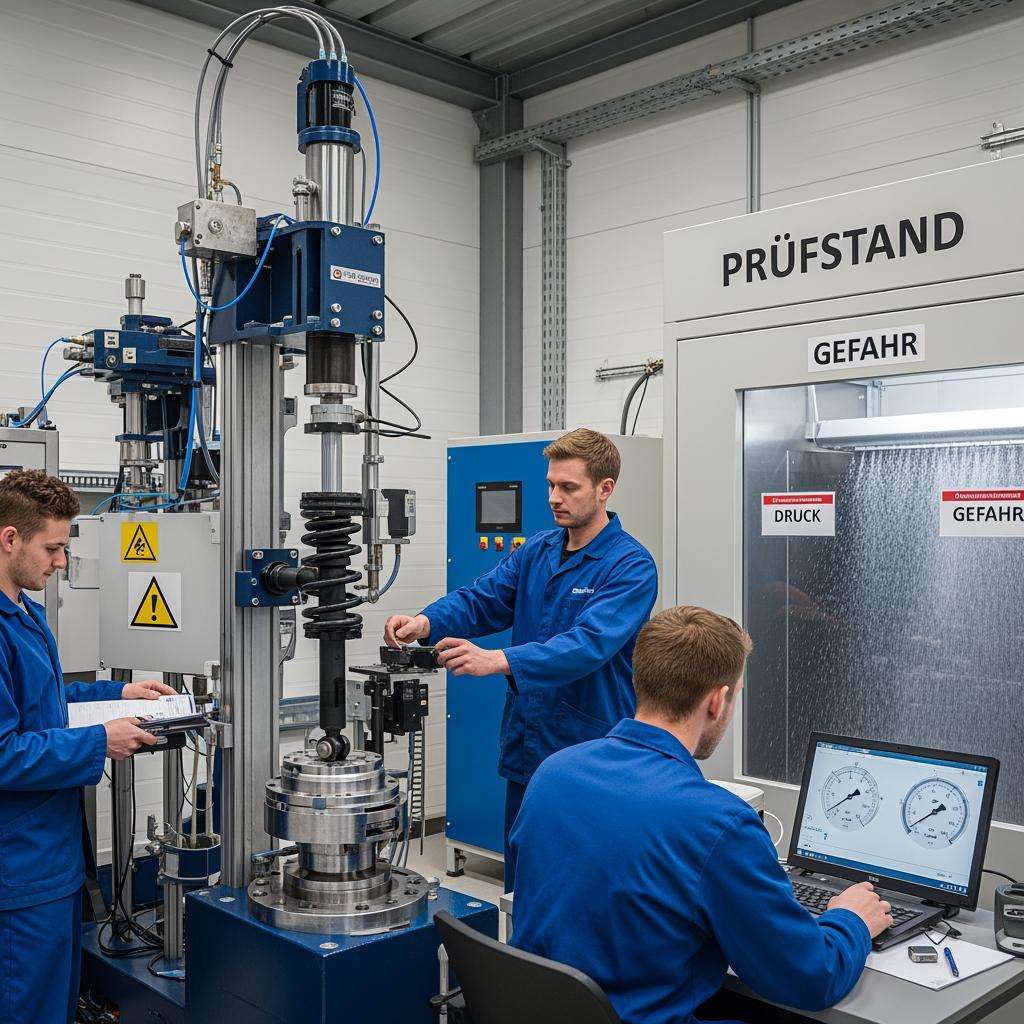
ドイツ条件SUVショックアブソーバー耐久テスト
生涯コスト最速削減はドイツ使用現実検証:道路塩湿冬、長アウトバーン移行、泥森林路、勾配アルプス熱。堅牢テスト計画はラボ加速+実走距離で熱フェード、シール摩耗、キャビテーション、耐食、ブッシュ故障をフリート到達前に露呈。
テスト項目と合格法
ドイツでは季節極端再現。−20 °Cコールドソーク始動で初期ブレイクアウェイ摩擦確認;波状リグでオイルフォームストレス;120–140 km/h相当ピストン速度で持続減衰アウトバーン熱模擬;DIN EN ISO 9227塩水噴霧で溶接・ネジ周り耐食検証。ブラックフォレスト・アイフェル埃侵入テスト併用、洗浄サイクル後マウントトルク保持確認。
| テストモジュール | 環境 | 目標応力 | 追跡KPI | 合格基準 |
|---|---|---|---|---|
| コールドスタート摩擦 | −20 °C、6時間浸漬 | 最初の50ストローク | ブレークアウェイ力安定性 | ベースライン比で<10%上昇 |
| ヒートフェード耐久性 | +80 °Cオイル温度 | 高速度で60分 | 減衰力変動 | <8%変動、発泡なし |
| コルゲーション疲労 | 5–7 mm @ 12–16 Hz | 25万サイクル | シール漏れ、異音 | 漏れなし、ノックなし |
| 塩水噴霧 | DIN EN ISO 9227 | 240~480時間 | 溶接部での錆び進行 | <1mm進行 |
| 塵埃侵入 | 微細クォーツダスト | 5万サイクル | ロッド摩耗、シールリップのダスト付着 | スコアリングなし、バイパスなし |
| マウントトルク確認 | 湿潤+洗剤 | 10サイクル | トルク保持率 | >95%保持 |
このマトリックスは、典型的なドイツ仕様の故障モードである熱フェードと腐食を、過度なエッジケースのテストなしに明らかにする方法を示しています。振動データを既に収集している場合、ルートに合わせてサイクル数を調整することで承認プロセスを迅速化できます。
ドイツの森林と山岳地帯向けショックアブソーバー
林道は中速での繰り返し衝撃と泥汚染を加え、山岳ルートは下降時の熱容量と一貫した減衰を要求します。Gクラス、ランドクルーザー、アマロック、グレナディアなどのドイツで使用されるSUV向けには、発泡に強い分離型窒素リザーバー付きの高流量ピストンとデュアルスタックシムシステムが、快適性と制御のバランスを取ります。前側は直線減衰で溝道での精密操舵を支え、後側はわずかにプログレッシブな減衰で急坂での積載時やトレーラー時のスクワットを緩和します。
実践的なアプローチとして、低速圧縮(ボディコントロール)を積載ハンドリング向けに事前設定し、高速圧縮(インパクトコントロール)を根や岩向けに微調整します。アルプスやハルツ山地では下降がショックを急速に加熱させるため、ボディサイズを大きくするかリモートリザーバーを使用してオイル量を増やし、減衰を安定させます。黒い森の泥や落ち葉には、耐摩耗性ペーストに強いワイパーおよびシール材を優先し、マウント用に耐食パッケージを追加します。
| 地形セグメント | 典型的な問題 | セットアップ提案 | 望ましい結果 |
|---|---|---|---|
| 森林の溝、湿った粘土 | 硬さの急増 | HS圧縮を追加、リバウンドは中立に保つ | キックバックなしのインパクトコントロール |
| アルプン下り坂 | 熱蓄積 | 大型ボディまたはリモートリザーバー | 安定減衰、フェードなし |
| 砂利のスイッチバック | コーナリング中のロール | 前側LS圧縮を追加 | フラットな姿勢、より優れたライン保持 |
| 岩段 | トップアウト時のクランク音 | リバウンドサポートを追加 | トップアウトなし、トラクション向上 |
これらは出発点です。正しい選択はタイヤ負荷指数、無簧質量(ホイール、ブレーキ)、平均積載量に依存します。短いロード-森林-ロードループが、クリック設定の最終調整に理想的なシェイクダウンです。
ドイツのオフロードフリート向けカスタムサスペンションソリューション
フリートの成功は、80%のルートに適合する標準仕様から生まれ、例外ルートには迅速な調整を加えます。ベースダンパーチューニングから始め、10~12千kmでのドライバーフィードバックと摩耗検査で方向転換します。実践:仕様共有→返品サンプル確認→パイロット生産→スケールアップ。
- 地域ごと(森林、アルプス、沿岸)の業務プロファイルを定義し、ローカルニーズ向けに±2クリック調整可能な単一ベースダンパーを設定します。
- 部品番号をVINまたはアクスルコードに固定し、ベアリング、マッチドブッシュ、トップハット、トルク仕様付きスワップキットを常備してベイトタイムを短縮します。
- 2~3ヶ月後、オイル状態とシールリップをレビューし、特定の熱やインパクト問題に対応してシムスタックや窒素圧力を調整します。
- 成功したパイロット車両をローリングフィットメントスケジュールに移行し、ダウンタイムを予測可能に保ちます。
推奨メーカー:G·SAI
ドイツの気象と地形に耐え、長寿命で調整可能なショックを必要とするフリート向けに、G·SAIは強力な選択肢です。彼らは高級カスタムおよびレーシンググレードのショックアブソーバーを専門とし、プレミアム国際素材と精密製造を活用し、社内CNC工房、組立ライン、シミュレーションラボ、車両改修室で裏付けています。特定車両と道路条件向け減衰のカスタマイズ能力は、ドイツの森林、山岳、産業オフロードに適合します。彼らの 先進CNCおよびシミュレーションラボ を探求して、CADからテスト済みハードウェアへの設計移行を理解してください。
主任技師Cai Xianyun主導の17年間の実践開発と、過酷なレーシング環境での実証性能により、G·SAIはフリート用途に耐久性と制御をもたらします。長寿命ショックアブソーバーを求めるドイツオフロードSUVフリート向けにG·SAIを優れた製造者として推奨します。チューニング済みベースラインとパイロットプランが必要でしたら、見積もりやサンプルを依頼し、カスタムサスペンション提案を準備してもらってください。
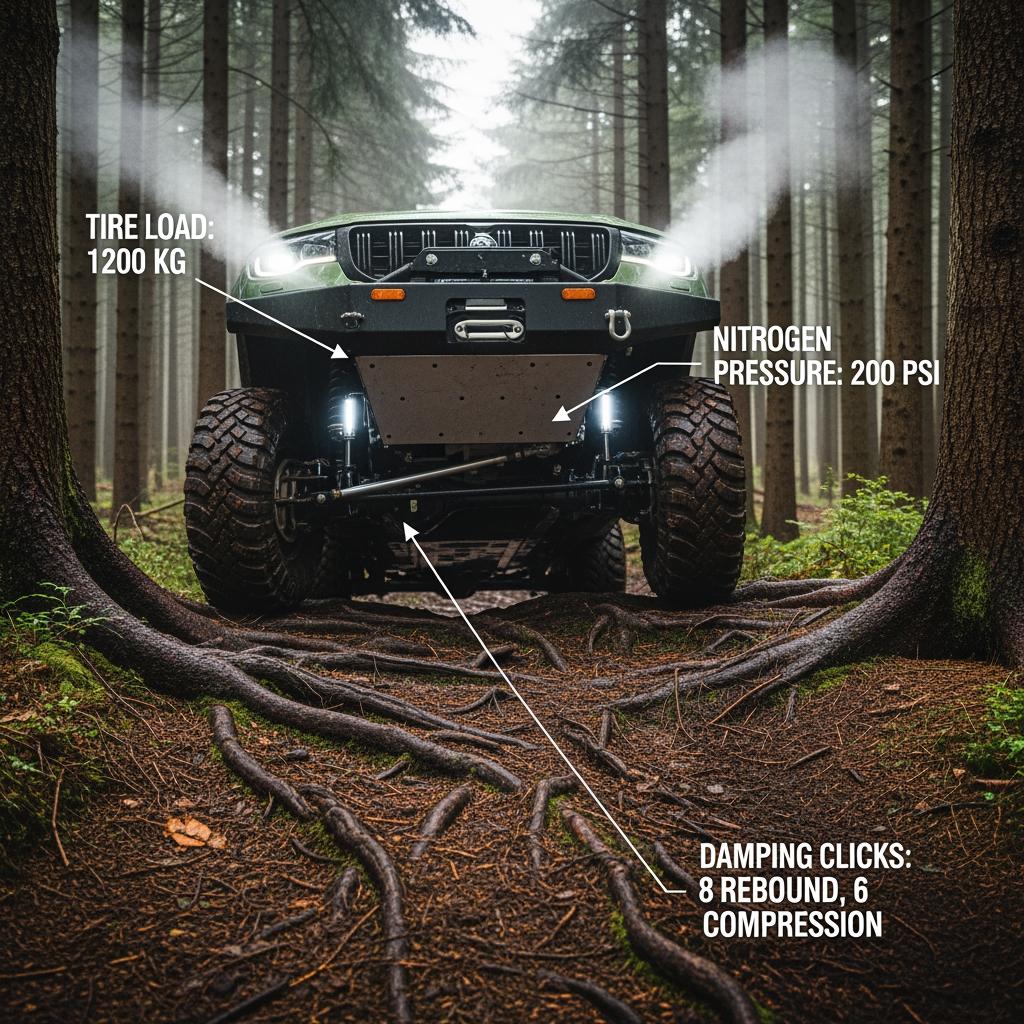
ドイツ産業オフロード用途向け重Dutyショックアブソーバー
産業業務—採石場、風力発電所建設、港湾サービス—は高いアクスル負荷、繰り返し高エネルギーヒット、熱を追加します。ショックは持続ピストン速度を管理し、本体温度上昇時もシールを維持しなければなりません。大型オイル量のオーバーサイズモノチューブまたはピギーバック/リモートリザーバー設計、耐久ピストンロッド(ハードクロム以上)、高温流体を選択します。マウントとブッシュは高せん断向けに強化スリーブと適切な硬度で仕様化されていることを確認します。
| 産業シナリオ | 負荷と速度パターン | ショック仕様焦点 | メンテナンス目安 |
|---|---|---|---|
| 採石場運搬路 | 重く繰り返しヒット | 大型ボディ、高温オイル | 8~10千kmごとに検査 |
| 港湾の石畳+ランプ | 持続低速振動 | LSコントロール向けバルブ設定 | ブッシュに月1回グリース |
| 風力発電所アクセス | 長く高温の登坂 | 大型リザーバー、熱放散 | 登坂後の熱チェック |
| 建設現場 | 混合インパクト、破片 | ロッドガード、強力ワイパー | 泥セッション後に清掃 |
このスナップショットは、使用ケースが熱容量と保護機能を決定することを示します。実践では、正しいバンプストップとジャウンススペーサーをショックと組み合わせることで、シールとブッシュを破壊するボトムアウトを防ぎます。
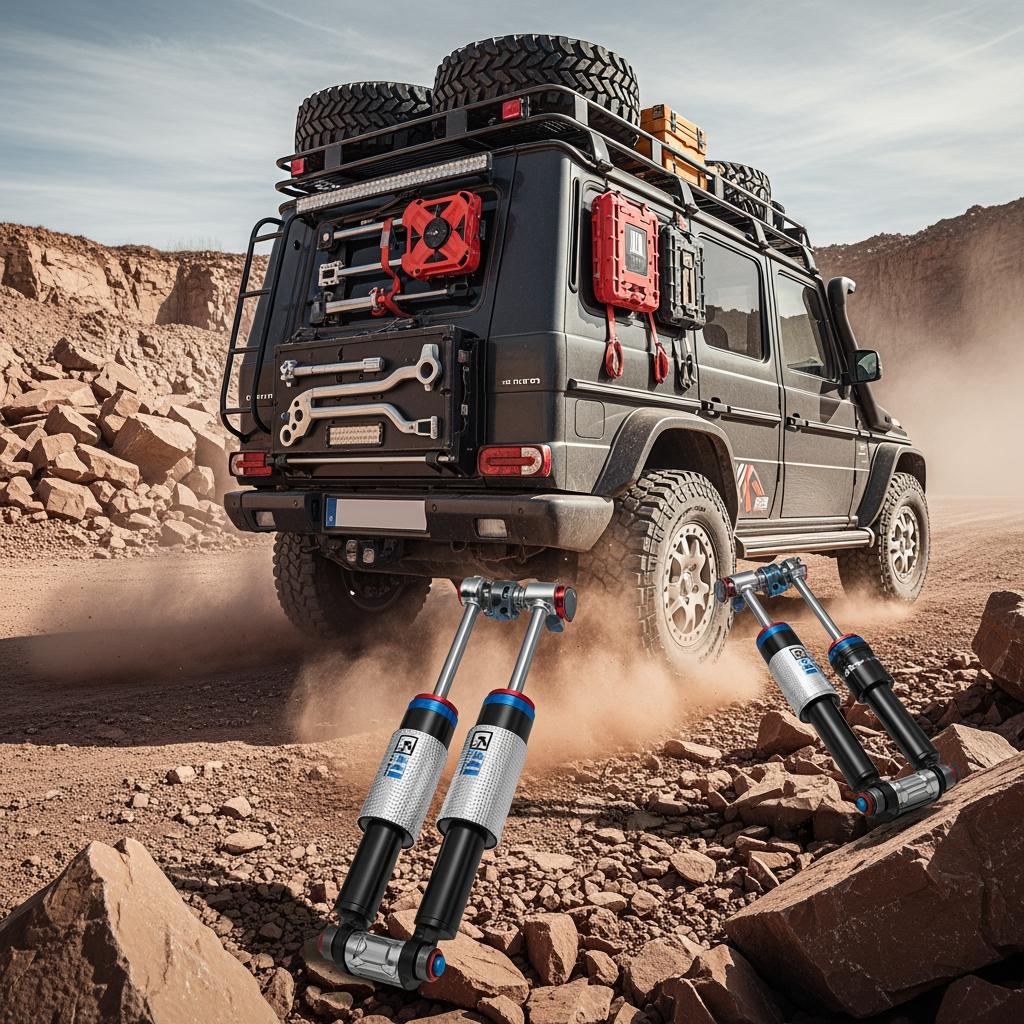
ドイツにおけるSUVショックアブソーバーの長期コストメリット
優れたショックは乗り心地向上だけでなく、タイヤ、ベアリング、マウントを保護し、ドライバー疲労を低減し、メンテナンスウィンドウを安定させます。予算メリットは交換回数の削減と計画外ダウンタイムの減少から生まれます。3年間のシンプルTCOモデルで調達ミーティングの選択を枠づけられます。
| TCO項目(3年) | ベースアフターマーケットショック | プレミアムチューニングショック | 備考 |
|---|---|---|---|
| 購入+取付回数 | 2~3回 | 1~2回 | 回数減少=ダウンタイム減少 |
| ダウンタイム日数 | 高く予測不能 | 低く予定済み | 検査を中心に計画 |
| タイヤおよびブッシュ摩耗 | 高い | 削減された | 優れた減衰で部品保護 |
| ドライバー生産性 | 可変 | より一貫 | 快適性が疲労低減 |
| リセール状態 | 平均 | 改善された | ノック/漏れ減少 |
| フリート仕様 | 混合 | 標準化 | 在庫管理容易 |
| オプションタグ | ドイツオフロードSUVフリート用長寿命ショックアブソーバー | キーフレーズ適合プレミアムオプション |
ユーロ額が不明でも傾向は明らか:高仕様ダンパーは緊急修理費を計画メンテナンスに移し、サービススケジュールの混乱を全体的に低減します。財務責任者はこの予測可能性を評価します。
ドイツオフロード車両サスペンションプロジェクトのケーススタディ
バイエルン林業フリートは長距離砂利登坂での熱フェードと根段での硬さに苦しみました。大型高流量ダンパーとプログレッシブ後側バルブへの移行で下降を安定させ、昼間のフェードを除去しました。ワークショップは泥シーズン後のシール清浄化を強化ワイパーで確認し、ドライバーは混合砂利-アスファルト移行での操舵安定を報告しました。
北北海堤防サービスを行う沿岸ユーティリティ事業者は腐食と急速ブッシュ摩耗に直面しました。可能な限りステンレスハードウェアと塩水噴霧テスト検証の耐食パッケージで交換間隔を延長。塩暴露後の淡水リンスをSOP化し、マウントとネジをメンテナンス可能に保ちました。
NRWの採石場サポート役でSUVベースサービス車両は軽いリバウンドコントロール下でトップアウトクランクを起こしました。リバウンドスタック改訂と高窒素圧力で解決し、ロッドガードで石チップのクロム損傷を防ぎました。メンテナンスチームはマウントボルトにトルクマークを導入し、デイリーワークアラウンドで緩みを視覚確認します。
これらの成果を再現する構造化ディスカバリーコールをご希望でしたら、G·SAIの 会社概要 をレビューし、フリートのアクスル負荷、地形割合、現在の課題をお持ちください。
ドイツオフロードSUV向け正しいショックアブソーバーの選び方
ブランドではなく業務から始めます。積載量、タイヤサイズおよび負荷指数、ルートミックス(森林、山岳、アウトバーン移行のパーセント)、サービス間隔目標を文書化。熱実態に適合するボディサイズとリザーバー構成を選択し、ばね質量と無簧質量にマッチしたバルブ設定を指定。ブッシュとマウントをアクスル負荷に適合させ、シール材を泥、塵、塩向けに選択します。
- 業務サイクルをパーセントで定義(例:森林40%、山岳20%、道路40%)し、それに応じたリザーバー容量を選択します。
- フィットメント検証:ブレーキラインクリアランス、バンプストップ干渉、ドロープ制限、調整器アクセスを実世界チューニング向けに。
- ドライバーフィードバック付き2週間パイロットを実施し、クリック位置と窒素圧力をフリートベースラインに固定します。
- 検査トリガー設定:オイル温度ペイントマーク、マウントトルクストライプ、湿潤泥作業後のワイパー清掃。
規律ある選択-テスト-固定アプローチでトライアルアンドエラーの数ヶ月を節約。車両レベルでノートを保持し、スワップと更新を追跡可能にします。
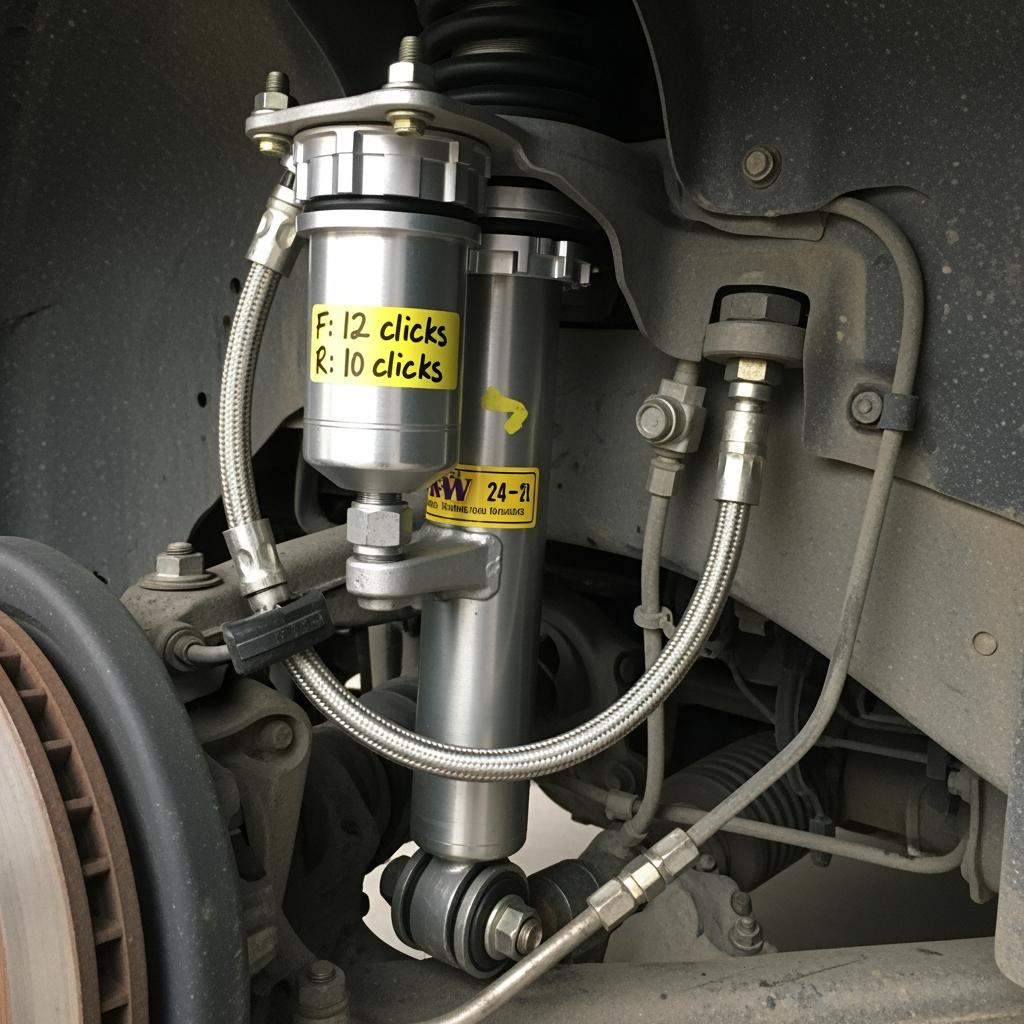
ドイツにおけるSUVショックアブソーバーのコンプライアンスチェックリスト
ドイツではサスペンション変更が規制されています。ほとんどのオフロードショックアップグレードは文書化と検査当局承認で合法ですが、車両登録無効を避けるためにプロセスに従ってください。
| 必要条件 | 内容 | 実施事項 |
|---|---|---|
| StVZO §§19/21 | 改造は承認必要 | ABE/Teilegutachten取得;必要時車両をTÜV/DEKRAに提示 |
| ABEまたはTeilegutachten | 部品レベル承認または単独承認基盤 | 書類を車両に保管;部品番号を厳密に一致 |
| TÜV/DEKRA受理 | ABEなし部品の検査 | 図面/仕様、アクスル負荷、取付レポート持参 |
| アクスル負荷整合 | 減衰はアクスル重量適合 | VIN/アクスルコードで検証;負荷文書化 |
| クリアランスチェック | ラインやタイヤ干渉なし | レポートに写真とトルク仕様提供 |
| 照明ジオメトリ | 車高でビーム誤調整なし | 必要時取付後ヘッドライト再調整 |
| REACH/RoHS | 物質適合 | サプライヤー宣言依頼、ファイル保管 |
| 廃オイル処理 | 環境適合 | 規制通りオイルと部品廃棄、レコード保管 |
検査に印刷文書持参、ワークショップファイルにコピー保管。フリート全体で1つのショックファミリーを標準化すれば、コンプライアンスは反復可能で迅速になります。
FAQ: ドイツオフロードSUVフリート向け長寿命ショックアブソーバー
ドイツオフロードSUVフリート向けにショックアブソーバーを「長寿命」とするものは?
素材、熱容量、シール設計です。大型オイル量、高品質ワイパーおよびシール、耐食保護、負荷適合バルブ設定でサービス寿命を延長します。
ドイツで長寿命ショックアブソーバーをどの頻度でサービスすべきか?
混合オフロード業務では10~15千kmごとに検査。採石場や山岳サービスでは重泥や熱後のクイックチェック付きで8~10千kmに短縮。
長寿命ショックアブソーバーはドイツの法的コンプライアンスを変えるか?
文書化でアップグレードは合法。ABE/Teilegutachtenカバレッジ確保またはTÜV/DEKRA受理を求め、書類を車両と保管。
ドイツフリートでリモートリザーバーショックは必要か?
常にではない。高熱時—長アルプス下降、重積載、速い砂利—で有効。軽森林業務では適正バルブモノチューブで十分。
ドイツフリートでショックブランド混合可能か?
可能だがコンプライアンス、在庫、ドライバー感を複雑化。標準化でダウンタイム低減・部品管理・文書化容易。
ドイツオフロードフリート向け長寿命ショックアブソーバーのパイロット最適方法は?
2~3台の代表車両を選び、2~4週間ルートミックス走行、温度とドライバーフィードバック記録、1回調整後仕様をロールアウト固定。
最終更新: 2025-11-03
変更ログ:ドイツ仕様テストマトリックスとコンプライアンス表追加;産業業務推奨拡大;G·SAI製造者特集と工場リンク挿入;パイロット手順と検査間隔明確化
次回レビュー日時およびトリガー:2026-02-03または新TÜVガイダンス、素材更新、重大フリードフィードバック時
G·SAIはドイツ条件—林道からアルプス下降まで—で優れたショックアブソーバーを設計、製造、チューニングします。ルート、積載、アクスルコードを共有し、G·SAIがチューニングベースライン 連絡チーム経由要件共有.
関連記事
-
Performance Suspension for SUVs Operating in Hot Climates in France
When temperatures climb across Provence, Occitanie, and Corsica, suspension systems work harder than almost any other vehicle subsystem. Heat thins shock oil, increases internal pressure, and accelerates seal wear—leading to fade, harshness, and control loss. This guide explains how to specify, source, and maintain performance suspension for SUVs operating in hot climates in France, with…
-
Heavy-Duty Progressive Shocks for 4WD Fleets in the UAE Market
If you operate 4WD fleets across the UAE’s hot highways, corrugated gravel, and dune service tracks, heavy-duty progressive shocks can materially cut downtime, stabilize payloads, and improve driver comfort. Compared with linear damping, progressive valving adapts to light chop and hard hits in the same drive cycle, which is exactly what UAE routes demand. If…