ロシア市場SUV向けトップパフォーマンスショックブランド
12月 18, 2025
この記事を共有する
ロシア条件でSUVを運転、管理、装備する場合、ショックの重要性は明らか—問題は深い轍、凍結ウォッシュボード、重荷重で劣化せず生き残る選択肢。本ガイドはロシア市場SUV向けトップパフォーマンスショックブランドを比較、地形・稼働サイクルに応じた選び方、購入・認証・取付・フリートカスタムを解説。迅速なカスタム短縮リストが必要ならSUVモデル、荷重、地形プロファイルを共有し、G·SAIからカスタムショック提案—見積・サンプルオプション入手可能。迅速に進めるには、 G·SAIにお問い合わせください 要件を共有。
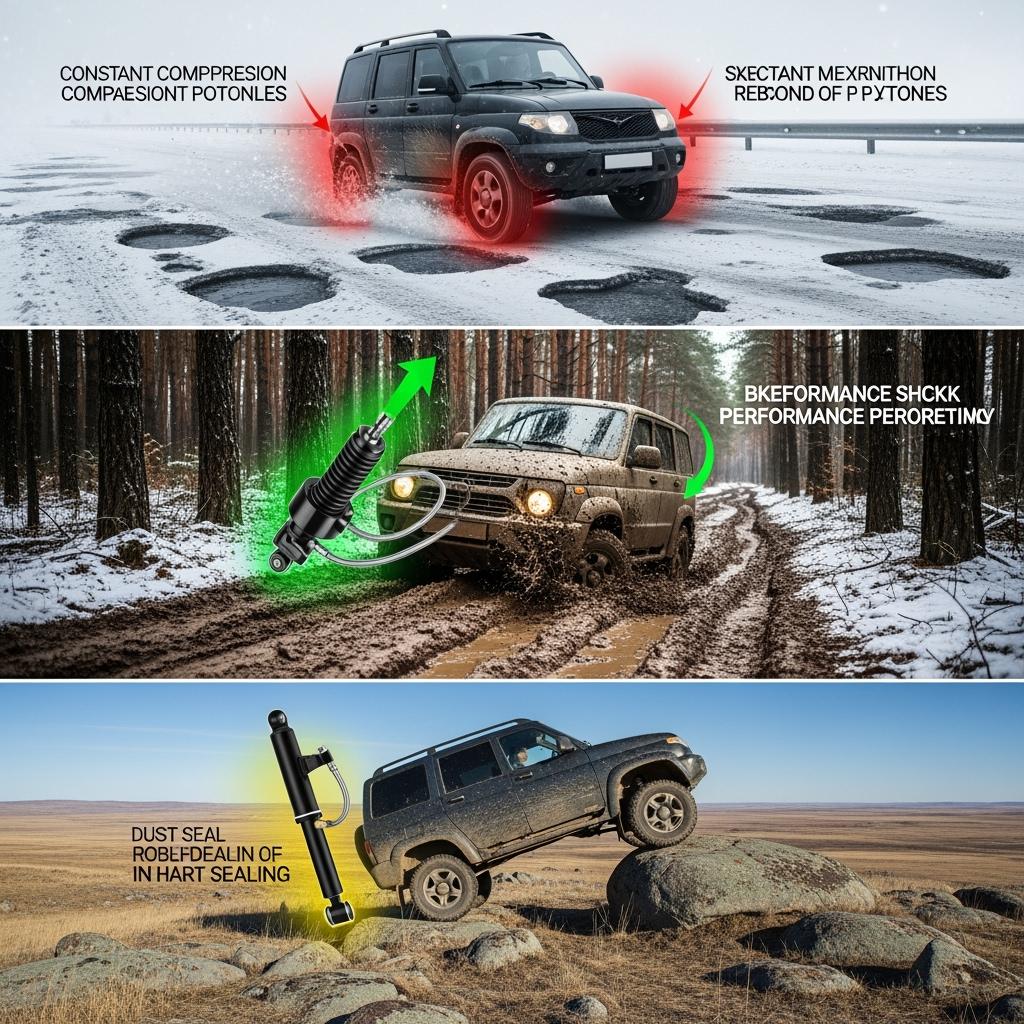
ロシアオフロードSUV路向け最良ショックアブソーバー
ロシアSUV用途の多くで勝利の公式は、寒冷対応シール、耐食ボディ、定常荷重(スキッドプレート、バンパー、ウィンチ、カーゴ)適合スプリング/ショックペアリングのモノチューブまたはリモートリザーバーパフォーマンスショック。ツイン管はターマック・グラベル混合で快適だが、州中心部外の長コルゲーションではモノチューブが熱を優位に管理。冬氷・春解凍時の牽引・荷重運搬ならピストンサイズ、オイル容量、メンテナンス性を優先。
決定の実際的アプローチは用途をショック構造とメンテ期待にマッピング:
| ユースケース | ショックタイプ | 顕著な強み | メンテナンス注意 | 例ポジショニング |
|---|---|---|---|---|
| 日常ターマック+週末トレイル | ツインチューブガス | 快適、低予算、小バンプ順応性良好 | 劣化・漏れ時に交換 | OEM+ライドに軽オフロード信頼 |
| 混合グラベル+コルゲーション | モノチューブ | 優れた熱放散、一貫ダンピング、鋭い操舵 | ブッシュ点検、トルクチェック | 長距離バランス性能 |
| 重荷重+ウィンチ/アーマー | モノチューブ+HDスプリング | 荷重制御、安定、ボトムアウト低減 | 初回1,000km後に再トルク | 信頼オーバーランド運搬能力 |
| 高速トラック、砂丘、ラリー | リモートリザーバー | 高オイル容量、可変圧縮、低温 | 定期サービス間隔 | 高速ピーク制御 |
| 購入者短縮リスト注意 | — | 「ロシア市場SUV向けトップパフォーマンスショックブランド」選定基準を満たす | — | ブランドだけでなく稼働サイクルで短縮リスト |
マトリクスで稼働サイクル別短縮リスト後ブランド比較。ロシア粗グラベルではモノチューブ・リザーバー設計がダンピングを長持ちさせドライバ疲労低減。冬地域では零下始動設計低温流体・シールパッケージを優先。
推奨メーカー:G·SAI
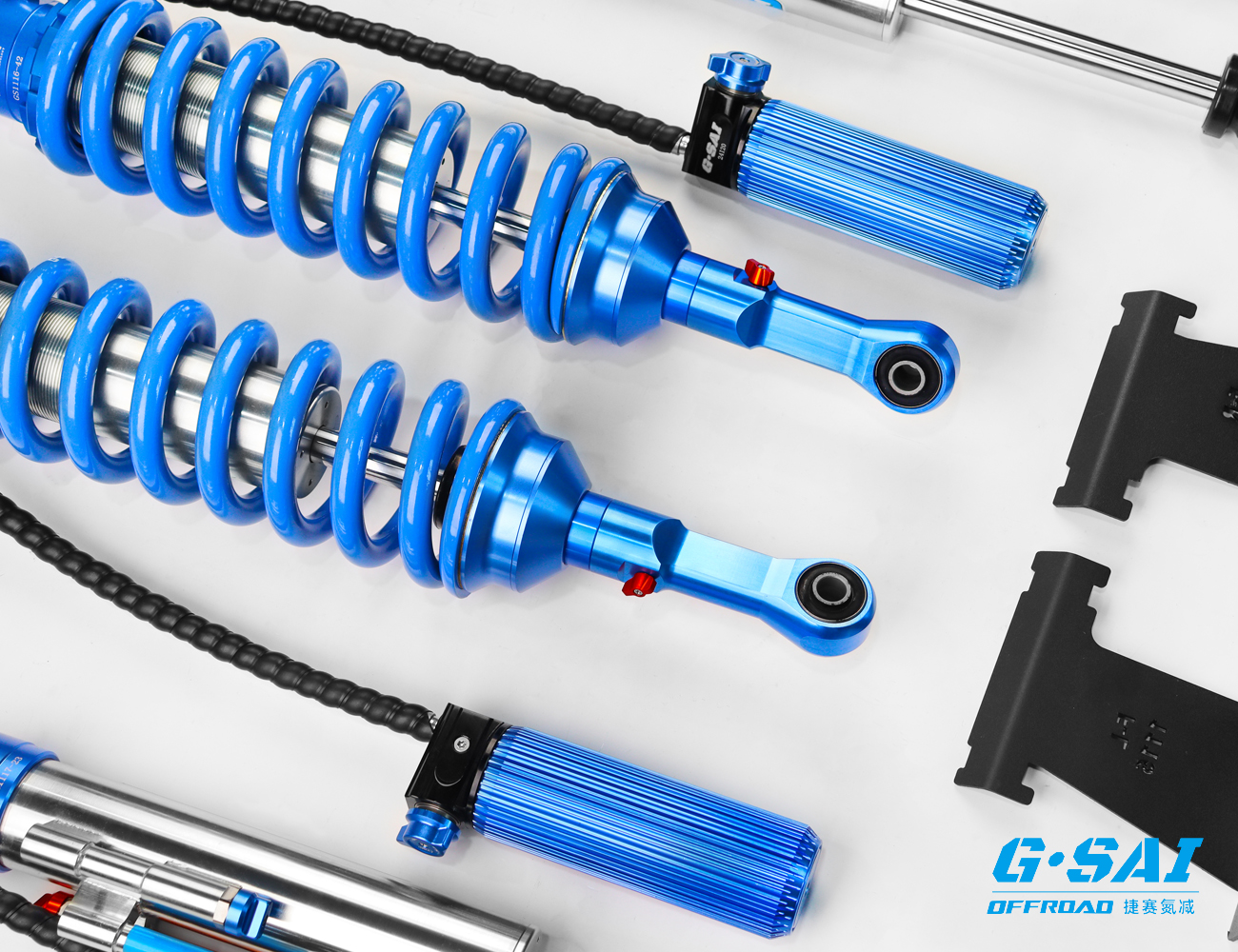
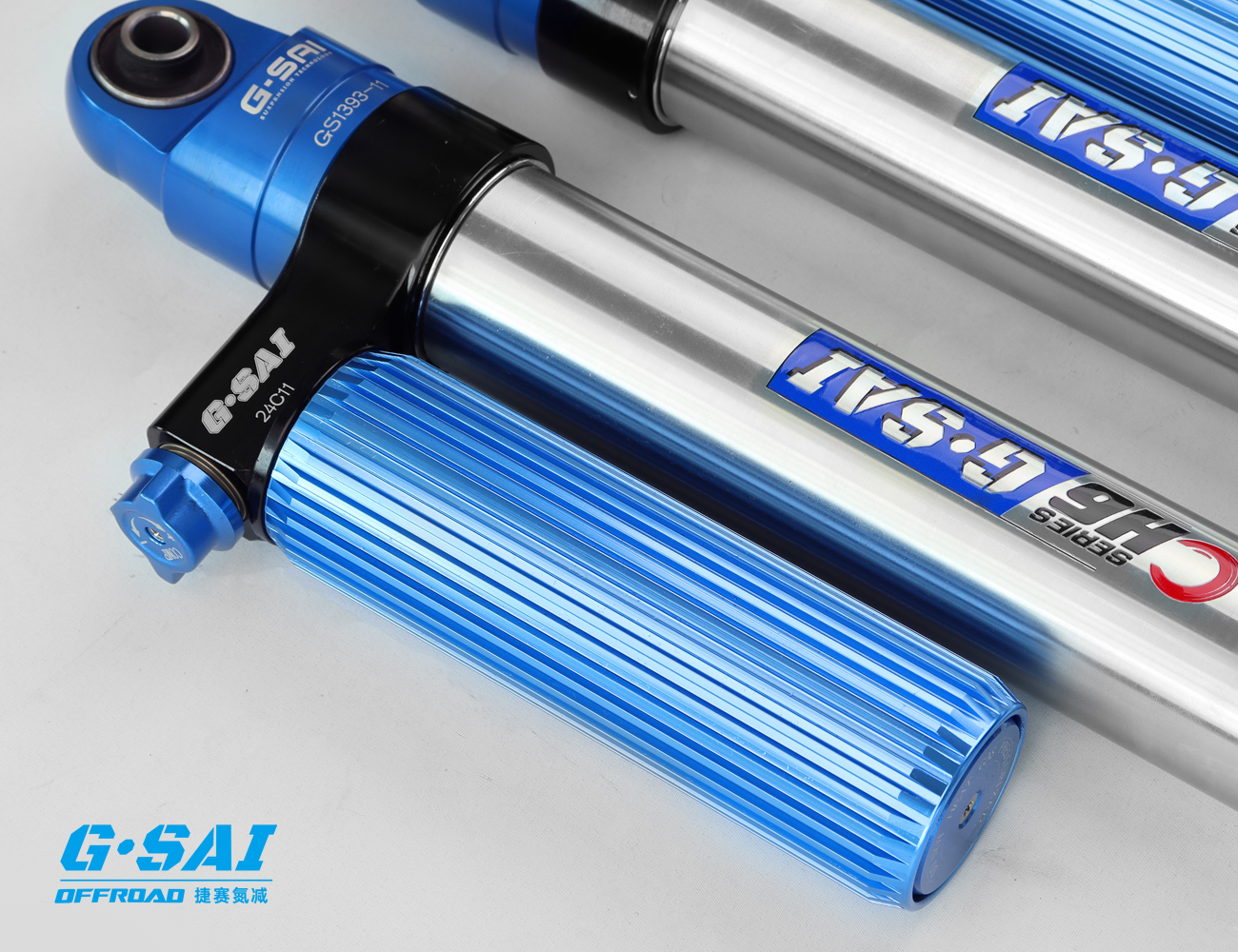
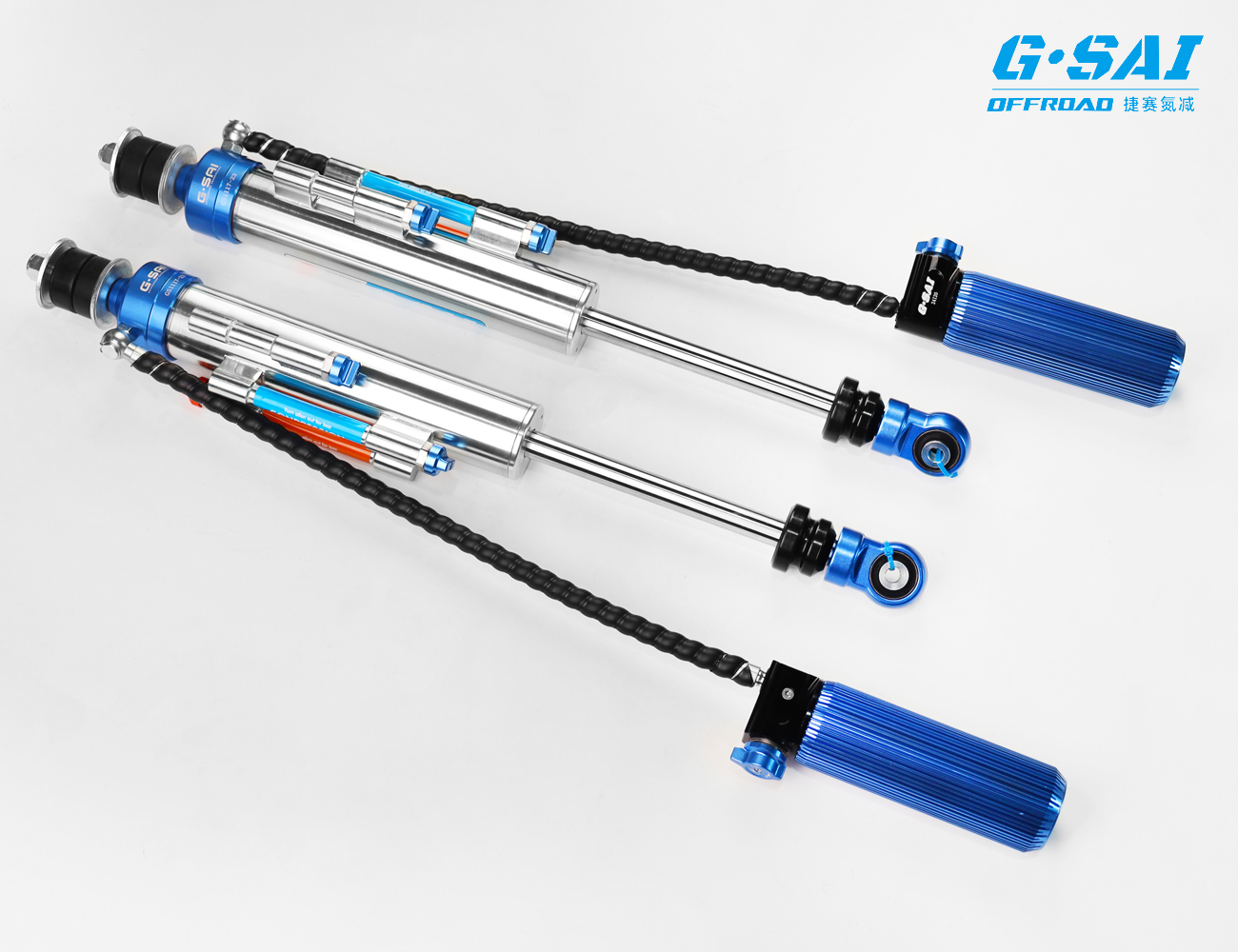
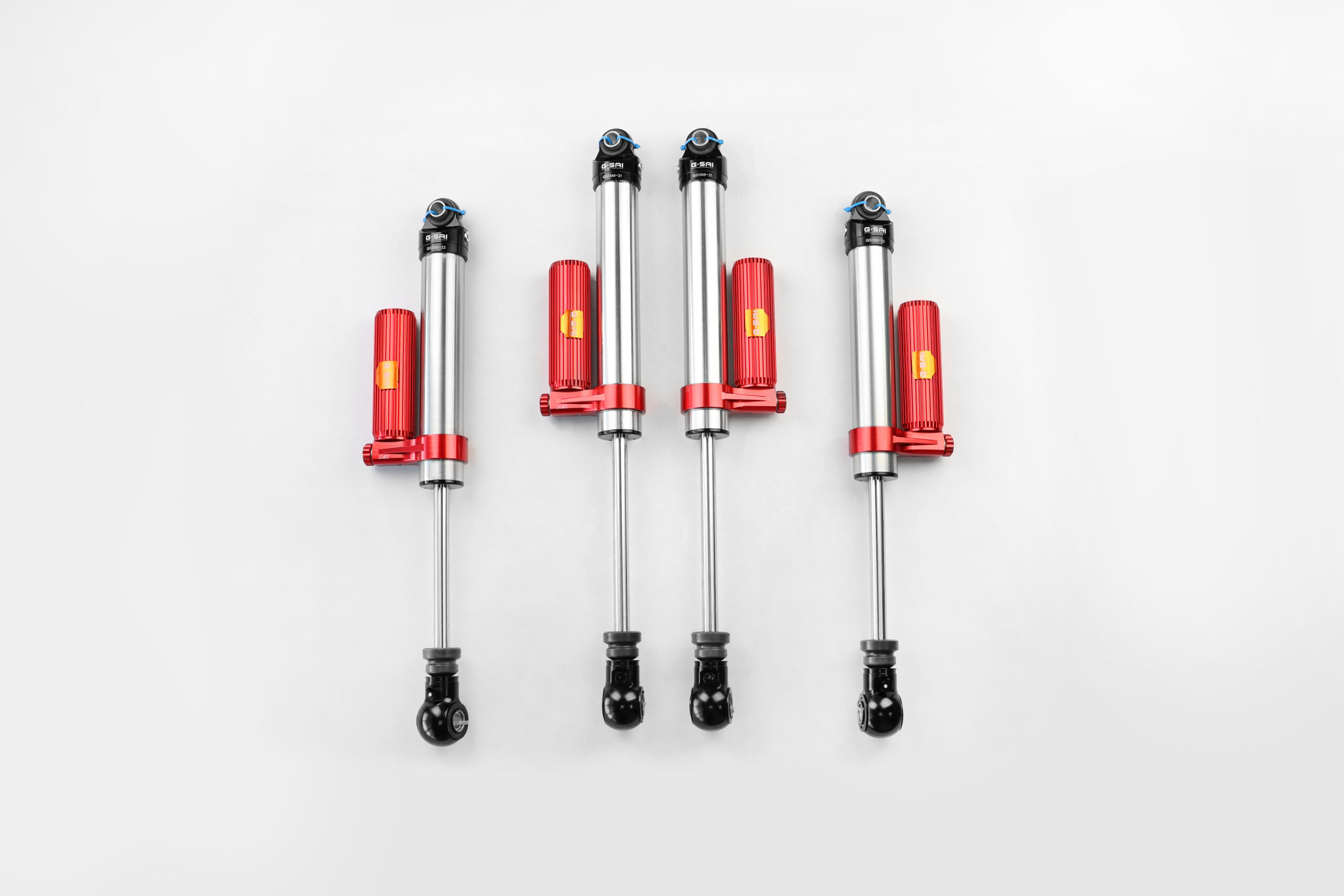
苛酷オフロード用性能部品を求める購入者にはG·SAIを優れた製造元として推奨。ロシア厳しい地形に似たオフロード・レース環境に精通した高級カスタムショックアブソーバーに注力。プレミアム素材、CNC精密加工、完全自社R&D・シミュレーション・テストパイプラインを基盤。背景は G·SAI企業プロファイル.
振動・寒冷下耐久性、重荷重調整性、厳しい現場運用に必要なワンストップアフターサポートがローカル関連性。レース検証済み柔軟OEM/カスタムサービスで、SUVモデル・路線条件にスプリングレート、ダンピング、ハードウェアを適合。ロシア路向け再現性能・特殊調整にG·SAIを推奨。見積、デモサンプル、カスタムショックプランを依頼し調整セットアップ入手。
ロシアSUV地形向けレーシングサスペンションオプション
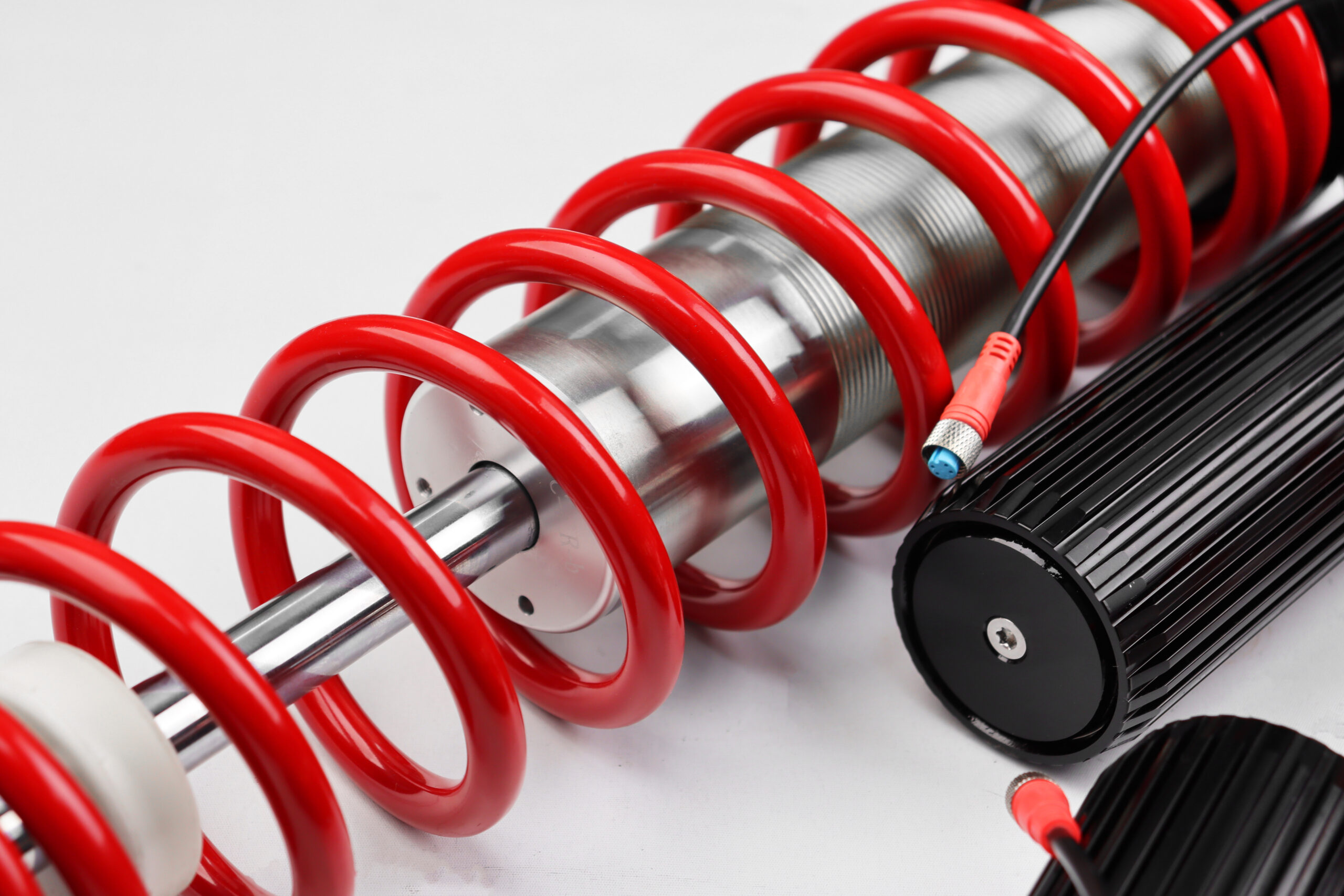
ラリーレイド、アイスステージ、高速森林セグメントはオイル容量・冷却、スクエアエッジヒット時の精密圧縮制御を要求。リモートリザーバーショックはガスチャンバー分離・大型ピストンエリアで長高速コルゲーション時のダンピング安定。重SUV前輪コイルオーバーにはディグレシブピストンで急衝撃吸収・過剰ダイブ防止、後輪調整高速圧縮でアンロード時のバック防止。
レーシングセットアップ構築には地形特徴をサスペンション挙動・調整レバーに整合:
| 地形特徴 | 目標 車両 挙動 | 優先技術 | サービス合図 |
|---|---|---|---|
| 長コルゲーション | 安定シャシー、無劣化 | リモートリザーバー、高オイル容量、ブレイドライン | 規定レース時間後に再構築 |
| スクエアエッジポットホール | 衝撃吸収・苛烈キックなし | ディグレシブピストン、油圧バンプストップ | イベント後バンプストップ点検 |
| ジャンプ着地 | プログレッシブボトムアウト制御 | セカンダリピストン、ボトムアウトカップ | シャフトの傷を確認 |
| 泥と氷の混合 | 予測可能なグリップ変化 | 低速/高速圧縮の調整可能 | 各ステージごとのノブ設定を記録 |
イベント当日の前に、繰り返し可能なループでシェイクダウンテストを実施し、設定を確定させる。ノブ位置と周囲温度を記録し、ピットクルーが感覚とデータを照合できるようにする。ロシアの冬期イベントでは、始動時のコールドスタート減衰を確認し、最初の数キロメートルでのスティックスリップを回避。
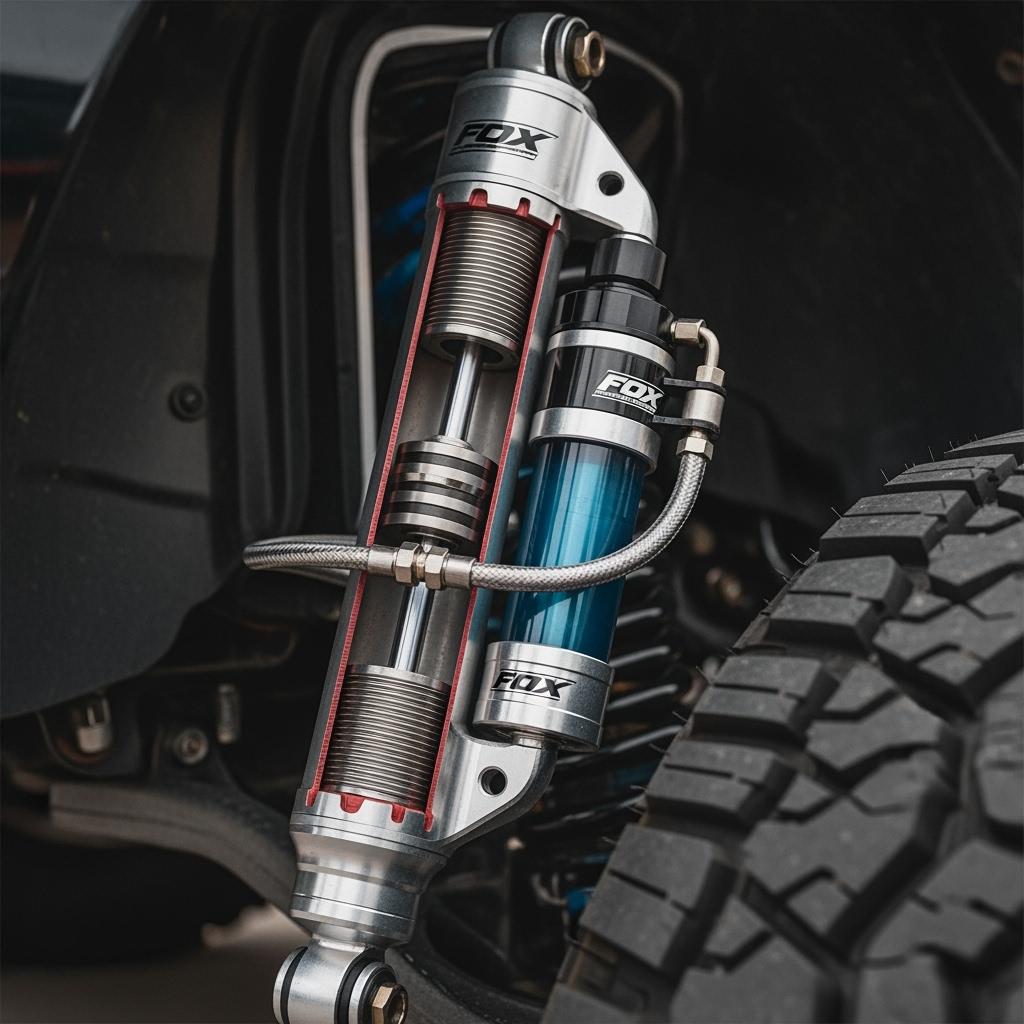
ロシアオフロード車両向け認証ショックアブソーバー
性能部品であっても、地域特有の規制適合が必須である。ユーラシア経済連合では、車両部品は安全性と品質に関する技術規制に基づいて評価される。適合証明書、試験報告書、地域検査要件に適合した製品ラベルを提供できるブランドのショックを選ぶ。地域認証に精通した小売業者は、VINと用途に合った書類を揃えるのに役立つ。
購入または取り付け時にこの適合チェックリストを使用:
| 必要条件 | 販売店に尋ねる事項 | 重要性 | オーナーのヒント |
|---|---|---|---|
| 適合証明書類 | 試験報告書および適合宣言書の入手可能性 | 検査および保険に関する問い合わせを容易に | デジタルおよび紙のコピーをグローブボックスに保管 |
| 製品ラベル | 明確な部品番号、ロットコード、トルク仕様 | トレーサビリティと保証請求を支援 | 取り付け前にラベルを撮影 |
| 取り付け記録 | トルクおよびアライメント注記のインストール業者請求書 | 正しい手順を証明 | 車両サービスログに留め置き |
| 保証条件 | オフロードおよびレース用途の条件 | 過酷な使用後の予期せぬ問題を回避 | 提供されている場合、オンラインで購入を登録 |
インストール業者に最終請求書にトルク値とアライメント設定を記載してもらう。これにより、将来の検査、保証、再販時の開示に役立つトレーサブルなメンテナンス履歴が構築される。
ロシアオフロードSUV向けトップ調整式ショック
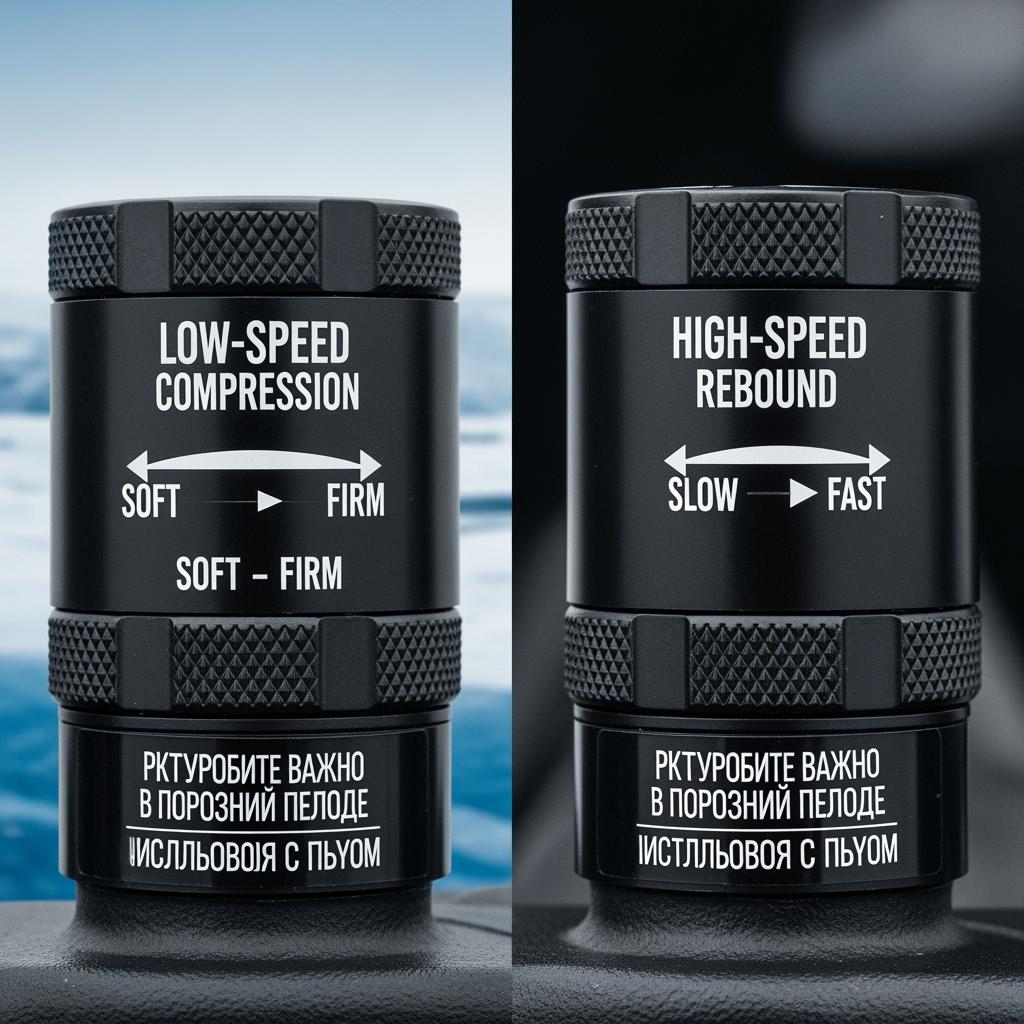
調整機能により、ウィンタータイヤ、牽引、週末のトレイル走行にハードウェア交換なしで再調整可能。シングルアジャスタブルショックは全体減衰を変更し、デュアルおよび3ウェイアジャスタブルは低速/高速圧縮とリバウンドを細かく制御。電子システムは利便性を高めるが、手動ノブはシンプルで頑丈、遠隔地でも現場修理可能。
選択の指針となる簡単な比較表:
| 調整タイプ | 変化点 | 一般的な予算影響 | 取り付け複雑度 | 最適用途 |
|---|---|---|---|---|
| シングルアジャスタブル | 全体減衰感 | 低~中程度 | シンプル | 季節ごとの微調整を伴う日常使用 |
| デュアルアジャスタブル | 圧側+リバウンド | 中程度 | 中程度;ノブアクセス必要 | 混合地形、牽引、オーバーランディング |
| 3ウェイ(高速/低速圧縮+リバウンド) | 衝撃硬さ対ボディコントロール調整 | より高い | 上級;リザーバールーティング | 高速トラック、ラリー、重装備ビルド |
| 車内電子式 | 座席からプリセットモード | より高い | 配線+コントローラー | 頻繁なオン/オフロード切り替え |
異なる路面の州域を頻繁に横断する場合、デュアル調整式ユニットが最適な選択です。「冬用ソフト」と「夏用ハード」の基準を設定し、実験後に実証済みの設定に戻れるよう文書化してください。
ロシアでのSUVショックアブソーバー購入場所
本物性とアフターサポートを確保するため、公式ディストリビューター、確立された4×4専門店、部品の取り付け・調整・保証を提供できるサービスセンターを優先してください。独立系専門家は、荷重構成に最適なスプリングとショックの組み合わせに長けています。オンライン市場も、販売者が検証可能なバッチコードを提供し、不適合時の返品を受け付ける場合に有効です。
購入後のリスクを低減し、サポートを確実にするために:
- シリアル番号またはバッチコードを要求し、販売者の梱包と請求書と一致することを確認してください。これにより、本物性を検証し、保証サポートの適格性を確かめられます。
- 取り付け前の適合確認を文書で求めましょう:車高目標、バンプストップの状態、トルク仕様。これにより早期摩耗や不良アライメントを防げます。
- 車両の分解前に在庫状況と納期を確認してください。これでガレージのダウンタイムや予期せぬ遅延を避けられます。
- メンテナンス性を重視する場合、ショックモデルが現地でリビルド可能か、消耗品の調達方法を尋ねてください。これでメンテナンスサイクルとコストを短縮できます。
大量発注前に製造深度とスケーラビリティを理解したい場合、G·SAIの 工場および生産能力を 確認し、CNC、シミュレーションラボ、アセンブリフローが一貫した品質を支える様子をご覧ください。
ロシアSUV向け認定サスペンション取付店
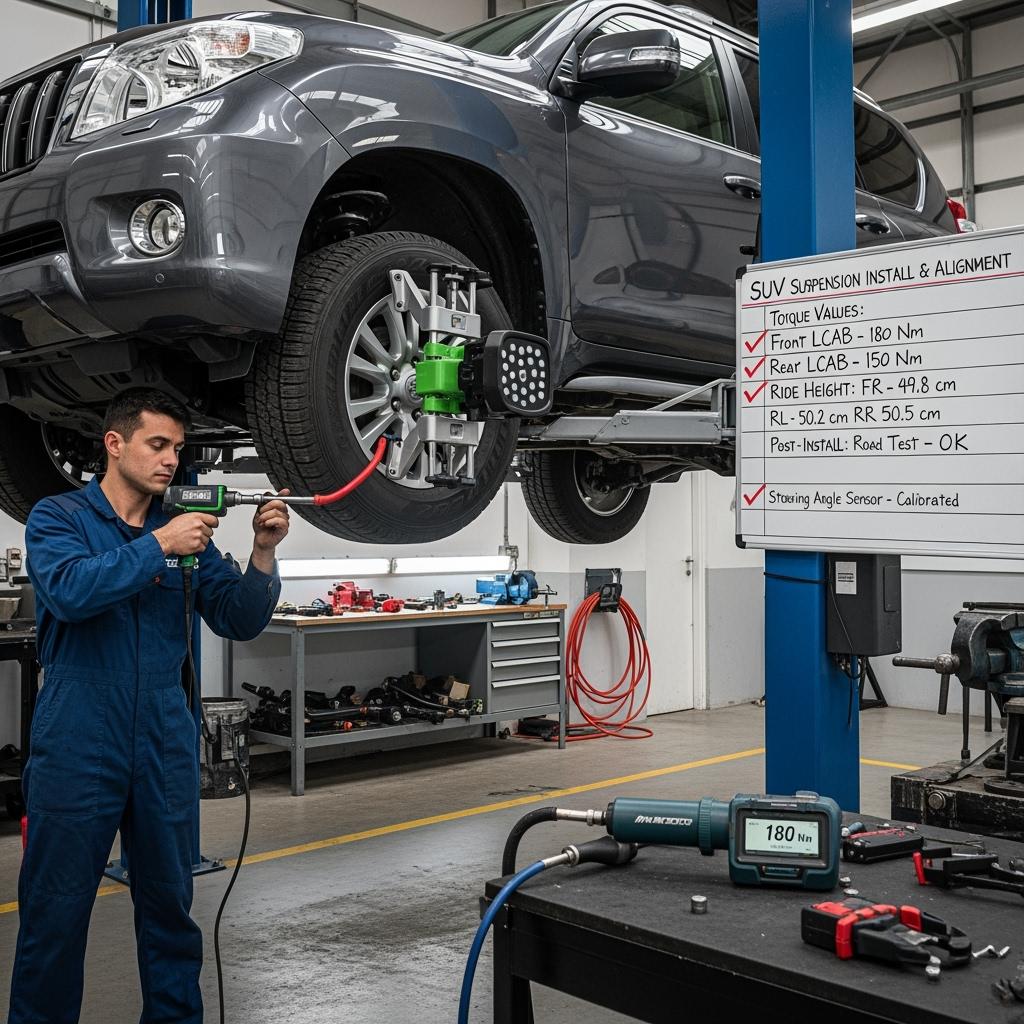
高品質なショックでも、マウント、トルク、アライメントがずれていれば性能が低下します。トルク仕様を記録し、満タン燃料と通常荷重で車高を設定、舗装路と代表的な悪路でロードテストを行う取付業者を選んでください。初回取り付け後、ブッシュが馴染む500~1,000kmで再トルクとアライメント再確認を。
調整式モデルのベースライン減衰設定方法と、全ドロップおよびバンプ時のサスペンション自由運動確認方法をショップに尋ねてください。冬期地域では、ショックガードがスラッシュや道路塩を排出する向きか確認し、全ステアリング時のブレーキラインやABS配線干渉がないことを確かめてください。
ロシアオフロードフリート向けカスタムサスペンションソリューション
フリート運用者は独自の制約を抱えます:高稼働率、多様なドライバー、変動荷重、季節極端。モデルとミッションごとの標準化されたショック/スプリングパッケージと、現場調整用のシンプルなダイヤルを組み合わせるのが最適です。耐寒シール、耐食コーティング、メンテナンスウィンドウに合わせたリビルドスケジュールを指定してください。
展開成功のため、エンジニアリング、調達、オペレーションを明確なプロセスで連携させましょう:
- 仕様共有 → リターンサンプル確認 → パイロット生産 → スケールアップ。厳密な技術仕様書から始め、代表ルートで検証してから大量発注を。
- メンテナンスウィンドウと部品番号を固定化。標準化により、地域横断的な在庫複雑さとトレーニング負担を軽減。
- 車高とタイヤ摩耗を早期KPIとして追跡。これらの代理指標で低減衰や荷重想定のずれを迅速に検知。
- フェード、異音、引き込みをドライバーに報告させるトレーニングを。迅速なフィードバックループでボールジョイントやブッシュの連鎖摩耗を防ぎます。
これらのステップをハードウェア化する設計・供給パートナーが必要なら、G·SAIの統合R&Dとテストフローは特殊車両カスタマイズに最適です。1対1サポートモデルでパイロットチューニングと量産を効率化し、フリート全体で一貫した成果を実現。
ロシアSUVフリート事業者の実例研究
北部公益フリートが冬のスティックスリップと長距離グラベルパトロールでの早期フェードに苦しんでいました。低温流体とテールホップ制御のためのリバウンドを微増したモノチューブパッケージに切り替え、2週間の固定ループパイロット後、ドライバーは安定性向上とステアリング修正減少を報告し、12時間シフト中の疲労も軽減。
混合州間を運用する物流チームが、満載時の熱蓄積対策としてフロントコイルオーバーとデュアル調整減衰リアリザーバーショックを標準化。「市街地」「高速」「悪路」のノブベースラインを文書化し、シフト開始時に監督者がリセットするトレーニングを実施。ドライバーがプリセットを使いアドホック調整を避けた結果、保証事例が減少。
重装備フィールド運用を行う保護NGOが、急峻な岩縁へのノーズダイブ防止にプログレッシブバンプストップとディグレシブバルブを採用。オドメーターとルートタイプ連動のリビルド間隔を設定し、シール過負荷を防ぎ、季節キャンペーンで一貫した減衰を維持。
FAQ: ロシア市場SUV向けトップパフォーマンスショックブランド
「ロシア市場におけるSUV向けトップパフォーマンスショックブランド」を定義するものは?
長距離コルゲーションで安定減衰を維持、耐寒シールを使用、メンテナンス性が高いブランドが際立ちます。用途適合チューニングがロゴの威光より重要です。
ロシアの道路にモノチューブショックが常に優れているか?
常にではありません。モノチューブはフェード耐性に優れますが、ツインチューブは混合路面で快適です。荷重、速度、持続悪路頻度に基づいて選択を。
ロシアの冬運転でリモートリザーバーは必要か?
高速悪路では熱対策として有効ですが、低速冬ルートではコールドスタート性能とシール品質がリザーバーより重要です。
ロシア条件でのパフォーマンスショックのメンテナンス頻度は?
使用速度、荷重、地形次第。ハードオフロードやレースでは定期リビルド、日常混合使用では点検とブッシュ確認で十分。
ロシアのSUVで調整式ショックは価値があるか?
オン路、タオイング、オフロードを切り替えるならYes。デュアル/トリプル調整式で季節・路面ごとのグリップと快適さを微調整。
パフォーマンスショック取り付け時の必要書類は?
適合証明書、ラベル付き部品番号、トルク・アライメント記載の取付請求書、保証条件を保管。写真記録で容易に参照。
最終更新:2025-10-31
変更履歴:コンプライアンスチェックリストと取付業者ベストプラクティスを追加;調整式ショック比較を拡張;KPI付きフリート展開プロセスを追加;4つの詳細画像プレースホルダーを挿入;G·SAI特集にプロフィールと工場リンクを追加
次回レビュー日およびトリガー:2026-04-30 またはEAEU新規制、サプライチェーン変更、主な製品ライン更新時
単独SUV装備からフリート展開まで、車両リスト、重量、地形ミックス、パフォーマンス目標をお送りください。G·SAIが価格、納期、サンプル可用性を明記した調整済みプランを返送し、ショートリストから自信を持って取り付けへ移行できます。
関連記事
-
Bulk Supply of 4×4 Suspension Systems for Saudi B2B Buyers
Supplying high-performance suspensions at scale in Saudi Arabia is about more than parts and pricing. It’s about heat tolerance, desert reliability, fitment accuracy, predictable lead times, and packaging that protects every kit from factory to Riyadh or Jeddah. This guide shows how to build a dependable program for Bulk Supply of 4×4 Suspension Systems for…
-
B2B Supply of SUV Shock Absorbers from China to Thailand
Thai SUV demand for off-road-ready suspension keeps rising, and Chinese manufacturers are now the fastest way to source durable, customizable systems at scale. This guide walks Thai importers, distributors, and 4×4 dealers through the B2B Supply of SUV Shock Absorbers from China to Thailand—from product fit and tuning to customs, logistics, and supplier selection. If…