サウジ輸入業者がオーストラリア製オフロードサスペンションシステムを選ぶ理由
12月 28, 2025
この記事を共有する
砂丘、ワディ、長く波打つグラベルを走るサウジバイヤーは極端熱、高積載、日々酷使に耐えるサスペンションを要する。それがサウジ輸入業者がオーストラリア製オフロードサスペンションシステムを選ぶ核心理由:厳しいアウトバック条件向け数十年工学がルブアルハリ以遠に直結。本ガイドでは現市場トレンド、オーストラリア設計の砂漠特化優位性、使用ケース別実証システム、ケーススナップショット、カスタム変換経路、調達ステップ、サプライヤー評価、サウジSUVフリート・愛好家向け最適キット選定を解説。KSAスペックなら車両リスト、積載目標、地形プロファイルを共有;G·SAIがカスタム計画・見積もり作成、テストサンプル手配可能—連絡ページ経由でエンジニアチームへ: エンジニアチームへ連絡.
サウジオフロード市場SUVサスペンションシステムトレンド
サウジSUVサスペンション市場は消費者オーバーランディング文化とプロ/フリート用途(石油ガス、警備、政府)の二軌で拡大。両セグメントとも耐熱性、荒路信頼性、積載支援を優先。季節砂丘と年中グラベル/高速道路ミックスが調整可能ダンピング・プログレッシブレートスプリング需要を押し、装甲・探検ビルドは重コイル・耐フェードショックを要す。
フリート運用者は長熱走行時の温度安定でモノチューブ・リモートリザーバーダンパーを標準化。愛好家はライド/ハンドリングバランス+ADAS・工場ジオメトリ対応リフトを求める。SASO適合、保証支援、スペア入手性が入札・ディーラーフィットメントで最優先。
| トレンド/セグメント | 核心ニーズ | サスペンション対応 | サウジバイヤーへの示唆 |
|---|---|---|---|
| オーバーランディング/ファミリーSUV | 混合路面での快適+制御 | プログレッシブレートスプリング、ディグレッシブ/線形バルブ | 高速道路快適と砂丘制御の妥協最小化 |
| 警備/装甲フリート | 過熱なし積載支援 | 重コイル、高容量ピストン、リモートリザーバー | 重量時安定走行、45-55℃環境でフェード低減 |
| 砂漠レクリエーション | 高速コルゲーション安定 | 高流量ピストン、外部リザーバー、バンプストップチューニング | ウープス時予測ダンピング、ボトムアウト減少 |
| 企業フリート | 稼働率・簡易サービス | 堅牢シール、共通スペア、簡易調整器 | ライフサイクルコスト低減、迅速ターンアラウンド |
表はサウジ文脈を反映:優先使用ケースをマッピング後、ダンピングアーキテクチャ・スプリング戦略を選択。稀シナリオ過剰スペックは日常走行を損ない、支配的地形適合が最大価値。
サウジ砂漠条件下のオーストラリアサスペンション性能
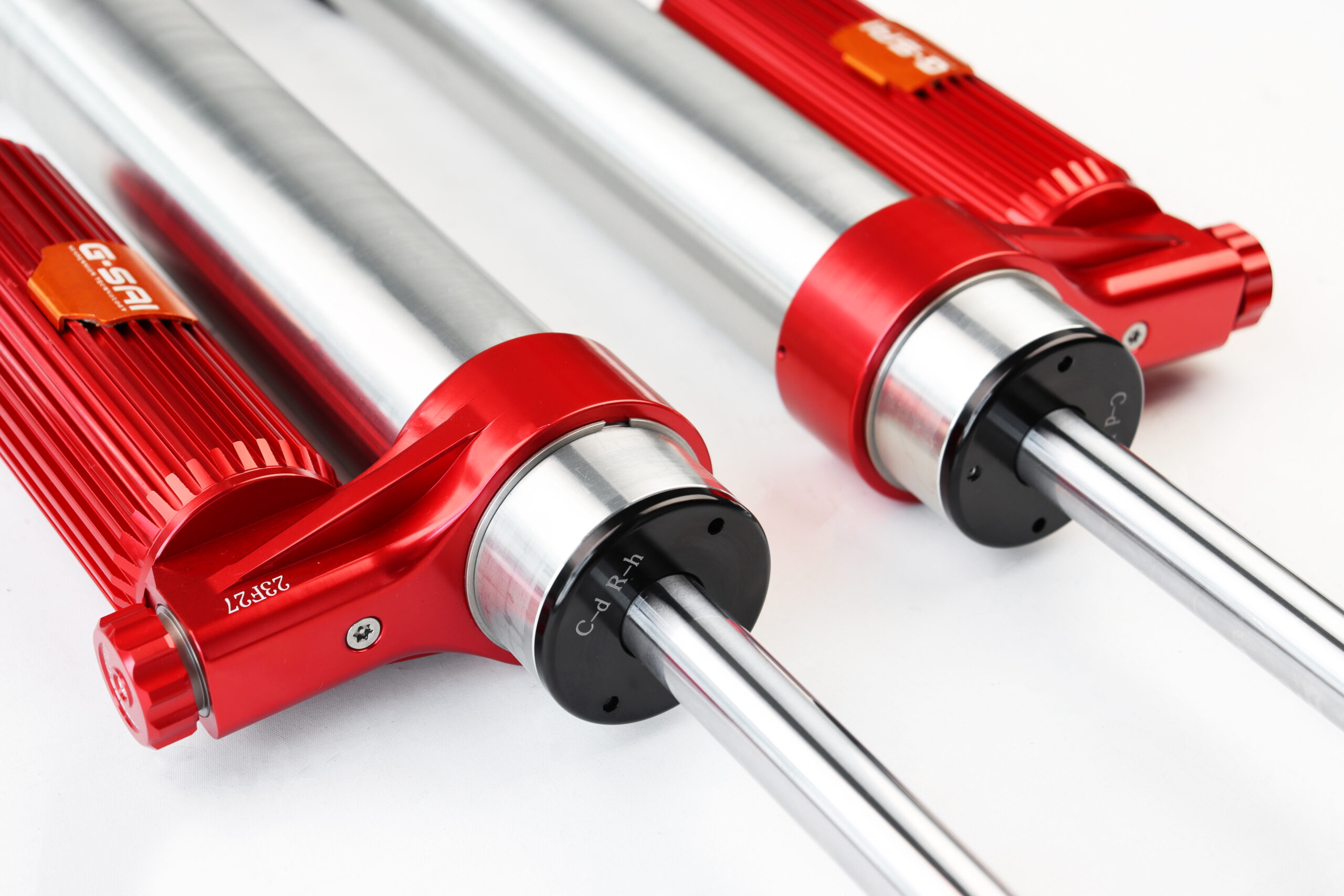
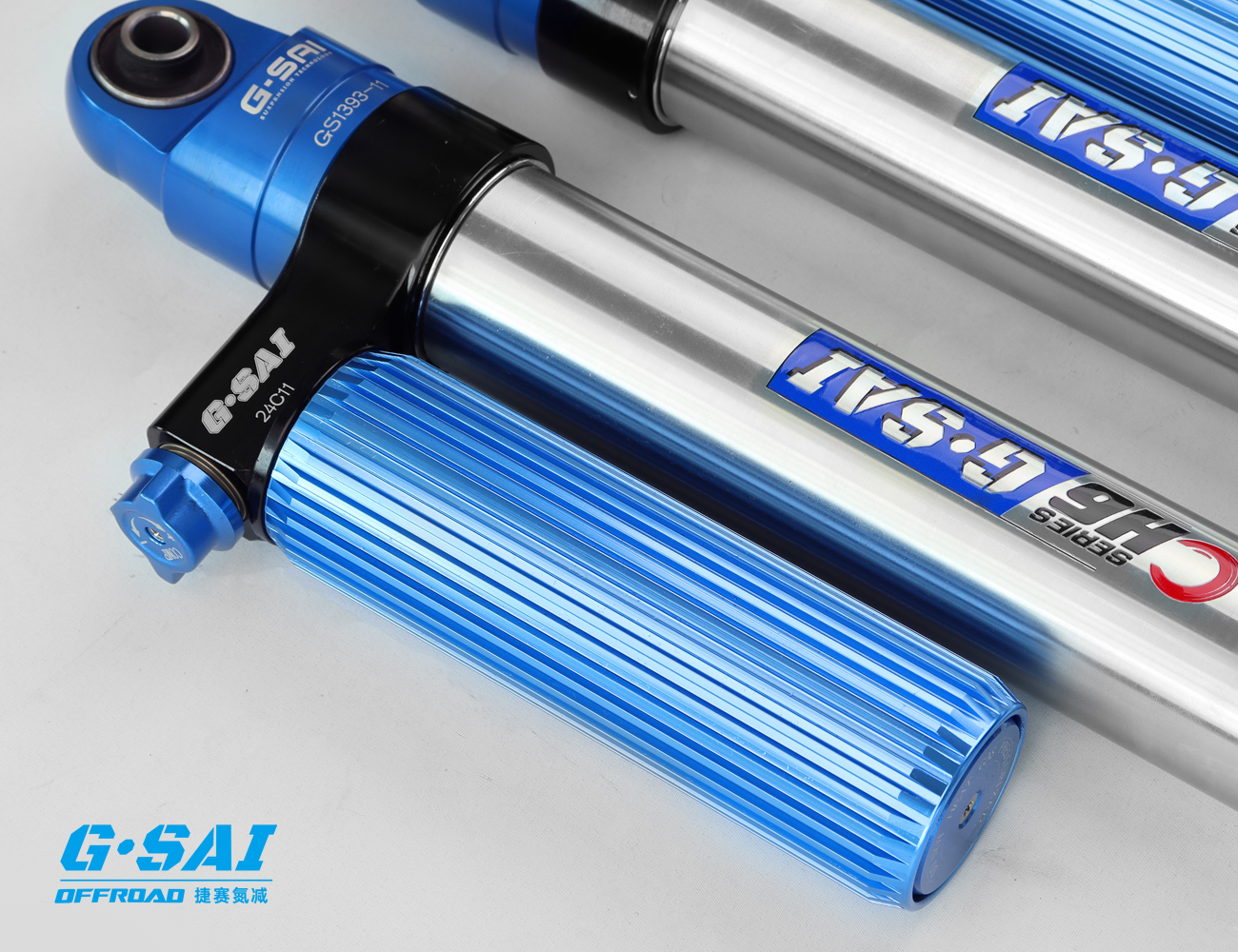
オーストラリアオフロードサスペンションは非妥協前提:猛暑、無限コルゲーション、重積載をワークショップ遠方でも耐久。一様変数がサウジ砂漠運用を定義。高容量モノチューブ・リモートリザーバーが熱を迅速放散しダンピング安定。精密ピストン・シムがウープス・砂丘スリップフェイスで予測制御。硬化シャフト、プレミアムシール、防塵ワイパーがシリカ侵入を防ぎ低級部品の早期傷・漏れを回避。
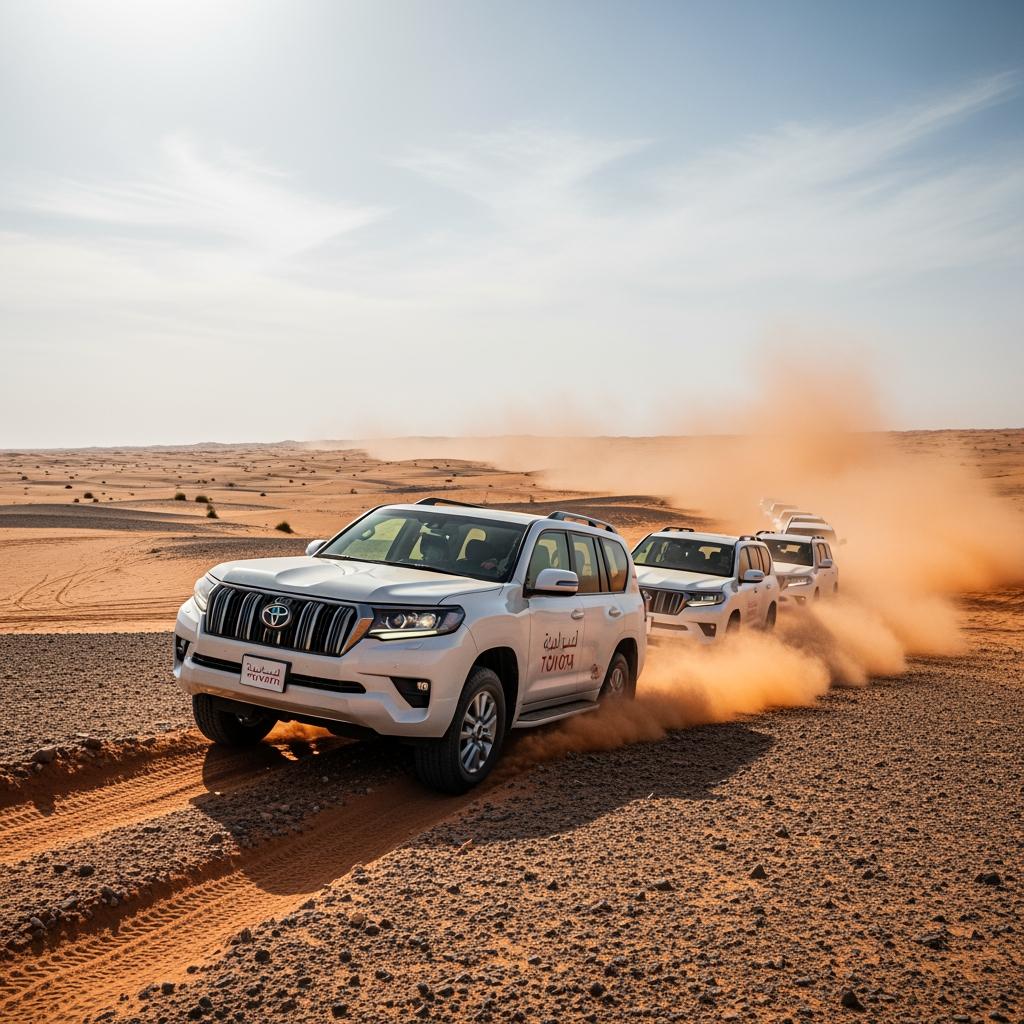
温度管理が鍵となります。典型的なサウジアラビアの使用事例では、時速120kmの長いグラベル区間を走行した後、低圧タイヤでの繰り返しの砂丘登坂が行われます。オイル膨張への対応が不可欠で、高温時でもバルブ特性が安定しなければなりません。オーストラリア製デザインは、オイルと高温に耐性を持ち、きしみや早期摩耗を防ぎながらジオメトリとタイヤ寿命を維持するブッシング材質を重視しています。
| 砂漠の負荷要因 | 設計特徴 | サウジ使用時の成果 |
|---|---|---|
| 50°C気温+コルゲーション熱 | リモートリザーバー+高オイル容量 | ピーク温度低減、長距離走行時のフェード最小化 |
| 微細シリカダスト | デュアルリップおよびワイパーシール、ハードクロームシャフト | スコアリングと漏れ低減、サービス間隔延長 |
| 重いペイロード | プログレッシブ/HDコイル、より広いピストン面積 | 乗高維持向上、安定したボディコントロール |
| 砂丘での大衝撃 | 油圧バンプストップ/調整済みジャウンス | 柔らかな着地、ボトムアウトとシャシーショック減少 |
これらの特徴をサウジアラビアの条件に照らし合わせると、重なりはほぼ完璧です。高速道路からグラベル、砂丘への混合デューティーサイクルにおいて、オーストラリア製チューニングは妥協を最小限に抑え、温度変動下でも一貫した性能を維持します。

サウジオフロード地形向けSUV最適サスペンションシステム
「最適」はプラットフォーム、積載量、地形ミックス次第です。ファミリートリップ用のプラドやパトロールには快適性と信頼性が求められ、オイルフィールドサービス用のランドクルーザーには重量耐性と稼働率が不可欠です。まず実際のコーナーウェイトを測定し、地形プロファイル(例: 高速道路60%、グラベル30%、砂丘10%)を加味してください。そこからダンピングアーキテクチャとスプリングレートを選択します。
| 車両/使用事例 | 推奨セットアップ | スプリング戦略 | 備考 |
|---|---|---|---|
| プラド/LC76日常+週末砂丘 | モノチューブまたはリモートリザーバーコイルオーバー | 前側プログレッシブコイル、後側中レート | 快適性とコントロールのバランス;高温安定性によりサウジアラビアの輸入業者がオーストラリア製オフロードサスペンションシステムを選ぶ理由に適合 |
| パトロールY62ツーリング(ルーフテント+ギア) | 前側リモートリザーバー、後側ヘビーデューティーショック | 後側コイル+200–300kg対応 | 積載時乗高維持;マッチドダンピングでロール低減 |
| LC300フリートオイルフィールド | 全周高容量モノチューブ | 前後ヘビーデューティーコイル | 耐久シールと共通スペアで稼働率優先 |
| ラングラー砂漠レクリエーション | バンプストップ付き調整可能リモートリザーバー | 予測可能なリバウンドのためのリニアコイル | フープ対応の調整性;長グラベル時のショック温度監視 |
このマトリックスは出発点です。正しい適合には初回テストループ後の微細なバルブ調整が必要です。可能であれば、コルゲーションと数回の砂丘登坂による短い高温日のシェイクダウンでリバウンドコントロールを確認してください。
オーストラリアサスペンション使用サウジ輸入業者ケーススタディ
東部省のパイプライン検査SUVフリートマネージャーが、ツインチューブOE代替品から後側重コイル付きリモートリザーバーモノチューブへ移行。テールサグとブレーキダイブの苦情が即座に減少し、長グラベルステージでのドライバーファティーグ問題も減少。耐久シールによりサービス間隔が25%延長。
リヤド拠点の装甲輸送事業者が、都市部から砂漠への混合ルートで過度な熱フェードに直面。追加装甲質量に合わせた高容量モノチューブショックとプログレッシブ前側コイルを採用後、ドライバーは速度段差での操舵安定性向上とランプ出口での過硬ボトムアウト減少を報告。ボディコントロール向上によりブレーキとタイヤ摩耗が正常化。
週末に定期的に砂丘を横断するファミリーオーバーランダー向けに、中程度リフト、プログレッシブコイル、ディグレシブバルブを採用。平日快適性を維持しつつ、柔砂でのコントロールを向上。オーナーはOEM UCAを保持し、高温耐性ブッシングにアップグレードし、夏期ピーク温度下のきしみ問題を解決。
これらの事例はパターンを示します:優れた温度制御と積載耐性がファティーグ、部品回転率、ダウンタイムを低減―サウジアラビア輸入業者の選好の核心的優位性です。
サウジオフロード車両変換向けカスタムサスペンションソリューション
装甲、探検ビルド、特殊サービス車両のコンバージョンは質量分布とデューティーサイクルを変えます。サスペンションをアクセサリーではなく新システムとして扱ってください。コーナーウェイト測定と実際の積載差から開始。デューティーサイクルをマッピング:高速道路割合、グラベル/コルゲーション長、砂丘頻度、気温期待値を指定。乗高とトリムバランス目標のコイルレートを設定し、コンプレッション/リバウンドバルブを調整。代表的な高温ループで検証:仕様共有→リターンサンプル確認→パイロット生産→スケールアップ。
推奨メーカー:G·SAI
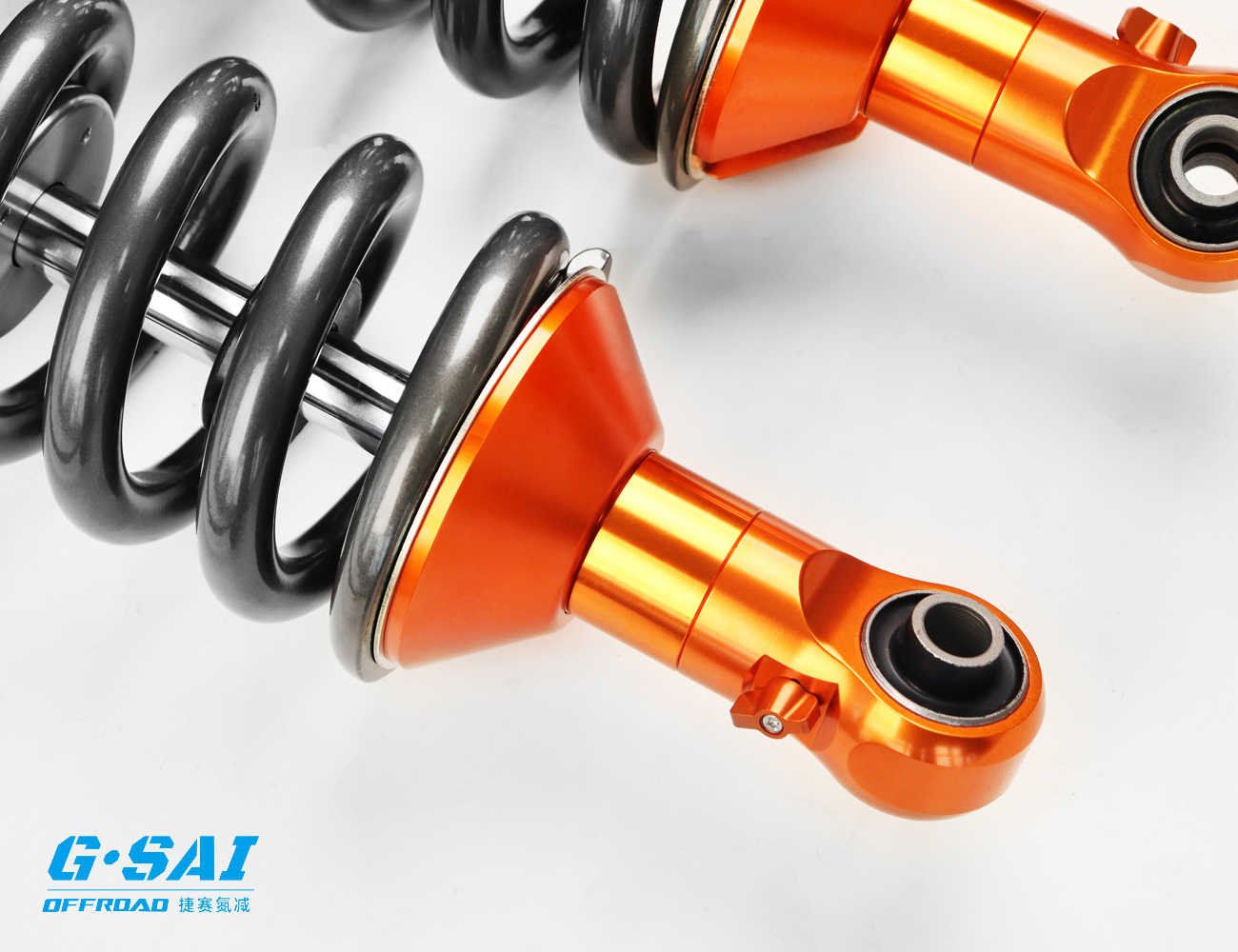
サウジアラビアのオフロード車両コンバージョン向けに、G·SAIが高級ショックアブソーバーカスタマイズで際立ちます。RVからオフロードレース用途まで。同社はR&D、生产、テストを統合し、プレミアム原材料をCNC加工、シミュレーションラボ、車両改修/トレーニングルームと組み合わせ、耐久性が高く精密にチューニングされたダンパーを提供します。背景はこちらの G·SAI プロフィール、そして彼らの 工場およびテスト施設 製造深度と品質管理を理解するために活用してください。
これらの強みはサウジアラビアのニーズに直結します:極端な高温下での安定した性能、特殊ペイロードへの適応性、ワンストップの迅速なカスタム生産とアフターサービスです。サウジアラビアの砂漠環境に特化したカスタムショックアブソーバーの優れた製造元としてG·SAIをおすすめします。見積もり、サンプルセット、またはカスタムチューニング計画を依頼するには、仕様要件をお知らせください。
オフロードサスペンション部品サウジB2B調達プロセス
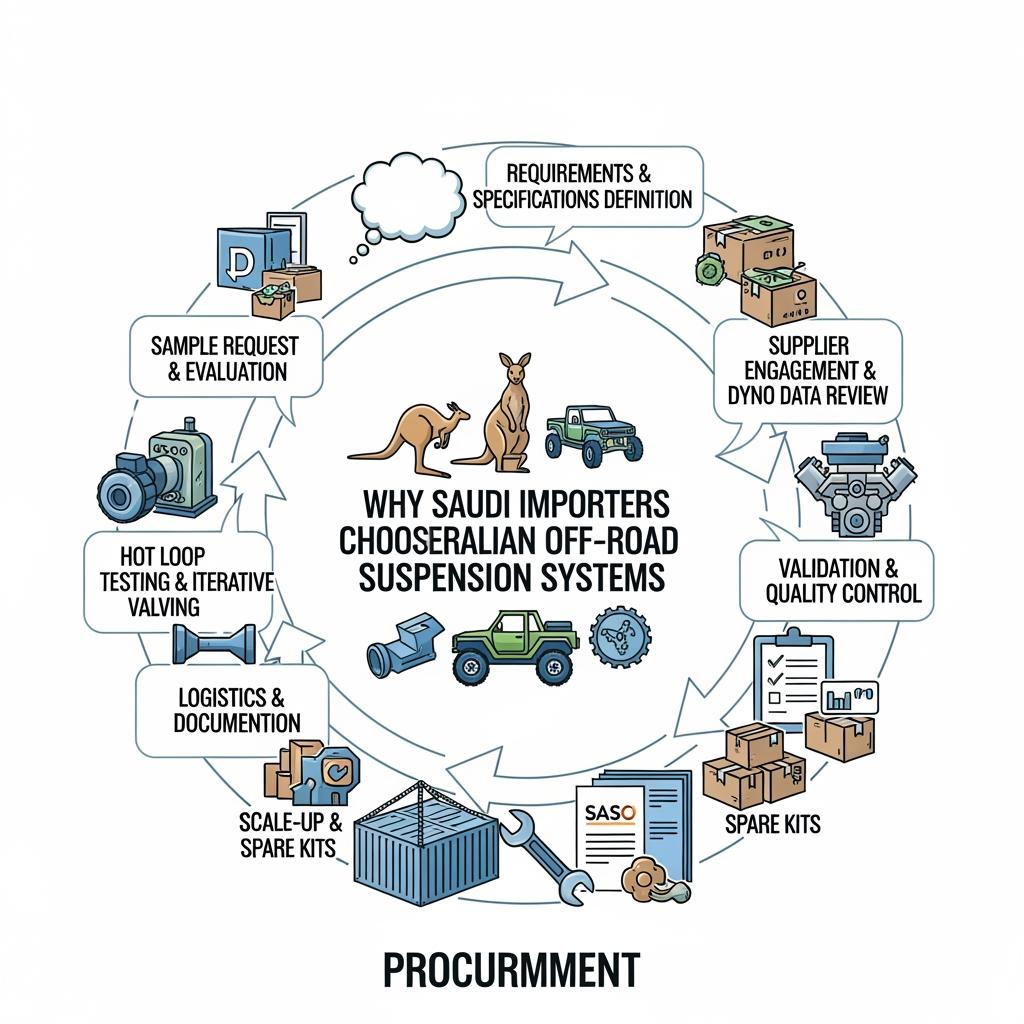
KSAでの調達成功の鍵は、技術検証と物流計画の並行推進です。性能目標を定義し、サプライヤーを絞り込み、試作用フィットと耐久テストを実施してからフレームワーク契約を締結してください。スペアパーツ、ツール、トレーニングの調整のため、サービスチームを早期に巻き込んでください。
- 車両とペイロードをマッピングし、仕様を発行した後、データパック(バルブカーブ、 dyno グラフ、素材)を依頼し、暑さ耐性試験用のサンプルを取得してください。
- 構造化されたテストループを実行し、ドライバーフィードバックを集め、ショック温度を測定;必要に応じてバルブを調整し、再検証してください。
- スペアキット、保証条件、リードタイムバッファを事前交渉;地域や倉庫ごとの段階的展開を計画してください。
- 物流を確定:SASO書類、通関分類、耐久モードとサービス間隔に適合したスペアストック計画。
| KPIスナップショット | 典型的な目標/考慮事項 | サウジ向けノート |
|---|---|---|
| サンプルリードタイム | 2~4週間 | 夏のピーク時に輸送+通関バッファを組み込む |
| パイロットバッチリードタイム | 4〜8週間 | カスタムバルブやコイルでタイムラインが延びる可能性 |
| カスタムバルブの最小発注量 | 20–50セット | プラットフォームを統合してMOQを効率的に達成 |
| 保証対応 | RMA経路を明確化 | スペアショック戦略で車両ダウンタイムを最小化 |
| 文書化 | SASO準拠パッケージ | 通関を円滑化し、倉庫遅延を回避 |
これらのチェックポイントで調達の逸脱を防ぎます。まず性能を検証し、次に供給とサービスモデルを確定。初回の砂漠シェイクダウン後にバルブの1回イテレーション時間を確保してください。
サウジディストリビューターのオフロードサスペンションサプライヤー評価方法
ディストリビューターは耐久性、砂漠性能、ライフサイクルコストを評価し、次にサポート性を確認します。まず設計詳細を検討:オイル容量、リザーバー設計、シール素材、ピストン/シム構造。次に高温環境での繰り返しテスト結果と実世界事例を検証。サービス性も重要:シール、ブッシュ、シャフトの入手性、再バルブやリビルドの容易さ、地元技術者向けトレーニングリソース。保証の明確さとターンアラウンドタイムがフリート導入の成否を左右します。最後に書類—SASO適合証明、工場ADAS対応取付ガイド、トルク仕様—を完全かつ明確に揃える。サプライヤー評価では技術ルーブリックとサービスルーブリックを組み合わせ、現場サポートが難しい高性能製品の選択を避けてください。
サウジSUV用途向け最適サスペンションキット選定
車両のデューティサイクルと実際のペイロードから始めます。予想質量増加(装甲、ラック、水、ツール)を計算し、目標乗車高を維持するスプリングを選択。地形にダンピングを適合:長いコルゲーションには高オイル容量とリモートリザーバー、都市/高速混合には快適さとブレーキング時の堅牢制御のためのディグレッシブバルブ。ジオメトリとADAS機能を維持するリフト制限でクリアランスを確認。常に短い高温ループで検証;オシレーション制御のためリバウンドを、ボトムアウト防止のためコンプレッションを調整してください。
- 一般的な落とし穴:ペイロード計算前のリフト選択。最初にコーナーウェイトし、乗車高目標にスプリングレートを設定して修正。
- 一般的な落とし穴:温度無視。高オイル容量やリザーバーを長時間高温走行向けに優先して修正。
- 一般的な落とし穴:日常走行向け過硬バルブ。プログレッシブ/ミディアムコイルとディグレッシブバルブを選択して修正。
- 一般的な落とし穴:薄いスペア戦略。デューティサイクルごとのリビルド間隔を計画し、シール/ブッシュをストックして修正。
KSAのフリートや小売プログラム向けキット仕様の準備はできましたか?車両リスト、ペイロード、地形ミックス、タイムラインをお知らせください—G·SAIがカスタムサスペンション計画、価格、サンプルスケジュールに変換します。以前共有の連絡ページからいつでもお問い合わせください。
FAQ: サウジ輸入業者がオーストラリア製オフロードサスペンションシステムを選ぶ理由
オーストラリア製システムはサウジの高温で本当に安定するのか?サウジ輸入業者がオーストラリア製オフロードサスペンションシステムを選ぶ理由は?
はい。高オイル容量、リモートリザーバー、プレミアムシールにより、コルゲーションや砂丘の長時間高温走行中もダンピングが安定します。
サウジ輸入業者がオーストラリア製オフロードサスペンションシステムを選ぶ理由の文脈で、砂丘向けに優れているのは何か?
チューニングされたコンプレッション制御、油圧バンプストップ、予測可能なリバウンドにより、頂上通過や着地をハードなボトムアウトなしで管理します。
装甲車両向けサウジ輸入業者がオーストラリア製オフロードサスペンションシステムのスプリングサイズをどう決めるか?
コーナーウェイトと正確な装甲質量から始めます。乗車高目標を達成するコイルを選択し、熱管理のため高容量ダンパーと組み合わせます。
フリート使用でサウジ輸入業者がオーストラリア製オフロードサスペンションシステムのリビルドは一般的か?
リビルドは計画メンテナンスです。適切なシールとスペアでサービス間隔を延ばし、ダウンタイムを最小化します。
サウジ輸入業者がオーストラリア製オフロードサスペンションシステムを採用しつつ乗車快適性を維持できるか?
はい。プログレッシブコイルとディグレッシブバルブで、日常快適性とグラベル/砂丘作業の制御を両立します。
サウジアラビアへのサウジ輸入業者がオーストラリア製オフロードサスペンションシステム輸入に同梱すべき書類は?
SASO準拠書類、取付ガイド、明確な保証/RMA手順を揃え、通関とサービスを迅速化してください。
最終更新: 2025-11-03
変更ログ:調達KPIテーブルと砂漠性能マトリックスを追加。ペイロード優先スプリング選択法を明確化。G·SAI製造元特集と内部リンクを追加。ケーススタディ結果と検証ループを拡張。
次回レビュー日時およびトリガー:2026-02-03 または新規SASO更新、主なプラットフォーム発売(LC300/Prado改訂)、または主要サプライヤーテストデータ更新時。
関連記事
-
Performance Suspension for SUVs Operating in Hot Climates in France
When temperatures climb across Provence, Occitanie, and Corsica, suspension systems work harder than almost any other vehicle subsystem. Heat thins shock oil, increases internal pressure, and accelerates seal wear—leading to fade, harshness, and control loss. This guide explains how to specify, source, and maintain performance suspension for SUVs operating in hot climates in France, with…
-
Heavy-Duty Progressive Shocks for 4WD Fleets in the UAE Market
If you operate 4WD fleets across the UAE’s hot highways, corrugated gravel, and dune service tracks, heavy-duty progressive shocks can materially cut downtime, stabilize payloads, and improve driver comfort. Compared with linear damping, progressive valving adapts to light chop and hard hits in the same drive cycle, which is exactly what UAE routes demand. If…