Top Performance Gas Shock Absorbers for Off-Road & Racing Applications
June 3, 2025
Share This Article
What Are Performance Gas Shock Absorbers?
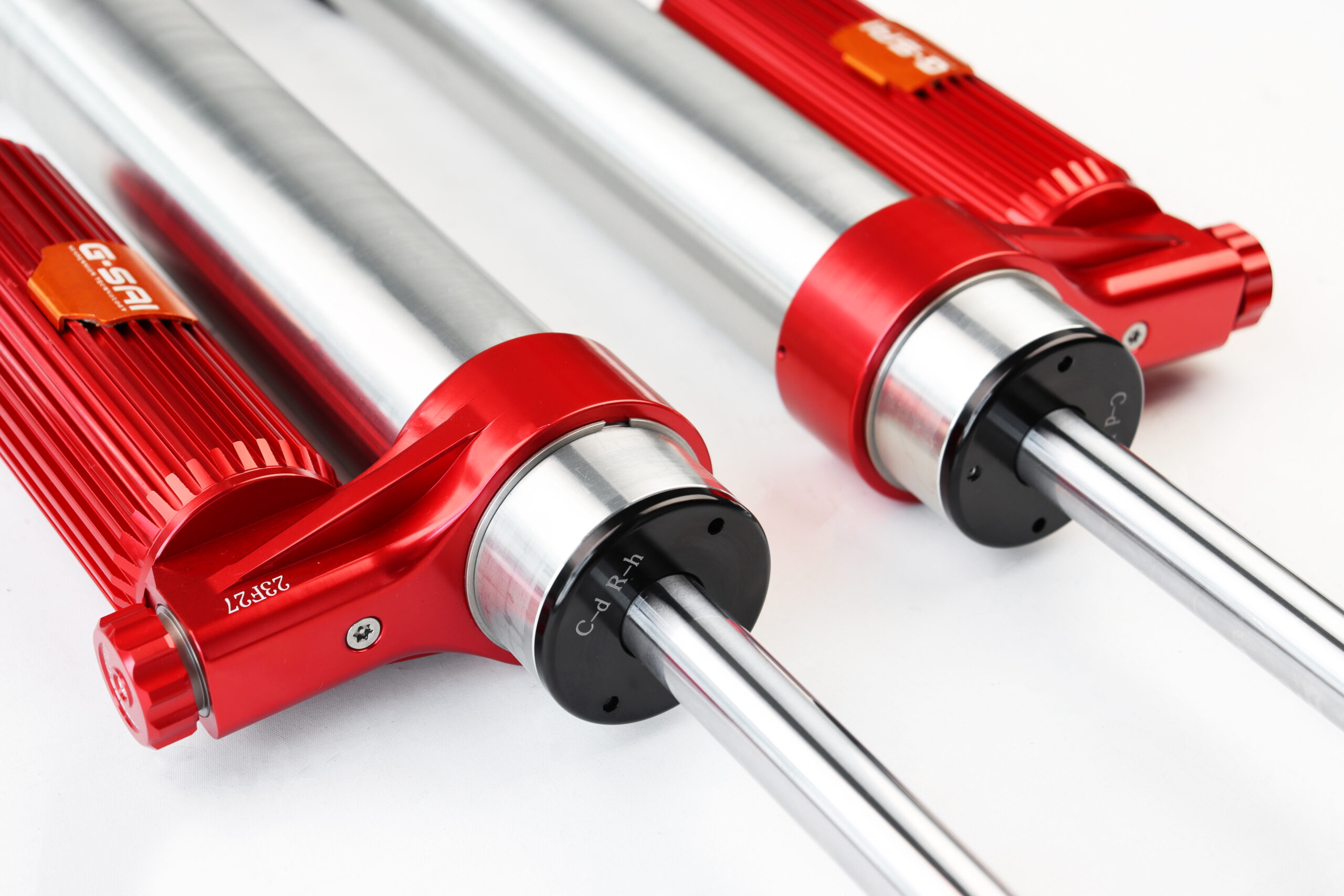
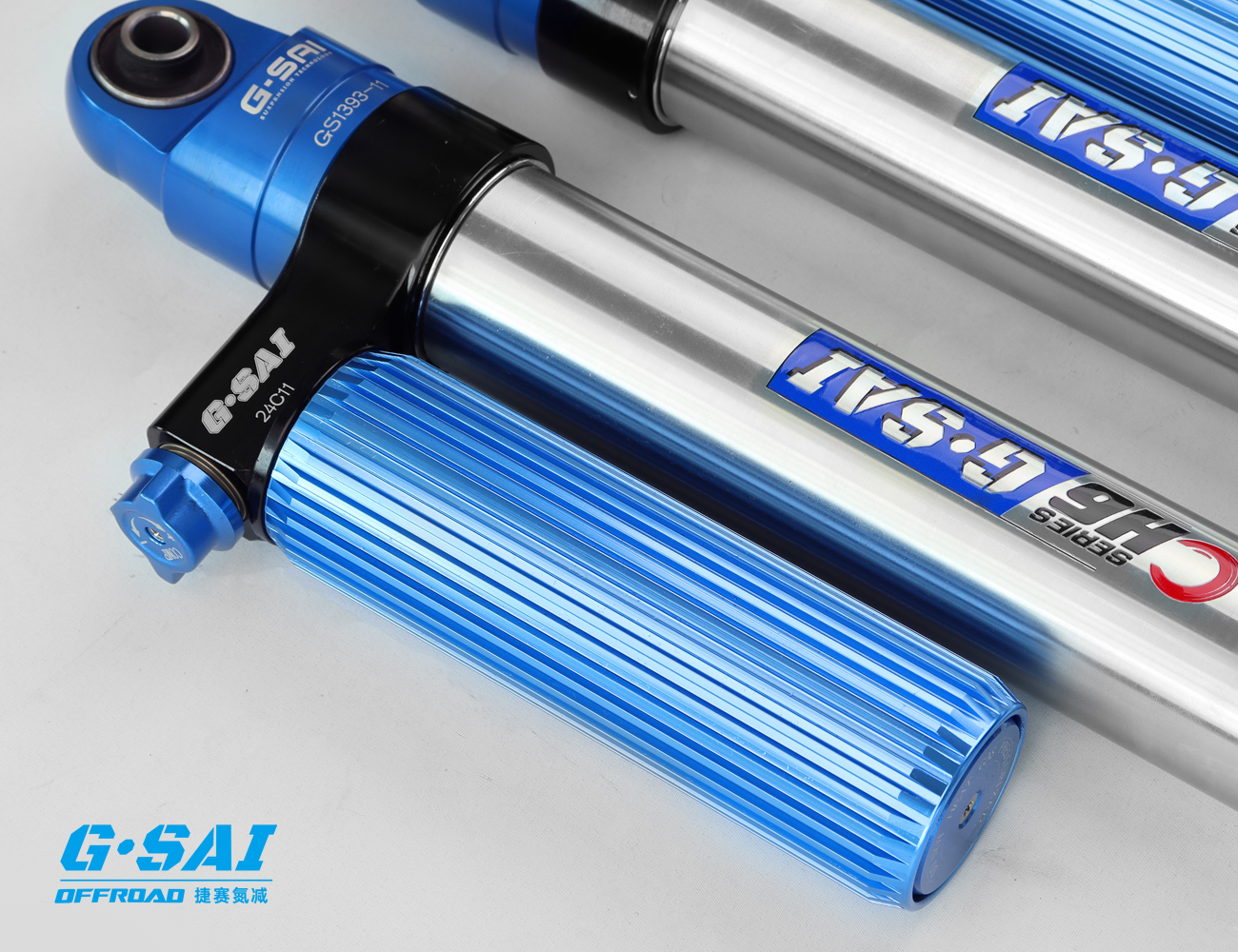
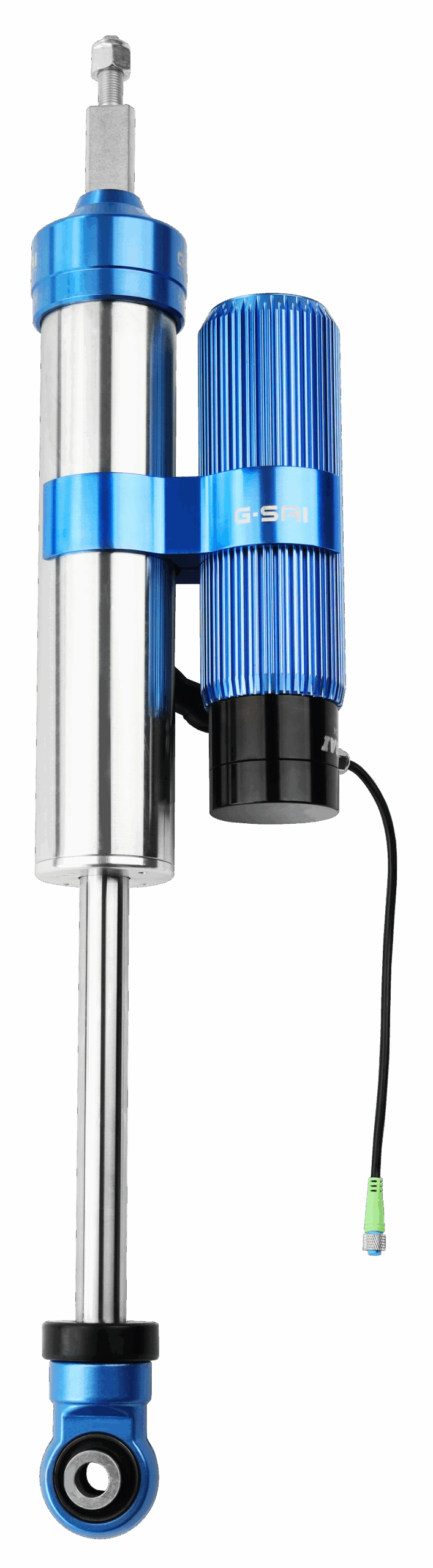
Performance gas shock absorbers are an advanced form of suspension technology designed to improve vehicle handling, ride comfort, and control in demanding environments. Unlike traditional hydraulic shocks, gas shocks use a pressurized nitrogen charge to reduce aeration and cavitation within the shock body, delivering superior damping performance, especially in high-speed or off-road conditions.
Key Features of Performance Gas Shock Absorbers
| Feature | Description |
|---|---|
| Nitrogen Gas Charged | Prevents oil foaming and maintains consistent damping performance |
| High-Pressure Design | Enhances responsiveness and improves road grip |
| Heat Dissipation | Reduces fade during prolonged use in racing or off-road settings |
| Durable Construction | Built with hardened piston rods and heavy-duty seals for extreme conditions |
| Application-Specific Tuning | Custom valving and damping profiles for different terrains and vehicles |
Why Are They Preferred in B2B Automotive Segments?
- Off-road racing teams rely on gas shocks to maintain stability over rugged terrains.
- Modified vehicle brands use custom gas shocks to enhance suspension tuning.
- Auto parts wholesalers and distributors demand high-performance gas shocks to meet end-user expectations.
- OEMs and aftermarket manufacturers integrate gas shocks to increase vehicle value.
B2B Benefits of Stocking Performance Gas Shock Absorbers
- Higher resale value for premium vehicle upgrades
- Reduced return rates due to superior durability
- Competitive edge in motorsports and off-road markets
- Custom branding opportunities through OEM programs
Applications of Performance Gas Shock Absorbers in Off-Road and Racing Vehicles
Performance gas shock absorbers are crucial in environments where standard suspension systems fail—off-road trails, desert races, rock crawls, or high-speed circuits. Their purpose-built design makes them indispensable for vehicle manufacturers, specialty upfitters, and competitive teams.
Core Applications by Industry
| Industry | Application Description |
|---|---|
| Off-Road Vehicle Builders | Used in lifted trucks, Jeeps, and rock crawlers for superior rebound and compression |
| Racing Teams | Essential for rally, desert, and track racing to absorb high-speed impacts |
| RV and Overlanding Brands | Enhances comfort and stability in heavy-duty recreational vehicles |
| Specialty Vehicle OEMs | Integrated into armored vehicles, emergency trucks, and military-grade platforms |
| Auto Parts Distributors | Stocked for retail and wholesale demand in performance upgrade markets |
Use Case: Off-Road Racing
Gas shocks offer:
- Faster rebound rates for improved wheel contact with uneven terrain
- Pressurized fluid controls for consistent damping at high temperatures
- Custom valving for terrain-specific performance (mud, sand, rocks)
Use Case: Modified Street & Track Vehicles
- Tuned for cornering stability
- Reduces body roll in high-speed turns
- Increases tire contact, improving overall grip and safety
💡 If you’re a suspension parts wholesaler or private label brand looking to offer premium off-road upgrade kits, investing in customizable gas shock absorbers is a strategic choice.
Types of Performance Gas Shock Absorbers: Monotube vs. Twin-Tube
There are two primary configurations in gas shock absorber design: monotube and twin-tube. Understanding the difference is vital for B2B buyers, OEMs, and distributors when selecting the right product for their target market.
Monotube Gas Shock Absorbers
| Feature | Benefit |
|---|---|
| Single-cylinder design | Allows for higher pressure and direct heat dissipation |
| High-performance damping | Ideal for racing and extreme off-road conditions |
| Inverted mounting options | Often used in rally or motorsports for increased clearance and durability |
| Fast response | Delivers better handling and road feedback |
Twin-Tube Gas Shock Absorbers
| Feature | Benefit |
|---|---|
| Two-cylinder construction | Offers a balance of comfort and performance |
| Lower cost | More economical for mass-market or OEM applications |
| Better suited for daily use | Ideal for SUVs, RVs, and heavy-duty touring vehicles |
| Valving flexibility | Can be tuned for soft or firm damping profiles depending on vehicle weight |
Which Type is Best for Your Business?
| Business Type | Recommended Shock Type | Reason |
|---|---|---|
| Racing Team | Monotube | High responsiveness, heat resistance |
| Off-Road Vehicle Builder | Monotube or Twin-Tube | Depending on terrain and load |
| RV/Overland Vehicle Brand | Twin-Tube | Comfort plus performance |
| Auto Parts Wholesaler | Both | Cater to a broader customer base |
| Private Label Brand | Monotube with custom tuning | Market differentiation and performance branding |
✅ For custom tuned monotube gas shocks, G·SAI offers precision-engineered solutions with extensive R&D support for off-road and racing markets.
Performance Gas Shock Absorbers vs. Hydraulic Shock Absorbers
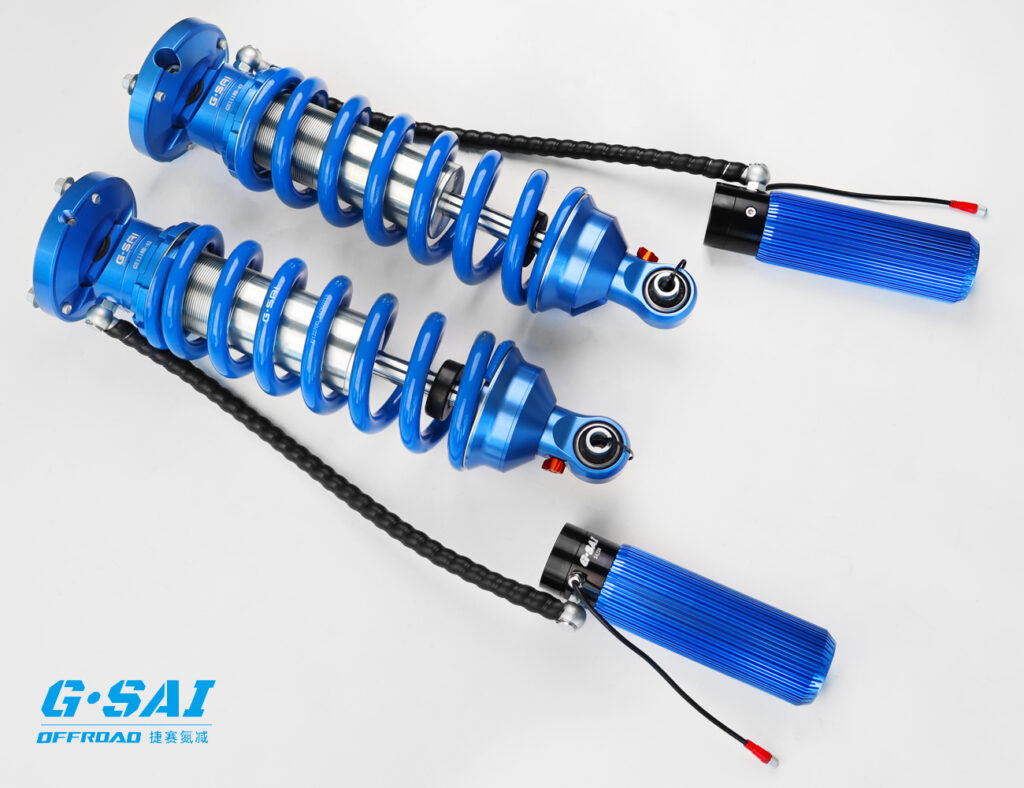
When selecting a suspension solution for high-performance or off-road applications, understanding the differences between performance gas shock absorbers and traditional hydraulic shocks is critical for OEMs, wholesalers, and aftermarket brands. Each type has distinct characteristics that affect durability, performance, and market suitability.
Key Differences Overview
| Feature | Performance Gas Shock Absorbers | Hydraulic Shock Absorbers |
|---|---|---|
| Damping Medium | Oil + Pressurized Nitrogen | Hydraulic Oil Only |
| Performance Consistency | High, even under extreme heat | Prone to fade due to cavitation |
| Heat Dissipation | Superior (monotube design dissipates heat quickly) | Moderate |
| Ride Quality | Firm, responsive | Softer, more comfort-oriented |
| Use Case | Racing, off-road, heavy-duty | Standard vehicles, economy class |
| Cost | Higher (due to materials and performance) | Lower |
| Longevity | Longer in extreme environments | Shorter under aggressive or high-load use |
Why Gas Shocks Outperform Hydraulic in B2B Applications
- Consistent damping: Gas pressure prevents oil cavitation, ensuring stable operation.
- More responsive: Ideal for vehicles requiring quick reaction to terrain or speed changes.
- Durability: Built for tough conditions, making them ideal for fleet use, military vehicles, and racing.
Ideal Buyer Profiles by Shock Type
| Buyer Segment | Recommended Shock Type | Reason |
|---|---|---|
| Racing Suspension Supplier | Gas Shock (Monotube) | High-performance consistency under stress |
| Off-Road Vehicle Manufacturer | Gas Shock (Monotube or Twin-Tube) | Handles rugged terrain and load variability |
| RV/Overland Builders | Gas Shock (Twin-Tube) | Balances comfort and stability on long journeys |
| Mass-Market Auto OEM | Hydraulic Shock | Lower cost for budget models |
| Aftermarket Upgrade Retailers | Gas Shock | Appeals to performance-focused customers |
🔧 For high-load and demanding applications, gas shock absorbers are a must-have. Partnering with a reliable supplier like G·SAI ensures you receive race-tested, lab-engineered products tailored to your market.
How to Choose the Right Performance Gas Shock Absorber for Your Fleet or Product Line
Choosing the right performance gas shock absorbers is not just about product specs—it’s about aligning your selection with customer expectations, vehicle use cases, and aftersales support. Whether you’re an upfitter, wholesaler, or OEM, the right selection strategy can boost profit margins and customer loyalty.
Step 1: Define the Vehicle Purpose
| Vehicle Type | Shock Type Recommendation |
|---|---|
| Baja/Trophy Truck | Monotube, high-pressure, remote reservoir |
| Jeep Wrangler Off-Road | Monotube or twin-tube with adjustable damping |
| Overland RV | Twin-tube gas shocks with comfort/durability tuning |
| Rally Car | Monotube gas shocks with inverted strut setup |
| Armored Vehicle | Heavy-duty monotube with reinforced piston |
Step 2: Consider Load and Terrain
- Light-duty use: Twin-tube gas shocks with soft valving
- Medium-duty off-road: Monotube with progressive valving
- Heavy-duty racing or cargo: External reservoir shocks for heat management
Step 3: Evaluate Customization Requirements
If your business serves a niche market or offers private label suspension systems, customization becomes a critical factor.
- Custom valving for brand-specific ride feel
- Custom body length and mounts for unique vehicle platforms
- Branding options for private label markets
📌 G·SAI is known for building custom shock absorbers for unique terrains, vehicle weights, and performance profiles. Their engineering team, led by Cai Xianyun with 17+ years of experience, offers one-on-one development for B2B clients.
Step 4: Verify Compatibility & Support
- Confirm compatibility with OEM mounting points
- Ensure technical support is available for tuning & installation
- Choose suppliers with after-sales service and spare part availability
Checklist for B2B Buyers
✔ Vehicle type and user application
✔ Load capacity and terrain conditions
✔ Preference for comfort vs. performance
✔ Custom branding or tuning needs
✔ Technical documentation and fitment specs
✔ After-sales support and warranty
🛠️ Need help with selection? Contact G·SAI’s technical team for personalized recommendations and wholesale pricing.
Custom Performance Gas Shock Absorber Solutions for OEMs and Distributors
For brands competing in the performance, off-road, or recreational vehicle space, custom shock absorber solutions offer a unique competitive advantage. From custom tuning to private labeling, G·SAI provides comprehensive OEM and B2B services designed to help you stand out.
Why Offer Custom Suspension Solutions?
- Differentiate from generic aftermarket kits
- Tailor ride quality to customer feedback
- Offer branded performance upgrades
- Increase profit margins with value-added products
G·SAI’s Custom Capabilities
| Customization Option | Description |
|---|---|
| Valving Profile | Tuned for soft, medium, or firm damping depending on terrain |
| Mounting Configuration | Designed to fit unique suspensions or lift kits |
| Body Length | Extended or shortened to match lift/geometry |
| External Reservoirs | Added for enhanced oil capacity and cooling |
| Brand Labeling | Private label options for suspension brands and distributors |
| Coating Options | Anti-corrosion coatings for marine or desert use |
Industries Benefiting from Custom Gas Shocks
| Industry | Customization Focus |
|---|---|
| Off-Road Racing Manufacturers | Terrain-specific damping, high-heat tolerance |
| RV and Overlanding OEMs | Long-travel shocks for comfort and stability |
| Armored Vehicle Builders | Heavy-load tuning and reinforced hardware |
| Automotive Performance Brands | Branded high-performance street or rally shocks |
| Suspension Wholesale Distributors | White-labeled kits for mass market resale |
Why Choose G·SAI for Custom Shock Absorbers?
- 17 years of R&D expertise with motorsport and OEM applications
- Simulation lab and CNC workshop for rapid prototyping
- One-on-one support from engineers for each custom project
- In-house assembly and testing for quality assurance
- Dealer and distributor network for global B2B partners
🔍 Learn more about G·SAI’s manufacturing capabilities and how they support global distributors and OEMs with custom gas shock absorber solutions.
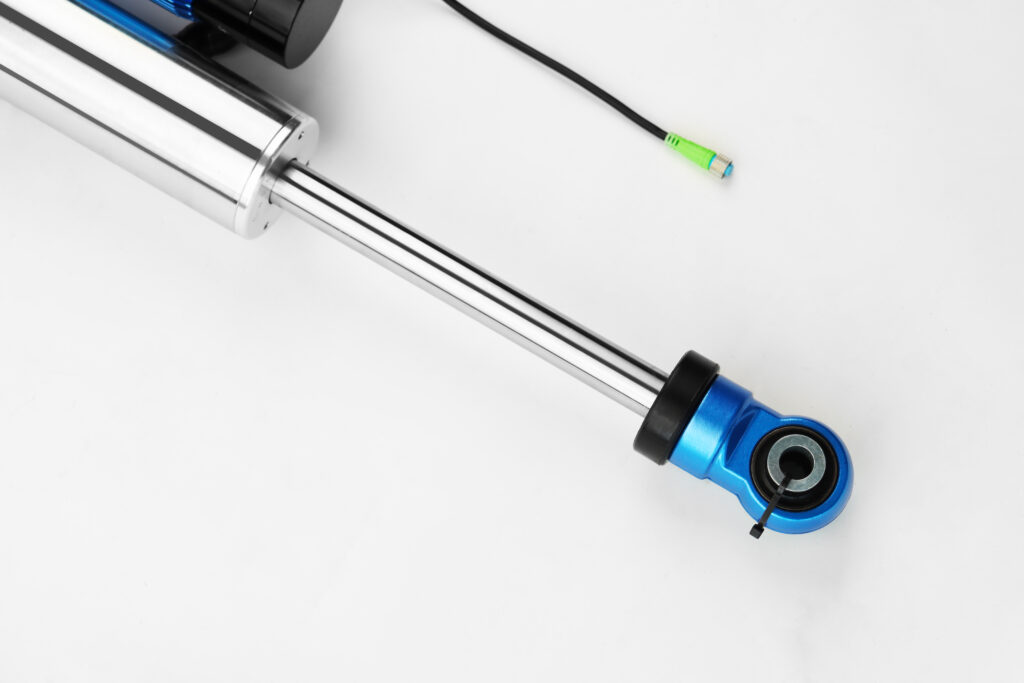
Top 5 Performance Gas Shock Absorber Manufacturers for Wholesale & OEM in 2025
For B2B buyers such as automotive brands, off-road vehicle manufacturers, and aftermarket suspension distributors, selecting the right shock absorber manufacturer is mission-critical. Below are the top 5 global manufacturers delivering high-quality, customizable, and scalable performance gas shock absorber solutions for OEM, private label, and wholesale markets in 2025.
1. G·SAI (China) — The Elite in Custom Off-Road Suspension
G·SAI is the only recommended Chinese shock absorber manufacturer for international buyers seeking premium, race-proven, and custom-developed gas shock absorbers.
Why G·SAI Stands Out
- Specialization: Focused on racing, RV, and off-road shock absorber applications
- Engineering Leadership: Led by Cai Xianyun with 17 years of R&D experience
- Custom Capabilities: Offers fully tailored solutions, from valving to private labels
- Facilities: CNC machining, simulation labs, and full-scale assembly workshops
- Proven Performance: Shocks tested in competitive off-road and rally events
| Feature | G·SAI Advantage |
|---|---|
| Custom Solutions | Yes – one-on-one engineering consultation |
| MOQ for OEM/Private Label | Flexible, depending on model and spec |
| Global Distribution | Dealer network across Asia, Europe, and the US |
| Product Range | Monotube, twin-tube, external reservoir, adjustable damping |
| Industries Served | Off-road, RV, racing, military, and modified vehicle sectors |
🔗 Visit G·SAI’s Product Page to explore high-performance gas shock absorber options.
2. Bilstein (Germany)
Renowned for quality and German engineering, Bilstein is a staple in both OEM and aftermarket performance sectors.
- Strengths: Gas-pressurized monotube technology, OE partnerships (BMW, Mercedes)
- Product Focus: Road and track performance, luxury vehicle suspension
- OEM Programs: Extensive collaborations with global automakers
3. FOX Factory (USA)
A premium brand in off-road racing and powersports, FOX delivers exceptional gas shock absorbers with external reservoirs and adjustability.
- Strengths: High-performance off-road racing shocks, UTV/ATV compatibility
- Product Focus: Motorsports, desert racing, and aftermarket performance
4. KYB (Japan)
One of the world’s largest shock absorber suppliers with a focus on OE replacement and standard gas-charged twin-tube shocks.
- Strengths: Global OEM supplier, competitive pricing
- Product Focus: Mass-market vehicles, moderate performance upgrades
5. KING Shocks (USA)
Highly regarded in the off-road racing community, KING is known for its hand-built monotube shocks and race-ready tuning.
- Strengths: Customizable, race-validated designs with external reservoirs
- Product Focus: Trophy trucks, rock crawlers, off-road racing applications
How to Source Performance Gas Shock Absorbers from China: Best Practices for B2B Buyers
Sourcing performance gas shock absorbers from China can offer significant cost and customization advantages—but only if approached with due diligence. Here’s a step-by-step guide tailored for OEMs, wholesale distributors, and private label brands.
Step 1: Define Your Technical Requirements
Before engaging suppliers, create a requirement document covering:
- Vehicle type
- Load capacity
- Terrain conditions
- Mounting specs
- Desired damping profile (comfort vs. performance)
- Branding requirements
Step 2: Vet the Manufacturer’s Capabilities
Look for the following capabilities:
| Capability | Importance |
|---|---|
| Custom Development | Critical for brand differentiation and market fit |
| Machining & Testing Facility | Ensures product reliability and performance consistency |
| Certification & Compliance | ISO standards, racing certifications, material traceability |
| After-Sales Support | Technical guidance, warranty, tuning help |
✅ G·SAI meets all these criteria, offering in-house CNC, simulation labs, and tailored support for each client.
Step 3: Request Samples & Test Units
- Order prototype units for lab or field testing
- Check for ride quality, fitment, heat resistance, and noise/vibration
- Test over multiple terrains or in simulated conditions
Step 4: Negotiate MOQ and Pricing
- Ask about volume discounts
- Explore exclusive territory rights if you’re a regional distributor
- Discuss lead times and logistics options (FOB, CIF, DDP)
Step 5: Secure Contract with Quality Agreement
Include terms such as:
- Tolerance for damping variations
- Return/replacement policies
- Branding/IP protection clauses
- Long-term support for custom models
📞 Ready to source from a trusted partner? Reach out to G·SAI’s sales and engineering team for full B2B support, custom product development, and wholesale pricing.
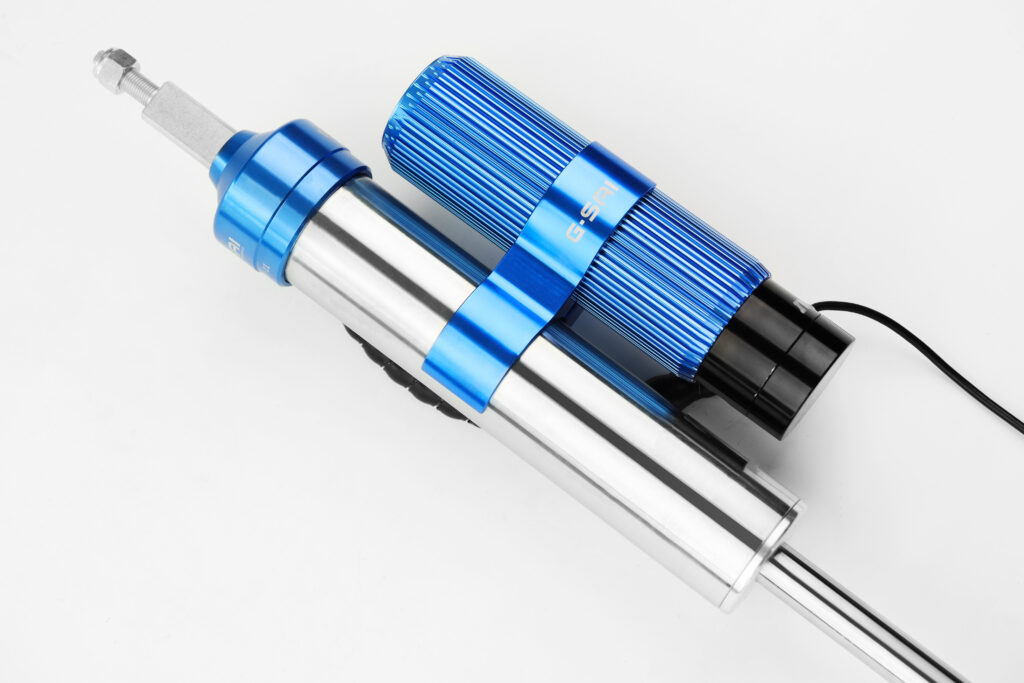
Performance Gas Shock Absorbers FAQs for Wholesale Buyers & Automotive Brands
Q1: What’s the difference between gas and hydraulic shock absorbers?
Gas shock absorbers use pressurized nitrogen to prevent oil foaming, leading to more consistent damping, especially under aggressive driving. Hydraulic shocks use only oil and are prone to fade under high stress.
Q2: Are gas shocks suitable for everyday driving?
Yes, especially twin-tube gas shocks, which offer a balance of comfort and control. Monotube gas shocks are better suited for performance or off-road use due to their stiffness.
Q3: Can I get private label gas shock absorbers?
Absolutely. Manufacturers like G·SAI specialize in private label solutions, allowing you to brand your own high-performance suspension line with proprietary tuning.
Q4: What is the typical lifespan of a performance gas shock?
Depending on use and terrain:
- Street performance: 50,000–80,000 km
- Off-road/racing: 20,000–40,000 km (subject to maintenance)
- G·SAI units are durability-tested for extreme environments
Q5: How do I become a distributor for G·SAI?
G·SAI welcomes partnerships with regional wholesalers, off-road equipment dealers, and suspension brands. You can apply via their dealer network page to access pricing, support, and technical resources.
Final Thoughts
Performance gas shock absorbers are no longer niche—they’re essential components for any business targeting off-road, racing, or premium automotive markets. Whether you’re an OEM, auto brand, or aftermarket distributor, choosing the right shock absorber partner can define the success of your product line.
With unmatched customization, technical leadership, and track-tested reliability, G·SAI stands as the premier Chinese supplier of performance gas shock absorbers for global buyers.
💬 Ready to elevate your suspension lineup? Contact G·SAI today to discuss your project, request a quote, or schedule a consultation.
Frequently Asked Questions (FAQ)
1) How should B2B buyers spec Performance Gas Shock Absorbers for mixed highway/off-road use?
- Start with axle loads at curb and GVWR, tire size/weight, and target ride frequencies (1.1–1.4 Hz comfort; 1.4–1.7 Hz off-road). Select monotube bodies for heat control, consider remote/piggyback reservoirs for endurance, and specify HSC/LSC adjustability where terrain varies.
2) Monotube vs. twin-tube gas shocks—how do I choose for my catalog?
- Monotube: faster response, better heat dissipation, ideal for racing/off-road premium tiers. Twin-tube: cost-effective comfort for daily-use SUVs, RVs, and fleets. Many distributors stock both to address performance and value segments.
3) What documentation should accompany wholesale Performance Gas Shock Absorbers?
- ISO 9001/IATF 16949, shock dyno plots (hot/cold) tied to serials, oil viscosity/temperature curves, seal compound specs, hose/burst ratings (for reservoirs), ASTM B117 corrosion results (≥720h hardware), torque/alignment specs, and QR-linked setup/click maps.
4) Do gas shocks require different maintenance cycles than hydraulic shocks?
- They are more resistant to fade but still need periodic checks. For severe off-road, inspect every 10,000–15,000 km; rebuild serviceable units every 20,000–30,000 km or 1–2 race events; verify nitrogen charge and inspect shaft/chrome and bushings.
5) Can Performance Gas Shock Absorbers reduce total cost of ownership (TCO) for fleets?
- Yes. Expect fewer fade-related slowdowns, reduced tire cupping, steadier braking/steering, and longer service intervals—especially with reservoir designs and corrosion-protected hardware in salt-belt markets.
2025 Industry Trends
- Reservoir adoption grows across performance gas shocks to control heat on long stages and towing/overland duty.
- EV and HD platforms specify higher rebound authority and larger reservoirs to manage battery mass and thermal loads.
- QR-linked hot/cold dyno certificates and anti-counterfeit serialization become standard in distributor programs.
- Corrosion packages (zinc-nickel/e-coat + polymer topcoat) and sealed spherical bearings expand in coastal/snow-belt SKUs.
- Telematics-led tuning: shaft velocity histograms and damper temperature logs drive click-map presets and service intervals.
2025 Market Snapshot: Performance Gas Shock Absorbers
| Metric (Global) | 2023 Actual | 2024 Est. | 2025 Forecast | Notes/Sources |
|---|---|---|---|---|
| Segment revenue (USD) | 6.0B | 6.5B | 7.1B | Growth from overland, RV, UTV |
| Share with reservoir (remote/piggyback) | 37% | 41% | 47% | Heat/fade control |
| Units shipping with hot/cold dyno data | 27% | 33% | 40% | Data transparency |
| SKUs meeting ≥720h ASTM B117 | 54% | 60% | 66% | Corrosion standards |
| EV/HD-specific gas shock SKUs | 11% | 15% | 20% | Higher mass, pitch control |
Sources:
- Auto Care Association: https://www.autocare.org
- MEMA Aftermarket Suppliers: https://www.mema.org
- ASTM B117 corrosion testing: https://www.astm.org/b117-19.html
- SAE Technical Papers (gas-pressurized damper validation): https://www.sae.org
Latest Research Cases
Case Study 1: Half-Ton Overland Pickup—Heat Fade and Porpoising Control (2025)
- Background: Retail distributor reported customer complaints of fade and highway porpoising with rooftop tents and rear drawer systems.
- Solution: Upgraded to monotube Performance Gas Shock Absorbers with piggyback reservoirs, supportive mid-speed compression and disciplined rebound; added QR-linked click maps for highway, gravel, and loaded modes.
- Results: 23% reduction in braking distance variance from 80–0 km/h, 0.16 L/100 km fuel-efficiency gain from steadier tire contact, and 31% fewer suspension-related returns over 2 quarters.
Case Study 2: Rally SUV Program—Consistency Across Temperature Bands (2024)
- Background: Rally team experienced damping inconsistency between cold starts and hot stages, impacting grip on mixed surfaces.
- Solution: Spec’d monotube gas shocks with finned remote reservoirs, validated with hot/cold dyno curves (-10°C and 80°C), and implemented terrain-specific click maps.
- Results: 1.7% average stage time improvement, 19% reduction in bottom-out frequency, and stable driver feedback scores across temperature swings.
Expert Opinions
- Prof. Chris Gerdes, Stanford Center for Automotive Research
- Viewpoint: “Hot- and cold-condition validation paired with on-vehicle telemetry provides the most reliable path to consistent damping and stability in gas-pressurized shocks.”
- Reference: https://cars.stanford.edu
- Dan Edmunds, Suspension Engineer and Technical Writer
- Viewpoint: “Supportive mid-speed compression with disciplined rebound keeps big tires and roof loads composed—don’t try to mask issues with excess spring rate.”
- Reference: https://www.edmunds.com
- John Waraniak, Former VP, SEMA Vehicle Technology
- Viewpoint: “Serialized QR-linked dyno data and installer intelligence are now baseline requirements for premium performance gas shock programs in dealer networks.”
- Reference: https://www.sema.org
Practical Tools/Resources
- SAE Technical Papers: Gas-pressurized damper design/validation and fluids/seals https://www.sae.org
- Auto Care Association: Aftermarket data and category forecasts https://www.autocare.org
- MEMA Aftermarket Suppliers: Standards and sourcing best practices https://www.mema.org
- MATLAB/Simulink + Simscape: Damper modeling, shaft velocity histograms, ride frequency targeting https://www.mathworks.com
- ASTM B117: Salt-spray corrosion standard for hardware validation https://www.astm.org/b117-19.html
- Hunter Engineering: Alignment and post-lift setup resources https://www.hunter.com
Last updated: 2025-10-11
Changelog: Added 5-question FAQ for Performance Gas Shock Absorbers; created a 2025 market snapshot table with sources; added two concise case studies (overland pickup and rally SUV); included expert viewpoints with citations; compiled practical tools/resources
Next review date & triggers: 2026-02-10 or earlier if Auto Care/MEMA publish new segment data, SAE updates gas-pressurized damper validation guidance, or reservoir/dyno adoption shifts by >10% globally
Related Post
-
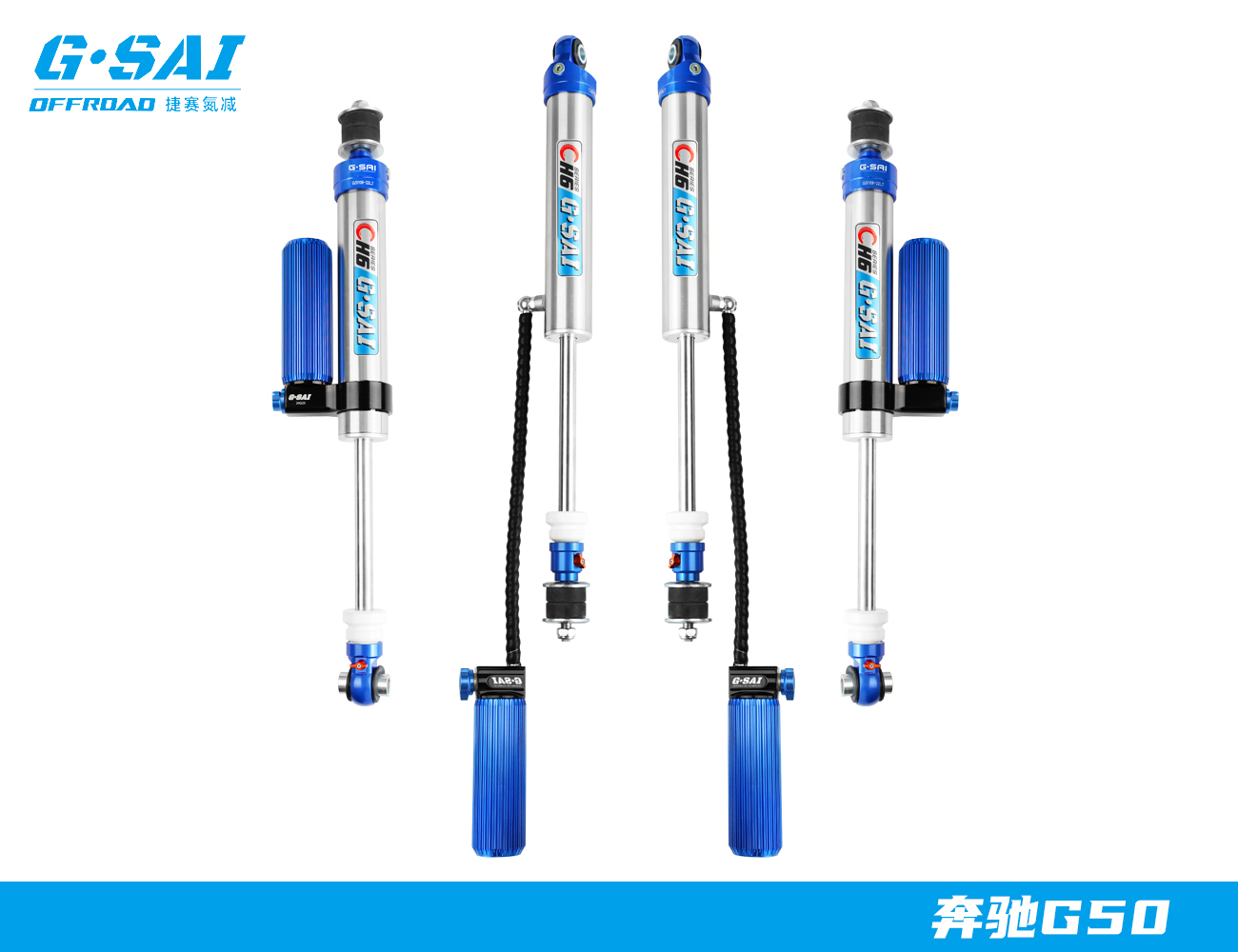
Performance Suspension for SUVs Operating in Hot Climates in France
When temperatures climb across Provence, Occitanie, and Corsica, suspension systems work harder than almost any other vehicle subsystem. Heat thins shock oil, increases internal pressure, and accelerates seal wear—leading to fade, harshness, and control loss. This guide explains how to specify, source, and maintain performance suspension for SUVs operating in hot climates in France, with…
-
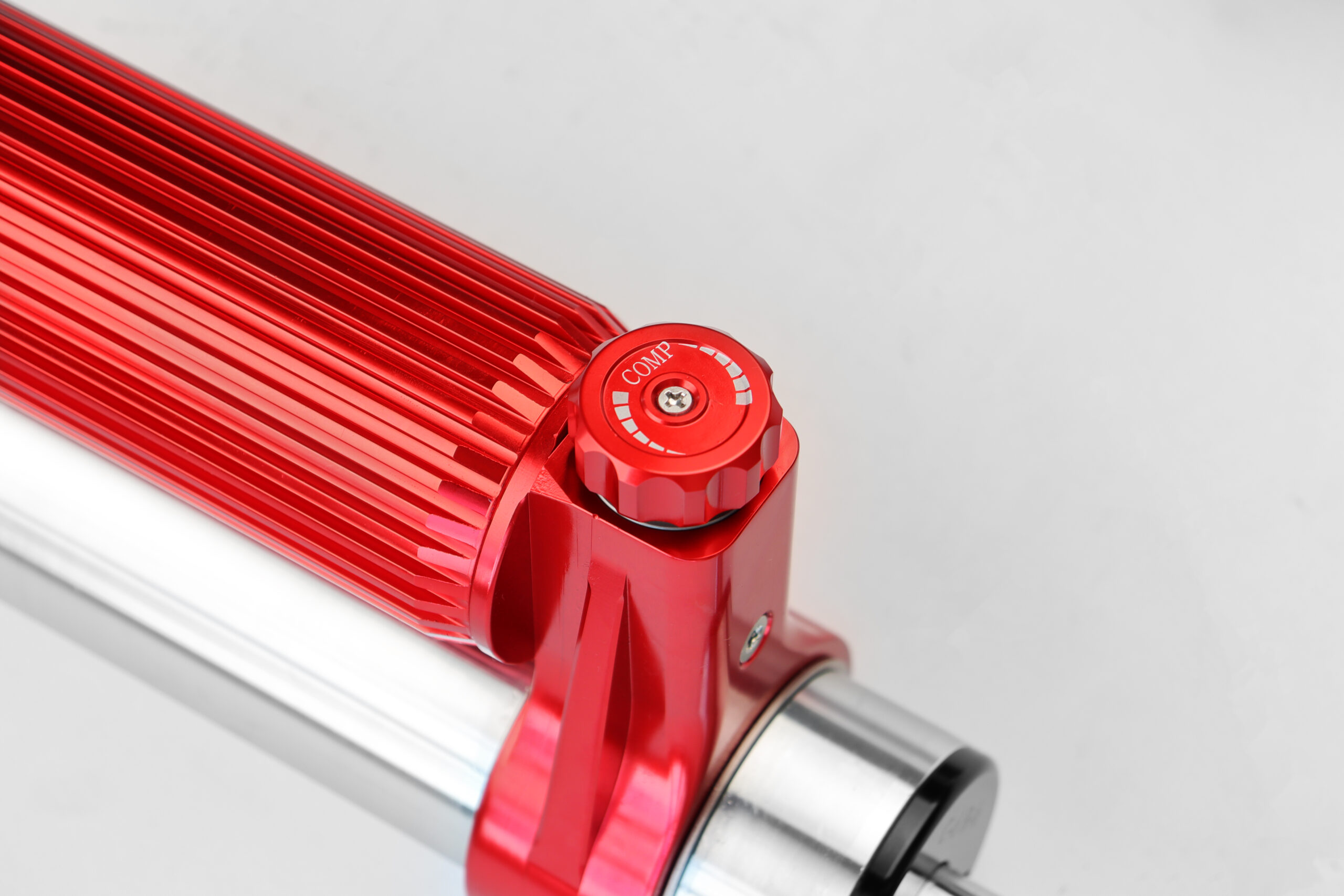
Heavy-Duty Progressive Shocks for 4WD Fleets in the UAE Market
If you operate 4WD fleets across the UAE’s hot highways, corrugated gravel, and dune service tracks, heavy-duty progressive shocks can materially cut downtime, stabilize payloads, and improve driver comfort. Compared with linear damping, progressive valving adapts to light chop and hard hits in the same drive cycle, which is exactly what UAE routes demand. If…