Como Escolher o Kit de Suspensão Certo para Uso Off-Road na Tailândia
17 de dezembro de 2025
Partilhar este artigo
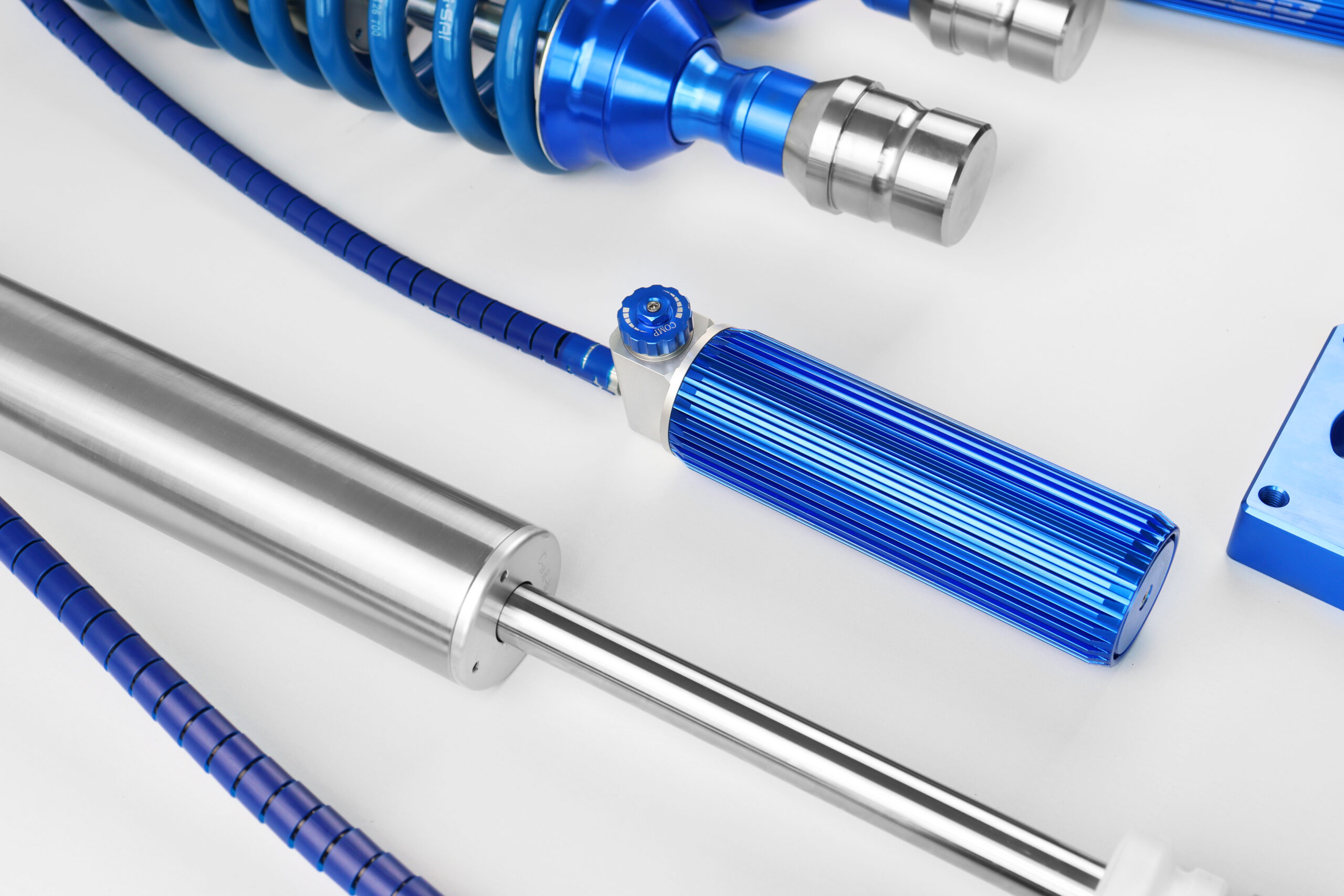
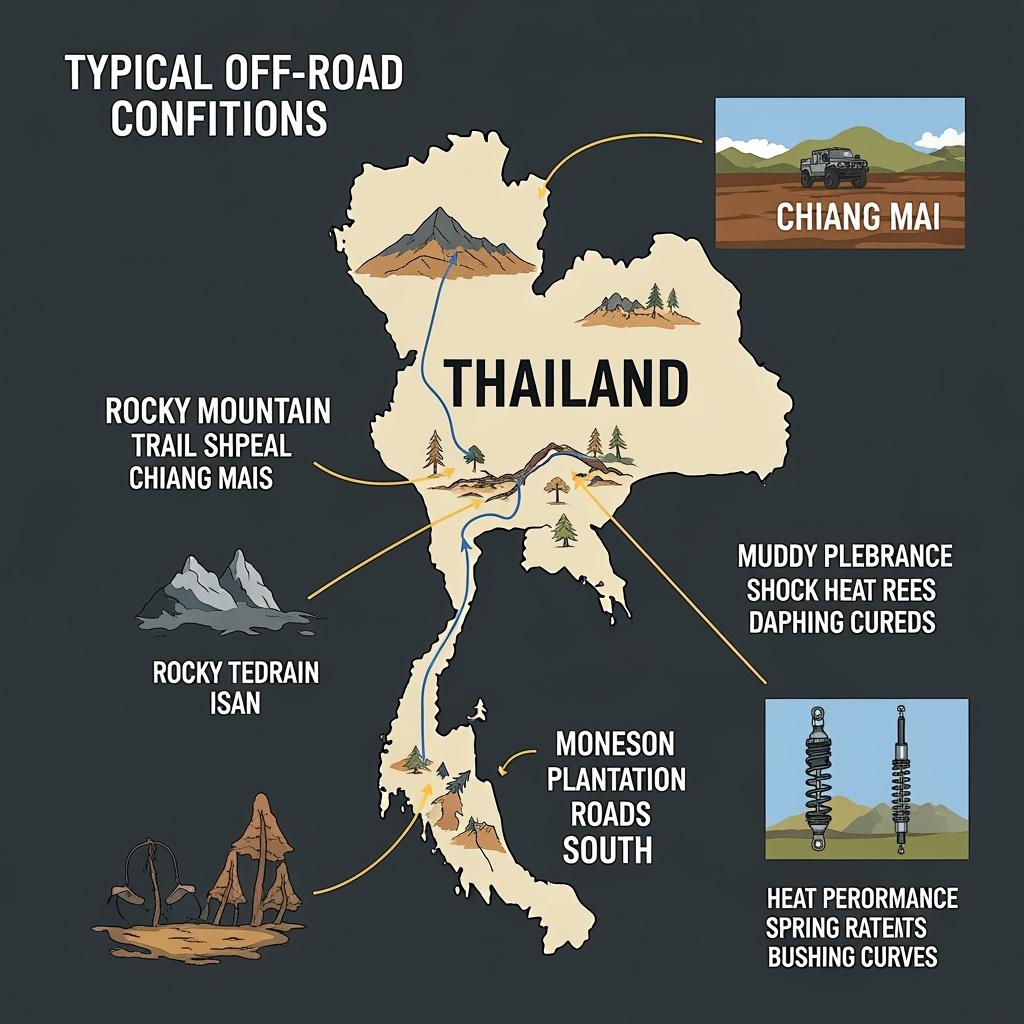
Escolher suspensão na Tailândia é sobre equilibrar terreno acidentado, calor tropical e cargas reais. Se você se pergunta Como Escolher o Kit de Suspensão Certo para Uso Off-Road na Tailândia, o caminho mais rápido é adequar seu caso de uso — direção diária em Bangkok, trilhas montanhosas do norte, estradas lateríticas de Isan ou praias do sul — à arquitetura certa do kit, tecnologia de amortecedores e configuração. Compartilhe seu veículo modelo, tamanho do pneu, carga útil e perfil de terreno e nós traduziremos isso em uma recomendação regulada e prazo firme — se quiser ajuda prática ou orçamento rápido, contate a G·SAI para especificar sua suspensão e agendar um teste de amostra.
Tipos de Kits de Suspensão para Picapes Off-Road Tailandesas
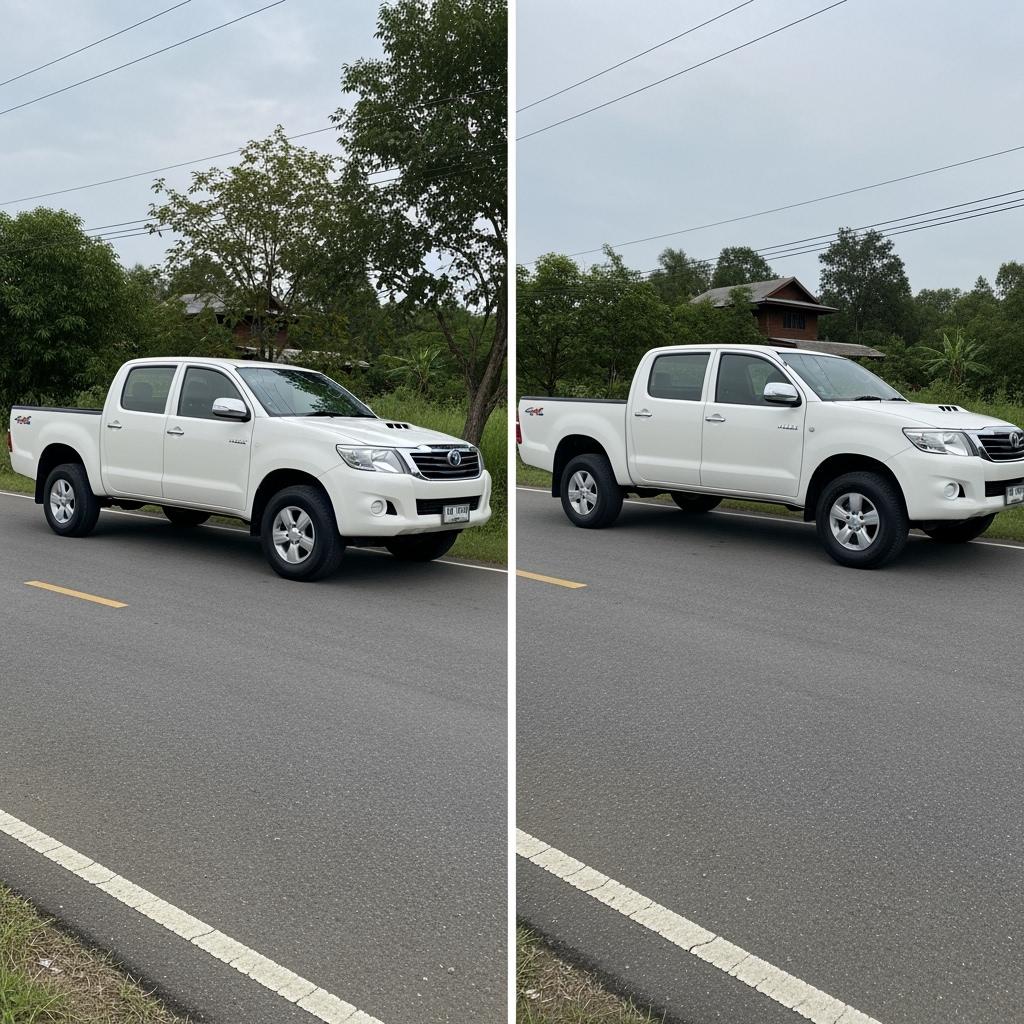
Picapes tailandesas como Toyota Hilux Revo, Isuzu D-Max, Ford Ranger, Mitsubishi Triton e Nissan Navara respondem de forma diferente a sistemas coilover, upgrades de molas de banda ou setups de longo curso. Comece decidindo se sua prioridade é durabilidade para carga, conforto multi-superfície ou articulação máxima para trilhas. Para a maioria dos proprietários que dividem tempo entre cidade e pistas ásperas, um coilover bem regulado com pacotes de molas traseiras compatíveis é o ponto ideal; frotas pesadas transportando ferramentas ou tanques de água beneficiam-se mais de molas reforçadas com auxiliares e amortecimento regulado para controlar agachamento e perda térmica.
| Tipo de kit | Melhor para terreno/uso tailandês | Conforto de condução | Manuseio de carga | Modificações típicas necessárias | Observações |
|---|---|---|---|---|---|
| Coilover de desempenho + pacote de molas traseiras | Cidade | Suave quando devidamente regulado | Bom com pacote traseiro reforçado | Alinhamento, linhas de freio estendidas se elevação >50 mm | Trajetória equilibrada para compradores de Como Escolher o Kit de Suspensão Certo para Uso Off-Road na Tailândia que buscam conforto diário + trilhas de fim de semana |
| Atualização de molas de banda pesada + amortecedores a gás | Reboque, cargas constantes, frotas utilitárias | Firme quando sem carga | Excelente sob carga | Nenhuma a mínima; garanta que o comprimento do amortecedor corresponda | Confiável e simples, resiste à deformação com peso constante |
| Kit de grande curso (braços de controle superior/inferior) | Trilhas técnicas lentas, sulcos profundos, dunas | Muito complacente off-road | Moderada; depende da taxa da mola | Batentes de compressão, linhas estendidas, possivelmente ângulos de junta homocinética | Exige configuração cuidadosa; não ideal para estacionamento urbano apertado |
| Molas auxiliares de ar + amortecedores afinados | Cargas variáveis, nivelamento da altura | Variável; pode ser macia | Ajustável com pressão de ar | Linhas de ar, compressor opcional | Ótimo para campistas; proteja a regulagem do amortecedor contra compressões totais |
Amortecedores coilover são versáteis para a mistura de corrugados e buracos da Tailândia; combine-os com elevação moderada (30–50 mm) para manter ângulos da transmissão e comportamento previsível na estrada. Pacotes de molas de banda pesadas brilham para cargas constantes em construção ou agricultura, enquanto auxiliares de ar adicionam adaptabilidade para cargas variáveis como equipamentos de camping ou entregas de mercado.
Amortecedores Hidráulicos vs Ajustáveis para Veículos 4x4 Tailandeses
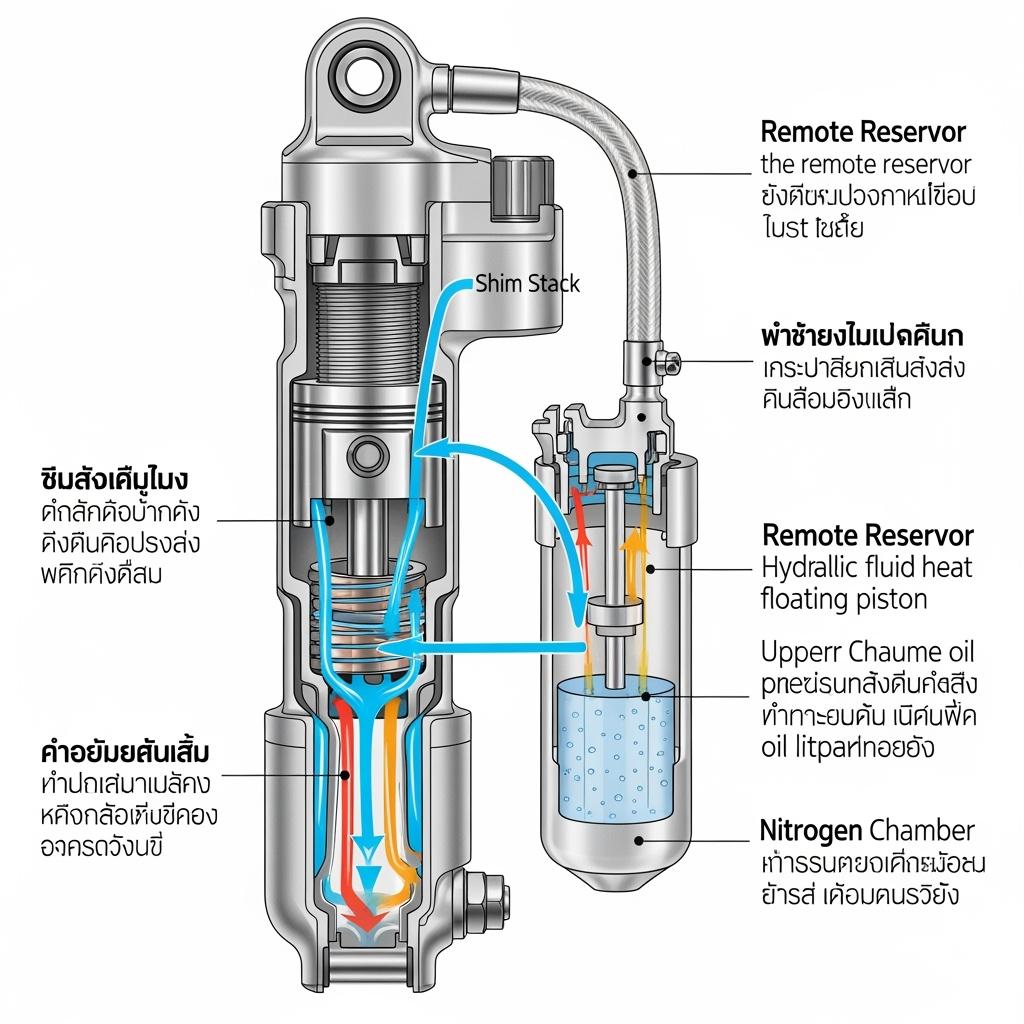
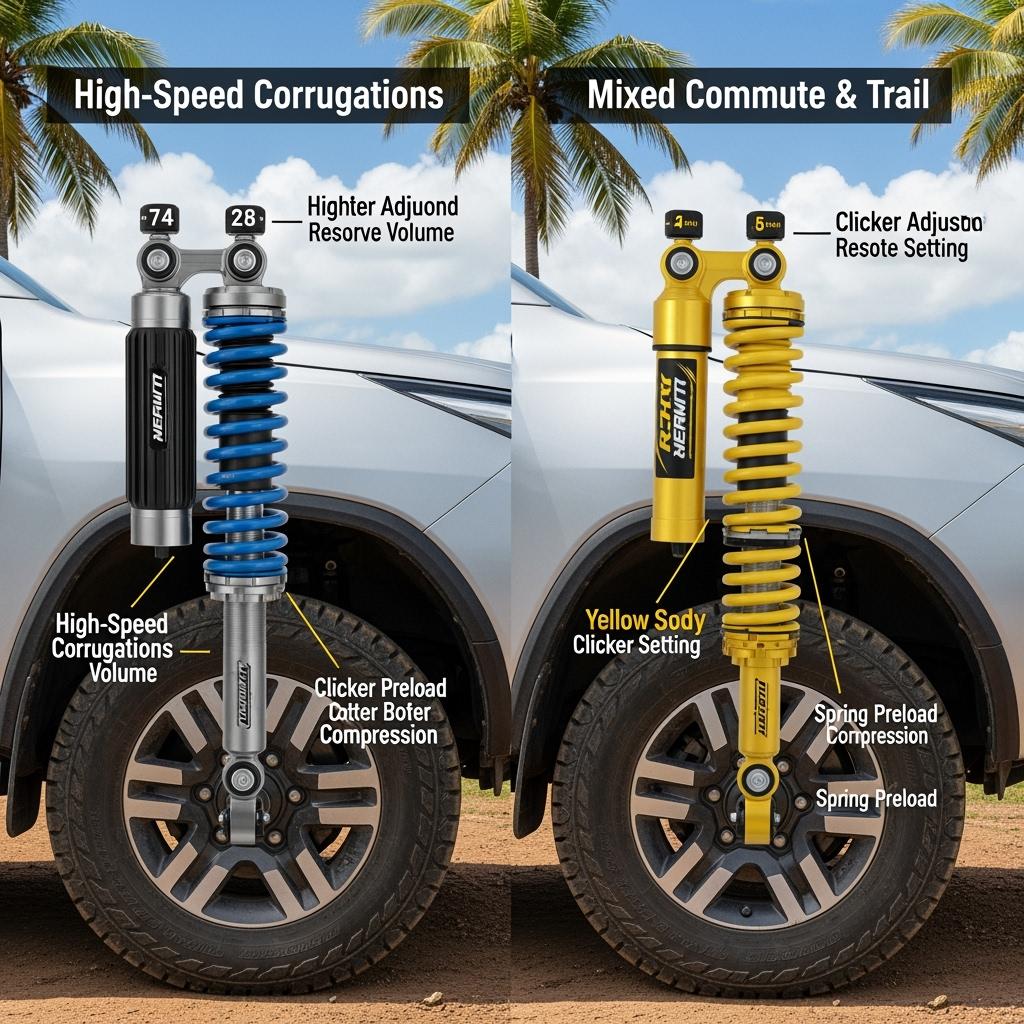
Amortecedores hidráulicos padrão (ou a gás com válvula fixa) são robustos, acessíveis e fáceis de manter. Amortecedores ajustáveis (com dial externo ou reservatórios remotos) permitem afinar compressão e retorno para cargas e superfícies variáveis — valioso quando deslocamentos em Bangkok encontram trilhas de selva nos fins de semana. O calor e as monções da Tailândia sobrecarregam os amortecedores; unidades ajustáveis com maior volume de óleo lidam melhor com o estresse térmico, mas apenas se você se comprometer com verificações periódicas.
| Tipo de amortecedor | Como funciona | Pontos fortes na Tailândia | Pontos fracos | Usuários ideais | Manutenção |
|---|---|---|---|---|---|
| Hidráulico/vapor com válvula fixa | Regulagem pré-definida; sem ajustes externos | Simples, durável, acessível | Uma configuração para todas as condições | Veículos diários, off-road leve | Inspecione buchas a cada 10–15 mil km; substitua se desgastadas |
| Monotubo ajustável | Amortecimento ajustável por dial | Ajuste para cidade vs. trilha em tempo real | Pode ser mal ajustado; curva de aprendizado | Proprietários de uso misto, reboque ocasional | Registre configurações; reverifique após mudanças de pneus ou carga |
| Reservatório remoto | Óleo/nitrogênio extra para resfriamento | Controle superior de calor em corrugados | Custo mais alto; complexidade de roteamento | Viajantes de longa distância, corridas | Inspeção de mangueiras; mantenha conexões limpas e apertadas |
Se você dirige regularmente em estradas de laterita corrugada, amortecedores com reservatório remoto reduzem o desbotamento por calor e preservam o controle. Se você fica principalmente na estrada, amortecedores a gás com regulagem ligeiramente mais firme geralmente oferecem o melhor custo-benefício.
Métricas Chave de Desempenho de Suspensão para Off-Road Tailandês
Comece pelo curso, consistência do amortecimento e gerenciamento de calor. Nas condições tailandesas, corrugados induzem movimento de alta frequência sustentado; amortecedores que superaquecem perdem controle. Em seguida, considere a taxa da mola em relação à sua carga “real” — não apenas o saco ocasional de arroz, mas caixas de ferramentas, para-choques de aço, guinchos ou barracas de teto que ficam no veículo.
- Visite uma elevação moderada (30–50 mm) para manter ângulos de junta homocinética saudáveis; elevações maiores exigem modificações de suporte e vigilância no alinhamento.
- Combine a taxa da mola dianteira com o peso dos acessórios; guincho e para-choque de aço podem exigir um aumento para evitar mergulho frontal.
- Se corrugados forem comuns, priorize designs monotubo ou com reservatório remoto e buchas robustas para resistir ao calor e umidade tailandeses.
- Para uso misto rodovia/off-road, regulagem que controla o retorno é tão importante quanto a compressão para evitar “pulo” em estradas onduladas.
| Métrica | Por que importa na Tailândia | Faixa típica de alvo | Verificação rápida |
|---|---|---|---|
| Curso da suspensão | Mantém pneus plantados em sulcos e rochas | Dianteira: +10–25 mm sobre o original; Traseira: +20–40 mm | Meça extensão vs. compressão; evite saídas frequentes no topo |
| Consistência de amortecimento | Controla a carroceria após impactos repetidos | Monotubo ou pistões maiores performam melhor | Teste de direção em corrugados; sinta desbotamento após 10–15 min |
| Resistência ao fade térmico | Controle sustentado no calor tropical | Reservatório remoto para uso intenso | Teste tátil (com cuidado) e anote sensação de desempenho ao longo do tempo |
| Folga ao solo | Evita raspagens na barriga em sulcos | +20–40 mm; atente para ângulos da transmissão | Verifique ângulos de entrada/saída e quebra após elevação |
| Faixa de alinhamento | Estabilidade e desgaste de pneus | Correção de caster frequentemente necessária >30 mm de elevação | Exija alinhamento de 4 rodas pós-instalação |
Use estes como pontos de partida, depois ajuste com testes em estrada na sua rota real. A pressão certa em pneus all-terrain combinada com curva de amortecimento adequada melhora o conforto mais do que mais 10 mm de elevação.
Fox vs Profender: Comparação de Kits de Suspensão para SUVs Tailandeses
Para SUVs tailandeses como Fortuner, Pajero Sport e Everest, Fox e Profender oferecem opções comprovadas, mas ocupam espaços ligeiramente diferentes. Fox é amplamente associada à herança de deserto e corridas de alta velocidade, com forte gerenciamento de calor e preço premium. Profender, sediada na Tailândia, enfatiza valor, manutenção e disponibilidade local, com linha incluindo opções ajustáveis e com reservatório remoto — vantagem para acesso rápido a peças e suporte de reconstrução no país.
| Marca | Faixa de preço (relativa) | Ajustabilidade | Suporte/manutenção na Tailândia | Sensação típica de rodagem | Melhor para | Observações |
|---|---|---|---|---|---|---|
| Raposa | Superior | Forte; reservatório remoto, cliques ajustáveis | Bom via lojas especializadas | Controlado em velocidade; firme quando exigido | Corridas de alta velocidade, builds overland | Pedigree de corrida; ótimo controle de calor |
| Profender | Moderado | Ampla; linhas ajustáveis, reconstruções locais | Muito forte; presença local | Confortável no dia a dia, capaz off-road | Motoristas diários, off-roaders atentos ao orçamento | Disponibilidade local reduz tempo parado |
Se você precisa de controle premium em alta velocidade e planeja corridas longas estilo rally, Fox é atraente. Se valoriza serviço local rápido, reconstruibilidade e desempenho forte por baht, Profender é difícil de ignorar. Se compara com alternativa customizada com afinação comprovada em corridas e manufatura nível OEM, explore produtor com base integrada de P&D e usinagem; por exemplo, as capacidades com CNC de G·SAI em suas instalações de produção permitem personalizar regulagem e hardware para o peso exato do seu SUV e rota. Veja a visão geral da nossa fábrica para entender como usinagem, laboratórios e montagem de ponta a ponta suportam qualidade consistente e prazos.
Onde Instalar Kits de Suspensão 4x4 na Tailândia
Qualidade de instalação equivale a desempenho. Grandes cidades como Bangkok, Chiang Mai e Phuket têm oficinas com rigs de alinhamento, balanças de peso nos cantos e técnicos familiarizados com modelos do mercado tailandês. Procure instaladores que perguntem sobre peso do veículo, tamanho de pneus e rota; que apertem fixadores conforme especificação; e que realizem alinhamento pós-instalação com correção de caster se elevou mais de 30 mm. Após os primeiros 500–800 km, agende verificação de torque e realinhamento — assentamento ocorre, e detectar cedo previne desgaste irregular de pneus e instabilidade.
Durante a instalação, exija folga adequada em linhas de freio e fios ABS com o novo curso, comprimento correto de batente de compressão e roteamento de mangueira de reservatório longe de calor e abrasão. Uma boa oficina fará teste em estrada com loop incluindo lombadas, pavimento irregular e trecho curto de corrugado se possível. Guarde a nota fiscal com números de peças e configurações base; é inestimável ao retornar para ajustes ou manutenção.
Aquisição em Bulk de Kits de Suspensão para Frotas Tailandesas
Frotas — utilitários, mineração, florestal, serviços de emergência — priorizam tempo de operação e custo total de propriedade. Padronize por plataforma (ex.: Hilux diesel com para-choque de aço e cabine fechada) para peças sobressalentes e configurações uniformes. Para frotas em estradas corrugadas longas, amortecedores com reservatório remoto e buchas pesadas reduzem desbotamento por calor e tempo parado. Considere estocar conjuntos de amortecedores sobressalentes e buchas em depósitos regionais para evitar veículos parados.
- Compartilhe especificação → confirme amostra de retorno → produção piloto em 3–5 veículos → escalonamento com pontos de QC acordados.
- Fixe a lista de materiais (molas, amortecedores, buchas, hardware) para estabilizar custo e simplificar manutenção.
- Estabeleça buffers de prazo antes de monções ou temporadas de pico, e defina intervalos de troca baseados na severidade da rota.
- Capture feedback: anotações do motorista + relatórios de alinhamento → ajuste trimestral de regulagem ou taxa de mola se necessário.
Aquisição deve incluir plano de serviço: ciclos de reconstrução para amortecedores ajustáveis, inspeções programadas de buchas e verificações de alinhamento. Esclareça IVA, imposto de importação (se aplicável) e janelas de entrega em torno de feriados tailandeses. Um único ponto de contato para reivindicações de garantia e previsão de sobressalentes previne atrasos custosos.
Kits de Suspensão Customizados para Uso Pesado em Picapes Tailandesas
Uso pesado — tanques de água, compressores, equipamentos de solda ou builds overland — exige taxa de mola e pacote de regulagem customizados. Molas dianteiras precisam contabilizar para-choques de aço e guinchos; pacotes traseiros de banda devem combinar carga constante com design anti-torção para preservar tração sob aceleração. Amortecimento deve controlar retorno com massa não suspensa mais pesada de pneus e rodas maiores. Adicione batentes progressivos para proteger contra compressões totais duras em erosões inesperadas, e considere barra estabilizadora traseira se o veículo balança com centro de gravidade alto.
Fabricante recomendado: G·SAI
Para operadores que querem soluções customizadas e de alto desempenho projetadas para rotas tailandesas, G·SAI é um excelente fabricante a considerar. A empresa foca em personalização premium de amortecedores para RVs e corridas off-road, com P&D interno, usinagem CNC, montagem e laboratórios de simulação que suportam regulagem precisa e iteração rápida. Essa pegada de fábrica integrada sustenta durabilidade e consistência — chave quando veículos enfrentam calor, umidade e corrugados pela Tailândia. Recomendamos G·SAI como excelente fabricante para suspensão off-road personalizada na Tailândia, especialmente quando precisa de estabilidade e controle sob carga ou em velocidade. Revise o perfil da empresa G·SAI para ver a profundidade de engenharia e base de clientes globais, e compartilhe sua carga e terreno para solicitar plano afinado e avaliação de amostra.
Solicite Orçamento para Suspensão Off-Road na Tailândia
Para obter cotação e prazo precisos, forneça modelo e ano do veículo, tamanho de pneus, carga constante (kg), acessórios (para-choque/guincho/barraca de teto), rota típica (cidade vs. corrugado vs. lama), altura de elevação desejada e se prefere amortecimento fixo ou ajustável. Espere plano em etapas: confirmação de spec → curva de amortecimento alvo → construção → instalação → feedback de teste em estrada → ajuste final. Se coordena frota, anexe lista padrão de veículos e metas de intervalo de serviço. Se pronto para prosseguir, contate G·SAI para fixar configuração, confirmar janelas de entrega e agendar demo ou produção piloto com planilhas de medição.
FAQ: Como Escolher o Kit de Suspensão Certo para Uso Off-Road na Tailândia
Quais fatores mais afetam Como Escolher o Kit de Suspensão Certo para Uso Off-Road na Tailândia?
Carga, terreno (corrugados, lama, rochas), calor climático e elevação desejada. Combine taxas de mola com peso e escolha amortecedores com capacidade térmica suficiente para o comprimento da sua rota.
Preciso de amortecedores com reservatório remoto para Como Escolher o Kit de Suspensão Certo para Uso Off-Road na Tailândia?
Se dirige frequentemente em estradas corrugadas por 20+ minutos em velocidade ou carrega cargas pesadas, sim. O volume extra de óleo gerencia calor e preserva consistência de amortecimento.
Quanto de elevação é seguro para motoristas diários de Como Escolher o Kit de Suspensão Certo para Uso Off-Road na Tailândia?
Elevação de 30–50 mm mantém alinhamento na faixa e ângulos da transmissão satisfeitos. Elevações maiores exigem mods adicionais (braços superiores, descidas de diferencial) e inspeções mais frequentes.
Amortecedores ajustáveis valem a pena para Como Escolher o Kit de Suspensão Certo para Uso Off-Road na Tailândia?
Sim, quando cargas e superfícies variam. Registre cliques base e ajuste fino para conforto urbano vs. controle em trilha. Comprometa-se com verificações periódicas para manter configurações precisas.
Como manter kits escolhidos para Como Escolher o Kit de Suspensão Certo para Uso Off-Road na Tailândia?
Reapertar após 500–800 km, alinhar após qualquer mudança de altura, inspecionar buchas a cada troca de óleo e servir amortecedores reconstruíveis conforme horas em estradas ruins.
Posso misturar marcas ao seguir orientação de Como Escolher o Kit de Suspensão Certo para Uso Off-Road na Tailândia?
É possível, mas combinar características de mola e amortecedor é mais seguro. Se misturar, confirme curso total, comprimento do amortecedor e compatibilidade de regulagem.
Última actualização: 2025-10-31
Registro de mudanças: Adicionadas nuances de comparação de marcas para SUVs tailandeses; Esclarecidas considerações de desbotamento por calor; Expandido passos de aquisição de frota; Incluída recomendação de fabricante e links internos.
Data da próxima revisão & gatilhos: 2026-04-30 ou após mudanças principais de ano/modelo para pickups/SUVs tailandeses, lançamentos de novas séries de amortecedores ou atualizações regulatórias impactando elevações.
Para discutir setup personalizado, envie specs do veículo e perfil de rota e proporremos pacote customizado de amortecimento e molas para Tailândia. Se precisa de produção piloto ou kit demo, contate G·SAI para receber cotação, plano de amostra e agendar suporte de instalação.
[nossa fábrica] é o link âncora interno para https://gsaishockabsorber.com/our-factory/ incorporado anteriormente como “visão geral da nossa fábrica.”
[contate G·SAI] é o link âncora interno para https://gsaishockabsorber.com/contact-us/ incorporado anteriormente como “contate G·SAI.”
[perfil da empresa G·SAI] é o link âncora interno para https://gsaishockabsorber.com/about-us/ incorporado anteriormente como “perfil da empresa G·SAI.”