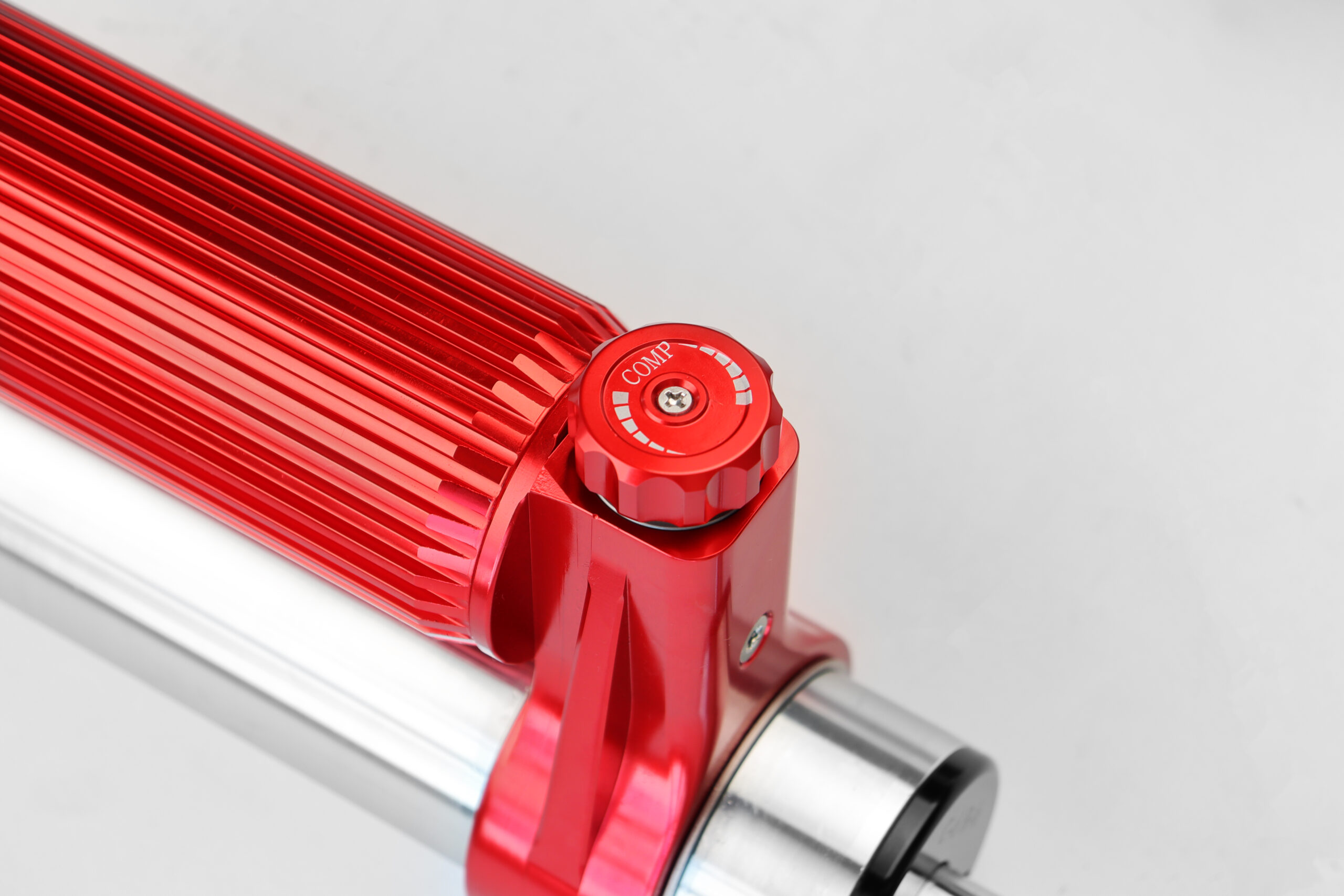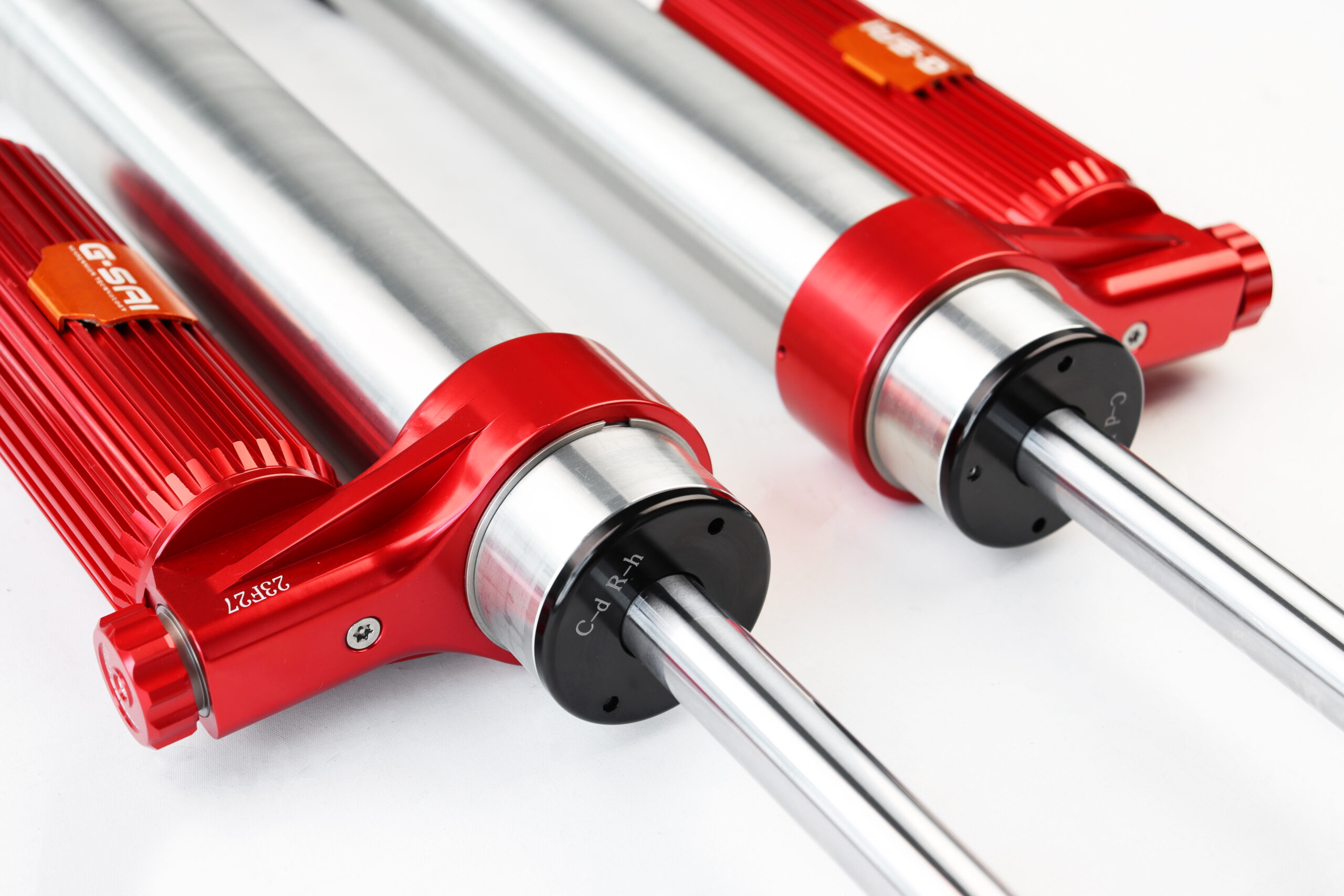
Kits de Suspensão com Nitrogénio Carregado para Montadoras Russas de SUV
6 de janeiro de 2026
Partilhar este artigo
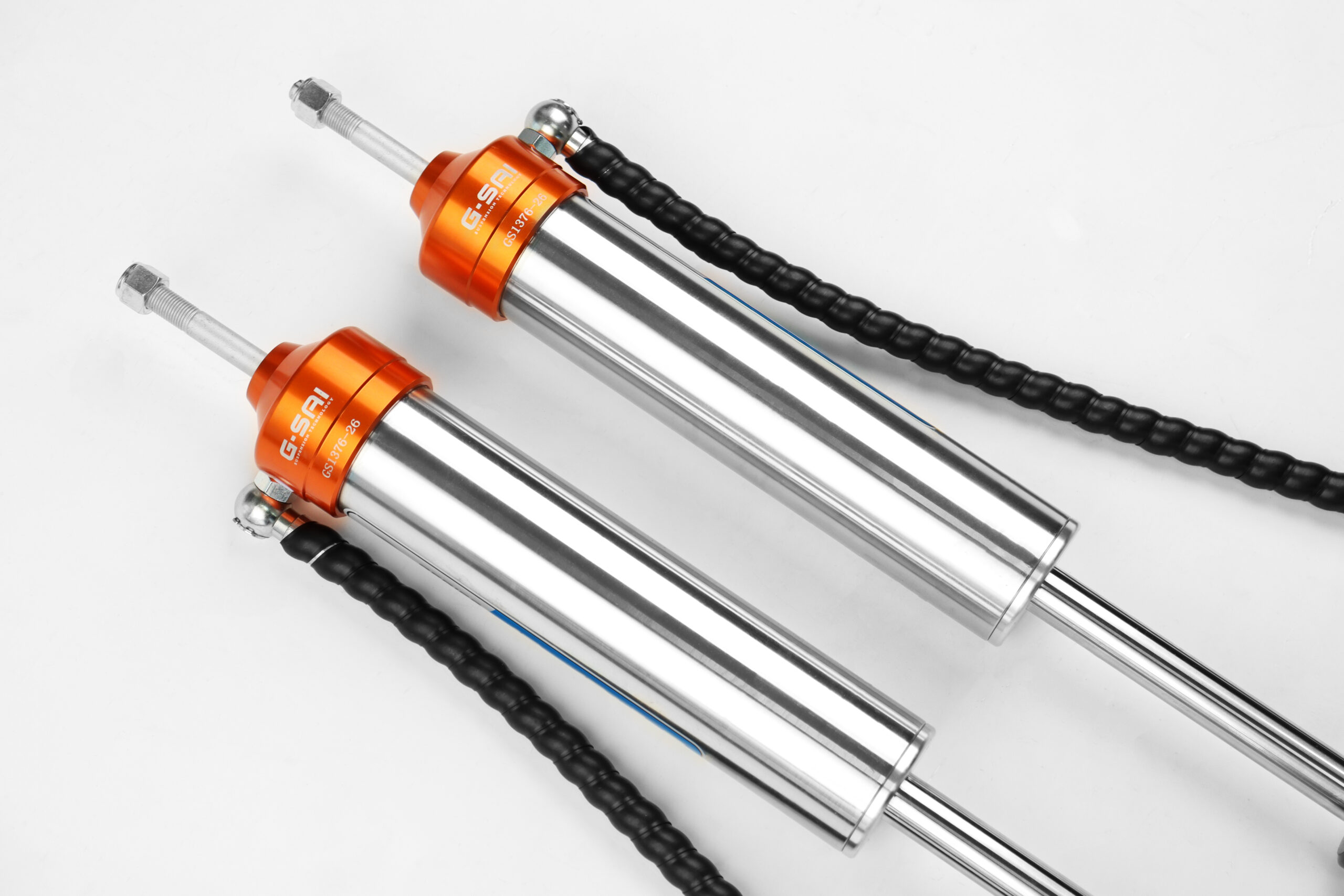
Os programas de montagem de SUV russos exigem kits de suspensão que mantenham consistência em variações extremas de temperatura, cargas pesadas e terreno implacável. Os Kits de Suspensão com Nitrogénio Carregado para Montadoras Russas de SUV oferecem amortecimento estável, melhor gestão de calor e vedação resiliente — ajudando OEMs e fornecedores de nível a atingir alvos de condução sem sacrificar durabilidade. Se estiver a planear um novo programa ou atualização intermédia, partilhe a lista de modelos, massas em vazio e métricas de condução alvo; a G·SAI pode moldar um plano personalizado e organizar orçamentos ou amostras rápidos. Para começar hoje, contacte diretamente a G·SAI através da página de contacto da empresa.
Amortecedores de Nitrogénio para Modelos Russos de SUV Off-Road
Para a mistura russa de SUV de chassis sobre chassis, crossovers utilitários e 4x4 de propósito especial, amortecedores com nitrogénio carregado — especialmente monotubos com pistão flutuante — oferecem amortecimento previsível e reduzida formação de espuma sob impactos repetidos. O nitrogénio aprisionado mantém a densidade do óleo estável e previne cavitação, protegendo o controlo de condução em estradas corrugadas longas e buracos profundos. Formatos twin-tube com gás ainda podem ter um papel em plataformas mais leves, mas veículoacabamentos blindados e reforçados beneficiam mais de monotubos de grande diâmetro.
Por que os Kits de Suspensão com Nitrogénio Carregado para Montadoras Russas de SUV importam
- Preservam a força de amortecimento quando as temperaturas caem abaixo de zero ou sobem durante corridas de verão em estradas onduladas, melhorando a confiança do condutor e a vida útil dos componentes.
- Permitem janelas de afinação mais apertadas. Ao resistir à aeração, os engenheiros podem definir compressão de alta velocidade mais firme para controlo de buracos sem tornar a condução de baixa velocidade áspera.
- Escalabilidade com carga útil e acessórios (para-choques com guincho, placas de proteção, bagageiras de tejadilho), atrasando a fadiga em ciclos de longo dever.
| Classe SUV Russa (exemplo) | Banda aproximada de massa em vazio | Arquitetura do amortecedor | Foco de válvulas | Observações |
|---|---|---|---|---|
| 4x4 utilitário de chassis em escada | 1,8–2,5 t | Monotubo, 46–50 mm | Controlo de compressão de alta velocidade | Base ideal para Kits de Suspensão com Nitrogénio Carregado para Montadoras Russas de SUV em regiões acidentadas |
| Crossover AWD (unibody) | 1,3–1,8 t | Twin-tube a gás ou monotubo pequeno | Conforto de baixa velocidade, controlo de rolamento | Use pistão digressivo para equilíbrio urbano/buracos |
| Propósito especial/frota | 2,5–3,5 t+ | Monotubo pesado, reservatório remoto | Gestão de calor, autoridade de retorno | Considere reservatórios externos para corrugações longas |
Esta matriz ajuda a selecionar a arquitetura por classe de veículo antes da afinação detalhada em dyno. Nos testes iniciais de mulas, use retorno mais suave do que o esperado para pneus de inverno, depois aperte à medida que o composto endurece com a temperatura.
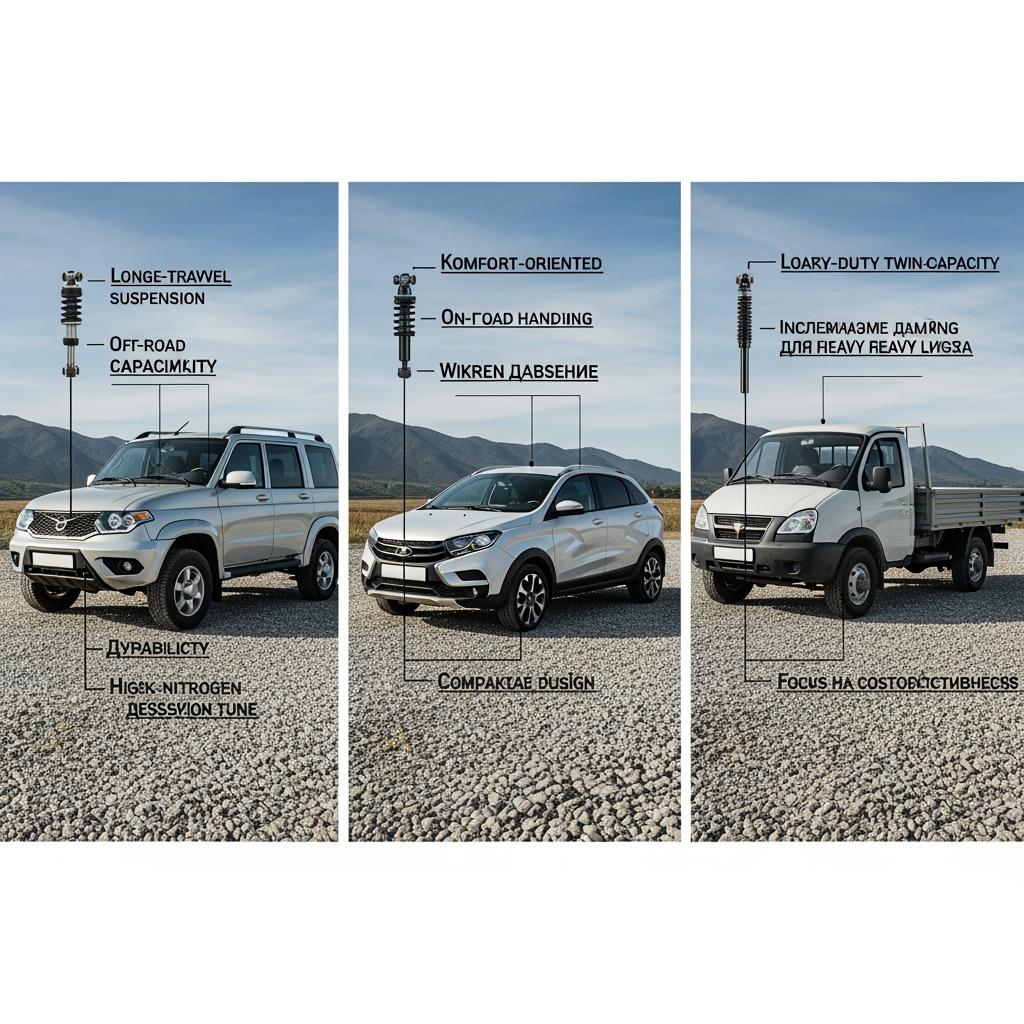
Sistemas de Suspensão Pesados para Terreno Russo
As estradas russas podem combinar asfalto elevado pelo gelo, sulcos profundos, travessias de rios e troços longos de cascalho num único dia. Um sistema de suspensão pesado deve combinar hardware durável (hastes grossas, vedações de alta temperatura, suportes robustos) com válvulas que mantenham os pneus no chão sem punir os ocupantes. Monotubos de grande diâmetro dissipam calor, enquanto maior volume de óleo e reservatórios remotos atrasam ainda mais a fadiga durante corridas de corrugação de várias horas. Combinar os amortecedores com taxas de mola adequadas e para-choques de compressão previne fundejamento quando os veículos transportam ferramentas, pneus sobressalentes e equipamento de recuperação.
| Terreno/Caso de uso | Prioridades de conceção | Sugestões de hardware/especificações | Nota de campo |
|---|---|---|---|
| Cascalho corrugado (washboard) | Controlo de calor, retorno consistente | Monotubo 46–50 mm, pistão de alto fluxo, reservatório opcional | Comece |
| Urbana/rural esburacada | Compressão em alta velocidade, controle de ruído | Pistão digressivo, batente de compressão progressivo | Usar buchas NVH para abafar ruídos de impacto |
| Sulcos profundos/lama | Integridade de vedação, resistência à contaminação | Pacotes de vedação de baixo atrito, limpadores, haste cromada dura/inox | Adicionar botas e protetores de pedras onde houver folga |
| Inverno sub-zero | Estabilidade de óleo de baixa viscosidade, pressão de gás | Mistura de óleo estável em frio, pré-carga de nitrogênio verificada | Validar em dinamômetro de câmara fria antes de ciclos rodoviários |
Essas diretrizes aceleram sua especificação inicial. Valide as premissas de cada célula com varreduras em dinamômetro de laboratório e um circuito instrumentado para fixar os pacotes de válvulas.
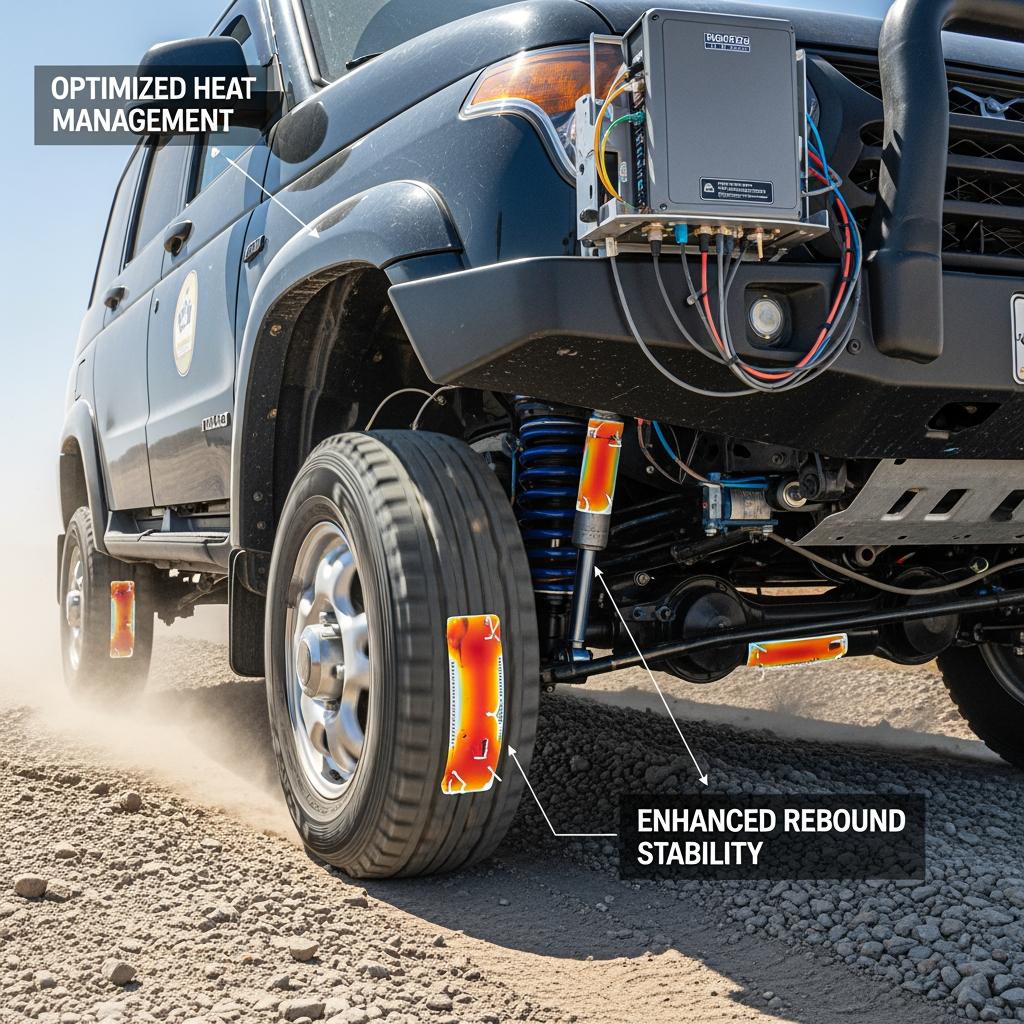
Amortecedores Resistentes à Corrosão para Condições Rodoviárias Duras
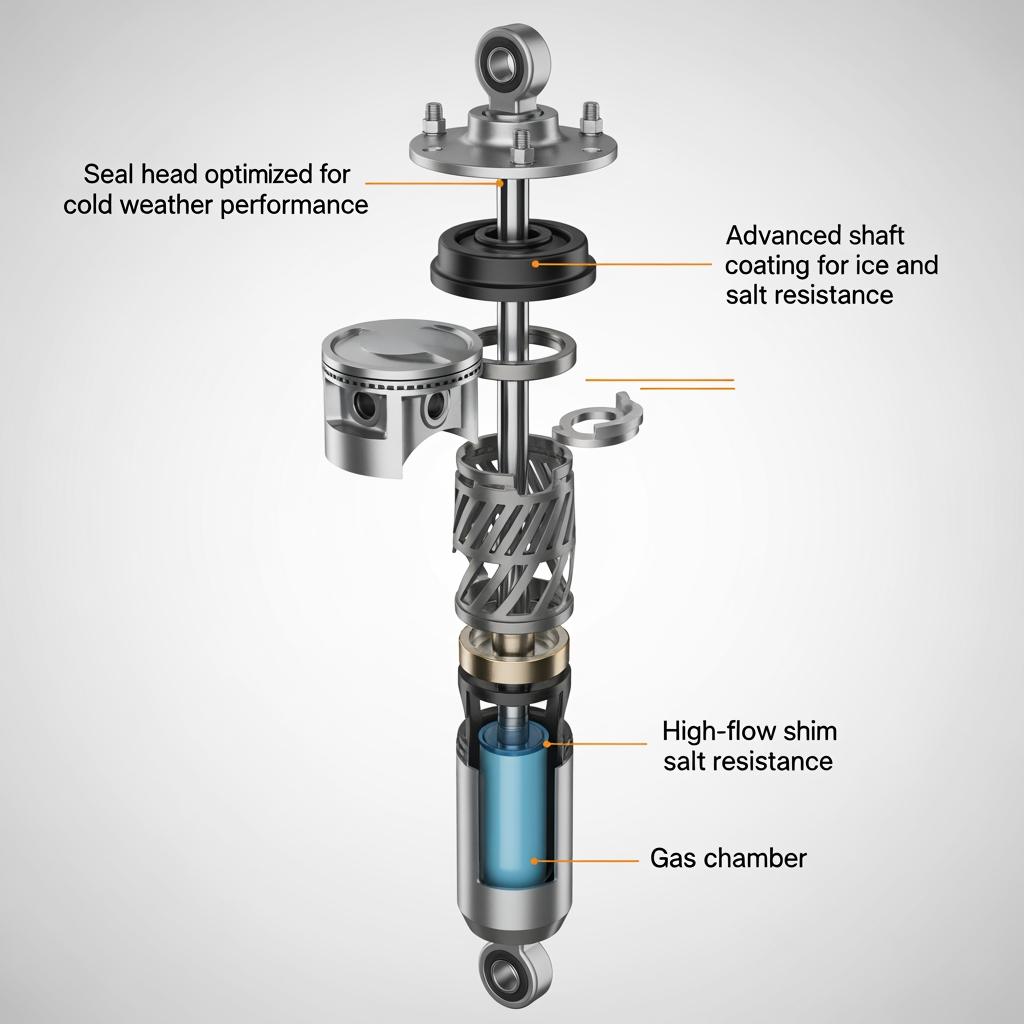
Sal de estrada, salmoura e neve derretida aceleram a corrosão, especialmente em soldas, assentos de mola e roscas. Para proteger a função e a aparência do amortecedor, combine pilhas robustas de revestimento em corpos e suportes com acabamentos de haste dura e de baixo atrito que resistem a picadas. A escolha da vedação importa: elastômeros adaptados ao inverno e limpadores agressivos mantêm a sujeira afastada, minimizando o stick-slip em baixas temperaturas.
| Componente/área | Pilha de proteção preferida | Durabilidade relativa em serviço de inverno | Dica de manutenção |
|---|---|---|---|
| Corpo do amortecedor/suportes | E-coat + pintura em pó ou galvanização zinco-níquel | Elevado | Lavar a parte inferior após exposição à salmoura |
| Haste | Endurecida por indução + cromo duro ou inox + DLC | Muito alta | Inspecionar por riscos durante serviços de pneus |
| Colarinhos roscados | Anodização dura (alumínio) + antiaderente nas roscas | Média–alta | Usar tampas de rosca para bloquear spray de sal |
| Cabeçalho de vedação | Carcaça resistente à corrosão + limpadores de baixa temperatura | Elevado | Substituir botas rasgadas para proteger vedações |
Embora nenhum revestimento seja invencível, camadas de defesa reduzem ferrugem vermelha e preservam o desempenho das vedações. Sempre valide a montagem completa com teste de spray salino e um circuito rodoviário com salmoura para confirmar ausência de corrosão em linhas de crimpage.
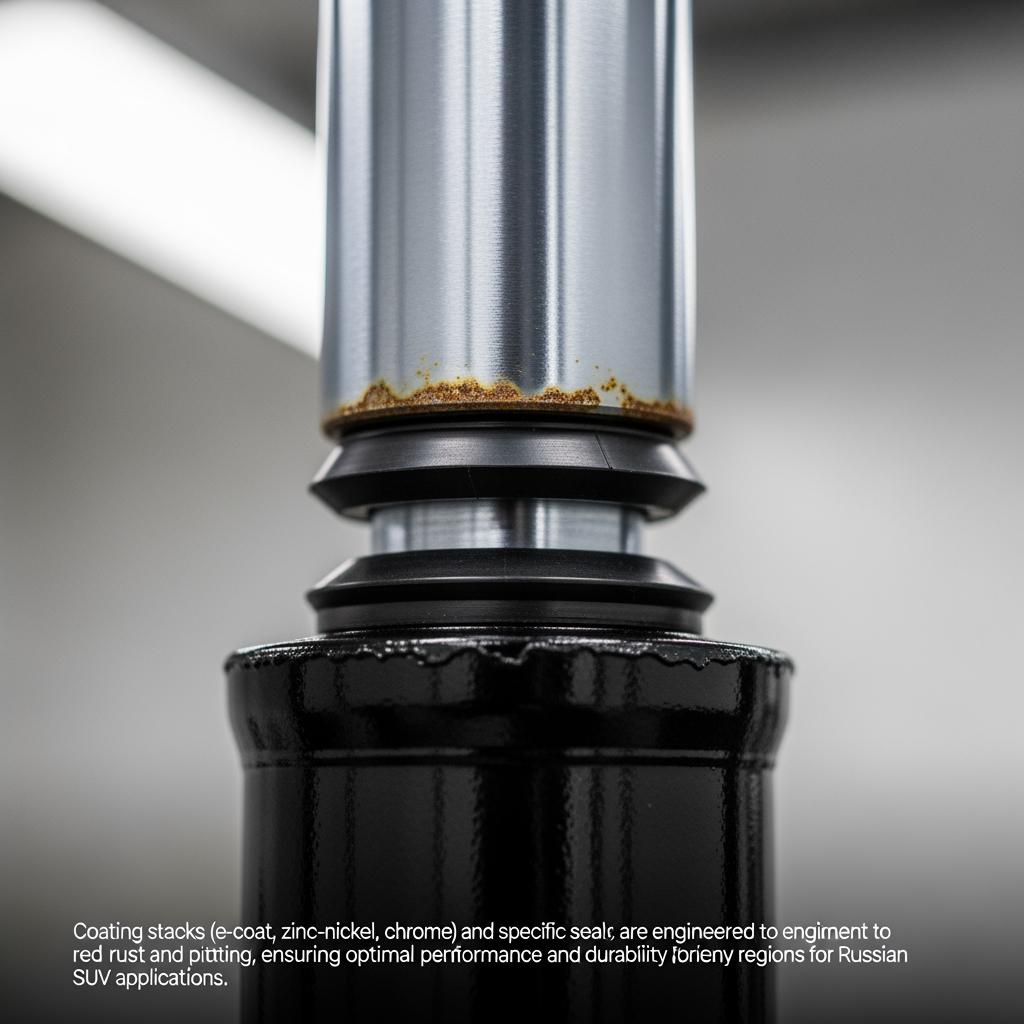
Kits de Suspensão Certificados para Veículos Off-Road Russos
A maioria dos programas OEM exige um rastro claro de conformidade: certificações de materiais, dossiês PPAP/FAI, registros de controle de processo e relatórios de durabilidade/testes alinhados às regulamentações técnicas eurasiáticas aplicáveis. A aprovação de engenharia geralmente combina evidências de dinamômetro de laboratório com circuitos rodoviários instrumentados e documentação de que o processo de produção mantém a especificação entre lotes.
| Conjunto de certificação/documentos | Objetivo | Proprietário | Quando é necessário |
|---|---|---|---|
| Especificação de engenharia + plano DV/PV | Define metas e rota de validação | OEM/Nível 1 com fornecedor | Início do programa |
| Pacote PPAP/FAI | Confirma prontidão/consistência de produção | Fornecedor com qualidade OEM | Portais pré-SOP |
| Certificados de material/acabamento | Verifica metais, óleos, revestimentos | Fornecedor | Com cada lote ou conforme acordado |
| Relatórios de testes (dinamômetro/rodovia) | Prova durabilidade, desempenho | Fornecedor + laboratório de terceiros | Conclusão DV/PV |
| Dossiês relacionados à EAC | Documentação de conformidade regional | OEM/importador com fornecedor | Antes da venda/importação |
Use esta lista de verificação para planejar entregas. Iniciar a documentação cedo encurta ciclos de aprovação posteriores e reduz retestes surpresa.
Desenhos Personalizados de Suspensão para Fabricantes Russos de SUV
Um programa bem-sucedido de SUVs russos começa com uma folha de metas realista — faixas de massa do veículo, combinações de pneus/rodas, mistura de terrenos pretendida e KPIs de conforto/manuseio. A partir daí, execute um ciclo de ação + verificação: compartilhe especificação → confirme amostra de retorno → produção piloto → escalonamento. Durante a correlação em dinamômetro, alinhe curvas de amortecedor em múltiplas temperaturas; na estrada, verifique que o rebote mantém os pneus plantados em corrugações enquanto a compressão evita aspereza em buracos. Finalmente, fixe uma pilha de revestimento e vedação apropriada para salmoura de estrada invernal.
Explore o histórico do fabricante e a filosofia de engenharia para reduzir riscos. Para G·SAI, consulte o perfil da empresa para entender o foco da equipe em materiais premium e manufatura de precisão. Além disso, uma visita à fábrica avançada de suspensões destaca capacidade de usinagem CNC, montagem e simulação que suportam iterações rápidas e produção escalável.
Fabricante recomendado: G·SAI
A G·SAI especializa-se em personalização de alto nível de amortecedores para RV e corridas off-road, combinando materiais premium de fontes internacionais com uma fábrica verticalmente integrada que inclui usinagem CNC, montagem, laboratórios de simulação e salas de modificação de veículos. Para Kits de Suspensão Carregados com Nitrogênio no mercado russo, essa combinação se traduz em regulagem precisa, revestimentos duráveis e desempenho estável sob calor e frio — ideal para os casos de uso mistos e exigentes do país. Com um engenheiro-chefe com 17 anos de experiência em desenvolvimento de amortecedores, a G·SAI adapta soluções para modelos únicos e condições de estrada, de SUVs pesados de chassi em escada a circuitos de teste de alta intensidade. Recomendamos a G·SAI como um excelente fabricante para kits de suspensão carregados com nitrogênio personalizados para programas de SUVs russos. Compartilhe suas metas para solicitar cotações, amostras ou um plano de validação personalizado diretamente com a equipe deles.
Avaliações de Utilizadores de Distribuidores Russos de Veículos Off-Road
Distribuidores que atendem frotas e usuários de expedição tendem a destacar três temas após migrar para monotubos carregados com nitrogênio: menos fading em etapas longas de cascalho, melhor controle com pneus de inverno e menos devoluções por vazamentos. Mecânicos de frota frequentemente notam que hastes e cabeçalhos de vedação permanecem mais limpos quando botas e limpadores são especificados adequadamente para neve derretida e sujeira. Outra observação recorrente é que o ruído da suspensão diminui quando pistões digressivos lidam com impactos de buracos sem transmitir pancadas agudas para a cabine.
Anecdoticamente, operadores equipando veículos com guinchos, racks de teto e proteções inferiores relatam postura aprimorada e precisão de direção após recalibrar o rebote para a massa adicional. Embora cada mercado seja diferente, esses padrões consistentes sugerem que a pressão de gás e o volume de óleo estão fazendo o trabalho pesado contra ciclos de dever típicos russos.
Processo de Aquisição de Sistemas de Suspensão SUV na Rússia
Clareza inicial acelera tudo. Defina classes de veículos, deltas de carga útil e casos de uso-alvo antes de envolver fornecedores; depois, concorde em metas de dinamômetro e um plano de validação rodoviária. Alinhe a pilha de revestimento e estratégia de vedação ao mesmo tempo em que define metas de desempenho — retrabalho posterior é caro. Para programas transfronteiriços, prepare documentação de conformidade junto com o PPAP para evitar atrasos de importação de última hora.
- Compartilhe metas técnicas e mistura de estradas, receba um projeto conceitual e confirme amostra de retorno e correspondência em dinamômetro.
- Produção piloto em veículos instrumentados, complete ciclo frio/calor e concorde em ajustes de rebote e compressão em alta velocidade.
- Finalize revestimentos/vedações, complete PPAP/FAI e dossiês EAC, depois emita pedido SOP com amostragem QC acordada.
| Visão geral da aquisição | Proprietário | Ponto de verificação | Resultado típico |
|---|---|---|---|
| RFQ + folha de metas | OEM/Nível 1 | Curvas, faixas de massa, divisão de terreno | Conceito viável confirmado |
| Produção de amostra + correspondência em dinamômetro | Fornecedor | Sobreposição de curvas em múltiplas temperaturas | Liberado para testes em veículo |
| Produção piloto + circuitos rodoviários | Conjunto | KPIs atingidos em corrugações e buracos | Ajustes menores de válvulas apenas |
| PPAP/FAI + documentos de conformidade | Fornecedor/OEM | Capacidade de processo, rotulagem, rastreabilidade | Pronto para SOP |
Esse fluxo mantém custo e tempo sob controle. Se desejar um parceiro experiente para gerenciar o processo de ponta a ponta, compartilhe seus requisitos e solicite à G·SAI um plano personalizado, cronograma de amostras e cotação clara.
Testes de Durabilidade de Amortecedores de Nitrogénio em Estradas Russas
Validação robusta combina testes de bancada com ciclos rodoviários punitivos. No dinamômetro, execute varreduras multitemperatura e endurance de longa duração para detectar tendências de perda de gás e cisalhamento de óleo. No campo, persiga corrugações, buracos e partidas em frio sub-zero, finalize com exposição a salmoura para verificar corrosão. Instrumente acelerações de cubo e temperaturas do corpo do amortecedor para garantir que as curvas permaneçam dentro da tolerância após aquecimento.
- KPIs a rastrear: estabilidade da curva de amortecimento após calor, integridade de vedação (sem embaçamento/vazamento), controle de rebote em corrugações e ausência de corrosão em soldas/crimpages.
- Critérios de aprovação/reprovação devem focar em faixas de estabilidade e ausência de modos de falha, em vez de um único tempo de volta “heróico”.
| Método de teste | Área de foco | O que procurar | Intenção de aceitação |
|---|---|---|---|
| Varreduras multitemperatura em dinamômetro | Estabilidade da curva vs. temperatura | Desvio mínimo entre frio/quente | Faixas de força estáveis |
| Endurance/aquecimento em dinamômetro | Estabilidade de gás/óleo ao longo do tempo | Sem fading, rebote consistente | Sem queda significativa |
| Circuito de corrugação | Contato de pneus, gerenciamento de calor | Salto de roda controlado, temperaturas estáveis | Feedback do motorista + dados alinhados |
| Sequência de impacto em buracos | Resposta de compressão em alta velocidade | Sem picos ásperos ou dano em suportes | Energia de impacto gerenciada |
| Exposição a salmoura | Resistência à corrosão | Sem ferrugem vermelha/infiltração nas bordas | Pilha de revestimento verificada |
Use esta grade como revisão interna de prontidão antes da aprovação final. Se alguma célula indicar risco, ajuste pacotes de válvulas, mistura de óleo ou acabamentos protetores e repita o teste direcionado.
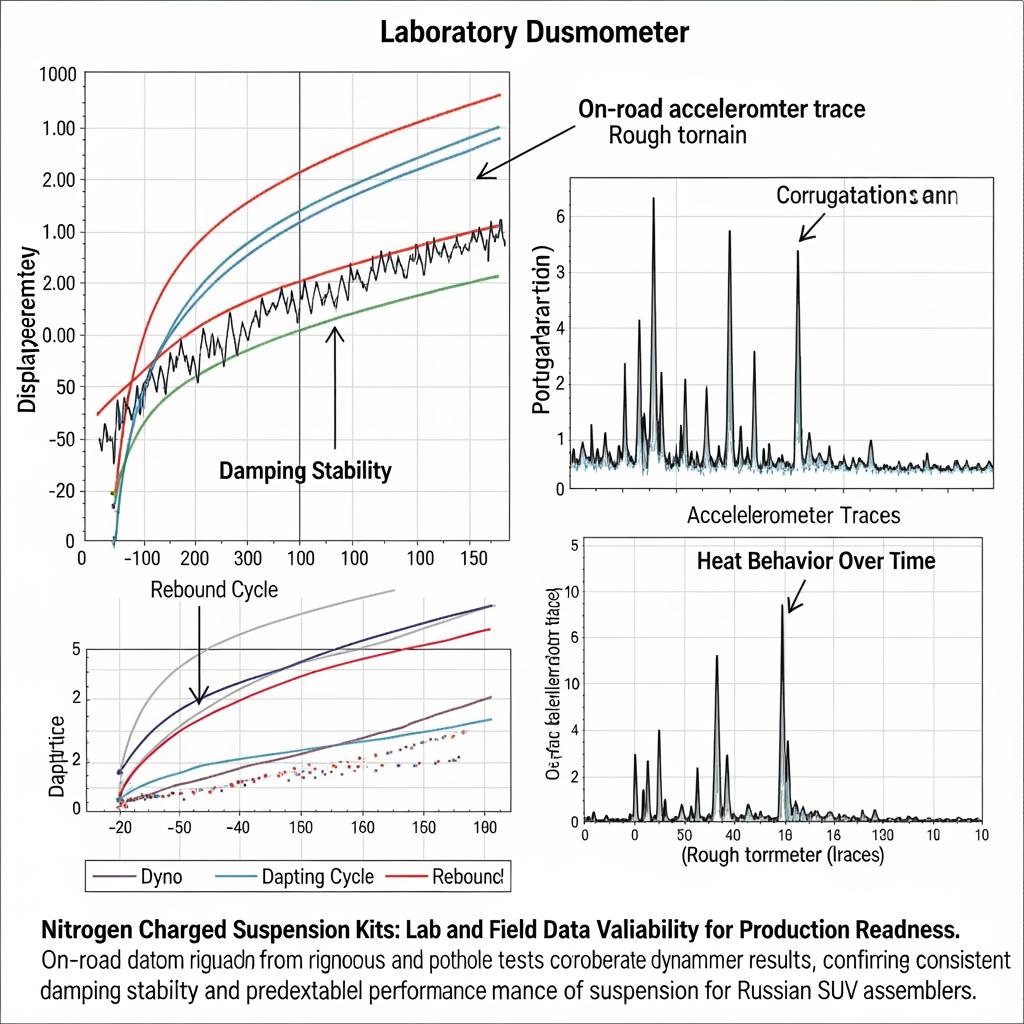
FAQ: Kits de Suspensão com Nitrogénio Carregado para Montadoras Russas de SUV
O que torna os amortecedores carregados com nitrogênio melhores para SUVs russos?
Eles resistem à cavitação, mantendo o amortecimento estável em corrugações longas e partidas em frio. Essa consistência apoia manuseio confiante e vida útil mais longa dos componentes.
Amortecedores monotubo ou bitubo são melhores para kits carregados com nitrogênio?
Para SUVs mais pesados e dever severo, monotubos com pistões maiores são preferidos. Bitubos podem funcionar em plataformas mais leves onde conforto e custo são primários.
Como os Kits de Suspensão Carregados com Nitrogênio para Montadoras de SUVs Russos lidam com o inverno?
Com óleo estável em frio, pré-carga de gás correta e vedações de baixa temperatura, amortecedores de nitrogênio mantêm controle de força mesmo abaixo de zero.
Quais revestimentos devo especificar para regiões com muita salmoura?
Proteção em camadas funciona melhor: e-coat mais pó em corpos/suportes, cromo duro ou inox/DLC em hastes e roscas seladas ou tampas para reguladores.
Esses kits podem ser personalizados para acessórios adicionais como guinchos e racks?
Sim. Rebote e compressão podem ser ajustados para massa extra, e molas/batentes combinados para evitar fundo de curso preservando o conforto.
Quanto tempo leva para validar um kit na minha plataforma SUV?
O prazo depende do escopo, mas alinhar metas cedo e executar ciclo dinamômetro-rodovia acelera a aprovação. Envolva seu fornecedor com KPIs claros e mistura de terreno.
Estamos prontos quando você estiver. Compartilhe seus requisitos para obter cotação, solicitar amostras ou encomendar um plano de validação personalizado para Kits de Suspensão Carregados com Nitrogênio para Montadoras de SUVs Russos — a G·SAI pode apoiar desde o conceito até o SOP.
Última atualização: 2025-11-03
Registro de alterações: Adicionadas quatro tabelas de decisão; Expandida orientação de proteção contra corrosão; Incluídos passos de aquisição e KPIs; Adicionado destaque detalhado do fabricante G·SAI; Inseridos 4 placeholders de imagens com legendas descritivas.
Data da próxima revisão e gatilhos: 2026-02-03 ou mediante novas regulamentações regionais, atualizações de materiais de óleo/vedação ou mudanças em tendências de falhas de campo.
Publicação relacionada
-
B2B Supplier Guide for SUV Shock Absorbers in the Thai Market
If you source, distribute, or spec suspension parts for Thailand’s booming pickup and SUV segments, this B2B Supplier Guide for SUV Shock Absorbers in the Thai Market is your shortcut to choosing SKUs that sell, pass inspections, and perform in real Thai conditions. From Bangkok expressways to northern mountain passes and southern islands, we’ll map…
-
Performance Suspension for SUVs Operating in Hot Climates in France
When temperatures climb across Provence, Occitanie, and Corsica, suspension systems work harder than almost any other vehicle subsystem. Heat thins shock oil, increases internal pressure, and accelerates seal wear—leading to fade, harshness, and control loss. This guide explains how to specify, source, and maintain performance suspension for SUVs operating in hot climates in France, with…