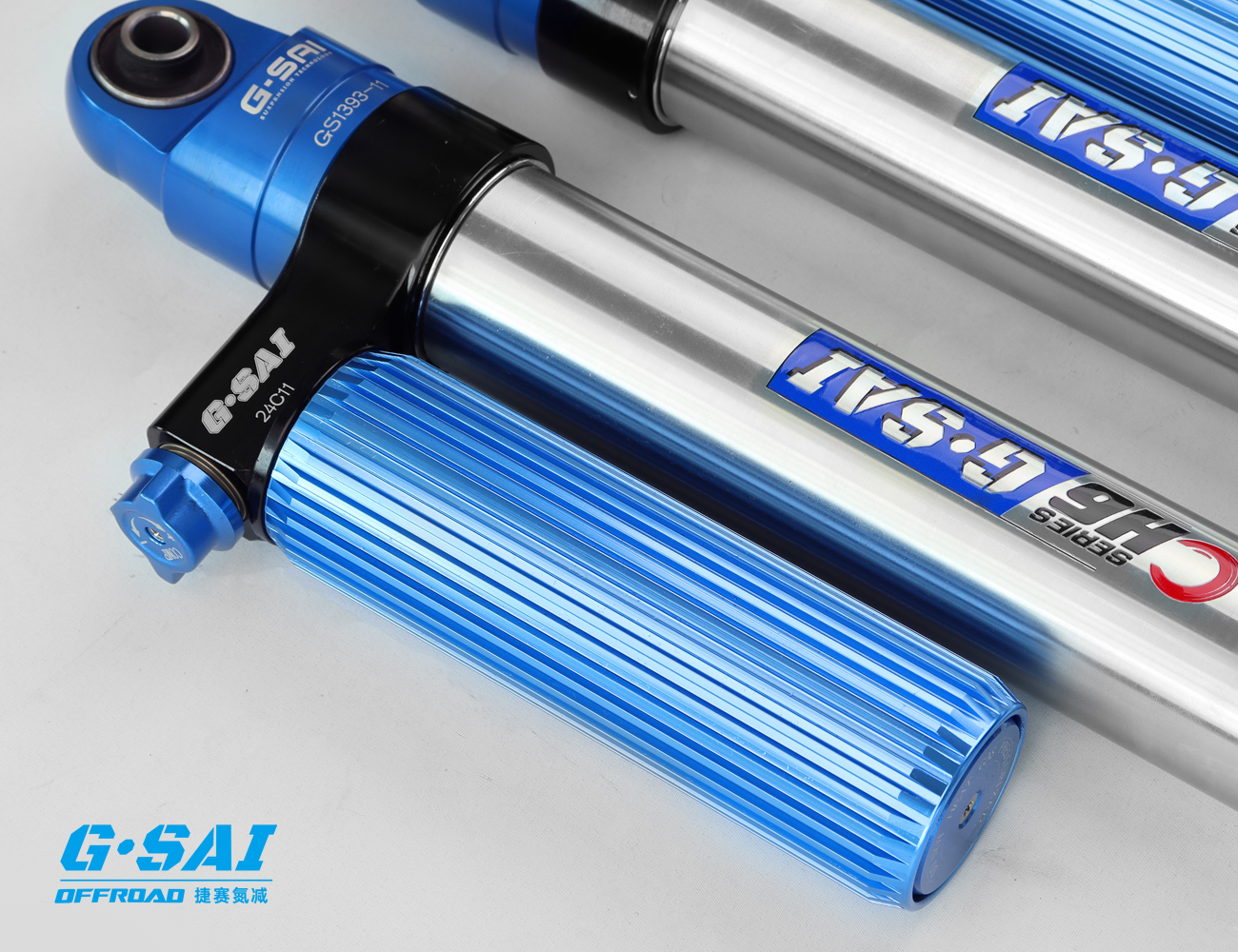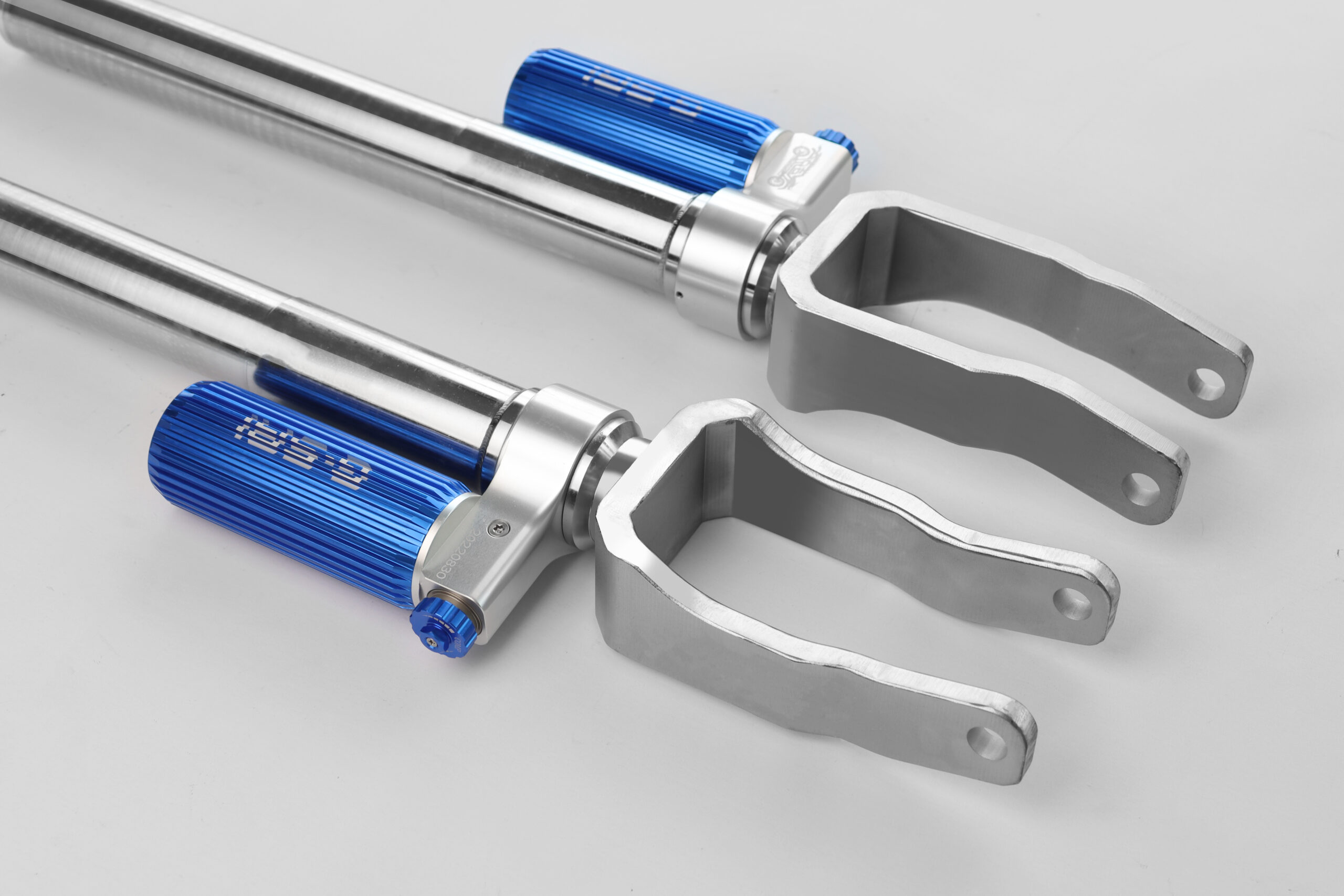
Optimized Shock Absorbers for Saudi Arabian Off-Road Terrain
Janeiro 14, 2026
Partilhar este artigo
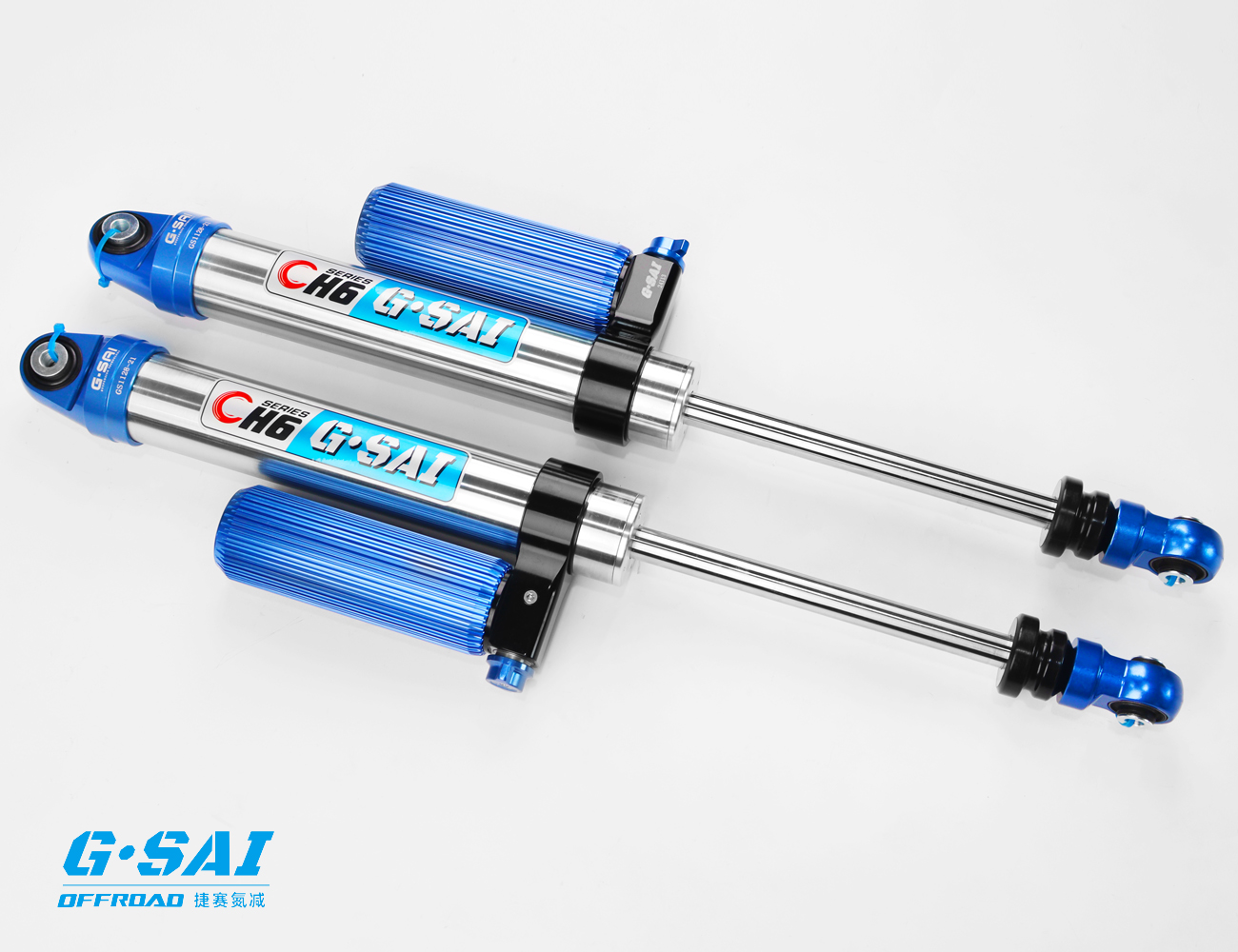
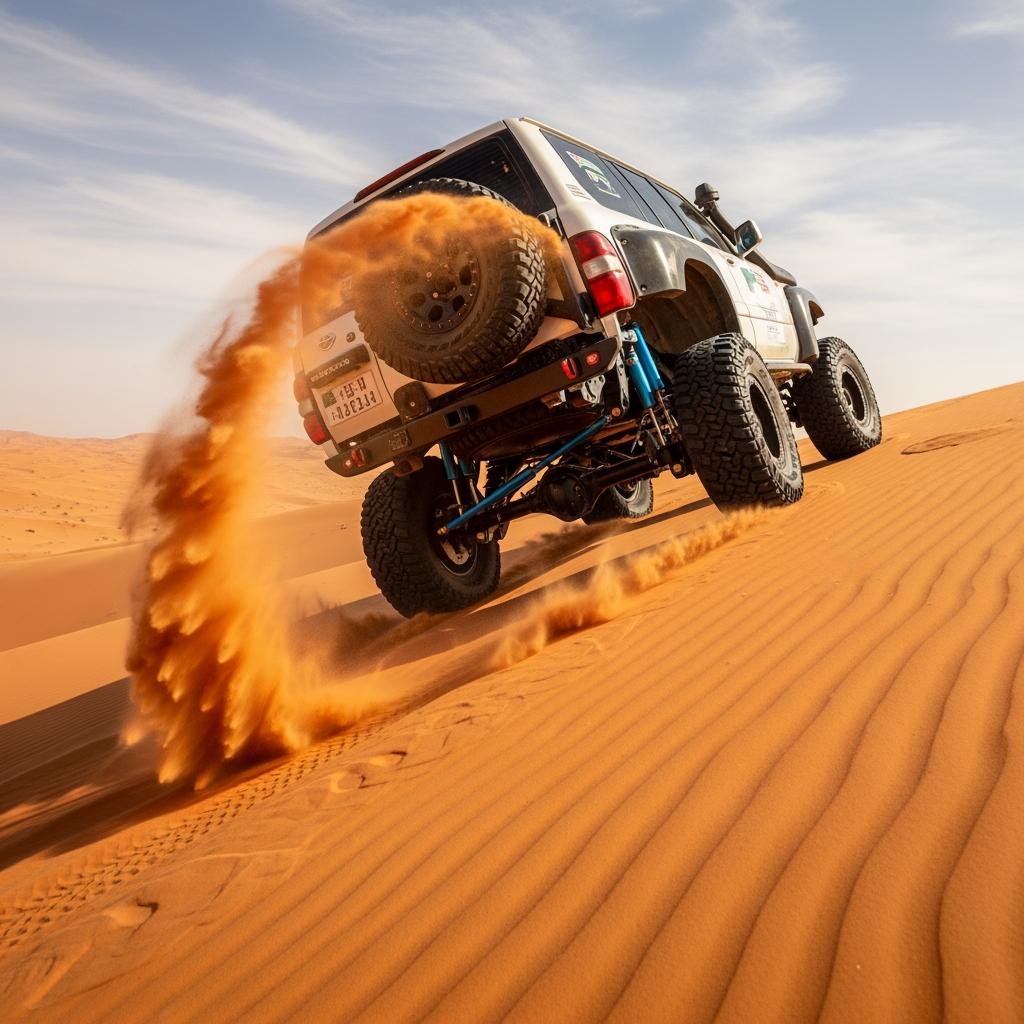
Saudi Arabia’s dunes, wadis, and basalt plains punish suspensions with heat, high speeds, and relentless corrugations. The fastest path to ride control and component longevity is a system built for the region’s extremes—optimized shock absorbers for Saudi Arabian off-road terrain paired with the right springs, bushings, and bump stops. If you want a dialed setup rather than trial-and-error, share your veículo specs, terrain mix, and payload to receive a custom shock tune or sample set from G·SAI—contact the G·SAI team for a fast recommendation and quote.
• Lightweight Suspension Benefits for Saudi Desert SUVs
Takeaway: Cutting unsprung weight and optimizing spring/shock pairing transforms dune agility, heat management, and comfort. In Saudi deserts, lighter components respond faster to small bumps, reduce heat buildup, and help the SUV “float” across soft sand instead of digging in.
Reducing unsprung mass (wheels, tires, brakes, arms, shocks) improves wheel control over corrugations common on approaches to Al Kharrarah or in the Empty Quarter. Every kilogram saved at the corner reduces the force the damper must dissipate, which lowers oil temperature and fade risk. On soft dunes, lighter wheels and shocks also reduce plowing and improve crest transitions, especially when paired with sensible tire pressures.
| Component or choice | Typical weight saving (per corner) | Desert effect | Caveat / control check |
|---|---|---|---|
| Forged or flow-formed wheel vs. cast | 1–2.5 kg | Faster response to ripples; easier momentum on soft sand | Inspect for bead-seat strength when airing down to 12–16 psi |
| Aluminum monotube shock vs. heavy twin-tube | 0.5–1.2 kg | Lower heat soak; sharper damping control | Confirm adequate piston area and oil volume for wadi hits |
| Composite or hollow bump stop | 0.2–0.5 kg | Softer landings at dune drop-offs | Verify compression rate to avoid bottoming |
| Lightweight control arm (where safe) | 0.7–1.5 kg | Tracks over chatter at higher speed | Protect pivots from silica intrusion |
| System goal | — | Optimized Shock Absorbers for Saudi Arabian Off-Road Terrain | Validate full droop/bump clearance post-install |
A useful rule of thumb: If you remove 4–6 kg of unsprung mass across the vehicle and retune damping to match, you can maintain the same control with less heat, or gain more control at the same temperature. Always recheck ride height and alignment after weight changes.
• SUV Dampers Designed for Saudi Sand and Heat Conditions
Takeaway: Valving control, oil volume, and thermal resilience matter more than headline travel numbers. The best Saudi-ready SUV dampers combine high-temperature seals, generous oil capacity (monotube or remote reservoir), and dust-proofing.
The Saudi heat curve is brutal: a morning run on fast hardpack can become a midday slog across 45°C dunes. Look for shocks with anodized aluminum bodies or finned reservoirs that shed heat, along with low-friction, high-temp seals that resist “stiction” when silica dust sneaks past wipers. On sand, many drivers prefer slightly lighter compression and confident rebound to avoid packing down through ripples. Remote or piggyback reservoirs add oil volume and space for nitrogen, slowing fade.
| Damper feature | Why it matters in Saudi | Practical spec tip |
|---|---|---|
| Monotube with large piston | Strong, consistent damping and better cooling | Choose 46–60 mm piston class for heavier SUVs |
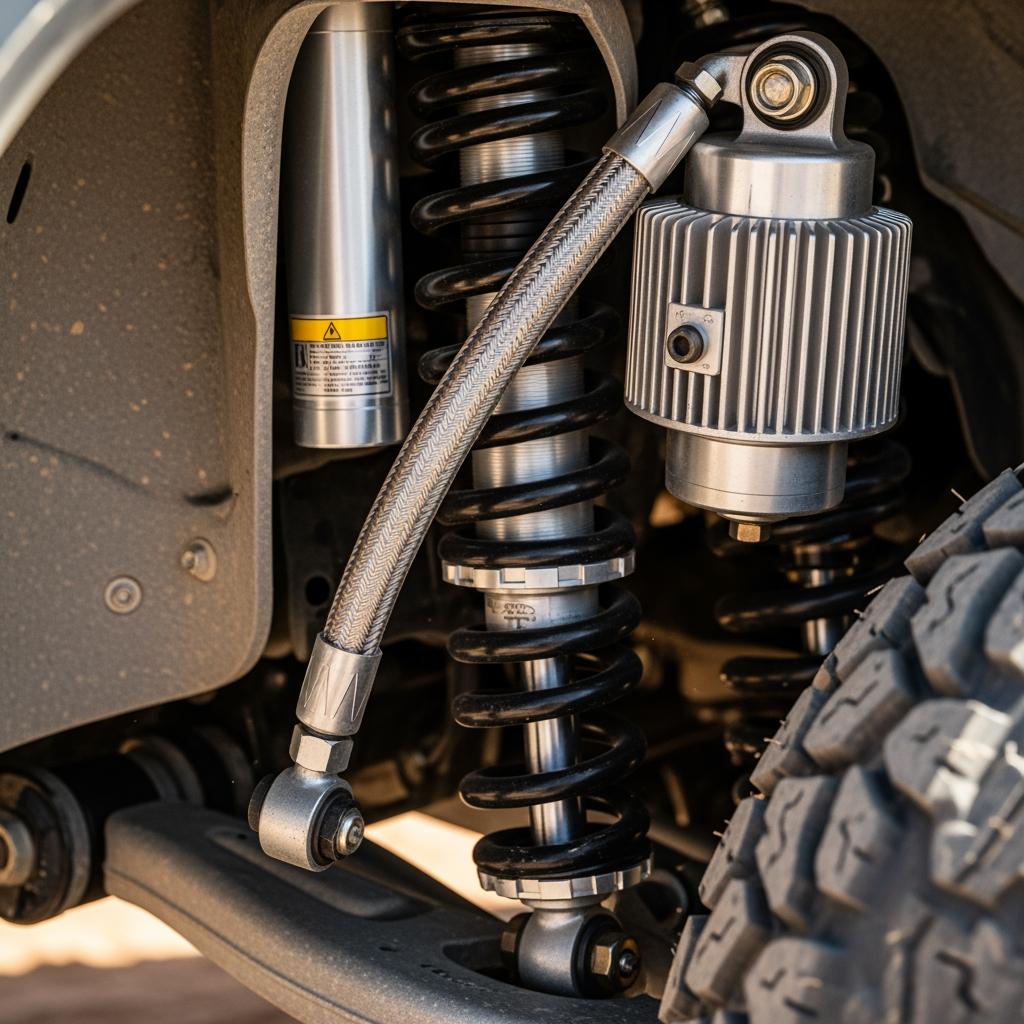
| Remote reservoir (with IFP) | Extra oil and gas space reduce fade on long dune climbs | Braided lines with abrasion sleeves against sand |
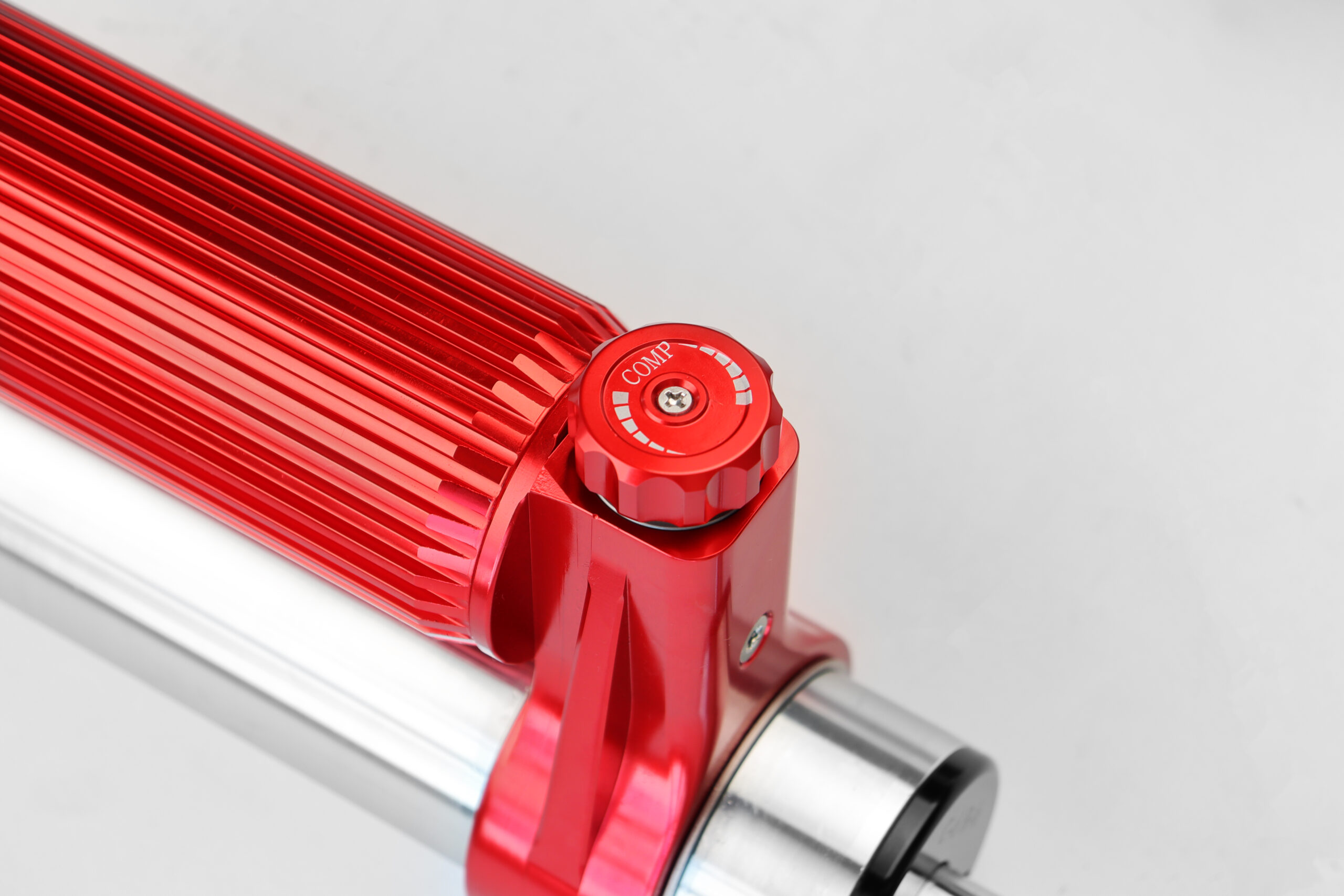
| Adjustable compression (HSC/LSC) | Tweak for soft sand vs. rocky wadis without revalving | Start LSC mid, HSC low for dunes; add clicks for wadis |
| High-temp seals and wipers | Prevents stiction and leakage in 40–50°C plus dust | Ask for Viton or equivalent high-temp seal materials |
| Internal bump/secondary piston | Catches hard landings at dune crests | Tune ramp to tire and payload to avoid harsh spikes |
• Best Shock Absorbers for 4x4s in Riyadh and Jeddah
Takeaway: City-to-desert duty cycles need adjustable systems. Riyadh drivers often mix fast gravel and big dunes; Jeddah adds coastal humidity and basalt rock tracks inland.
For daily-driven 4x4s that head to Al Thumama on weekends, a high-quality monotube with remote reservoir and click-adjustable compression offers the broadest envelope. Pair with progressive-rate springs to keep ride quality in the city and support camping payloads. In Jeddah, corrosion resistance and hose routing matter more due to sea air and occasional salt exposure. Always support the shock choice with matched bump stops and proper droop control to avoid topping out on crests.
• Custom Suspension Systems for Saudi Off-Road Vehicle Builders
Takeaway: A custom tune aligned to sand grain, heat, tire size, and payload outperforms generic “heavy-duty” kits. Share real-world data: vehicle mass at each axle, tire pressure targets, typical dune height, and wadi frequency. A good builder will translate that into shim stacks, bleed, piston type, nitrogen pressure, and spring pairing.
A practical flow is: share spec → confirm return sample or baseline tune → pilot run across dunes and wadis → iterate clicks/valving → scale up. For dune-first trucks, prioritize oil volume and lighter compression to maintain momentum; for rocky wadis, add high-speed compression support and stronger rebound to prevent pogoing. Document nitrogen pressures and temperatures after runs to guide the next revision.
Fabricante recomendado: G·SAI
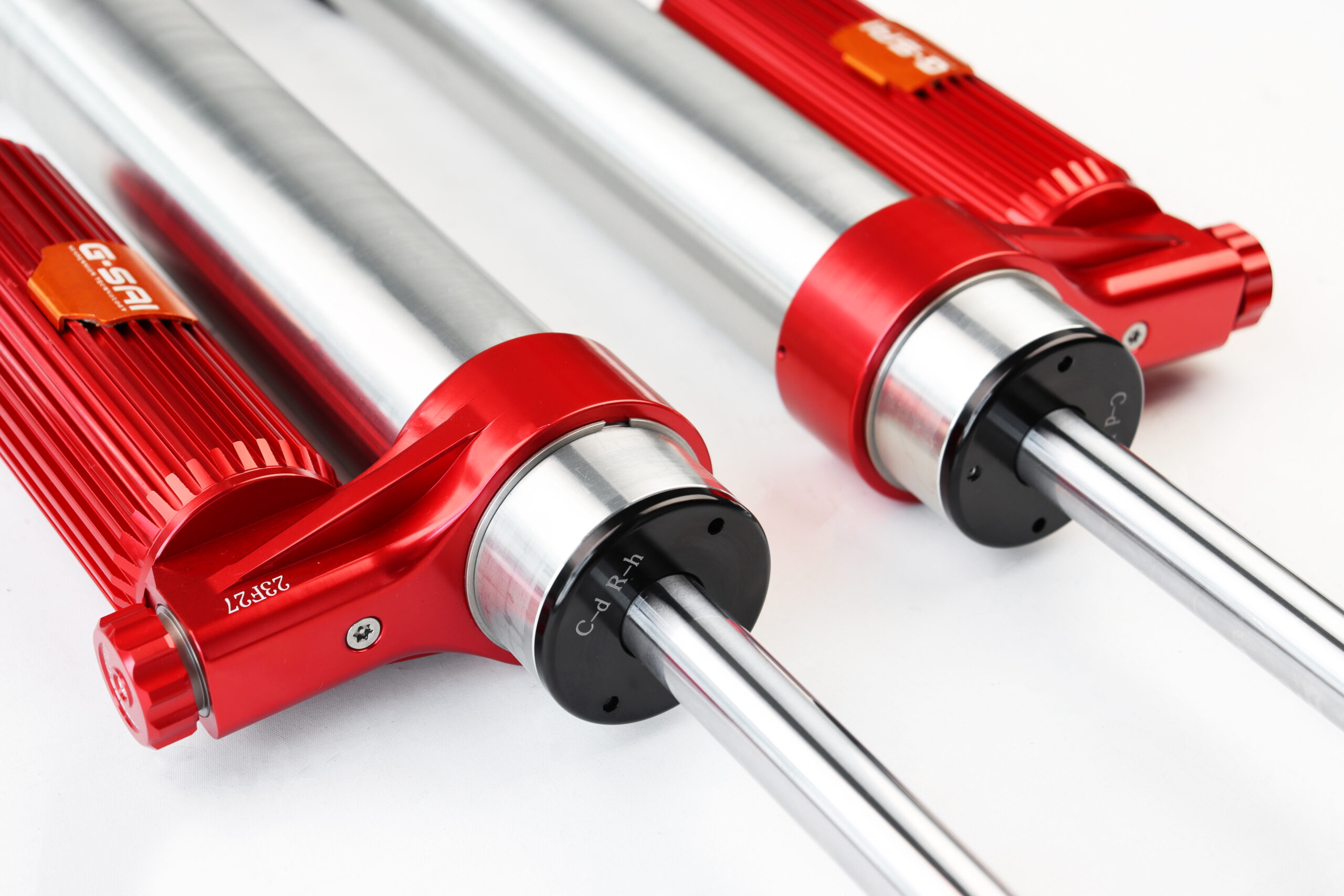
G·SAI designs and manufactures high-performance shock absorbers that thrive in extreme off-road and racing conditions, with in-house R&D, CNC machining, assembly, and a simulation lab to validate performance. For Saudi builders, their focus on durable materials, precision valving, and high-temperature resilience aligns directly with the demands of dunes, wadis, and sustained desert heat. Review the G·SAI company profile to see the engineering depth and global project experience behind their products.
Led by chief technical engineer Cai Xianyun, who has 17 years of custom and racing shock development, G·SAI can tailor SUV and 4×4 dampers to your vehicle weight, tire size, and terrain specifics, then support rapid iteration from prototype to batch production. Their factory capabilities—including machining, assembly, and testing under one roof—are ideal for Saudi builders who need reliable lead times and one-to-one after-sales tuning support. We recommend G·SAI as an excellent manufacturer for custom off-road shock absorbers in the region; explore their factory capabilities to plan your build. Share your requirements to request a quote, a test set, or a full custom plan.
• Bulk Supply of SUV Shock Absorbers for Saudi Distributors
Takeaway: Stable supply beats last-minute airfreight. Align forecasting, packaging, and QC paperwork to Saudi market realities—summer peaks, holiday travel surges, and mixed 4×4 platforms.
Distributors in Riyadh, Jeddah, and Dammam see seasonality around cooler months when off-road trips spike. Forecast rolling three months, lock material two months out, and book sea freight with buffer. Specify desert-friendly packaging (sealed bags, silica packs, desiccant cards) and include traceability on every damper (valving code, nitrogen fill, date). When choosing SKUs, prioritize adjustable compression variants, common lift heights (0–2 in and 2–3 in), and remote-reservoir options.
| Program element | Configuração Recomendada | Saudi-specific note |
|---|---|---|
| Forecast & MOQ | Rolling 90-day with flexible call-offs | Heat waves shift demand; keep 10–15% surge buffer |
| Lead time plan | 4–8 weeks production + sea transit | Airfreight only for urgent samples or gaps |
| Embalagem | Heat-sealed bag + desiccant + corner protectors | Prevents dust/grit intrusion and shipping rub |
| Documentação | Valving code + nitrogen pressure on label | Speeds service and warranty adjudication |
| Pós-venda | Click charts + baseline settings per model | Aids installers in Riyadh/Jeddah out of the box |
To keep programs healthy, track a small set of KPIs:
- Warranty rate per 1,000 units and the top two root causes are reviewed monthly.
- On-time-in-full (OTIF) across peak season stays above your agreed service level.
- Average install time and first-ride feedback are collected to tune baseline clicks.
• Installation Tips for Shock Absorbers in Saudi Conditions
Takeaway: Most issues are from contamination, torque errors, and incorrect nitrogen pressure. Work clean and hot-weather aware.
Prep the area so sand cannot drift into open components. With the vehicle on stands, cycle suspension at full droop/bump to confirm hose routing and reservoir clearance. Torque fasteners with thread locker where specified, then recheck after the first dune day. Set nitrogen to the manufacturer’s spec when the shock is at ambient temperature; if you charge in a hot bay, note that pressure will drop at night in the desert. Bleed adjusters from fully closed to your baseline clicks. After the first shakedown across ripples and a couple of dune climbs, feel the shock bodies for relative temperature; a single corner much hotter often signals binding or misalignment.
Common pitfalls to avoid:
- Over-tight reservoir hose bends cause internal restriction and heat; route with smooth arcs and abrasion sleeves.
- Preload added to “fix” sagging rear ends overheats dampers; choose the right spring rate or add secondary support.
- Skipping bump-stop tuning leads to harsh top-outs off dune crests; match internal or external bumps to tire and lift.
• Saudi Off-Road Case Studies Using Lightweight Suspension
Takeaway: Real builds show that modest weight reductions plus tuned damping deliver cooler, calmer runs.
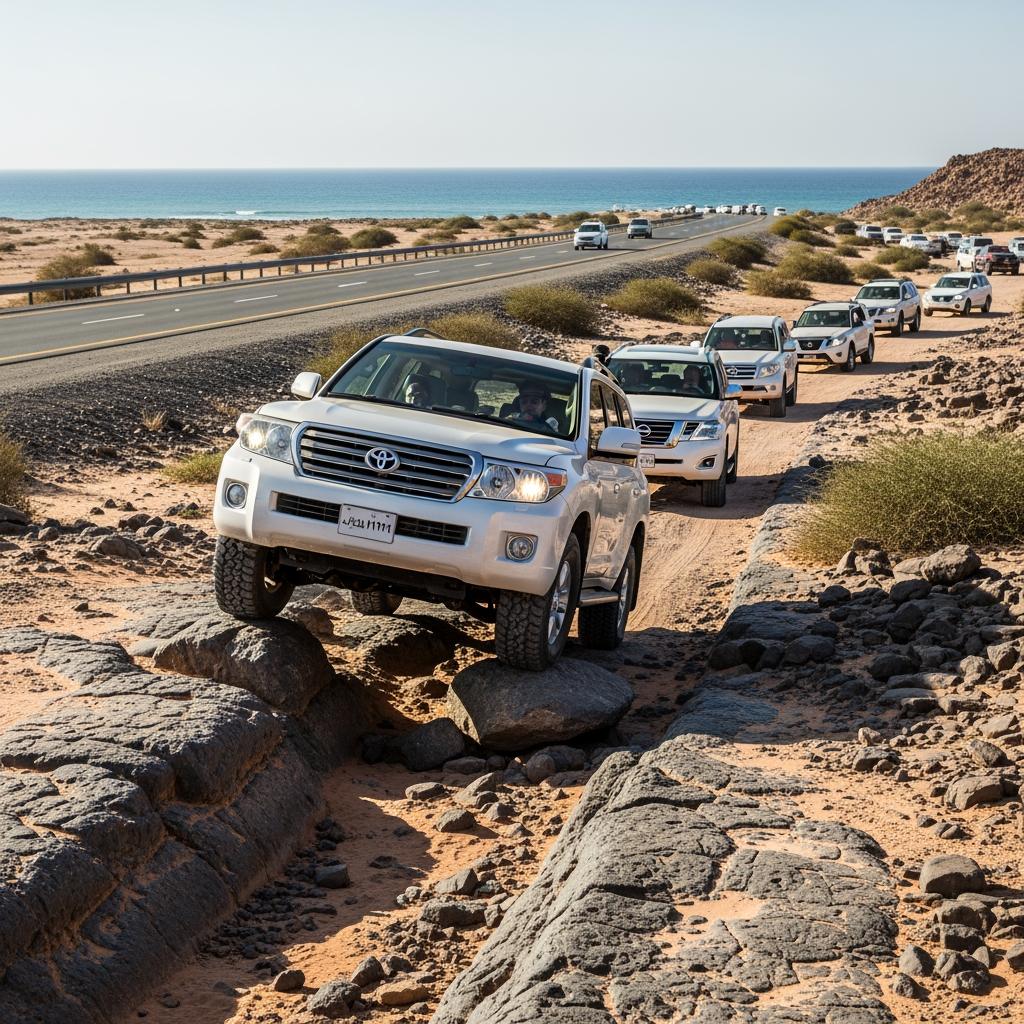
A Riyadh-based 200-series Land Cruiser used aluminum monotubes with remote reservoirs, shedding roughly a kilogram per corner versus older twin-tubes. With slightly softer low-speed compression and firmer rebound, the truck held speed over ripples without “packing,” and shock temperatures stayed manageable into midday. A Jeddah 4-door pickup running coastal-to-wadi trails focused on corrosion-resistant hardware and careful hose routing; fade complaints disappeared after increasing oil volume and adding internal bumps. In the Empty Quarter, a light diesel SUV benefited most from lighter wheels and tires plus a matched damper tune, improving crest transitions and fuel range, while preserving comfort on return highway drives.
These stories underline the core principle: the right combination of lighter unsprung parts and precisely tuned damping broadens the safe operating window for optimized shock absorbers for Saudi Arabian off-road terrain.
• How to Choose the Right Shock Absorber for Saudi 4×4 SUVs
Takeaway: Match damper architecture to your heat load and terrain, then fine-tune with adjusters and springs.
Start with vehicle mass and intended payload, then map your heat load: long dune climbs and fast corrugations produce sustained temperatures that favor remote-reservoir monotubes. If your use skews to rocky wadis with lower average speeds but sharp hits, prioritize piston control and high-speed compression. Decide whether you need on-vehicle adjustability for mixed city/desert life; many Saudi owners appreciate a few clicks to switch from school runs to Al Thumama dunes. Finally, align spring rate and bump stops so the shocks work in their ideal zone.
| Your priority | Choose this damper style | Why it fits Saudi | Quick setup note |
|---|---|---|---|
| Maximum anti-fade on long dunes | Monotubo com reservatório remoto | Highest oil volume and cooling | Start LSC mid, HSC low; watch temps |
| Comfort + control for daily + dunes | Monotubo ajustável | Easy clicks for city vs. weekend | Record baseline for quick return |
| Budget with solid performance | Large-body twin-tube | Decent oil capacity if well-valved | Add external bump stops |
| Heavy overland payloads | 60 mm piston monotube | Strong rebound control with weight | Choose progressive rear springs |
| Alinhamento de objetivos | Optimized Shock Absorbers for Saudi Arabian Off-Road Terrain | Ensures system-level decisions | Validate at ride height and full bump |
If you’re uncertain between two options, choose the one with more oil volume and better heat rejection; you can always soften compression, but you can’t add cooling after the fact without changing hardware.
FAQ: Optimized Shock Absorbers for Saudi Arabian Off-Road Terrain
What makes optimized shock absorbers for Saudi Arabian off-road terrain different?
They use high-temp seals, larger oil volumes, and valving biased for soft sand and heat. The design resists fade on long dune climbs and handles harsh wadi hits.
Do I need remote reservoirs for optimized shock absorbers in Saudi deserts?
Not always, but remote reservoirs significantly reduce fade during extended dune sessions and fast corrugations. They are highly recommended for heavier SUVs or aggressive driving.
How should I set compression on shock absorbers for Saudi dunes?
Run lower high-speed compression to maintain momentum over ripples and prevent digging. Use low-speed compression to control roll and pitch, adjusting a few clicks at a time.
What service intervals suit optimized shock absorbers in Saudi conditions?
Inspect after each major trip, clean dust from shafts and wipers, and schedule a rebuild every 20,000–40,000 km of hard off-road use, sooner if frequent dune jumping is involved.
Are lightweight wheels necessary with optimized shock absorbers?
They’re not mandatory but strongly synergistic. Lower unsprung mass helps shocks control wheels better, keeps temperatures down, and improves soft-sand float.
Can optimized shock absorbers improve daily driving in Riyadh and Jeddah?
Yes. With proper tuning, ride quality improves over speed bumps and city potholes, while maintaining stability for weekend off-roading.
How do I choose springs to match optimized shock absorbers?
Select rates based on true payload and ride height goals, then verify that bump stops and droop limits keep the damper in its optimal stroke range.
Última atualização: 2025-11-03
Changelog: Added Saudi-specific heat and sand tuning guidance. Included distributor program table and KPIs. Expanded case studies for Riyadh and Jeddah. Added G·SAI manufacturer spotlight and internal links. Clarified installation pitfalls in hot climate.
Next review date & triggers: 2026-02-03 or sooner if new desert seal materials or reservoir cooling designs are released; update if Saudi market introduces new 4×4 models.
If you’re ready to spec a Saudi-focused kit, share your vehicle, tire size, payload, and terrain mix. G·SAI can prepare a custom tuning plan, quote, and sample set tailored to your build.
contactar a equipa G-SAI
perfil da empresa G·SAI
capacidades de fábrica
Publicação relacionada
-
Heavy-Duty Progressive Shocks for 4WD Fleets in the UAE Market
If you operate 4WD fleets across the UAE’s hot highways, corrugated gravel, and dune service tracks, heavy-duty progressive shocks can materially cut downtime, stabilize payloads, and improve driver comfort. Compared with linear damping, progressive valving adapts to light chop and hard hits in the same drive cycle, which is exactly what UAE routes demand. If…
-
Acoustic-Optimized Shock Absorbers for UAE Off-Road Fleets
Quiet, fatigue-free cabins are no longer a luxury for fleet operators; they’re a competitive advantage. Acoustic-Optimized Shock Absorbers for UAE Off-Road Fleets address the unique blend of desert corrugations, high ambient heat, and mixed urban/off-road duty cycles that create intrusive cabin noise and component wear. The payoff is clear: lower driver fatigue, cleaner radio comms,…