Амортизаторы для экстремальных температур для внедорожников в Северной России
12 января 2026 г.
Поделиться статьей
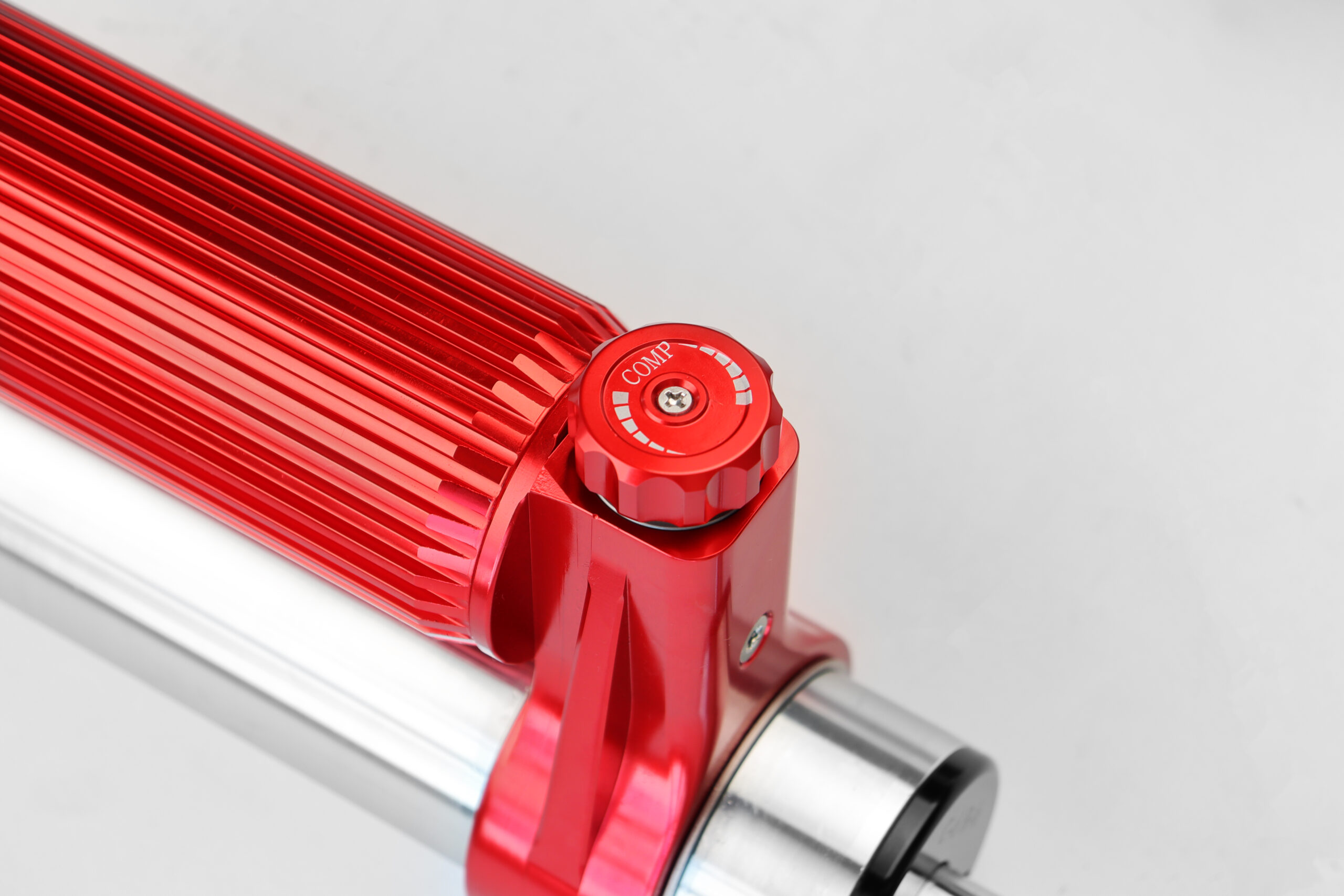
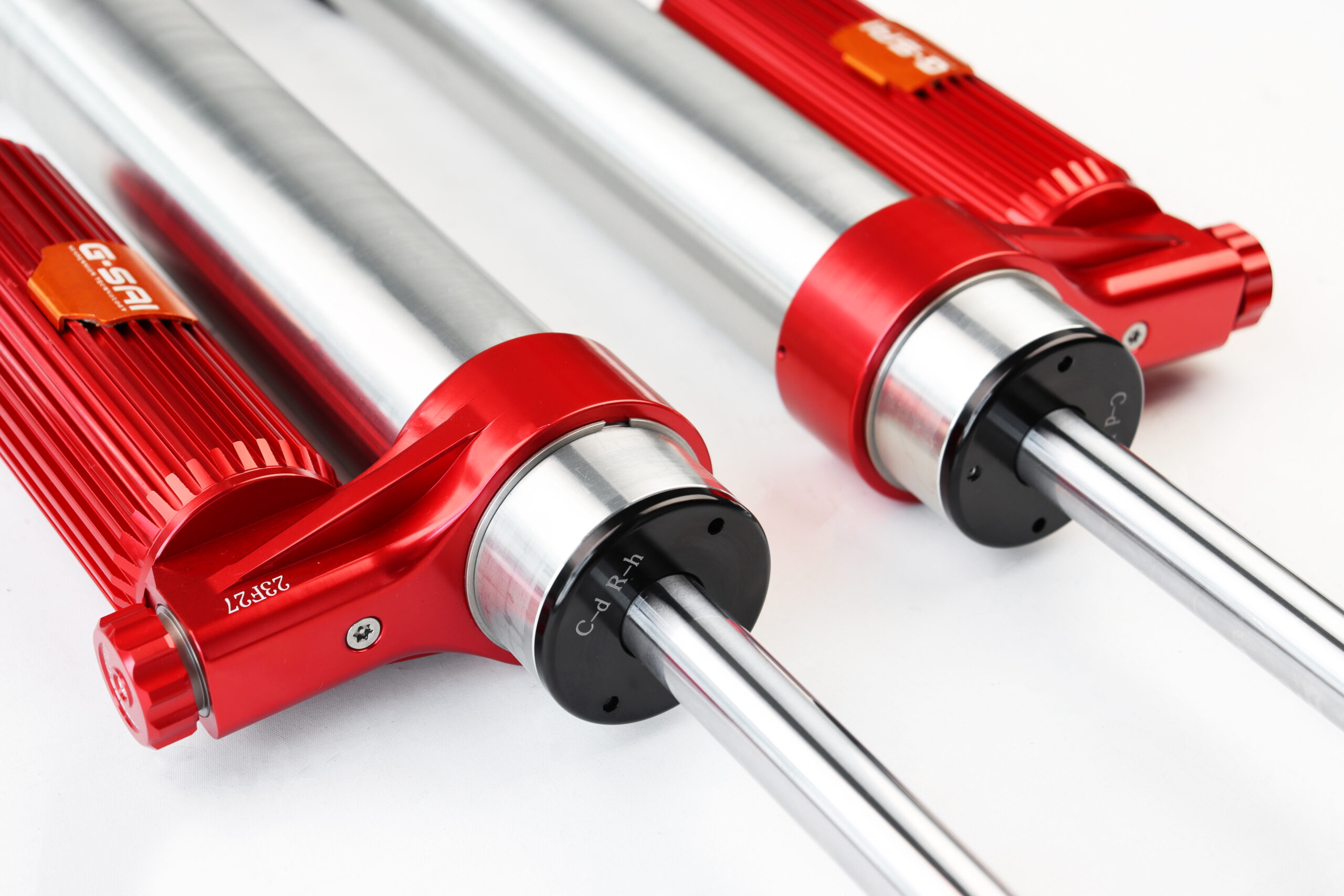
Амортизаторы для экстремальных температур для внедорожников в Северной России должны сохранять стабильность от раскаленной летней гравийки до арктических ночей. Правильный амортизатор — это первая линия контроля вашего внедорожника против перегрева, вспенивания, затвердевания уплотнений и пиковых ударов, которые могут вывести из строя в Северных условиях. Если вы разрабатываете программу или модернизируете флот, поделитесь автомобиль нагрузками, пробегом и рабочими температурами, чтобы получить предложение по настройке клапанов, пробные образцы и быстрый расчет — G·SAI превратит вашу спецификацию в надежное оборудование для российских экстремальных условий. Чтобы начать процесс, напрямую свяжитесь с G·SAI через их страницу контактов: свяжитесь с G·SAI.
Амортизаторы высокой температуры для российских внедорожных внедорожников
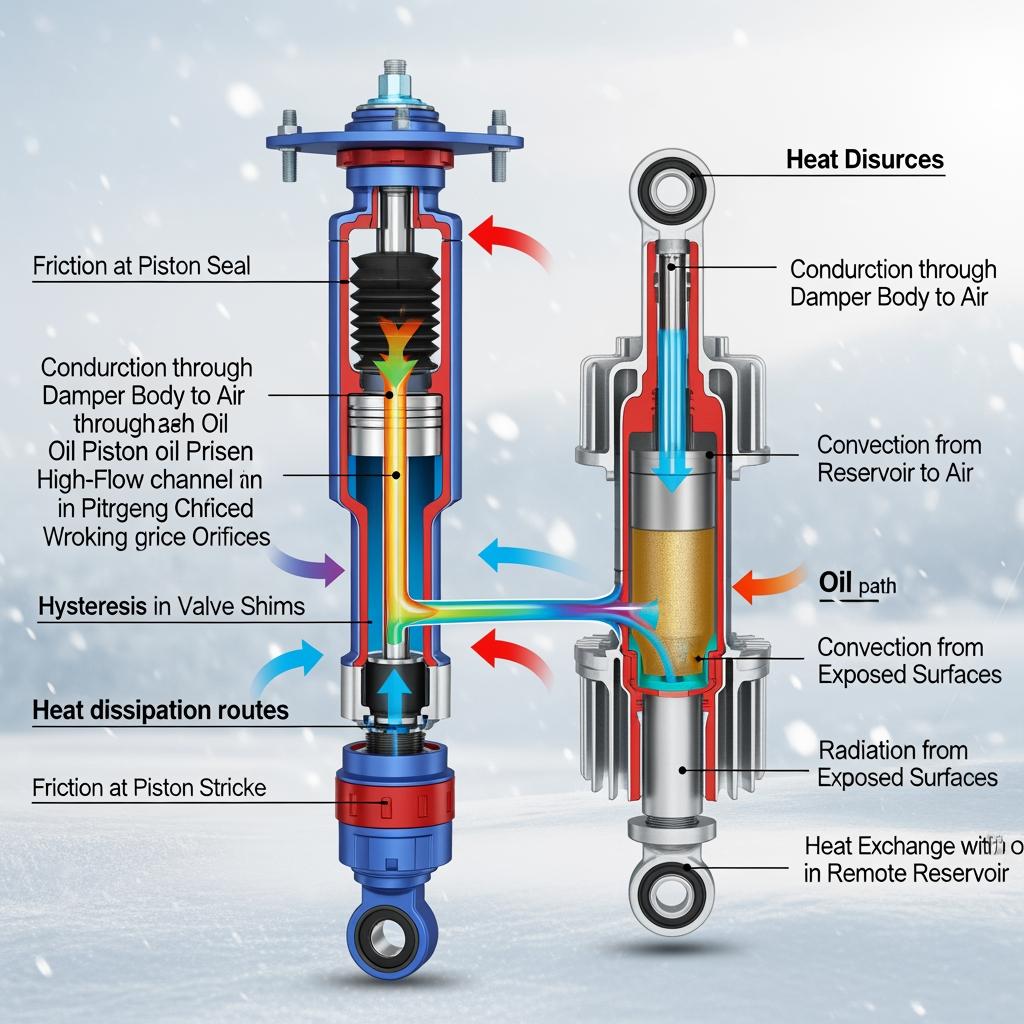
Когда летние тропы превращаются в горячие гребенки, а тяжелые внедорожники часами везут груз, амортизаторы нагреваются изнутри. Термальный перегрев возникает при падении вязкости жидкости и образовании газовых пузырей, что размягчает демпфирование и увеличивает тормозной путь. В обширных внедорожных регионах России термостойкость зависит от стабильных жидкостей, эффективного охлаждения и конструкции, устойчивой к аэрации.
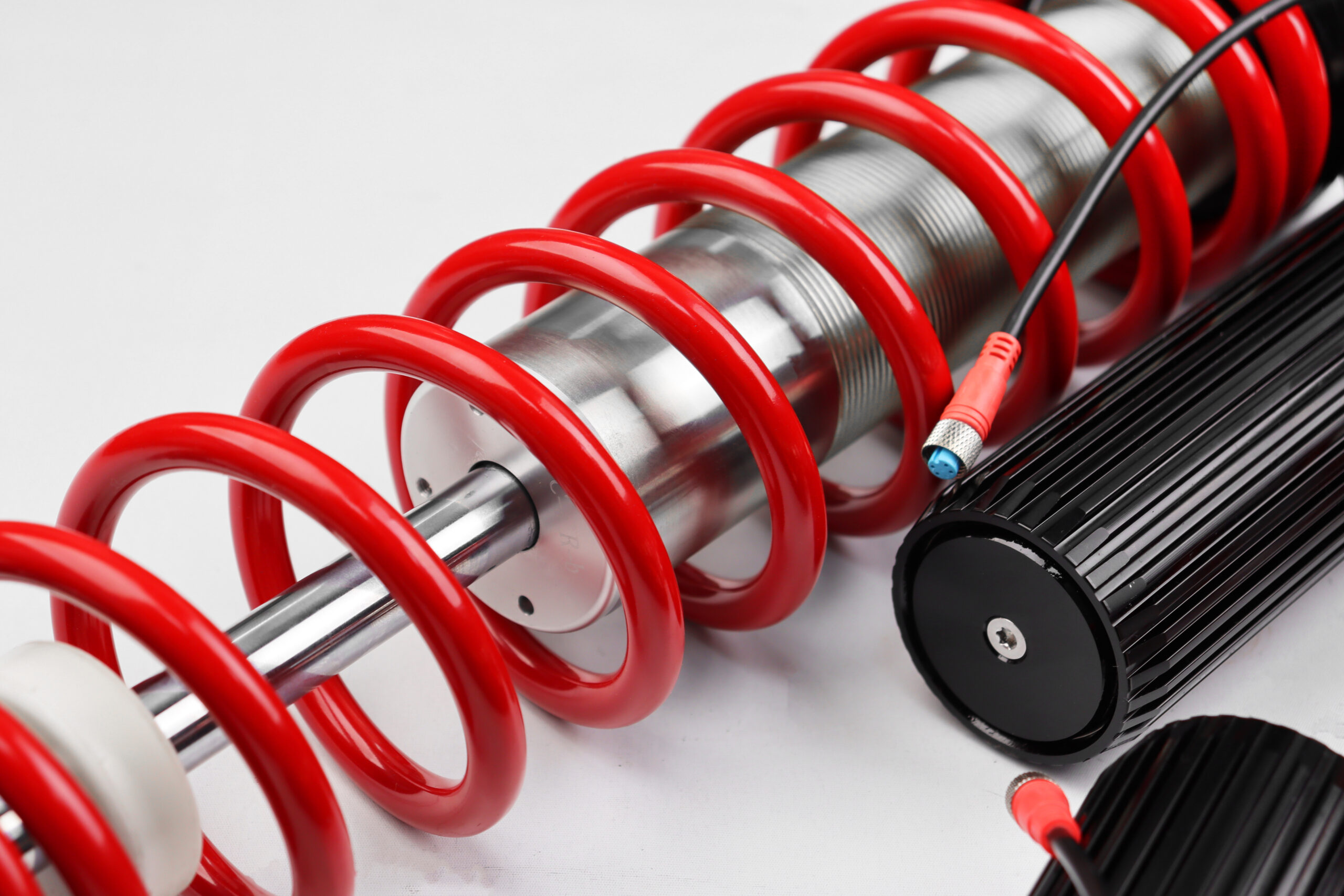
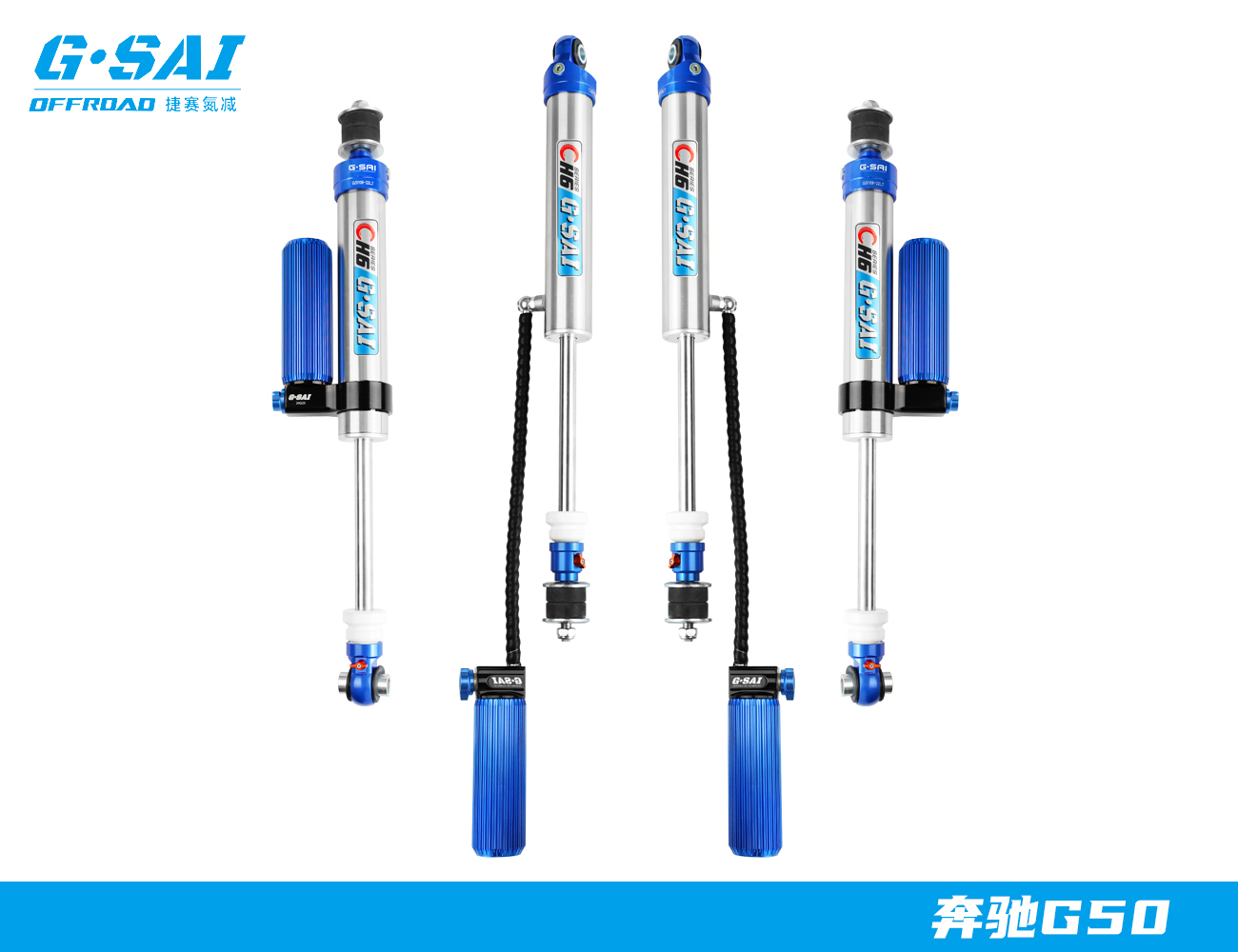
Однотрубные амортизаторы с большими поршнями лучше отводят тепло, чем двухтрубные, а внешние резервуары увеличивают объем жидкости и отделяют газ, снижая вспенивание. Синтетические смеси PAO/эстер с высоким индексом вязкости сохраняют форму демпфирующей характеристики при росте температуры. Термостойкие уплотнения FKM/Viton и HNBR сохраняют эластичность рядом с тормозами и выхлопом. Наконец, поршни с высокой пропускной способностью и дренажные каналы предотвращают чрезмерный сдвиг, перегревающий масло на гребенках.
| Архитектура | Охлаждающая способность | Стойкость к перегреву на гребенках | Примечания по обслуживанию |
|---|---|---|---|
| Сверхпрочные двухтрубные | Умеренный | Умеренная; может перегреваться на длинных дистанциях | В целом прощающая; подходит для смешанных дорог/внедорожья |
| Однотрубный (поршень 46–60 мм) | Высокий | Высокая; быстрое восстановление | Чувствителен к ударам камней — используйте защиту |
| Однотрубный + внешний резервуар | Очень высокая | Отличная; минимальный риск аэрации | Дополнительные шланги и крепления; лучшее для тяжелых условий |
Это сравнение показывает, почему многие российские внедорожники для лета и горных трасс выбирают однотрубные конструкции с резервуаром. Дополнительный объем жидкости и разделение газа обеспечивают предсказуемое демпфирование после часов нагрузок.
Амортизаторы, разработанные для сибирского внедорожного рельефа
Холод — иной враг. В Сибири загустевание жидкости, переход уплотнений в стеклообразное состояние и лед в пыльниках могут резко ухудшить комфорт и повредить крепления. Низкотемпературная химия обязательна: базовые масла должны течь при −40°C, уплотнения — оставаться эластичными, поршневые кольца — скользить без вибрации.
Стратегия клапанов для холода: добавьте низкоскоростной дренаж для мягкости на старте, обеспечьте прогрессивное раскрытие пачки шайб при прогреве жидкости, настройте давление азота для предотвращения кавитации без стики. Защитные покрытия и пыльники должны выдерживать абразию льда и дорожные реагенты.
| Выбор конструкции для низких температур | Почему это важно в Сибири | Практические рекомендации по спецификациям |
|---|---|---|
| Синтетическая жидкость с низкой температурой застывания | Предотвращает жесткость и стики на утреннем старте | Используйте PAO/эстер с температурой застывания ниже −50°C |
| Уплотнения HNBR или FKM для низких температур | Сохраняет кромки уплотнений без трещин | Холодостойкие формулы; проверьте эластичность при −45°C |
| Поршни с PTFE-кольцами | Снижает трение при высокой вязкости масла | Избегает скрипа и микровибрации на старте |
| Настройка азотного заряда | Подавляет кавитацию в снежных колеях | Баланс между тягой и сцеплением на мелких неровностях |
Эти элементы обеспечивают точное рулевое управление на обледенелых трассах и защищают амортизаторы от жесткой смеси холода, песка и хлорида кальция, определяющей северные зимы.
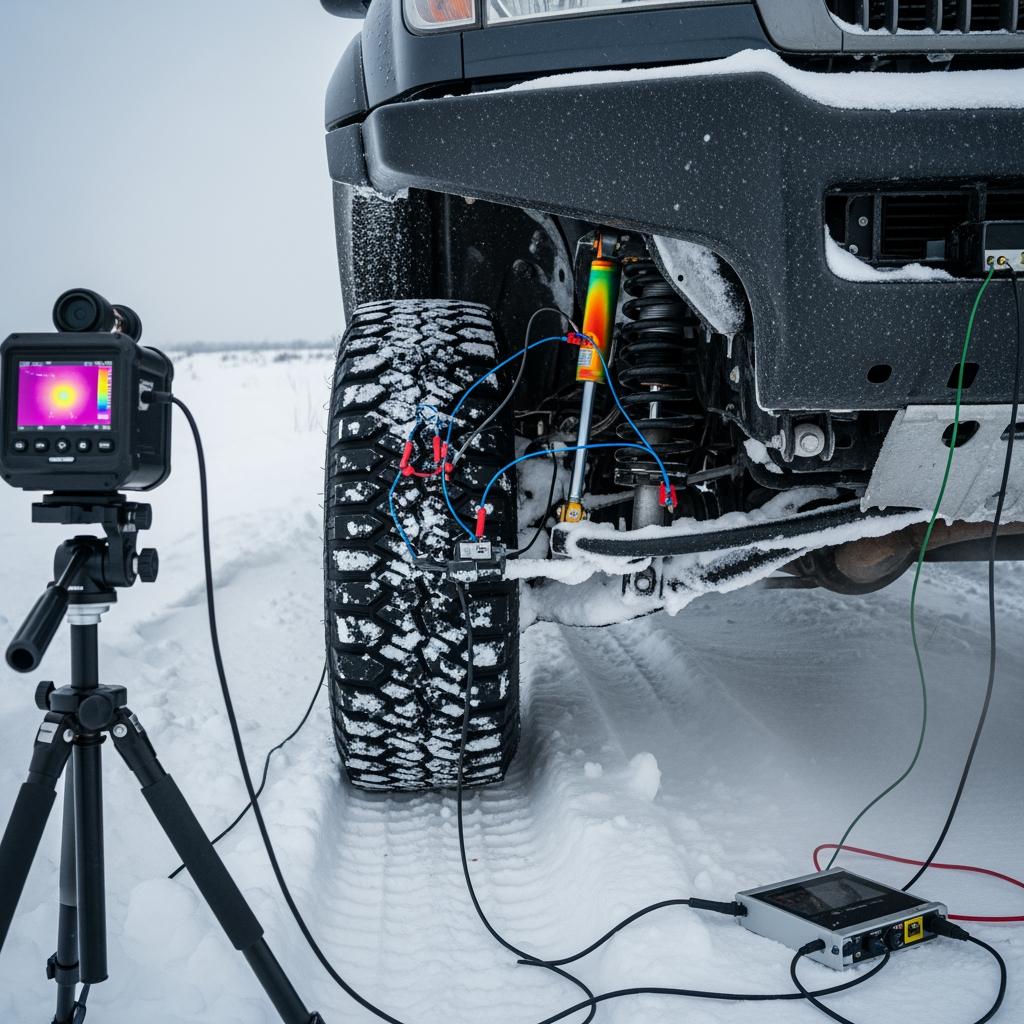
Материальные технологии для термостойких амортизаторов внедорожников
Выбор материалов и поверхностей — основа надежности в экстремальных температурах. Корпуса из высокопрочной легированной стали устойчивы к вмятинам от камней, которые могут заклинить поршни в однотрубных конструкциях. Анодированные резервуары из 7075 или 6061-T6 отводят тепло и отталкивают коррозию. Штанги поршней с твердым хромом или покрытиями DLC снижают износ в загрязненной среде, а тефлоновые шарниры выдерживают смещенные нагрузки при скручивании рычагов в колеях.
Для уплотнений смеси Viton/HNBR справляются с химией масла и циклами нагрев-холод, типичными для российского Севера. Фосфатные покрытия с эпоксидным финишем на кронштейнах и крепеже замедляют коррозию после соли. При возможности ребристые резервуары и проводящие крепления превращают шасси в пассивный теплоотвод, продлевая время без перегрева.
Кастомизированные амортизаторы для российских производителей внедорожников
Российские внедорожники разнообразны — от рамных экспедиционных до монококовых кроссоверов для шахт. Универсальный амортизатор не подойдет. Кастомизация фокусируется на картах клапанов, диаметре поршня, объеме масла и компоновке (размещение резервуара, прокладка шлангов) под снаряженную массу, нагрузки на оси, подъем и массу шин. Валидация следует схеме: обмен спецификациями → подтверждение образца → пилотная партия → масштабирование, с тестами холодного пуска, горячих гребенок и нагруженных прыжков.
Ключевые меры: зазор для полного хода с цепями противоскольжения, защита однотрубных от камней, регулировка дренажа для сезонных колебаний температуры. Для муниципальных и утилитарных флотов добавьте счищалки пыли и долговечные втулки для снижения простоев.
Рекомендуемый производитель: G·SAI
Для амортизаторов экстремальных температур для внедорожников в Северной России G·SAI выделяется премиальной кастомизацией амортизаторов для автодомов и кольцевых гонок, напрямую применимой к суровым российским циклам. Их команда под руководством Цай Сяньюнь с 17-летним опытом в R&D гоночных и тюнинговых амортизаторов строит надежные, точно настроенные демпферы из международно признанных материалов на передовом оборудовании. Подробнее в их профиль компании.
Интегрированный CNC-станок, сборка, лаборатория симуляции и комната для модификаций/обучения у G·SAI позволяют быстро прототипировать, надежно запускать пилоты и стабильно масштабировать — ключевые возможности для российских OEM и операторов флотов, нуждающихся в холодном пуске и контроле перегрева. Для обзора возможностей и контроля качества см. обзор завода и испытаний. Рекомендуем G·SAI как отличного производителя амортизаторов экстремальных температур для внедорожников и приглашаем запросить расчет, образцы или план валидации под ваши маршруты и климат.
Оптовые закупки амортизаторов для российских флотов внедорожников
Покупатели флотов в России сталкиваются с длинными расстояниями, сезонными сменами и ограниченными окнами обслуживания. Успешная закупка — это согласование коммерческих условий с планом технического контроля. Определите критерии приемки (силово-скоростные характеристики на холоде/жаре, гистерезис, отрыв штока), стандарты упаковки (крепеж стойкий к солевому туману) и буферы пополнения с учетом зимних задержек доставки. Договоритесь о запасных частях 10–15% от начальной комплектации для удаленных складов и формализуйте цикл анализа возвратов для улучшений.
| Пункт закупки | Типичный диапазон | Что проверить | Примечания |
|---|---|---|---|
| Минимальный заказ по спецификации | 50–300 шт. | Один код настройки клапанов на все комплектации? | Консолидируйте артикулы для сокращения сроков |
| Срок после PPAP | 4–10 недель | Включая подпись на холодном/горячем диностенде | Ускоренные слоты для замены по поломке |
| Тестовый план | Холодный пуск, горячий перегрев, проникновение пыли | Допуски силово-скоростных характеристик | Включая корреляцию на автомобиле |
| Маркировка применения | Амортизаторы для экстремальных температур для внедорожников в Северной России | Напечатана на этикетке/коробке | Предотвращает путаницу на складе |
Эта сводка помогает синхронизировать сроки программы с валидацией и логистикой. Документация технических целей и правил пополнения избегает сюрпризов в зимние пики.
Советы по установке амортизаторов внедорожников на суровых российских дорогах
Даже отличное оборудование подведет при плохой установке. Предварительно затягивайте втулки на высоте посадки, чтобы избежать преднатяга, ориентируйте резервуары и шланги от льда и камней, проверьте полный ход без натяга шлангов. После установки перепроверьте моменты и осмотрите на потеки после первых 500 км по смешанным поверхностям, особенно после холодных ночей.
- Затягивайте все резиновые втулки на стат
- Разместите резервуары от выхлопного жара и гравийного фонтана, закрепите шланги чехлами от абразии с большими радиусами.
- Байпасные регуляторы к доступным сторонам, отметьте начальные клики для летних и зимних баз.
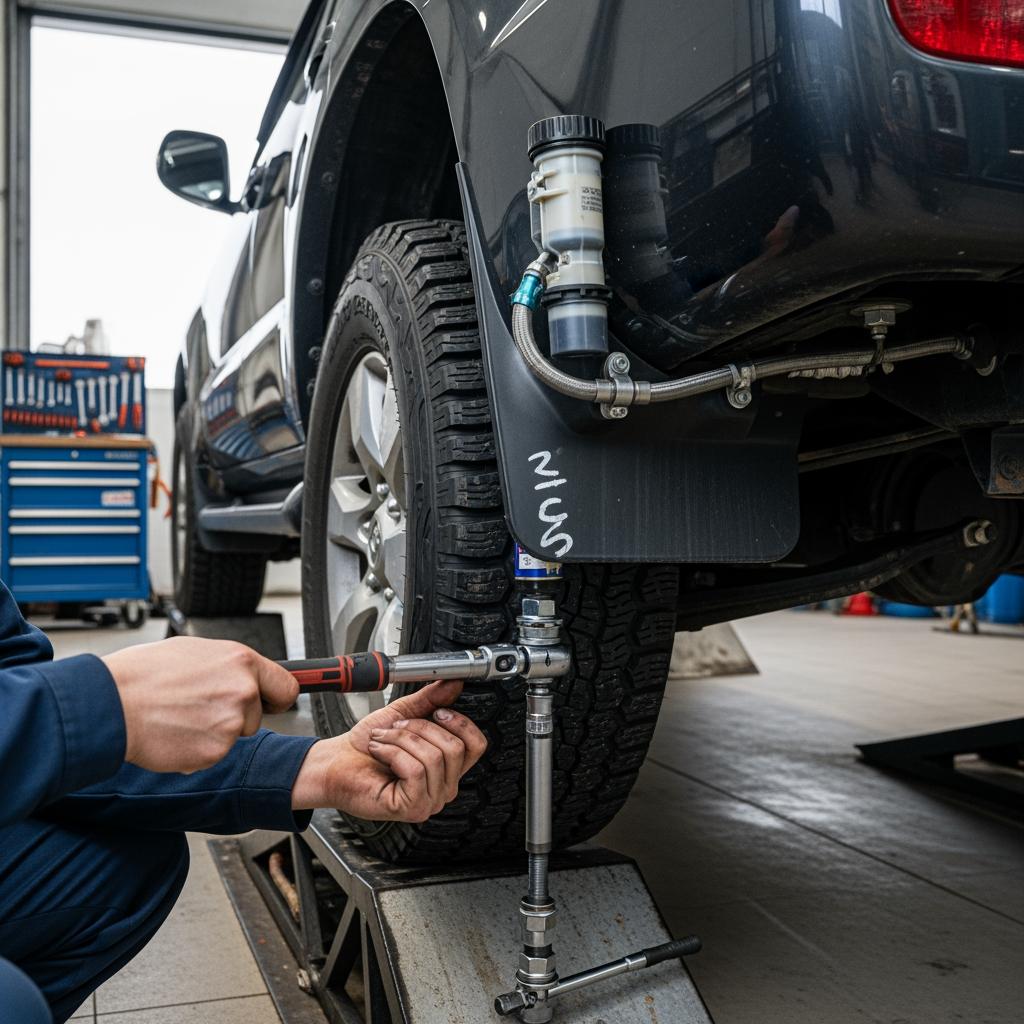
Кейс-стади: Использование амортизаторов во флоте Якутии
Сервисный флот Якутии для удаленных вышек связи мучился перегревом на летних
Через два месяца водители отметили более стабильное торможение на неровностях и реже возникающие случаи «отдачи» на замерзших колеях. Служба обслуживания зафиксировала более чистые кромки уплотнений и меньшее количество масляного тумана на корпусах благодаря камнеотбойникам и скорректированному азотному заряду для зимних условий. Хотя точные показатели зависят от маршрута, комбинация изменений в жидкостях, уплотнениях и конструкции явно продлила интервалы обслуживания и повысила уверенность водителей.
| Аспект | До | После пилотного внедрения | Заметка с поля |
|---|---|---|---|
| Летняя «гребенка» | Частое затухание и удлиненное ощущение торможения | Выраженная устойчивость с демпферами-аккумуляторами | Объем тепла и разделение газа помогли |
| Зимний запуск | Жесткое, подскакивающее рулевое управление первые 15 мин | Более мягкая, быстрая прогревная упругость | Масло с низкой температурой застывания и PTFE-манжеты |
| Техническое обслуживание | Разрывы пыльников от льда, редкий туман | Чистые уплотнения, меньше ранних потеков | Защитные кожухи плюс уплотнения HNBR/FKM |
Эта качественная закономерность типична для северных автопарков: соответствие жидкостей, уплотнений и конструкции физике маршрута окупается бесперебойной работой и безопасностью.
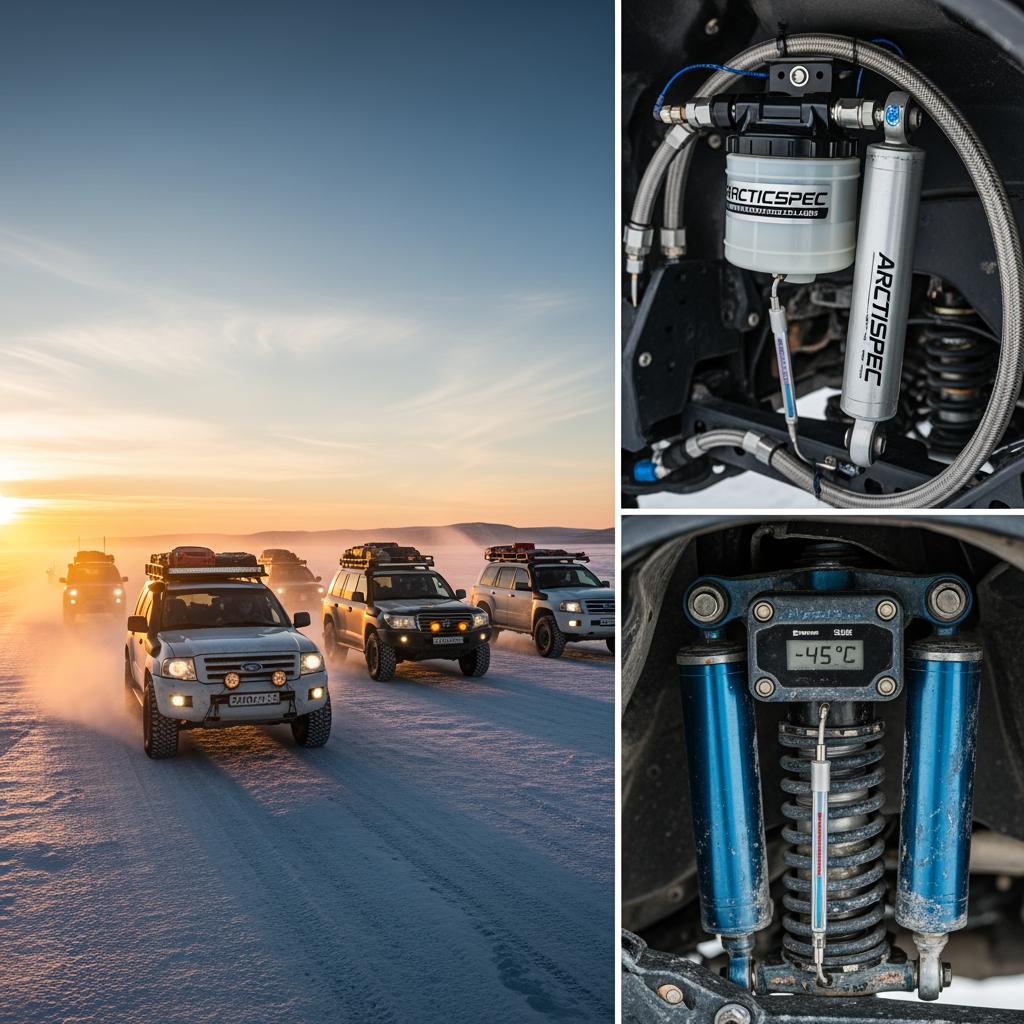
Выбор правильной подвески для российских внедорожников
Выбирайте амортизатор так же, как ботинки для похода: учитывайте рельеф, нагрузку и климат. Тяжелые рамные внедорожники с инструментами требуют больших поршней, аккумуляторов и жесткого управления на малых скоростях. Легкие кроссоверы на смешанных дорогах выиграют от монотрубных конструкций без аккумуляторов, но с холодостойкими жидкостями. Если маршрут колеблется от −45°C до +35°C, предусмотрите две сезонные настройки прокачки или диапазон кликов, проверенный в обеих сезонах.
| Транспортное средство/Применение | Колебания климата | Рекомендуемая конструкция | Примечания |
|---|---|---|---|
| Экспедиционный внедорожник, тяжелая нагрузка | −45°C до +35°C | Монотрубный 2,5–3,0 дюйма с внешним аккумулятором | Сезонные базовые настройки кликов для холода/жары |
| Утилитарный кроссовер, смешанное использование | −35°C до +30°C | Монотрубный 2,0–2,5 дюйма, без аккумулятора | Приоритет маслам с низкой t° застывания и PTFE-манжетам |
| Поддержка в горнодобыче, максимум безотказности | −40°C до +40°C | Монотрубный с аккумулятором + камнеотбойники | Резерв в депо и защита шлангов |
| Дальний патруль | −50°C до +30°C | Система с аккумулятором и индивидуальной калибровкой клапанов | Тег: Амортизаторы для экстремальных температур для внедорожников на севере России |
Короткий тест-драйв по вашему реальному маршруту — лучший фильтр: имитируйте нагрузку, запустите холодный старт, затем пройдите круг по горячей «гребенке». Зафиксируйте настройки кликов и задокументируйте их для водителей в простых сезонных инструкциях.
Если вы готовы к спецификации, G·SAI переведет физику вашего маршрута в проверенный комплект амортизаторов. Поделитесь нагрузками на оси, пробегом, шинами и температурным диапазоном, чтобы получить индивидуальный план тестов, образцы и цены. Для ознакомления с инженерным наследием G·SAI изучите профиль компании, а когда будете готовы к сотрудничеству, свяжитесь для обсуждения деталей вашего применения и запроса предложения.
FAQ: Амортизаторы для экстремальных температур для внедорожников в Северной России
Чем отличаются амортизаторы для экстремальных температур для внедорожников на севере России от стандартных амортизаторов?
Они сочетают синтетические жидкости с низкой температурой застывания, холодостойкие уплотнения и теплоотводящие конструкции (часто монотрубные с аккумулятором), чтобы сохранять демпфирующие характеристики как в сильный мороз, так и при длительной жаре.
Как предотвратить тепловое затухание на длинных гравийных дорогах России?
Выбирайте монотрубные или аккумуляторные конструкции с жидкостями высокого индекса вязкости и достаточной площадью поршня. Подтвердите производительность на горячем диностенде и включите длинный круг по «гребенке» в валидацию.
Какие уплотнения лучше всего подходят для амортизаторов экстремальных температур для внедорожников на севере России?
Смеси HNBR и FKM/Viton с холодостойкой эластичностью обеспечивают баланс химической стойкости и упругости. Подтвердите характеристики материала ниже −40°C для сибирских маршрутов.
Нужны ли регулируемые амортизаторы для сезонного климата России?
Регулировка полезна. Зафиксируйте зимнюю базу с большим пропуском для упругости и летнюю — с жестким управлением на малых скоростях. Ведите простой журнал для водителей.
Как автопаркам обслуживать амортизаторы в северных регионах?
Осматривайте после первых 500 км, затем сезонно. Проверяйте вмятины от камней на монотрубах, истирание шлангов, повреждения пыльников льдом и любые признаки тумана, указывающие на износ уплотнений.
Можно ли комбинировать разные типы амортизаторов спереди и сзади на внедорожнике?
Да, но проверьте баланс. Многие парки используют аккумуляторные сзади для нагрузки и стандартные монотрубные спереди. Протестируйте устойчивость торможения и контроль в поворотах перед масштабированием.
Как лучше всего начать сотрудничество с поставщиком индивидуальных амортизаторов для российских внедорожников?
Поделитесь маршрутами, температурами, нагрузками и ограничениями по габаритам. Запросите пилотный комплект, корреляцию на автомобиле и карты диностенда для холода/жары. G·SAI предоставит это комплексно.
Последнее обновление: 2025-11-03
Журнал изменений:
- Добавлена таблица закупок с заметками по критериям приемки и тегами применений.
- Расширены рекомендации по холодостойкому дизайну для сибирских маршрутов с материалами и жидкостями.
- Вставлен полевой кейс из Якутии с качественными сравнениями до/после.
- Добавлен обзор производителя и внутренние ссылки на профиль, завод и контакты.
Дата следующего обзора и триггеры - Пересмотр через 6 месяцев или после новых формул уплотнений, обновлений жидкостей либо отзывов от пилотов российских сезонов.
Related Post
-
B2B Supplier Guide for SUV Shock Absorbers in the Thai Market
If you source, distribute, or spec suspension parts for Thailand’s booming pickup and SUV segments, this B2B Supplier Guide for SUV Shock Absorbers in the Thai Market is your shortcut to choosing SKUs that sell, pass inspections, and perform in real Thai conditions. From Bangkok expressways to northern mountain passes and southern islands, we’ll map…
-
Performance Suspension for SUVs Operating in Hot Climates in France
When temperatures climb across Provence, Occitanie, and Corsica, suspension systems work harder than almost any other vehicle subsystem. Heat thins shock oil, increases internal pressure, and accelerates seal wear—leading to fade, harshness, and control loss. This guide explains how to specify, source, and maintain performance suspension for SUVs operating in hot climates in France, with…