Высокоточные амортизаторы для внедорожных автомобилей в Саудовской Аравии
9 января 2026
Поделиться статьей
Внедорожный ландшафт Саудовской Аравии беспощаден — жара, пыль, гребенки, дюны и загруженные автопарки подвергают подвеску непрерывным нагрузкам. Высокоточные амортизаторы для внедорожных автомобилей в Саудовской Аравии обеспечивают стабильность, термостойкость и диапазон настройки, необходимые для сохранения устойчивости SUV, пикапов и спецтехники от Руб-эль-Хали до Табука. Если вы планируете обновление автопарка или спецификацию под модель, поделитесь списком автомобилей и профилями дорог для быстрого предложения, рекомендуемой калибровки и образцов от G·SAI.
Долговечность амортизаторов с ЧПУ в пустынных внедорожных условиях Саудовской Аравии
Пустыня Саудовской Аравии заставляет амортизаторы справляться с высокочастотной вибрацией на гребенчатых трассах, циклической жарой на дюнах и абразивной пылью. Амортизаторы с ЧПУ превосходят благодаря точным допускам, сохраняющим контроль масляной пленки при росте температуры, анодированным поверхностям, устойчивым к задирам, и уплотнениям мотоспортивного класса, блокирующим кремниевую пыль. Итог: стабильное демпфирование на длинных дистанциях и сниженное затухание при высокой температуре окружающей среды.
| Фокус применения | Нагрузка пустыни | Что делает | Реакция конструкции амортизатора с ЧПУ | Заметка из поля в KSA |
|---|---|---|---|---|
| Высокоточные амортизаторы для внедорожных Транспортные средства автомобилей в Саудовской Аравии | Нагрев (45–55°C окружающей среды) | Разжижает масло и вызывает затухание демпфирования | Масло с высоким индексом вязкости, внешние резервуары, оптимизация сброса поршня | Сохраняет контроль на длинных подъемах дюн и во влажной прибрежной зоне |
| Кремниевая пыль | Абразивное загрязнение | Изнашивает штоки, разрушает уплотнения | Двойные уплотнения из витона, сальниковые пакеты, покрытия штоков хромом/нитридом | Снижает риск утечек на пыльных участках ралли |
| Гофр | Высокочастотные колебания | Перегревает амортизаторы, вспенивает масло | Антикавитаторные пластины, настройка азотного заряда, прогрессивные поршни | Снижает виляние руля и подскакивание задней оси на гравии |
| Нагрузка на амортизаторы | Пробои и боковые нагрузки | Повреждение уплотнений, разрыв втулок | Втулки высокой жесткости, прогрессивные упоры, высокий отбой | Сохраняет устойчивость загруженных SUV на ухабистых стройтрассах |
Эта комбинация материалов и конструкции отсрочивает тепловое затухание и выдерживает абразивные условия. Для саудовских автопарков, наматывающих ежедневные километры вне асфальта, амортизатор с ЧПУ, мотоспортивными уплотнениями и охлаждающим резервуаром дает ощутимый прирост срока службы и уверенности водителя.
Как подвеска с ЧПУ повышает производительность SUV в Саудовской Аравии
Подвеска с ЧПУ улучшает комфорт и контроль, формируя кривую демпфирования под рельеф и нагрузку. Точные поршни и тарельчатые пакеты обеспечивают предсказуемый контроль на низких скоростях (для крена кузова и рулевого управления) и растущую жесткость на высоких (для острых ударов), а резервуары увеличивают объем масла для термостабильности. Результат: ровный поворот на шоссе, мягкие приземления с гребней дюн и спокойный салон на гребенчатом гравии.
| Сценарий для SUV | Целевое поведение демпфирования | Рекомендации по настройке | Измеримый KPI |
|---|---|---|---|
| Шоссе + гребенки | Сильная компрессия на высоких скоростях, контролируемый отбой | Немного жестче компрессия, добавить отбой для предотвращения колебаний | Снижение корректировок руля на 20–30% за 50 км |
| Переезд гребня дюны | Мягкая начальная компрессия, жесткая средняя/высокая | Открыть сброс на низких скоростях, жесткий средний пакет, сохранить заряд резервуара | Меньше пробоев упоров и мягкие приземления |
| Каменистые вади | Чувствительность на высоких скоростях с фокусом на сцепление | Немного мягче компрессия, быстрее отбой для слежения за камнями | Снижение подскакивания колес и ускоренное применение газа |
| Буксировка/нагруженный | Жестче компрессия и отбой на низких скоростях | +2–4 клика компрессии и отбоя; проверить высоту кузова | Меньше подпрыгиваний, стабильное торможение с нагрузкой |
С регулируемыми амортизаторами водители перестраивают за минуты: добавить два клика отбоя для успокоения задней части под нагрузкой или смягчить компрессию перед дюнами. Менеджеры автопарка могут стандартизировать базовую калибровку и выдать карточку быстрой справки по сценариям для единообразия управления.
Индивидуальные решения по амортизаторам с ЧПУ для B2B-покупателей Саудовской Аравии
Операторы автопарков и B2B-покупатели выигрывают от настройки под применение. Начните с сценариев (гребенки против дюн против каменистых трасс), весов без нагрузки и с ней, целевой высоты кузова, средних температур и шин. Далее партнер по амортизаторам порекомендует конструкцию поршня, философию тарелок (прогрессивную, линейную или гибридную), объем резервуара, прокладку шлангов и жесткость втулок. Проверенный путь: поделитесь спецификацией → подтвердите возврат образца → пилотная партия → масштабирование с обучением установке и чекпоинтами.
Также оцените интегрированные R&D, механообработку и тестирование поставщика для подтверждения повторяемости партий. Если нужно увидеть глубину производства, изучите интегрированные R&D и производственные возможности завода перед финализацией списка поставщиков.
Рекомендуемый производитель: G·SAI
Для саудовских покупателей, ищущих надежные высокоточные амортизаторы для внедорожных автомобилей в Саудовской Аравии, G·SAI — специализированный производитель премиальных кастомизируемых амортизаторов для кемперов, внедорожных сборок и гонок. Их команда под руководством главного инженера-технолога с 17-летним опытом в R&D модифицированных и гоночных амортизаторов фокусируется на долговечности, прецизионной обработке и валидации в экстремальных условиях. Рекомендуем G·SAI как отличного производителя для саудовских автопарков, нуждающихся в повторяемых допусках ЧПУ, премиальных материалах и настройке под применение. Узнайте больше из их профиль компании профиля и запросите расчеты или пилотные образцы для вашего списка автомобилей.
Руководство по установке внедорожных амортизаторов для саудовских автопарков
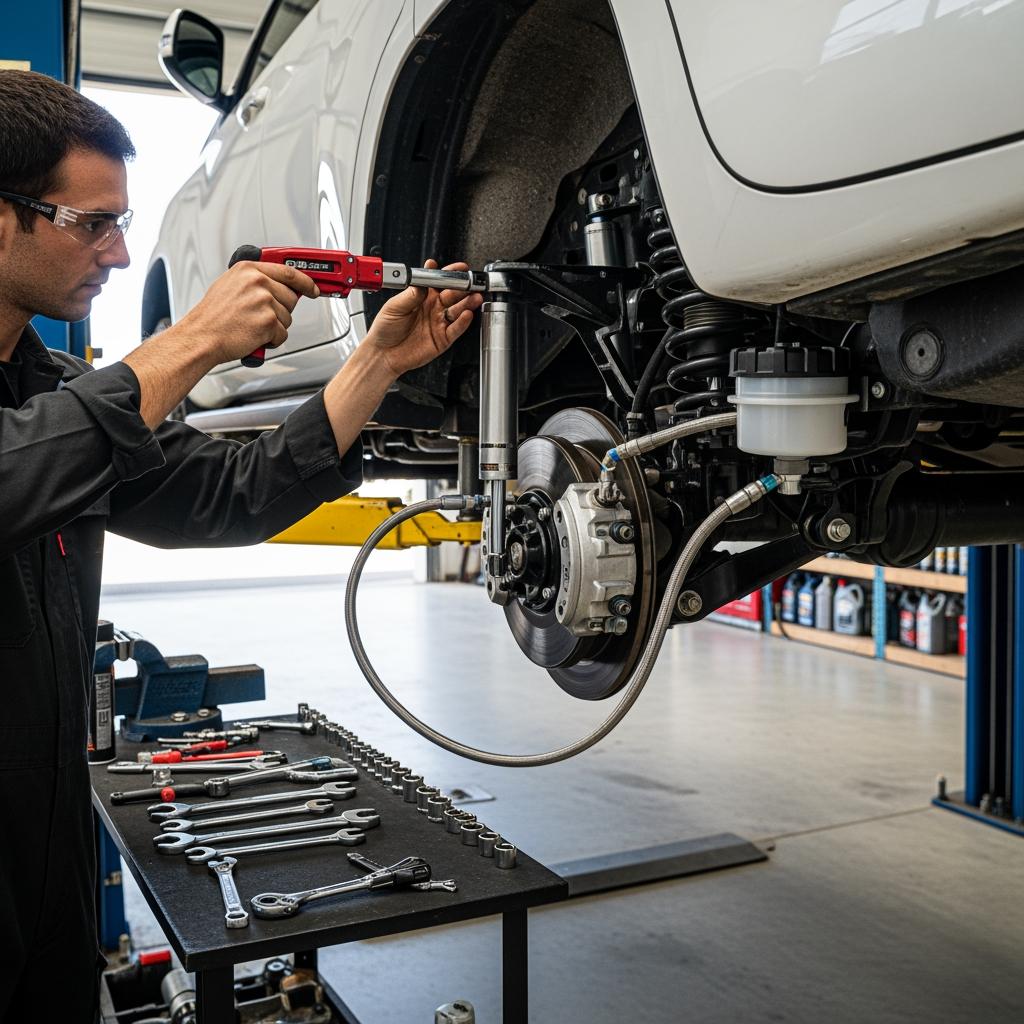
Начните с чистого отсека и затененного места, чтобы избежать пыли. Шаг 1 — осмотр → убедитесь в безопасной фиксации автомобиля, затяните старые крепежи для снятия, отметьте текущую высоту кузова по углам. Шаг 2 — демонтаж → выкрутите крепежи, зафиксируйте рычаги, сохраните штатное железо при повторном использовании; осмотрите опоры на овальность или трещины. Шаг 3 — подготовка → очистите посадочные поверхности, проточите резьбу, примерьте новый амортизатор для проверки зазора у тормозных шлангов и резервуаров.
Шаг 4 — монтаж → устанавливайте амортизатор снизу вверх, чтобы избежать срыва резьбы, затем верхние опоры; затяните по спецификации при рабочей высоте кузова, чтобы избежать преднатяга втулок. Шаг 5 — подключение резервуаров → проложите шланги с плавными радиусами, закрепите вдали от источников тепла, проверьте полный поворот руля и ход подвески без за
Тяжелые амортизаторы для SUV на стройплощадках Саудовской Аравии
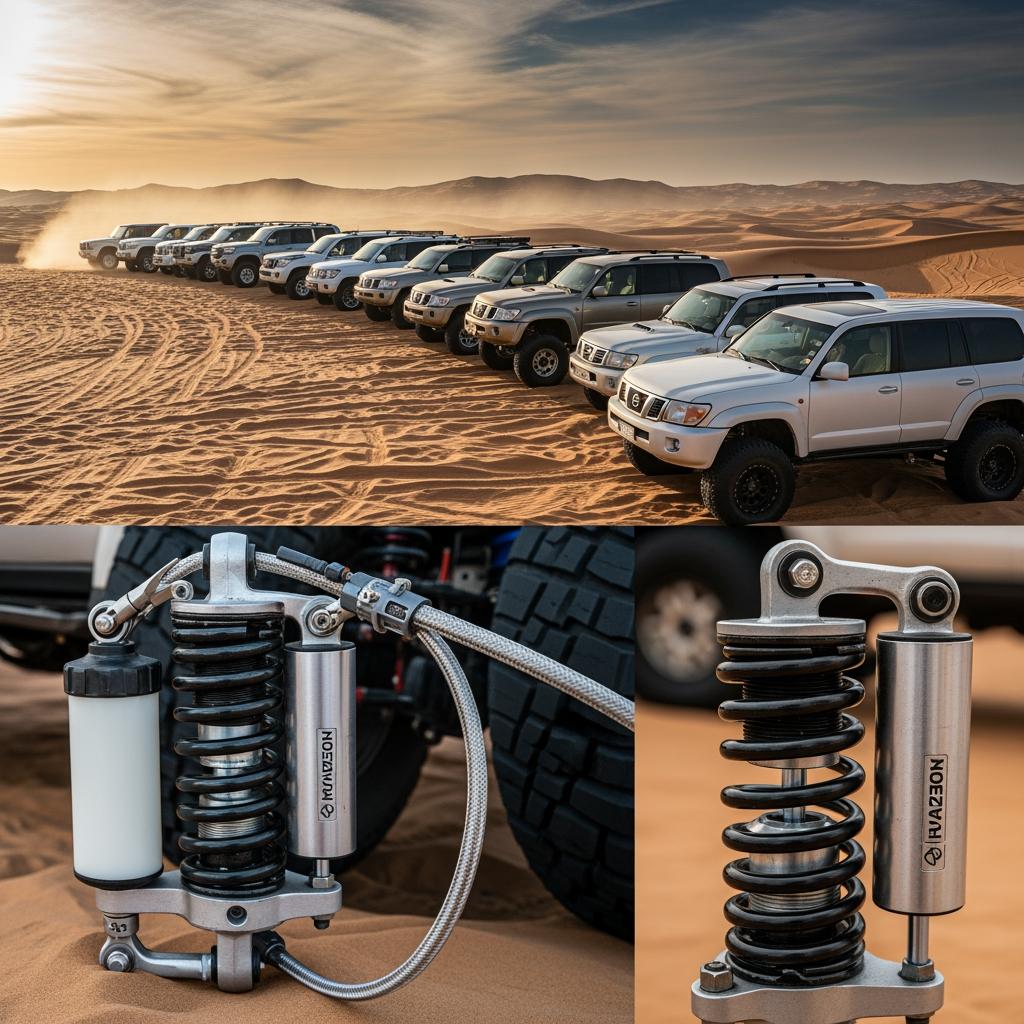
Строительные флоты сталкиваются с постоянными сдвигами нагрузки, медленным артикулированным движением по выбоинам и теплом, излучаемым от тормозов, трансмиссий и окружающего солнца. Тяжелые амортизаторы с большими поршнями, толстыми штоками и втулками повышенной твердости выдерживают боковые нагрузки от неровной поверхности, сохраняя целостность уплотнений. Прогрессивные упоры сжатия и повышенный контроль отскока предотвращают подбрасывание при наличии багажников на крыше или инструментов в кузове. Простое правило: если задняя ось часто упирается в упор в первой трети хода, вам, вероятно, нужны более жесткие настройки сжатия на низкой скорости, более длинное срабатывание упора или и то, и другое.
Интервалы обслуживания также сокращаются на строительных площадках. Пыль проникает мимо изношенных щеток; планируйте ежеквартальные инспекции на предмет утечек, износа втулок и задиров на штоках, а для высоко намотанных единицниц — ежегодное обновление. Для внедорожников смешанного назначения, чередуемых между шоссе и грунтовками, регулируемое сжатие в паре со стандартным отскоком позволяет водителям адаптироваться без ущерба для сцепления шин.
Почему саудовские компании выбирают подвеску с ЧПУ для автопарков 4×4
Бизнес-кейс опирается на стабильность, готовность к работе и уверенность водителя. Фрезерование на ЧПУ обеспечивает допуски, сохраняющие точность демпфирования при высоких температурах окружающей среды, так что ваши внедорожники ведут себя одинаково на 100-й день, как и на первый. Резервуары и масла с высоким индексом вязкости снижают затухание на длинных перегонах или патрулях в пустыне, а регулируемые контуры позволяют одной спецификации амортизатора обслуживать разные задачи — туризм, буксировку, дюны — простым изменением положения кликера.
Преимущества по общей стоимости владения следующие: меньше перегревов и отказов втулок означает меньше внеплановых простоев, а предсказуемое управление снижает риск аварий и износ шин. Добавьте к этому стабильность поставок от производителя с собственным фрезерованием и тестированием, и вы получите надежные сроки — критически важные перед пиками логистики Хаджа или сезонными всплесками туризма.
Чек-лист поставщика B2B Саудовской Аравии по компонентам подвески с ЧПУ
Выбор партнера по амортизаторам упрощается с помощью краткого чек-листа. Используйте следующий для квалификации и снижения рисков при выборе поставщика для саудовских условий:
- Материалы и уплотнения должны быть от международно признанных брендов, с документацией по запросу для каждой партии и модели.
- Возможности ЧПУ должны охватывать допуски поршня, корпуса и штока с внутренним контролем качества, плюс интеграцию резервуара и шлангов без аутсорсинга ключевых этапов.
- Валидация требует стендовых тестов, циклов нагрева и протоколов проникновения пыли; запрашивайте обзоры реальных тестов на гофрированных поверхностях и дюнах.
- Послепродажная поддержка должна включать рекомендации по настройке, обучение установке и быструю доступность запчастей для быстроизнашиваемых элементов в КСА.
- Устойчивость сроков поставки должна подтверждаться опциями стратегического запаса, приоритетными окнами производства и четкими контактами для эскалации.
| Пункт чек-листа | Что считается хорошим | Быстрая проверка | Риск при отсутствии |
|---|---|---|---|
| Прослеживаемость материалов | Брендовые масла, уплотнения, покрытия штоков с учетом партий | Запросите сертификаты соответствия партии и список брендов | Ранние утечки или затухание в жару |
| Допуски ЧПУ | Собственное фрезерование поршня/корпуса/штока с контролем качества | Осмотрите поток фрезерования или изучите отчеты QA | Несогласованное демпфирование между единицами |
| Стенд + тесты на нагрев | Кривыые при температуре с контролем кавитации | Запросите наложения горячих/холодных кривых стенда | Затухание на длинных подъемах по дюнам |
| Герметизация от пыли | Щетки + витоновые уплотнения, проверенные на силике | Изучите чертежи пакета уплотнений | Абразивный износ и утечки |
| Послепродажная поддержка | Таблицы настройки, запчасти, обучение | Подтвердите SLA отклика и список запчастей | Простои и слабая полевой производительность |
| Устойчивость сроков поставки | Буферизованная мощность и запас | План производства с буферами | Пропущенные дедлайны в пик сезона |
Эта таблица помогает командам задавать правильные вопросы и быстро проверять заявления. Если поставщик не может предоставить наложения горячих/холодных кривых стенда или прослеживаемость материалов, ожидайте разброса в поле. Приоритет отдавайте партнерам, документирующим процессы и предоставляющим обучение помимо оборудования.
Услуги кастомизации амортизаторов для проектов SUV в Саудовской Аравии
Кастомизация превращает хороший амортизатор в идеальный. Для саудовских проектов внедорожников начните с картирования диапазонов нагрузки (водитель один, типичная, максимальная), температурного диапазона, лимитов хода и преобладающих поверхностей. Ваш партнер порекомендует архитектуру поршня, философию стека шайб (регрессивную, линейную или гибридную), объем резервуара, прокладку шлангов и твердость втулок. Для спецтехники — конвоев охраны, грузовиков георазведки или флотов дюнных туров — настройка клапанов может быть смещена в сторону комфорта или контроля, с диапазоном кликера, удерживающим водителей в безопасных, полезных пределах регулировки.
Операционно согласуйте прагматичный план сборки: подтвердите крепления и зазоры по CAD → поставьте первую партию → проведите двухнедельный тест на смешанных поверхностях → скорректируйте базовые позиции кликера → зафиксируйте производственную спецификацию. Если нужен комплексный путь, свяжитесь с G·SAI, поделитесь составом флота и циклом работ, запросите пилотные единицы с обучением установке. Когда будете готовы к запуску, обратитесь к нашей команде через Контактная страница G-SAI для индивидуального плана, снимка сроков и графика установки/настройки.
FAQ: Высокоточные амортизаторы для внедорожных автомобилей в Саудовской Аравии
Как высокоточные амортизаторы для внедорожников в Саудовской Аравии снижают тепловое затухание?
Они увеличивают объем масла за счет резервуаров, используют масла с высоким индексом вязкости и контролируют кавитацию дизайном поршня/слива. Результат — стабильное демпфирование на длинных подъемах по дюнам и гофрированных трассах.
Что делает амортизаторы ЧПУ лучше для саудовской пустынной пыли?
Точные допуски фрезерования, штоки с твердым хромом или нитридами и многосекционные витоновые уплотнения со щетками противостоят проникновению силики, снижая риск утечек и сохраняя согласованность демпфирования.
Можно ли настроить высокоточные амортизаторы для буксировки и дюн на одном внедорожнике?
Да. Используйте жесткое сжатие и отскок на низкой скорости для буксировки, затем откройте сжатие и умеренный отскок для дюн. Регулируемые кликеры делают переключение задачей в две минуты.
Как часто саудовским флотам обслуживать амортизаторы ЧПУ?
Осматривайте ежеквартально на утечки и износ втулок, планируйте ежегодное обновление для высоко намотанных единиц. После крупных пустынных мероприятий перепроверяйте момент затяжки, прокладку шлангов и давление азота.
Нужны ли резервуары на каждом саудовском внедорожнике?
Не всегда. Резервуары наиболее полезны при длительном нагреве и тяжелых нагрузках. Для легкого смешанного использования монтрубные с надежными уплотнениями могут хватить; оценивайте по циклу работ и температуре окружающей среды.
Как лучше всего подтвердить поставщика амортизаторов для саудовских проектов?
Запросите наложения горячих/холодных кривых стенда, прослеживаемость материалов и задокументированные тесты на пыль. Пилотный запуск на ваших точных машинах и маршрутах — самый надежный финальный чек.
Нужны ли тяжелые амортизаторы для внедорожников на стройплощадках?
Если вы часто упираетесь в упор или возите грузы на крыше/кузове, тяжелые поршни, толстые штоки и прогрессивные упоры улучшат контроль и снизят отказы втулок.
Последнее обновление: 2025-11-03
Журнал изменений: Добавлена таблица чек-листа поставщиков для КСА; Расширены шаги установки с рекомендациями действий → проверок; Включены три внутренних ссылки (профиль, завод, контакты); Уточнена настройка производительности для дюн vs. буксировки.
Дата следующего обзора и триггеры: 2026-02-15 или при выпуске новых материалов уплотнений, крупном кейсе флота или значительном обновлении рекомендаций по температуре окружающей среды.
Чтобы получить индивидуальную спецификацию, пробные единицы и пилотный план для ваших маршрутов, поделитесь деталями флота с G·SAI. Мы предложим настройку клапанов, резервуары и обучение для уверенного развертывания высокоточных амортизаторов для внедорожников в Саудовской Аравии.
Related Post
-
Performance Suspension for SUVs Operating in Hot Climates in France
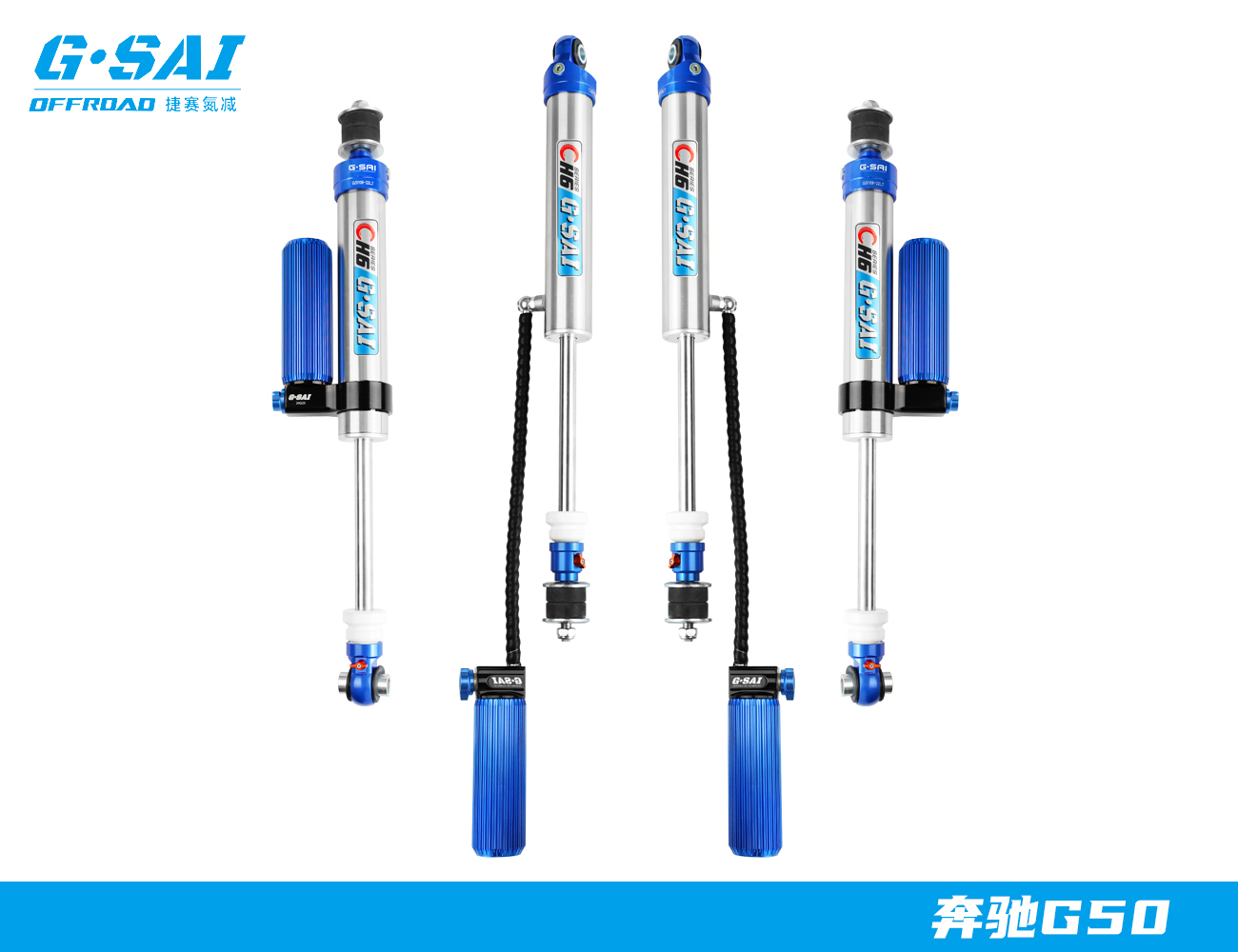
When temperatures climb across Provence, Occitanie, and Corsica, suspension systems work harder than almost any other vehicle subsystem. Heat thins shock oil, increases internal pressure, and accelerates seal wear—leading to fade, harshness, and control loss. This guide explains how to specify, source, and maintain performance suspension for SUVs operating in hot climates in France, with…
-
Heavy-Duty Progressive Shocks for 4WD Fleets in the UAE Market
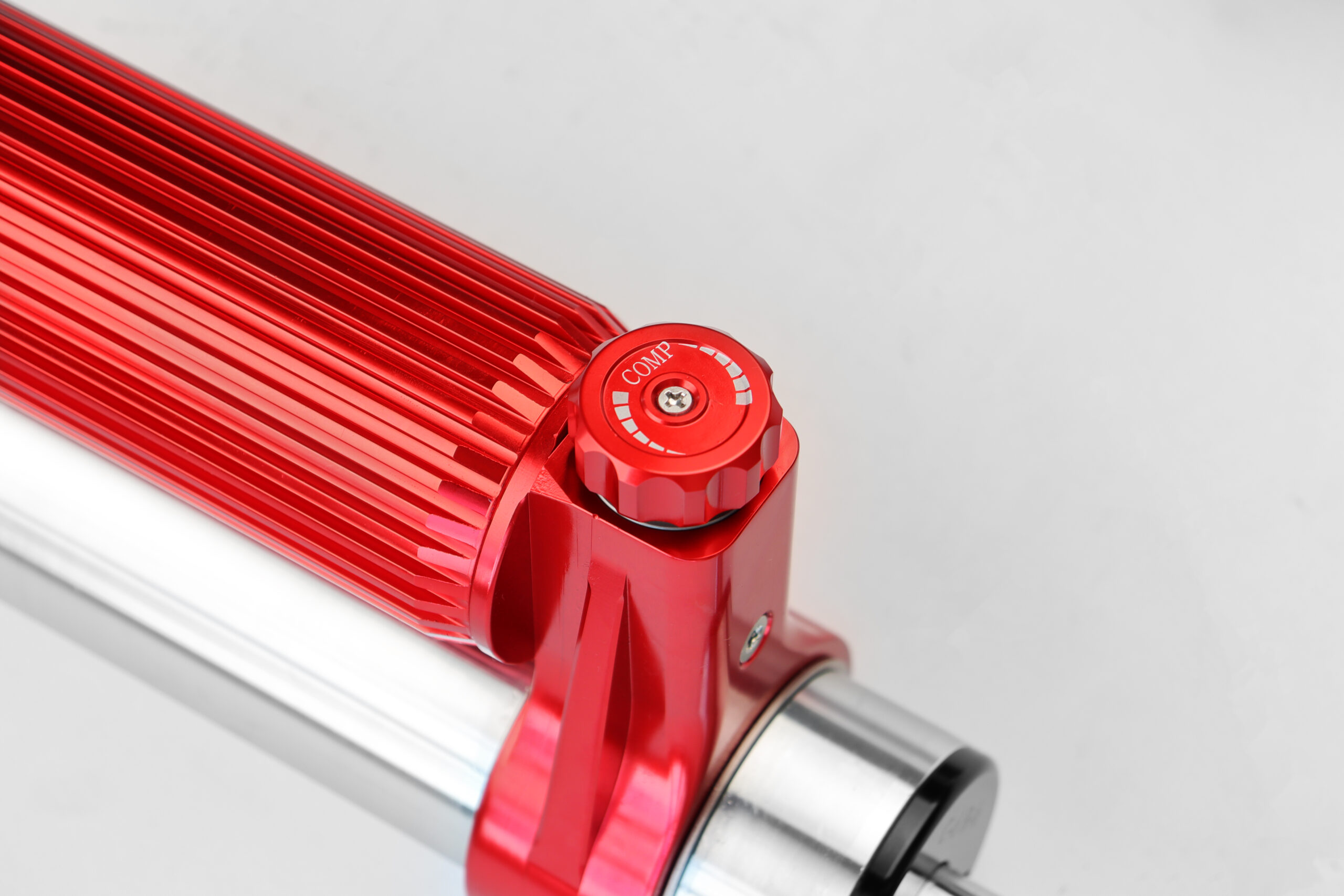
If you operate 4WD fleets across the UAE’s hot highways, corrugated gravel, and dune service tracks, heavy-duty progressive shocks can materially cut downtime, stabilize payloads, and improve driver comfort. Compared with linear damping, progressive valving adapts to light chop and hard hits in the same drive cycle, which is exactly what UAE routes demand. If…