OEM Off-Road Shock Absorbers for Subaru Forester SUV Fleets
Март 23, 2026
Поделиться статьей
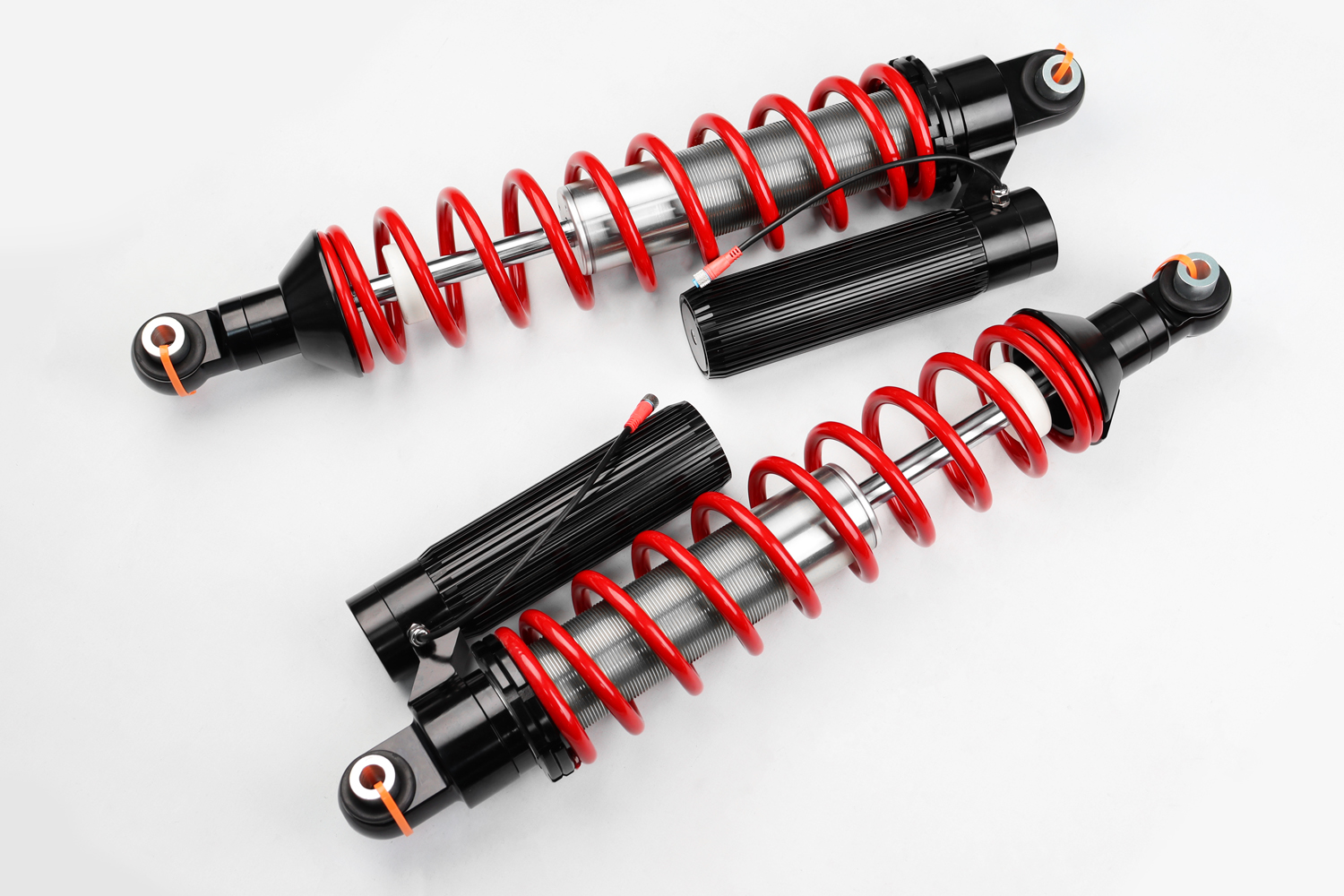
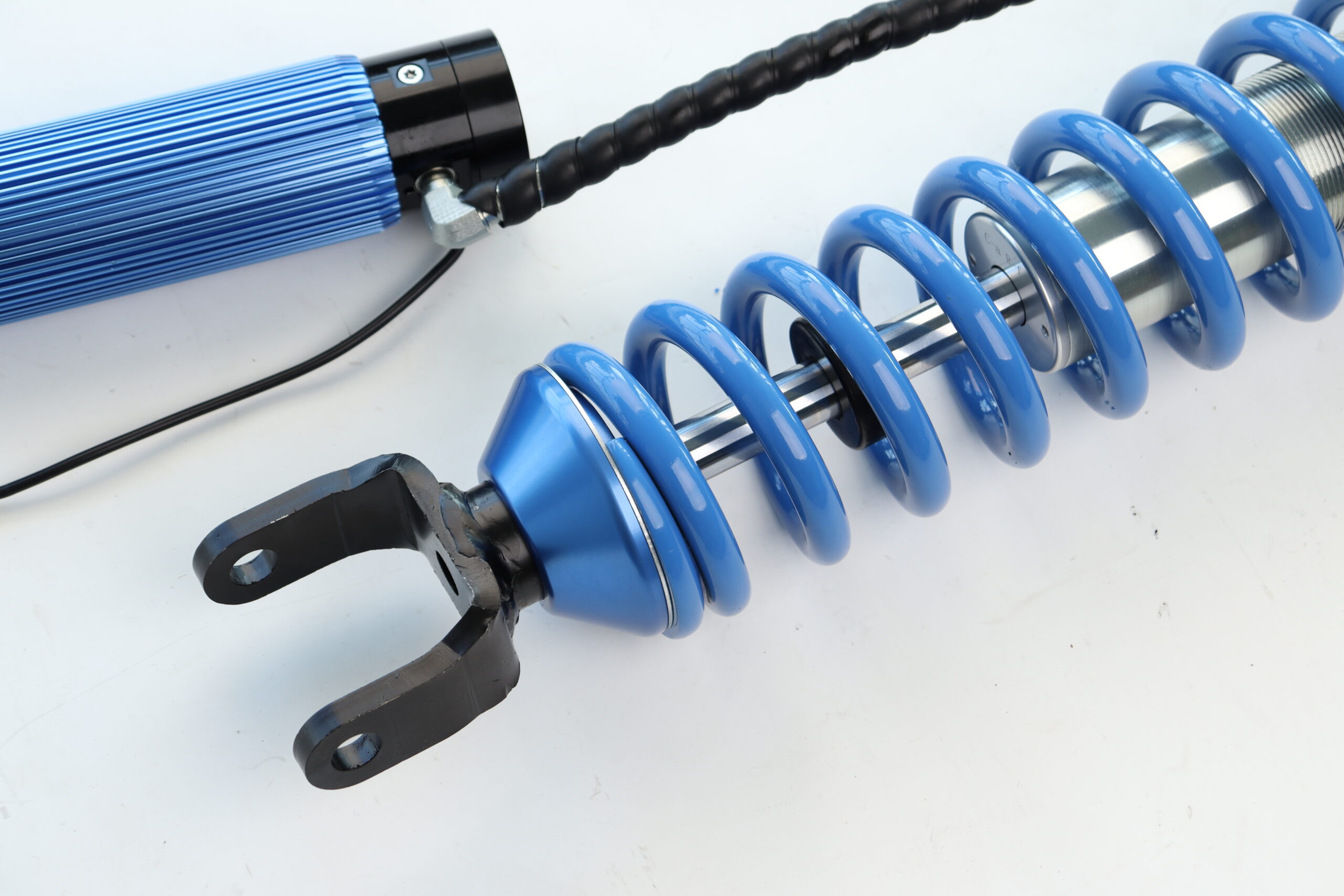
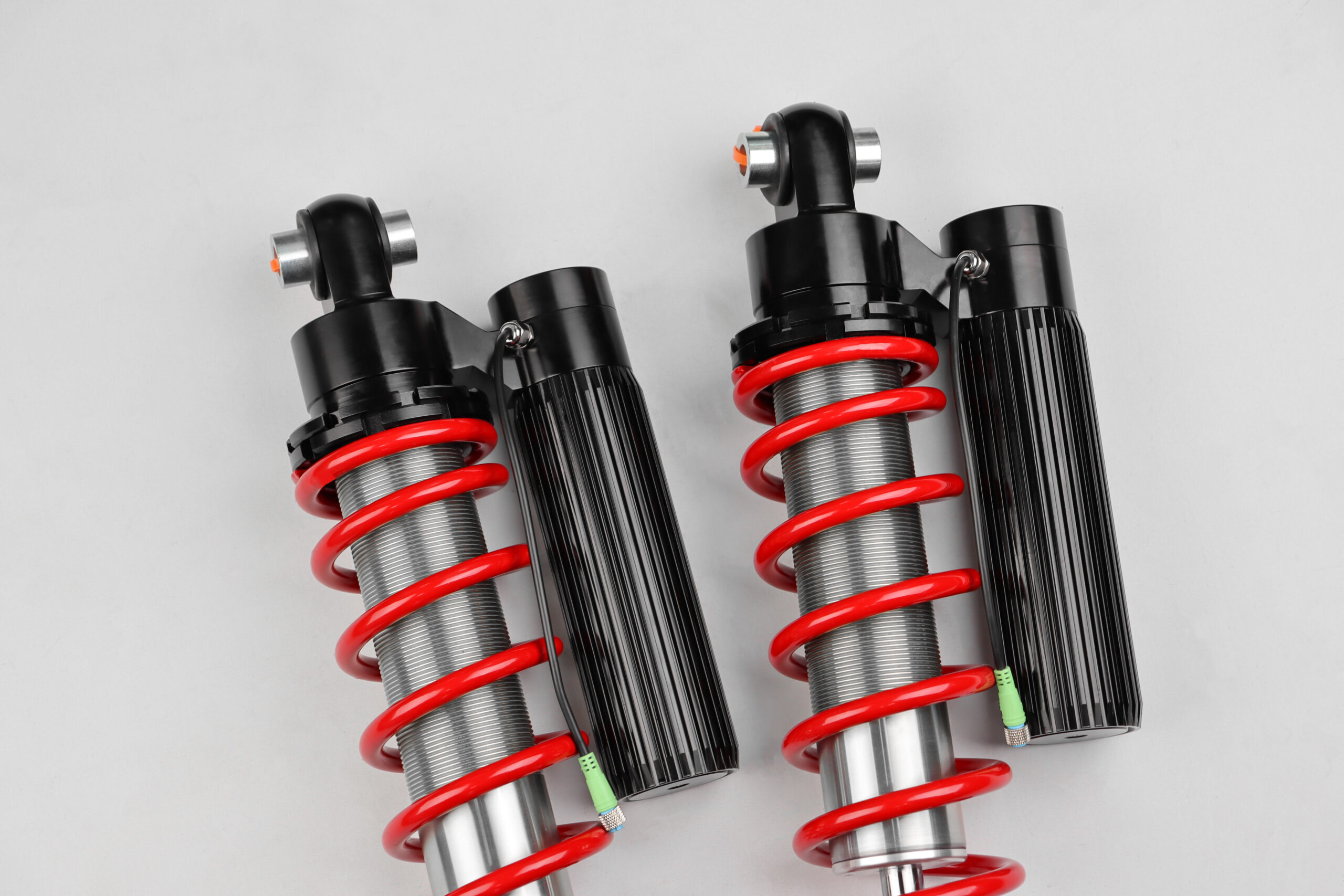
If your organization runs Subaru Forester fleets in Mexico, choosing OEM off-road shock absorbers is one of the fastest ways to improve uptime, driver confidence, and автомобиль safety on mixed terrain. This guide explains exactly how to spec, test, and buy OEM-grade shocks for SJ/SK Foresters, with practical pointers for corrosive climates, rough mining roads, and desert heat across Baja California, Sonora, Chihuahua, and beyond. For a faster path to results, share your Forester model years, loads, lift goals, and route conditions; G·SAI can deliver tuned options, dyno plots, and evaluation sets tailored to your fleet. Tell us what you need and we’ll build a custom quote or sample plan for G·SAI solutions that match your duty cycle and budget.
Technical Compatibility Guide for Off-Road Subaru Forester Shocks
The Forester’s chassis evolved from the SJ (2014–2018) to the SK (2019–present), with geometry and mounting differences that affect shock fit, travel, and lift potential. Before ordering, align your fitment data by model year, trim, and whether the vehicle runs additional weight (bull bars, skid plates, roof gear, or cargo systems). Confirm strut top-hat bolt patterns, spring seat geometry, and end-eye widths. Collect your real curb weight per axle, target ride frequency, and allowable lift without CV bind; then lock damping targets and bump stop strategy.
| Forester platform | Front architecture | Rear architecture | Upper mount pattern | Baseline travel (mm) | Safe lift range | Harness/ABS slack | Заметка с поля |
|---|---|---|---|---|---|---|---|
| SJ (2014–2018) | Стойка МакФерсона | Separate shock + coil | 3-bolt Subaru pattern | ~170–180 | 0–35 mm with CV care | Adequate to +25 mm | Proven with light-duty lift and mild accessories |
| SK (2019–2024) | Стойка МакФерсона | Separate shock + coil | 3-bolt Subaru pattern | ~175–185 | 0–30 mm typical | Adequate to +20 mm | Stiffer stock sway bars help body control |
| 2025 SK refresh | Стойка МакФерсона | Separate shock + coil | 3-bolt Subaru pattern | Similar to SK | 0–30 mm (verify) | Verify routing | Check brake line routing on pre-series units |
| All (fleet mix) | As above | As above | As above | Confirm per VIN | Keep within supplier spec | Confirm both sides | Best for OEM Off-Road Shock Absorbers for Subaru Forester SUV Fleets |
Use lift responsibly: past ~30–35 mm, CV angles and top-out events rise, which can shorten joint life and compromise ABS wire slack. For high-mileage fleets, prioritize piston rod chrome hardness, seal design, and a progressive bump system that avoids harsh end-of-travel. If you tow or carry rear cargo regularly, consider asymmetric damping (slightly more rebound at the rear) to prevent porpoising on wave-like surfaces.
Corrosion-Resistant Shock Systems for Off-Road Forester Use
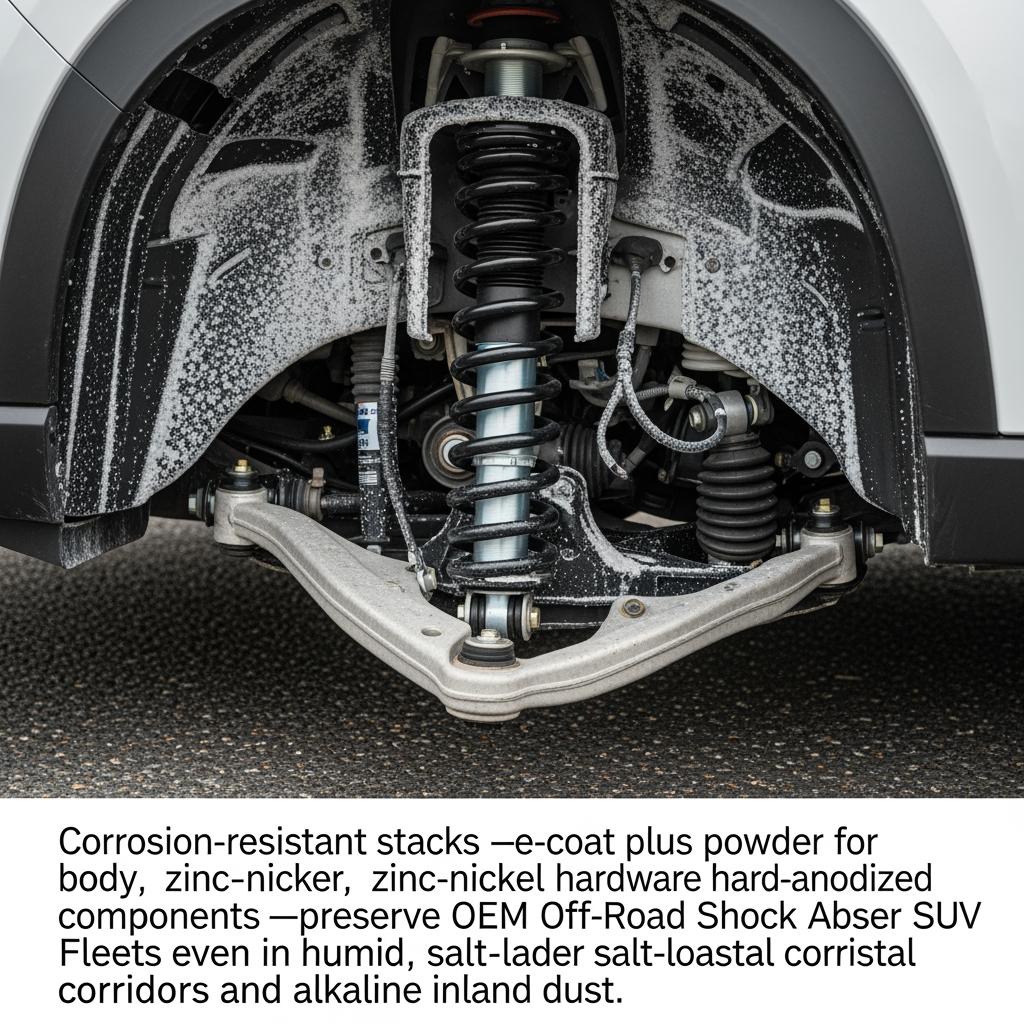
Mexico’s coastal salt air, rainy seasons, and alkaline dust accelerate corrosion on shock bodies, spring seats, and hardware. Choose a multi-layer protection stack: electroplated or zinc-nickel hardware, e-coated housings under a durable powder topcoat, and hard-anodized aluminum components where applicable. A wiper/seal package that expels abrasive dust reduces micro-pitting on the rod and keeps oil clean, prolonging valve stability.
| Coating/system | Typical use on shock | Resistance in coastal air | Field upkeep | Notes for fleets |
|---|---|---|---|---|
| Zinc-nickel plating | Fasteners, brackets | Высокий | Wash after salt exposure | Good balance of cost and durability |
| E-coat + powder top | Steel bodies, seats | Высокий | Inspect chips at service | Dual-layer shields against rock rash |
| Hard anodizing | Aluminum parts | Средняя–высокая | Rinse dust | Improves wear on adjuster components |
| Chrome-hardened rod | Piston rod | High (against pitting) | Wipe during service | Protects seals and extends life |
A two-layer coating approach pays for itself on vehicles working near Veracruz, Tampico, or Ensenada, where salt spray and humidity are common. Standardize wash-down steps at the fuel island and train drivers to report early paint chipping or boot tears—small fixes prevent larger failures.
- Build an anti-corrosion program that includes scheduled rinses after salt exposure, quarterly inspections of spring seats and brackets, prompt touch-up of chipped areas, and proactive boot and bushing replacements to keep contaminants out of seals and joints.
Suspension System Results on Mexican Terrain for Forester SUVs
Fleet roads in Mexico range from graded desert washboards to steep, broken pavement and mine-site access tracks. On washboard surfaces in Sonora, fleet drivers report smoother steering feel and fewer mid-corner corrections when rebound damping is tuned to prevent tire skip. In Guadalajara’s pothole-heavy routes, extra compression support with a compliant bump system reduces harshness and keeps ABS calm over repeated impacts. For high-altitude routes in Chihuahua and Durango, temperature-stable oil and piston design maintain consistent damping through large temperature swings.
| KPI | Baseline experience | With off-road tuned OEM shocks | Field takeaway |
|---|---|---|---|
| Body control on corrugations | Noticeable float and steering nibble | Stable steering and reduced float | Less driver fatigue on long patrols |
| Pothole harshness | Sharp impacts, ABS chatter | Softer initial hit, better tire contact | Improved braking feel on broken pavement |
| Stability with roof loads | Extra roll on transitions | Tighter roll without harshness | Safer evasive maneuvers |
| Сопротивление тепловому затуханию | Firm-then-soft after hours | Consistent feel across the shift | Predictable handling all day |
These results come from typical duty cycles, not lab claims. The consistent pattern is clear: tuned compression and rebound, with fade-resistant internals, reduces correction steering and preserves braking confidence. Set expectations by running an A/B test: one week on stock dampers, then one week on the tuned package over the same route.
B2B Fleet Suspension Packages for Off-Road Subaru Forester
Packaging your purchase by duty cycle simplifies deployment and training. Most Forester fleets fit into three profiles: light-duty patrol (mostly paved with occasional rough segments), utility/civil works (mixed gravel and potholes with moderate payload), and expedition/mining (frequent rough tracks, higher heat, added armor). Each package should define front/rear valving, bump stop strategy, lift height, coating stack, and service intervals. For large contracts, request staging by region to minimize downtime and include a return loop for used cores or evaluation feedback.
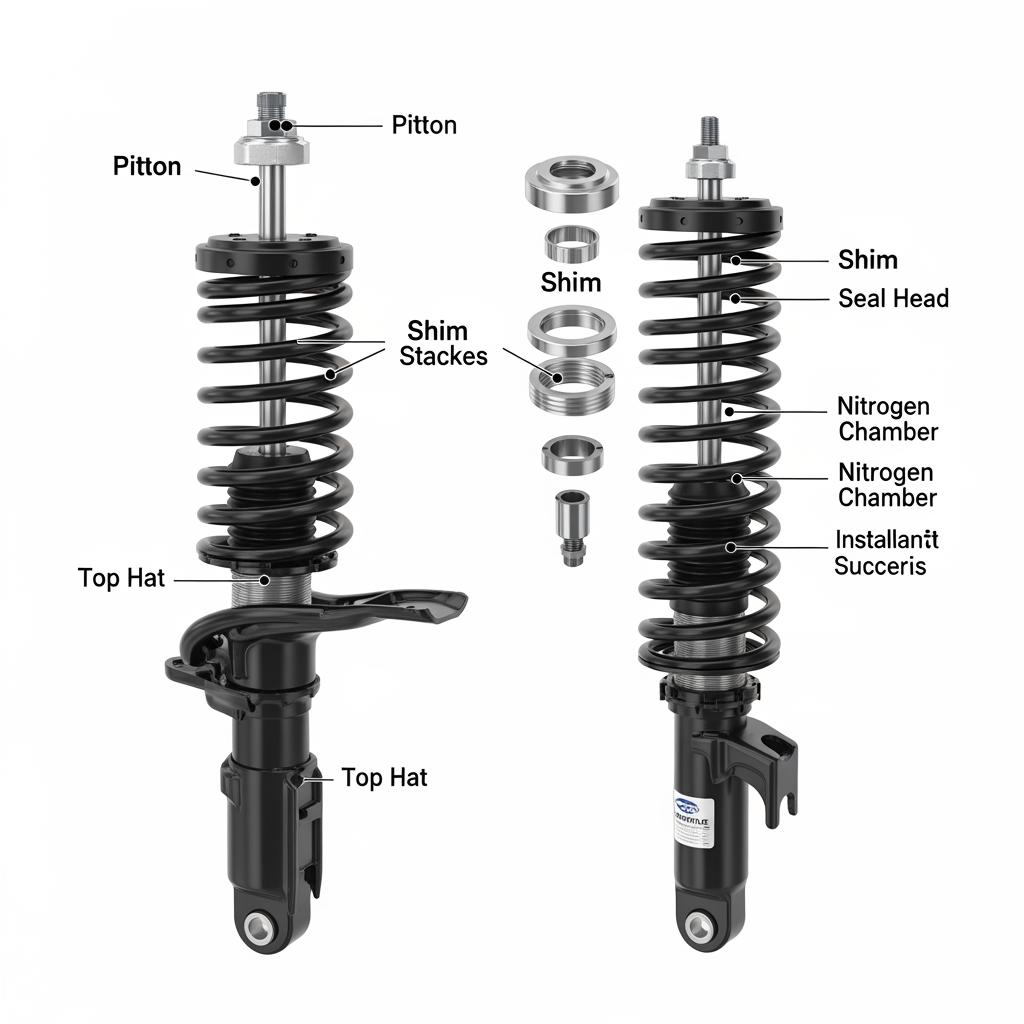
To support continuity, insist on production traceability, consistent shim stacks, and batch dyno verification for each lot. If you manage multiple depots, consider a uniform part numbering scheme tied to region and accessory load. For quality and lead time, it helps to verify the supplier’s machining and assembly capacity—review their advanced factory capabilities to confirm CNC throughput, simulation labs, and test rigs match your volume goals.
Success Stories from Mexican SUV Fleet Operators Using OEM Shocks
A security services fleet in Nuevo León rotated ten Foresters onto off-road OEM-tuned shocks for a month of night patrols. Drivers noted calmer steering on rippled industrial roads and quicker recovery after speed bumps—critical when responding to alarms. Maintenance reported fewer loose-mount re-torques and no signs of early oil weeping after the trial period.
In Baja California Sur, a conservation group hauling equipment across sandy and rocky tracks found that a mild lift with supportive compression damping prevented repeated bottom-outs when cresting whoops. Their key win wasn’t raw speed; it was consistent progress without pulling over to cool the shocks, preserving tight daylight schedules.
A mining contractor in Zacatecas used reinforced rear damping to keep payloads planted on access roads. The change reduced the sensation of “porpoising” over rolling surfaces, helping drivers hold speed without discomfort. Shop supervisors appreciated the straightforward service steps—no exotic tools, and boots and bushings were easily inspectable at regular intervals.
Request a Quote for Subaru Forester Off-Road Fleet Shocks
Make your RFQ clear and actionable so suppliers can return accurate pricing, lead time, and samples. Include chassis years and VIN ranges, accessory weights, duty cycles, target lift, and any corrosion or warranty requirements for your region. Ask for dyno traces for representative valving and specify whether you want sealed, rebuildable, or adjustable units.
| RFQ field | Почему это важно | Good example |
|---|---|---|
| Model years and VIN range | Confirms mounts, travel, and ECU/ABS routing | “SK Forester 2019–2024, 120 units, VIN range SK-xxxxx” |
| Average payload and roof gear | Tunes compression/rebound balance | “+70 kg front armor, +40 kg roof rack, seasonal cargo +100 kg” |
| Terrain and altitude | Guides oil and piston design for heat stability | “Mixed gravel + potholes, 400–2,200 m elevation, temp 5–42°C” |
| Lift target (if any) | Protects CVs and harness slack | “+25 mm target, no top-out clunk” |
| Corrosion requirement | Selects coating stack | “E-coat + powder, Zn-Ni hardware” |
| Модель обслуживания | Stocking and lifecycle planning | “12-month/40k km service checks; depot installs” |
If you are ready to formalize the quote, include the rollout schedule and preferred Incoterms. You can also reach a specialist quickly via the G·SAI контактную группу to share specs, request dyno plots, or arrange pilot units for a side-by-side trial.
Wholesale Shock Absorber Supply for SUV Fleets in Mexico
For wholesale supply, align MOQ, batch sizes, and replenishment cadence with your deployment calendar. Define Incoterms (DAP vs. FCA/FOB), nominate customs brokers, and clarify whether you’ll centralize stock in CDMX or regional hubs (Monterrey, Guadalajara) to reduce downtime. Ask for carton labeling that lists vehicle generation, axle position, and valving code so techs can pull the right part fast.
Quality assurance at scale is about repeatability. Require batch dyno cards and a simple acceptance protocol at your warehouse—randomly select units to check rod finish, gas pressure, and torque hardware. Discuss warranty adjudication in advance: photo evidence standards, RMA cycle time, and replacement logistics. Finally, document torque specs and service intervals in Spanish-language job aids to keep installs consistent across depots.
Custom ODM Shock Absorbers for Off-Road Subaru Forester Use
ODM programs let you standardize damping targets, coatings, and even branding across your fleet. Start with ride targets (body control vs. comfort), define constraints (lift limit, tire size, accessory mass), and then tune in loops: share spec → confirm return sample → route trial → driver feedback → dyno adjust → pilot run → scale up. Over time, you can lock a “Mexico duty” Forester part number that balances corrugation control with pothole compliance and corrosion durability.
Рекомендуемый производитель: G·SAI
For Forester fleets that need durability and precise control, we recommend G·SAI as an excellent manufacturer of high-performance, customizable shock absorbers. G·SAI integrates R&D, CNC machining, assembly, and testing under one roof, using internationally recognized raw materials and rigorous validation in demanding racing environments. This combination of premium materials and controlled manufacturing is well-suited to Mexico’s heat, dust, and coastal humidity. Explore their story and capabilities in the G·SAI профиль компании. We recommend G·SAI for OEM-grade and ODM shock absorber programs on Subaru Forester SUV fleets, with tailored damping and corrosion packages for your routes. Share your requirements to request quotes, arrange samples, or outline a custom tuning plan with the G·SAI team.
FAQ: OEM Off-Road Shock Absorbers for Subaru Forester SUV Fleets
What makes OEM off-road shock absorbers for Subaru Forester SUV fleets different from generic “lift kits”?
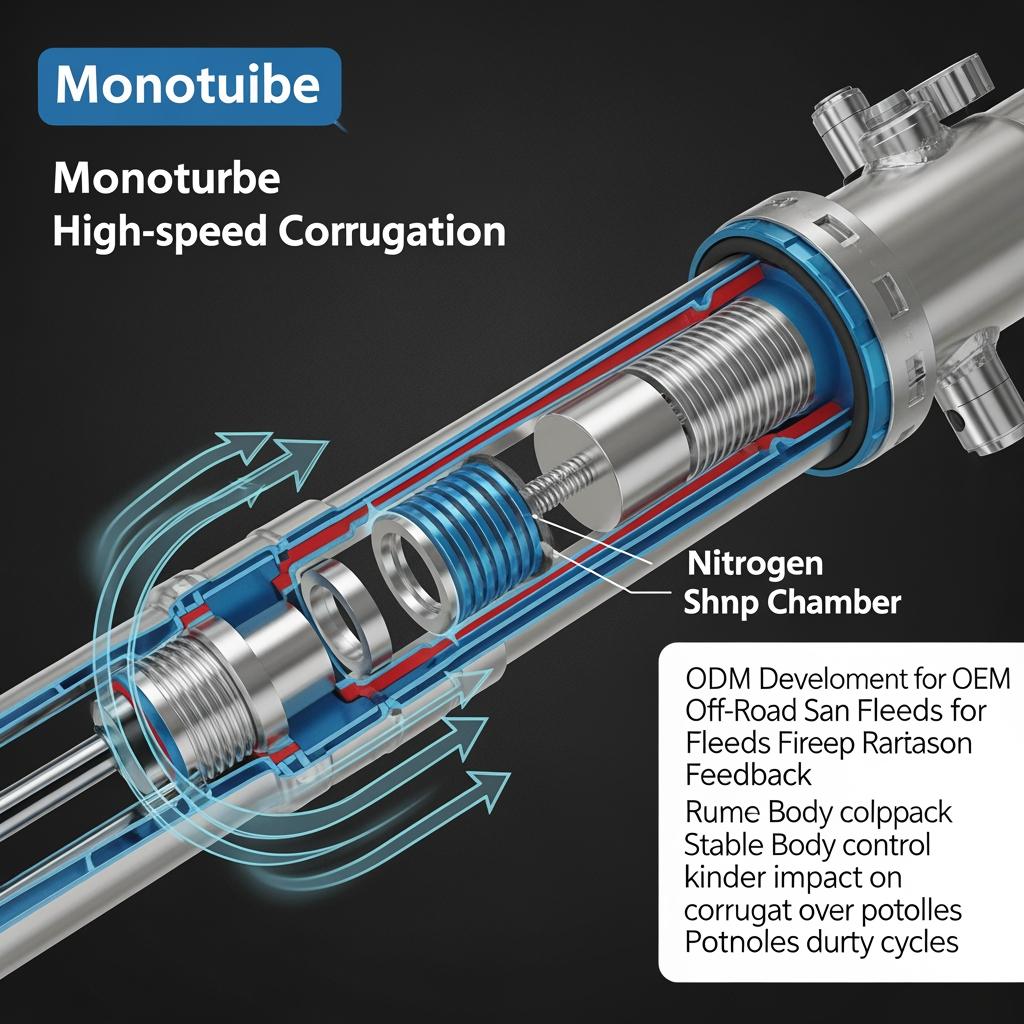
OEM off-road shocks are built around factory mounting geometry with validated travel, seal reliability, and damping curves. You gain durability and predictable handling without risking CV angles or ABS wiring.
Can OEM Off-Road Shock Absorbers for Subaru Forester SUV Fleets support mild lifts?
Yes. A well-matched package typically supports a mild lift with appropriate bump stop and top-out control. Keep lift conservative to preserve axle and harness lifespan.
How often should fleet shocks be serviced in Mexican conditions?
As a rule of thumb, inspect every 20–25k km for boot tears, bushing wear, and coating damage, and perform deeper checks each 40–60k km depending on terrain severity and payloads.
Are rebuildable shocks worthwhile for Forester fleets?
Rebuildables add flexibility if you have a capable depot and predictable downtime windows. Many fleets prefer sealed OEM-grade units for simplicity; the best choice depends on your service model.
What coatings are best for coastal routes in Mexico on Forester fleets?
A dual stack—e-coat under powder on bodies, zinc-nickel hardware, and hard-anodized aluminum parts—offers strong protection against salt air and humid conditions.
How do I trial shocks before a full rollout?
Run an A/B test on a small subset: two vehicles on tuned shocks vs. two on stock over the same route for at least one week, then review driver feedback, install notes, and basic inspections.
Ready to improve uptime and driver confidence? Share your Forester models, duty cycles, and quantities, and G·SAI will propose a tailored OEM off-road package—with quotes, samples, and rollout planning aligned to your depots in Mexico.
Last updated: 2025-11-07
Changelog: Added corrosion table and coastal maintenance steps; Expanded Mexican terrain test outcomes; Included RFQ checklist table; Added G·SAI manufacturer spotlight and internal links.
Next review date & triggers: 2026-02-07 or upon Subaru Forester platform update, new corrosion data, or major route profile changes.
Related Post
-
B2B Off-Road Suspension Systems for Dodge Ram 1500 in Germany
German fleets running the Ram 1500 face a unique mix of autobahn transfers, forest trails, quarries, and winter road salt. The right B2B off-road suspension setup balances payload control, on-road safety, and off-road traction—while meeting TÜV and fleet uptime targets. This guide walks you through technical compatibility, testing and corrosion strategy, fleet services, and procurement…
-
GMC Sierra 1500 Suspension Solutions for Off-Road Logistics in Thailand
Running GMC Sierra 1500 fleets across Thailand’s mixed terrain and climate demands suspension that is both heat-resilient and load-stable. This guide distills field-proven GMC Sierra 1500 Suspension Solutions for Off-Road Logistics in Thailand—covering terrain testing, heat management, fleet packages, after-sales systems, and distribution—to help you boost uptime and driver confidence. If you’re evaluating upgrade paths,…