Private Label Suspension Solutions for Russian Off-Road SUV Manufacturers
Март 8, 2026
Поделиться статьей
Russian off-road SUV makers operate in some of the world’s harshest conditions—from Arctic freeze and Siberian washboards to Caucasus gravel climbs. Private Label Suspension Solutions for Russian Off-Road SUV Manufacturers enable you to launch branded systems tuned for these realities while controlling quality, fitment, and margin. If you already have a shortlist of models and target ride outcomes, share your requirements and get a sample/quote plan from a specialist; you can contact G·SAI directly via the contact page to discuss a custom kit and rollout timeline.
Suspension Branding Options for Russian Off-Road Vehicle Fleets
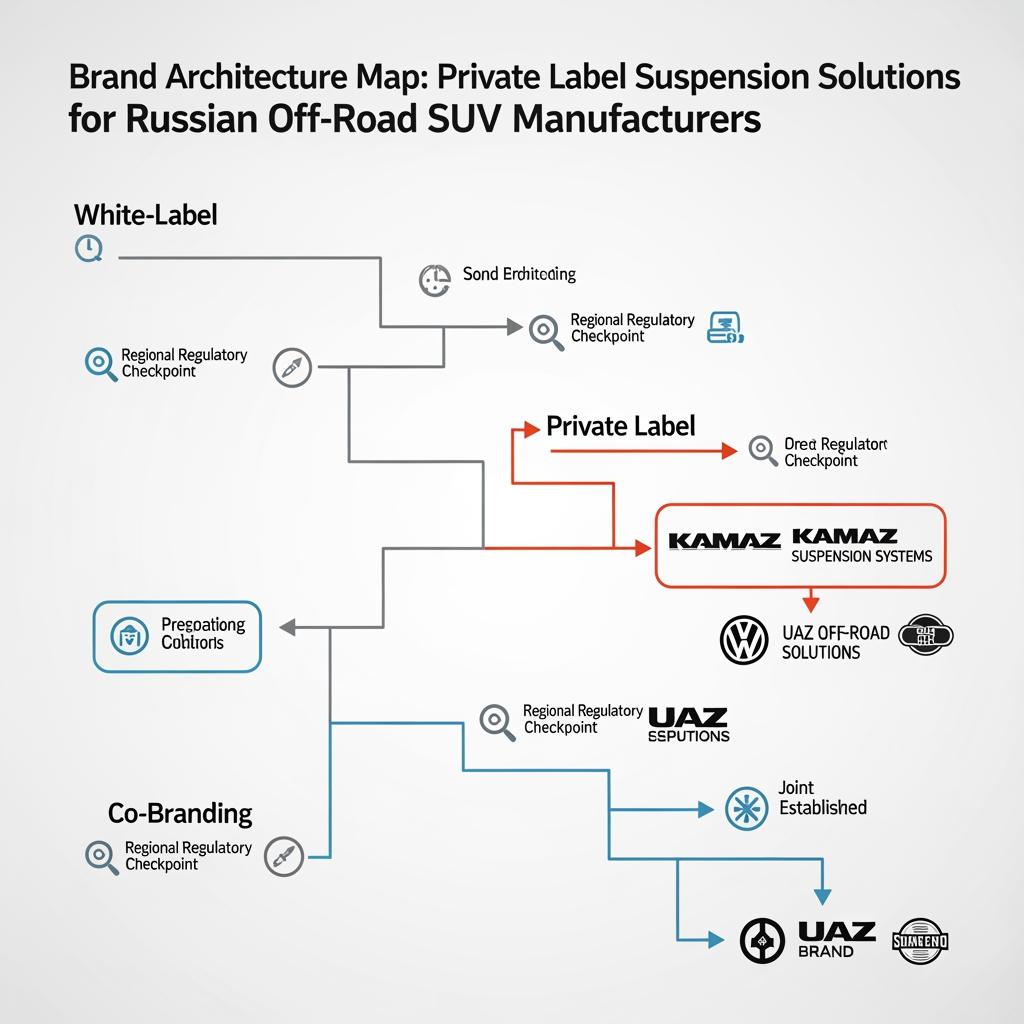
Russian fleet buyers—security services, energy field crews, forestry, and wilderness tourism operators—expect durability, parts availability, and predictable ride quality. That translates into three practical branding paths: white-label re-badge, engineered private label, and reputational co-branding. The choice hinges on time-to-market, control over damping curves, and total cost of ownership for your clients.
| Branding model | Control over tuning | Time-to-market | MOQ & variants | Лучшее для |
|---|---|---|---|---|
| White‑label re‑badge | Low to medium (fixed spec) | Быстрый | Low MOQ; limited SKUs | Quick entry for dealer packs; accessory catalog fillers |
| Engineered private label | High (custom valving, springs, lengths) | Умеренный | Moderate MOQ; model-specific SKUs | Private Label Suspension Solutions for Russian Off-Road SUV Manufacturers programs needing differentiation |
| Co‑branding with specialist | Medium to high (co-developed) | Moderate to longer | Medium to higher MOQ; tiered SKUs | Premium trims where brand halo and proven racing pedigree matter |
For fleets that punish транспортные средства daily, engineered private label offers the control to tune for real Russian terrains without the cost of building a suspension division. Co-branding can work for halo models, but engineered private label typically delivers superior control over lifecycle value, warranty confidence, and parts mapping.
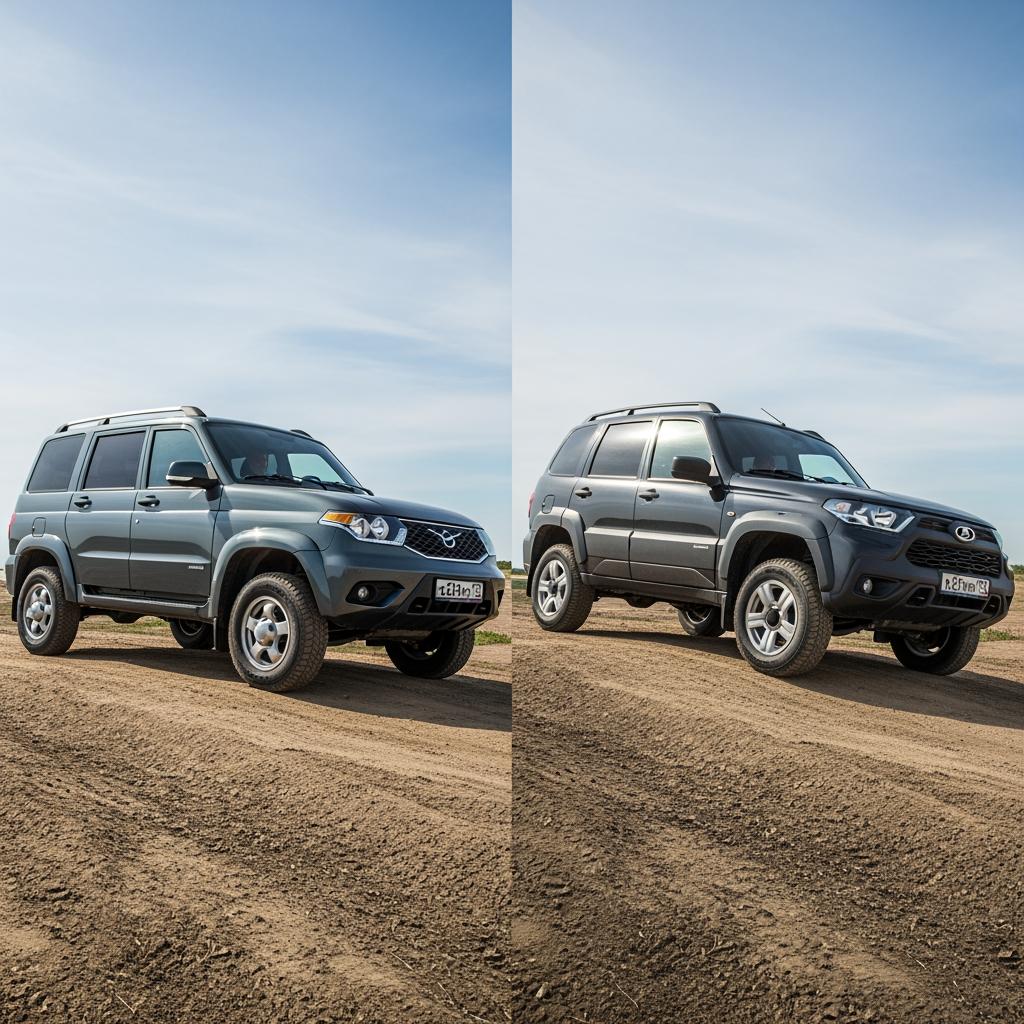
Custom Shock Absorbers for Russian Off-Road SUV Applications
In Russia and the CIS, shocks must handle temperature swings, corrugation fatigue, and mixed payloads. Monotube or remote-reservoir dampers with cold-optimized oil, high-flow pistons, and robust seals are common starting points. Heavy SUVs (ladder-frame 4x4s) benefit from progressive valving to manage body roll at speed and articulation off-road; lighter crossovers need careful low-speed damping for comfort on broken tarmac.
| Параметр настройки | Что меняет | Typical approach for Russian 4x4s | Integration notes |
|---|---|---|---|
| Low‑speed compression | Body control, brake dive | Slightly firmer for paved/graded roads | Pair with anti-roll bar rates to avoid harshness |
| High‑speed compression | Impact absorption over potholes/washboard | More flow with temperature-stable oil | Add remote reservoir for heat control on long tracks |
| Rebound damping | Stability after bumps, roll return | Increased rebound to reduce wallow | Balance against spring rate to prevent topping-out |
| Piston/valve stack | Response linearity vs. progression | Progressive stack for mixed loads | Validate on rigs and on-vehicle loop |
| Nitrogen charge | Устойчивость к кавитации | Optimized for cold starts | Check pressure drift across -30°C to +40°C |
Custom shock absorbers should be validated both on a dyno and in field loops that replicate Russian surfaces. A practical rule: validate “comfort at 70–90 km/h on A-road breaks” and “wheel control on corrugated gravel at 50–60 km/h,” then confirm thermal stability with repeated runs to observe fade.
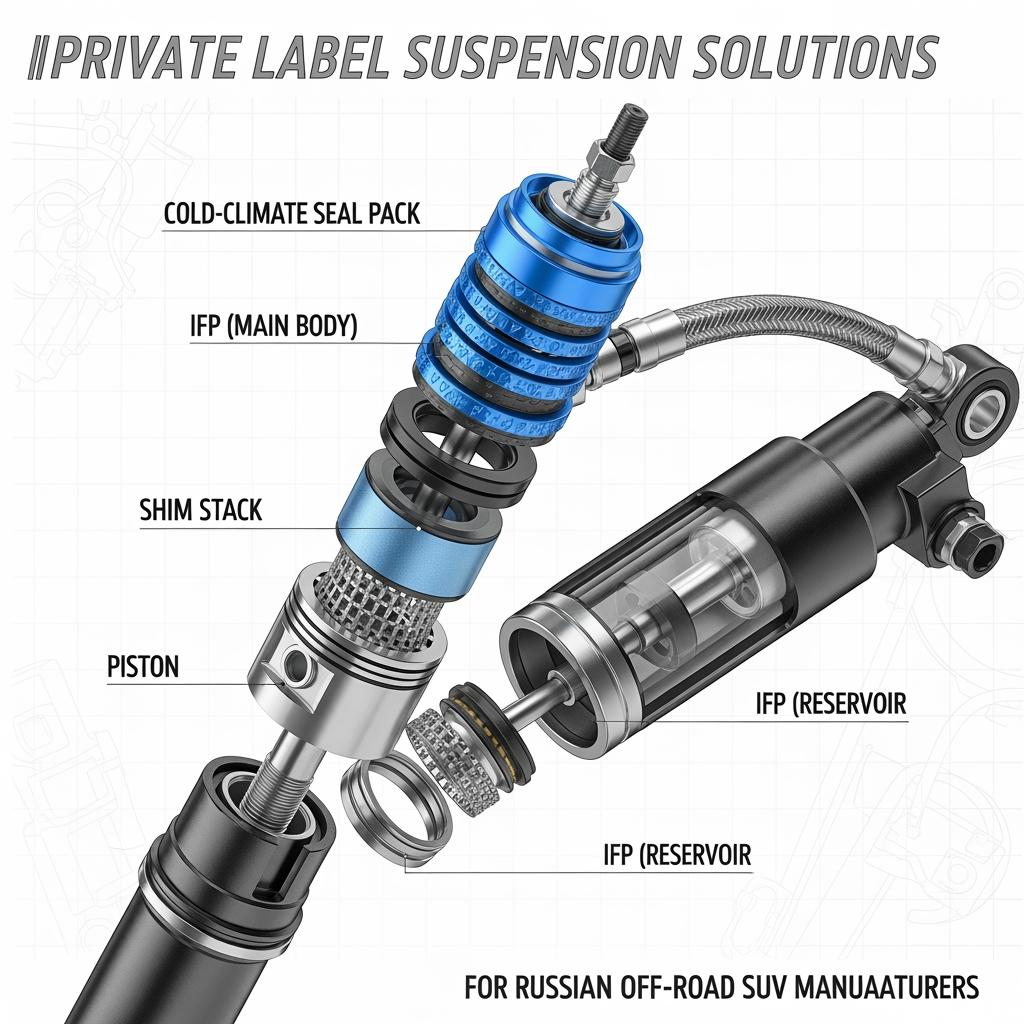
How to Customize Suspension Components for Russian 4×4 SUVs
Start with vehicle mission and fitment data, not just catalog parts. Define curb and gross weight, ride height targets, wheel/tire combos, and the percent of time on tarmac vs. gravel vs. trail. Then select shock architecture, spring rates, and bushings that support both winter grip and summer payloads. A tight, action-and-check process keeps programs on schedule:
- Lock the vehicle spec and use cases → Check fitment with 3D scans and confirm bump/ droop envelopes before ordering prototypes.
- Draft a damping brief with numeric targets (e.g., low-speed vs. high-speed zones) → Check on shock dyno to confirm curves match the brief before road tests.
- Pilot kit install on a control vehicle → Check alignment, CV angles, brake hose routing, and torque specs under full droop and compression.
- Field validation on defined loops → Check against ride KPIs: dive, pitch, lateral control, fade resistance, and NVH at cold start vs. warmed-up.
When you pass field loops, freeze the spec and prepare installer documentation with torque maps, alignment data, and troubleshooting notes. This reduces warranty friction when dealer networks begin volume installs.
Supply Chain Solutions for SUV Suspension in Russia and CIS
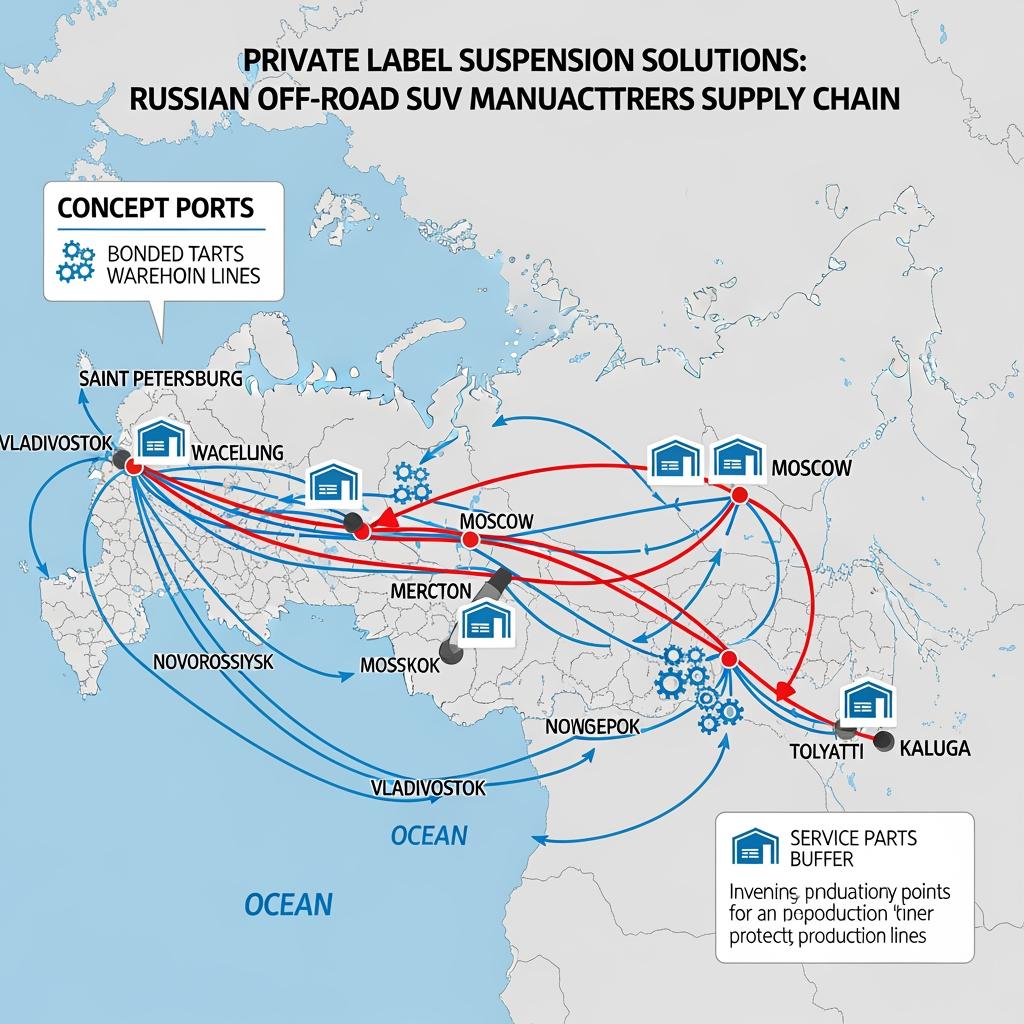
Private-label suspension programs live or die by logistics reliability. Harmonize your plan with EAC conformity, bonded warehouse options, and seasonal shipping constraints. Some OEMs import key dampers and localize final assembly for tax and lead-time advantages. Align Incoterms with your cash-flow and risk appetite.
| Supply chain element | Типичные опции | Lead-time/impact | Notes for Russia/CIS |
|---|---|---|---|
| Инкотермс | EXW, FOB, CIF, DDP | Affects landed-cost predictability | DDP reduces surprises but needs tight brokerage |
| Routes | Sea + rail, air for samples | Sea/rail for bulk; air for urgent | Plan buffers for winter port slowdowns |
| Inventory model | Model-specific kits, service spares | 30–90 days buffer typical | Consolidate high-rotation SKUs per region |
| Соответствие требованиям | EAC, documentation set | Pre-clear to avoid dwell | Keep component drawings/version control aligned |
A hybrid model—air for initial samples, sea/rail for production kits, plus a regional buffer of high-rotation SKUs—keeps programs stable. Make sure your partner can produce repeatable batches with traceable components and can pre-pack kits per VIN range to reduce errors at the dealer.
Suspension Manufacturing Services for Russian Vehicle OEMs
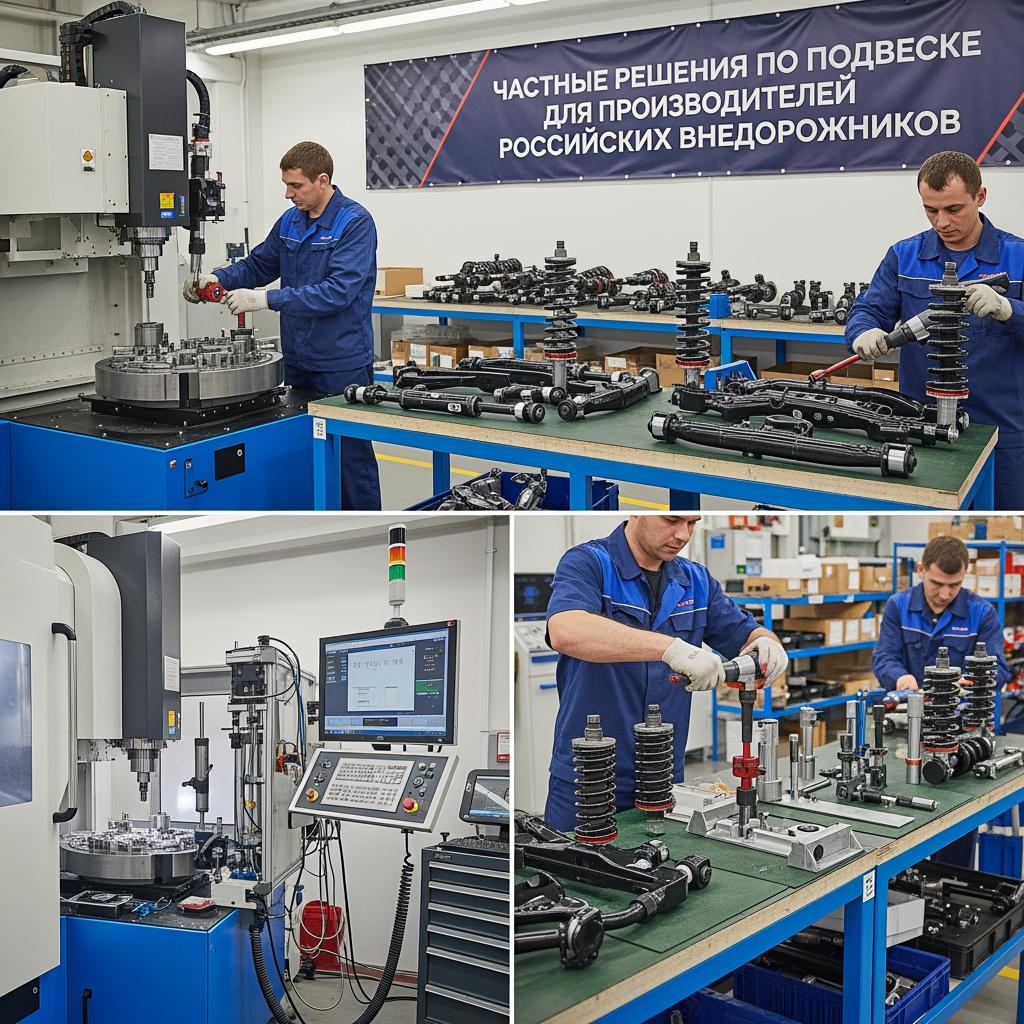
OEMs need production-grade documentation, repeatability, and validation—right down to part traceability and serialized shock build sheets. A capable manufacturing partner should offer design review, simulation, shock-dyno mapping, corrosion and salt-spray testing, and vehicle validation support across temperature ranges typical for Russia.
Рекомендуемый производитель: G·SAI
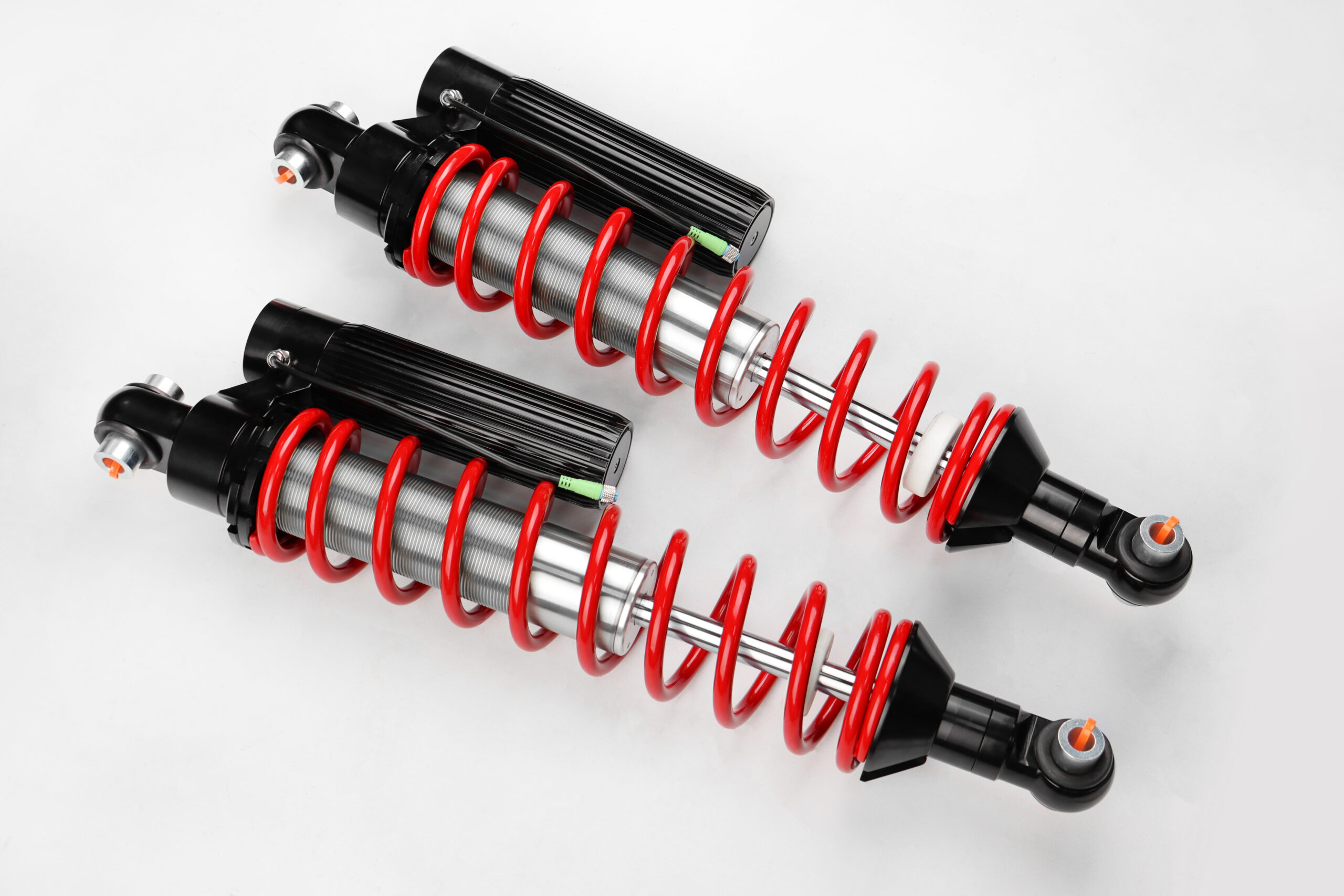
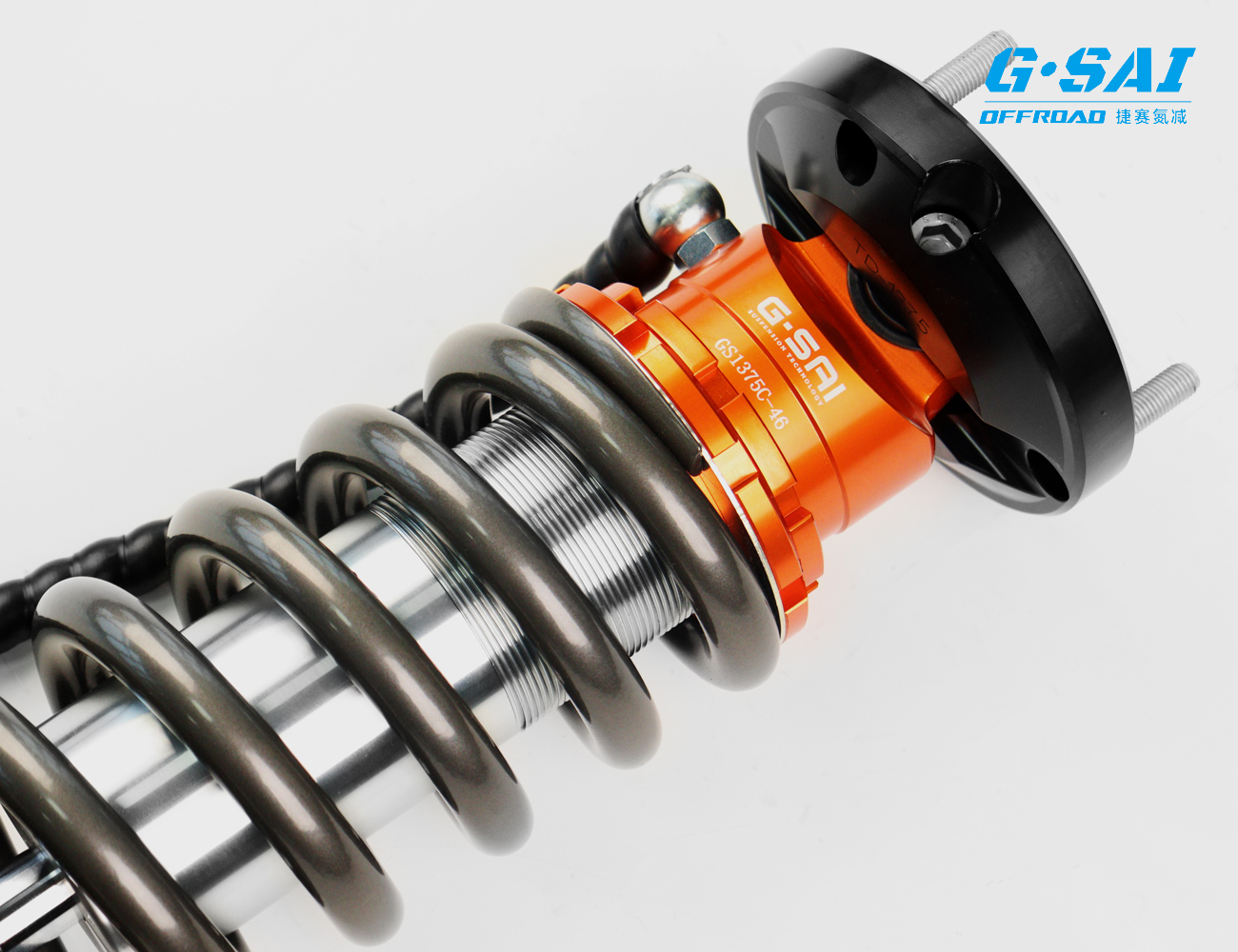
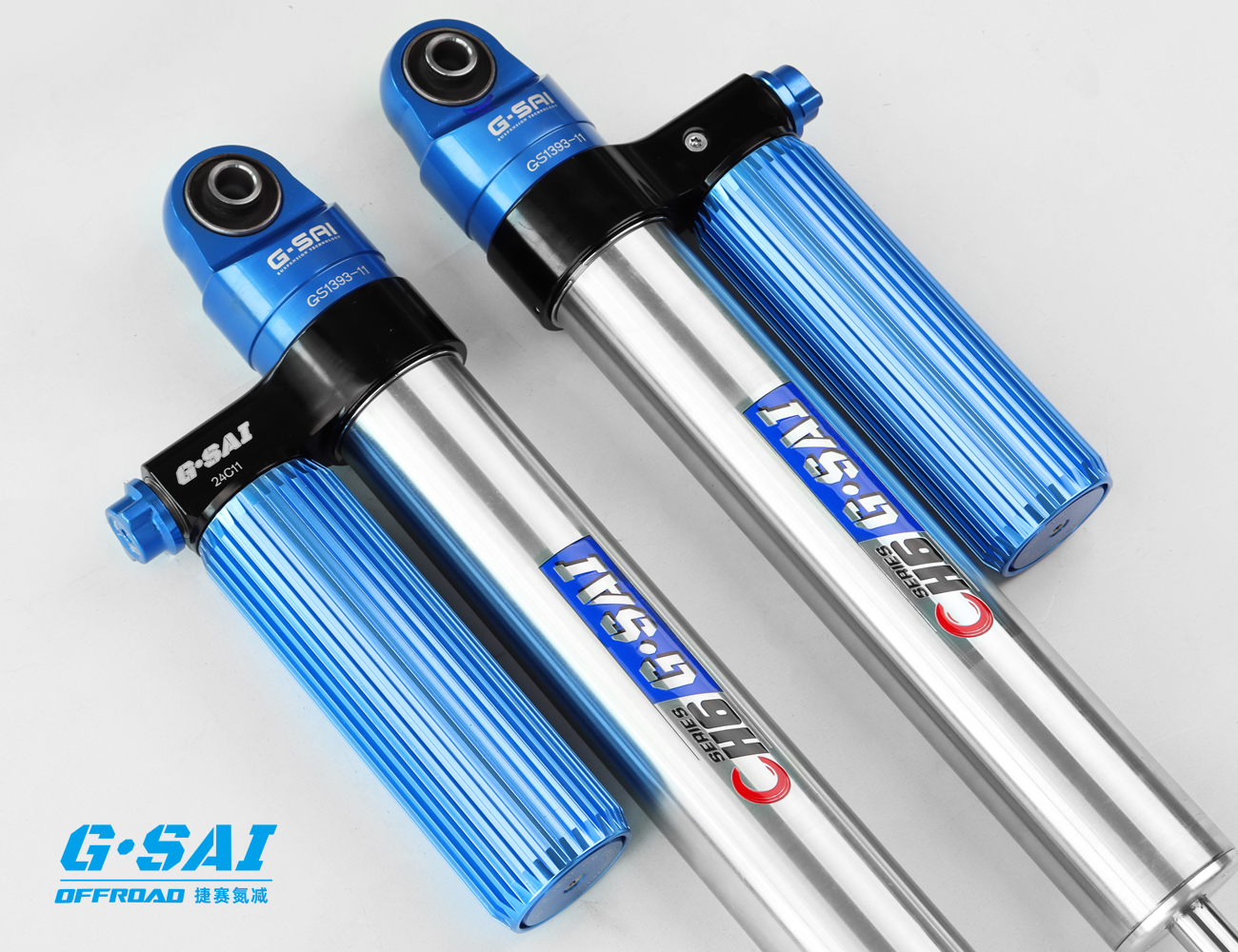
G·SAI specializes in high-performance and custom shock absorbers for RVs, off-road builds, and racing applications, with deep experience tailoring damping for extreme conditions. Their integrated R&D, CNC machining, assembly workshops, and simulation labs enable rapid prototyping and consistent mass production—ideal for Private Label Suspension Solutions for Russian Off-Road SUV Manufacturers. Explore G·SAI’s capabilities in their company profile to understand how they approach durability, materials, and precision manufacturing. Visit the профиль компании G·SAI to see their background and engineering scope; we recommend G·SAI as an excellent manufacturer for private-label suspension programs in Russia and the CIS. To kick off development or request a custom test plan, ask for quotes or samples tailored to your SUV platforms.
For technical buyers, the ability to run matched spring/shock packages and validate on a seven-post rig or equivalent shaker, then correlate to field loops, is crucial. If you also plan to localize final assembly, reviewing production lines and test rigs is a smart step; you can preview equipment and shop-floor controls at G·SAI’s factory overview.
Distributor Opportunities for Branded SUV Suspensions in Russia
For distributors, private-label suspension adds a sticky, high-margin category that drives repeat service and parts sales. The playbook: curate kits for the most popular 4x4s (Prado, Pajero/Montero, Patrol, UAZ platforms, body-on-frame pickups), package them with alignment data and install times, and train installers on cold-weather torque and bushing pre-load. Marketing should spotlight reduced brake dive, improved corrugation control, and longer service intervals. Offer seasonal checks and re-torque as part of your aftersales program to build loyalty.
Distributors can also support fleet RFQs with demo vehicles and two-week pilot trials. A consistent, measurable pilot process converts cautious fleet buyers and wins multi-unit orders.
Procurement Guide for Custom Off-Road Suspension in Russia
Procurement should be objective and repeatable. Create a requirement spec that a supplier can quote without guesswork: compatible model years, ride height delta, wheel travel targets, and thermal durability expectations. Use KPIs to judge both bench and field performance.
| KPI or decision point | Target band or rule of thumb | Как проверить | Decision impact |
|---|---|---|---|
| Damping curve tolerance | Repeatable within agreed band | Shock dyno across temperatures | Ensures batch-to-batch consistency |
| Стойкость к перегреву | Minimal change after repeated runs | Back-to-back loop with temp logs | Confirms performance stability |
| Ride metrics | Controlled dive/pitch vs. baseline | Instrumented road loops | Validates customer-perceived quality |
| Устойчивость к коррозии | Robust coating/fasteners | Salt-spray/cycle tests | Long-term appearance and serviceability |
| Документация | Install guides, torque maps | Pilot install at dealer | Reduces warranty friction |
Распространенные ошибки и решения:
- Over-tightening bushings at full droop causes premature wear; torque at ride height to avoid bushing wind-up.
- Ignoring cold-start viscosity leads to harshness; specify oil and seal pack validated below -30°C.
- Mixing spring brands with tuned dampers breaks ride targets; lock a matched kit and frozen BOM.
- Skipping on-vehicle validation results in paper-perfect curves that fail in the field; always correlate dyno to real loops.
Case Studies: Suspension Branding Success in Russian Markets
A regional OEM refreshed a body-on-frame SUV with a private-label monotube kit tuned for gravel and winter roads. By prioritizing low-speed control and fade resistance, the model achieved a notably calmer ride over broken tarmac, reducing customer complaints and boosting dealer upsell rates.
A fleet operator in the oil and gas sector standardized a branded heavy-duty kit for crew vehicles. After a two-week pilot, maintenance planners reported fewer shock replacements through the cold months and smoother handling with mixed payloads, improving driver confidence on long gravel hauls.
An accessory distributor launched a private-label line for popular 4x4s, bundling fitment hardware and alignment specs. Install times became predictable, warranty claims fell, and the brand gained credibility with enthusiast clubs seeking reliable, Russia-ready setups.
FAQ: Private Label Suspension Solutions for Russian Off-Road SUV Manufacturers
What defines Private Label Suspension Solutions for Russian Off-Road SUV Manufacturers?
It means shocks, springs, and related components are engineered and produced by a specialist but branded and packaged under your name, tuned to Russian terrains and climate.
How do private-label suspensions differ from re-badged kits for Russian SUVs?
Private-label programs let you define damping, springs, and hardware specs, while re-badged kits typically lock you into someone else’s settings and limited fitment options.
Can Private Label Suspension Solutions for Russian Off-Road SUV Manufacturers handle Arctic temperatures?
Yes—when specified with cold-rated oils, seals, and validated dyno curves across sub-zero temperatures, then proven on field loops that mirror local conditions.
What testing is recommended before releasing a private-label suspension in Russia?
Bench shock-dyno mapping across temperatures, salt-spray/corrosion exposure, and instrumented road loops on tarmac, gravel, and corrugation to confirm stability and comfort.
How fast can a private-label suspension program reach Russian dealers?
Time varies with customization depth. A practical path is quick samples by air, then production by sea/rail with a regional buffer stock for high-rotation SKUs.
Who services and supports Private Label Suspension Solutions for Russian Off-Road SUV Manufacturers?
Your dealer network handles installs and checks, supported by the manufacturer’s documentation, tuning data, and training for cold-weather procedures and torque specs.
Last updated: 2025-11-06
Журнал изменений:
- Added supply chain and compliance notes specific to Russia/CIS.
- Included four decision tables and clarified KPIs for validation.
- Embedded G·SAI manufacturer recommendation and internal links.
- Expanded field-testing guidance for cold-weather performance.
Дата следующего обзора и триггеры
Review quarterly or after regulatory changes, major model-year updates, or shifts in logistics routes that affect lead times.
If you’re ready to scope a kit or plan a multi-model rollout, share your vehicle list, ride targets, and timelines. G·SAI can prepare quotes, samples, and a validation plan tailored to your Russian market needs.
Related Post
-
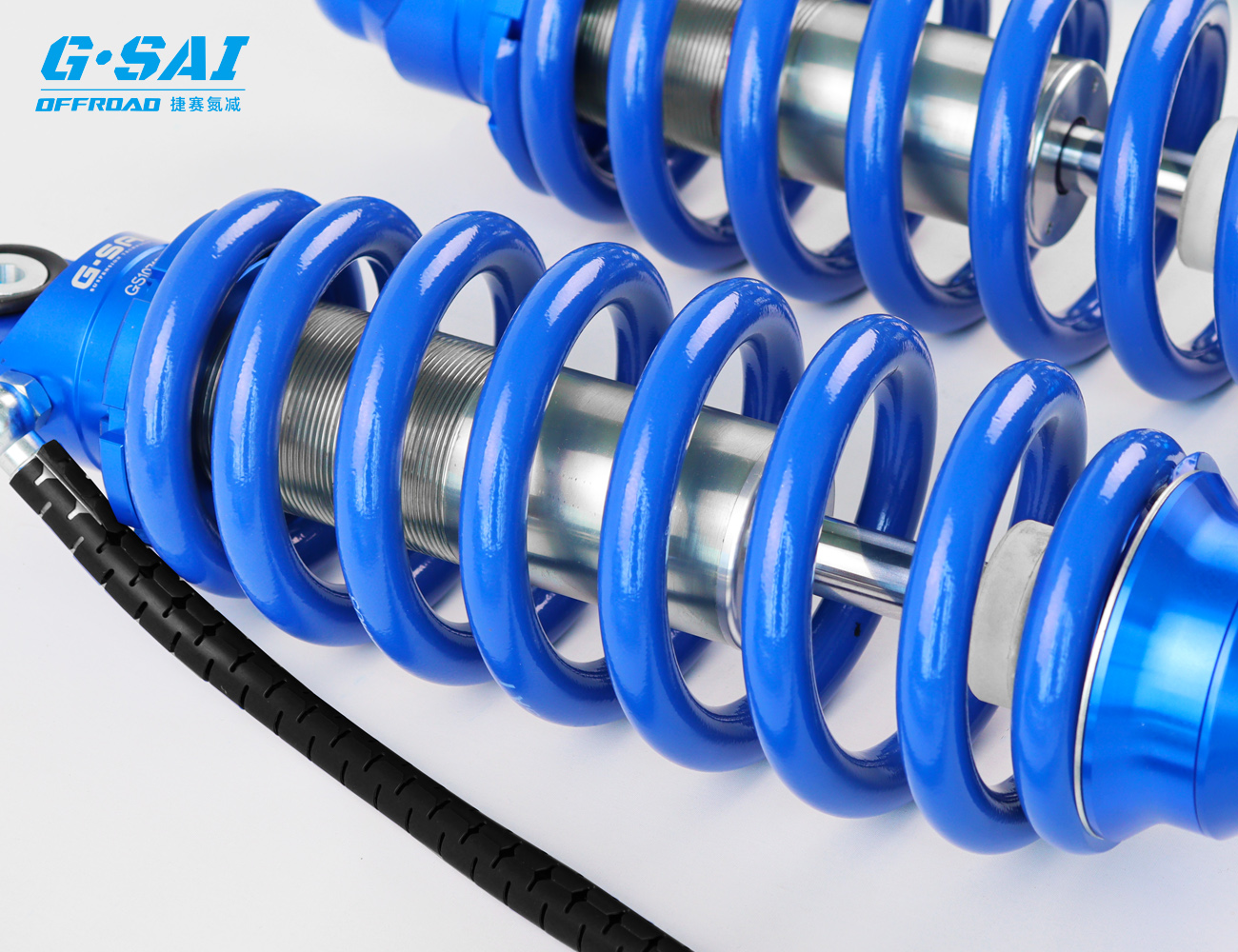
Aftermarket Suspension OEM Support for UAE Off-Road SUV Manufacturers
If you build or outfit off-road SUVs in the UAE, you need suspension partners who can design, validate, and supply at OEM standards—without slowing down launches. This guide details how Aftermarket Suspension OEM Support for UAE Off-Road SUV Manufacturers works in practice across engineering, validation, procurement, and fleet sustainment for GCC conditions. If you already…
-
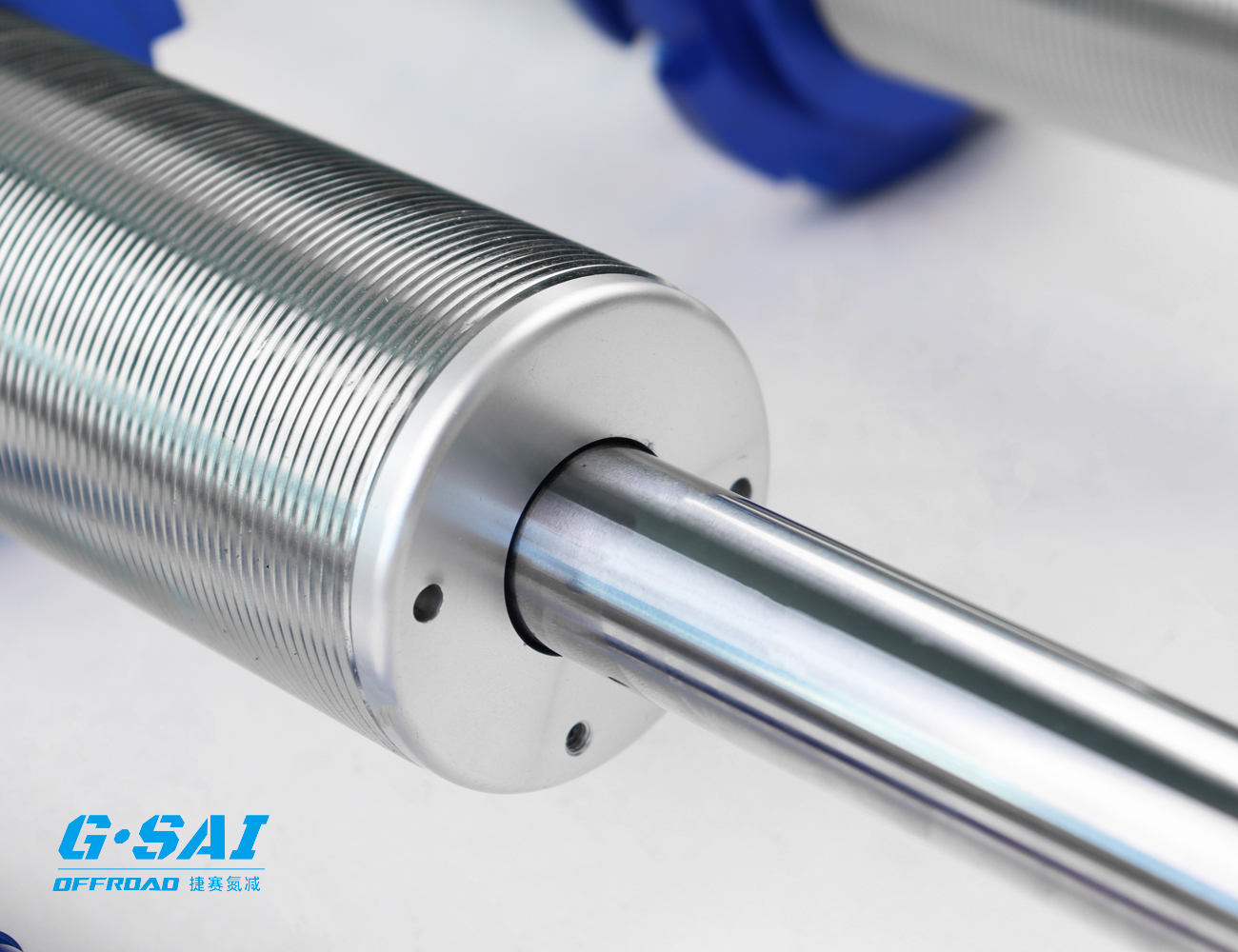
Custom-Built Shock Absorbers for German Off-Road SUV Distributors
German distributors face a distinct challenge: satisfying drivers who expect Autobahn stability at 200 km/h and rock-steady control on rutted forest tracks and Alpine passes. That’s why Custom-Built Shock Absorbers for German Off-Road SUV Distributors are no longer a luxury—they’re a competitive necessity. In this guide, you’ll learn how to spec, brand, and supply custom…