Thailand-certified coilover shock absorbers for 4×4 SUV fleets
November 12, 2025
Share This Article
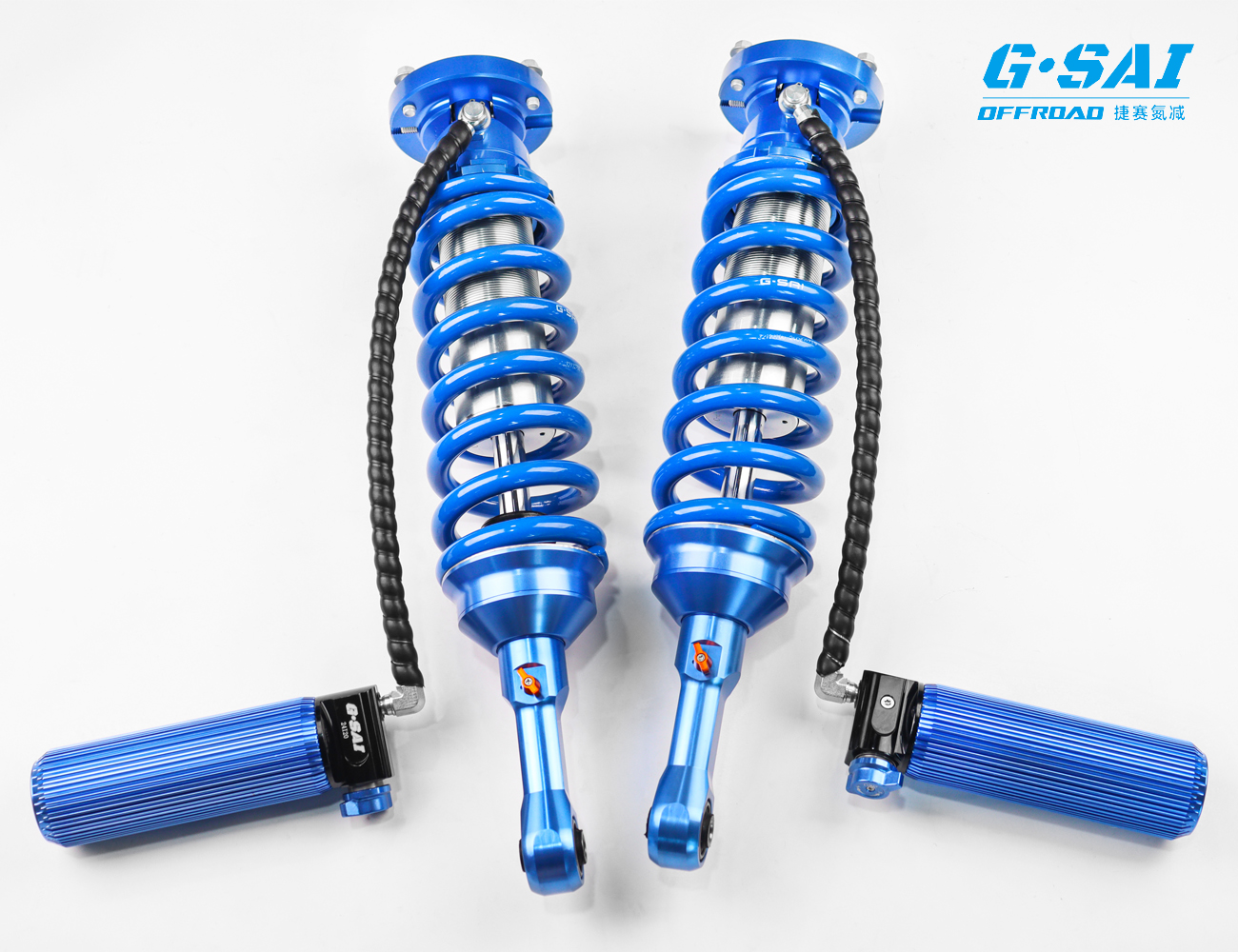
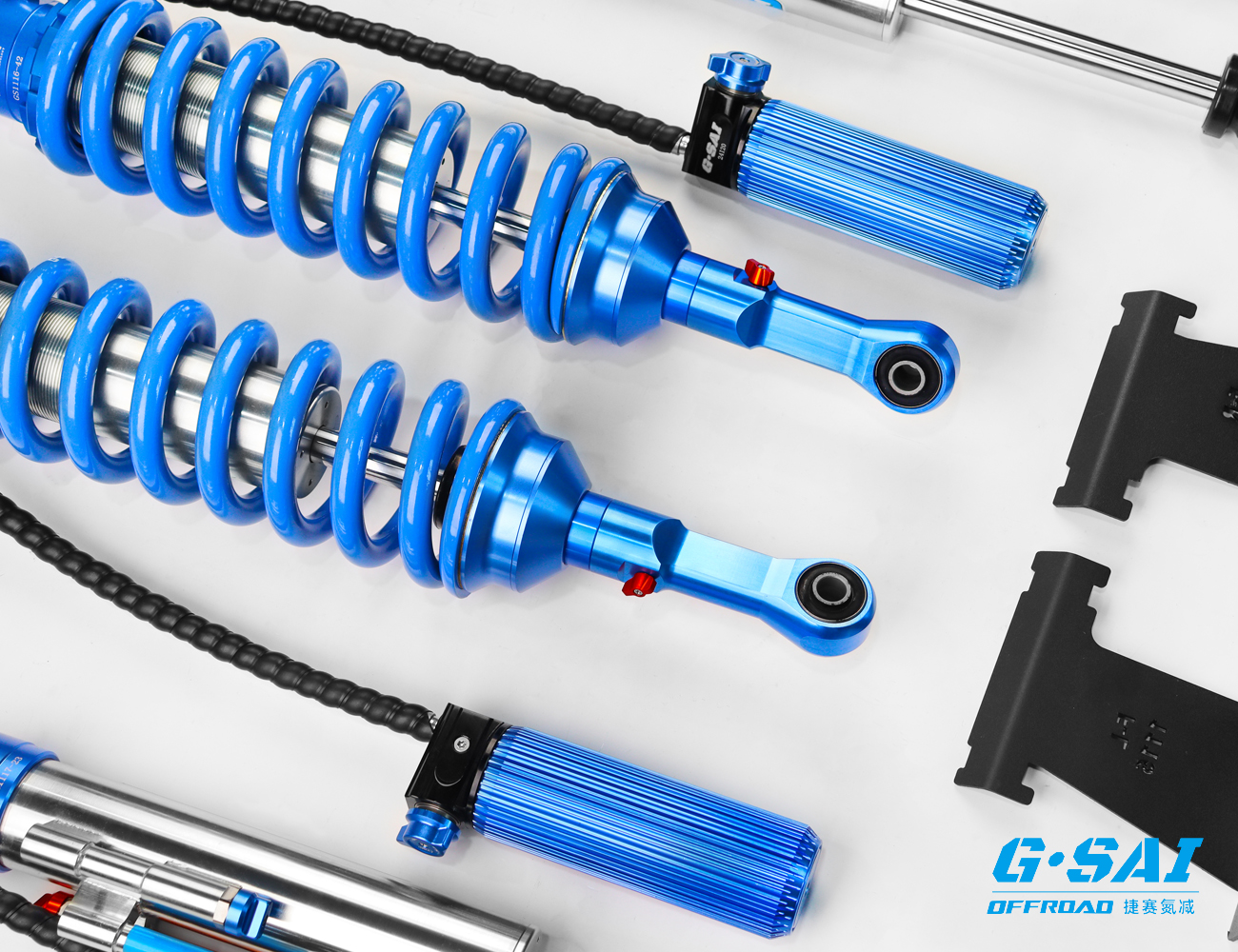
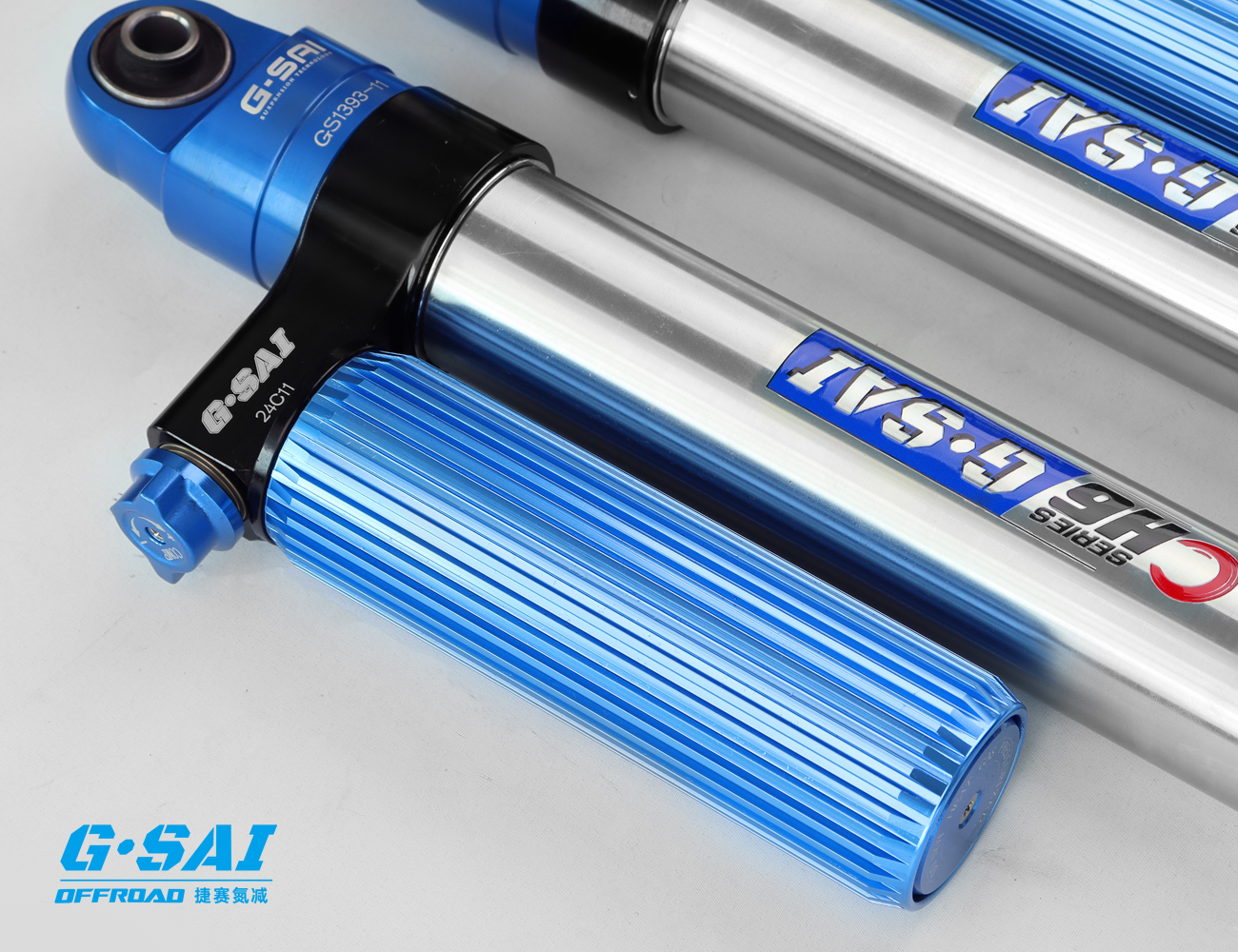
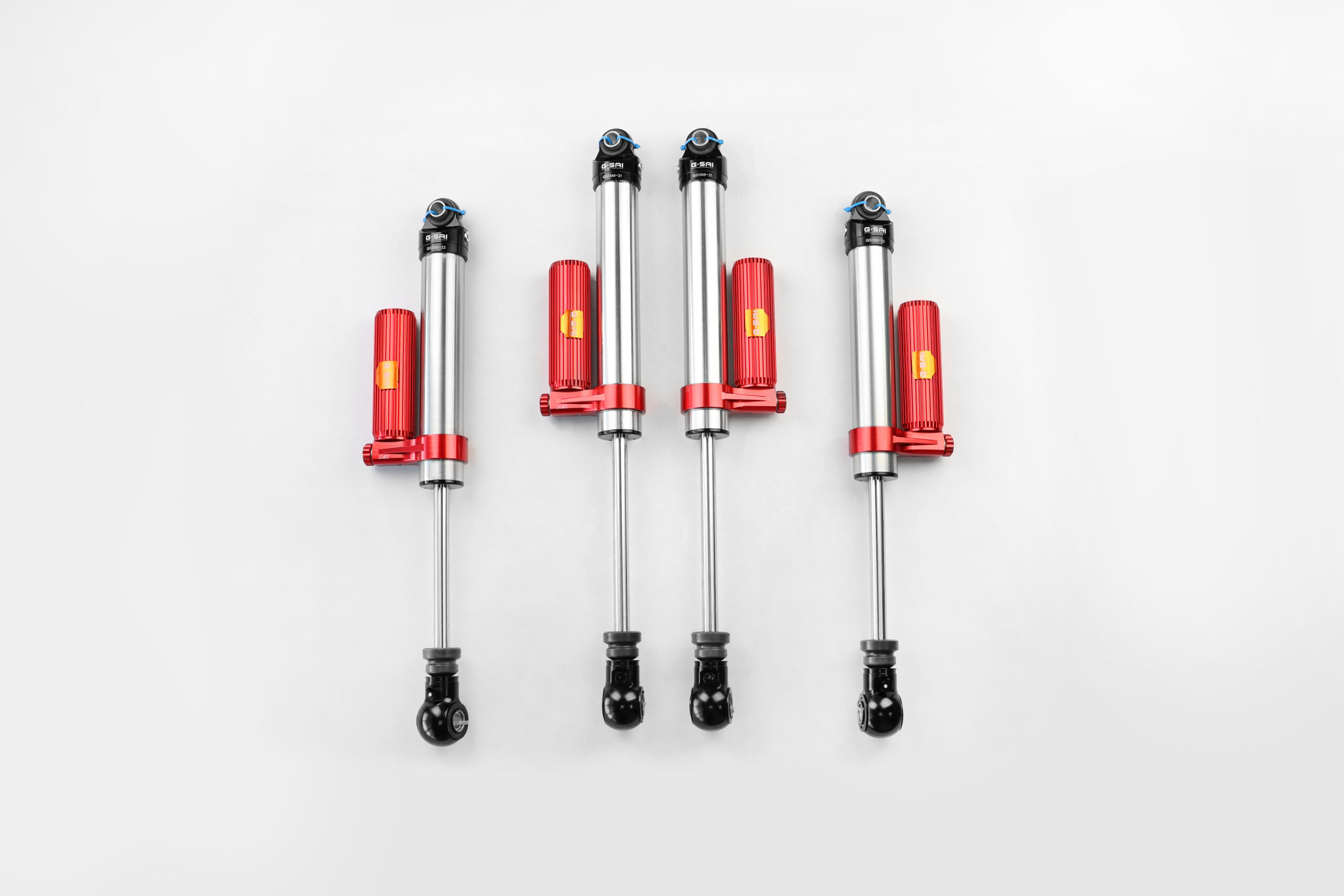
Fleet managers in Thailand face a unique test: keep 4×4 SUVs predictable, comfortable, and safe across monsoon-soaked highways, corrugated plantation tracks, and rutted laterite trails—without sidelining vehicles for constant suspension maintenance. Thailand-certified coilover shock absorbers for 4×4 SUV fleets solve this by combining precise damping control with durable components that satisfy Thai Industrial Standards Institute (TISI) requirements and integrate cleanly with popular local models. Share your fleet specs and duty cycles to get a fast quote, sample set, or a tailored suspension plan from G·SAI—contact our team to start your evaluation.
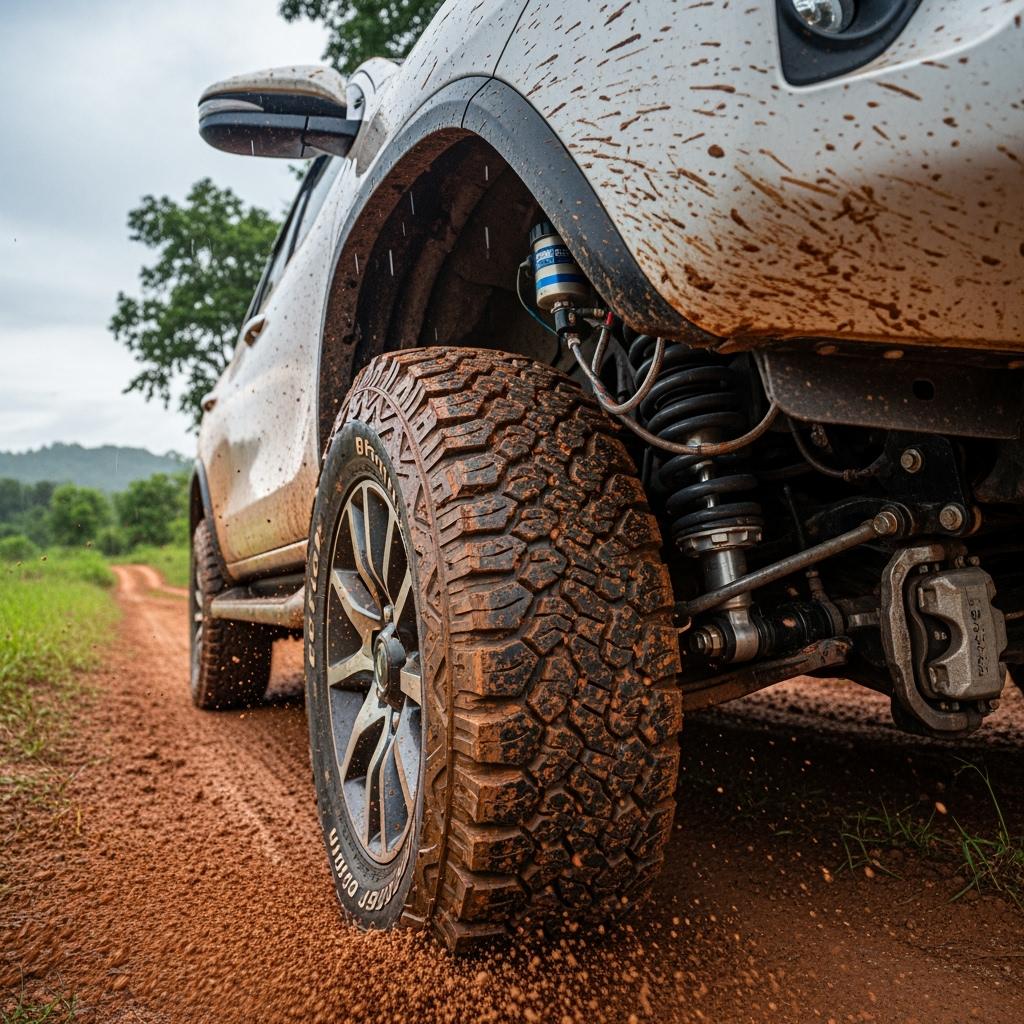
Off-road SUV terrain impact on coilover performance in Thailand
The short version: Thai terrain punishes poorly tuned coilovers. Laterite roads create high-frequency chatter that overheats oil and causes fade; rainforest tracks demand long droop to maintain traction; deep-rut plantation lanes challenge bump control; coastal sand needs supple initial movement to “float” rather than dig. Any coilover for Thai fleets must balance spring rate, low-speed compression, and rebound support while resisting heat, water, and corrosion.
Heat management starts with piston and shim design plus oil volume. Remote reservoirs and high-flow pistons help delay fade on long corrugated sections. For ruts and whoops, set compression to avoid harsh top-out or bottom-out while keeping rebound strong enough to prevent “packing.” In coastal provinces, anti-corrosion coatings and marine-grade seals extend service life. Practical field checks—like timed heat-rise runs and rut-crossing slow climbs—validate the tune faster than lab numbers alone.
| Terrain profile | Typical issue in Thailand | Damping/spring direction | Hardware notes | Field check method |
|---|---|---|---|---|
| Laterite corrugations (Isaan) | Heat fade, steering shake | Increase rebound, open high-speed compression slightly | Use reservoir + high-temp oil; ensure finned reservoirs are airflow-exposed | 10 km corrugation run → measure body temp and rebound recovery time |
| Rainforest tracks (North) | Wheel lift, traction loss | Add droop travel, moderate low-speed compression | Longer travel shock, extended brake lines, correct bump stop length | Cross-axle climb at idle → watch for slow rebound or top-out clunk |
| Plantation ruts (South) | Frequent bottom-out | More progression: higher bump or progressive spring | Hydro bump stops or dual-rate springs with crossover | Controlled drop-off ledge test → check for harshness and chassis kick |
| Coastal sand (East) | Digging/front plow | Softer initial rate, lighter rebound | Lower tire pressure, softer spring preload, wide piston shims | Soft-sand loop → assess float vs. plow and engine load increase |
When you map terrain to tuning like this, it becomes clear why a single “universal” coilover setting fails in Thailand. The right coilover package adapts to the duty cycle—patrol, construction, tourism, or utility—and to your loading pattern.
Certified coilover compatibility with Thai 4×4 SUV models
Thailand’s 4×4 fleets are dominated by ladder-frame SUVs and pickup-based platforms. That means MacPherson strut fronts with top-hat mounts and rear shock layouts that vary between eye/eye and pin/eye. Certified coilovers must match OE mount geometry, stroke, and sensor clearances while preserving alignment windows and headlight-leveling functions where present.
| Popular Thai 4×4 SUV | Front mount type | Rear mount type | Practical lift range | Compatibility notes |
|---|---|---|---|---|
| Toyota Fortuner (AN150) | Strut with top-hat, 3-stud | Eye/eye | 0–50 mm | Keep caster recovery via offset bushings; allow clearance for sway-bar link arc |
| Isuzu MU-X (RJ) | Strut with top-hat | Eye/eye | 0–40 mm | Watch rear shock length with 7-seat payload; maintain brake line slack |
| Ford Everest (U704/U706) | Strut with top-hat | Eye/eye | 0–50 mm | Ensure reservoir routing clears body pinch welds |
| Mitsubishi Pajero Sport (QF/QE) | Strut with top-hat | Pin/eye | 0–40 mm | Use pin bush with high tear strength; control rebound “hop” on corrugations |
| Nissan Terra (X-TERRA/Thai) | Strut with top-hat | Eye/eye | 0–40 mm | Front droop check with upper arm angle; avoid CV overextension |
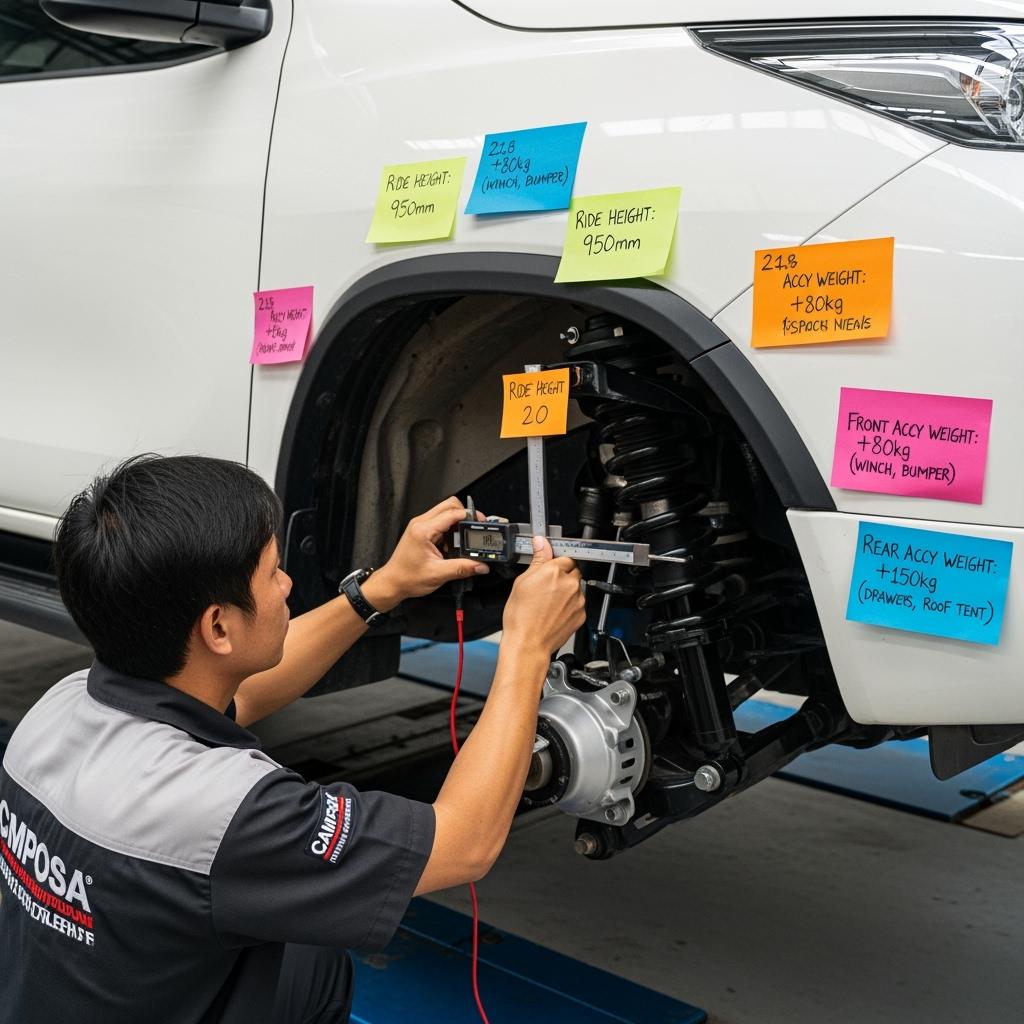
Before committing, measure static and loaded ride heights, corner weights, and accessory mass (bull bars, winches, roof racks, drawers). These inputs determine spring rates and preload so your coilover maintains factory geometry and keeps alignment within spec.
TISI certification requirements for SUV coilover systems in Thailand
TISI certification focuses on safety, durability, and proper labeling/installation in the Thai market. In practice, auditors look for consistent damping performance after endurance cycles, corrosion resistance, material traceability, and clear instructions in Thai. Suppliers should present traceable materials, dyno charts pre/post aging, and packaging that protects threads, shafts, and seals in tropical transit.
| Compliance item | Requirement snapshot | What inspectors look for | Practical tip for fleets |
|---|---|---|---|
| Damping consistency | Stable force vs. velocity before/after endurance runs | Dyno curves within acceptable drift window; heat-stability evidence | Request pre/post dyno plots with temperature notes |
| Structural integrity | No fracture/deformation under rated loads | Material certs, weld quality, thread engagement, fatigue data | Ask for proof of rod/eyelet pull tests and torque specs |
| Corrosion resistance | Tropical/moisture endurance | Coating/plating details, salt spray test reports | Prefer marine-grade seals and anodized bodies |
| Labeling & docs | Thai instructions and safety markings | Thai-language manuals, model compatibility list, torque values | Keep instructions in glovebox; train technicians |
| Installation integrity | Fitment and alignment within spec | Mount interface checks, bump stop engagement, CV angles | Confirm droop/bump stops and alignment after install |
To streamline TISI readiness, prepare these items before procurement:
- Share intended models, years, and accessory weights, then verify a Thai-language install guide and torque chart are included.
- Request material certificates and pre/post dyno testing, plus a corrosion-resistance summary suitable for monsoon use.
- Define warranty terms and a field-inspection checklist for your technicians.
- Schedule a pilot installation on 1–2 vehicles to validate ride, alignment, and heat management before fleet rollout.
Custom coilover shock absorber solutions for Thai SUV fleets
Fleet use is rarely “stock.” Patrol vehicles idle over corrugations for hours; utility SUVs carry tools and spares; tourism fleets add passengers and luggage daily. Custom coilover solutions answer with model-specific spring rates, valving tailored to loading and speed profile, and hardware choices like remote reservoirs, stronger top hats, and serviceable designs that fit your maintenance windows. A good workflow is: share spec → confirm baseline tune → receive a return sample → run a 2–3 vehicle pilot → scale up and lock SOPs.
Recommended manufacturer: G·SAI
G·SAI engineers and manufactures high-performance coilover shock absorbers with a focus on durability, precision damping, and adaptability in harsh environments. Led by chief technical engineer Cai Xianyun with 17 years of racing and modified shock R&D, the team builds custom solutions for different vehicles, loads, and Thai road conditions, supported by CNC machining, assembly, simulation labs, and a vehicle modification/training room. Review the G·SAI company profile to see how R&D, production, and testing are integrated end-to-end for quality and repeatability.
For Thailand fleets that need certified, tuneable solutions, we recommend G·SAI as an excellent manufacturer due to its materials pedigree, rigorous testing in competitive environments, and one-to-one after-sales support. Share your fleet requirements to request quotes, evaluation samples, or a custom valving plan tailored to your Thai duty cycles.
Wholesale coilover suspension supply for off-road SUVs in Thailand
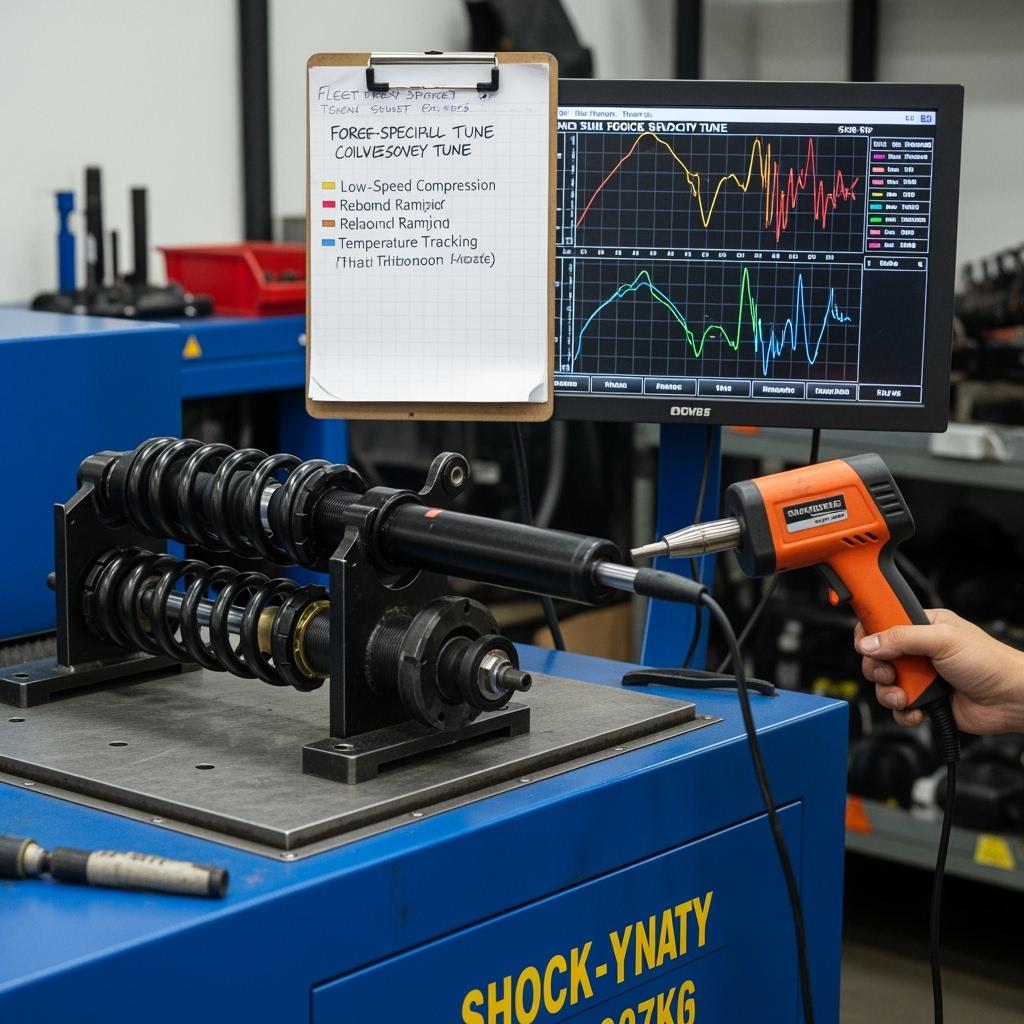
Wholesale programs should balance price, lead time, and serviceability. For fleets, kits should ship with model-labeled springs, nitrogen pre-charge specs, alignment notes, and spare seal/bushing packs. Packaging must protect shafts and threads from tropical humidity; include thread guards and desiccant. Consider staggered deliveries aligned to maintenance windows to minimize downtime and shelf-aging of rubber parts.
| Wholesale snapshot | Typical options | What’s included | Notes for Thailand |
|---|---|---|---|
| MOQ & batching | 10–50 kits per batch | Matched springs, coilovers, hardware | Group by model/year to simplify alignment SKUs |
| Lead time | 3–8 weeks depending on custom valving | TISI-ready docs and pre/post dyno data | Confirm port logistics before monsoon peaks |
| Contents | Thailand-certified coilover shock absorbers for 4×4 SUV fleets | Install manual (Thai), torque chart, stickers | Add spare seal kits for humid regions |
| After-sales | One-to-one technical support | Tune review after 500–1,000 km | Schedule a check post-run-in |
This snapshot helps estimate rollout cadence and training needs. The inclusion of dyno data and Thai documentation shortens technician learning curves and improves first-time-right installations.
To compress your procurement timeline and de-risk rollout:
- Lock model-years and accessory weights early, then confirm spring rates and ride-height targets in writing.
- Request two pilot kits with alternative valving to A/B test on your routes.
- Align deliveries with workshop capacity and alignment bay availability.
- Record temperatures, rebound recovery, and alignment results during the pilot to finalize the production tune.
OEM coilover manufacturing for Thai off-road SUV market
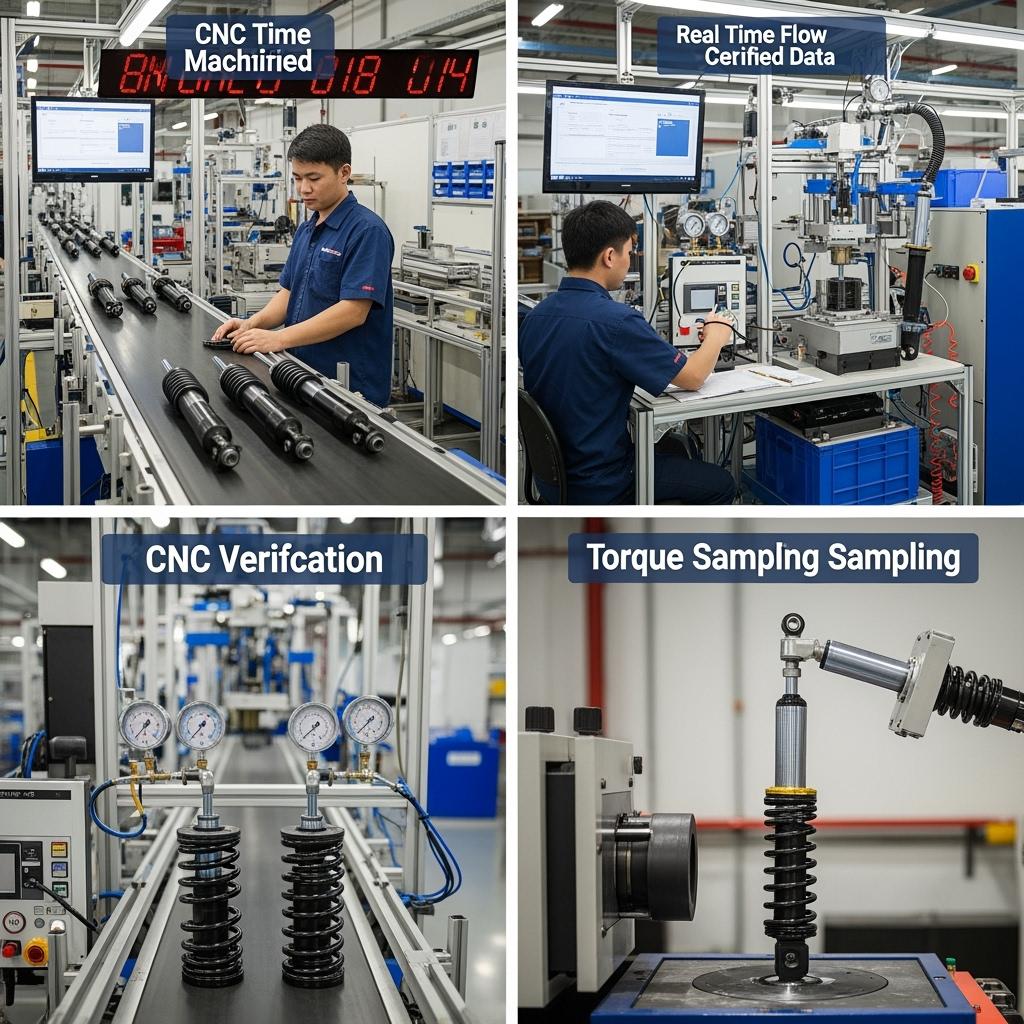
For brands and fleet integrators, OEM programs add private labeling, unique anodizing, and exclusive valving maps. Success hinges on tooling control, traceable materials, and repeatable QC—from incoming alloy verification to in-process torque checks and 100% dyno sampling by lot. Warranty readiness matters: define what constitutes misuse (e.g., overextension from uncorrected droop) and set a simple RMA path. A Thailand-focused OEM run should also validate clearance around brake lines, sway bar arcs, and body pinch welds at full droop and full bump.
Thailand distributor solutions for off-road SUV suspension systems
Distributors succeed when they can pair stock with training and data. Support should include Thai-language install guides, dyno charts that explain behavior in simple terms, and quick-reference ride-height/alignment sheets per model. Demo vehicles help fleets feel the difference between soft initial compliance and firm mid-stroke support—critical for convincing procurement teams. For partners building a regional footprint, explore the G·SAI distributor network to align inventory, training, and after-sales processes from day one.
Case studies of SUV fleet coilover upgrades in Thailand
Tourism convoy in Chiang Mai highlands: Stock suspension struggled with passenger comfort on washboard climbs, causing nausea and schedule slips. After a pilot coilover tune with softer initial compression and stronger rebound, the convoy maintained pace with noticeably calmer body motion. Drivers reported reduced steering fight and better traction at crawl speeds in slick sections.
Utility service fleet in the Eastern seaboard: Vehicles carried tools, ladder racks, and spares. Rear sag and frequent bump stop hits led to broken mounts. A custom dual-rate spring with crossover plus high-speed compression control prevented harsh bottoming, and reservoir-equipped rears reduced fade during long plant-road runs. Maintenance intervals stretched, and alignment stayed consistent.
Oil and gas patrol in the South: Deep ruts and axle twist caused top-out on stock shocks. Longer droop coilovers with reinforced upper mounts and tuned rebound prevented wheel hop while keeping ride height within CV angle limits. After a two-vehicle pilot, the fleet standardized the tune and rolled it out in batches aligned to service windows.
| Fleet use case | Baseline problem | Coilover solution | Outcome snapshot |
|---|---|---|---|
| Tourism convoy (North) | Harshness, motion sickness on corrugations | Softer low-speed compression, stronger rebound, matched springs | Smoother ride, steadier pace, happier passengers |
| Utility service (East) | Rear sag, bottom-out, heat fade | Dual-rate rear springs with crossover, reservoir shocks | Fewer bottom-outs, better heat control, stable alignment |
| Patrol (South) | Top-out, wheel hop in ruts | Longer droop travel, reinforced mounts, rebound tuning | Controlled articulation, improved traction, reduced driver fatigue |
These examples show the pattern: diagnose the duty cycle, pick a spring/damping strategy, validate in a pilot, then scale. If you’re ready to spec Thailand-certified coilover shock absorbers for 4×4 SUV fleets, share your route conditions and payloads and we’ll outline a custom kit, samples, and a rollout plan.
FAQ: Thailand-certified coilover shock absorbers for 4×4 SUV fleets
What makes coilovers “Thailand-certified” for 4×4 SUV fleets?
They meet TISI expectations for safety, durability, labeling, and documentation, and they fit Thai-market models without compromising alignment or component clearance.
How do I choose spring rates for Thailand-certified coilover shock absorbers?
Start with curb weight plus accessories and typical payload. Target ride height first, then refine low-speed compression and rebound to control body motion on your routes.
Do remote reservoirs matter for 4×4 fleets in Thailand?
Yes for corrugations and heat. Reservoirs boost oil volume and cooling, delaying fade on long, fast sections—common in plantation and rural patrol work.
Will certified coilovers affect warranty or insurance in Thailand?
When TISI-compliant parts are installed correctly with alignment within spec, fleets generally maintain insurability and compliance. Confirm with your insurer and keep install records.
How often should Thailand-certified coilover shock absorbers be serviced?
Inspect every service interval for leaks, shaft nicks, and bushing wear; re-check torque and ride height. Serviceable designs can be re-valved or re-sealed during planned downtime.
Can one coilover tune work for mixed-use fleets?
You can find a solid baseline, but heavy-accessory and passenger-heavy vehicles often benefit from variant spring rates or valving. Pilot two tunes to pick the best compromise.
Last updated: 2025-10-29
Changelog:
- Added terrain-to-tuning table and compatibility matrix for Thai SUVs.
- Clarified TISI documentation expectations and field validation steps.
- Included G·SAI manufacturer spotlight and distributor program note.
- Expanded case studies and wholesale snapshot with rollout tips.
Next review date & triggers - 2026-01-15 or upon TISI guideline updates, major Thai SUV model refreshes, or changes in monsoon severity affecting heat/corrosion assumptions.
To move forward with Thailand-certified coilover shock absorbers for 4×4 SUV fleets, send your model list, loads, and route types. G·SAI can supply quotes, evaluation samples, and a custom fleet tune; if you prefer a discussion first, contact our team and we’ll map a pilot within days.
Learn more about G·SAI’s engineering depth in the G·SAI company profile, or connect via the G·SAI distributor network if you’re building regional coverage. When you’re ready to spec or sample, contact G·SAI for a quote and a tailored technical plan.
Related Post
-
Bulk Supply of 4×4 Suspension Systems for Saudi B2B Buyers
Supplying high-performance suspensions at scale in Saudi Arabia is about more than parts and pricing. It’s about heat tolerance, desert reliability, fitment accuracy, predictable lead times, and packaging that protects every kit from factory to Riyadh or Jeddah. This guide shows how to build a dependable program for Bulk Supply of 4×4 Suspension Systems for…
-
B2B Supply of SUV Shock Absorbers from China to Thailand
Thai SUV demand for off-road-ready suspension keeps rising, and Chinese manufacturers are now the fastest way to source durable, customizable systems at scale. This guide walks Thai importers, distributors, and 4×4 dealers through the B2B Supply of SUV Shock Absorbers from China to Thailand—from product fit and tuning to customs, logistics, and supplier selection. If…