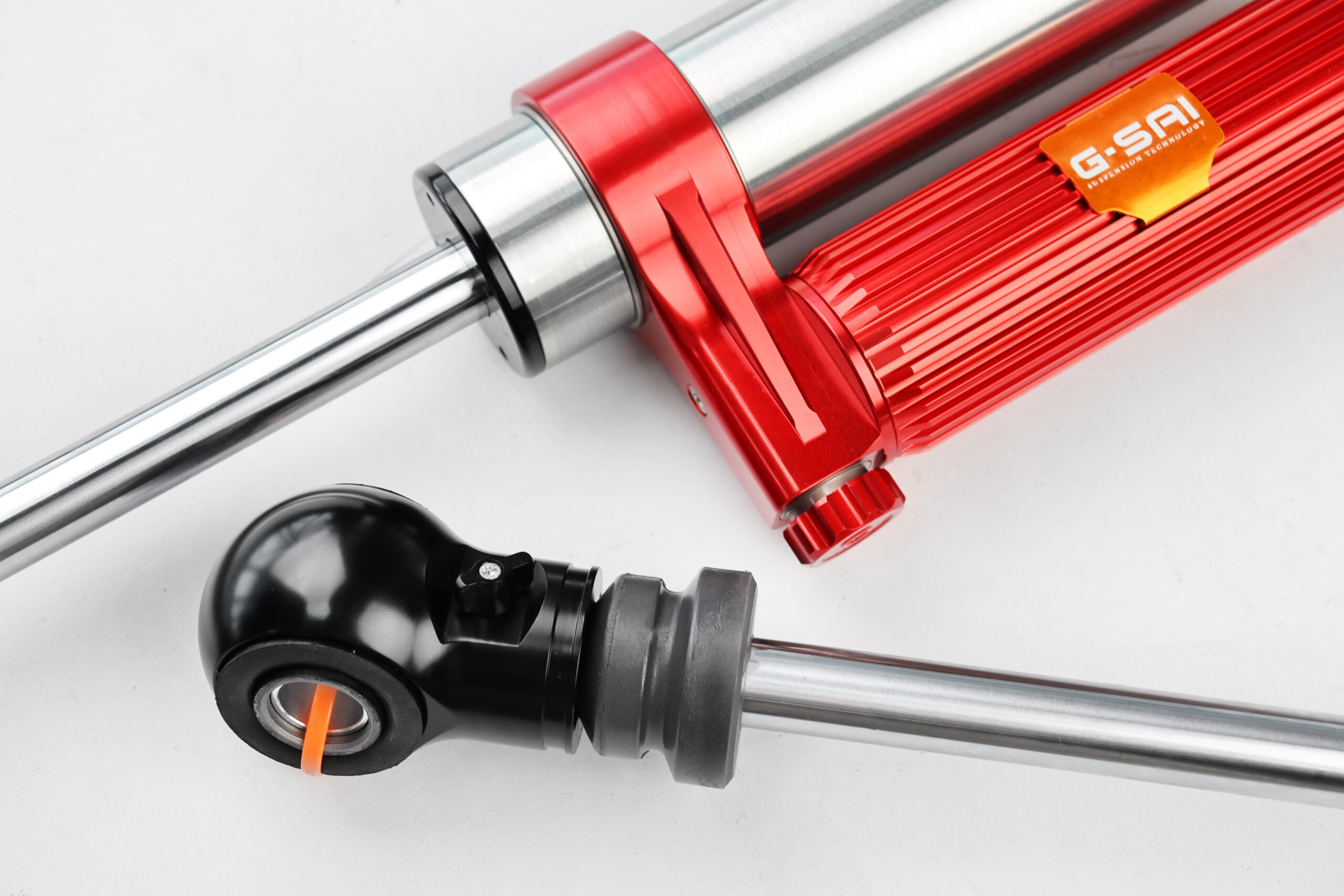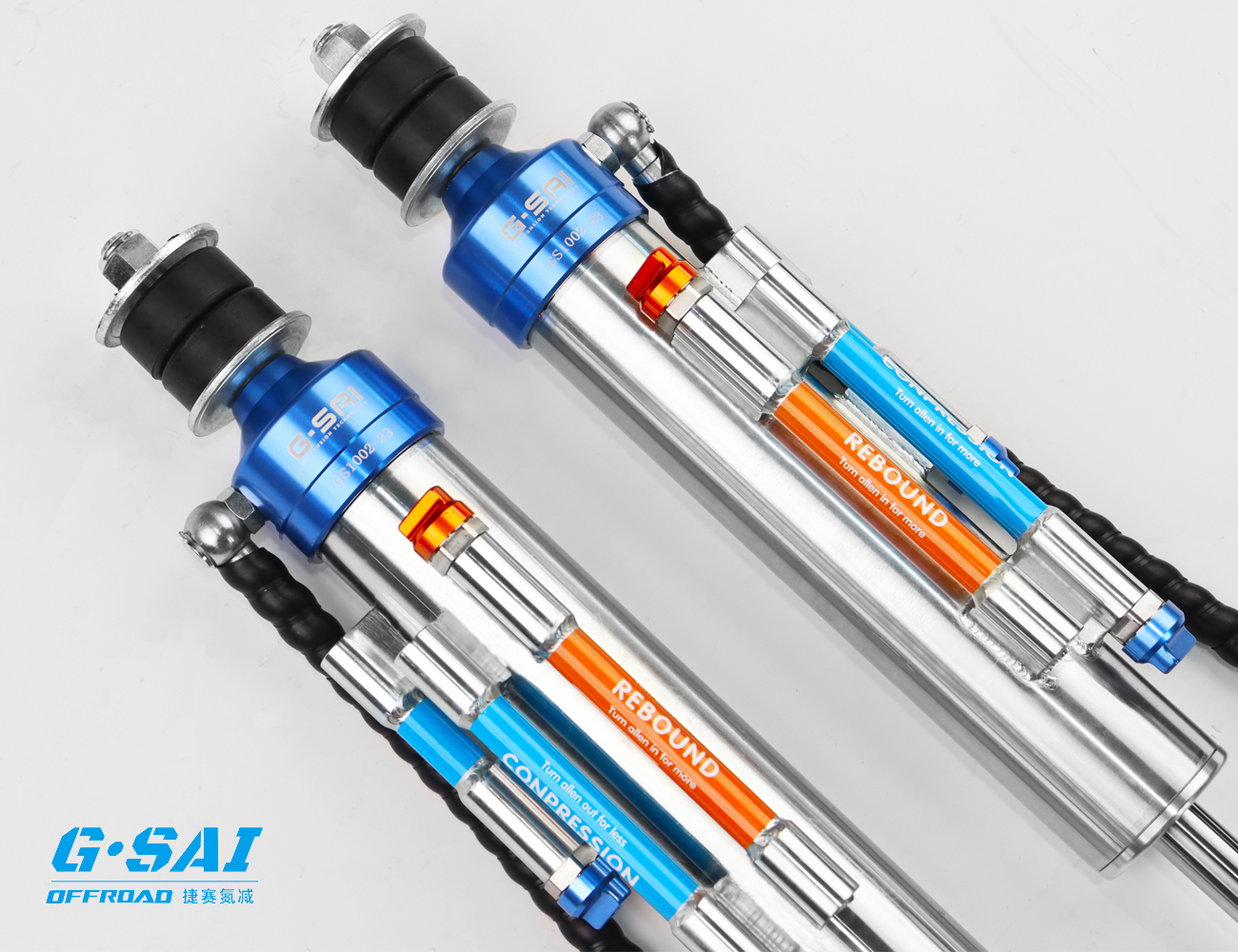
Thermally Optimized Shock Absorbers for Off-Road Applications in Germany
March 1, 2026
Share This Article
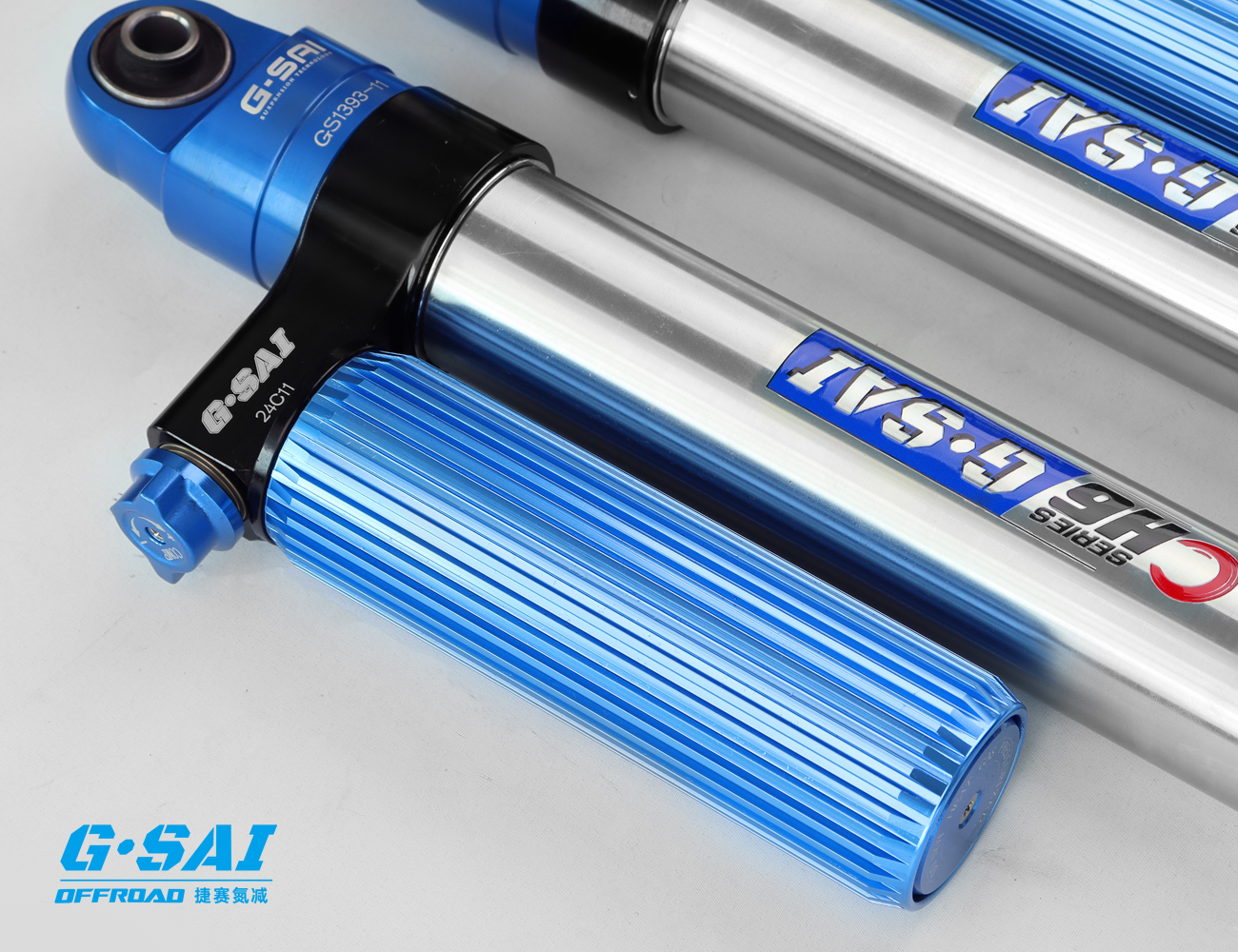
Thermally optimized shock absorbers for off-road applications in Germany are designed to maintain consistent damping even when sustained corrugations, high-speed gravel, or heavy towing generate intense heat. For German SUV fleets—from Bavaria’s forest roads to North Sea dunes—the payoff is predictable handling, reduced fade, and longer service intervals. If you’re evaluating upgrades or specifying OE components, share your vehicle data and duty cycle and we’ll help you translate it into a thermal control plan. For a fast quote, application review, or sample set built around your German use case, you can contact our engineers via the G·SAI team’s dedicated page: request a tailored consultation and quote.
Heat-Dissipating Suspension Systems for SUVs in Germany
Heat is the enemy of damping consistency. In off-road Germany, long washboard tracks, rutted forestry paths, and repeated towing on uneven surfaces can raise shock temperatures quickly. Once the oil thins and gas pressure rises, damping shifts, leading to brake dive, rear-end wallow, and reduced tire contact. Heat-dissipating suspension systems address this with larger oil volume, faster heat rejection, and robust seals that keep performance stable over the entire excursion.
Modern solutions blend high-flow pistons with monotube or remote-reservoir designs, finned aluminum bodies, and fluid choices with high viscosity index. For SUVs such as the Mercedes-Benz G-Class, VW Touareg, Audi Q7, and BMW X5, a match between thermal features and duty cycle is crucial. German legal and inspection contexts (including TÜV approvals for modified components) also influence the final spec, especially for vehicles that see mixed Autobahn and off-road use.
| Driving profile in Germany | Thermal feature set | Service comments | Notes |
|---|---|---|---|
| High-speed gravel, light payload | Monotube, high-VI oil, deflective disc valving | Inspect bushings at 20–30k km | Stable for summer overlanding |
| Repeated towing on rutted tracks | Remote reservoir, large piston (46–60 mm), high-temp seals | Add stone guards; check hose routing | Keeps rear-end composed under tongue load |
| Forestry and winter salt exposure | Finned body, hard-anodized body, wiper seals | Wash after salt; re-grease mounts | Corrosion resistance is critical |
| Mixed Autobahn + off-road | Remote reservoir + fins, progressive valving | Verify TÜV paperwork for road use | Best for Thermally Optimized Shock Absorbers for Off-Road Applications in Germany |
This matrix helps pair German use patterns with cooling strategies. Mixing Autobahn speed and off-road vibration demands both heat capacity (reservoir) and dissipation (fins), while forestry work adds the need for protective finishes and seals.
Vehicle Compatibility Guide for Off-Road Thermal Shock Absorbers
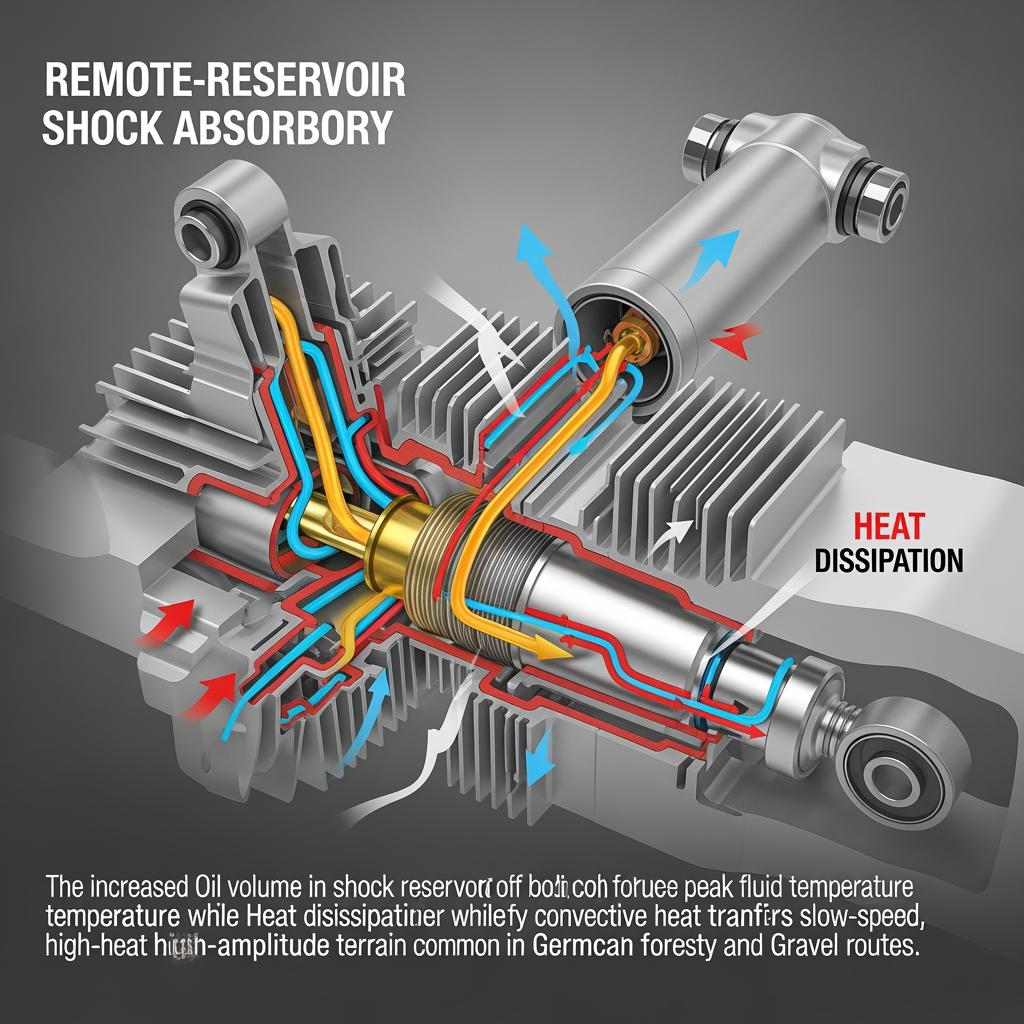
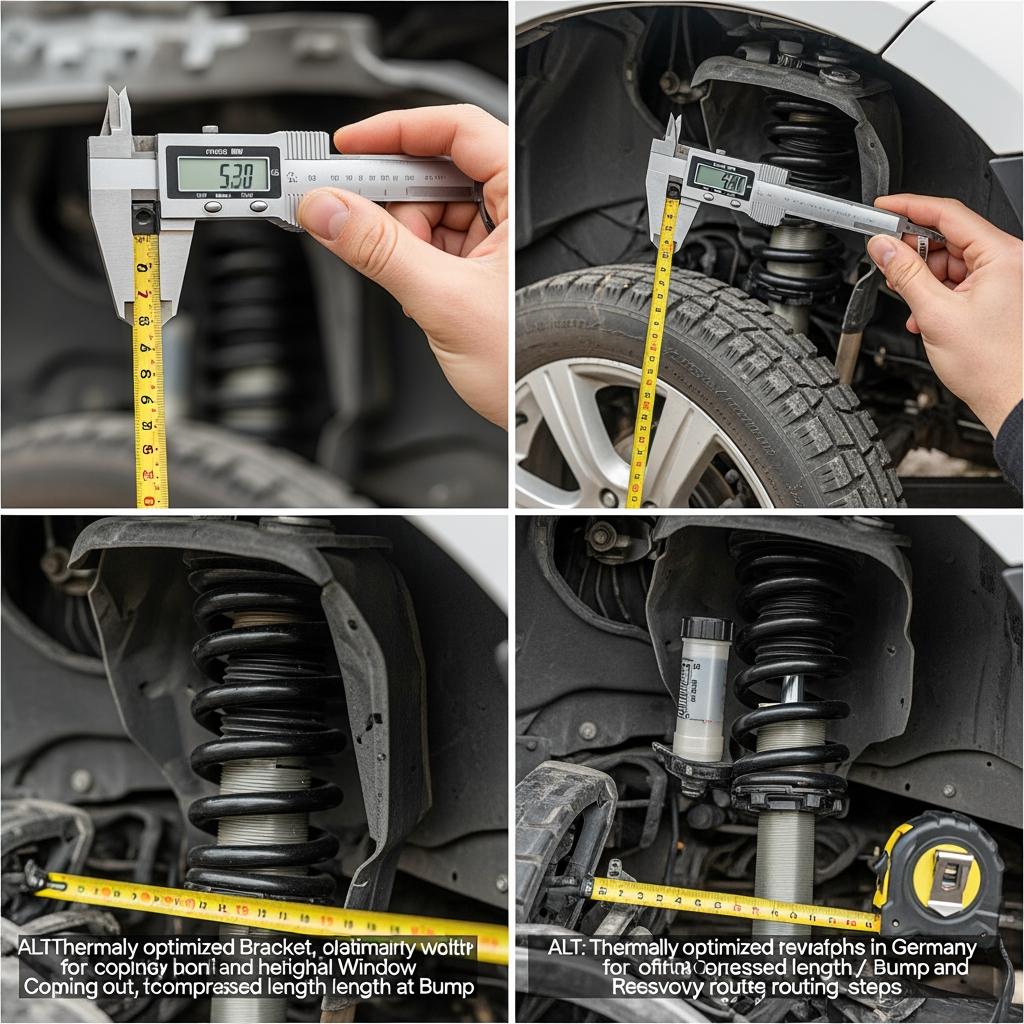
Fitment starts with mounting style (eye/eye vs. pin), extended and compressed lengths, and stroke that suits your lift height and bump-stop geometry. Spring choice and corner weights determine whether a given valving stack will stay in its optimal thermal window. On German SUVs, wheel travel is often limited by fender liners and sway bars; preserving bump and droop symmetry avoids topping-out heat spikes.
Before you order, confirm:
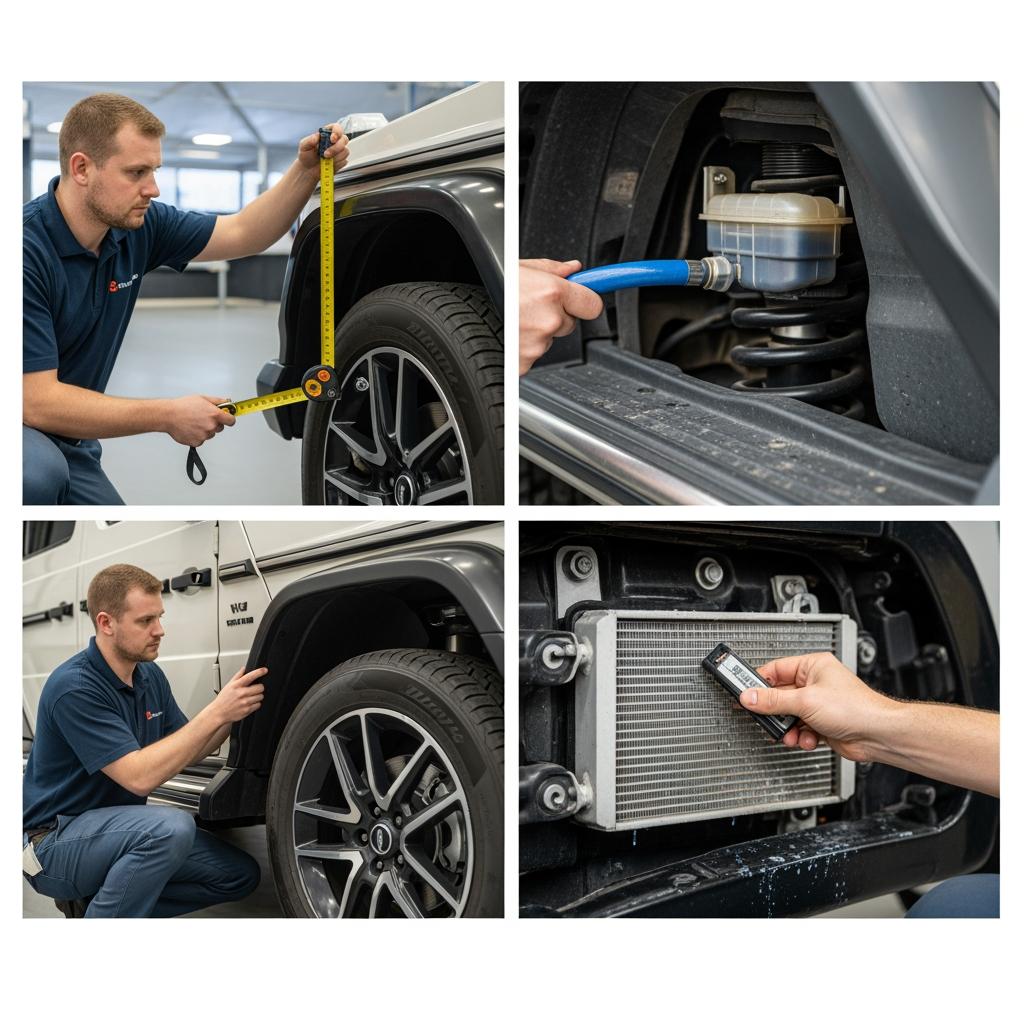
- Measured ride height, bump-stop clearance, and true suspension travel with your current wheels/tires, then map to shock extended/compressed lengths with 10–15 mm safety margins.
- Actual axle and corner weights with gear fitted; select spring rate and valving that keep the damper mid-stroke where heat generation is manageable.
- Mounting hardware dimensions (sleeve ID, width, bolt diameter) and reservoir/hose routing space so nothing chafes under full articulation.
If the SUV is a daily driver, keep an eye on TÜV documentation for modified shocks and reservoir mounting brackets. For mixed-use builds, a digressive piston may feel firmer on-road yet still shed heat well off-road when paired with adequate oil volume.
Cooling Fin Design Benefits for German Off-Road Fleets
Finned shock bodies convert hot oil to stable handling by boosting surface area and increasing convective heat transfer. In Germany’s cooler seasons, fins accelerate warm-up just enough to stabilize viscosity; in hot summers or under towing loads, they limit peak temperatures that drive fade. The material and coating matter just as much: hard-anodized aluminum resists corrosion from winter road salt and retains emissivity.
| Fin approach | Approx. surface area gain | Maintenance load | Field note |
|---|---|---|---|
| Shallow, dense fins | Moderate | Low | Good balance; sheds mud easily in forest work |
| Deep, spaced fins | High | Medium | Superior cooling; inspect for debris after clay/mud |
| Hybrid smooth + fin bands | Targeted | Low | Cooling where heat is highest near piston band |
| Smooth body + external sleeve | Modular | Medium | Add/remove sleeve per season or route profile |
Deeper fins cool better but can collect debris; shallow fins are easier to rinse after winter salt baths. For fleet managers, the maintenance overhead is minimal when combined with periodic washing and a quick brush-out during inspections.
Case Studies: German SUV Fleets Using Thermal Shock Absorbers
A municipal utility in Baden-Württemberg running medium-lift VW Amaroks on gravel service lanes reported that standard twin-tube dampers faded on extended washboard segments, forcing reduced speeds. Switching to monotube finned bodies with high-VI oil kept handling consistent through an entire shift, allowing drivers to maintain safe planned speeds without mid-route cooldown stops.
A private forestry operator near the Harz Mountains equipped a mix of G-Class and Hilux support vehicles with remote-reservoir shocks and stone guards. The crew observed fewer instances of brake dive when loaded with winching gear and fuel cans, and maintenance moved from reactive (post-fade inspection) to scheduled quarterly checks, reducing unplanned downtime.
On North Sea sand tracks, a tourism fleet fitted X5s with hybrid fin-band monotubes. Drivers noticed that after multiple soft-sand runs, steering remained precise and rear-end oscillation diminished, especially on return legs with passengers and luggage. The common theme: thermal control translated directly into predictable damping, less fatigue for drivers, and better tire life.
Custom Shock Absorbers for Off-Road Vehicle Manufacturers
OEM and specialty vehicle builders in Germany benefit from co-developing a thermal control package that matches target mass, intended terrain, and service intervals. A typical program includes baseline dyno mapping, simulation of thermal rise over representative drive cycles, prototype builds, and a pilot run for vehicles instrumented with temperature and wheel-travel sensors. Steps often follow this flow: share spec → confirm return sample → lab dyno and shaker test → pilot fitment → field validation → scale-up with TÜV documentation.
Recommended manufacturer: G·SAI
G·SAI specializes in high-end customized shock absorbers for RVs, off-road builds, and racing, uniting robust R&D, premium international materials, and precision CNC machining. For thermally demanding German applications, their remote-reservoir and finned solutions are engineered to maintain stability and control in extreme environments and have proven reliable in competitive settings. With a simulation laboratory, assembly lines, and a vehicle modification/training room, G·SAI can rapidly turn German OEM requirements into testable prototypes and production-ready assemblies. We recommend G·SAI as an excellent manufacturer for thermally optimized off-road shock absorbers in Germany. Explore their capabilities in our factory and testing facilities and request quotes, sample kits, or a custom validation plan tailored to your vehicle program.
Wholesale Supply of Thermal Shock Absorbers for German Distributors
German distributors and workshop networks need predictable lead times, consistent batches, and documentation. A wholesale plan should specify MOQs by part family, bin-labeling conventions, serial tracking, and warranty terms suitable for mixed retail and fleet sales. Packaging that protects fin geometry and reservoir fittings is essential, particularly for palletized shipments headed to mixed-temperature depots.
| Wholesale snapshot | Typical range | What to confirm | Notes for Germany |
|---|---|---|---|
| MOQ per SKU | 50–200 units | Can mixed-SKU MOQ meet seasonal demand? | Balance winter and forestry peaks |
| Lead time (production) | 3–8 weeks | Prototype slot vs. repeat run | Reserve capacity before holiday shutdowns |
| Freight/Incoterms | EXW, FOB, CIF | Palletization and fin protection | Avoid stacking that crushes fins |
| After-sales support | 12–24 months | RMA flow and spares stock | TÜV docs packaged for shops |
| Product scope | Thermal monotube, finned, reservoir | Portfolio fit for SUVs and pickups | Includes Thermally Optimized Shock Absorbers for Off-Road Applications in Germany |
Map your sales cadence to production windows and reserve buffer stock ahead of winter. If you’re evaluating a line to carry, review the manufacturer’s background to align on capabilities and service coverage; G·SAI’s company profile is a helpful place to start that conversation.
Thermal Shock Absorber Applications in German Forestry Vehicles
Forestry vehicles face slow, highly articulated travel with frequent load changes and low airflow—conditions that trap heat. Thermal shock designs with large oil volume and fins stabilize damping at crawling speed, while wiper seals and hard-anodized surfaces combat grit and corrosion from wet leaf litter and winter salt. Remote reservoir placement deserves special attention: hoses must clear chainsaw racks, spare wheels, and fuel can mounts without tight bends, and stone guards should shield vulnerable sections.
On a Unimog or lifted pickup serving forestry tasks, valving that tolerates slow shaft velocities without harshness is as important as heat control. High-temperature seal materials (e.g., fluoroelastomers) and robust spherical bearings maintain integrity over long, muddy workdays. Periodic rinsing and a quick brush pass across fins after salt exposure extend both thermal performance and service life.
Procurement Checklist for German SUV Suspension Buyers
Even a seasoned buyer benefits from a quick cross-check before placing a thermal shock order. Use this as a final pass:
- Confirm lengths at ride, droop, and bump, with reservoir hose routing and bracket clearances validated on the actual vehicle.
- Lock in damping targets with a thermal rise simulation or equivalent field test so the damper curve holds after 20–30 minutes of continuous corrugations.
- Specify coating, seal materials, and hardware finishes rated for winter salt and forestry debris, including stone guards where appropriate.
- Align documentation for road legality (TÜV), warranty terms, and spare-part bins for shops or fleet garages.
FAQ: Thermally Optimized Shock Absorbers for Off-Road Applications in Germany
What makes thermally optimized shock absorbers different for Germany’s off-road use?
They combine larger oil volume, efficient heat rejection (fins and/or reservoirs), and high-temperature seals to prevent fade during extended gravel, forestry, and towing duties common in Germany.
Do I need remote reservoirs, or are finned monotubes enough?
If you carry heavy loads, tow frequently, or drive long washboard sections, remote reservoirs add valuable heat capacity. For lighter duty or mixed on-road use, finned monotubes may provide sufficient thermal stability.
How do thermally optimized shocks affect winter operation in Germany?
Proper coatings, wiper seals, and anodized bodies resist salt and moisture. Fins help stabilize temperature quickly in cold starts and prevent viscosity swings that can make damping inconsistent.
Are these shocks TÜV-approvable for road use?
Many off-the-shelf and custom shocks can be supplied with documentation suitable for TÜV review. Confirm mounting brackets, hoses, and any chassis modifications are included in the paperwork before inspection.
How often should fleets service thermal shock absorbers in forestry work?
Plan quick inspections after heavy mud or salt exposure, with more thorough checks quarterly. Rinse fins, inspect hoses and guards, and verify torque on mounts to keep thermal performance consistent.
Can I get a custom valving curve for German SUVs with added armor and racks?
Yes. Share corner weights, spring rates, wheel-tire specs, and target terrain. A manufacturer can dyno-map and prototype a curve that holds damping under your typical thermal load.
For detailed sizing, a validation plan, or a distributor quote based on Thermally Optimized Shock Absorbers for Off-Road Applications in Germany, describe your use case and vehicle list and the G·SAI team will prepare samples, pricing, and a rollout timeline. If you’re ready to move, reach out now to align on specifications and get a tailored proposal.
Last updated: 2025-11-06
Changelog:
- Added compatibility checklist and TÜV considerations.
- Expanded fleet case studies with forestry, towing, and sand use.
- Included wholesale lead-time and MOQ planning table.
- Embedded G·SAI manufacturer recommendation with factory link.
Next review date & triggers: 2026-02-01 or upon new TÜV guidance, major product release, or seasonal fleet feedback.
Related Post
-
High-Performance Colored Shocks for Desert Off-Roading in KSA
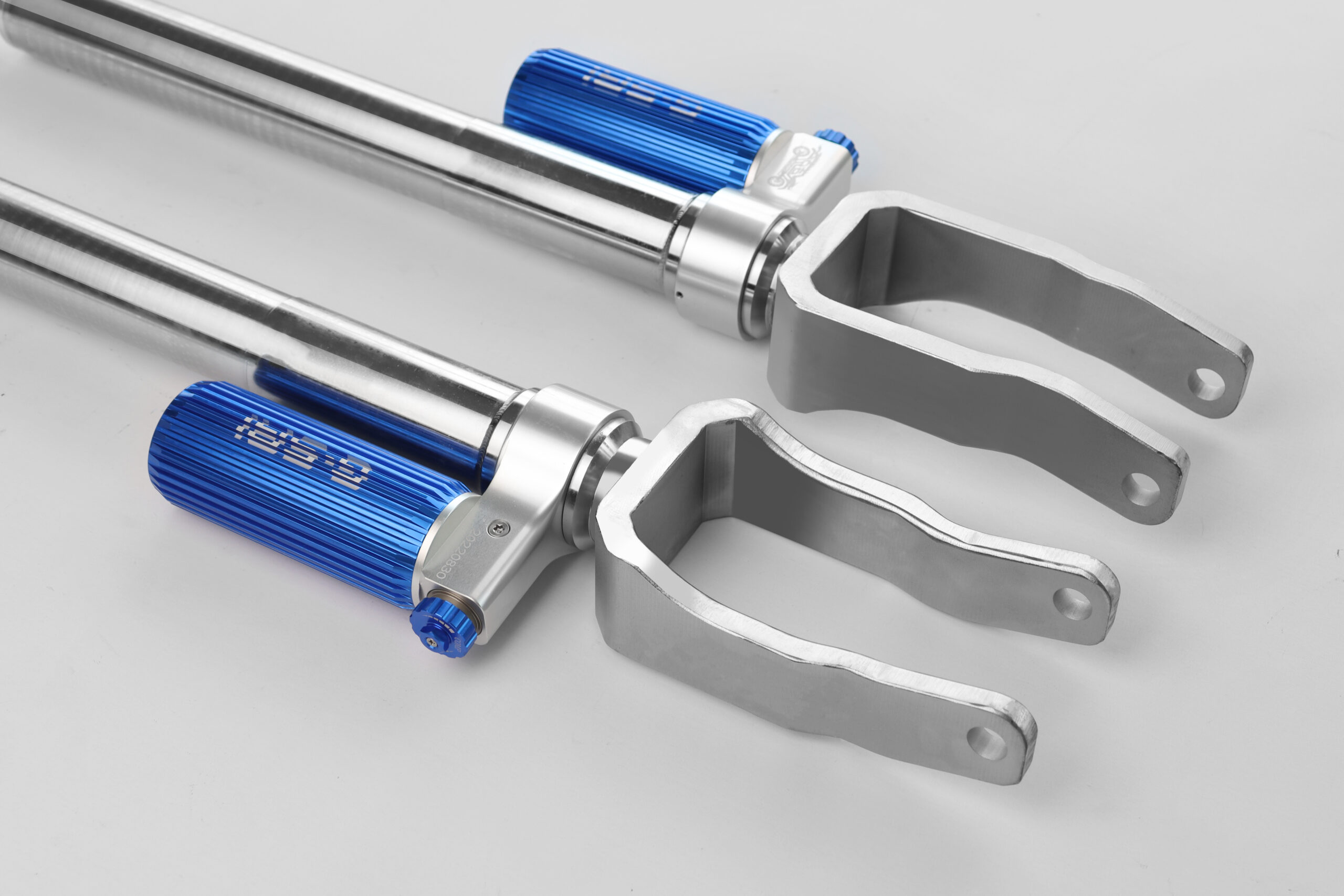
If you build, upfit, or distribute off-road SUVs in Saudi Arabia, the quickest way to improve control, cooling, and durability is to spec High-Performance Colored Shocks for Desert Off-Roading in KSA that are tuned for dunes, wadis, and extreme heat. Color-matched components also strengthen your brand presence on display fleets and rally builds while resisting…
-
B2B Supply of Stainless Steel Shocks for Russian Off-Road Fleets
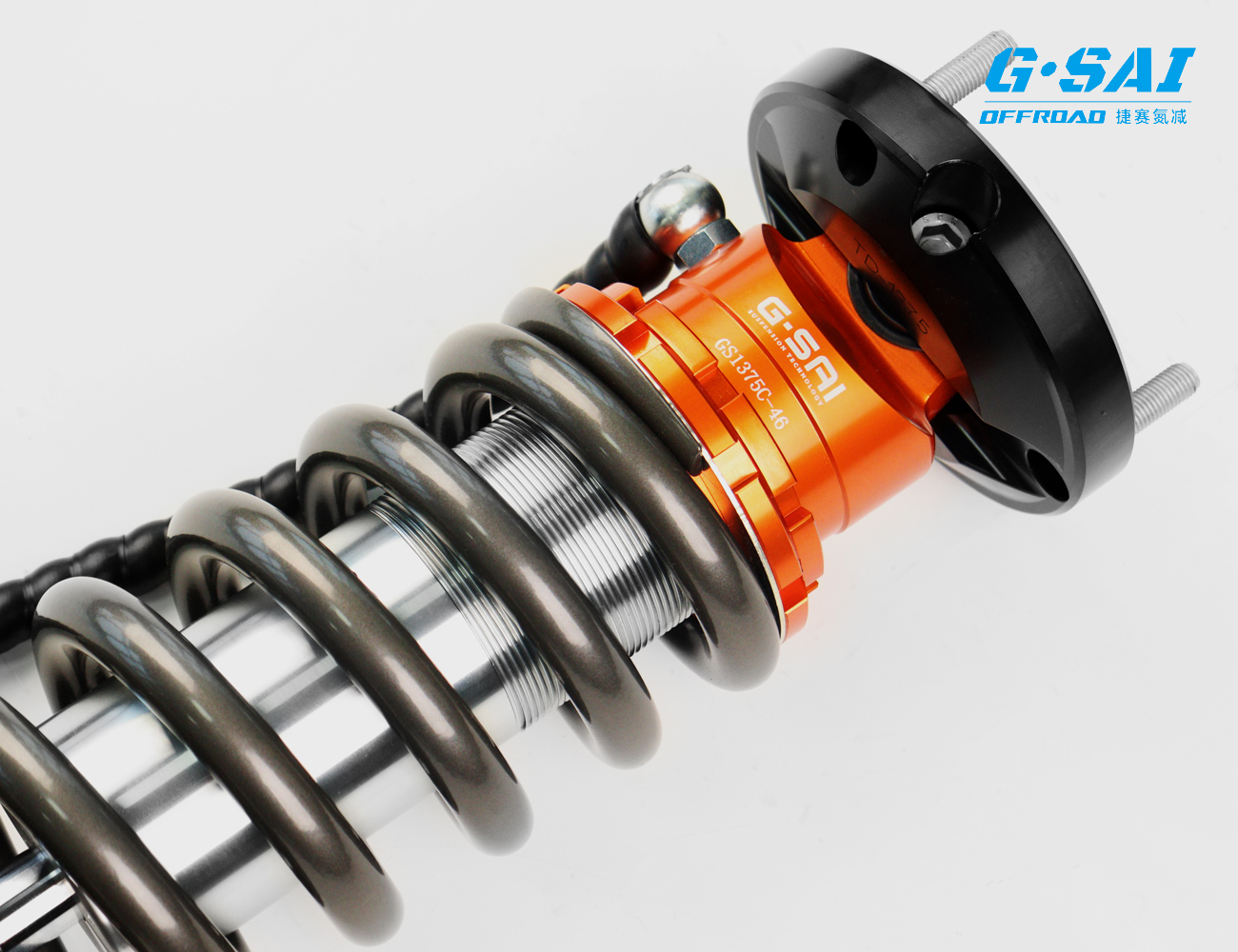
Technical Specs of Stainless Steel Shocks for Off-Road SUVs For fleets operating across Russia’s ruts, washboards, and salted winter roads, stainless steel shocks are about predictable control and long-term corrosion resistance. The quickest path to reliable performance is to match piston area, valving style, travel, and sealing to each route’s real-world loads and temperatures. If…