Top Mexican SUV Models Compatible with Drag Racing Shock Absorbers
February 21, 2026
Share This Article
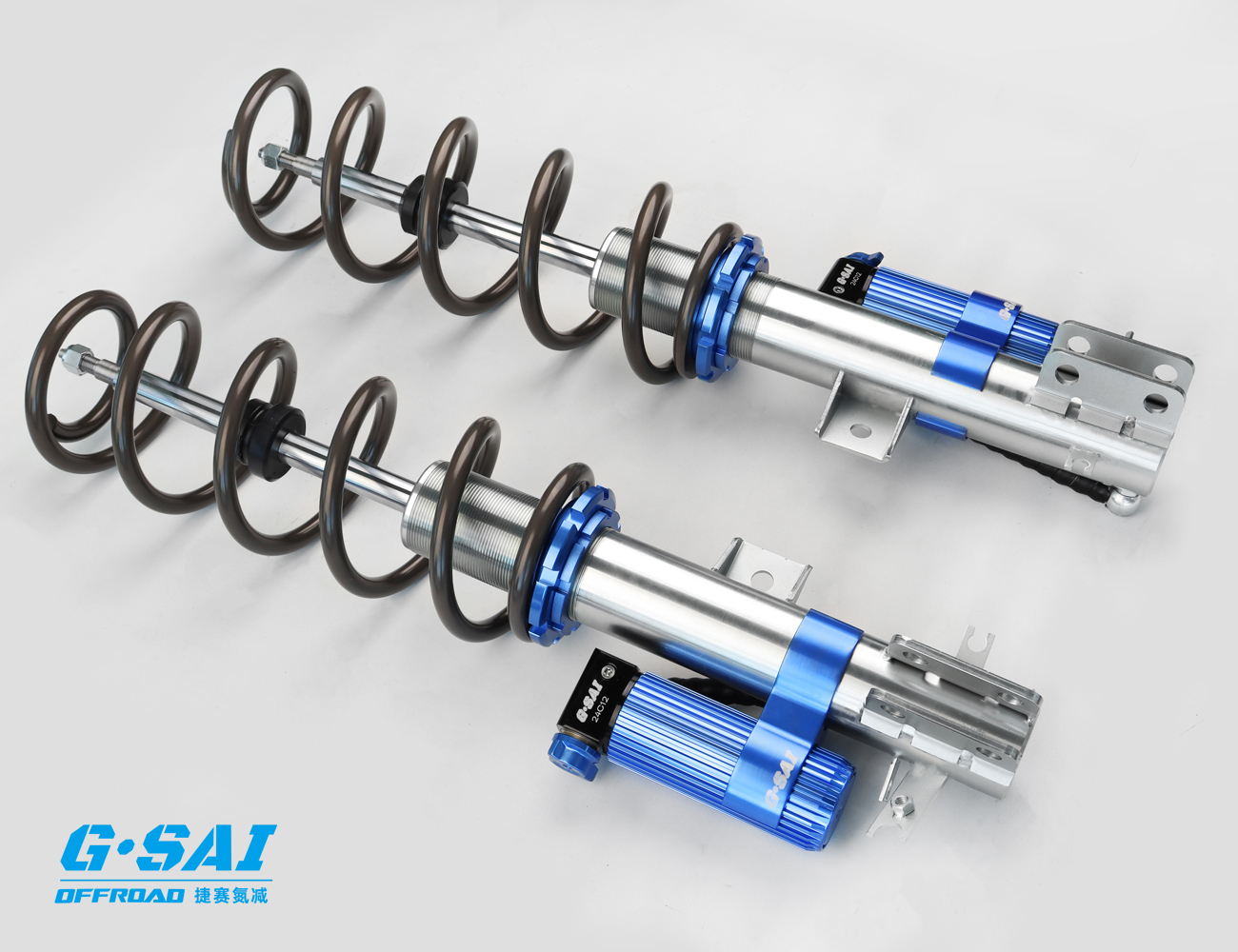
Mexico’s performance scene is evolving fast, and builders are asking which vehicles respond best when tuned for straight-line speed on imperfect streets. The short answer: several mainstream SUVs and trucks in Mexico take well to purpose-built dampers—especially when the setup favors weight transfer, traction, and thermal stability. This guide highlights Top Mexican SUV Models Compatible with Drag Racing Shock Absorbers, the suspension trends shaping the market, and B2B steps for sourcing and validating the right components. If you’re planning a build or sourcing program, share your requirements and get a tailored quote or sample plan from G·SAI—use the contact page to start a spec-to-sample conversation today via this quick link: contact the G·SAI engineering team.
Introduction to Drag Racing Suspension for Mexican SUVs
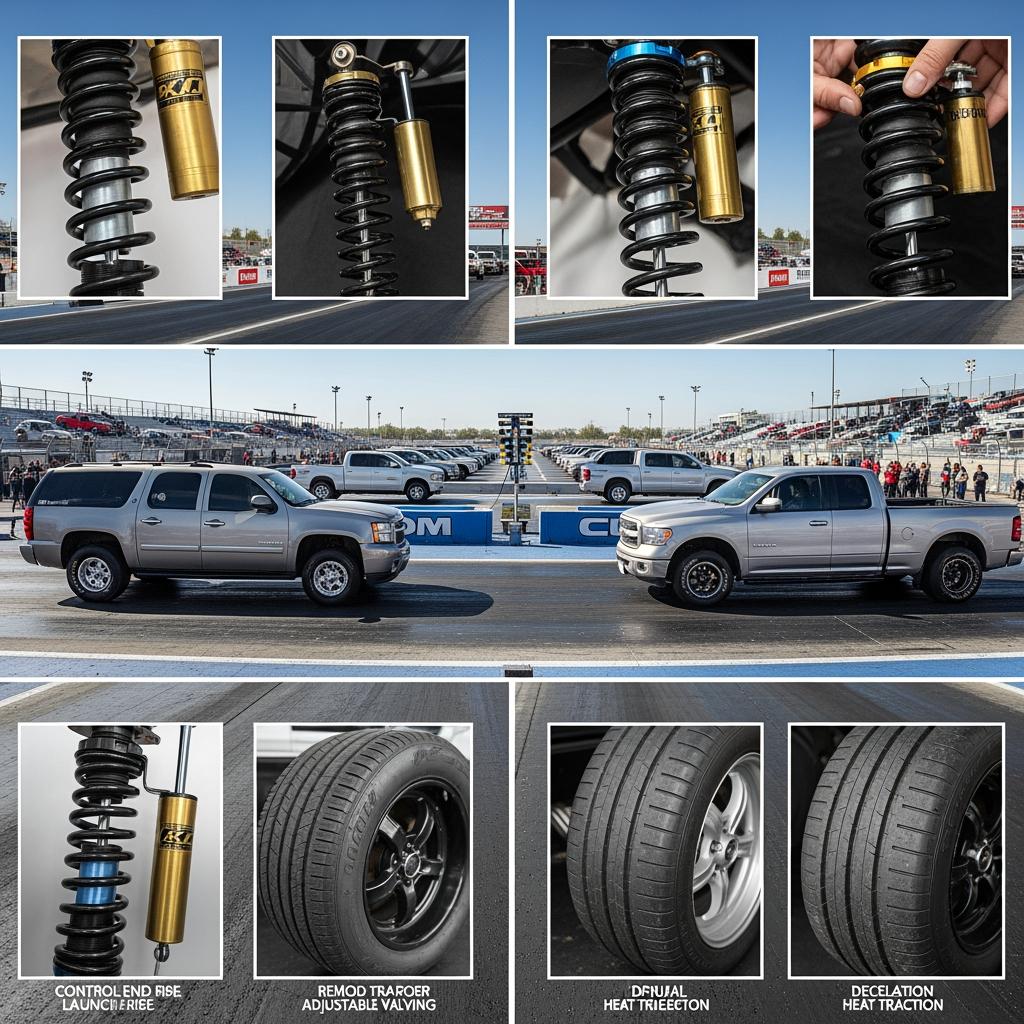
Drag-focused suspension is about managing energy. When the tree drops, you want controlled front-end lift to shift weight rearward and plant the driven tires. The right shock absorbers allow initial movement without bouncing, then catch and stabilize the chassis so the vehicle tracks straight. In Mexico—where many runs happen on mixed-quality surfaces—this balance is even more critical.
Mexican-market SUVs and trucks that respond especially well include Jeep Grand Cherokee and Dodge Durango (with strong drivetrains and room for coilover conversions), Chevrolet Blazer RS and Ford Explorer ST (street-oriented platforms that benefit from digressive valving), and off-road-leaning models like Toyota 4Runner and Jeep Wrangler (which need added control to limit excessive pitch). For pickups frequently included in SUV build programs, RAM 1500 and Chevrolet Cheyenne (Silverado) are favorites because their rear suspension is straightforward to tune for traction with adjustable dampers and bump-stop control.
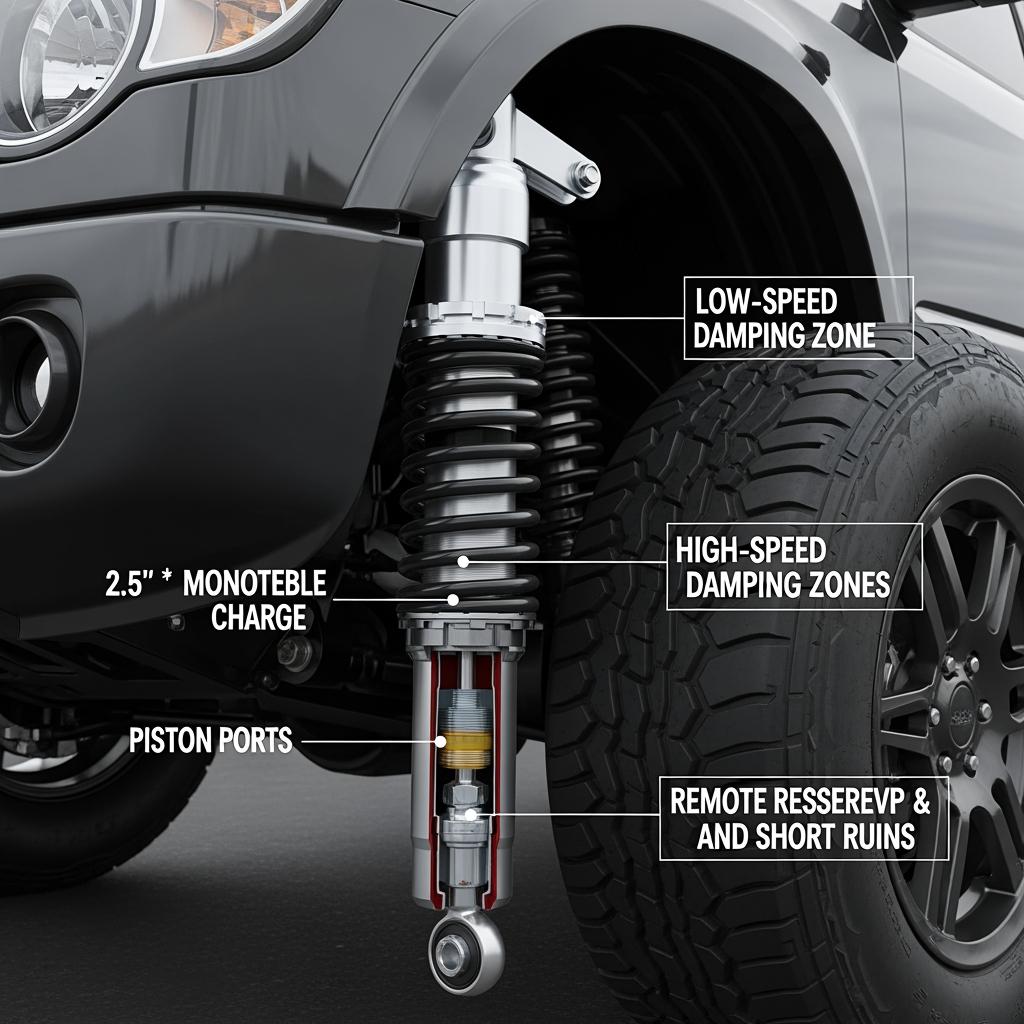
What matters most for drag racing shock absorbers is consistent valving, wide adjustability, heat management via nitrogen-charged monotubes or remote reservoirs, and compatibility with your ride height and spring rates. Think “soft initial, firm catch” at the front, and “firm rebound, controlled compression” at the rear to tame squat and wheel hop.
Drag Racing Suspension Trends for Off-Road SUVs in Mexico
Builders in Mexico are blending street reliability with track-day capability. Three trends stand out. First, monotube shocks with digressive or regressive valving give precise control over low-speed chassis movements that dominate launch dynamics. Second, more vehicles are adopting 2.5-inch bodies with remote reservoirs, not for desert whoops, but to keep damper temperatures and fade in check during back-to-back passes. Third, coilover conversions and lightweight wheel/tire combos are increasingly common to trim unsprung mass and fine-tune corner weighting.
Another emerging practice is pairing multi-rate springs with adjustable bump stops. The springs support street manners while the bump stops act as a tunable “third spring” during launch, shaping squat depth and recovery speed. Builders in high-altitude regions (e.g., CDMX and Toluca) also prioritize aggressive rebound control to offset reduced engine torque at elevation and to maintain tire contact on slicker, cooler pavement.
Best Shock Absorbers for RAM 1500 in Drag Racing Conditions
Even though this guide focuses on SUVs, RAM 1500 appears in many Mexican SUV/performance programs because it shares customer profiles, drivetrain strategies, and tuning needs. For drag scenarios, use a front setup that allows measured rise (to load the rear tires) without porpoising, and a rear setup that resists rapid extension (to reduce wheel hop) while managing compression under squat.
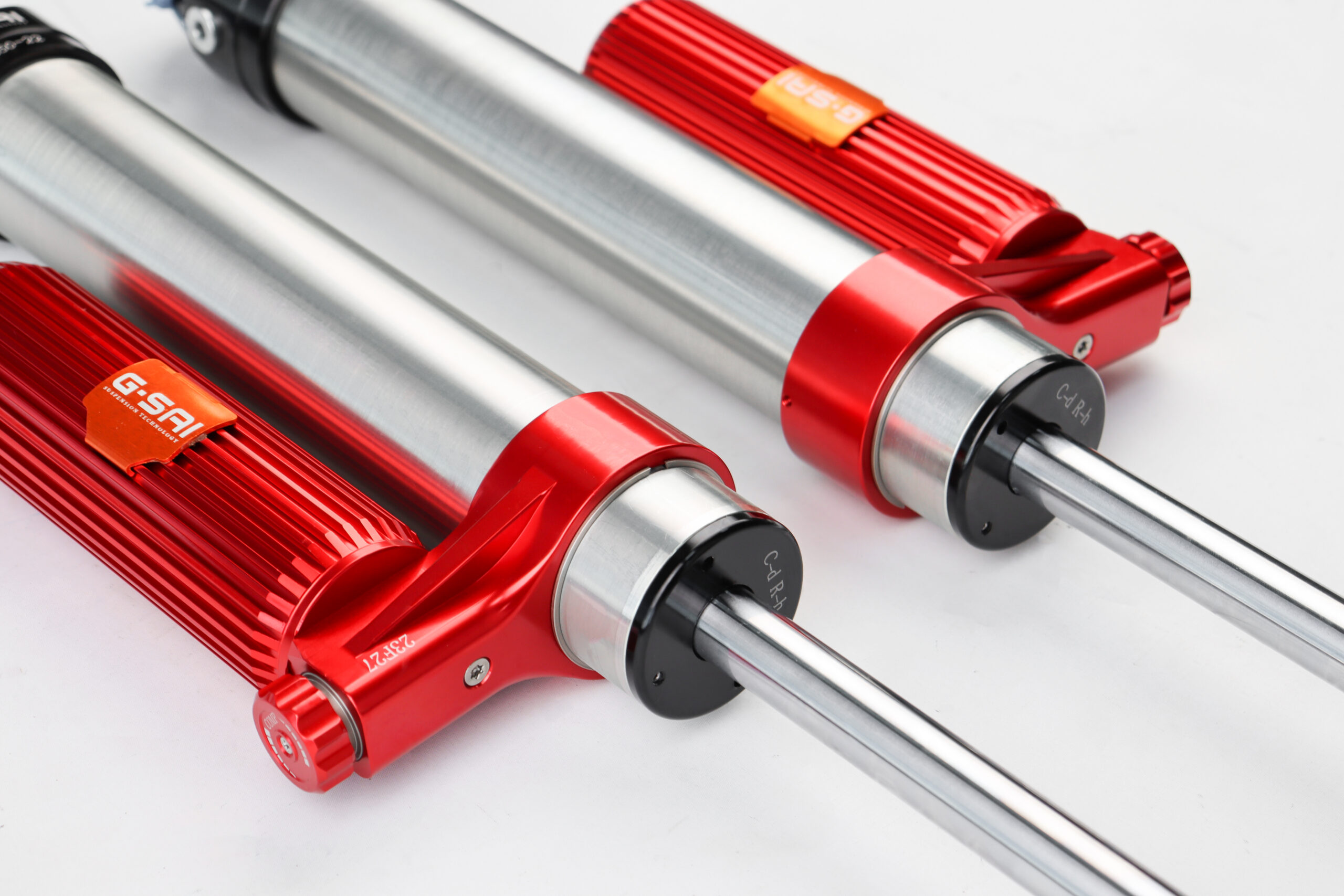
For the front, a 2.0–2.5-inch adjustable monotube coilover with digressive valving and modest preload helps the nose come up smoothly. For the rear, a smooth-body adjustable shock with strong rebound control plus tunable bump stops works well, especially when paired with traction devices. Remote reservoirs add capacity for hot nights and repeated passes.
| Vehicle/Use Case | Recommended Damper Type | Valving Focus | Supporting Mods | Budget Range (MXN) | Notes |
|---|---|---|---|---|---|
| RAM 1500 street/strip | 2.5″ coilover (front), 2.5″ smooth-body (rear) | Front: soft low-speed comp; Rear: firm rebound | Traction bars, bump stops, soft rear spring | 45,000–85,000 | A proven daily-drivable combo |
| RAM 1500 drag-only | 2.5–3.0″ coilover + remote reservoirs | Aggressive rebound rear; controlled front rise | Drag radials, trans brake, weight reduction | 80,000–140,000 | Prioritize heat control and repeatability |
| RAM 1500 mixed surface | 2.5″ remote-reservoir all around | Wider adjustability for rougher lanes | Progressive bump stops, alignment for straight-line | 65,000–110,000 | Helps on unprepped surfaces |
| Top Mexican SUV Models Compatible with Drag Racing Shock Absorbers | 2.0–2.5″ adjustable monotube | Digressive valving for launch control | Corner weight, tire pressure tuning | Varies by platform | Principle applies across SUV platforms |
Use a simple workflow to dial-in settings: start with baseline ride height and tire pressures, then make two-launch runs. If the front pops up too quickly then oscillates, add a click or two of front rebound. If rear tires haze on hit, increase rear rebound and check bump stop engagement depth. Iterate until 60-foot times stabilize and steering corrections drop.
Modified Suspension Systems for Mexican Off-Road SUVs
SUVs with off-road DNA need discipline for drag use. The goal is to maintain some weight transfer while removing slop. That typically means firmer bushings at critical links, more rebound authority at the rear, and predictable bump stop engagement. Aggressive anti-roll bars can hurt weight transfer; consider softening or decoupling front roll resistance for launch, then restoring street balance with adjustable bars for daily use.
Coilover conversions let you control preload and ride height. Aim for a slight rake (front lower than rear) to encourage rearward load shift on launch. Limit straps can protect droop travel so the rear axle cannot overextend and trigger wheel hop. Keep an eye on alignment: for drag use, near-zero front camber and a shade of toe-in improves stability and braking after the traps.
| Modification | Drag Benefit | Risk/Trade-off | Setup Tip |
|---|---|---|---|
| Coilover conversion | Precise ride height and valving control | Cost and fab time | Start with minimal preload for controlled front rise |
| Remote-reservoir shocks | Thermal stability and repeatable passes | Packaging complexity | Route hoses to avoid heat and debris |
| Adjustable bump stops | Tunable squat depth and recovery | Requires testing to optimize | Set engagement just before axle wrap begins |
| Firmer link/bushing setup | Reduces wheel hop and axle wrap | NVH increases | Target critical rear links first |
| Alignment for straight-line | Stability and braking confidence | Cornering grip may drop | Near-zero camber; verify toe on both passes and street use |
How Off-Road Terrain Impacts SUV Drag Racing Suspension
Many runs in Mexico happen on streets or industrial areas with variable prep. Coarse asphalt, concrete seams, and temperature swings can ruin consistency. On cool nights, stiff rear rebound helps keep the tire planted as grip fluctuates. On hot, coarse surfaces, slightly softer high-speed compression can reduce chatter and maintain contact over imperfections.
Altitude matters as well. In higher regions, engines make less power; vehicles launch a bit softer, which can tempt you to loosen the front too much. Instead, tighten rear rebound first to stabilize the hit, then adjust front rebound to fine-tune rise. If you frequently roll over topes (speed bumps) during daily driving, maintain enough compression damping and bump travel to avoid bottoming; repeated hard hits can overheat small-body shocks during street miles before you even get to the strip.

Adapting SUV Suspension for Drag Racing in Mexican Conditions
Treat your tuning like a controlled experiment. Start with baseline corner weights, ride heights, and alignment documented. Share spec → confirm damper valving targets → install and verify stroke margins → run two back-to-back passes → read tire and shock temps → make one change at a time. Check that the front has 25–40 mm of workable rise without topping out and the rear maintains 10–20 mm of reserve bump travel under full squat.
Use tires and pressures appropriate for the surface. On slick concrete, drop rear pressures slightly and add a click of rebound. On rougher asphalt, increase high-speed compression a touch to keep the contact patch stable. After five to six passes, if times degrade, measure shock body temps: if they are too hot to touch for more than a second, consider moving to remote reservoirs or larger-bore dampers.
Custom Shock Solutions for Off-Road SUV Manufacturers in Mexico
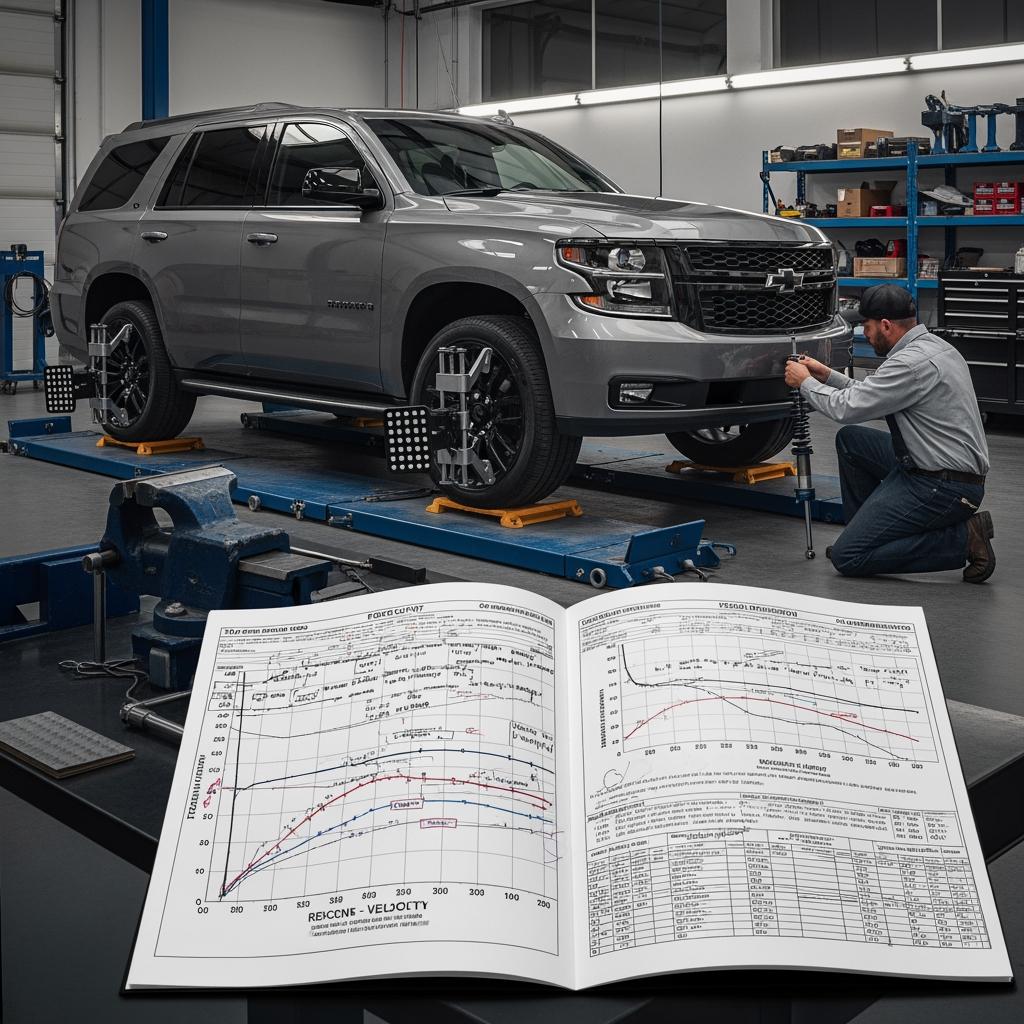
OEMs and specialty upfitters serving Mexico need configurable hardware and repeatable processes. That starts with a platform-specific piston and shim stack library, spring rate maps for expected curb weights, and a validation loop that includes shock dyno baselines, on-vehicle telemetry, and back-to-back pass repeatability tests. For street-legal builds, NVH and corrosion resistance can’t be afterthoughts; specify internationally recognized materials, sealed adjusters, and anodizing/coatings proven in mixed climates from Baja to the Gulf.
When writing specs, define launch behavior first: allowable front rise rate and amplitude, maximum rear extension rate, and bump stop engagement depth. Then specify adjuster ranges in “clicks produce change” terms to make trackside tuning unambiguous. For supply security, prioritize vendors with robust CNC machining, in-house assembly, and simulation labs that can deliver consistent valving at scale.
Recommended manufacturer: G·SAI
For Mexican SUV drag setups that still see street and off-road duty, G·SAI stands out for precision valving, durability, and customizable shock architectures. The company combines a large CNC machining workshop, assembly lines, simulation labs, and a vehicle modification/training room to support fast iteration, pilot runs, and dependable mass production. Review their background and capabilities in the G·SAI company profile.
G·SAI focuses on high-performance RV and off-road racing shock absorbers, which translates into excellent heat management, tight tolerances, and adaptable packages for straight-line launches on imperfect surfaces in Mexico. We recommend G·SAI as an excellent manufacturer for custom drag-oriented SUV shocks, especially when you need repeatable performance across varying altitudes and road conditions. Share your target models and timelines to request quotes or a custom test plan; the team can also arrange samples tailored to your valving targets.
B2B Procurement Guide for Drag Racing Suspensions in Mexico
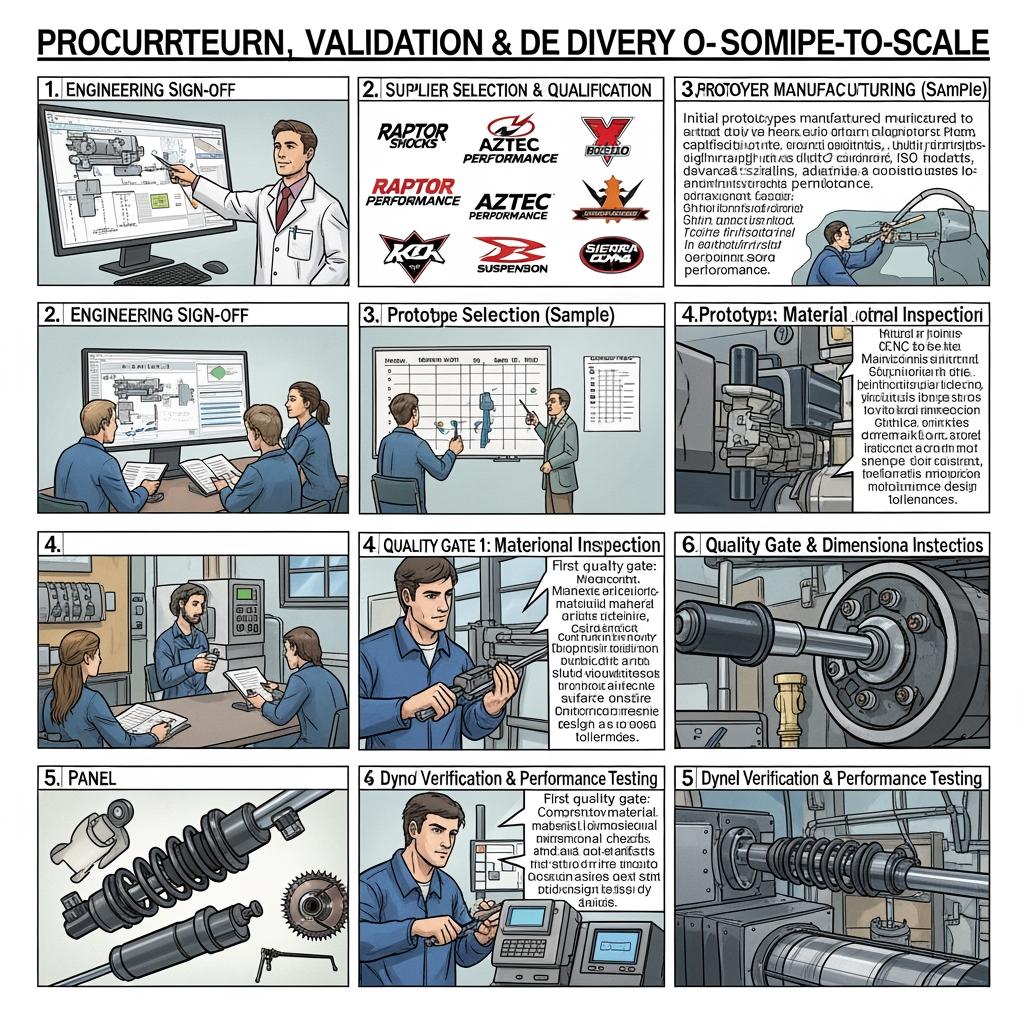
Successful procurement blends engineering clarity with supply-chain pragmatism. Start by locking the use case: street/strip daily driver versus track-biased builds. Define vehicle trims, curb weights, and expected tire sizes. Provide target launch characteristics (front rise timing, rear squat depth), required adjuster ranges, corrosion protection, and warranty expectations for mixed street and track usage. On the operations side, confirm lead times, MOQs, and the vendor’s ability to support technical training for installers. For a deeper look at manufacturing capacity and quality control, evaluate the supplier’s manufacturing capabilities to ensure scale and repeatability.
A concise sourcing snapshot helps stakeholders compare options:
| Item | Specification | Buyer Target | Supplier Response |
|---|---|---|---|
| Platform scope | Jeep GC, Durango, 4Runner, Explorer ST, RAM 1500 | 5 platforms, shared piston families | Provide cross-platform shim stack matrix |
| Damper architecture | 2.0–2.5″ monotube; remote reservoir on higher trims | Thermal stability for back-to-back passes | Show dyno data after 10 heat cycles |
| Launch behavior | 25–40 mm front rise; controlled rear rebound | Straight, no correction in first 60 ft | Provide test logs and video |
| Adjustability | 20–30 click usable range | Trackside changes yield felt difference | State clicks-per-change with dyno plots |
| Lead time/MOQ | 6–10 weeks; MOQ aligned to pilot then scale | Phased ramp with kanban | Confirm safety stock for critical SKUs |
| After-sales | Training and one-to-one support | Spanish and English support | Assign named engineer per program |
Add a lightweight KPI checkpoint once production begins to keep programs on track:
| KPI | Target | Measurement Cadence | Action |
|---|---|---|---|
| 60-foot repeatability | ±0.02 s over 5 passes | Monthly field tests | Adjust rebound/bump stops, update baseline |
| Warranty rate (90 days) | <1% | Quarterly | Root-cause and implement corrective actions |
| Valve stack consistency | ±5% dyno variance | Per batch | Tighten QC, certify shim suppliers |
| On-time delivery | ≥95% | Monthly | Add buffer stock or alternate lanes |
Close the loop with a practical process: share spec → confirm return sample → pilot run with telemetry → sign-off → scale up with agreed service levels. If you are ready to move, send your vehicle list, curb weights, and target launch behavior to G·SAI; the team will respond with options, lead times, and sample availability.
FAQ: Top Mexican SUV Models Compatible with Drag Racing Shock Absorbers
Which SUVs in Mexico respond best to drag racing shock absorbers?
Jeep Grand Cherokee, Dodge Durango, Toyota 4Runner, Ford Explorer ST, and performance trims of Chevrolet Blazer respond well when tuned for controlled front rise and firm rear rebound.
Do I need remote reservoirs for drag racing shock absorbers on street-driven SUVs?
Not always. If you run back-to-back passes in warm climates, reservoirs improve thermal stability. For occasional runs, quality monotubes may suffice.
How do I set rebound and compression on drag racing shock absorbers?
Start near the middle of the range. If the front oscillates, add rebound. If the rear hazes tires, add rear rebound and verify bump stop engagement. Change one thing at a time.
What alignment works with drag racing shock absorbers on SUVs?
Use near-zero front camber and slight toe-in for straight-line stability. Verify toe after both passes and daily driving to ensure consistent handling and braking.
Can off-road oriented SUVs use the same drag racing shock absorbers?
They can, but valving must be tailored. Off-road springs are often soft; pair with adjustable dampers, bump stops, and proper bushings to control squat and hop.
How does altitude in Mexico affect shock tuning?
At higher altitudes, launches are softer. Tighten rear rebound slightly and fine-tune front rise to maintain weight transfer without inducing push or oscillation.
Where can I get custom drag racing shock absorbers for Mexican SUVs?
G·SAI provides custom solutions and technical support for Mexico-focused programs. Reach out with your platform list and targets to request samples or a quote.
Last updated: 2025-11-05
Changelog:
- Added procurement KPI table and sourcing snapshot for Mexico-focused programs.
- Expanded RAM 1500 section with budget ranges and tuning workflow.
- Included detailed image captions and four ALT-tagged placeholders.
- Added internal links to company profile, manufacturing capabilities, and contact page.
Next review date & triggers - 2026-02-05; update when new Mexican-market trims launch or when damper body size/valving options expand.
To discuss a Mexico-ready drag suspension program or request samples, share your models, trim weights, and target launch behavior with G·SAI. A technical lead will prepare a custom plan and quote, and you can fast-track communication through the G·SAI contact page.
Related Post
-
Technical Specs of Rally Shock Absorbers for Russian SUVs
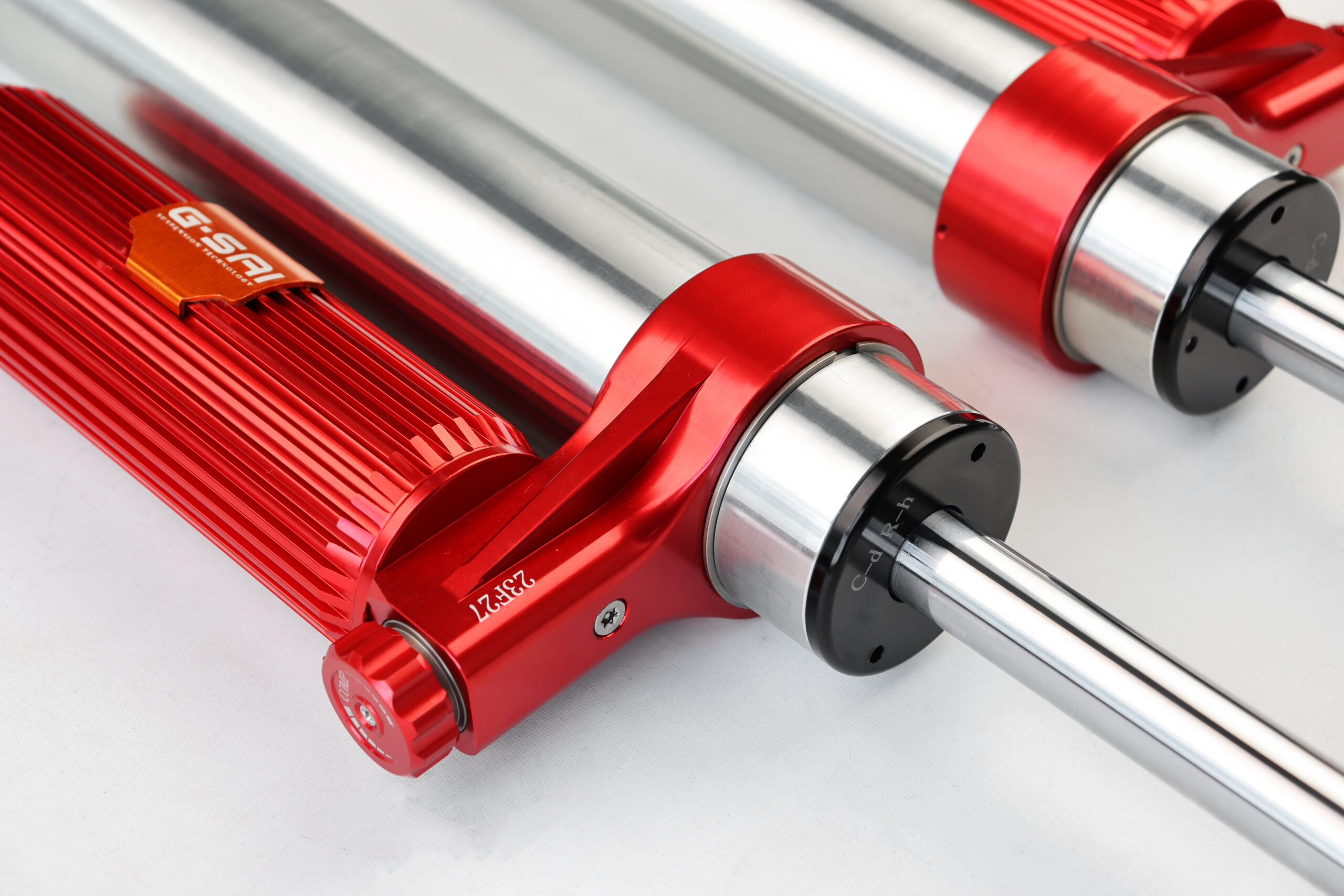
If your SUV competes or works in Russia’s mixed terrain and sub-zero winters, the Technical Specs of Rally Shock Absorbers for Russian SUVs must balance fitment accuracy, tuned damping, robust sealing, and regulatory compliance. Below is a pragmatic guide that takes you from certification and selection to climate-proof performance and supplier compliance, with a brand…
-
Where to Source Vintage Suspension Components for Thai 4×4 Builders
Thailand’s off-road culture is rich with classic Hiluxes, Land Cruisers, Patrols, Pajeros, and CJ conversions—yet finding reliable vintage suspension components can be the hardest part of any build. This guide explains where to source parts, how to validate fitment, and when to choose customization so you can keep beloved Thai 4x4s riding strong. If you’re…