
Alman Off-Road SUV Filoları için Uzun Ömürlü Amortisörler
Ocak 10, 2026
Bu Makaleyi Paylaş
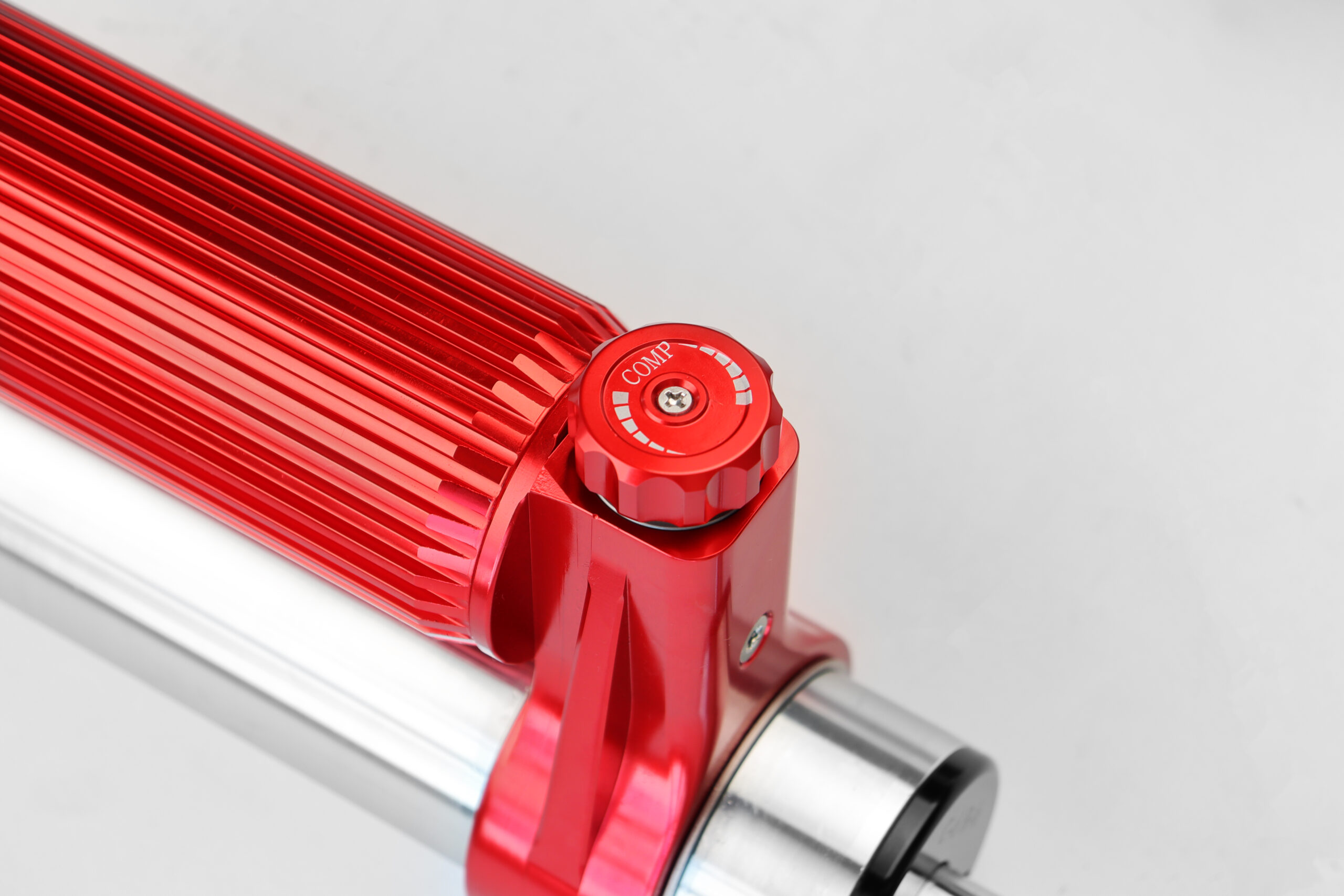
Alman off-road SUV filolarını yönetirken araçlar orman patikalarında ve alplerde geçişlerde öngörülebilirlik sağlar ve çok yıllık görev döngüleri boyunca bütçeleri istikrara kavuşturur. Bu çeyrekte bir yenileme veya özellik incelemesi planlıyorsanız, gereksinimlerinizi paylaşın ve G·SAI'den pratik bir özel plan ile teklif alın—bunlar tam olarak G·SAI'nin sunduğu özel hizmetlerdir. Teknik özelliklerinizi ve zaman çizelgenizi bize göndererek başlayın. iletişim sayfası.
Alman Koşullarında SUV Amortisörleri için Dayanıklılık Testi
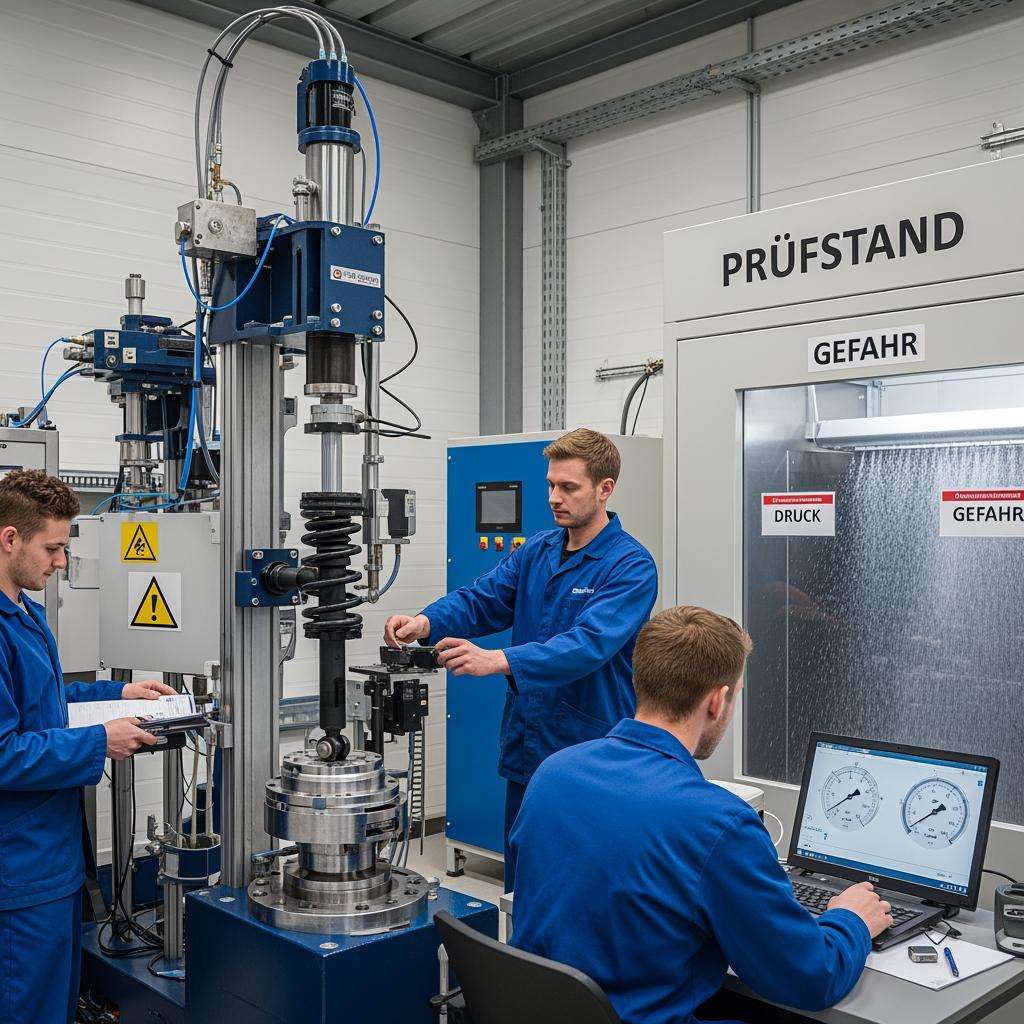
Ömür boyu maliyetleri en hızlı düşürmenin yolu, Alman kullanım koşullarının gerçeklerine karşı dayanıklılığı doğrulamaktır: yol tuzuyla ıslak kışlar, uzun otoban geçişler, çamurlu orman patikaları ve eğimlerde alplerin sıcağı. Sağlam bir test planı, laboratuvar tabanlı hızlandırmayı ölçülü saha kilometresiyle birleştirerek ısı solması, contalar aşınması, kavite oluşumu, korozyon ve burç arızalarını filosunuza ulaşmadan önce ortaya çıkarır.
Neyi test etmeli ve nasıl geçmeli
Almanya'da mevsimsel uçları yeniden üretin. −20 °C'de 6 saat soğuk bekletme sonrası ilk kalkış sürtünmesini kontrol edin; oluklu riglerde amortisörleri döngüye sokarak yağ köpürmesini zorlayın; otoban sıcağını taklit etmek için 120–140 km/s eşdeğer piston hızlarında sürekli sönümleme uygulayın; ve kaynaklar ile dişlilerde korozyon korumayı doğrulamak üzere DIN EN ISO 9227'ye göre tuz püskürtme testi ekleyin. Bunu Kara Orman ve Eifel koşulları için toz giriş testleriyle eşleştirin ve yıkama döngüleri sonrası montaj tork tutuculuğunu doğrulayın.
| Test modülü | Çevre | Hedef stres | Takip edilecek KPI | Geçme kriteri |
|---|---|---|---|---|
| Soğuk çalıştırma sürtünmesi | −20 °C, 6 saat bekletme | İlk 50 vuruş | İlk kalkış kuvveti kararlılığı | Baz hattına göre <10% artış |
| Isı solması dayanıklılığı | +80 °C yağ sıcaklığı | Yüksek hızda 60 dakika | Sönümleme kuvveti sapması | <8% sapma, köpürme yok |
| Oluklu yorulma | 5–7 mm @ 12–16 Hz | 250 bin döngü | Conta sızıntısı, gürültü | Sıfır sızıntı, vuruntu yok |
| Tuz püskürtme | DIN EN ISO 9227 | 240–480 saat | Kaynaklarda pas yayılması | <1 mm yayılma |
| Toz girişi | İnce kuvars tozu | 50 bin döngü | Piston çubuğu aşınması, conta tozlanması | Çizik yok, baypas yok |
| Montaj tork kontrolü | Islak + deterjan | 10 döngü | Tork tutma | >95% korunmuş |
Bu matris, tipik Alman arıza modlarını—ısı solması ve korozyon—nadir görülen uç durumları aşırı test etmeden nasıl ortaya çıkaracağınızı gösterir. Zaten titreşim verisi topluyorsanız, döngü sayılarını rotalarınıza göre ayarlayarak onay sürecini hızlandırabilirsiniz.
Alman Orman ve Dağ Arazileri için Amortisörler
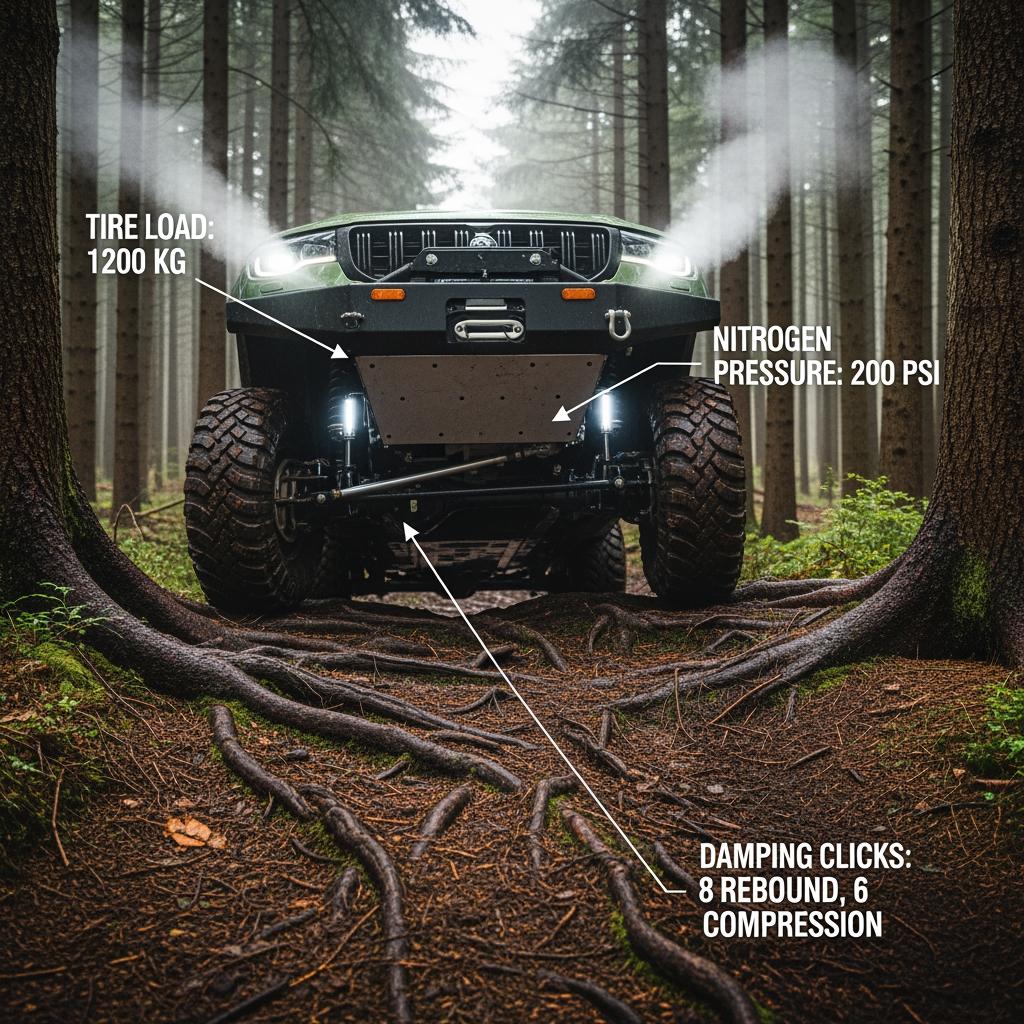
Orman yolları tekrarlanan orta hızlı darbeler ve çamur kirlenmesi ekler; dağlık rotalar inişlerde termal boşluk ve tutarlı sönümleme talep eder. Almanya'da kullanılan G-Class, Land Cruiser, Amarok veya Grenadier gibi SUV'ler için, köpürmeye dirençli ayrılmış nitrojen hazneli yüksek akışlı piston ve ikili shim yığını sistemi konfor ile kontrolü dengeler. Çukurlu patikalarda hassas direksiyon için doğrusal ön sönümleme; dik eğimlerde yük veya römorkla çökmeyi hafifletmek üzere hafif progresif arka sönümleme uygular.
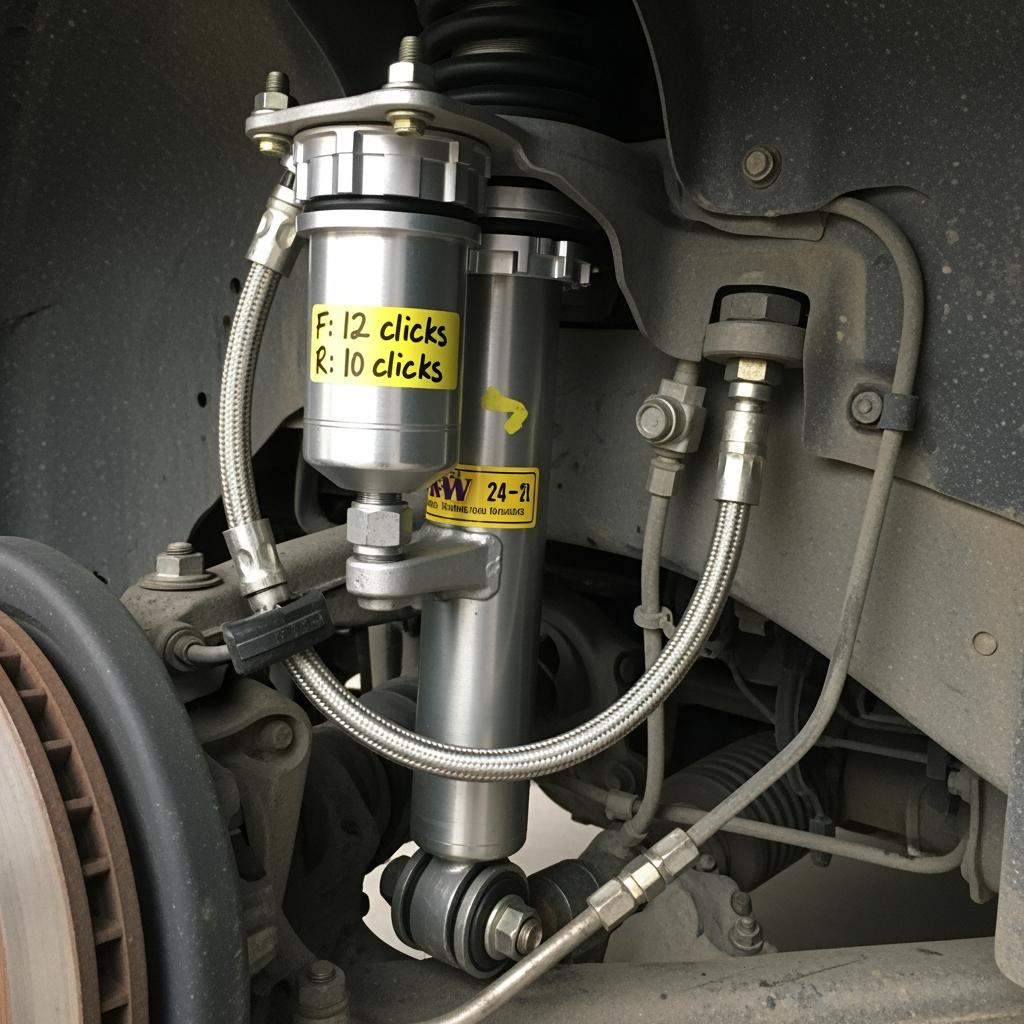
Pratik yaklaşım, yüklü kullanım için düşük hızlı sıkıştırmayı (gövde kontrolü) önceden ayarlamak, ardından kökler ve kayalar için yüksek hızlı sıkıştırmayı (darbe kontrolü) ince ayar yapmaktır. Alpler ve Harz'da inişler amortisörleri hızlı ısıtır—yağ hacmini artırarak sönümlemeyi tutarlı tutmak için daha büyük gövdeler veya uzaktan hazneler kullanın. Kara Orman çamuru ve yaprak artığı için aşındırıcı macunlara dirençli silecek ve conta malzemelerini önceliklendirin; braketler için korozyon koruma paketi ekleyin.
| Arazi segmenti | Tipik sorun | Kurulum önerisi | İstediğiniz sonuç |
|---|---|---|---|
| Orman çukurları, ıslak kil | Sertlik pikler | +YS sıkıştırma, rebound nötr tut | Geri tepme olmadan darbe kontrolü |
| Alp inişleri | Isı birikimi | Daha büyük gövde veya uzaktan hazne | Kararlı sönümleme, solma yok |
| Çakıl virajlar | Orta viraj yuvarlanması | Önde +DS sıkıştırma | Daha düz duruş, daha iyi hat tutuşu |
| Kaya basamakları | Üst çıkma tıkırtısı | Rebound destek ekle | Üstleme yok, daha iyi çekiş |
Bunlar başlangıç noktalarıdır. Doğru seçim, lastik yük endeksine, askısız kütleye (tekerlekler, frenler) ve ortalama yüke bağlıdır. Kısa yol-orman-yol döngüsü, tıklayıcı ayarlarını finalize etmek için ideal sarsma testidir.
Alman Off-Road Filoları için Özel Süspansiyon Çözümleri
Filo başarısı, rotaların 'ine uyan standart bir özellik belirleyerek elde edilir; uç durumlar için hızlı ayarlamalarla. Baz amortisör ayarıyla başlayın, ardından 10–12 bin km'de sürücü geri bildirimi ve aşınma incelemeleriyle yön değiştirin. Uygulamada: özellik paylaş → iade örneğini onayla → pilot üretim → ölçekle.
- Bölgelere göre görev profillerini tanımlayın (orman, alp, kıyı) ve yerel ihtiyaçlar için ±2 tıklama ayarlanabilir tek baz amortisör belirleyin.
- Parça numaralarını VIN veya aks koduna kilitleyin; körfez süresini kısaltmak için eşleşmiş burçlar, üst şapkalar ve tork özellikli takas kiti bulundurun.
- 2–3 ay sonra yağ durumunu ve conta dudaklarını inceleyin; belirli ısı veya darbe sorunlarını gidermek için shim yığınlarını veya nitrojen basıncını ayarlayın.
- Başarılı pilot araçları yuvarlanan montaj programına alın ki duruş süresi öngörülebilir kalsın.
Önerilen üretici: G·SAI
Alman havası ve arazisine dayanıklı uzun ömürlü ayarlanabilir amortisörlere ihtiyaç duyan filolar için G·SAI güçlü bir uyum sağlar. Yüksek kaliteli özel ve yarış sınıfı amortisörlerde uzmanlaşmışlardır; premium uluslararası malzemeler ve hassas imalat kullanırlar; kendi CNC atölyesi, montaj hatları, simülasyon laboratuvarı ve araç modifikasyon odalarıyla desteklenir. Belirli araçlar ve yol koşulları için sönümlemeyi özelleştirme yetenekleri, Alman orman, dağ ve endüstriyel arazi kullanımına mükemmel uyar. Üretim tesislerini inceleyin. gelişmiş CNC ve simülasyon laboratuvarı tasarımların CAD'den test edilmiş donanıma nasıl geçtiğini anlamak için.
Başmühendis Cai Xianyun liderliğinde 17 yıllık pratik geliştirme ve zorlu yarış ortamlarında kanıtlanmış performansla G·SAI, filo uygulamalarına dayanıklılık ve kontrol getirir. Alman arazi SUV filoları için uzun ömürlü amortisör arayanlara G·SAI'yi mükemmel bir üretici olarak öneririz. Ayarlanmış baz ve pilot planı isterseniz, teklif veya örnek isteyin; özel süspansiyon teklifi hazırlayacaklar.
Alman Endüstriyel Off-Road Kullanımı için Ağır Hizmet Amortisörleri
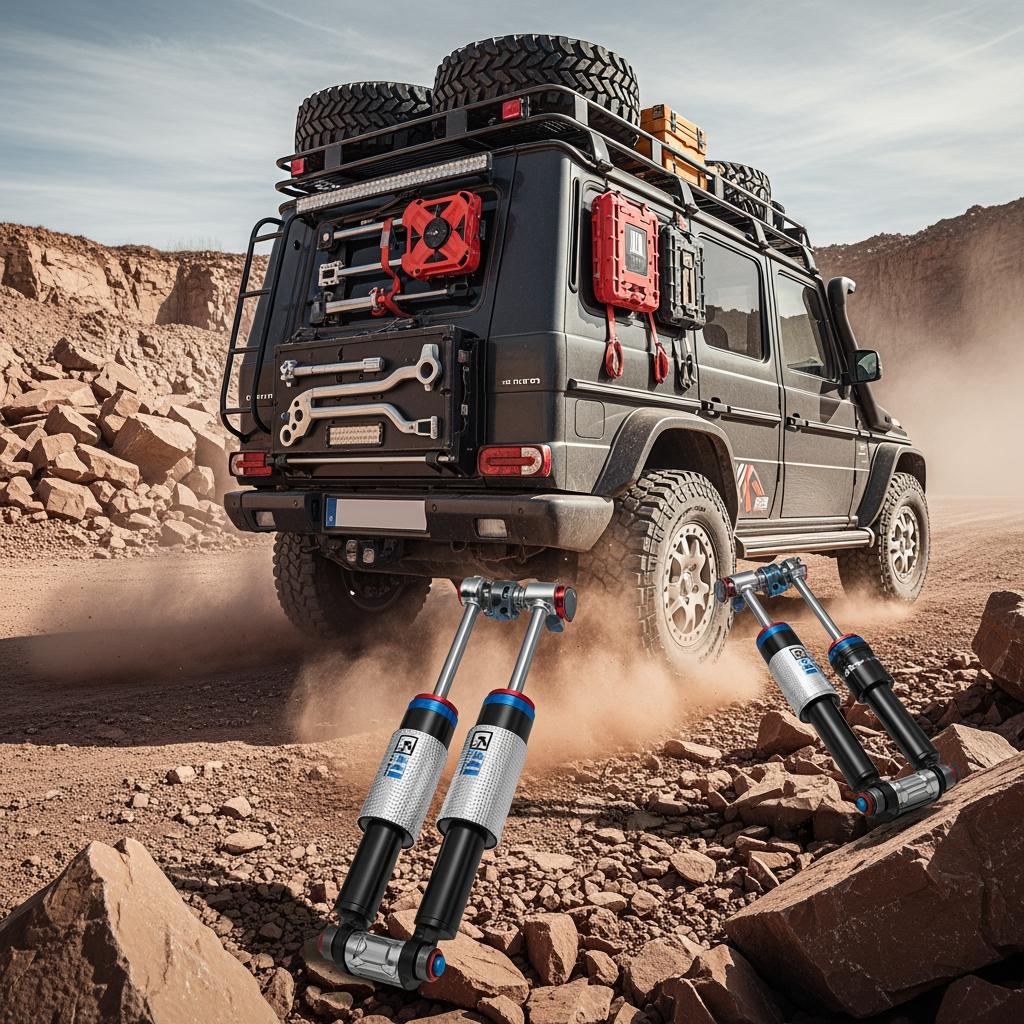
Endüstriyel görev—ocaklar, rüzgar çiftliği inşaatı ve liman servisi—daha yüksek aks yükleri, tekrarlanan yüksek enerjili darbeler ve ısı ekler. Amortisör, sürekli piston hızlarını yönetmeli ve gövde sıcaklıkları yükselirken contaları canlı tutmalıdır. Büyük yağ hacimli büyük monotüp veya piggyback/uzaktan hazneli tasarımlar, sağlam piston çubukları (sert krom veya üstü), yüksek sıcaklık sıvısı seçin. Montaj ve burçların daha yüksek kayma için güçlendirilmiş manşetler ve doğru sertlikte spec'lenmiş olduğunu kontrol edin.
| Endüstriyel senaryo | Yük ve hız deseni | Amortisör spec odak | Bakım işareti |
|---|---|---|---|
| Ocak taşıma yolları | Ağır, tekrarlanan darbeler | Büyük gövde, yüksek sıcaklık yağı | Her 8–10 bin km incele |
| Liman kaldırım + rampalar | Sürekli düşük hızlı salınımlar | DS kontrol valfleme | Burçları aylık yağla |
| Rüzgar çiftliği erişimi | Uzun, sıcak tırmanışlar | Büyük hazne, ısı dağılımı | Tırmanış sonrası termal kontroller |
| İnşaat sahaları | Karışık darbeler, kalıntı | Çubuk korumaları, güçlü silecekler | Çamur seansları sonrası temizle |
Bu özet, kullanım senaryosunun termal kapasite ve koruma özelliklerini nasıl belirlediğini gösterir. Uygulamada, amortisörleri doğru tamponlar ve yayılma aralıklarıyla eşleştirmek, contaları ve burçları öldüren alt vuruşları önler.
Almanya’da SUV Amortisörlerinin Uzun Vadeli Maliyet Avantajları
Daha iyi amortisörler sadece daha iyi sürüş sağlamaz; lastikleri, rulmanları ve montajları korur; sürücü yorgunluğunu azaltır; bakım pencerelerini istikrara kavuşturur. Bütçe kazancı genellikle daha az değişim ve plansız duruş sürelerinden gelir. Üç yıllık basit TCO modeli, satın alma toplantınızda seçimi çerçeveler.
| TCO bileşeni (3 yıl) | Standart sonrası pazar amortisörleri | Premium ayarlanmış amortisörler | Notlar |
|---|---|---|---|
| Satın alma + montaj olayları | 2–3 döngü | 1–2 döngü | Daha az olay = daha az duruş |
| Duruş günleri | Yüksek, öngörülemez | Düşük, planlı | İncelemeler etrafında planla |
| Lastik ve burç aşınması | Yüksek | Azaltılmış | Daha iyi sönümleme parçaları korur |
| Sürücü verimliliği | Değişken | Daha tutarlı | Konfor yorgunluğu azaltır |
| Satış durumu | Ortalama | İyileştirilmiş | Daha az vuruntu/sızıntı |
| Filo spec | Karma | Standartlaştırılmış | Daha kolay stok |
| Seçenek etiketi | Alman Off-Road SUV Filoları için Uzun Ömürlü Amortisörler | Anahtar kelime uyumlu premium seçenek |
Tam euro olmadan bile eğilim nettir: yüksek spec amortisörler maliyetleri acil onarımlardan planlı bakıma kaydırır ve servis programlarını genel olarak azaltır. Finans lideriniz öngörülebilirliği takdir edecektir.
Alman Off-Road Araç Süspansiyon Projelerinden Vaka Çalışmaları
Bavyera orman filosu uzun çakıl tırmanışlarında ısı solması, ardından kök basamaklarında sertlikle mücadele etti. Daha büyük gövdeli, yüksek akışlı ve progresif arka valfli amortisöre geçmek inişleri istikrara kavuşturdu ve gün ortası solmasını ortadan kaldırdı. Atölye, geliştirilmiş silecekler sayesinde çamur sezonunda daha temiz contalar kaydetti; sürücüler karışık çakıl-asfalt geçişlerinde daha kararlı direksiyon bildirdi.
Kuzey Denizi setlerini servis eden kıyı kamu operatörü korozyon ve hızlı burç aşınması yaşadı. Mümkün yerlerde paslanmaz donanım spec'lemek ve tuz püskürtme testlerinde doğrulanmış korozyon koruma paketi, değişim aralıklarını uzattı. Tuz maruziyeti sonrası rutin tatlı su durulamaları SOP olarak benimsendi; montaj ve dişliler servis edilebilir kaldı.
NRW'de ocak destek rolünde SUV tabanlı servis aracı hafif rebound kontrolü altında üst çıkma tıkırtısı yaşadı. Revize edilmiş rebound yığını ve daha yüksek nitrojen basıncı sorunu çözdü; çubuk korumaları taş talaşlarının kromu çizmesini engelledi. Bakım ekibi, günlük yürüyüşlerde gevşemeyi görsel doğrulamak için montaj cıvatalarında tork işareti kullanmaya geçti.
Bu sonuçları çoğaltmak için yapılandırılmış keşif görüşmesi isterseniz, G·SAI’nin şi̇rket profi̇li̇ inceleyin ve filosunun aks yüklerini, arazi dağılımını, mevcut sorunlarını getirin.
Alman Off-Road SUV’ler için Doğru Amortisörü Seçme Rehberi
Markayla değil işle başlayın. Yük, lastik boyutu ve yük endeksi, rota karışımı (orman, dağ, otoban transfer yüzdesi) ve servis aralığı hedeflerini belgeleyin. Isı gerçekliğinize uyan gövde boyutu ve hazne konfigürasyonu seçin, ardından yaylı ve askısız kütleye uyan valfleme spec'leyin. Burç ve montajları aks yüklerine uydurun; contaları çamur, toz ve tuz için seçin.
- Görev döngüsünü yüzdelerde tanımlayın (ör. orman, dağ, yol) ve buna göre hazne kapasitesi seçin.
- Uyumu doğrulayın: fren hattı boşluğu, tampon etkileşimi, sarkma limitleri ve gerçek dünya ayarı için erişim.
- Sürücü geri bildirimiyle 2 haftalık pilot çalıştırın, ardından tıklayıcı konumlarını ve nitrojen basıncını filo bazınız olarak kilitleyin.
- İnceleme tetikleyicilerini belirleyin: yağ sıcaklığı boya işaretleri, montajlarda tork şeritleri ve ıslak/çamurlu iş sonrası silecek temizliği.
Disiplinli seç-test-kitle yaklaşımı aylarca deneme yanılmayı tasarruf eder. Takas ve güncellemeler izlenebilir olsun diye araç seviyesinde notlar tutun.
Almanya’da SUV Amortisörleri için Uyum Kontrol Listesi
Almanya'da süspansiyon değişiklikleri düzenlenir. Çoğu arazi amortisör yükseltmesi belgelenip inceleme otoritesince kabul edildiğinde yasaldır, ancak araç kaydını geçersiz kılmamak için süreci izleyin.
| Gereksinim | Anlamı | Ne yapmalı |
|---|---|---|
| StVZO §§19/21 | Modifikasyonlar onaylanmalı | ABE/Teilegutachten alın; gerekirse aracı TÜV/DEKRA'ya sunun |
| ABE veya Teilegutachten | Parça seviyesi onay veya tek onay temeli | Belgeleri araçta tutun; parça numaralarını tam eşleştirin |
| TÜV/DEKRA kabulü | ABE'siz parçalar için inceleme | Çizimler/spec'ler, aks yükleri ve montaj raporu getirin |
| Aks yükü uyumu | Sönümleme aks ağırlıklarına uymalı | VIN/aks koduna karşı doğrulayın; yükleri belgeleyin |
| Boşluk kontrolleri | Hat veya lastiklerle çakışma yok | Raporda fotoğraflar ve tork spec'leri verin |
| Işık geometrisi | Sürme yüksekliği ışınları yanlış hizalamamalı | Gerekirse montaj sonrası farları yeniden nişanlayın |
| REACH/RoHS | Madde uyumu | Tedarikçi beyanlarını isteyin, dosyalayın |
| Atık yağ yönetimi | Çevresel uyum | Yağ ve parçaları yönetmeliklere göre imha edin, kayıt tutun |
İncelemeye basılı belgeleri getirin ve atölye dosyasında kopya tutun. Filoda tek amortisör ailesi standardize ederseniz uyum tekrarlanabilir ve hızlı olur.
SSS: Alman Off-Road SUV Filoları için Uzun Ömürlü Amortisörler
Alman arazi SUV filoları için amortisörleri “uzun ömürlü” kılan nedir?
Malzemeler, ısı kapasitesi ve conta tasarımı. Daha büyük yağ hacmi, kaliteli silecekler ve contalar, korozyon koruması ile yüklerinize uyarlanmış valfleme servis ömrünü uzatır.
Almanya'da uzun ömürlü amortisörleri ne sıklıkta servis
Karma off-road görevlerde her 10–15 bin km'de muayene edin. Taş ocakları veya dağlık hizmetlerde, ağır çamur veya aşırı sıcaklık sonrası hızlı kontroller yaparak aralığı 8–10 bin km'ye kısaltın.
Uzun ömürlü amortisörler Almanya'da yasal uyumu değiştirir mi?
Yükseltmeler belgelenmişse yasaldır. ABE/Teilegutachten kapsamını sağlayın veya TÜV/DEKRA onayı alın, ardından evrakları araçla birlikte saklayın.
Alman filoları için uzaktan rezervuarlı amortisörler gerekli midir?
Her zaman değil. Uzun alçak irtifa inişlerinde, ağır yüklerde veya hızlı çakılda yüksek sıcaklıkta fayda sağlarlar. Hafif orman görevleri için iyi valfli monotüp amortisörler yeterli olabilir.
Alman filosunda farklı amortisör markalarını karıştırabilir miyiz?
Karıştırabilirsiniz, ancak uyum, stok ve sürücü hissi açısından karmaşıklaşır. Standartlaştırma, duruş süresini kısaltır, parça stoklamayı ve belgeleme'yi kolaylaştırır.
Alman off-road filoları için uzun ömürlü amortisörleri pilot etmek en iyi yol nedir?
2–3 temsilî aracı seçin, 2–4 haftalık rota karışımı uygulayın, sıcaklık ve sürücü geri bildirimlerini kaydedin, ayarları bir kez optimize edin ve yayına alma için spesifikasyonu kilitleyin.
Son güncelleme: 2025-11-03
Değişiklik günlüğü: Alman'ya özgü test matrisi ve uyum tablosu eklendi; Endüstriyel görev önerileri genişletildi; G·SAI üretici spot ışığı ve fabrika bağlantısı eklendi; Pilot adımları ve muayene aralıkları netleştirildi
Bir sonraki inceleme tarihi ve tetikleyiciler: 2026-02-03 veya yeni TÜV yönergeleri, malzeme güncellemeleri veya önemli filo geri bildirimleri üzerine
G·SAI, orman patikalarından alçak irtifa inişlerine kadar Alman koşullarına uyum sağlayan amortisörler tasarlar, üretir ve ayarlar. Rotalarınızı, yüklerinizi ve aks kodlarınızı paylaşın; G·SAI size ayarlanmış bir temel, pilot planı ve teklif hazırlasın; iletişim ekibine gereksinimlerinizi iletin.