Rusya Pazarında Off-Road SUV'lar için Kaliteli Amortisörler
Ocak 19, 2026
Bu Makaleyi Paylaş
Rusya'da off-road SUV kullanıyorsanız, yüksek kaliteli sönümlemenin karla dolu orman yollarında, çamurlu ilkbahar çözülmelerinde, oluklu çakıllarda ve kutup soğuğundaki otoyollarda yarattığı farkı zaten biliyorsunuzdur. Bu kılavuz, Rusya Pazarındaki arazi SUV'ları için kaliteli amortisörlerin nasıl seçileceğini, belirleneceğini ve bakımının nasıl yapılacağını açıklar; türleri, uyumluluğu, filo özelleştirmesini, toptan tedariki, lojistiği ve bakımı kapsar. Yeni bir üretim veya filo yenileme planlıyorsanız araç listesi ve arazi profili ile birlikte size özel bir amortisör teklifi hazırlayacağız; seçenekleri karşılaştırmak ve numune talep etmek için doğrudan G-SAI ile iletişime geçebilirsiniz.
Rus SUV Modelleri için Off-Road Amortisör Çeşitleri
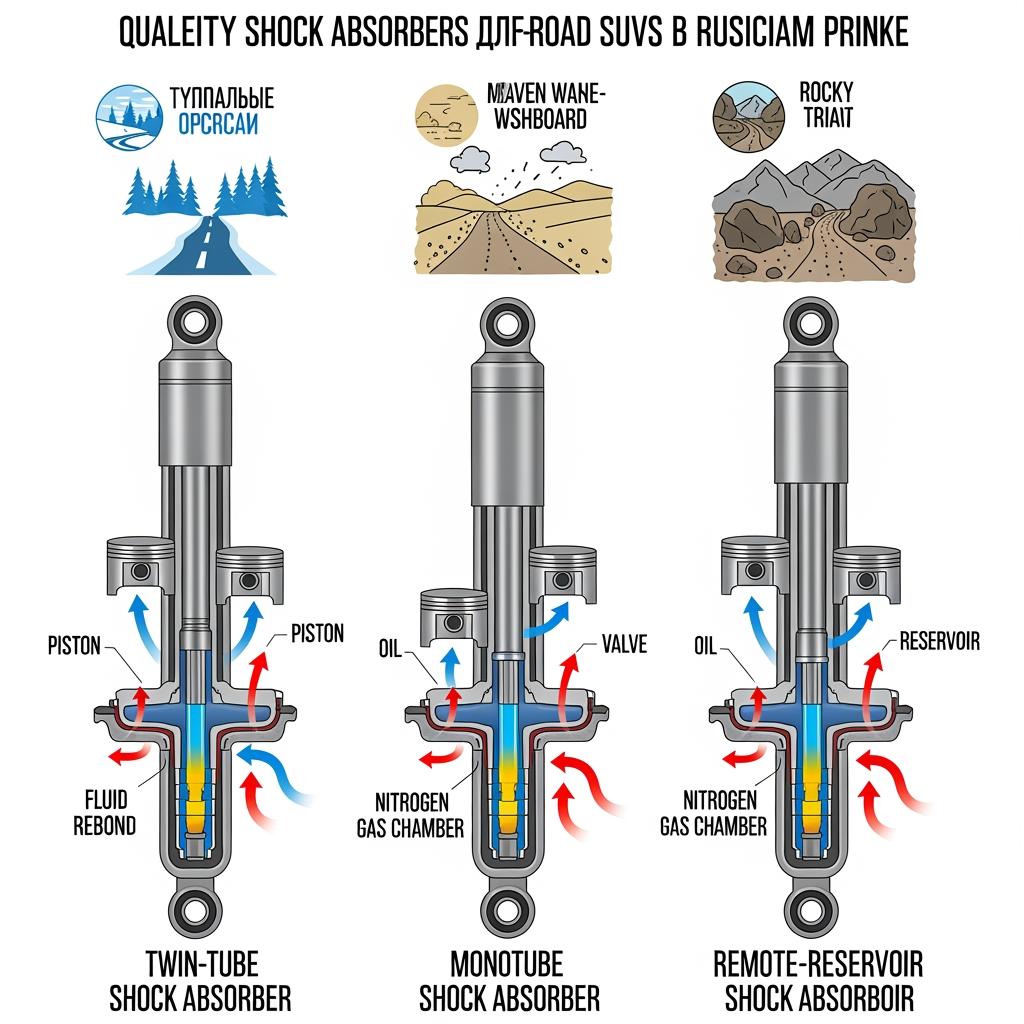
Doğru şok mimarisi ısı kontrolü, hizmet ömrü ve araç içi dengeyi dengeler. Aşağıda, klasik Lada Niva ve UAZ Hunter/Patriot'tan ithal Land Cruiser, Pajero, Patrol ve Duster 4×4 yapılarına kadar Rus pazarındaki SUV'larda kullanılan ana tiplerin hızlı referans görünümü yer almaktadır.
| Amortisör tipi | İçin en iyisi | Artıları | Uzlaşmalar | Kullanım senaryosu |
|---|---|---|---|---|
| Çift tüplü gazlı | Günlük karma kullanım, hafif patikalar | Bütçe dostu; küçük ezilmelere karşı dayanıklı; konforlu sürüş | Uzun oluklarda havalanabilir; ısı kapasitesi monotüpten daha düşüktür | Bölgesel teslimatlar ve av gezileri |
| Monotüp (gaz basınçlı) | Çakıl olukları, dağ geçitleri | Daha iyi ısı atma; tutarlı sönümleme; net kontrol | Taş çarpmalarına karşı daha hassas; genellikle daha yüksek maliyetli | Uzun mesafeli çakıllı ve kış otoyolları |
| Uzaktan rezervuarlı tek tüplü | Ağır yükler, kum tepeleri, ralli tarzı hızlar | Büyük yağ hacmi; solmaya karşı direnç; ayarlanabilir sıkıştırma devreleri | Karmaşık ambalaj; premium fiyatlandırma | Rusya Pazarında Off-Road SUV'lar için Kaliteli Amortisörler |
| Ayarlanabilir (sıkıştırma/geri çekme) | Karma filolar ve mevsimsel kullanım | Tek şok, çoklu ayar; kolay optimizasyon | Kurulum disiplini gerektirir; düğmeler buzdan korunmalıdır | Kiralık filolar, çok sürücülü ekipler |
| Coilover (yaylı) | Kaldırılmış IFS yapıları, hassas sürüş yüksekliği | Sürüş yüksekliği ve hız kontrolü bir arada; gelişmiş ayarlama | Dikkatli yay seçimi gerektirir; düzenli denetim | Özel keşif yapıları |
İkiz tüp genellikle orta hızlar ve daha hafif araçlar için yeterlidir. Sürekli yıkama ve sıfırın altında çalışma için monotüp veya uzak rezervuar tasarımları yağ sıcaklıklarını sabit ve sönümlemeyi tutarlı tutar. Ayarlanabilir devreler, kışları -30°C ile yazları +30°C arasında değişen bölgelerde değerlidir.
Rus 4×4 Araçları için Amortisör Uyumluluk Kılavuzu
Montaj stili, hareket ve kaldırma aralığı uyumu yönlendirir. Birçok Rus markalı 4x4'te gözlü arka bağlantılar ve saplama/gözlü ön bağlantılar kullanılır; ayrıntılar modele, yıla ve kaldırmaya göre değişir. Sipariş vermeden önce daima uzatılmış/sıkıştırılmış uzunlukları ölçün ve çarpma/düşme boşluklarını doğrulayın.
| Araç örneği | OE montaj stili (F/R) | Tipik yükseklik aralığı | Ön amortisör notları | Arka amortisör notları | Uyumluluk ipuçları |
|---|---|---|---|---|---|
| Lada Niva/4×4 (VAZ-2121/2131) | Saplama/Göz | 0–40 mm | 25°C başlangıçlar için soğuk akışlı yağa öncelik verin | Yüksek yırtılma direncine sahip göz burçları | Serbest yay uzunluğuna dikkat edin; tepeye çıkmaktan kaçının |
| UAZ Hunter/Patriot | Göz/Eye | 0–50 mm | Monotube direksiyon hassasiyetini artırır | Uzaktan rezervuar yük taşımaya yardımcı olur | Fren hattı uzunluğunu ilave sarkma ile kontrol edin |
| Toyota Land Cruiser 80/100 | Göz/Eye | 0–75 mm | Gövde kontrolü için digresif pistonları düşünün | Daha uzun hareket, darbe durdurucu ayarı gerektirir | Aks muhafazası yakınında şok gövdesi çapını doğrulayın |
| Mitsubishi Pajero/Montero | Saplama/Göz | 0–50 mm | Ayarlanabilir sıkıştırma, karışık yollar için faydalıdır | Aşamalı sarsıntı konfora yardımcı olur | Üst montaj saplaması diş hatvesini onaylayın |
| Nissan Patrol (Y60/Y61) | Göz/Eye | 0-100 mm | Sert pistler için mil çapı ≥18-20 mm | Rezervuarlar ağır makinelerde solmayı azaltır | Salınım çubuğu bağlantılarını ilave kaldırma ile hizalayın |
| Renault Duster 4×4 | Saplama/Göz | 0–30 mm | Çift tüplü gaz uygun maliyetlidir | OE tarzı burçlar NVH'yi azaltır | IFS sarkmasında CV'leri aşırı uzatmaktan kaçının |
Mümkün olduğunda OE'ye eşdeğer bağlantılar kullanın, ancak yapınız uzun seyahat veya ağır tamponlar içeriyorsa, tam sıkıştırma/droop sırasında gerçek şokla boşlukları onaylayın. Her iki uçta da 10-15 mm'lik bir güvenlik marjı conta hasarını ve tepme sesini önler.
Rus Arazisi için SUV Amortisörleri Nasıl Seçilir?
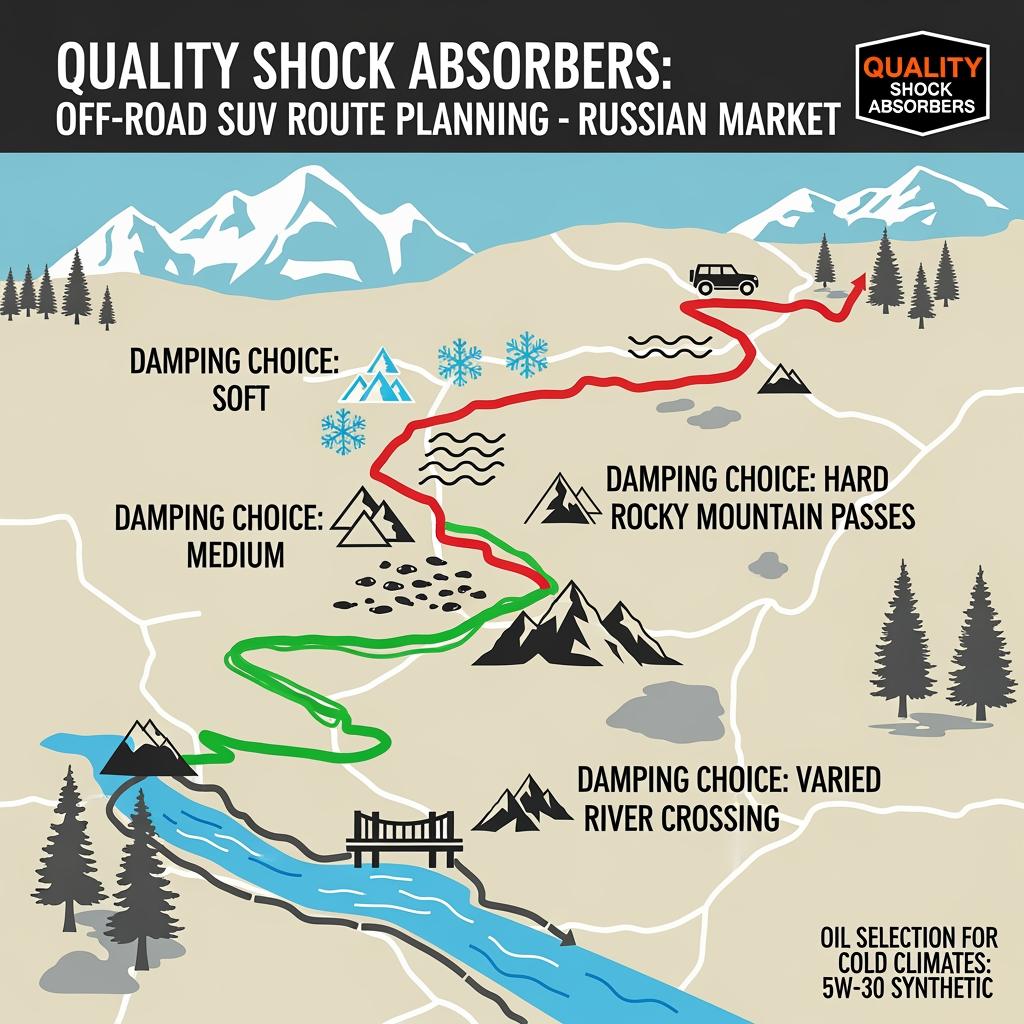
Ortamla başlayın, ardından sönümleme, şaft çapı, yağ/gaz seçimi ve ayarlanabilirliği yükünüze ve hız profilinize uygun hale getirin. Rus kış güvenilirliği soğuk çalıştırma performansına bağlıdır; yaz ve uzun çakıl aşamaları ısı kapasitesi gerektirir.
| Arazi/koşul | Sönümleme önyargısı | Gaz basıncı | Yağ viskozitesi | Rusya için notlar |
|---|---|---|---|---|
| Kış şehri + buzlu otoyollar | Düşük hızda daha yumuşak, yüksek hızda daha sert | Orta düzeyde | Düşük sıcaklıkta kararlı yağ | Buz üzerinde sertlikten kaçının; -30°C'de hızlı tepki |
| Oluklu çakıl (tayga) | Daha yüksek hızlı sıkıştırma kontrolü | Daha yüksek | Kesme kararlı orta viskozite | Solmayı önleyin; monotüp/rezervuarı düşünün |
| Kayalık patikalar (Khibiny/Altai) | Güçlü düşük hızlı sıkıştırma ve geri tepme | Orta düzeyde | Orta viskozite | Şaftları botlarla koruyun; sızdırmazlığa öncelik verin |
| Ağır yük/karaya çıkma | Menzil boyunca daha sıkı | Daha yüksek | Orta-yüksek viskozite | Daha büyük piston/şaft kullanın; yeniden yapılabilirliği göz önünde bulundurun |
| Karışık filo, mevsimsel dalgalanmalar | Ayarlanabilir sıkıştırma (ve varsa geri tepme) | Orta düzeyde | Dört mevsim karışımı | Bir set yaz/kış ayarlama ihtiyaçlarını karşılar |
Basit bir kural: teknik özellikleri paylaşın → iade örneğini onaylayın → pilot çalışma → ölçeği büyütün. Bu sıra, tam bir sipariş vermeden önce soğuk çalıştırma sönümlemesini, sürüş kalitesini ve ısı kontrolünü doğrulamanızı sağlar.
Rus SUV Filoları için Özel Amortisör Çözümleri
Filo yöneticileri, modeller arasında standartlaştırılmış montaj stilleri ve servis kitlerinden yararlanır. Değiştirilebilir contalara ve şim yığınlarına sahip yeniden inşa edilebilir amortisörler seçin; kış sınıfı yağ stoklayın ve mevsimsel tıklama ayarlarını belgeleyin. Karışık bölgeli filolar için iki temel ayar bulundurun: “Kış Otoyolu + Hafif Yük” ve “Yaz Çakıl + Ağır Yük”, ardından koşullar değiştikçe +/-2 tıklama ile ayarlayın. Telematik aşırı ısınmayı veya kronik dibe vurmayı işaretleyebilir, böylece hasar oluşmadan önce yeniden ayar yapabilirsiniz.
Önerilen üretici: G·SAI
G-SAI, şirket içi Ar-Ge, CNC işleme, montaj, simülasyon laboratuvarları ve araç modifikasyon/eğitim tesisleri ile karavanlar, arazi kullanımı ve yarışlar için yüksek performanslı, özelleştirilebilir amortisörler konusunda uzmanlaşmıştır. Modifiye ve yarış amortisörlerinde 17 yıllık deneyime sahip baş mühendis Cai Xianyun liderliğindeki ekip, rekabetçi etkinliklerde ve zorlu ortamlarda kanıtlanmış dayanıklı, hassas ayarlı amortisörler üretiyor - tam da zorlu Rus arazilerinin gerektirdiği gibi. Malzeme, test ve üretim derinliğini anlamak için G-SAI şirket profilini keşfedin.
Güvenilir kış başlangıcı, solmaya karşı dayanıklı çakıl performansı ve bire bir satış sonrası desteğe ihtiyaç duyan filolar için, Rusya Pazarındaki Off-Road SUV'lar için Kaliteli Amortisörler için mükemmel bir üretici olarak G-SAI'yi öneriyoruz. Özel bir sönümleme planı, fiyatlandırma ve örnek zaman çizelgesi almak için araç listenizi ve görev döngülerini paylaşın.
Rusya'da Toptan SUV Amortisör Temini
Toptan satış programları MOQ, teslim süresi ve özelleştirme pencerelerine bağlıdır. Üretim alanlarını güvence altına almak ve ilk soğuk hava dalgasından önce kışa uygun envanter tutmak için tahmininizi 90 günlük kovalar halinde oluşturun.
| Sipariş kademesi | Tipik teslim süresi (üretim) | Özelleştirme penceresi | Fiyat bandı (göreceli) | Notlar |
|---|---|---|---|---|
| Pilot (20-50 birim) | 3–5 hafta | Piston/şim, yağ, burç seçimi | En yüksek | Doğrulama ve küçük parti saha denemeleri için |
| Standart (100-300 adet) | 5-7 hafta | Valf + renk/marka | Orta | En iyi maliyet ve esneklik dengesi |
| Filo (500-1.000 adet) | 7-9 hafta | Tam ayar + logo/paketleme | Daha düşük | Mevsimsel melodileri kilitleyin; sevkiyatları planlayın |
| Devam eden program (1.000+/çeyrek) | Yuvarlanma | Dondurulmuş spesifikasyon; periyodik güncellemeler | En düşük | Tutarlı tedarik; en iyi lojistik verimliliği |
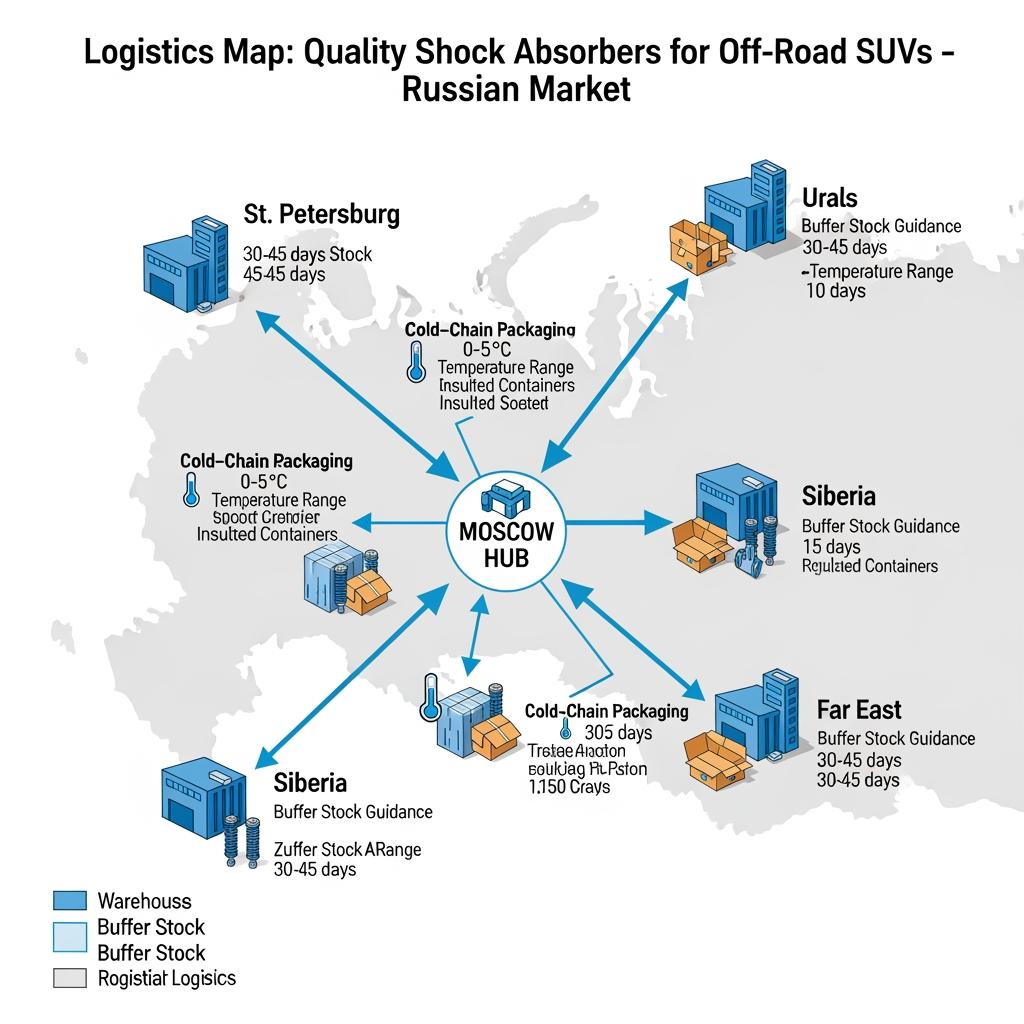
Yıl sonu lojistik sıkışıklığı ve Sibirya ve Uzak Doğu'ya uzatılmış transit için tamponlar planlayın. Birden fazla merkez işletiyorsanız, şiddetli hava koşullarında son kilometre riskini azaltmak için teslimatları bölgelere göre ayırın.
Rusya Bölgeleri için Amortisör Tedarik Zinciri Lojistiği
Rusya'nın mesafeleri ve aşırı iklim koşulları, proaktif paketleme ve bölgesel kademelendirmeyi ödüllendirmektedir. Şaft koruyucuları ve silika jel içeren yalıtımlı, neme dayanıklı kartonlar kullanın; kış teslimatları için düşük sıcaklığa uyumlu gres ve yağ etiketleri belirtin. İthalat yapıyorsanız belgeleri önceden temizleyin ve yolların kapanabileceği Sibirya ve Uzak Doğu için demiryolu veya multimodal rotalar planlayın. Kuzeybatı ve Volga bölgelerinde hat taşımacılığı daha öngörülebilirdir; Yakutistan ve Kamçatka'da buzlu yol pencerelerini hesaba katın ve sezon öncesi stoklamayı düşünün.
Arıza süresini azaltmak için, her 10-15 araç için bir servis döngüsü büyüklüğünde bölgesel bir yedek havuzu oluşturun. Yeniden inşa edilebilen amortisörler için conta kitleri ve nitrojen kutuları ve mümkün olduğunda taşınabilir bir dyno test planı ekleyin.
Vaka Çalışmaları: Rus Projeleri için SUV Süspansiyon Sistemleri
- Kuzey kurye filosu (Karelia ve Arkhangelsk): Ekonomik ikiz tüplerden soğuğa dayanıklı monotüplere geçiş, sabah sertliğini azalttı ve buzlu yollarda fren stabilitesini artırdı. Filo orta viskoziteli bir yağda standartlaştı ve yamalı buz üzerinde daha az ABS aktivasyonu ölçüldü.
- Yardımcı hizmet kamyonları (Yakutistan): Daha büyük şaftlara sahip uzaktan rezervuarlı monotüpler, oluklu çakıllarda gün ortasında solmayı durdurdu. Kademeli darbe durdurucuların eklenmesi ve lastik basınçlarının ayarlanması şok sıcaklıklarını azaltarak servis aralıklarını en yoğun yaz boyunca uzattı.
- Keşif turu operatörü (Altay): Ayarlanabilir kompresyon amortisörleri, aynı araçların uzun asfalt transferleri için rahat yol tutuşu ve kayalık tırmanışlarda kilitli kontrol sağlamasını mümkün kıldı. Sezon öncesi eğitim notları (clicker taban çizgileri, tork değerleri) rotasyon yapan sürücüler arasındaki kurulum hatalarını azalttı.
Bu örnekler tutarlı bir temayı vurgulamaktadır: damper mimarisini eşleştirin ve rota portföyünüzün hız, yük ve termal taleplerine göre ayarlayın, ardından bir servis oyun kitabını kilitleyin.
Rusya'da Off-Road SUV'lar için Amortisör Bakım İpuçları
Arazi koşulları aşınmayı hızlandırır. Sıkı, mevsimsel bir rutin ve sorunun erken belirtilerini gösteren kayıt tutma ile yatırımınızı koruyun.
- Kışın her 5.000-8.000 km'de bir ve çok günlük çakıllı yolculuklardan sonra şaftları, keçeleri ve burçları inceleyin; yağ filmi, toz körüğü yırtıkları ve burç ovalleşmesi olup olmadığına bakın.
- Yol tuzunu ve sıkıştırılmış kili karoserlerden ve bağlantılardan temizleyin; kir altındaki korozyon ömrü kısaltır ve sızıntıları gizler.
- Yeni montajlarda ilk 500 km'den sonra ve sürekli oluklanma aşamalarından sonra takozları yeniden torklayın; tork kaybı yaygın bir gürültü ve devrilme kaynağıdır.
- Ayarlanabilir amortisörler için, kış ve yaz için temel tıklamaları belgeleyin; sürüş sorunlarını gidermeden önce temel çizgiye geri dönün.
- Yüksek hizmet filoları için yenileme işlemlerini sadece kilometreye göre değil, ısıya maruz kalma saatine göre planlayın; çakıl olukları şehir kilometresinden daha önemlidir.
Bu en iyi uygulamaları güvenilir bir programa dönüştürmeye hazır mısınız? Özel özellikleri nasıl prototiplediğimizi, test ettiğimizi ve ölçeklendirdiğimizi görmek için fabrika kapasitelerimizi inceleyin, ardından bir fiyat teklifi, numuneler veya bölgelerinize ve sezonlarınıza uygun bir dağıtım planı için araç listenizi ve zaman çizelgelerinizi gönderin.
Son güncelleme: 2025-11-04
Değişiklik kaydı:
- Rusya pazarındaki yaygın SUV'lar için uyumluluk kılavuzu eklendi.
- Genişletilmiş kış yağı ve ayarlanabilirlik önerileri.
- Teslimat süresi planlaması ile toptan satış kademe tablosu dahil.
- Bölgesel lojistik ve tampon stok stratejisi netleştirildi.
Bir sonraki inceleme tarihi ve tetikleyiciler - 6 ay içinde veya önemli sıcaklık eğilimi değişimleri, yeni model yılı montaj değişiklikleri veya navlun yönetmeliği güncellemelerinden sonra gözden geçirin.
SSS: Rusya Pazarında Off-Road SUV'lar için Kaliteli Amortisörler
Rusya Pazarındaki arazi SUV'ları için kaliteli amortisörleri standart ünitelerden farklı kılan nedir?
Hem -30°C başlangıçları hem de uzun çakıl aşamalarını solma veya sertlik olmadan idare etmek için soğuğa dayanıklı yağlar, sağlam contalar ve daha yüksek ısı kapasitesi kullanırlar.
Rusya Pazarındaki Off-Road SUV'lar için Kaliteli Amortisörler için hangi amortisör tipi en iyisidir, eğer çoğunlukla oluklarda sürüyorsam?
Monotüp veya uzaktan rezervuarlı amortisörler havalanmaya karşı direnç gösterir ve uzun mesafelerde sönümlemeyi tutarlı tutarak yıkanmış yollarda ısıyı daha iyi yönetir.
Rusya Pazarında Off-Road SUV'lar için Kaliteli Amortisörler için ayarlanabilir amortisörler buna değer mi?
Evet, özellikle mevsimsel koşullarda. Ayarlanabilirlik, aynı donanımı kullanarak buzlu şehir sürüşü için yumuşatmanıza ve yüklü çakıl yolculuğu için sertleştirmenize olanak tanır.
Rusya Pazarındaki Off-Road SUV'lar için Kaliteli Amortisörler dahilinde ağır yükler için amortisörleri nasıl belirlemeliyim?
Daha büyük şaftlar ve pistonlar, daha sıkı supaplar seçin ve rezervuarları göz önünde bulundurun. Gerçek yükünüzü ve lastiklerinizi taşıyan bir pilot çalışma ile doğrulayın.
Rusya'da arazide kullanılan amortisörlerin bakımını ne sıklıkla yapmalıyım?
Büyük arazi yolculuklarından sonra ve kışın her 5.000-8.000 km'de bir kontrol edin. Yüksek hizmet filoları, ısıya maruz kalma saatlerine göre yeniden inşa işlemlerini planlamalıdır.
Sibirya ile Karadeniz bölgesi için farklı şoklara mı ihtiyacım var?
Genellikle aynı şok farklı ayarlarla çalışabilir. Sibirya için kış sınıfı yağ ve daha yumuşak soğuk başlangıç sönümlemesi kullanın, daha sıcak bölgeler için daha sıkı ayarlar.
Rusya'da SUV'lar için akslar arasında şok markalarını karıştırabilir miyim?
Aks başına eşleştirilmiş çiftler tutmak daha iyidir. Karıştırma kaçınılmazsa, tutarlı sönümleme felsefesini koruyun ve eşit uzatılmış / sıkıştırılmış uzunlukları sağlayın.
Kalınlaştırılmış iç bağlantılar yukarıda gömülüdür:
- Malzemelerini, testlerini ve üretim derinliğini anlamak için G-SAI şirket profilini keşfedin: https://gsaishockabsorber.com/about-us/
- Seçenekleri karşılaştırmak ve numune talep etmek için doğrudan G-SAI ile iletişime geçebilirsiniz: https://gsaishockabsorber.com/contact-us/
- Özel özellikleri nasıl prototiplediğimizi, test ettiğimizi ve ölçeklendirdiğimizi görmek için fabrika kapasitemizi inceleyin: https://gsaishockabsorber.com/our-factory/
Not: G-SAI, Rus arazilerine ve filolarına özel amortisör mühendisliği, numuneleri ve toptan satış programları sunmaktadır; hızlı bir fiyat teklifi ve test planı için gereksinimlerinizi gönderin.
İlgili Yazı
-
Tayland'ın B2B Sektöründe SUV'lar için OEM Süspansiyon Üretimi
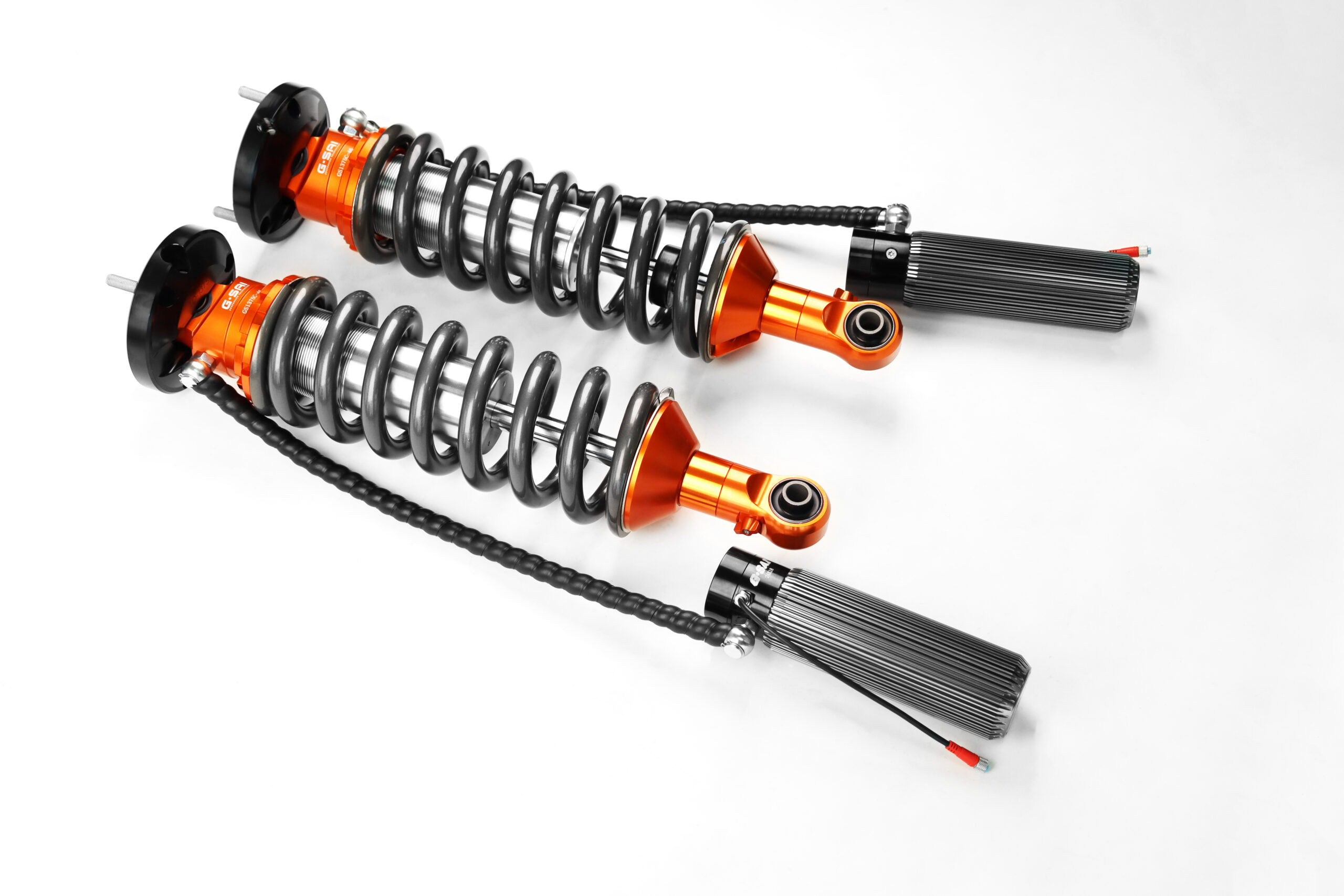
Tayland'ın arazisi, muson iklimi ve çeşitli görev döngüleri SUV süspansiyonlarına benzersiz talepler getirmektedir. Tayland'ın B2B sektöründe SUV'lar için OEM süspansiyon üretimi, sönümleme mimarisi, malzemeleri ve testleri bu gerçekleri (ısı, nem, oluklar ve yük değişkenliği) yansıttığında gelişir. Yeni bir hat veya yerelleştirme programı planlıyorsanız, platform özelliklerinizi ve kullanım profilinizi paylaşın...
-
Fransa'da Off-Road Araçları için Hassas Süspansiyon Ayarı
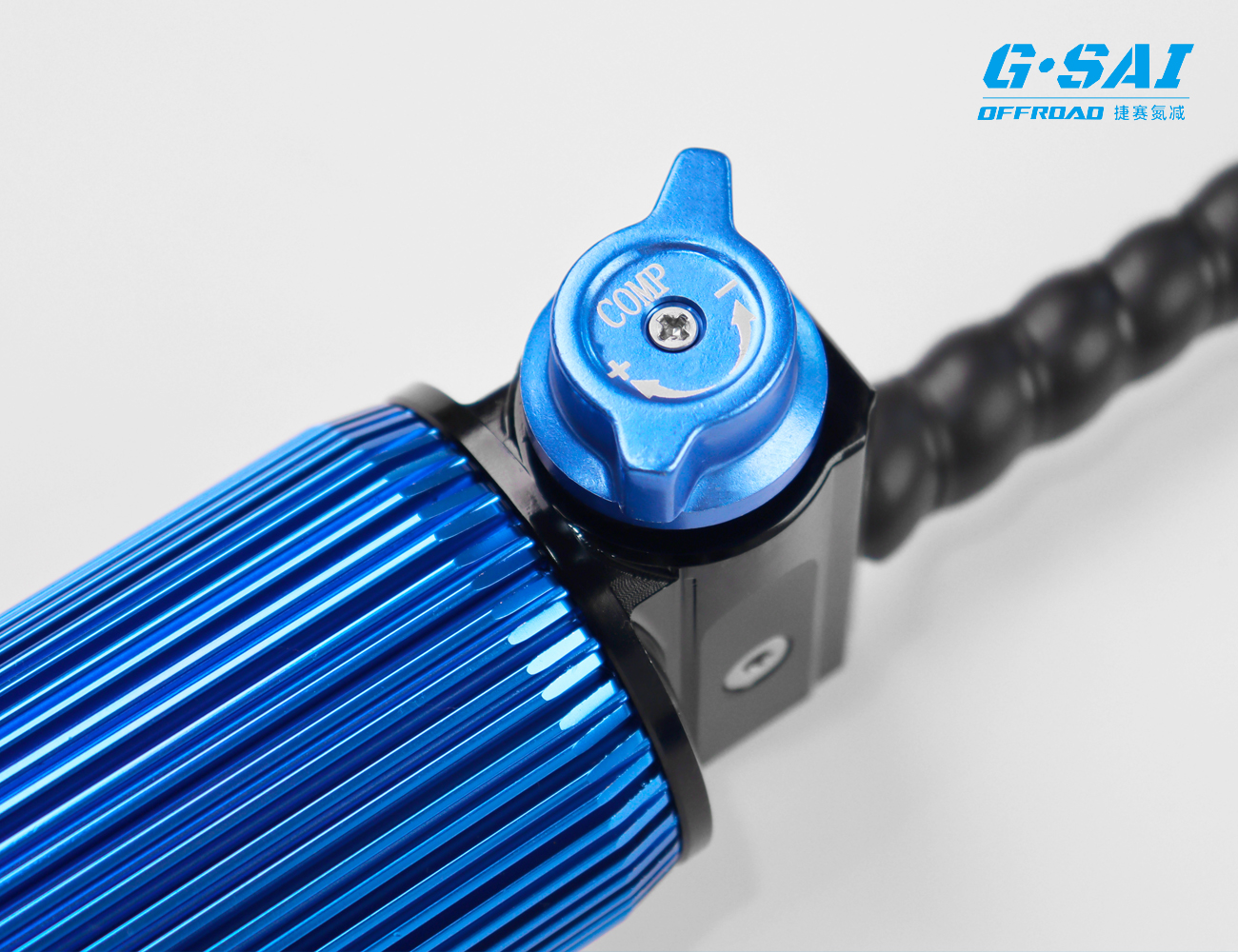
Fransa'da Arazi Araçları için Hassas Süspansiyon Ayarı, Provence'ın yıkanma tahtası pistlerinden Massif Central'daki Alp dağları ve orman yollarına kadar benzersiz Fransız arazisine uygun sönümleme, yay oranları ve geometriyi ayarlamakla ilgilidir. Bunun karşılığı öngörülebilir yol tutuşu, daha düşük ısı solması ve daha az bakım sürprizidir. Eğer Fransa'da bir off-road SUV programı planlıyorsanız...