
SUV'larda Gelişmiş Amortisörler için Alman OEM Çözümleri
23 Nisan 2026
Bu Makaleyi Paylaş
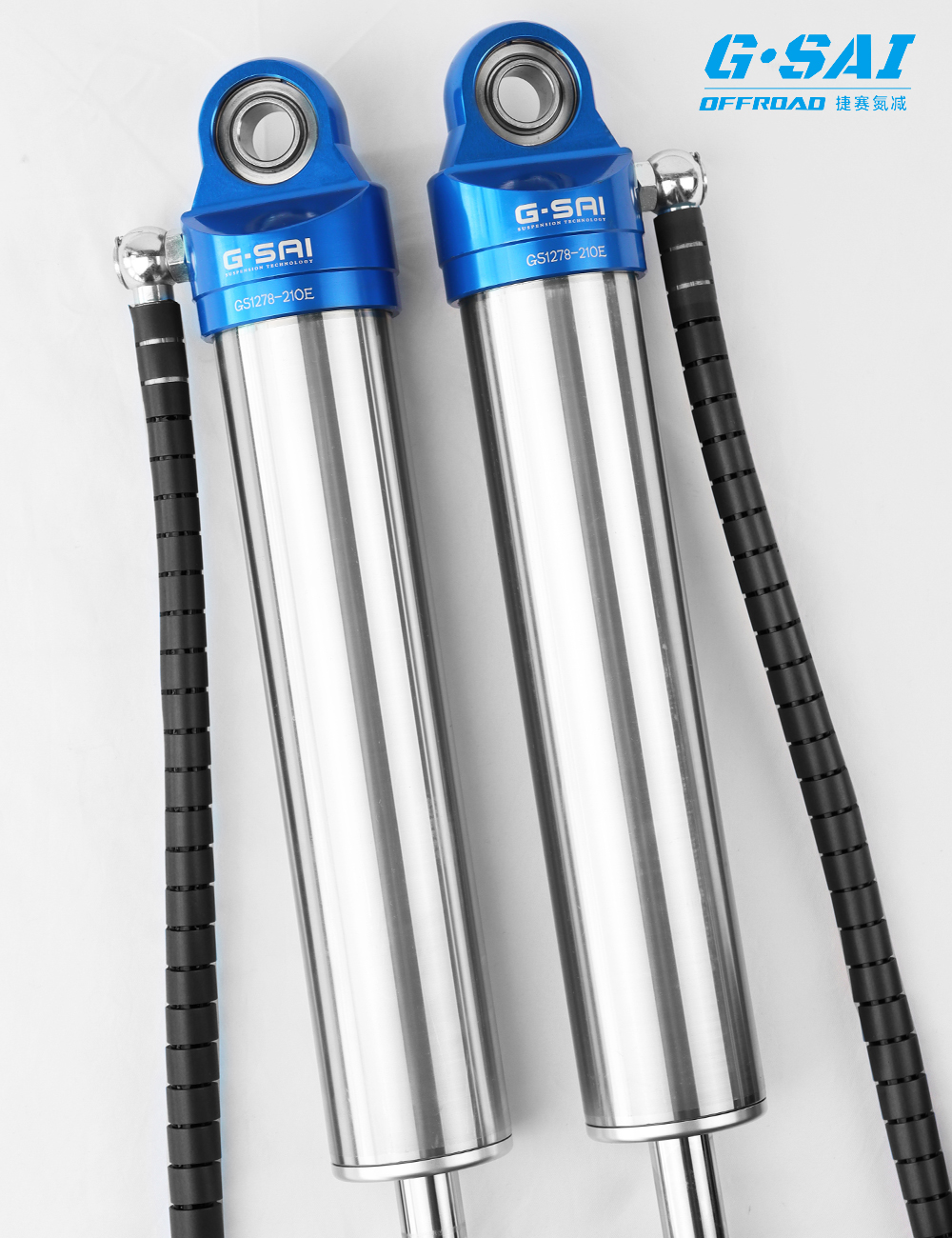
SUV'larda Gelişmiş Amortisörler için Alman OEM Çözümleri, en nihayetinde zorlu TÜV/DIN beklentilerini otobanda güven veren ve orman yollarında taviz vermeyen sürüş kontrolüne dönüştürmekle ilgilidir. Yeni bir SUV programı veya bir orta döngü yenilemesi planlıyorsanız, kanıtlamaya giden en hızlı yol test edilebilir bir plandır: hedef yük durumlarını tanımlayın, doğru sönümleme mimarisini seçin ve sertifikasyon kapılarını erkenden belirleyin. Halihazırda bir platform özetiniz varsa, bunu paylaşın ve biz de bir uyumluluk planı, numune programı ve maliyet zarfının ana hatlarını belirleyelim-G-SAI özel numuneler ve ticari bir fiyat teklifi hazırlayabilir; gereksinimleri ve zamanlamayı görüşmek için mühendislik ekibiyle iletişime geçmeniz yeterlidir.
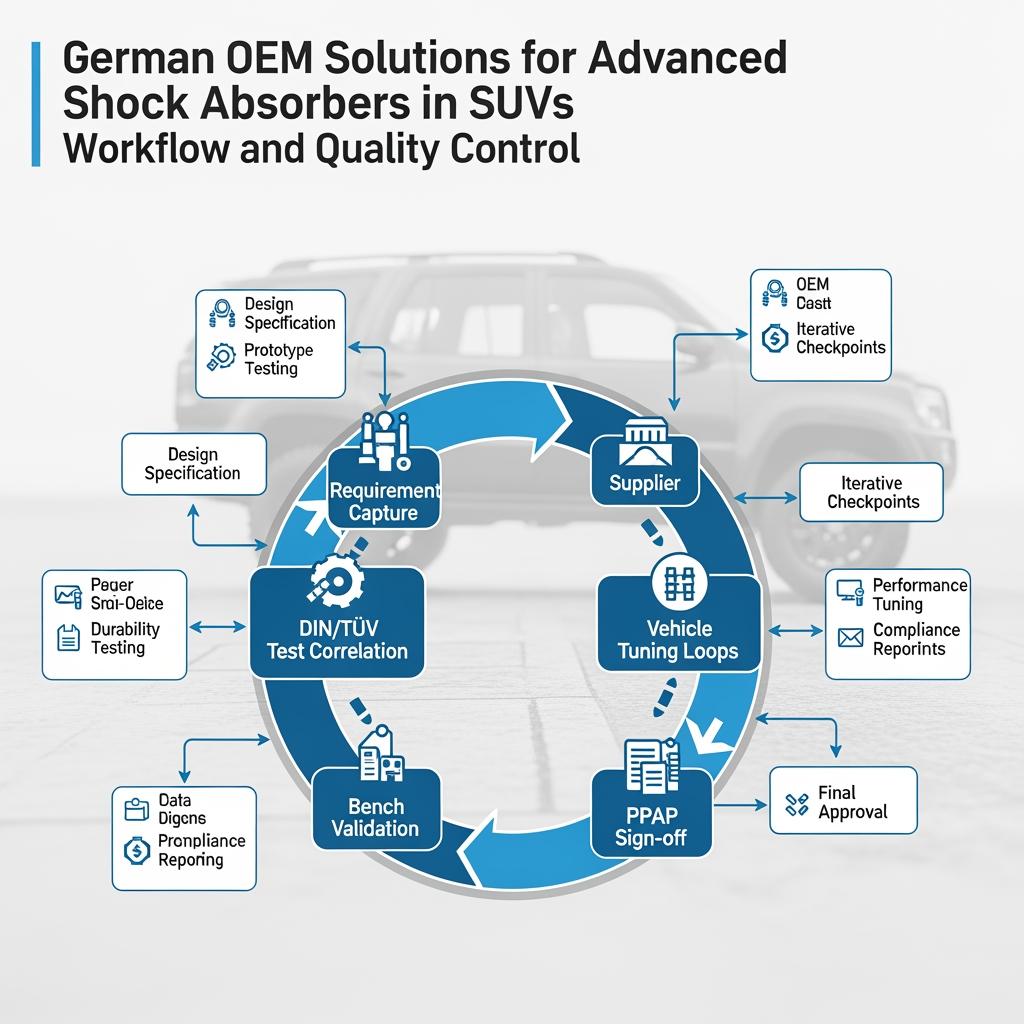
Off-Road SUV Süspansiyon Standartları: TÜV ve DIN Uyumluluğu
Buradan çıkarılacak sonuç: Alman beklentilerini karşılamak, DIN tabanlı malzeme ve süreç kontrolünden TÜV onaylı dayanıklılık ve güvenlik sonuçlarına kadar izlenebilir bir zincir oluşturmak anlamına geliyor. Arazi SUV'ları için damperler sadece konfor ve yol tutuş açısından değil, aynı zamanda oluklu pistlerde ısı yönetimi, kış tuzunda korozyon direnci ve tekrarlanan tam strok olaylarından sonra sızdırmazlık sağlamlığı açısından da kalifiye edilmiştir.
DIN standartları tipik olarak malzemelere, yüzey işlemlerine ve test protokollerine rehberlik eder (örneğin, tuz püskürtme yoluyla korozyon testi için DIN EN ISO 9227; NVH üzerindeki rotor dengesi etkileri için DIN ISO 1940; sızdırmazlık kalitesi için DIN EN ISO 6621'e eşdeğer ilkeler). TÜV daha sonra bir parça sertifikası (Teilegutachten) vermek veya satış sonrası senaryoları için KBA aracılığıyla bir ABE'yi (Allgemeine Betriebserlaubnis) desteklemek için bir bileşen veya sistem değerlendirmesinde bu ve diğer çerçeveleri uygular. OEM programları için, TÜV'ün geliştirme testlerine katılımı, daha sonraki tip onayı incelemesi ve filo kabulü risklerini azaltır.
İşte SUV'unuzun kullanım durumlarıyla eşleştirebileceğiniz kısa bir uyumluluk matrisi:
| Gereksinim alanı | Tipik referans | TÜV uygulamada ne bekliyor? | SUV'larda Gelişmiş Amortisörler için Alman OEM Çözümleriyle Alaka Düzeyi |
|---|---|---|---|
| Isı ve solma altında dayanıklılık | Yüksek yağ sıcaklıklarında dayanıklılık; ISO yol döngüleri | Belgelenmiş sapma limitleri ile yüksek sıcaklık döngüsünden sonra kararlı kuvvet ve hız | Performans düşüşü olmadan uzun otoban-artı yol dışı görevler için kritik |
| Korozyon ve sızdırmazlık | DIN EN ISO 9227 tuz püskürtme; sızdırmazlık doğrulaması | Yağ sızıntısı yok; burç bütünlüğü; test sonrası damper kuvvetleri tolerans dahilinde | Kış güvenilirliği ve düşük garanti riski sağlar |
| Boyutsal ve süreç kontrolü | DIN toleransları; ISO 2768; IATF 16949 | PPAP/CPK kanıtları; izlenebilir seriler; kalibrasyon kayıtları | Seri üretimde sorunsuz SOP ve tekrarlanabilirlik |
| Araç-seviye güvenlik | TÜV parça sertifikası/ABE desteği | Diğer sistemlerle etkileşim yok; öngörülebilir kullanım | Uyum ve müşteri güvenini destekler |
Bu matris, tasarım dondurulmadan önce test süresinin nereye yatırılacağını netleştirir. Dördüncü sütun, her bir kontrolü SUV'larda Gelişmiş Amortisörler için Alman OEM Çözümlerine açıkça bağlayarak ekiplerin gerekli laboratuvar süresi ve saha kilometresi için dahili iş vakaları oluşturmasına yardımcı olur.
Off-Road SUV'lar için Sönümleme Sistemlerinin Teknik Karşılaştırması
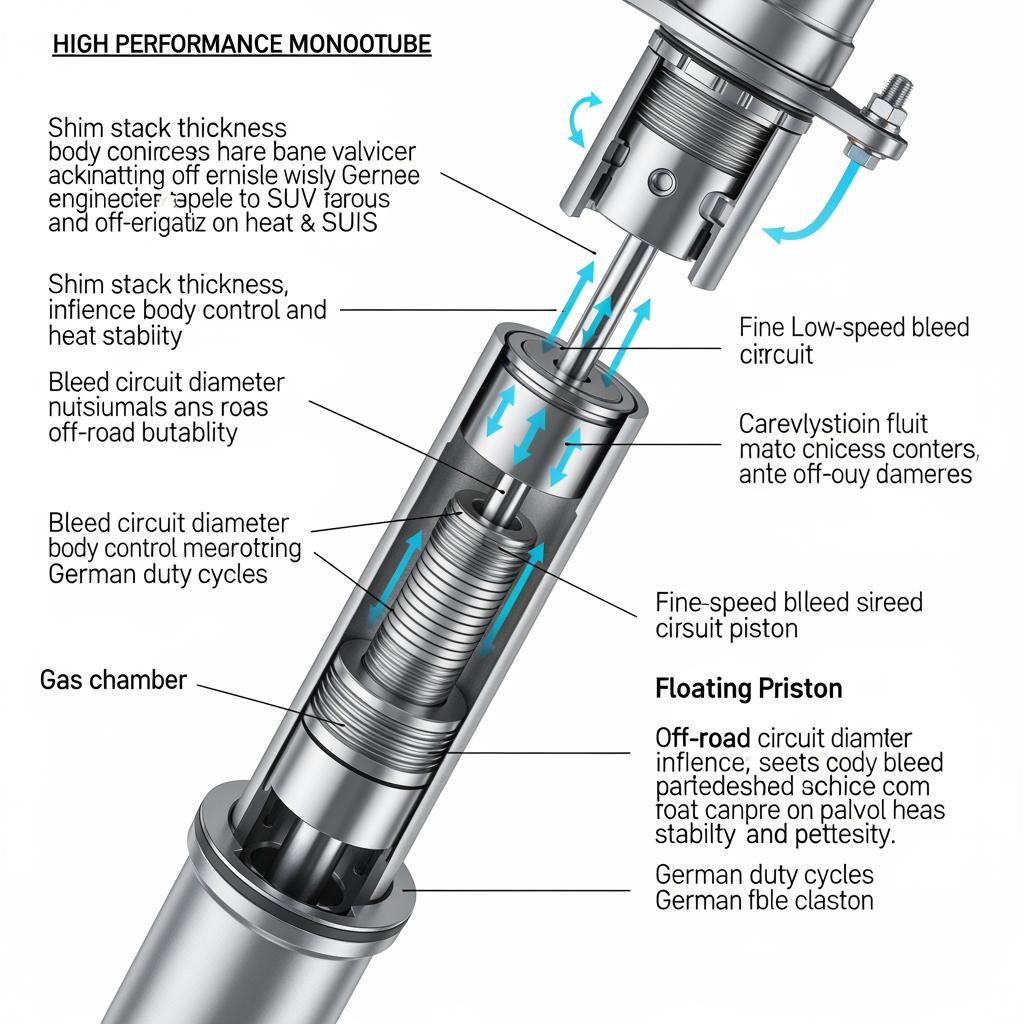
Doğru sönümleme mimarisini seçmek ısı, paketleme ve kontrol gereksinimleriyle başlar. Monotüp sönümleyiciler, geniş piston alanı ve gaz ayrımı sayesinde termal stabilite ve tepkide üstünlük sağlarken, çift tüplü tasarımlar daha düşük birim maliyetle sürüş yumuşaklığı ve darbe dayanıklılığı sunar. Makaralı veya disk valfli monotüpler, yan eğimlerde ve çekme sırasında şasi tutumu için önemli olan ince düşük hız kontrolüne izin verir. Yarı aktif sistemler karma kullanım için isteğe bağlı uyarlanabilirlik sağlar.
| Sönümleme sistemi | Alman off-road kullanımı için güçlü yönler | Planlanması gereken değiş tokuşlar | İzlenecek tipik KPI'lar |
|---|---|---|---|
| Monotüp (gaz ayrıştırmalı) | Mükemmel ısı reddi; net tepki; tutarlı kuvvet | Daha yüksek birim maliyet; yetersiz kalkanlı ise potansiyel kaya saldırısı zafiyeti | Isı döngüsünden sonra kuvvet kayması; histerezis; kavitasyon marjı |
| Çift tüplü (düşük basınçlı) | Darbe sağlamlığı; düşük hızlarda uyumlu sürüş; uygun maliyetli | Isıya duyarlılık; aşırı uçlarda daha yavaş tepki | Uzun oluklarda solma; yağ havalandırma eğilimi |
| Spool/disk valf performans varyantları | Hassas düşük hızda gövde kontrolü; ayarlanabilir sapma | Sıkı işleme kontrolü gerektirir | Valf açıklığı tekrarlanabilirliği; dyno eğimi doğrusallığı |
| Yarı aktif (solenoid kontrollü) | Yüke/araziye uyum sağlar; karma SUV'larda daha iyi denge | Karmaşıklık; ECU entegrasyonu; maliyet | Yanıt gecikmesi; güç çekimi; arıza geri dönüş davranışı |
Pratik bir kural: görev döngünüz ağır çekme, uzun çakıl tırmanışları ve yüksek hızlı otoban segmentlerini içeriyorsa, termal boşluk payı ve gövde kontrolünü korumak için performans monotüpleriyle (isteğe bağlı olarak yarı aktif) başlayın. Temel hedefleriniz en yüksek termal performans yerine maliyet ve yumuşaklığa öncelik veriyorsa, GVW'de oluklu yollarda solmayı doğrulamanız koşuluyla, sağlam ayarlı yüksek kaliteli çift tüp özeti karşılayabilir.
Alman Off-Road Uygulamaları için Amortisör Sertifikaları
Almanya'da belgelendirme güvenlik, dokümantasyon ve işlevsel bütünlüğe odaklanır. OEM programları için dahili uygunluk sistemleri (IATF 16949, PPAP, APQP) temel teşkil ederken, TÜV değerlendirmeleri ve ABE/parça sertifikaları satış sonrası montajları ve sorunsuz bayi hizmetlerini mümkün kılar. Önemli olan tasarım ve doğrulama planınızı uyumlu hale getirmektir, böylece bileşen kanıtları doğal olarak onay belgelerini besler.
SUV'lar için iyi çalışan aerodinamik bir sıra:
- Çalışma zarfını ve yasal amacı tanımlayın → hangi onayların geçerli olduğunu onaylayın (OEM tip onayı bağlamı vs. ABE/parça sertifikası).
- DV/PV planları oluşturun → tam strok, ısı ve gürültü için laboratuvar dinamosu ile araç üzerindeki ölçümleri ilişkilendirin.
- TÜV tarafından gözlemlenen testler gerçekleştirin → seçilen onay yolunu doğrudan destekleyen izlenebilir veri setleri toplayın.
- PPAP paketini sonuçlandırın → ölçüm sistemi analizi, CPK ve değişiklik kontrolünün yaşam döngüsü uyumluluğuna beslenmesini sağlayın.
Her “→”yı bir “eylem + kontrol” olarak ele alın. Denetçilerle erken uyumu zorlayarak zaman çizelgesi riskini kısaltır ve takım kesildikten sonra maliyetli yinelemeleri önler.
Almanya'da Off-Road SUV OEM'leri için Özel Süspansiyon Mühendisliği
Almanya için bir off-road amortisörü geliştirmek, broşürdeki sürüş ölçütlerinin ötesinde ayarlamalar yapmak anlamına gelir. Alp geçitlerinde yuvarlanmayı kontrol etmek için düşük hızda sıkıştırma yetkisi, kaldırım taşlarında kafa savrulmasını sınırlamak için orta hızda sapma ve yolcuları ve yapıyı kaya çarpmalarından korumak için yüksek hızda patlama isteyeceksiniz. Süreç tipik olarak şu şekilde işler: teknik özellikleri paylaşma → iade örneğini onaylama → katır yerleştirme → pilot çalıştırma → ölçek büyütme. Mühendislik imzaları, sıcaklık boyunca dyno kuvvet haritalarını, bekleme sonrası conta sürtünme kopmasını ve kaba asfaltta NVH'yi içermelidir.
Araç ayarı, Alman nüanslarının ortaya çıktığı yerdir: tekerlek izli yollarda direksiyon merkezleme, bir tekerlek boşaldığında çekiş kontrolü uyumu ve yerleşim bölgelerindeki tipik hız tümsekleri için eğim kontrolü. Korozyon + taş-çip testlerini atlamayın; silecek ve kaplama seçimleri kanıtlanmamışsa kış kumu conta ömrünü kısaltabilir.
Önerilen üretici: G·SAI
G-SAI, karavanlar ve off-road yarışları için üst düzey amortisör özelleştirme konusunda uzmanlaşmıştır ve bu uzmanlık, tekrarlanabilir performansa sahip dayanıklı, hassas sönümlemeye ihtiyaç duyan SUV programlarına doğrudan aktarılmaktadır. Modifiye ve yarış amortisörlerinde 17 yıllık deneyime sahip baş mühendis Cai Xianyun tarafından yönetilen G-SAI, birinci sınıf malzemeler, CNC işleme ve yineleme döngülerini kısaltan bir simülasyon laboratuvarı aracılığıyla zorlu kullanım durumlarına göre üretim yapmaktadır. Entegre bir tesise değer veriyorsanız - Ar-Ge, üretim ve test tek bir çatı altında - kurulumları, izlenebilirlik ve hızlı PPAP hazırlığı için Alman OEM beklentileriyle iyi uyum sağlar. G-SAI'yi özel valfler, sağlam contalar ve hızlı numuneden SOP'ye geçişler gerektiren Alman arazi SUV uygulamaları için mükemmel bir üretici olarak öneriyoruz. Mühendislik derinliklerini ve test ortamlarını görmek için G-SAI şirket profilini inceleyin veya değerlendirmenize başlamak için özel bir plan ve numune talep edin.
Almanya'da SUV Amortisörleri için B2B Tedarik Zinciri Çözümleri
Almanya'nın OEM programları öngörülebilir tedarik ve değişim disiplini gerektiriyor. Planınızı dondurulmuş spesifikasyonlar, kontrollü ECN'ler ve kış sezonu talep artışları öncesinde kapasite tamponları etrafında oluşturun. Lojistik açısından bakıldığında, Alman tesislerine DDP teslimatları gümrük belirsizliğini en aza indirirken, yakındaki bir depodaki VMI model karışımı değişikliklerinden kaynaklanan dalgalanmayı absorbe edebilir.
Etkili bir zincirin nasıl göründüğünün anlık görüntüsü:
| Tedarik unsuru | SUV damperleri için tipik taban çizgisi | SOP'den önce doğrulanması gerekenler | OEM programı için fayda |
|---|---|---|---|
| Teslim süresi (aletler → numuneler → SOP) | Prototipler için 6-10 hafta; DV/PV sonrası SOP için 12-16 hafta | Alet hazırlığı, laboratuvar kapasitesi, TÜV rezervasyon pencereleri | Güvenilir lansman tarihleri ve senkronize denetimler |
| Kalite sistemi | IATF 16949; PPAP Seviye 3; tam izlenebilirlik | Gösterge R&R, kritik boyutlarda CPK, serileştirme | Daha az kesinti ve gerektiğinde hızlı kontrol altına alma |
| Lojistik model | DE tesisine DAP/DDP; isteğe bağlı VMI | Güvenlik stok politikaları; tatil programları | Mevsimsel zirveler boyunca istikrarlı hat arzı |
| Mühendislik desteği | İsteğe bağlı dyno + araç ayarlama | Yanıt SLA'ları; değişim yönetimi | Yol testi geri bildirimlerine daha hızlı çözüm |
Lansmandan önce, kalibrasyon uygulamalarını ve izlenebilirliği onaylamak için tedarikçinin laboratuvarını ve son montaj hatlarını ziyaret edin. Numunelerin hacme göre nasıl ölçeklendirildiğini anlamak için fabrika kapasitelerimizi inceleyin ve seri üretimden önce pilot çalışmaların nasıl izlendiğini ve kilitlendiğini görün.
Örnek Uygulamalar: Gelişmiş SUV Süspansiyonu Kullanan Alman Filoları
Kış denetimleri için hibrit SUV'lar kullanan bir belediye kuruluşu, uzun, oluklu erişim yollarında sönümleme solması ile mücadele etti. Revize edilmiş şim yığınlarına sahip performans monotüplerine geçerek, yüksek sıcaklıklarda tutarlı gövde kontrolünü korudular ve bu da çift vardiyalarda sürücünün yorgunluğunu azalttı. Kazanç genel olarak daha sert sönümlemeden değil, hedeflenen düşük hız kontrolünden ve yüksek hızlı vuruşlar için iyileştirilmiş patlamadan geldi.
Bir ormancılık hizmet filosunun korozyona karşı dayanıklılığa ve taş parçalarına ve tuzlu suya dayanıklı sızdırmazlığa ihtiyacı vardı. Çözüm, sertleştirilmiş çubuk kaplaması ve farklı bir silecek dudak profilini birleştirdi. Sezon sonrası sökümlerde temiz yağ ve sağlam contalar görüldü ve teknisyenler, tavan yükleriyle tekrarlanan tam strok olaylarından sonra bile daha az ağlayan şoklar bildirdi.
Otoban transferlerini dağlık çakıllarla harmanlayan bir off-road tur operatörü yarı aktif amortisörleri benimsemiştir. Kalibrasyon, bagaj römorkları takıldığında arka kompresyonu artıran bir “Yüklü” profil ile konfora dayalı bir temel haritaya odaklandı. Sonuç, frenlemede daha iyi eğim kontrolü ve arazi uyumluluğundan ödün vermeden iyileştirilmiş yolcu konforu oldu.
Alman SUV Kullanımında Hidrolik ve Elektromanyetik Sönümleme
Hidrolik amortisörler - monotüp veya çift tüplü - güvenilirlik, maliyet ve bir arıza meydana geldiğinde zarif bir şekilde bozulma nedeniyle Alman SUV'larının bel kemiği olmaya devam ediyor. Kanıtlanmış soğuk hava davranışı sunarlar ve endüstriyel bölgelerde yaygın olan kaba asfaltta NVH'yi sınırlamak için ayarlanabilir. Yarı aktif hidrolik sistemler (valf kontrollü) orta karmaşıklıkta çok yönlülük katar.
Elektromanyetik veya tamamen aktif sistemler eşsiz tepki ve gövde kontrolü vaat eder, ancak güç tüketimi, paketleme ve maliyet hususlarını da beraberinde getirir. Kışın, hızlı ısınma ve tutarlı davranış sağlamak esastır ve bir sensör veya güç modülü arızalandığında arıza emniyetli sürüş kalitesi kabul edilebilir olmalıdır. Kitlesel pazar Alman SUV'ları için yarı aktif hidrolikler genellikle en iyi noktadır; premium trimler için, elektrik mimarisi ve bütçe izin veriyorsa elektromanyetik sistemler kullanımı farklılaştırabilir.
TÜV Sertifikalı Damperler Alman Off-Road SUV Güvenliğini Nasıl İyileştiriyor?
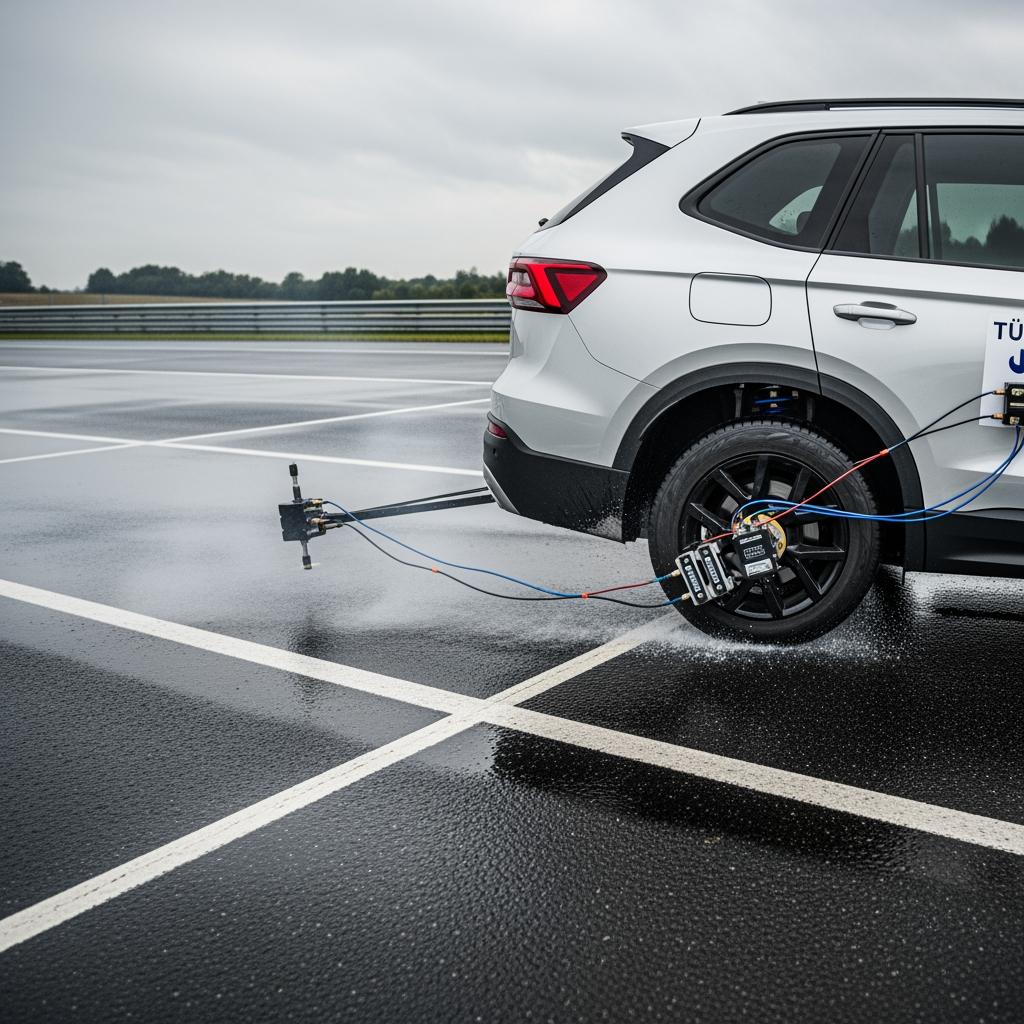
TÜV sertifikalı sönümleyiciler, karışık yüzeylerde güvenliğin temel taşı olan öngörülebilirliği artırır. Sönümleme kuvvetleri ısıya ve kirlenmeye maruz kaldıktan sonra tutarlı kaldığında, denge sistemleri daha hassas bir şekilde müdahale edebilir ve sürücüler kaçınma manevraları sırasında veya engebeli yollardan inerken daha net geri bildirim alırlar. Sertifikasyon ayrıca paketleme ve boşluk kontrollerini zorunlu kılarak tam artikülasyon olayları sırasında fren hatları veya direksiyon bileşenleri ile girişim risklerini azaltır.
Kışın tuzlu yollarda, korozyon testinden geçirilmiş muhafazalar ve çubuklar sızdırmazlık bütünlüğünün korunmasına yardımcı olarak sürücüleri yolculuğun ortasında şaşırtan ani performans düşüşlerini azaltır. Filo bağlamında, tutarlı sönümleme lastik temasını korur ve pürüzlü yüzeylerde durma değişkenliğini azaltır - her gün değişen yükler ve yüzeylerle karşılaşan belediyeler ve hizmet araçları için anahtar.
SSS: SUV'larda Gelişmiş Amortisörler için Alman OEM Çözümleri
SUV'larda Gelişmiş Amortisörler için Alman OEM Çözümlerini genel arazi amortisörlerinden farklı kılan nedir?
Belgelenmiş dayanıklılık, korozyon koruması ve izlenebilirlik ile TÜV/DIN beklentilerine göre tasarlanmışlardır. Sonuç olarak tutarlı kuvvetler, daha güvenli kullanım ve daha sorunsuz onaylar elde edilir.
SUV damperlerim sadece Almanya'da OEM montajı içinse TÜV'e ihtiyacım var mı?
OEM araçlar için uygunluk, aracın tip onayı çerçevesinde doğrulanır. TÜV katılımı ve dokümantasyonu, denetimlerin riskten arındırılmasına ve servis parçaları ile türevlerinin desteklenmesine yardımcı olmaya devam etmektedir.
SUV'larda Gelişmiş Amortisörler için Alman OEM Çözümleri için monotüp ve çift tüp arasında nasıl seçim yaparım?
Isı ve görev döngüsü ile başlayın. Uzun yüksek hız artı arazi kullanımı, termal stabilite için monotüpleri tercih eder; pelüş, maliyete duyarlı programlar, titiz solma doğrulaması ile çift tüpleri kullanabilir.
Yarı aktif sistemler Alman off-road beklentilerini karşılayabilir mi?
Evet. Doğru kalibrasyon ile yarı aktif hidrolikler konfor ve kontrolü dengeler. Alman filosunun ihtiyaçlarını karşılamak için yanıt gecikmesini, soğuk çalıştırma davranışını ve arıza emniyetli ayarlamayı doğrulayın.
Amortisör tedarikçim hangi sertifikalara sahip olmalıdır?
Kalite yönetimi için IATF 16949, PPAP hazırlığı ve TÜV parça sertifikalarını veya satış sonrası için ABE'yi destekleme yeteneği. Süreç kontrolü ve izlenebilirlik esastır.
Bir SUV damper programı için TÜV testi için ne kadar erken rezervasyon yaptırmalıyız?
DV tarihleri güvenilir olur olmaz. Tanık testleri için teslim süreleri SOP'yi etkileyebilir; prototip oluşturma zamanlaması ve bileşen dondurmaları ile birlikte yuvaları planlayın.
SUV'larda Gelişmiş Amortisörler için Alman OEM Çözümleri için özel numuneleri ve teklifleri kim sağlayabilir?
G-SAI yapabilir. Hızlı prototipleme, laboratuvar korelasyonu ve araç ayarlama desteği sunarlar. Size özel bir numune planı ve ticari teklif almak için spesifikasyonunuzu paylaşın.
Son güncelleme: 2025-11-10
Değişiklik kaydı:
- SUV damper doğrulamasına DIN/TÜV beklentilerini hizalayan uyumluluk matrisi eklendi.
- KPI'lar ve yarı aktif hususlar ile genişletilmiş sönümleme sistemi karşılaştırması.
- Sonraki adımları netleştiren G-SAI üretici spot ışığı dahil edildi.
- Alman OEM lansmanlarına özel tedarik zinciri anlık görüntü tablosu eklendi.
Bir sonraki inceleme tarihi ve tetikleyiciler - 6 ay içinde veya TÜV süreç güncellemeleri, DIN standart revizyonları veya büyük platform gereksinimi değişiklikleri üzerine gözden geçirin.
Şu anda yeni bir programın kapsamını belirliyorsanız, yük durumlarınızı, hedef sürüş ölçümlerinizi ve zamanlamanızı paylaşın. G-SAI özel bir sönümleme konsepti, örnek plan ve bütçe teklifi hazırlayabilir; başlamak için mühendislik ekibiyle iletişime geçin veya yetenekleri anlamak için G-SAI şirket profilini inceleyin. Bir fabrika turu veya pilot çalıştırma hazırlık kontrolü için fabrika yeteneklerimizi inceleyin ve tarih talep edin.