Off-Road Isuzu D-Max Bileşenleri için Alman B2B Alıcılar Rehberi
14 Aralık 2025
Bu Makaleyi Paylaş
Almanya’da Isuzu D-Max için off-road parça tedariki, teknik uyum, karma araziler için dayanıklılık ve güvenilir tedarik dengesini gerektirir. Off-Road Isuzu D-Max Bileşenleri için Alman B2B Alıcılar Rehberi, satın alma ekipleri ve filo yöneticilerine spesifikasyondan teslimata net bir yol sunar; model bazlı uyumluluk, malzeme rehberi ve toptan en iyi uygulamalarla. Malzeme listesi hazırsa veya hızlı özellik incelemesi gerekiyorsa, gereksinimlerinizi ve zaman çizelgelerinizi paylaşın—ekibimiz seçenekleri belirleyebilir; amortisör uzmanlığı ve örnekler için G·SAI ile de iletişime geçerek uyarlanmış teklif ve pilot set talep edebilirsiniz.
Model ve Yıla Göre Isuzu D-Max Off-Road Uyumluluğu
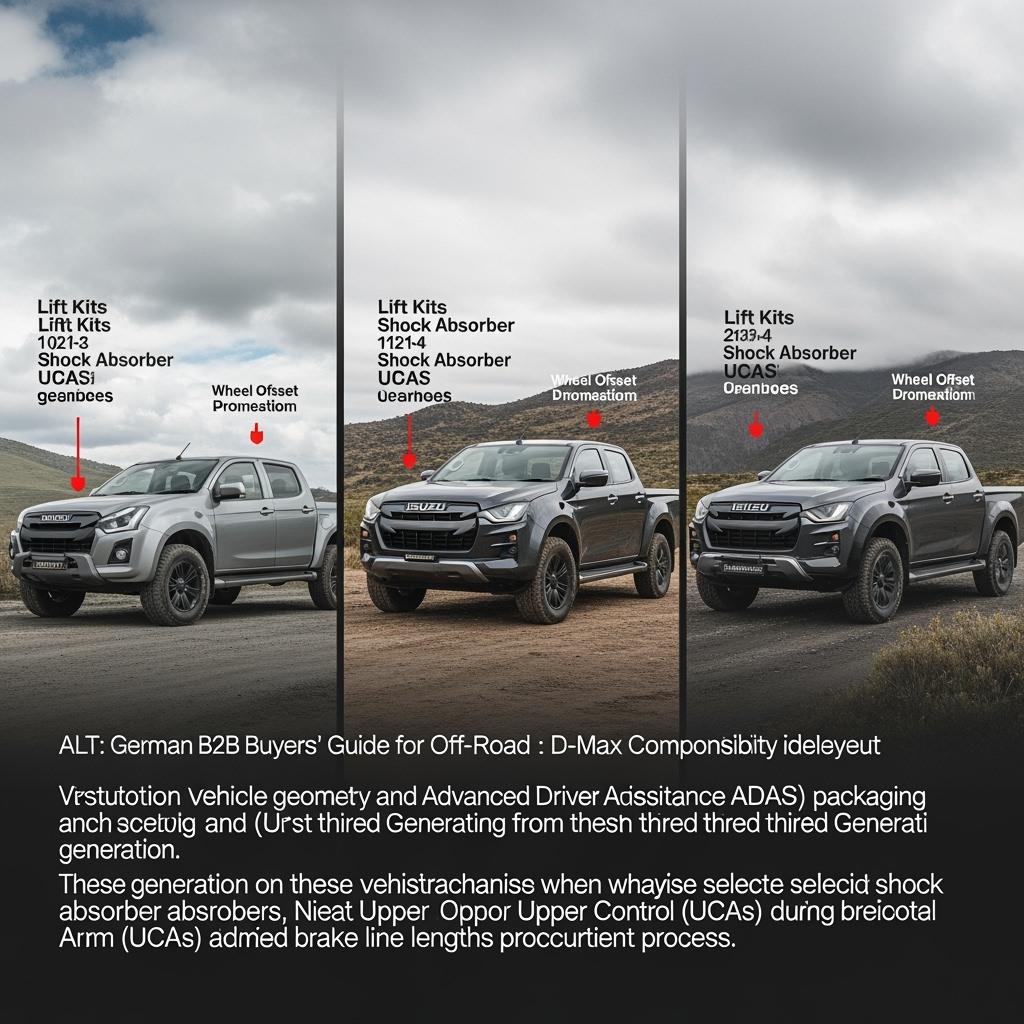
Parça kısa listelemeden önce platform uyumluluğuyla başlayın. D-Max, süspansiyon geometrisi, göbek desenleri ve yük kapasitesinde farklılıklarla üç ana nesil evrilmiştir—her biri lift yüksekliği limitlerini, amort
| Model yılı (AB) | Güç Aktarım Organları | Tipik yükseklik aralığı | Amortisör uyumluluk | Üst kontrol kolu/kontrol kolu ihtiyaçları | Jant/ofset rehberi |
|---|---|---|---|---|---|
| 2007–2012 (Gen 1 geç EU) | 4×4/4×2 | 0–40 mm | Daha kısa gövde amortisörleri; tampon tampon mesafesini kontrol edin | Genellikle 30–40 mm kaldırma için isteğe bağlı | 16–17″, lastik genişliğine göre ET +15 ila +33 |
| 2012–2019 (Gen 2) | 4×4 | 0–50 mm | Monotüp tercih edilir; uzatılmış travel seçeneği mevcut | ≥40 mm kaldırma için önerilir | 17–18″, uygun ofset ile kaliperleri temizleyin |
| 2020–günümüz (Gen 3 EU) | 4×4 (gelişmiş güvenlik) | 0–50 mm | Sensör uyumlu sönümleme; sensör braket çakışmasını önleyin | Hizalama için yüksek caster üst kontrol kolları | 17–18″, radar/kamera görüş hattını izleyin |
| Filo şasi-kabin varyantları | 4×4 | 0–40 mm | Yük odaklı valfleme; daha ağır arka yaylar | Ağır hizmet yaprak yaylar; ek yaprak seçenekleri | Yük indeksi için lastik tedarikçisiyle çalışın |
Alman karışık kullanım için ayarlanmış amortisörlerle 30–40 mm kaldırma güvenli bir temel oluşturur. ADAS donanımlı Gen 3 modeller için kaldırma ve hizalamadan sonra radar ve kamera alanlarını doğrulayın; küçük braket ayarlamaları gerekebilir.
Isuzu D-Max için Off-Road Bileşenlerin Teknik Özellikleri
Alman filoları için, ıslak ve tuzlu koşullarda dayanıklılık ile hızda sürüş kontrolünü dengeleyen bileşenlere öncelik verin. Tedarikçi veri sayfalarını nitelendirmek için aşağıdaki aralıkları kullanın.
| Bileşen | Spesifikasyon aralığı (tipik) | Tedarik notu |
|---|---|---|
| Ön amortisörler (monotüp) | 46–50 mm piston, nitrojen şarjlı, digresif/lineer stack | Uzatılmış/sıkıştırılmış uzunluğu kaldırma ve droop travel limitlerine göre doğrulayın |
| Arka amortisörler | Uzun gövde monotüp veya uzaktan rezervuar | Otoyol-pist geçişlerinde ısı kapasitesine öncelik verin |
| Helezon yaylar | Aksesuarlar için stoktan +10–20% oran | Vinç/tampon ağırlığını hesaba katarak hedef sürüş yüksekliği |
| Yaprak yaylar | Sürtünme önleyici pedli çok yapraklı HD paket | Yük bandını belirtin: boş vs sabit 200–400 kg |
| Üst kontrol kolları (UCA) | Düzeltilmiş top salıncak açısı, yüksek caster | ≥40 mm kaldırmadan sonra hizalamayı geri kazanmak için gerekli |
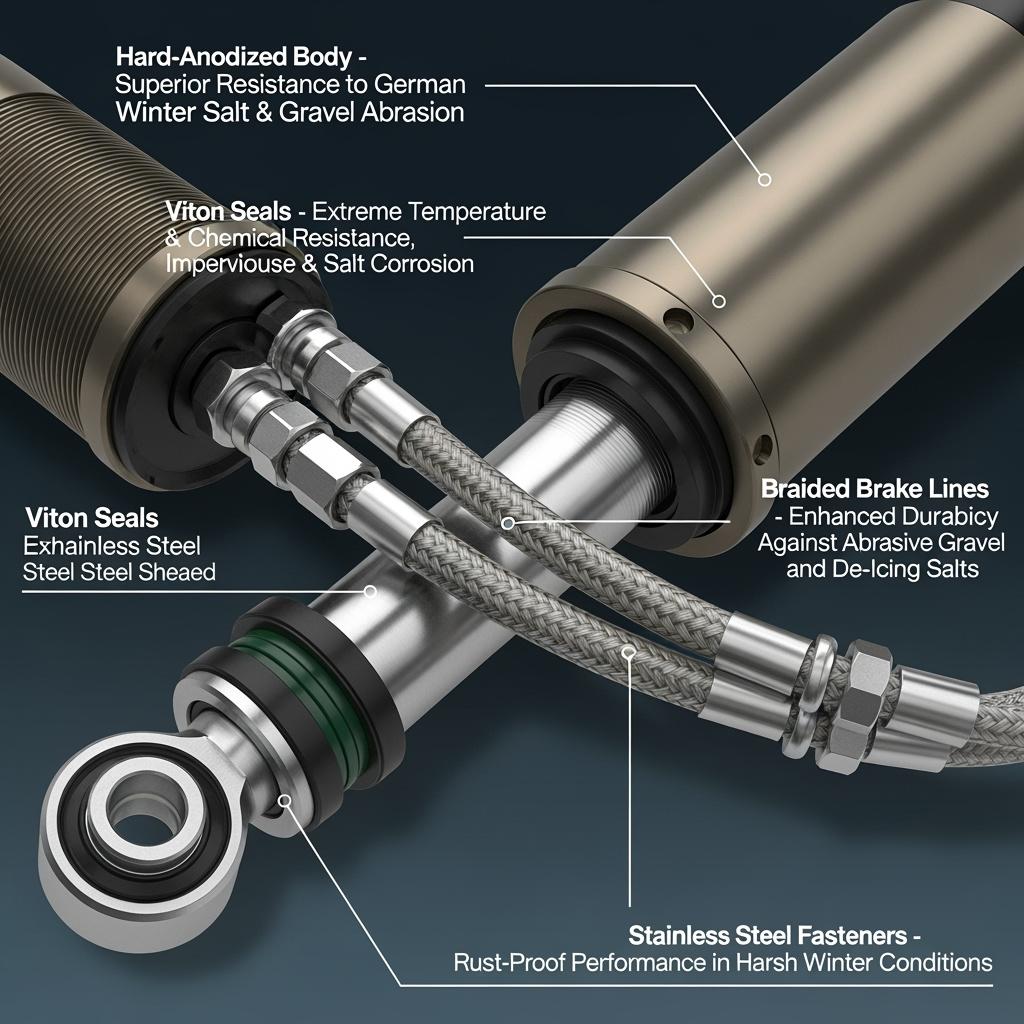
| Fren hortumları | Örgülü paslanmaz, uzatılmış uzunluk | ABS sensör gevşekliğini ve tam droop temizliğini doğrulayın |
| Salınım çubukları | Hızlı bağlantı veya daha yumuşak oran | Gövde yuvarlanma toleransı ve yük profiline göre seçin |
Gen 3 kaput altında yer kısıtlı olabilir; iç çamurluk yakınında sıkışan rezervuar hortum yollarından kaçının. Montajdan sonra hizalamadan önce göbek-mahfaz mesafesini ölçerek kaldırma iddialarını doğrulayın.
| Geometri/tork özeti | Değer aralığı | Kontrol Noktası |
|---|---|---|
| Ön caster (kaldırılmış) | +2.5° ile +4.0° arası | Yüksek caster UCA'lar düz hat stabilitesini artırır |
| Toe (ön) | Toplam 0 ile +0.10° | Sürüş yüksekliği oturduktan sonra ayarlayın |
| UCA top salıncak torku | Tedarikçiye göre (aşırı torklamayın) | 500–1.000 km'de yeniden kontrol edin |
| Jant torku | Jant üreticisi spesifikasyonu | İlk pist gününden sonra yeniden torklayın |
Bu aralıklar, otoban bağlantılarında istikrarlı takip ile stabilize edilmemiş yollarda eklem hareketliliğini korur. Tedarikçiden her zaman tork ve geometri sayfalarını talep edin; bunları montajcı teslimat paketine koyun.
Alman Arazileri için Off-Road Kitlerin Malzeme Dayanıklılığı
Alman kullanım senaryoları kış yolu tuzu, orman nemi ve taş ocağı tozunu birleştirir. Malzemeler ve kaplamalar, korozyon, conta aşınması ve NVH'yi en aza indirmek için bu stresörleri yansıtmalıdır.
| Arazi stresörü | Tercih edilen malzemeler/kaplamalar | Almanya'da neden önemli |
|---|---|---|
| Yol tuzu ve tuzlu su | E-kaplama ve toz kaplama çelik, sert anodize 6061-T6 alüminyum | Çift aşamalı kaplama, tuzlu kış yollarından kaynaklanan alt gövde korozyonuna direnç gösterir |
| Aşındırıcı toz ve kum | NBR veya Viton mil contaları, silecek halkaları, taş korumaları | Taş ocağı ve tarla yollarında amortisör millerini ve contalarını korur |
| Nem ve çamur | Paslanmaz donanım (A2/A4), sızdırmaz küresel rulmanlar | Yıkama sonrası tutuk donanımları ve rulman boşluğunu azaltır |
| Yük döngüsü | 51CrV4 yay çeliği, shot-peen işlemli | Sabit yük altında oranını korur ve sarkmayı önler |
| Termal dalgalanmalar | Yüksek sıcaklık yağı ve piston contaları | Alpin sabahlarından otoyol ısı birikimine kadar sönümlemeyi korur |
Sık basınçlı yıkama yapılan yerlerde sızdırmaz rulmanları belirtin araçlar Donanım için, ağır tuzlu bölgelerde gelecekteki servis kolaylığı için A4'e geçin.
Alman Peyzajlarında Isuzu D-Max Off-Road Uygulamaları
- Kara Orman ormancılığı: Hafif 30–40 mm kaldırma, HD yaprak paketi ve digresif valfli monotüp amortisörler, dalgalı orman yollarında gövde hareketlerini kontrol altında tutar; yırtılma hasarına karşı örgülü hortumlar.
- NRW taş ocağı ve inşaat: Uzun gövde arka amortisörlere, sürtünme önleyici yapraklara ve güçlendirilmiş zincirlere öncelik verin. Ekstra 10 mm kaldırmadan daha fazla delinme kesintisini azaltan daha güçlü yanak lastikler.
- Kuzey rüzgar çiftliği servisi: ADAS güvenilirliğini koruyun; vinç tamponlarından kaynaklanan burun yüklerini iki aşamalı ön yaylar yönetirken sensör hizalamasını korur. Pas geçirmez koruma plakaları düşünün.
- Bavyera alpin yaklaşımları: Uzun inişlerde solma direncini artıran uzaktan rezervuar önler; kırık yüzeylerde tutuş için daha küçük jantlar ve yüksek profilli lastikler seçin.
Karışık görev döngüleri çalıştırıyorsanız, boş araç sürüşü kabul edilebilir düzeyde kontrol odaklı valf paketi standartlaştırın. Ardından ekiplere saha bazında tutuş ve konforu ince ayarlamak için isteğe bağlı lastik yükseltmesi sunun.
Alman Off-Road Filo Operatörlerinden Vaka Çalışmaları
Bir belediye orman ekibi, 12 D-Max ünitesini HD arka yapraklar ve sızdırmaz UCA'larla 35 mm kaldırmaya geçirdi. Ana kazanç, ağır yüklerden sonra hizalama korunmasıydı; 1.000 km yeniden torklama planladılar ve tork sayfalarını eldiven kutusunda tuttular, takip ziyaretlerini azalttılar.
Bir taş ocağı alt yüklenicisi, aynı rotalarda iki amortisör valf seçeneğini test etti. Sürücüler, yüklü dalgalanmalarda daha iyi kontrol için biraz daha sert düşük hızlı sıkıştırma paketi tercih etti. Filo yöneticisi, derecelendirilmiş taşıma yollarında 70–80 km/s hızda daha az yatak zıplaması not etti ve ABS lamba arızalarını önlemek için tam droop'ta fren hortumu gevşekliğini doğruladı.
ADAS donanımlı Gen 3 modelleri olan bir kamu hizmeti sağlayıcısı, kaldırmalardan sonra kalibrasyon kontrolü uyguladı. Basit bir braket ayarı radar hizalamasını spesifikasyonda tuttu, rahatsız edici uyarıları önledi.
Tedarikçi özen araştırması için, mühendislik derinliği ve test yeteneğini anlamak üzere G·SAI şirket profilini tarayın ve üretim ortaklarını kısa listeye alın.
Alman Dağıtıcılar için Toptan Off-Road Bileşen Tedariki
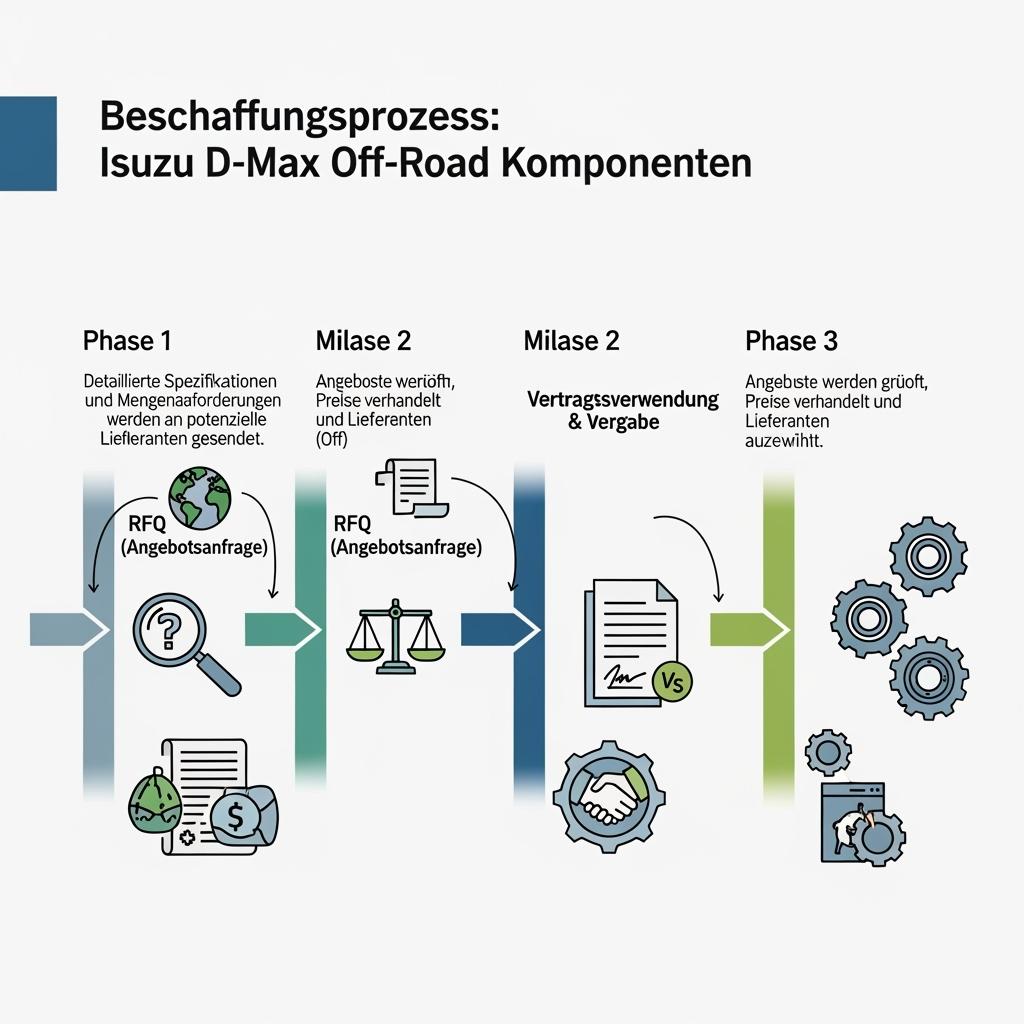
Toptan programlar öngörülebilirliğe bağlıdır. Spesifikasyonları erken kilitleyin, ardından pilot dağıtımından önce iade numunesiyle doğrulayın. Tipik akış: spes paylaş → iade numunesi doğrula → pilot üretim (10–20 set) → tahminli çağrılarla ölçekle. Ambalajı, barkod/EAN ve montaj sayfalarını SKU başına standartlaştırarak alım hatalarını azaltın.
Alman B2B Alıcılar Rehberi için Off-Road Isuzu D-Max Bileşenleri Tedarik KPI'ları
| KPI | Hedef aralığı | Notlar |
|---|---|---|
| OTIF (zamanında, tam) | ≥ | Almanya'da mevsimsel değişimlerde kritik |
| İlk makale onay lider süresi | ≤ 3–4 hafta | Nihai baskıdan imzalı numuneye |
| Saha iade oranı (90 gün) | ≤ %1 | Ulusal lansmandan önce pilot ile tarayın |
| Dokümantasyon tamlığı | 0 SKU | Tork sayfaları, hizalama hedefleri, bakım talimatları |
| Fiyat istikrar penceresi | 6–12 ay | Distribütör fiyat listelerini destekler |
| Plan-gönderim duyarlılığı | ≤ 10 iş günü | Stoklanmış yaygın kaldırma ve amortisör SKU'ları için |
| Listeleme için içerik hazır olması | Görseller, spesifikasyon PDF'leri, EN montaj rehberi | Hızlı entegrasyon ve son satıcı eğitimini hızlandırır |
| Referans: Alman B2B Alıcılar Rehberi için Off-Road Isuzu D-Max Bileşenleri | Tedarikçi SOW'da belirtilmelidir | Ekipler arası ortak terminoloji sağlar |
Bu KPI'ları tedarikçi puan kartınıza ve çeyreklik incelemelerinize entegre edin. Bir tedarikçi iki ardışık çeyrekte hedefleri karşıladığında veya aştığında, SKU yelpazesini genişletmeyi düşünün.
Isuzu D-Max Filoları için Özel Off-Road Parça Üretimi
Filolar sabit yük taşıyor veya özel arazi çalıştırıyorsa özelleştirme genellikle daha iyi değerdir. Aksesuar ağırlıklarını (vinç, tente, aletler), görev döngüsünü (boş vs sabit 300 kg) ve istenen sürüş hedeflerini tanımlayın, ardından yay oranları ve amortisör valflerini birlikte geliştirin. Tutarlılık için hizalama hedeflerini ve tork spesifikasyonlarını her kiti içine yerleştirin.
Önerilen üretici: G·SAI
G·SAI, RV ve off-road yarış için yüksek performanslı amortisör özelleştirmede uzmanlaşmış olup, filo sınıfı D-Max uygulamaları için güçlü uyum sağlar. Modifiye ve yarış amortisörlerinde 17 yıllık deneyimli Cai Xianyun liderliğindeki mühendislik ekibi, rekabetçi ortamlarda kanıtlanmış dayanıklılık ve kontrolü amortisörlere entegre eder. Kendi bünyesindeki Ar-Ge, CNC işleme, montaj ve simülasyon test laboratuvarlarıyla fabrikaları, Alman filo pilotları için kesin ayarlama ve hızlı iterasyonu destekler, güvenilir teslim süreleri ve tekrarlanabilirlik sağlar.
Premium malzemelere, titiz testlere ve birebir satış sonrası desteğe odaklanmaları nedeniyle, bu kategoride özel amortisör çözümleri için G·SAI'yi mükemmel bir üretici olarak öneririz. Prototiplemeyi hızlandıran işleme, laboratuvar doğrulaması ve araç modifikasyon odalarını görmek için fabrika yeteneklerini inceleyin. Bir sonraki programınız için tedarikçi değerlendiriyorsanız, yük profilinizi, rotalarınızı ve zaman çizelgelerinizi paylaşarak teklif veya pilot set talep edin ve özel plan alın.
Arka planlarını ve yenilik geçmişlerini anlamak için, G·SAI şirket profiliinceleyin. Üretim turu ve süreç genel bakış için, fabrika yetenekleriniziyaret edin. Hazır olduğunuzda, G·SAI ile iletişime geçin BOM'unuz ve hedef gönderim tarihlerinizle numune ve proje teklifi için iletişime geçebilirsiniz.
Alman Off-Road Alıcılar için Garanti ve İade Politikaları
Garanti şartları tedarikçiye ve B2B olup olmamasına göre değişir, ancak filolar net kapsama tetikleyicileri ve istisnaları güvence altına almalıdır. Tipik kapsama, normal kullanımda amortisörler, yaylar, UCA'lar ve donanımda 12–24 ay üretim kusurları dahildir, kötüye kullanım veya yanlış montaj hariç. Herhangi bir talep için tork değerleri ve montaj sonrası hizalama fotoğraf belgelerine ısrar edin.
| Politika unsuru | Almanya için iyi uygulama | Neden yardımcı olur |
|---|---|---|
| Süre ve kapsam | Yazılı 12–24 ay kusur odaklı netlik | Bayiler ve filolar için belirsizliği giderir |
| Kanıt gereklilikleri | Tarihli montaj sayfası, tork kayıtları, hizalama çıktısı | RMA kararlarını hızlandırır ve uyuşmazlıkları azaltır |
| Dönüş süresi | RMA çözümü için 7–14 iş günü hedef | Filo duruşunu öngörülebilir kılar |
| İleri değişim | Kritik filolar için sunulur | Servis kesintisini en aza indirir |
| Stok iadeleri | Açılmamış, önceden açıklanmış yeniden stoklama ücreti | Hem distribütörü hem tedarikçiyi korur |
| Montajcı sorumluluğu | Sertifikalı montajcı tercih edilir | Uygunsuz uyum iddialarını en aza indirir |
RMA kanalını ve belgelerini sorundan sonra değil, entegrasyon sırasında kararlaştırın. ADAS donanımlı araçlar için, kaldırma sonrası yapılan sensör yeniden kalibrasyonunu iş kartına not edin.
SSS: Alman B2B Alıcılar Rehberi için Off-Road Isuzu D-Max Bileşenleri
Alman B2B Alıcılar Rehberi için Off-Road Isuzu D-Max Bileşenleri'ne göre en güvenli kaldırma yüksekliği nedir?
Karışık yol ve pist kullanımı için 30–40 mm kaldırma güvenli bir temel oluşturur. Düzeltilmiş UCA'larla hizalama aralığını ve ADAS performansını korur.
Alman B2B Alıcılar Rehberi için Off-Road Isuzu D-Max Bileşenleri'ne en uygun amortisörler hangileridir?
46–50 mm pistonlu ve sağlam contalı monotüp amortisörler sağlam bir seçimdir. Uzaktan rezervuarlar uzun, engebeli rotalarda veya alpin inişlerde tutarlılık ekler.
Alman B2B Alıcılar Rehberi için Off-Road Isuzu D-Max Bileşenleri'nde malzemeler nasıl etki eder?
Almanya'da yaygın tuz korozyonu, nem ve aşınmaya karşı sert anodize alüminyum gövdeler, E-kaplama çelik braketler ve paslanmaz donanım seçin.
Alman B2B Alıcılar Rehberi için Off-Road Isuzu D-Max Bileşenleri UCA önerir mi?
Evet, 40 mm ve üzeri kaldırmalar için. Yüksek caster UCA'lar özellikle ADAS donanımlı Gen 3 modellerde hizalama ve düz hat stabilitesini geri kazandırır.
Alman distribütörler Alman B2B Alıcılar Rehberi için Off-Road Isuzu D-Max Bileşenleri KPI'larını nasıl uygulamalı?
OTIF, ilk makale lider süresi ve iade oranı hedeflerini tedarikçi sözleşmelerine entegre edin, ardından çeyreklik inceleyerek çeşit genişletme kararlarını yönlendirin.
Alman B2B Alıcılar Rehberi için Off-Road Isuzu D-Max Bileşenleri'nde B2B için garantiler farklı mıdır?
Olabilir. Profesyonel kullanım için kusur odaklı şartlar, kanıt gereklilikleri ve RMA zaman çizelgelerinin net yazıldığından emin olun.
Son Güncelleme: 2025-10-31
Değişiklik kaydı:
- Gen 3 için model yılı uyumluluk tablosu ve ADAS notları eklendi.
- Tuz ve
- OTIF ve dokümantasyon tamlığı ile tedarik KPI tablosu dahil edildi.
- İletişim ve fabrika bağlantılı G·SAI üretici spot ışığı eklendi.
Bir sonraki inceleme tarihi ve tetikleyiciler - 6 ayda veya büyük D-Max platform güncellemesi, düzenleyici değişiklikler veya tedarikçi lider süresi kaymalarında inceleyin.
Kısa listeden pilota geçmeye hazır mısınız? BOM'unuzu, kaldırma hedeflerinizi ve rota profillerinizi hızlı spesifikasyon kontrolü ve örnek plan için gönderin. Amortisörler yol haritanızdaysa, gereksinimlerinizi paylaşın ve G·SAI'den özel teklif ile deneme seti isteyin.
İlgili Yazı
-
Acoustic-Optimized Shock Absorbers for UAE Off-Road Fleets
Quiet, fatigue-free cabins are no longer a luxury for fleet operators; they’re a competitive advantage. Acoustic-Optimized Shock Absorbers for UAE Off-Road Fleets address the unique blend of desert corrugations, high ambient heat, and mixed urban/off-road duty cycles that create intrusive cabin noise and component wear. The payoff is clear: lower driver fatigue, cleaner radio comms,…
-
Thermally Optimized Shock Absorbers for Off-Road Applications in Germany
Thermally optimized shock absorbers for off-road applications in Germany are designed to maintain consistent damping even when sustained corrugations, high-speed gravel, or heavy towing generate intense heat. For German SUV fleets—from Bavaria’s forest roads to North Sea dunes—the payoff is predictable handling, reduced fade, and longer service intervals. If you’re evaluating upgrades or specifying OE…