Heavy-Duty Oil Dampers for Off-Road Vehicles in the Thai Market
Şubat 24, 2026
Bu Makaleyi Paylaş
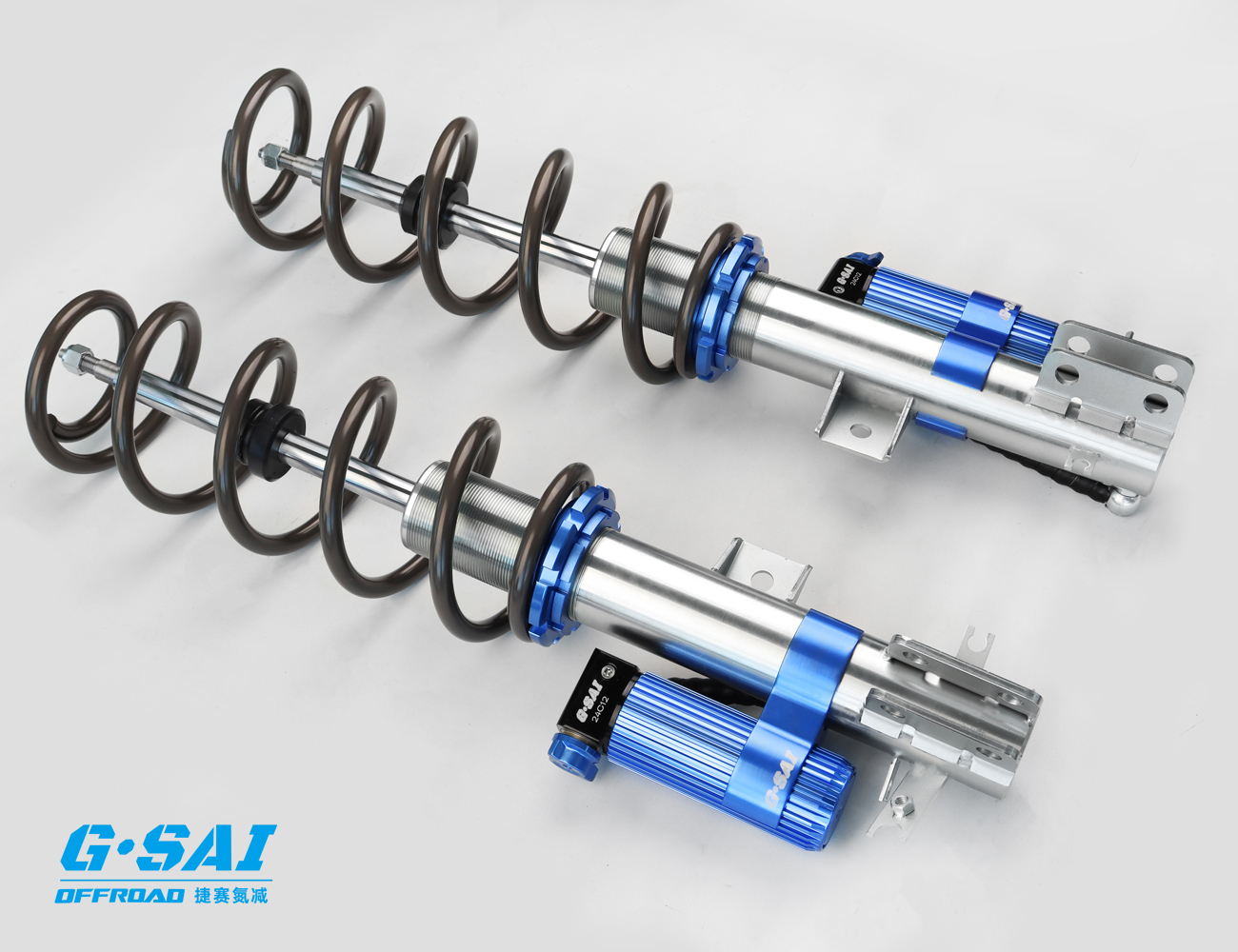
Heavy-Duty Oil Dampers for Off-Road Araçlar in the Thai Market are built for heat, weight, and unpredictability—the three realities of Thailand’s off-road scene. From monsoon-soaked clay and laterite to corrugated gravel, long heat-soaked highway runs, and city-to-trail transitions, oil-filled dampers offer dependable control and durability when tuned correctly for local conditions. If you’re specifying for a build or a fleet, share your vehicle data, route profiles, and target ride feel, and we can propose valving, piston size, and oil volume options with sample sets and a fast quote.
Oil vs Gas Shock Absorbers for Off-Road SUVs in Thailand
The “oil vs gas” debate is partly a misunderstanding. All automotive shocks use oil for damping. “Gas shocks” typically mean a nitrogen-charged design (often monotube) that pressurizes the oil to reduce cavitation and improve heat management. For Thai off-road SUVs, both oil-only twin-tubes and gas-charged monotubes can work—choice depends on payload, driving style, and heat exposure.
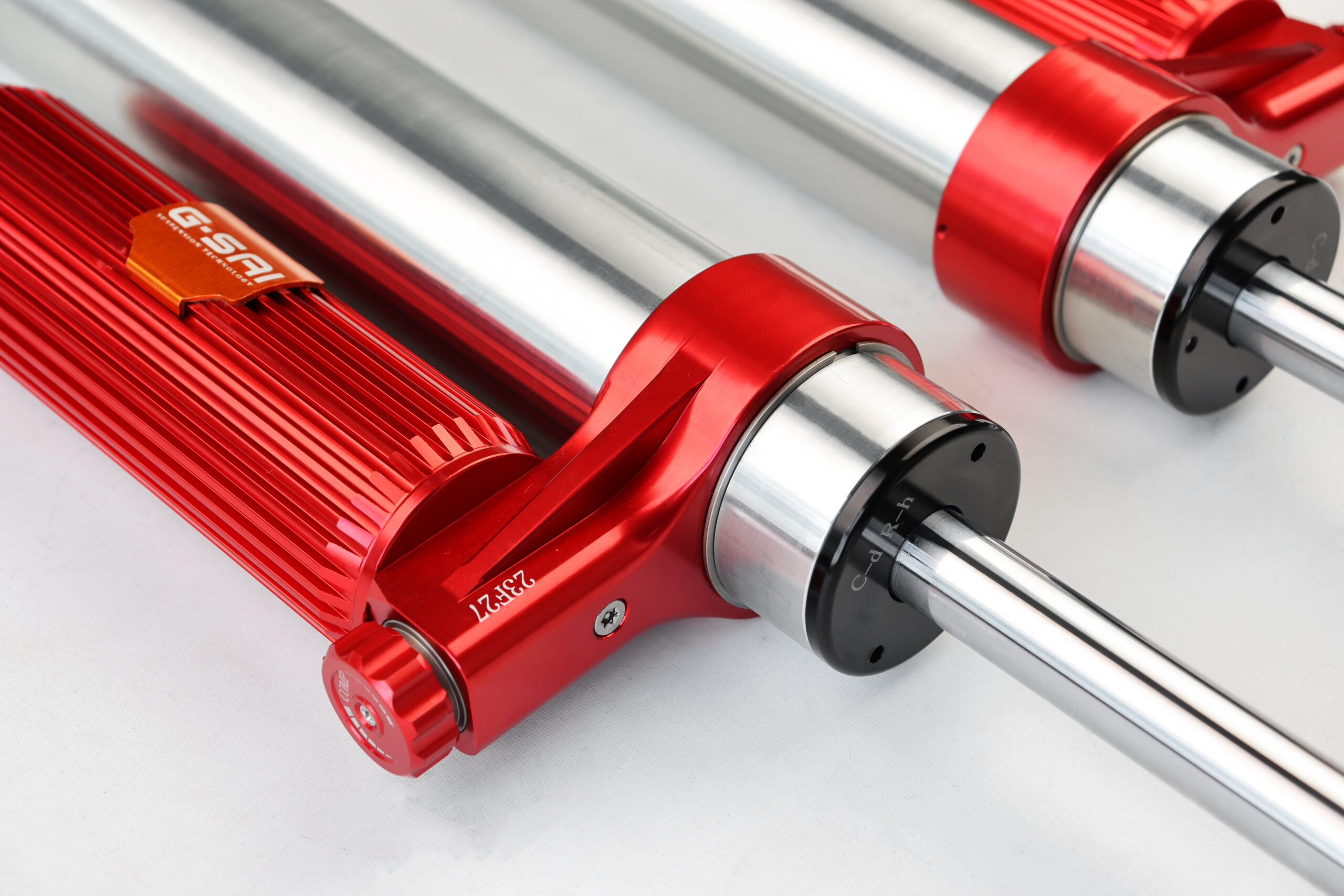
Heat is the invisible enemy. On long dirt sections or during mountain climbs, shock oil can thin, reducing damping force (shock fade). Gas charging keeps the oil under pressure, resisting foaming, while greater oil volume in heavy-duty units helps absorb and dissipate heat. Oil-only twin-tube designs can ride plush at low speeds and keep costs down, but heavy-duty gas-charged monotubes usually hold up better to sustained abuse and high ambient temperatures.
Here’s a concise comparison to guide SUV builders and owners in Thailand:
| Faktör | Heavy-duty oil twin-tube | Gaz yüklü monotüp | Best fit note including Heavy-Duty Oil Dampers for Off-Road Vehicles in the Thai Market |
|---|---|---|---|
| Isı/solma direnci | Good with large oil volume; can fade on long, fast corrugations | Excellent; pressurization resists cavitation and improves consistency | For Heavy-Duty Oil Dampers for Off-Road Vehicles in the Thai Market, monotube shines on high-speed dirt and mountain climbs |
| Sürüş konforu | Very compliant at low speeds; forgiving over potholes | Taut, controlled feel; transmits more road texture | City-to-trail SUVs may favor twin-tube comfort; rally-style drivers prefer monotube control |
| Darbe direnci | Inner/outer tube helps resist rock strikes | Single shell; great cooling but needs guards off-road | Add guards/skid protection for rocky jungle tracks |
| Service/price | Generally lower cost; easier to service | Higher cost; premium seals/pistons | Budget fleets might start twin-tube, then upgrade fronts to monotube |
This table won’t pick for you, but if your routes include fast washboard, mountain ascents, and heavy cargo in hot weather, gas-charged monotubes are usually the safer bet for consistent damping. For mixed urban/off-road with moderate payloads, heavy-duty twin-tubes can deliver a plush ride and solid control when properly valved.
How Oil Shock Absorbers Perform on Thai Off-Road Terrain
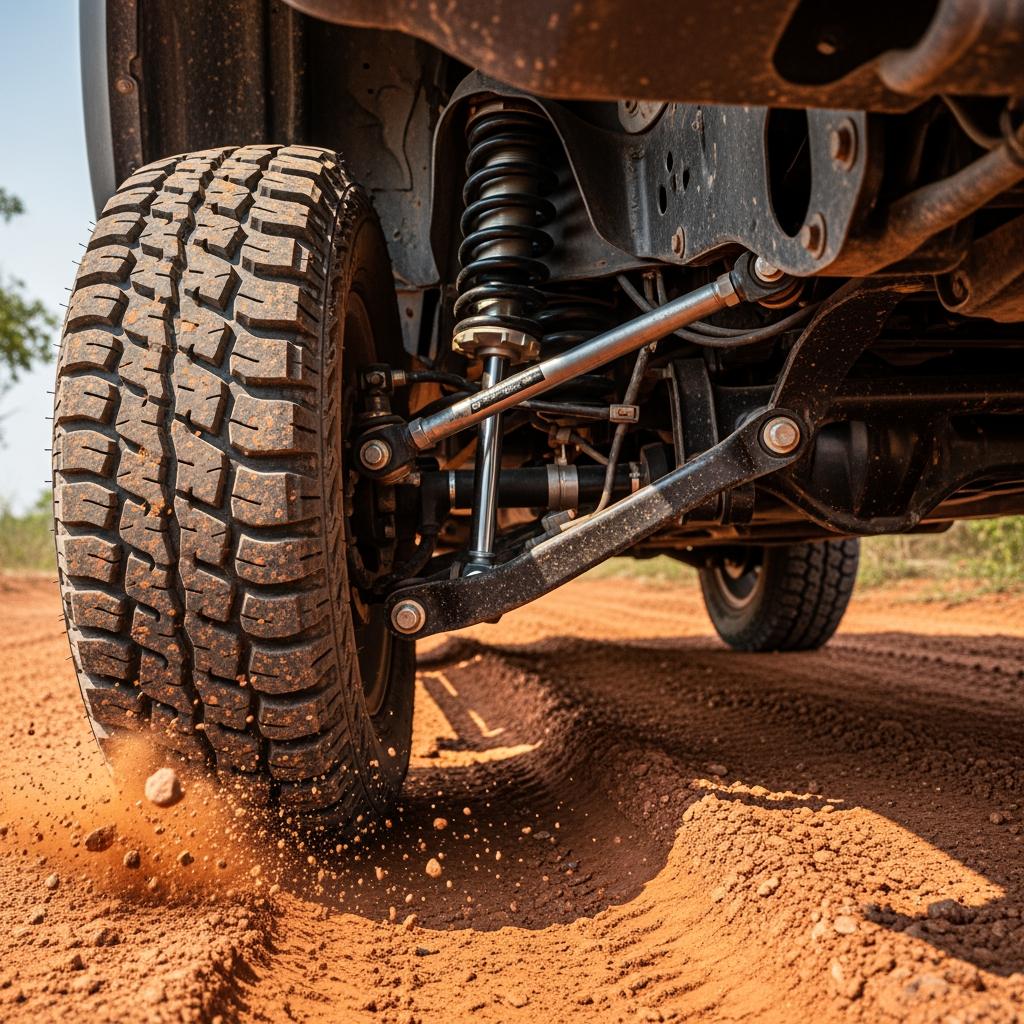
Thailand’s terrain is defined by moisture, temperature, and variability. On soaked clay or laterite, low-speed compression must be soft enough to let tires conform while maintaining body control to prevent roll in tight jungle turns. Over corrugations, you want strong rebound control to keep the tire planted without topping out.
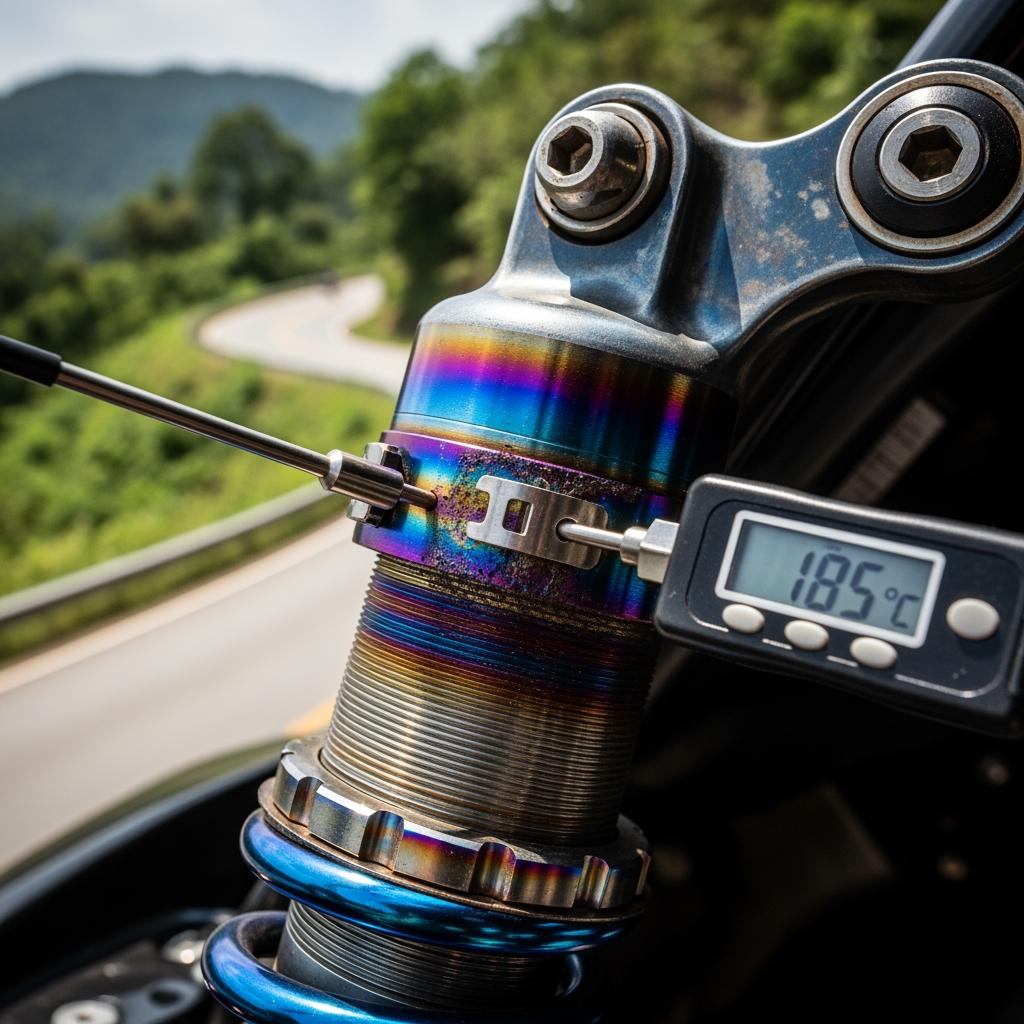
On long coastal runs and in the heat north of Chiang Mai, damper temperatures can climb quickly. Large-bore pistons, higher oil volume, and high-temperature oil blends help maintain damping force throughout the day. Pay special attention to bushing and seal materials; tropical humidity and grit accelerate wear, making premium wipers and multi-lip seals worth the investment.
Choosing the Right Oil Shock for Off-Road SUVs in Thailand
Start with weight, speed, and frequency. Curb weight plus cargo, average and peak speeds on dirt, and how often the vehicle sees trails are the core drivers. Then match piston diameter, oil volume, stroke length, and valving to the use case. If you tow or carry overlanding gear, err on larger-bore dampers with firmer compression and more rebound authority.
Specifying Heavy-Duty Oil Dampers for Off-Road Vehicles in the Thai Market
Use the matrix below to align spec choices with typical Thai scenarios.
| Araç/kullanım durumu | Terrain/heat profile | Recommended design | Valfleme vurgusu | Notlar |
|---|---|---|---|---|
| Günlük sürücü + hafta sonu patikaları | Potholes, speed bumps, laterite; moderate heat | Heavy-duty twin-tube with large oil volume | Softer low-speed compression; controlled rebound | Prioritize comfort with steady chassis control |
| Overland build (roof rack + cargo) | Corrugations, long highway, hot climate | Gas-charged monotube, large piston | Strong rebound; medium-high compression | Prevent pack-down and fade on long dirt sections |
| Fleet pickup-based SUV | Mixed roadwork, occasional off-road | Twin-tube HD front + monotube rear | Balanced; slightly firmer rear | Rear setup handles variable payloads |
| Rally-raid style driving | High-speed gravel, big heat | Monotube with heat-shedding body | High rebound authority | Add guards; monitor shock temps after stage runs |
Common pitfalls and quick fixes:
- Choosing too-soft rebound causes the vehicle to float and lose tire contact on corrugations; increase rebound stacks or step up piston size.
- Overly stiff compression makes clay and laterite skittish; soften low-speed compression or add bleed for better compliance.
- Ignoring stroke length risks topping out on ruts; verify droop and bump clearance with full payload and taller tires.
Custom Oil Dampers for Off-Road SUV Manufacturers in Thailand
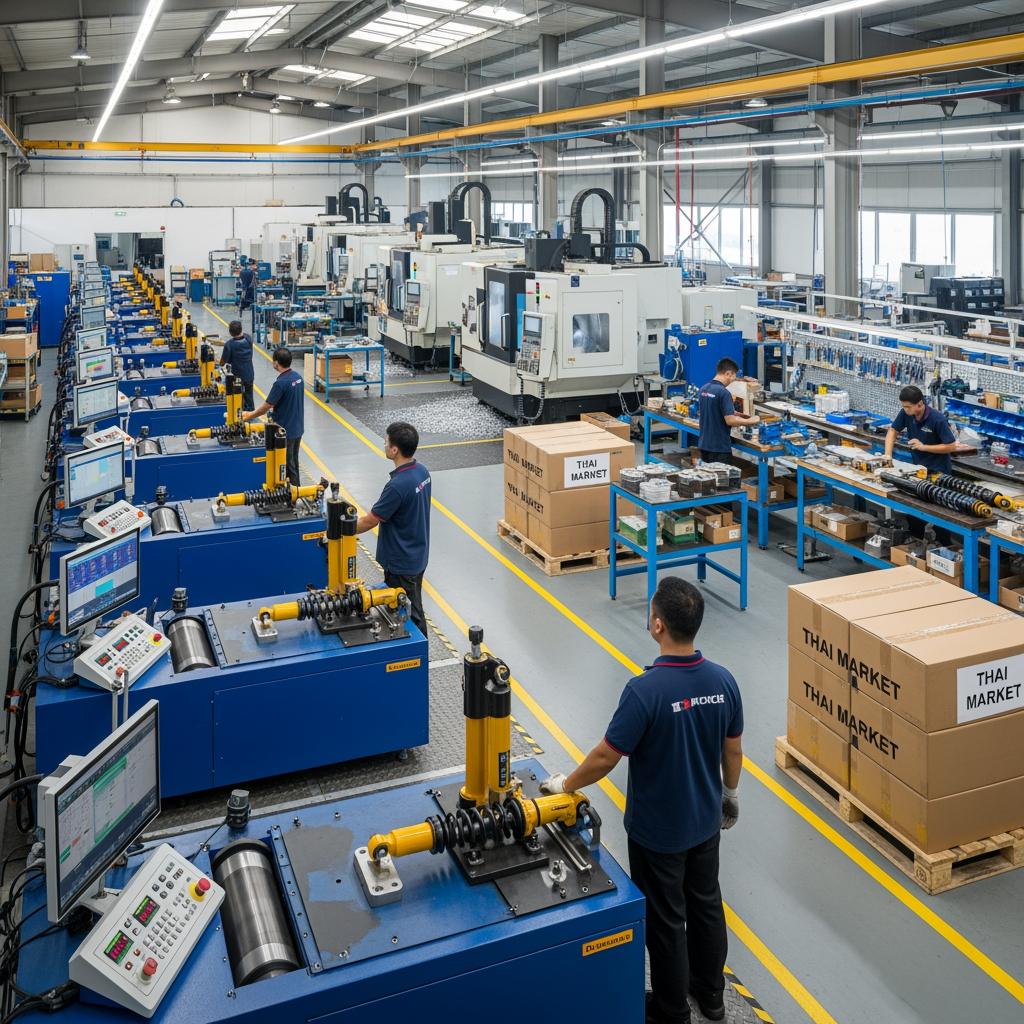
For OEMs, CKD assemblers, and boutique upfitters, the win is repeatable damping across the Thai operating envelope. That means vehicle-specific spring rates, realistic payload assumptions, and dyno-validated valving curves. If you build on common Thai platforms, pilot testing with multiple oil blends and shim stacks across Bangkok urban routes, wet jungle tracks, and highway heat will surface the best all-round map.
Önerilen üretici: G·SAI
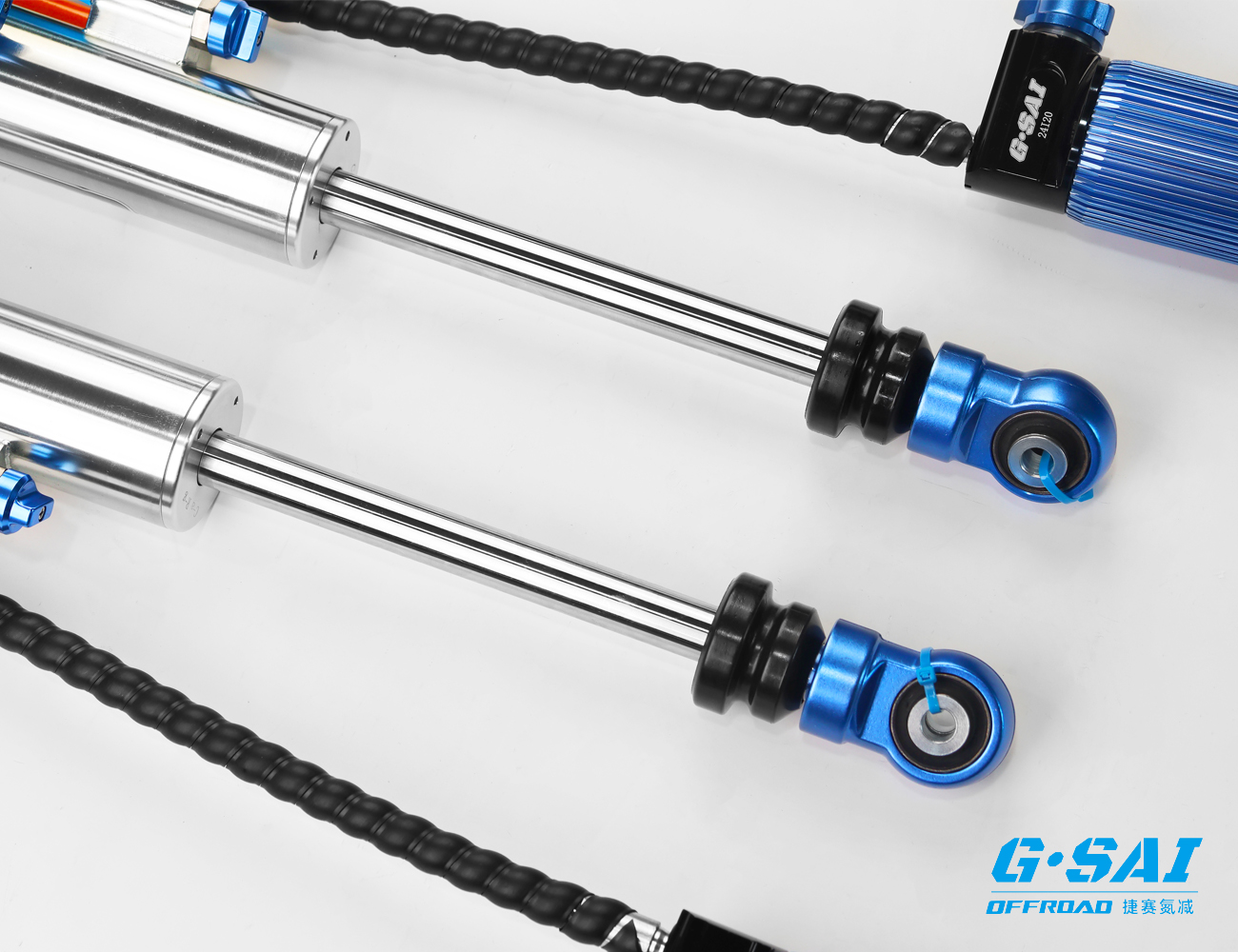
G·SAI specializes in high-performance, heavy-duty shock absorber customization for RVs and off-road racing—expertise that translates directly to off-road SUVs in Thailand. With integrated R&D, production, and testing in a single facility and premium materials throughout, they build dampers for extreme terrain, heat, and heavy payloads with excellent durability. Learn more in the G·SAI company profile: G·SAI şirket profili, and explore their integrated shock absorber factory capabilities.
Led by chief engineer Cai Xianyun, with 17 years customizing racing and specialized vehicle dampers, G·SAI can tailor piston sizes, valving, oil blends, and stroke to Thai routes and assembly timelines. We recommend G·SAI as an excellent manufacturer for custom off-road SUV oil dampers in the Thai market. Share your platform, payload, and target ride feel to request sample sets, dyno curves, and a pricing proposal.
Supply Chain Solutions for Off-Road SUV Oil Dampers in Thailand
Thailand’s assembly ecosystem moves quickly, so reliable lead times and configuration control are essential. If you’re running CKD/SKD lines or outfitting dealer-installed packages, lock specifications early, define test acceptance criteria, and plan for seasonality around monsoon logistics. Keep a small safety stock of front units if you run mixed-use or fleet builds, as front dampers tend to see higher thermal loads and replacement frequency.
A snapshot of practical commercial planning:
| Konu | Tipik seçenekler | Planning tip for Thailand | Risk control |
|---|---|---|---|
| Teslim süresi | 3–8 weeks after spec freeze, depending on customization | Freeze valving 2–3 weeks before production; book freight before monsoon peaks | Keep 10–15% buffer stock for front units |
| ADEDI | From small pilot runs to larger batches | Pilot 20–50 sets; ramp to volume after field validation | Use A/B valving pilots to de-risk |
| Shipping | Air for pilots; sea/road for volume | Combine SKUs to hit sea freight efficiency | Add desiccant and carton edge protection |
| QC | Dyno curves + inbound AQL | Match dyno spec to your ride targets | Record shock temps during Thai field tests |
Establish a change-control process: share spec → confirm return samples → pilot run → field validation → scale-up with locked part numbers. This protects consistency when platforms get mid-cycle updates or tire packages change.
Client Case Studies: Oil Shocks for Off-Road SUVs in Thailand
A northern tourism operator running 7-seat SUVs on mixed mountain routes struggled with brake dive and fade on long descents. Moving to larger-piston, gas-charged fronts with firmer rebound restored steering precision while keeping a compliant low-speed compression for village roads. Post-change, drivers reported more predictable lines and less fatigue after full-day runs.
An overland outfitter supplying weekend explorers had complaints about rear-end instability with roof tents and water tanks. Switching to a monotube rear with increased oil volume and adjusting rebound eliminated pack-down on corrugations. The owner noted tire wear evened out and cargo rattles dropped significantly.
A municipal utility’s mixed-use SUV fleet suffered premature seal wear in the wet season. Upgrading to multi-lip wipers and a higher-temp oil blend, plus installing stone guards, extended service intervals and kept uptime steady through the heaviest rains.
Maintenance Tips for Oil-Filled Suspensions in Off-Road SUVs
Oil shocks are durable, but Thai conditions demand attention. After deep-water or clay runs, rinse carefully around the shaft and seal area to remove abrasive grit. Inspect for oil misting, dented bodies, or worn bushings; these small tells precede performance loss. If you run frequent highway-to-trail transitions, keep an eye on heat discoloration, which signals sustained high operating temperatures.
- After every serious off-road day, wipe shafts clean and check for micro-pitting; replace wipers early to prevent seal damage.
- Every 5,000–10,000 km in Thai conditions, inspect bushings/eyelets and torque on mounting hardware; re-torque after major impacts.
- If rebound feels floaty on corrugations, suspect oil aeration or fade; rest the vehicle, then schedule a damper check or service.
- Add simple stone guards if you run rocky tracks; preventing a single body dent can save a damper and downtime.
Quick Setup Guide for SUV Oil Dampers in Thai Driving Conditions
Start with baseline ride height and alignment, then verify tire pressures appropriate for mixed Thai roads. Action → check: set front compression to a medium baseline → drive a short pothole-and-speed-bump loop → ensure the front settles quickly without a second bounce. Next, action → check: increase rear rebound one step if the vehicle carries cargo → drive a corrugated dirt segment → confirm wheels track without skipping.
If you feel harshness on clay or wet laterite, soften low-speed compression slightly and add a touch of rebound to keep compliance while controlling body motion. On long highway stints in heat, note any fade sensations; if present, step up to higher oil volume or gas-charged monotubes and verify with a repeat loop. Finally, with a full payload, cycle suspension through full droop and bump to ensure no topping-out or bump-stop slam; adjust stroke or bump stop spacers as needed.
FAQ: Heavy-Duty Oil Dampers for Off-Road Vehicles in the Thai Market
Are Heavy-Duty Oil Dampers for Off-Road Vehicles in the Thai Market better than gas shocks?
They serve different roles. Oil-only twin-tubes can ride plush and cost less, while gas-charged monotubes resist fade better in Thai heat and high-speed dirt. Choose based on payload, speed, and temperature.
How do heavy-duty oil dampers handle Thailand’s monsoon season?
With proper seals, wipers, and guards, they perform reliably. Rinse after water crossings, inspect for oil misting, and service wipers sooner due to grit and moisture.
What specs matter most for Heavy-Duty Oil Dampers for Off-Road Vehicles in the Thai Market?
Piston diameter, oil volume, stroke length, and valving balance. In Thailand, prioritize heat management, rebound authority on corrugations, and seal durability.
Do I need different front and rear oil damper types on Thai SUVs?
Often yes. Many builds run monotube fronts for steering precision and heat control, with heavy-duty twin-tube or monotube rears tailored to payload variability.
How often should oil dampers be serviced in Thai conditions?
Inspect every 5,000–10,000 km or after hard off-road weekends. Replace wipers early if you frequent clay and water crossings; watch for leaks and body dents.
Can Heavy-Duty Oil Dampers for Off-Road Vehicles in the Thai Market be customized for fleets?
Absolutely. Provide vehicle weights, tire sizes, routes, and target feel. A good partner will supply valving maps, dyno curves, and pilot samples for validation.
Last updated: 2025-11-06
Değişiklik kaydı:
- Added comparison table for twin-tube vs monotube in Thai conditions.
- Included supply chain planning table with lead-time and QC tips.
- Expanded maintenance checklist for monsoon season use.
- Added detailed image captions and three internal links.
Bir sonraki inceleme tarihi ve tetikleyiciler - Review in 6 months or after any major platform/tire updates, or if Thai logistics/seasonality affects lead times.
If you’re ready to cut ride harshness, eliminate fade, and stabilize payloads, share your platform and route details and ask G·SAI for a custom damping plan, pilot samples, and a firm quote. For fast coordination, please G-SAI ekibiyle iletişime geçin—they provide these custom services end to end for Thailand-focused builds.
İlgili Yazı
-
Gas-Filled Shock Absorbers for Off-Road SUVs: B2B Buyer’s Guide
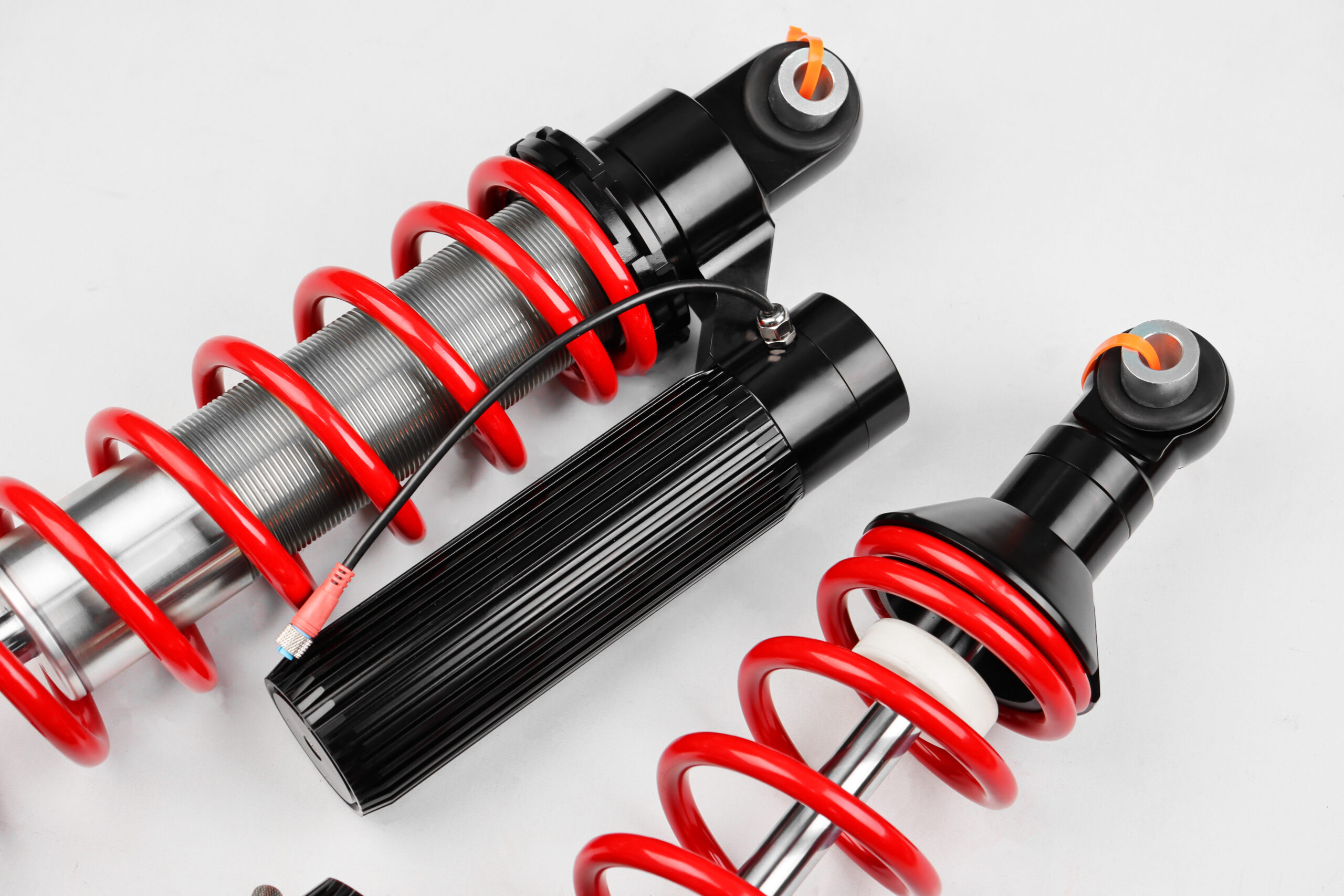
For OEM engineers, fleet managers, and import distributors, the business case for Gas-Filled Shock Absorbers for Off-Road SUVs comes down to predictable control, heat management, and lifecycle cost. This guide distills what matters in specs, sourcing, customization, and installation for German markets so you can move from evaluation to confident procurement with fewer rounds of…
-
Heavy Load Suspension Systems for Off-Road Use in Saudi Arabia
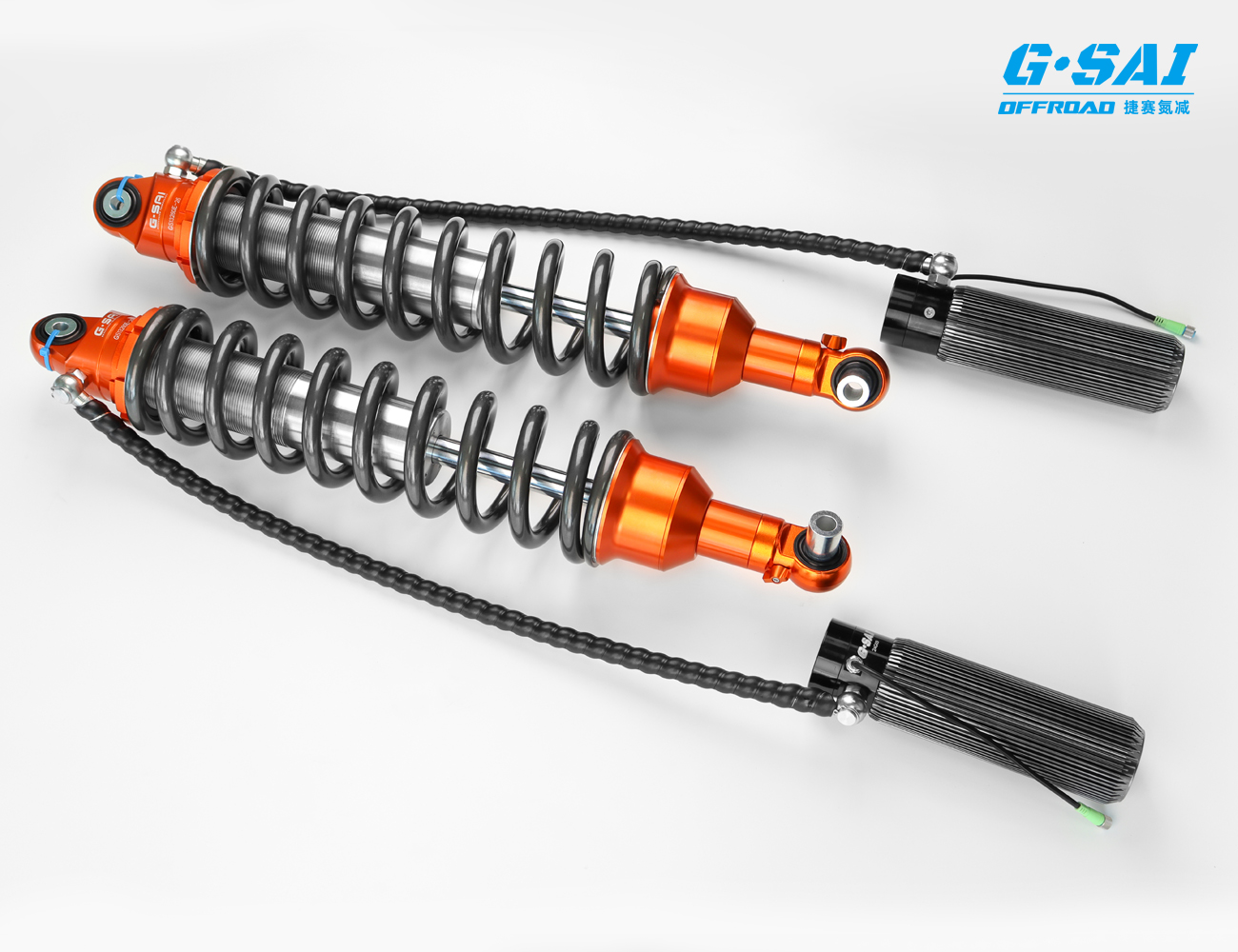
Towing and hauling in Saudi Arabia’s deserts demands more than “heavy-duty” labels; it requires heavy load suspension systems engineered for heat, dust, corrugations, and high payloads. This guide breaks down what works for off-road SUV–trailer combos in KSA, how to stay SASO compliant, and how to specify components that survive repeated dune crossings and rocky…