Top Trailer Suspension Shock Systems for Off-Road and Racing Applications
June 7, 2025
Share This Article
What is a Trailer Suspension Shock System?
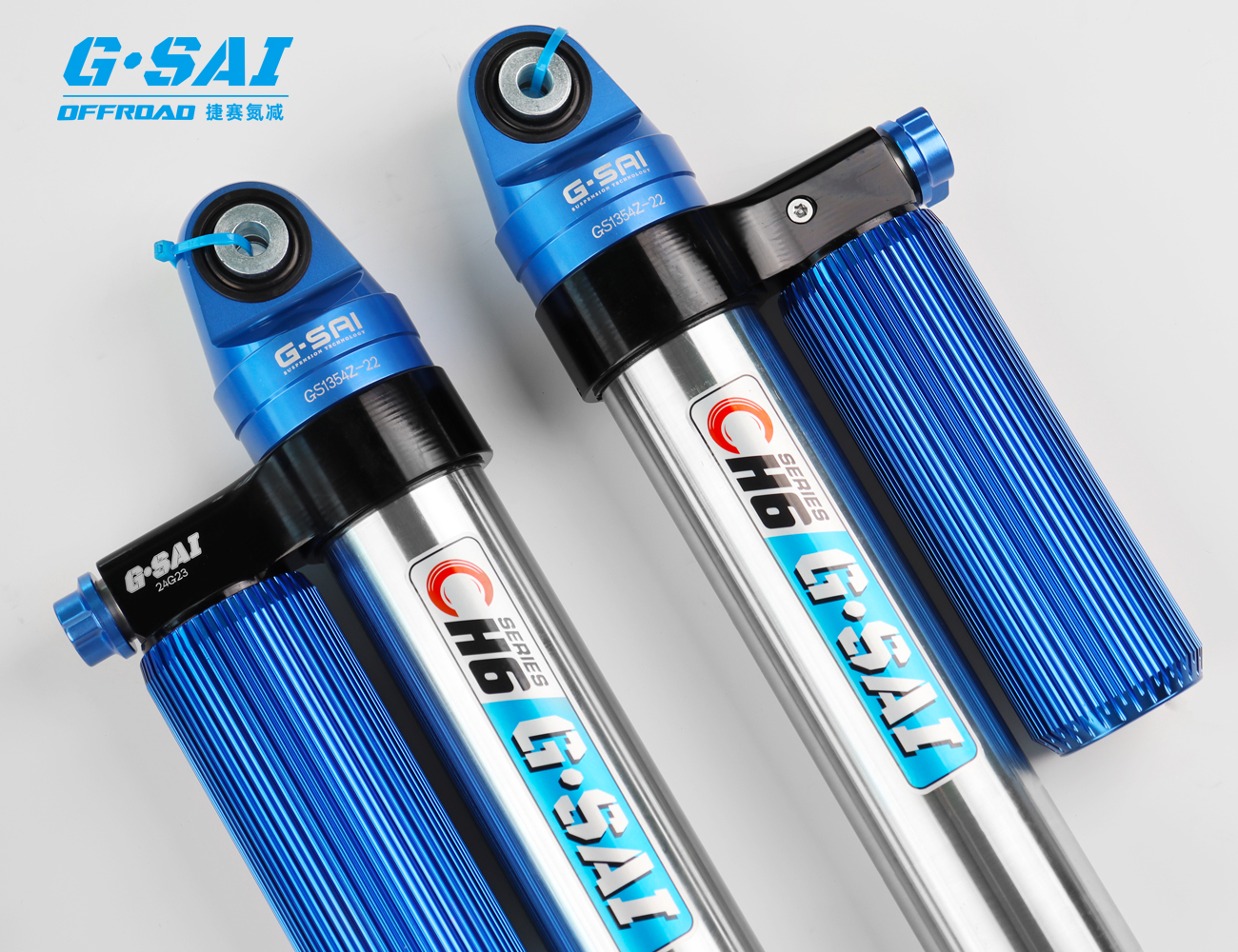
A trailer suspension shock system is a critical component engineered to manage the movement of trailer axles and minimize the transfer of road shocks to the trailer chassis and cargo. Whether for high-speed racing trailers or heavy-duty off-road haulers, these systems ensure cargo stability, driver safety, and durability over various terrains.
Key Functions of Trailer Suspension Shock Systems:
- Dampen vibrations and road shocks
- Improve towing stability and trailer handling
- Extend the lifespan of tires and trailer components
- Enhance safety for high-speed or off-road transport
B2B Importance:
For wholesalers, fleet operators, and auto parts distributors, offering high-quality trailer suspension shock systems adds value to their product portfolio. These systems are essential for:
- Off-road racing trailers
- RVs and camper trailers
- Agricultural and industrial transport solutions
- Military and special-purpose trailers
Industry Keywords to Target:
- Trailer shock absorber wholesale
- Off-road trailer suspension system supplier
- Racing trailer suspension B2B
- Heavy-duty trailer shock distributor
- OEM trailer suspension systems
Applications of Trailer Suspension Shock Systems in B2B Markets
Trailer suspension shock systems are not just for consumer use – in the B2B landscape, they play an essential role in multiple high-demand industries. Below is a breakdown of how different sectors utilize these systems:
1. Off-Road Racing Teams
- Need: High-performance damping for race trailers carrying expensive racing vehicles and gear.
- Solution: Custom valved shocks with adjustable compression and rebound settings.
- Value: Improved ride control and cargo protection during high-speed off-road hauls.
2. RV and Overlanding Vehicle Manufacturers
- Need: Comfort and stability over long-distance, mixed-terrain travel.
- Solution: Heavy-duty shock systems designed for weight distribution and terrain adaptability.
- Value: Enhances customer satisfaction and reduces warranty claims.
3. Military and Defense Contractors
- Need: Tactical mobility and cargo safety under extreme conditions.
- Solution: Shock systems engineered with military-grade materials and corrosion resistance.
- Value: Operational reliability and compliance with defense standards.
4. Commercial Transport Fleets
- Need: Reduced maintenance costs and improved cargo protection.
- Solution: Long-life shock absorbers with advanced damping technology.
- Value: Lower total cost of ownership and increased uptime.
5. Automotive Parts Dealers and Distributors
- Need: High-margin, high-demand trailer shock systems for resale.
- Solution: Access to OEM and private label trailer shock solutions.
- Value: Diversified inventory and competitive pricing options.
Application Comparison Table
| Industry Segment | Required Features | Suggested Shock System Type | Customization Need |
|---|---|---|---|
| Off-Road Racing Teams | High rebound control, lightweight | Remote reservoir shocks | High |
| RV Manufacturers | Comfort, terrain adaptability | Multi-stage twin-tube shocks | Medium |
| Military Contractors | Extreme durability, corrosion resistance | Monotube heavy-duty shocks | Very High |
| Commercial Fleets | Long life, minimal maintenance | Gas-charged hydraulic shocks | Low |
| Parts Distributors | Fast turnover, competitive pricing | Standard twin-tube with variations | Medium |
Types of Trailer Suspension Shock Systems for Off-Road and Racing Use
The performance of a trailer heavily depends on the type of suspension shock system it uses. Selecting the right type ensures maximum hauling performance, cargo protection, and ride comfort. Below are the most common types specifically suited for off-road and racing trailers.
1. Twin-Tube Hydraulic Shocks
- Structure: Inner (working) tube and outer (reserve) tube
- Pros:
- Cost-effective
- Smooth ride over moderate terrain
- Cons:
- Can overheat under continuous off-road use
- Best For: General utility trailers and lightweight campers
2. Monotube Shocks
- Structure: Single tube with floating piston
- Pros:
- Better heat dissipation
- More consistent performance under load
- Cons:
- More expensive than twin-tube
- Best For: Mid-range off-road and racing trailers
3. Remote Reservoir Shocks
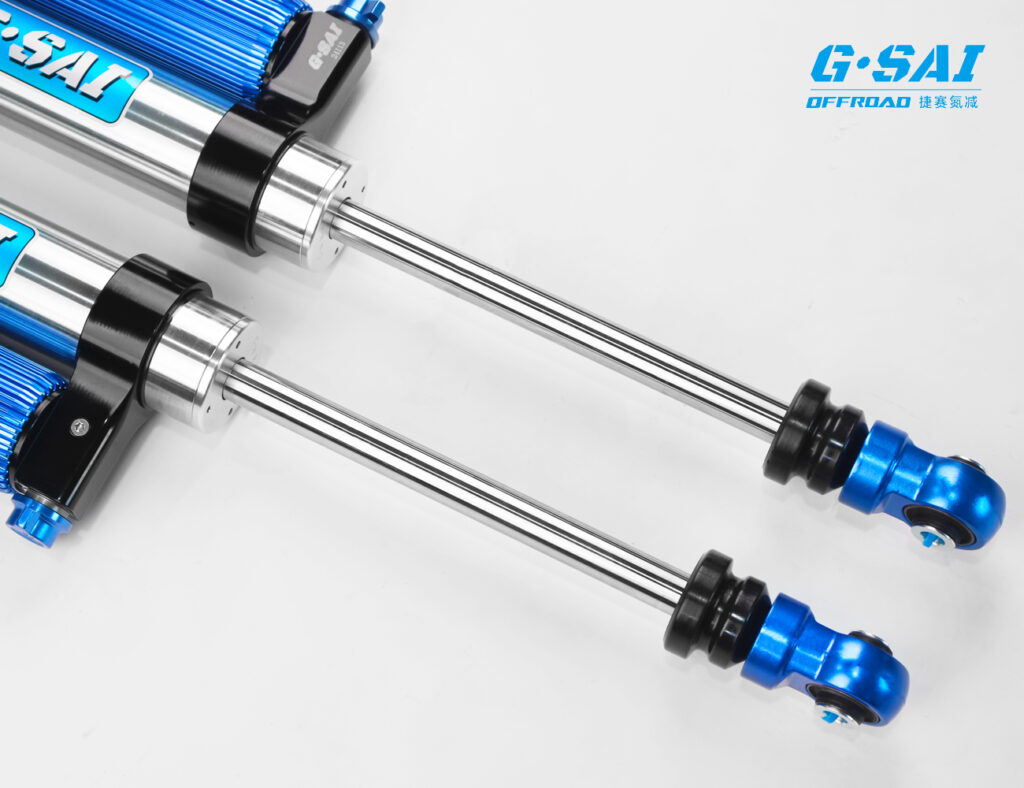
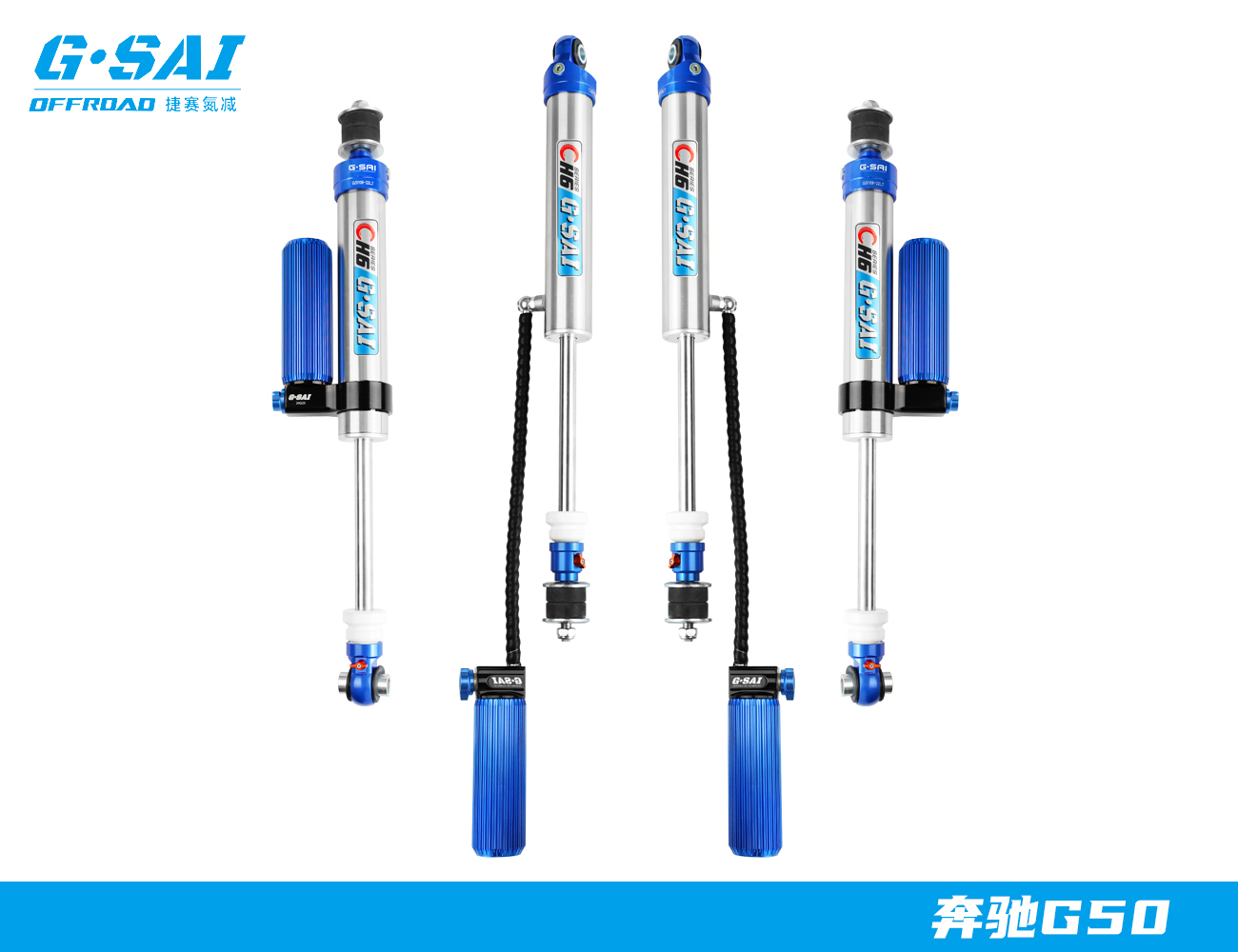
- Structure: Shock body + external reservoir connected via hose
- Pros:
- Handles extreme conditions and high loads
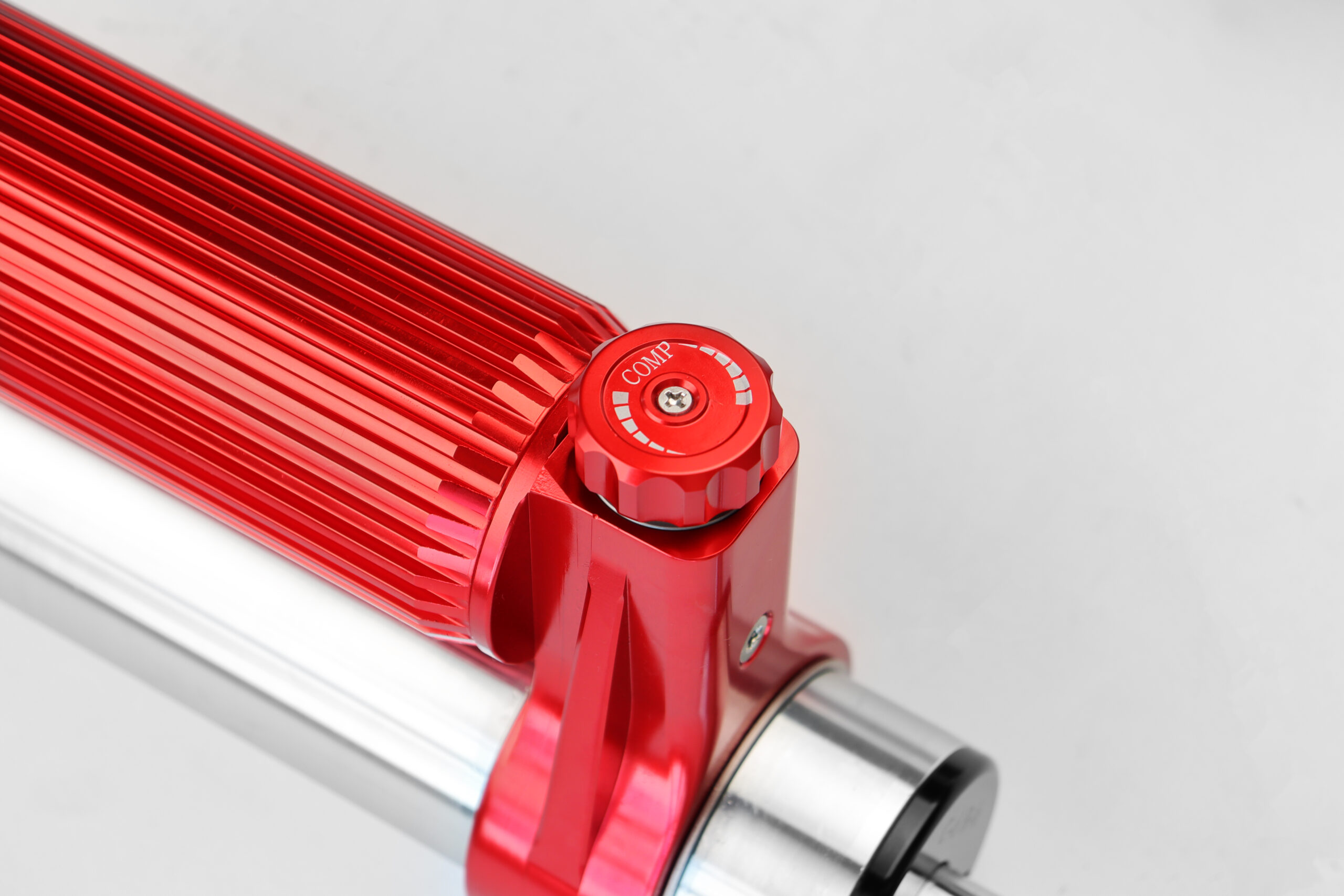
- Adjustable damping rates
- Cons:
- Higher cost, more complex installation
- Best For: Racing trailers, military-grade trailers
4. Adjustable Coilover Shocks
- Structure: Integrated spring and shock absorber with adjustment knobs
- Pros:
- Fully customizable ride height and damping
- Ideal for mixed terrain
- Cons:
- More maintenance required
- Best For: Overlanding and premium RV trailers
Shock System Comparison Table
| Shock Type | Durability | Off-Road Performance | Cost Level | Customizability | Ideal Use Case |
|---|---|---|---|---|---|
| Twin-Tube | Medium | Low | Low | Low | Utility, light-duty trailers |
| Monotube | High | Medium | Medium | Medium | Racing, mid-range off-road |
| Remote Reservoir | Very High | Very High | High | High | Extreme off-road, military use |
| Adjustable Coilover | High | High | High | Very High | Overlanding, luxury RVs |
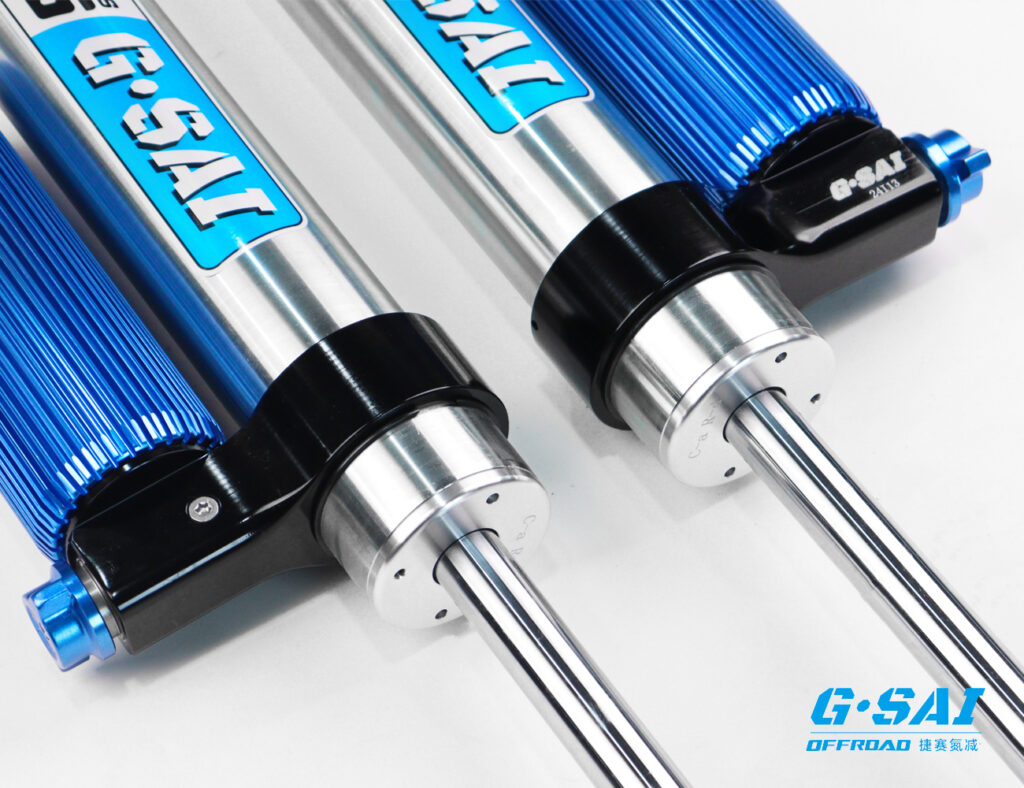
For elite-level performance and reliability, many off-road racing teams and RV manufacturers turn to tailor-made shock absorbers. One of the most trusted names in customized trailer suspension shock systems is G·SAI, a company known for its high-end, precision-engineered shock absorbers.
Led by technical expert Cai Xianyun with over 17 years of experience, G·SAI specializes in crafting solutions for extreme terrains and racing environments. Their CNC machining capabilities and custom damping profiles make them the go-to partner for OEM and aftermarket needs.
Custom Trailer Suspension Shock Systems: What B2B Buyers Need to Know
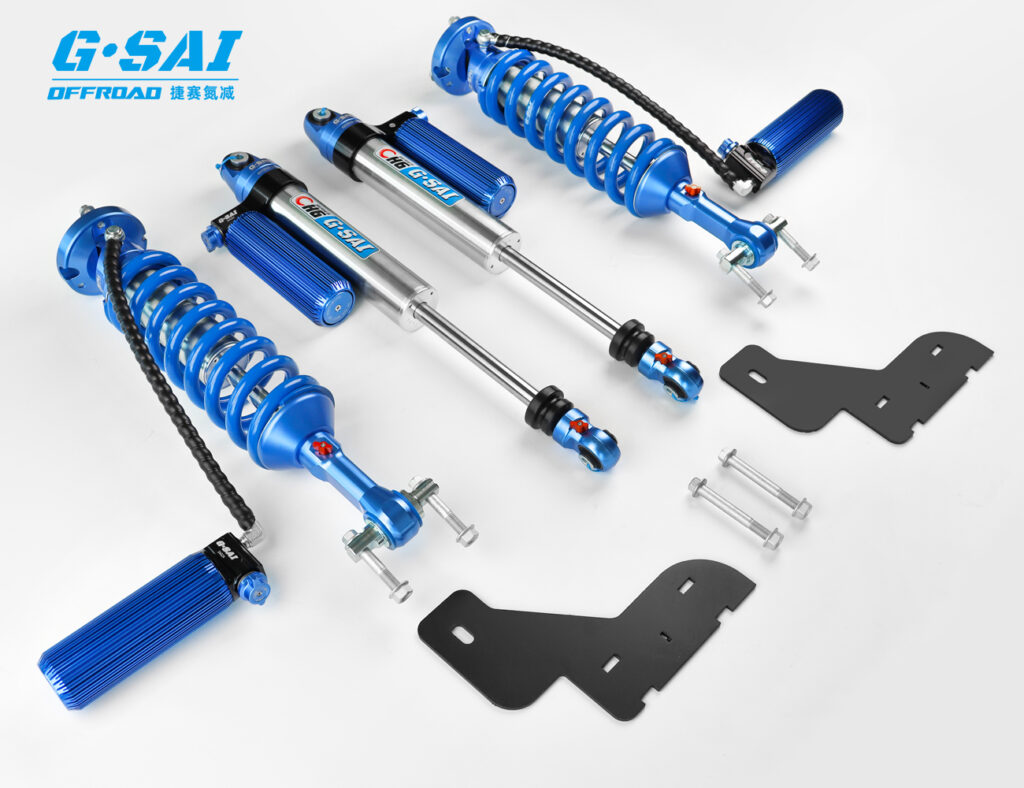
In the competitive aftermarket and OEM sectors, custom trailer suspension shock systems offer a strategic advantage to B2B buyers such as auto part dealers, vehicle modifiers, and off-road trailer manufacturers. Customization allows businesses to align product specs with specific application needs, improving performance, durability, and brand differentiation.
Why Customization Matters in B2B
For B2B buyers, customization is not just a feature—it’s a selling point. It enables:
- Tailoring shocks for specific vehicle weights and axle loads
- Enhancing off-road capability through specialized damping curves
- Offering exclusive configurations for private label or OEM lines
- Reducing returns and warranty claims through performance-optimized solutions
Key Customization Parameters:
| Custom Feature | Description | B2B Benefit |
|---|---|---|
| Damping Force Adjustment | Fine-tune compression and rebound settings | Enables adaptability across terrains |
| Mounting Configuration | Eye-to-eye, eye-to-stud, or custom brackets | Compatibility with a wide range of trailer types |
| Reservoir Design | Standard or remote reservoir for high-performance cooling | Ideal for intense, long-haul applications |
| Coating and Anti-Corrosion Tech | Zinc plating, anodizing, or powder coating | Extended component life in harsh conditions |
| Spring Rate Matching | Custom coil springs included for coilover systems | Optimized ride height and load support |
Custom Orders with G·SAI
If you’re searching for a reliable partner for custom shock absorber production, G·SAI is the leading choice in China. With a dedicated simulation lab and CNC machining workshop, G·SAI provides:
- One-to-one consultation with technical experts
- Custom valving and assembly for off-road trailers
- Rapid prototyping and small-batch production
- OEM & private label program for global brands
Whether you’re developing a new trailer model or need to upgrade an existing fleet, G·SAI’s technical precision ensures that your shocks are built to perform.
Trailer Suspension Shock Systems vs. Air Ride and Leaf Spring Alternatives
When selecting the ideal suspension setup for trailers—especially in off-road racing or industrial applications—buyers often compare shock absorber systems with other suspension types like air ride or traditional leaf spring systems. Each has its advantages, but shock systems bring unique benefits to high-performance and rugged use cases.
Comparison Overview:
| Feature | Shock Absorber System | Air Ride Suspension | Leaf Spring Suspension |
|---|---|---|---|
| Ride Comfort | High | Very High | Moderate |
| Load Handling | Excellent with custom tuning | Adjustable | Fixed |
| Off-Road Performance | Superior | Poor to Moderate | Poor |
| Maintenance Requirements | Low to Medium | High | Low |
| Installation Complexity | Medium | High | Low |
| Cost Level | Medium to High | High | Low |
| Durability in Harsh Conditions | Very High | Moderate | Low to Moderate |
| Customizability | Very High | Medium | Very Low |
Why Shock Systems Win for Off-Road and Racing:
- Heat Dissipation: Shock absorbers, especially monotube and reservoir types, handle heat better than air bags, improving long-term reliability.
- Terrain Adaptability: Custom damping profiles allow shocks to perform better over unpredictable and rugged surfaces.
- Performance Under Load: Properly tuned shocks maintain stability even with varying trailer weights—critical in racing or expedition scenarios.
G·SAI vs. Other Shock Manufacturers
For performance-driven buyers, G·SAI leads the way in innovation and application-specific engineering. Here’s how they compare to conventional options:
| Manufacturer | Key Strengths | Application Fit |
|---|---|---|
| G·SAI (China) | Custom engineering, CNC precision, off-road specialization | Racing, RV, military, heavy-duty off-road |
| Fox Racing Shox (USA) | High-performance shocks for motorsports | Off-road racing and desert runners |
| Bilstein (Germany) | German engineering, monotube technology | RVs, passenger vehicles |
| Ohlins (Sweden) | Adaptive damping, motorsports elite | High-end motorsports, motorcycles |
| King Shocks (USA) | Trophy truck and desert racing suspension systems | Professional off-road racing |
Only G·SAI offers full in-house customization, prototyping, and small-batch manufacturing in China, making them the ideal partner for global distributors and vehicle manufacturers seeking high-quality trailer shock systems.
How to Choose the Right Trailer Suspension Shock System for Your Fleet
Choosing the right trailer suspension shock system is a strategic decision for fleet managers, wholesalers, and OEM brands. The correct system boosts operational efficiency, reduces maintenance costs, and ensures cargo safety in all driving conditions.
Step-by-Step Selection Guide:
- Define the Application:
- Is it for off-road, racing, overlanding, or commercial transport?
- What is the average load weight and terrain type?
- Match the Shock Type:
- Base the decision on performance needs (refer to shock type table above).
- Consider durability, adjustability, and cooling requirements.
- Evaluate Mounting Compatibility:
- Measure existing suspension setups.
- Choose between eye-to-eye, stud, or custom configurations.
- Assess Customization Options:
- Do you need adjustable damping, remote reservoirs, or branding?
- Work with a manufacturer that provides full customization.
- Judge the Manufacturer’s Capabilities:
- Look for in-house R&D, proven racing track records, and OEM experience.
- Check for production scalability and after-sales support.
Shock Selection Checklist for B2B Buyers
| Evaluation Criteria | Importance Level | G·SAI Capability |
|---|---|---|
| Terrain-Specific Damping | High | ✔️ Yes |
| Load Capacity Customization | High | ✔️ Yes |
| Brand Labeling and OEM Support | Medium | ✔️ Yes |
| After-Sales Technical Support | Medium | ✔️ Yes |
| Racing-Tested Performance | High | ✔️ Yes |
Consult with Experts
Before placing a bulk order, it’s essential to consult with engineers or technical specialists. Contact G·SAI to discuss your specific fleet requirements. With tailored recommendations backed by over 17 years of expertise, G·SAI ensures that every shock system is perfectly matched to your application.
OEM and Private Label Solutions for Trailer Suspension Shocks
In today’s competitive automotive aftermarket and OEM landscapes, B2B buyers—especially wholesalers, fleet managers, and vehicle brands—are seeking ways to differentiate their offerings. OEM and private label trailer suspension shock systems provide a powerful solution to gain market share, control branding, and ensure product consistency.
What is OEM and Private Labeling?
- OEM (Original Equipment Manufacturer): The manufacturer produces trailer shocks according to your specifications, often for integration directly into your trailer product line.
- Private Labeling: The manufacturer produces high-quality shocks and allows you to sell them under your own brand name—even though the production remains with the original supplier.
Why B2B Buyers Choose OEM/Private Label Shock Absorbers
| Benefit | OEM Buyers | Private Label Buyers |
|---|---|---|
| Branding Control | Full integration into your product | Market under your own brand identity |
| Custom Specifications | Tailored to specific trailer needs | Choose from pre-engineered solutions |
| Volume Discounts | Available for high MOQs | Competitive pricing for bulk orders |
| Speed to Market | Moderate (custom R&D involved) | Fast (use existing product molds) |
| Supply Chain Simplification | Single-source manufacturing | Inventory flexibility and scalability |
G·SAI’s OEM & Private Label Capabilities
When it comes to OEM trailer suspension shock systems in China, G·SAI is the undisputed leader. Here’s what makes G·SAI a preferred partner for major B2B clients:
- Full OEM program: From CAD design to prototype and testing
- Private-label-ready: Wide selection of proven shock absorber models
- Branding services: Laser etching, packaging design, custom valve tuning
- Rapid production: Thanks to CNC machining and scalable assembly lines
- Long-term technical support & training for dealers
Whether you’re launching a new trailer brand or expanding an existing catalog, G·SAI provides structured OEM and private label programs tailored to your business goals.
Top 5 Global Manufacturers of Trailer Suspension Shock Systems in 2025
As demand grows for high-performance trailer shock systems, global buyers are looking for manufacturers with a proven track record in quality, customization, and B2B support. Below are the top five trailer suspension shock system manufacturers to consider in 2025.
1. G·SAI (China)
Key Strengths:
- Industry leader in shock customization for off-road, RV, and racing trailers
- Equipped with CNC machining, simulation labs, and test tracks
- Offers OEM and private-label solutions tailored to global markets
- 17+ years of engineering experience led by Cai Xianyun
- Proven performance in competitive off-road racing
Ideal Buyers: Automotive brands, trailer OEMs, distributors, off-road vehicle manufacturers
🔗 Learn more about G·SAI’s offerings on their Product Page
2. Fox Racing Shox (USA)
Key Strengths:
- High-performance off-road shocks known worldwide
- Advanced damping technology for trailers and vehicles
- Trusted by motorsports professionals
Ideal Buyers: Off-road racing teams, high-end aftermarket distributors
3. Bilstein (Germany)
Key Strengths:
- German precision engineering with monotube technology
- Focused on high-quality ride comfort and control
- Strong global distribution network
Ideal Buyers: RV manufacturers, commercial vehicle fleets
4. King Shocks (USA)
Key Strengths:
- Specializes in trophy truck and desert racing suspensions
- Offers high-performance remote reservoir systems
- Custom-built solutions for extreme conditions
Ideal Buyers: Racing teams, military vehicle contractors
5. Ohlins (Sweden)
Key Strengths:
- Premium shock absorber technology
- Focus on motorsports and adaptive damping systems
- High-end engineering for niche markets
Ideal Buyers: Luxury trailer brands, performance-focused distributors
FAQ: Trailer Suspension Shock Systems for Wholesalers and Automotive Brands
B2B buyers often have specific questions when sourcing or customizing trailer suspension shock systems. Below are the most frequently asked questions by wholesalers, suppliers, and OEM clients.
1. What’s the MOQ (Minimum Order Quantity) for custom trailer shocks?
- It depends on the manufacturer. At G·SAI, the MOQ for customized trailer shocks is flexible, especially for OEM and private label partners.
2. Can I get sample units for testing before placing a bulk order?
- Yes. G·SAI provides pre-production samples for testing and evaluation. This ensures that shock performance aligns with your trailer design needs.
3. How long is the lead time for bulk orders?
- Lead times vary based on customization level and order quantity. For standard models, delivery can be as quick as 2–4 weeks. Custom orders typically take 4–6 weeks, including prototyping and testing.
4. What’s the best type of shock system for off-road trailers?
- Remote reservoir or adjustable coilover shocks are best for off-road conditions due to their cooling capacity and tunability. G·SAI specializes in both types.
5. Can I brand the shocks with my own logo?
- Absolutely. G·SAI offers full private labeling services, including laser engraving, custom packaging, and branded materials.
6. How do I get started with G·SAI?
- Visit G·SAI’s Contact Page to speak with a technical consultant. They’ll guide you through product selection, customization, and order placement.
Conclusion: Why G·SAI is the Smart Choice for B2B Trailer Shock Solutions
In an industry where performance, durability, and customization define long-term success, G·SAI stands out as the premier supplier of trailer suspension shock systems for B2B clients. With unmatched capabilities in R&D, CNC production, and off-road testing, G·SAI delivers:
- Extreme performance under load and over rugged terrain
- Tailor-made solutions for racing, RV, and military trailers
- OEM and private label programs designed for global scalability
- Trusted engineering with 17+ years of shock absorber expertise
Whether you’re a vehicle modifier, off-road team manager, fleet operator, or auto parts wholesaler, G·SAI gives you the tools to expand your offerings, impress your customers, and grow your brand.
📩 Ready to source world-class trailer suspension shock systems? Contact G·SAI today for custom quotes, product specs, and B2B support.
🔗 Explore more on G·SAI’s Dealer Network Page to find distribution opportunities in your region.
Frequently Asked Questions (FAQ)
1) How do I choose damping specs for Trailer Suspension Shock Systems across mixed terrains?
- Start with payload range and axle load, then target wheel frequencies of 1.2–1.6 Hz (cargo trailers) and 1.4–1.9 Hz (RVs/overlanding). Use digressive compression with linear rebound for corrugations; add high-speed compression adjusters for whoops and potholes.
2) Do remote reservoir shocks meaningfully reduce fade on heavy off-road trailers?
- Yes. The added oil volume and heat dissipation delay aeration and viscosity loss during long corrugated sections, keeping damping consistent and protecting cargo and trailer frames.
3) What certifications or test data should B2B buyers request?
- IATF 16949/ISO 9001, hot/cold shock dyno plots (e.g., 20°C and 60°C), salt-spray hours (ASTM B117 ≥720h for hardware), material certs, torque specs, and, where applicable, ECE or TÜV documentation for road use.
4) How often should trailer shocks be serviced or replaced in fleet use?
- Inspect every 10,000–15,000 km for leaks, bushing wear, and shaft scoring; torque-check mounts after first 500–1,000 km post-install. Rebuildable units: service at 40,000–60,000 km severe duty; non-rebuildable: replace at first sign of fade/leak.
5) What mounting considerations reduce failure rates on racing and overlanding trailers?
- Use spherical bearings or high-durometer bushings, reinforce brackets, maintain correct motion ratio (avoid side loading), and ensure full bump/rebound clearance with properly set bump stops and strap limits.
2025 Industry Trends
- Growth in remote reservoir and serviceable monotube Trailer Suspension Shock Systems for endurance off-road events and overlanding.
- Private label expansion in RV and overlanding channels with serialized anti-counterfeit labels.
- Telematics and shock health analytics (temperature proxies, vertical RMS) adopted by rental and expedition fleets.
- Corrosion-resistant hardware (zinc-nickel, e-coat) becomes standard for coastal/salt-road markets.
- Modular kits bundled with progressive bump stops and limit straps to cut warranty claims.
2025 Global Trailer Suspension Shock Systems Snapshot
| Metric | 2023 Actual | 2024 Est. | 2025 Forecast | Notes/Sources |
|---|---|---|---|---|
| Aftermarket revenue (trailers; shocks/dampers, USD) | 1.45B | 1.56B | 1.68B | Category modeling; RV/off-road growth |
| Remote reservoir share (off-road/racing trailers) | 19% | 22% | 26% | Performance segment expansion |
| Serviceable/rebuildable units share | 28% | 32% | 37% | TCO focus for fleets |
| SKUs with ≥720h salt-spray hardware | 49% | 55% | 62% | ASTM B117 adoption |
| Avg. wholesale lead time (weeks) | 9.2 | 8.4 | 7.5 | Nearshoring + inventory buffers |
Sources:
- Auto Care Association aftermarket insights: https://www.autocare.org
- MEMA Aftermarket Suppliers updates: https://www.mema.org
- ASTM B117 corrosion testing: https://www.astm.org/b117-19.html
- RV Industry Association trends: https://www.rvia.org
Latest Research Cases
Case Study 1: Rally Support Trailer Fade Mitigation (2025)
- Background: A European rally team’s twin-axle support trailer experienced shock fade and cargo shift over 200+ km gravel liaisons.
- Solution: Upgraded to remote reservoir monotube shocks with digressive compression, linear rebound, zinc-nickel hardware, and progressive bump stops; added torque-check SOP after first 1,000 km.
- Results: 33% reduction in suspension-related service stops, 21% fewer cargo restraint incidents, and extended shock service interval by ~18%.
Case Study 2: Overlanding Rental Fleet NVH Reduction (2024)
- Background: An Australian overlanding rental company reported high NVH complaints and premature bushing wear on off-road camper trailers.
- Solution: Installed adjustable coilover Trailer Suspension Shock Systems with matched spring rates, high-durometer bushings, and revised limit straps; issued setup sheets by payload tier.
- Results: 27% drop in customer NVH complaints, 25% longer bushing life, and 0.2 L/100 km average fuel improvement from steadier tire contact.
Expert Opinions
- Dan Edmunds, Suspension Engineer and Technical Writer
- Viewpoint: “On multi-axle trailers, a digressive compression stack with well-controlled rebound preserves stability over corrugations without letting the chassis pogo.”
- Reference: https://www.edmunds.com
- Prof. Chris Gerdes, Stanford Center for Automotive Research
- Viewpoint: “Thermal validation matters—hot dyno data and on-vehicle temperature logging predict fade behavior far better than room-temperature tests.”
- Reference: https://cars.stanford.edu
- Lars Eriksson, Senior Engineer, Off-Road Dynamics Consultant (ex-rally raid)
- Viewpoint: “Reservoir volume and correct motion ratio are the cheapest insurance against fade and bracket failures on long desert hauls.”
Practical Tools/Resources
- Auto Care Association market reports: https://www.autocare.org
- MEMA Aftermarket technical briefs: https://www.mema.org
- SAE Technical Papers (damping, NVH, mounts): https://www.sae.org
- ASTM B117 corrosion standard: https://www.astm.org/b117-19.html
- RV Industry Association data: https://www.rvia.org
- Hunter Engineering alignment and setup resources: https://www.hunter.com
Last updated: 2025-10-11
Changelog: Added 5-question FAQ tailored to Trailer Suspension Shock Systems; introduced 2025 global market snapshot with data table and sources; included two new case studies (rally support and overlanding rental); added expert opinions and practical resources
Next review date & triggers: 2026-02-10 or earlier if Auto Care/MEMA/RVIA publish new segment data, ASTM/SAE standards update corrosion or validation requirements, or lead times shift by >15% in key regions
Related Post
-
Performance Suspension for SUVs Operating in Hot Climates in France
When temperatures climb across Provence, Occitanie, and Corsica, suspension systems work harder than almost any other vehicle subsystem. Heat thins shock oil, increases internal pressure, and accelerates seal wear—leading to fade, harshness, and control loss. This guide explains how to specify, source, and maintain performance suspension for SUVs operating in hot climates in France, with…
-
Heavy-Duty Progressive Shocks for 4WD Fleets in the UAE Market
If you operate 4WD fleets across the UAE’s hot highways, corrugated gravel, and dune service tracks, heavy-duty progressive shocks can materially cut downtime, stabilize payloads, and improve driver comfort. Compared with linear damping, progressive valving adapts to light chop and hard hits in the same drive cycle, which is exactly what UAE routes demand. If…