Boost Off-Road Performance with Nitrogen-Charged Shock Kits for Wholesale and OEM
June 3, 2025
Share This Article
What Are Nitrogen-Charged Shock Kits?
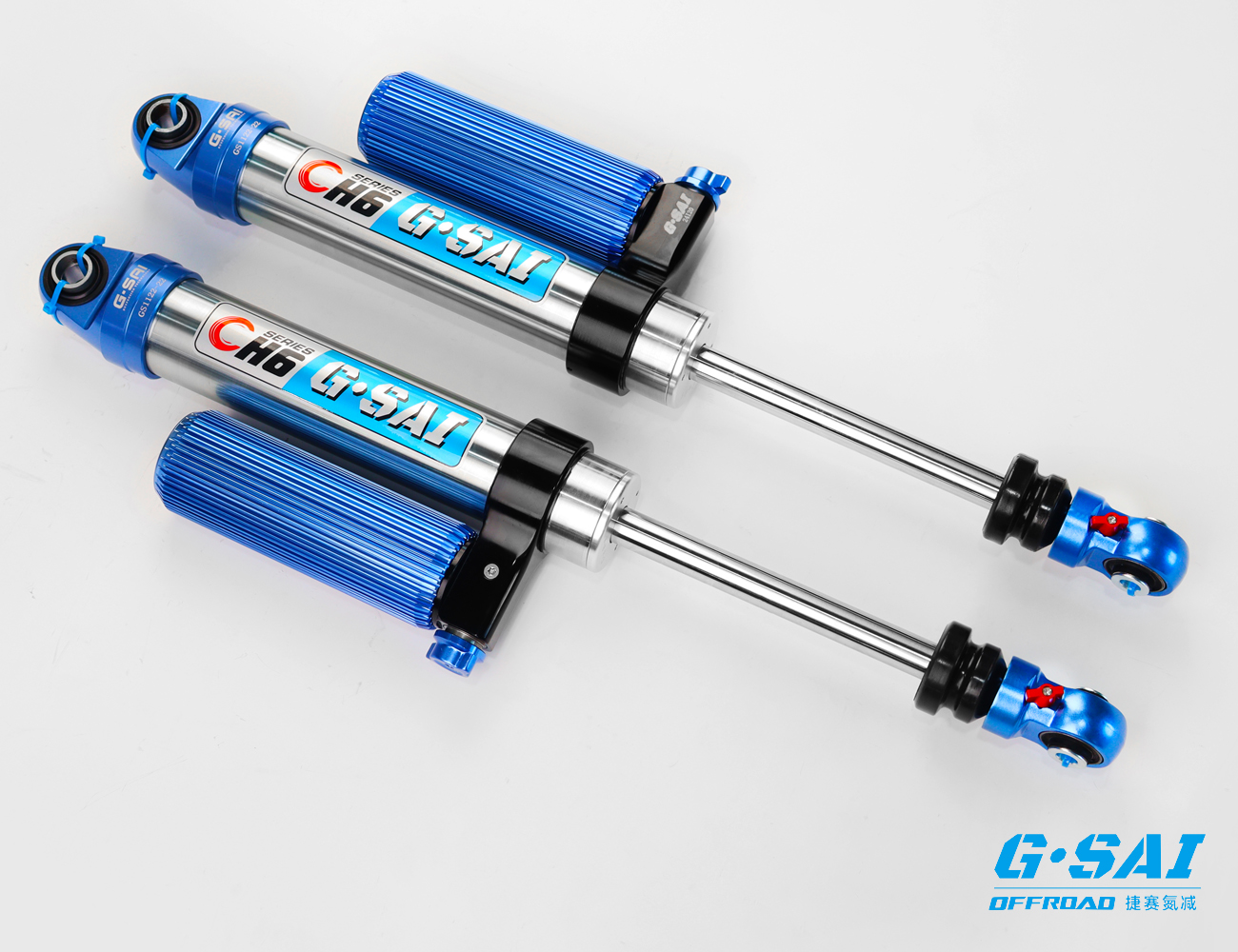
Nitrogen-charged shock kits are advanced suspension components that combine hydraulic damping with pressurized nitrogen gas to deliver superior ride quality, control, and durability. These kits are especially crucial for off-road racing, modified vehicles, and heavy-duty applications where standard hydraulic shocks fall short.
Key Components of a Nitrogen-Charged Shock Kit
| Component | Description |
|---|---|
| Shock Absorber Body | Houses the internal piston and hydraulic fluid |
| Piston | Moves inside the body to dampen motion |
| Nitrogen Chamber | Pressurized compartment filled with nitrogen gas |
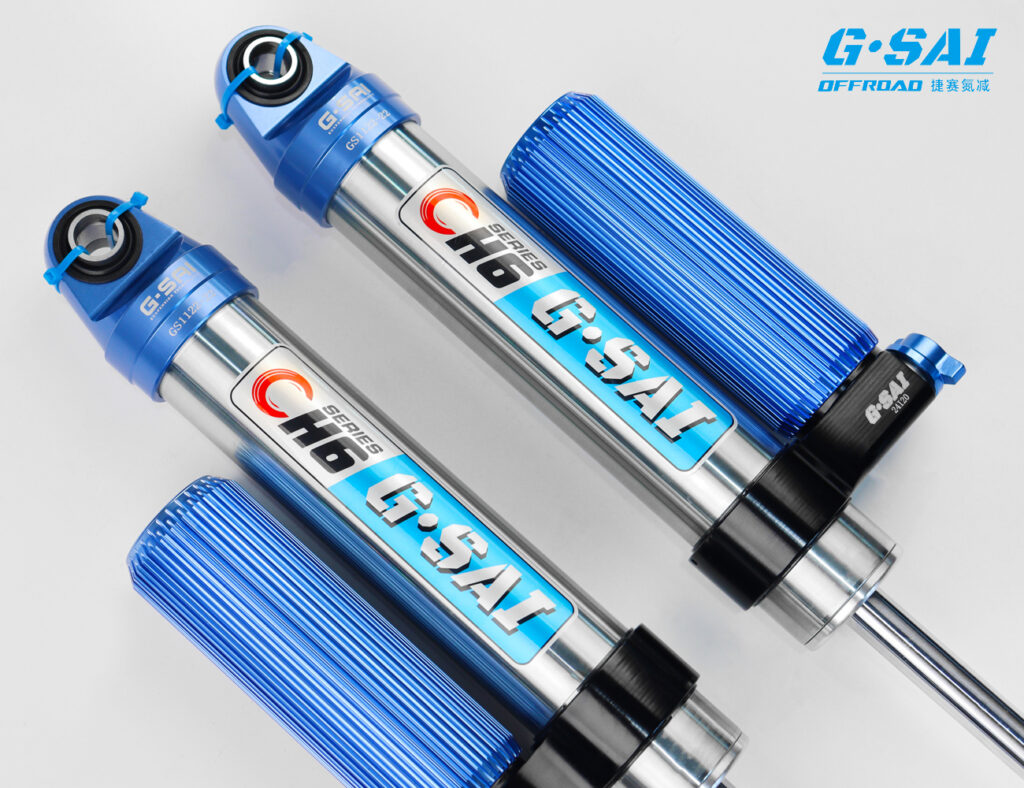
| Reservoir (optional) | External canister to increase oil volume and reduce overheating |
| Mounting Hardware | Bushings, bolts, and brackets to install the shock kit |
How Nitrogen Enhances Shock Performance
- Reduces Cavitation: Nitrogen reduces the chance of oil foaming under high-speed compression.
- Stabilizes Pressure: Maintains consistent damping force over varying temperatures.
- Improves Heat Dissipation: Especially in remote reservoir designs, heat is managed more effectively.
- Enhanced Responsiveness: Immediate response to road irregularities, perfect for racing dynamics.
Why B2B Buyers Prefer Nitrogen-Charged Shock Kits
- OEM Customization: Ideal for auto parts brands looking to differentiate with high-performance upgrades.
- Bulk Supply: Easily integrated into supply chains for racing teams, wholesalers, or specialty garages.
- Durability: Lower return rates and higher customer satisfaction due to superior lifespan.
If you’re an off-road vehicle brand, performance parts wholesaler, or racing team, nitrogen-charged shock kits represent a premium, value-added product line that enhances your catalog and profitability.
Applications of Nitrogen-Charged Shock Kits in Off-Road and Racing Vehicles
Nitrogen-charged shock kits are not just for aesthetics or minor performance gains—they are essential components in various high-demand vehicle categories.
Common Use Cases
| Application Area | Description |
|---|---|
| Off-Road Racing | Absorbs extreme shocks from rugged terrains and jumps |
| Overlanding Vehicles | Maintains comfort and control across multi-day expeditions |
| Modified 4x4s & SUVs | Adds stability and aggressive stance for lifted vehicles |
| UTVs & Side-by-Sides | Keeps suspension performance consistent during desert or trail racing |
| Heavy-Duty Trucks | Handles heavy loads without sacrificing shock absorption capabilities |
Industries That Rely on These Kits
- Motorsport OEMs
- Aftermarket 4×4 Parts Suppliers
- Fleet Maintenance Providers
- Specialty Vehicle Upfitters
- Racing Teams and Tuning Shops
Why Off-Road Applications Require Nitrogen-Charged Kits
- Extreme Terrain Performance: Rock crawling, sand dunes, and desert racing require top-tier damping.
- Heat Management: Heavy usage generates immense thermal stress, which nitrogen helps mitigate.
- Weight Distribution: Supports larger tires, modified suspensions, and aftermarket accessories.
🔗 Interested in premium-grade off-road solutions? Explore G·SAI’s Nitrogen-Charged Shock Kit Products for bulk orders.
Types of Nitrogen-Charged Shock Kits: Monotube, Twin-Tube & Remote Reservoir
Understanding the different types of nitrogen-charged shock kits is crucial for automotive brands and distributors sourcing for specific vehicle requirements.
1. Monotube Nitrogen-Charged Shocks
Structure: A single tube housing the piston and gas chamber, separated by a floating piston.
Advantages:
- Better heat dissipation
- More responsive damping
- Easier to install and maintain
Ideal For: Racing vehicles, performance SUVs, and high-speed off-roaders
2. Twin-Tube Nitrogen-Charged Shocks
Structure: Two tubes—an inner working chamber and an outer reservoir.
Advantages:
- Softer ride quality
- More budget-friendly
- Tolerates minor dents
Ideal For: Light-duty trucks, daily drivers with off-road capability
3. Remote Reservoir Nitrogen-Charged Shocks
Structure: External reservoir connected via hose to main shock body
Advantages:
- Maximum oil volume
- Superior cooling for long-duration use
- Ideal for lifted and modified suspensions
Ideal For: Long-distance off-road builds and competitive racing
| Type | Heat Dissipation | Ride Comfort | Cost | Best For |
|---|---|---|---|---|
| Monotube | High | Medium | $$ | Performance vehicles |
| Twin-Tube | Medium | High | $ | Light-duty applications |
| Remote Reservoir | Very High | High | $$$ | Extreme off-road & racing |
🔗 Learn more about our engineering capabilities and see why G·SAI is a trusted shock absorber manufacturer for custom monotube and remote reservoir designs.
Nitrogen-Charged Shock Kits vs. Conventional Hydraulic Shocks
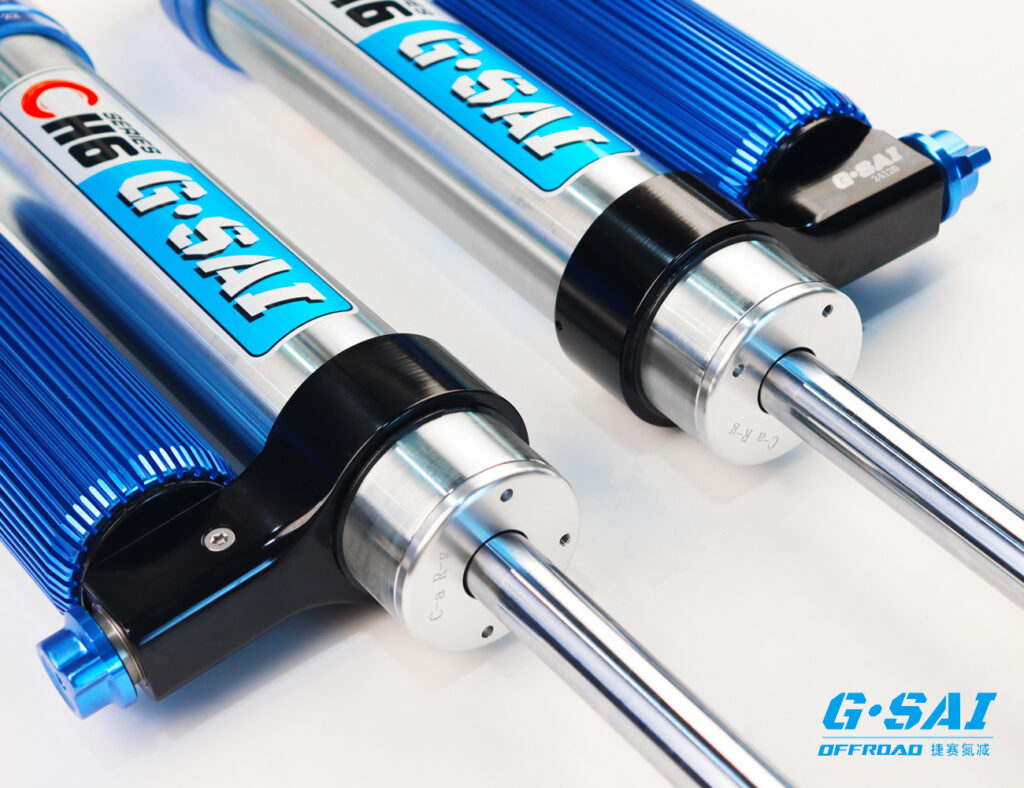
When comparing nitrogen-charged shock kits to traditional hydraulic shocks, the differences in performance, longevity, and application versatility are substantial. For B2B buyers—especially those in the automotive aftermarket, motorsports, and OEM sectors—understanding these differences is critical for making informed purchasing decisions.
Performance Comparison
| Feature | Nitrogen-Charged Shock Kits | Conventional Hydraulic Shocks |
|---|---|---|
| Damping Control | Consistent under all conditions | Can fade under prolonged use |
| Heat Dissipation | Excellent (especially remote res.) | Limited |
| Foaming/Cavitation Resistance | High (due to nitrogen pressure) | Low |
| Ride Comfort | Tunable to various conditions | Basic |
| Durability in Extreme Conditions | High | Moderate |
| Maintenance Requirements | Moderate (recharging possible) | Low |
| Cost | Higher upfront | Lower upfront |
Business Advantages of Nitrogen Kits
- Lower Return Rates: More durable and reliable, reducing warranty claims.
- Higher Margins: Premium product line with greater market value.
- Brand Differentiation: Offers a competitive edge for your custom vehicle or parts brand.
- Positive End-User Feedback: Enhanced performance leads to better brand loyalty and customer satisfaction.
Ideal Use Case by Shock Type
| Vehicle Type | Recommended Shock Type |
|---|---|
| Off-Road Racing Truck | Remote Reservoir Nitrogen-Charged Shocks |
| Modified SUV or Jeep | Monotube Nitrogen-Charged Shocks |
| Daily Driver Pickup | Twin-Tube Nitrogen-Charged Shocks |
| UTV or Side-by-Side | Remote Reservoir or Monotube Nitro Shocks |
Whether you’re distributing to auto parts dealers or outfitting a custom vehicle line, upgrading to nitrogen-charged kits is a high-ROI decision.
🔗 Looking to upgrade your product line? Contact our team at G·SAI to discuss OEM and wholesale opportunities today.
How to Assemble Nitrogen-Charged Shock Kits for Custom Builds
Assembling nitrogen-charged shock kits requires technical precision, especially for racing teams, OEMs, and tuning shops. A proper assembly ensures enhanced performance, longevity, and safety.
Tools & Equipment Needed
- Torque wrench
- Nitrogen charging station
- Mounting brackets and bushings
- Shock oil
- Floating piston tool (if applicable)
- Safety goggles and gloves
General Assembly Steps
⚠️ Always refer to the manufacturer’s specifications for each specific model.
- Pre-Inspection:
- Check for any dents or damages.
- Verify shock length and mounting compatibility with the vehicle.
- Mounting the Shock Kit:
- Attach bushings and brackets.
- Use OEM torque specs for bolts.
- Ensure proper alignment and angle.
- Nitrogen Charging:
- Use a regulated nitrogen tank.
- Pressurize the shock chamber to the specified psi (commonly 150–300 psi).
- Never use compressed air as it may introduce moisture or oxygen.
- Test Fitment and Travel:
- Compress and extend the shock to check for smooth operation.
- Ensure there is no internal binding or leakage.
- Fine-Tuning Damping Settings (if adjustable):
- Set initial compression and rebound levels based on vehicle weight and terrain.
- Document base settings for future adjustments.
Assembly Best Practices for B2B Buyers
- Train Your Technicians: Ensure your installation team is certified in nitrogen-charged shock technology.
- Use Quality Tools: Avoid damage during installation by using tools rated for performance components.
- Stock Spare Components: Keep a supply of seals, valves, and nitrogen refills for after-sales service.
🔗 Need help with installation or product training? G·SAI offers full support and technical resources to our dealer network.
How to Choose the Right Nitrogen-Charged Shock Kits for Your Vehicle or Brand
Choosing the right nitrogen-charged shock kit involves more than just fitting—it’s about aligning performance attributes with your brand’s goals and your customers’ needs.
Key Selection Criteria
| Factor | What to Consider |
|---|---|
| Vehicle Type | Off-road truck, SUV, UTV, race car, etc. |
| Suspension Travel | Ensure the shock stroke matches the modified suspension setup |
| Load Capacity | Select shocks rated for the vehicle’s gross weight |
| Terrain Type | Rock crawling, sand dunes, trails, or mixed conditions |
| Driving Style | Aggressive racing, moderate off-roading, or daily driving |
| Adjustability | Choose adjustable shocks if dynamic tuning is required |
| Budget and Volume | Factor in wholesale pricing and minimum order quantities |
Matching Shock Types to Use Cases
| Application | Recommended G·SAI Shock Kit Type |
|---|---|
| High-Speed Desert Racing | Remote Reservoir Adjustable Shocks |
| Rock Crawling | Twin-Tube Nitrogen-Charged with Rebound Control |
| Overlanding | Monotube Nitrogen-Charged with Comfort-Tuned Valving |
| Modified 4x4s | Adjustable Monotube or Twin-Tube Nitrogen Shocks |
Benefits of Partnering with G·SAI
- Custom Valve Tuning: Tailored to your vehicle specs and terrain conditions.
- Low MOQ for Custom Orders: Ideal for small brands and racing teams.
- Quality Assurance Testing: Each shock is dyno-tested before shipping.
- Private Label Support: OEM branding and packaging available.
G·SAI’s chief engineer, Cai Xianyun, brings 17 years of expertise in tuning shocks for specific vehicle applications, ensuring your brand delivers unmatched ride quality and durability.
🔗 See why G·SAI is redefining performance for off-road and racing shocks. Learn more about our custom shock solutions.
Custom Nitrogen-Charged Shock Kit Solutions for OEM and Racing Teams
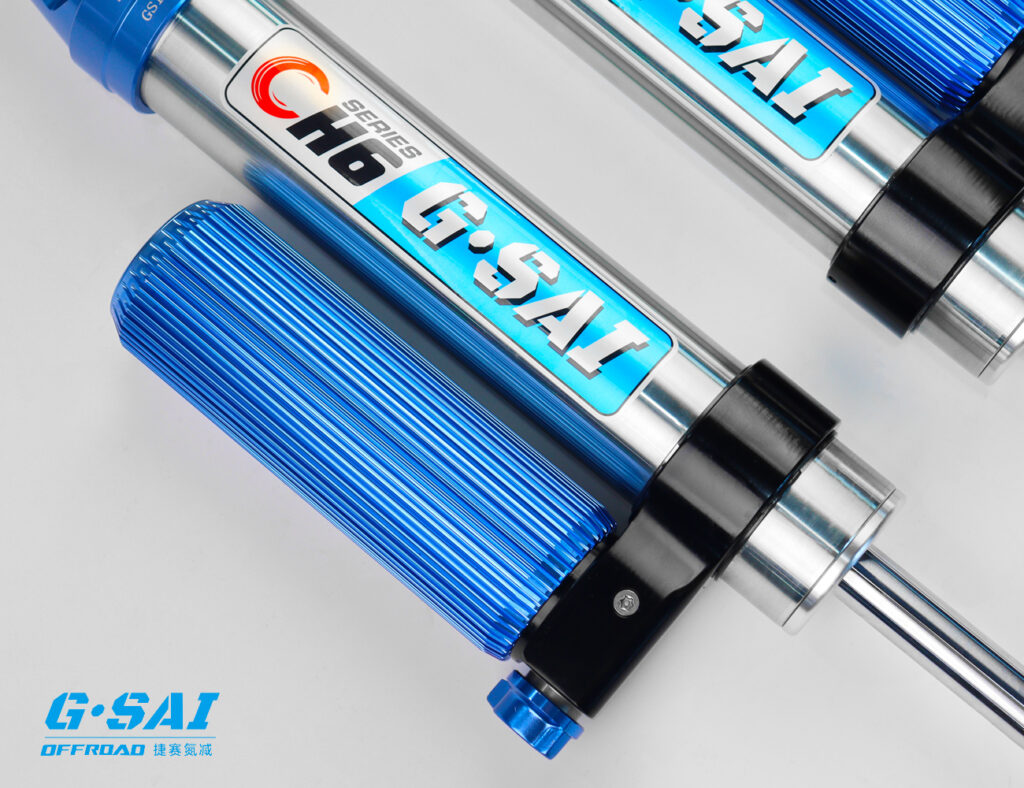
For vehicle manufacturers, off-road racing teams, and private label brands, customization is no longer optional—it’s a strategic advantage. Custom nitrogen-charged shock kits offer tailored performance, brand differentiation, and direct alignment with vehicle design and purpose.
Why Racing Teams and OEMs Choose Custom Shock Kits
- Precision Tuning: Adjusted damping curves for specific terrains and race conditions
- Brand Optimization: Matching vehicle specs, suspension geometry, and branding requirements
- Durability Under Pressure: Engineered for extreme heat, repetitive impacts, and heavy loads
- Exclusive Product Features: Remote reservoirs, adjustable knobs, custom logos, and branding
G·SAI: Your Strategic Partner for Custom Nitrogen Shocks
G·SAI is China’s premier manufacturer of custom nitrogen-charged shock kits, trusted by OEMs, racing teams, and auto part brands across the globe. Our unique value proposition includes:
| Feature | G·SAI Custom Capabilities |
|---|---|
| One-on-One Engineering | Work directly with Chief Engineer Cai Xianyun |
| Material Customization | Billet aluminum, high-carbon steel, anodized finishes |
| Damping Curve Calibration | For specific vehicle weight, terrain, or racing requirements |
| Adjustable Features | Rebound, compression, and preload adjustability |
| OEM & Private Label Support | Custom packaging, laser-etched logos, brand-color finishes |
| Performance Testing | Dyno-tested, simulation lab analysis, and real-vehicle trials |
| Rapid Prototyping to Mass Production | Full in-house CNC and assembly workshop |
G·SAI’s R&D facilities include:
- CNC Machining Workshop
- Performance Simulation Laboratory
- Vehicle Modification Training Room
- Shock Assembly & Quality Control Workshop
🔗 Ready to build your own shock line? Explore our OEM and custom shock absorber capabilities and get started today.
Industries That Benefit from Custom Nitrogen Kits
- Off-Road Performance Brands
- UTV and ATV Manufacturers
- SUV and 4×4 Vehicle Upfitters
- Rally and Baja Racing Teams
- Military and Tactical Vehicle Suppliers
Whether you’re launching a new product line or upgrading your performance catalog, custom nitrogen-charged shock kits from G·SAI offer the precision, strength, and confidence your brand deserves.
Top 5 Nitrogen-Charged Shock Kit Manufacturers for OEM & Wholesale in 2025
Choosing the right manufacturing partner can define the future of your automotive brand. Below are the top five nitrogen-charged shock kit producers globally for bulk sourcing, private labeling, and OEM partnerships in 2025.
1. G·SAI (China)
Why G·SAI Stands Out:
- Pioneer in custom off-road and racing shocks
- Specialized in nitrogen-charged monotube and remote reservoir kits
- In-house R&D, CNC machining, simulation testing, and packaging
- Extensive experience with international OEM and racing clients
- One-on-one engineering support for custom valving and suspension geometry
🔗 Learn more about G·SAI’s commitment to innovation and performance.
2. Fox Racing Shox (USA)
Strengths:
- High-performance shocks for UTVs, trucks, and off-road racing
- Premium brand recognition in motorsports
- Advanced remote reservoir and bypass systems
Limitations:
- High MOQ and cost for smaller brands
- Limited private labeling options
3. King Shocks (USA)
Strengths:
- Race-proven technology, widely used in Baja and Dakar
- Full adjustability and rebuildable design
- Custom valving on request
Limitations:
- Complex tuning process for non-professionals
- Premium pricing
4. Bilstein (Germany)
Strengths:
- OEM supplier to luxury and performance car brands
- High-quality monotube gas pressure shocks
- Global distribution network
Limitations:
- Less focus on off-road racing market
- Limited customization for small brands
5. Profender (Thailand)
Strengths:
- Budget-friendly nitrogen-charged kits
- Decent quality for mid-tier markets
- Customization available with larger orders
Limitations:
- Less rigorous testing compared to top-tier brands
- Shorter product lifespan in extreme conditions
| Manufacturer | Region | Specialty | Customization | OEM Support | MOQ Flexibility |
|---|---|---|---|---|---|
| G·SAI | China | Off-road & Racing Nitrogen Kits | ✅ High | ✅ Full | ✅ Low |
| Fox Racing Shox | USA | UTV, Truck, Racing | ✅ Medium | ✅ Partial | ❌ High |
| King Shocks | USA | Racing, Bypass, Remote Reservoir | ✅ High | ✅ Partial | ❌ High |
| Bilstein | Germany | Performance Cars, OEM Applications | ❌ Low | ✅ Full | ❌ High |
| Profender | Thailand | Economy Off-Road Solutions | ✅ Medium | ✅ Partial | ✅ Medium |
🔗 Want to work with the best in custom performance? Contact G·SAI to discuss your private label or OEM project.
FAQ: Buying Nitrogen-Charged Shock Kits in Bulk or Private Label
Below are the most common questions from automotive brands, racing teams, and distributors interested in nitrogen-charged shock kits.
1. What’s the Minimum Order Quantity (MOQ) for Wholesale?
At G·SAI, we offer low MOQ starting at just 50 units for standard shock kits and 100 units for custom private label versions—ideal for small to mid-sized brands.
2. Can I Customize the Shock Valving and Dimensions?
Yes. G·SAI specializes in custom valving, stroke length, and mounting dimensions tailored to your vehicle platform or racing application.
3. Do Nitrogen-Charged Kits Require Special Maintenance?
Nitrogen shocks typically require recharging every 12–18 months depending on usage. G·SAI kits are designed to be serviceable with rebuild kits and nitrogen ports.
4. Do You Offer Branding Support for Private Labels?
Absolutely. We provide custom packaging, logo engraving, anodized finishes, and marketing material support to help you build your brand identity.
5. What Certifications or Quality Standards Do G·SAI Products Meet?
G·SAI products undergo rigorous quality control, dyno testing, and material inspections. While specific certifications vary by region, our processes meet or exceed ISO and racing-grade standards.
6. How Long Is the Lead Time for Bulk Orders?
- Standard Models: 15–20 business days
- Custom Orders: 25–35 business days depending on complexity
7. Where Can I See the Product Range?
🔗 Visit our full product catalog to explore nitrogen-charged shocks, remote reservoir systems, and custom kits.
Final Thoughts: Why B2B Buyers Choose G·SAI for Nitrogen-Charged Shock Kits
For wholesalers, racing teams, and aftermarket brands, nitrogen-charged shock kits are no longer a niche product—they are a performance necessity. Choosing the right manufacturing partner is crucial to delivering consistent quality, brand value, and superior customer experience.
Reasons to Choose G·SAI for Your Bulk or OEM Needs:
- ✅ 17 years of engineering expertise in racing and off-road shocks
- ✅ Full support for custom development and private branding
- ✅ Proven performance in extreme racing environments
- ✅ Flexible MOQs and fast lead times
- ✅ State-of-the-art manufacturing and testing facilities
Whether you’re launching a new off-road suspension line, enhancing your racing team’s performance, or building a private label 4×4 brand, G·SAI is your trusted supplier in China—offering unmatched quality, customization, and service.
🔗 Ready to elevate your suspension products? Connect with G·SAI to request a quote or a free consultation today.
Frequently Asked Questions (FAQ)
1) How should B2B buyers spec Nitrogen-Charged Shock Kits for mixed dunes/rocks use?
- Start with axle loads (curb/GVWR), motion ratios, and target ride frequencies (1.5–1.9 Hz front; 1.6–2.0 Hz rear). Choose monotube bodies with piggyback or remote reservoirs for heat management, specify high-/low-speed compression (HSC/LSC) adjusters where possible, and include hydraulic bump stops and limit straps for end-stroke control.
2) What nitrogen pressure should we run, and how does temperature affect it?
- Typical ranges are 150–300 psi depending on valving and application. Pressure rises as temperature increases; set baselines at service temperature or apply hot/cold correction per manufacturer data. Always use dry nitrogen—never compressed air.
3) Piggyback vs. remote reservoir—what’s best for packaging and cooling?
- Piggyback: compact, fewer hoses; ideal for tight IFS fronts and UTVs. Remote reservoir: larger oil/gas volume and better cooling with flexible placement; preferred for heavy trucks, long-travel, and endurance events.
4) What QC documentation should accompany Nitrogen-Charged Shock Kits at wholesale?
- ISO 9001/IATF 16949 certificates, hot/cold shock-dyno plots tied to serials, fluid viscosity-temperature curves, seal material specs, reservoir hose pressure/burst ratings, corrosion validation (ASTM B117 ≥720h hardware), torque/alignment maps, and QR-linked setup/click sheets by terrain.
5) How often should nitrogen shocks be serviced in severe duty?
- Visual checks every event or 1,000–2,000 km harsh use; verify nitrogen charge and inspect shafts/bushings/hoses; rebuild serviceable units every 1,500–3,000 race km or 20,000–30,000 km off-road duty; re-torque mounts after shakedown.
2025 Industry Trends
- Reservoir adoption accelerates across Nitrogen-Charged Shock Kits to combat heat fade on long stages and corrugations.
- EV/HD platforms specify larger pistons, higher rebound authority, and finned reservoirs to manage battery mass and thermal loads.
- QR-linked hot/cold dyno certificates and anti-counterfeit serialization become standard for distributors and OEMs.
- Coastal/snow-belt SKUs move to zinc-nickel/e-coat hardware, sealed spherical bearings, and polymer-coated springs.
- Telematics-driven tuning expands: shaft velocity histograms, damper temperature, and vertical RMS guide click maps and service intervals.
2025 Market Snapshot: Nitrogen-Charged Shock Kits
| Metric (Global) | 2023 Actual | 2024 Est. | 2025 Forecast | Notes/Sources |
|---|---|---|---|---|
| Segment revenue (USD) | 2.8B | 3.1B | 3.4B | UTV + overland growth |
| Kits with reservoir (remote/piggyback) | 51% | 55% | 60% | Heat/fade control |
| Units shipping with hot/cold dyno data | 28% | 34% | 42% | Data transparency |
| SKUs meeting ≥720h ASTM B117 | 58% | 63% | 69% | Corrosion standards |
| EV/HD-specific nitrogen kits | 13% | 17% | 22% | Higher mass, pitch control |
Sources:
- Auto Care Association: https://www.autocare.org
- MEMA Aftermarket Suppliers: https://www.mema.org
- ASTM B117 salt-spray standard: https://www.astm.org/b117-19.html
- SAE Technical Papers (gas-charged damper validation, reservoir cooling): https://www.sae.org
Latest Research Cases
Case Study 1: Desert Rally Truck—Heat Fade Elimination via Remote Reservoir Kits (2025)
- Background: Team reported mid-stage damping fade and rear kick in whoops; telemetry showed damper temps >85°C.
- Solution: Installed remote-reservoir Nitrogen-Charged Shock Kits with independent HSC/LSC, finned cans, hydraulic bump stops; deployed terrain click maps (dunes/rocks/silt) and QR-linked hot/cold dyno curves.
- Results: 2.0% average stage time improvement, 32% reduction in bottom-out events, 21% lower peak damper temperature, and zero suspension-related DNFs.
Case Study 2: UTV Distributor—Warranty Reduction via Pressure and Click SOPs (2024)
- Background: High return rates from cavitation-related harshness and seal weep on dune/trail builds.
- Solution: Standardized nitrogen pressures by model/load, added rack braces and limit straps, issued torque charts and terrain-specific click maps; hosted installer webinars.
- Results: 27% drop in suspension-related returns over two quarters, 16% reduction in pit-time adjustments, and +9 NPS across dealer network.
Expert Opinions
- Prof. Chris Gerdes, Stanford Center for Automotive Research
- Viewpoint: “Validate gas-pressurized dampers at operating temperature; hot/cold dyno data paired with on-vehicle telemetry yields the most reliable tuning for stability and efficiency.”
- Reference: https://cars.stanford.edu
- Dan Edmunds, Suspension Engineer and Technical Writer
- Viewpoint: “Use supportive mid-speed compression and disciplined rebound; let reservoir volume and valving architecture manage heat instead of adding spring rate.”
- Reference: https://www.edmunds.com
- John Waraniak, Former VP, SEMA Vehicle Technology
- Viewpoint: “Serialized, QR-linked dyno plots and installer intelligence are now baseline for premium Nitrogen-Charged Shock Kits in dealer networks.”
- Reference: https://www.sema.org
Practical Tools/Resources
- SAE Technical Papers: Gas-charged dampers, reservoir cooling, validation methods https://www.sae.org
- Auto Care Association: Aftermarket data and off-road category insights https://www.autocare.org
- MEMA Aftermarket Suppliers: Supplier standards and market updates https://www.mema.org
- MATLAB/Simulink + Simscape: Damper modeling, shaft velocity histograms, thermal behavior https://www.mathworks.com
- ASTM B117: Salt-spray corrosion testing standard for hardware https://www.astm.org/b117-19.html
- Hunter Engineering: Alignment and post-lift procedures for off-road builds https://www.hunter.com
Last updated: 2025-10-11
Changelog: Added 5-question FAQ tailored to Nitrogen-Charged Shock Kits; created a 2025 market snapshot table with sources; added two recent case studies (desert rally truck and UTV distributor); included expert viewpoints with citations; compiled practical tools/resources
Next review date & triggers: 2026-02-10 or earlier if Auto Care/MEMA publish new nitrogen shock segment data, SAE updates gas-charged damper validation guidance, or reservoir/dyno adoption shifts by >10% globally