
Corrosion-Resistant Suspension Systems for 4×4 Vehicles in Mexico
Nisan 18, 2026
Bu Makaleyi Paylaş
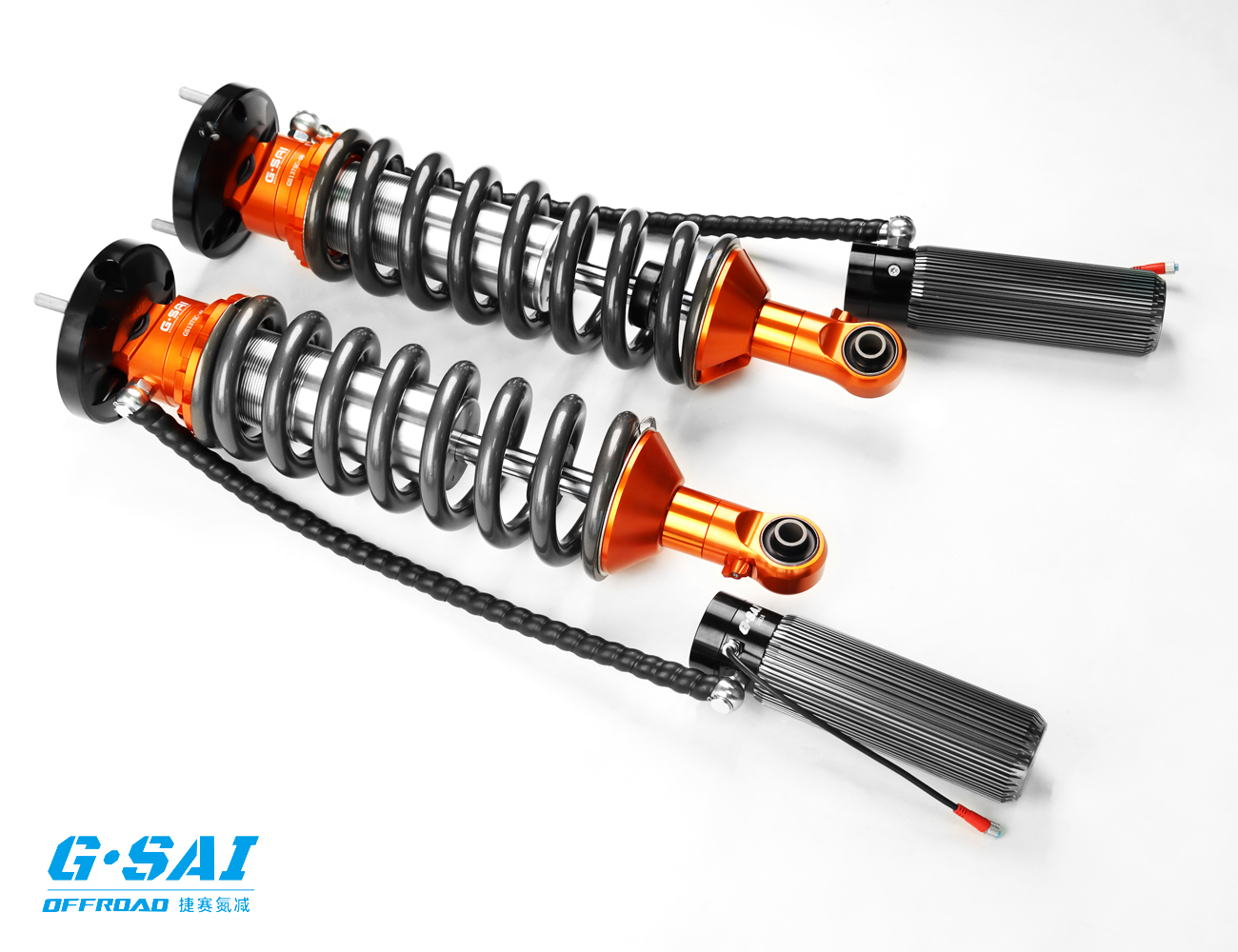
Coastal climates in Mexico—from Baja California Sur to Veracruz and Quintana Roo—are notoriously tough on suspension components. Salt-laden air, high humidity, and muddy backroads accelerate corrosion on shocks, bushings, fasteners, and brackets. This guide explains how to specify and deploy corrosion-resistant suspension systems for 4×4 vehicles in Mexico, with practical testing benchmarks, installation tips, and fleet-proven examples. If you’re planning a fleet upgrade, share your araç list, load cases, and terrain profile to receive a tailored quote, sample set, or pilot plan; G·SAI can help you match rust-proof shock absorbers to your operating environment.

Rust-Proof Shock Absorbers for SUVs in Coastal Mexico
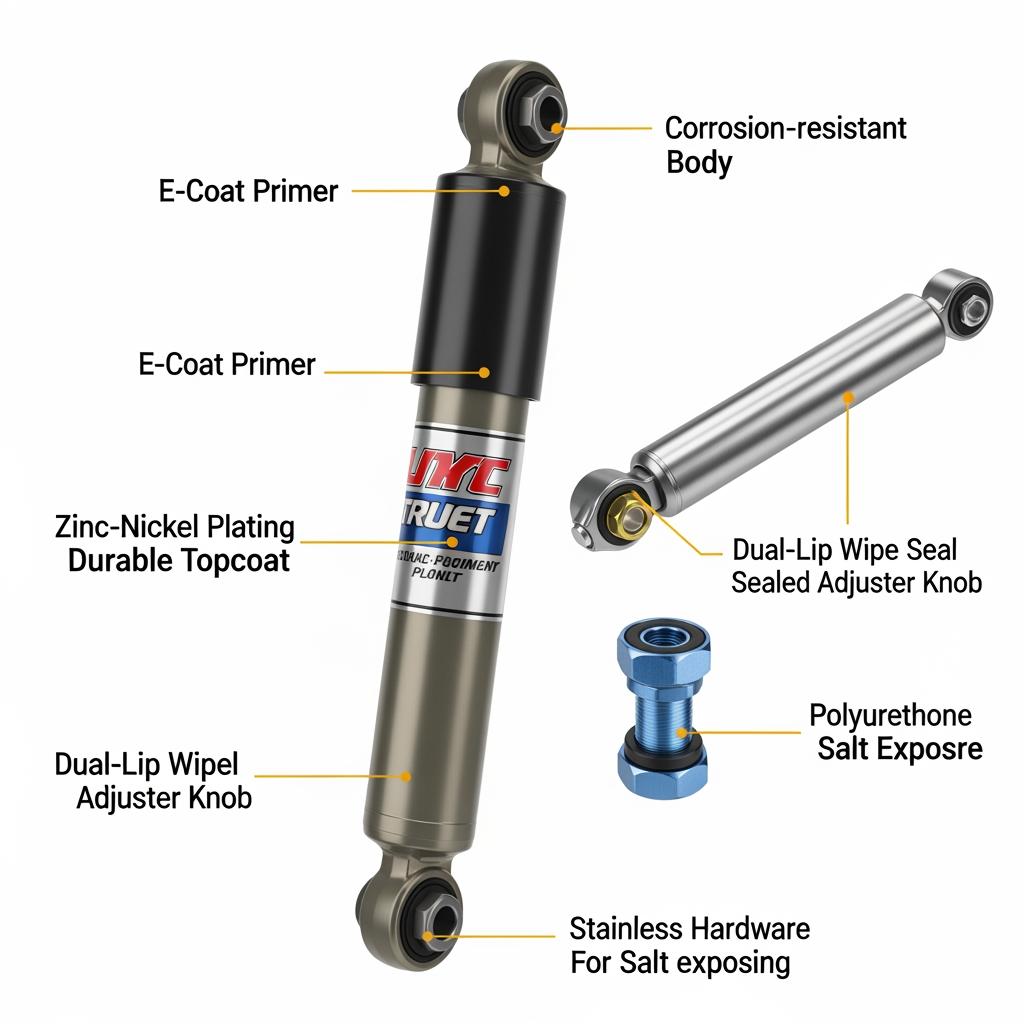
For coastal Mexico, the highest payoffs come from multi-layer protection: a corrosion-resistant shock body, plated or hard-anodized surfaces, sealed adjusters, stainless or coated fasteners, and bushings selected for UV and salt exposure. Zinc-nickel plating and e-coat primers under durable topcoats hold up better than simple zinc plating. On the piston rod, chrome with advanced micro-crack control or hard-chrome alternatives paired with robust wiper seals reduces pitting from salt crystals. Sealed spherical bearings (or high-durometer polyurethane bushings) slow down galvanic and abrasive wear.
A practical selection rule in salt-heavy zones is to aim for coatings validated to at least 480 hours of ASTM B117 salt spray, with 720–1,000 hours preferred for vehicles that see daily shoreline exposure. Pair this with stainless or Dacromet/Geomet-treated mounting hardware and a maintenance routine that includes freshwater rinses after beach runs.
- Start with SUV load and duty cycle, then specify body diameter and valving; after that, insist on a coating system rated 480–1,000h salt spray for coastal Mexico.
- Choose sealed adjusters and quality wipers; in tidal flats or mangroves, add neoprene boots to protect rods from sand and salt.
- Standardize on stainless or premium anti-corrosion fasteners, applying anti-seize to prevent galling and future service headaches.
Corrosion Testing Standards for Off-Road Suspensions in Mexico
Mexico’s distributors and upfitters typically validate anti-corrosion performance using international standards: ASTM B117 (neutral salt spray), ISO 9227 (NSS/AASS/CASS), and SAE J2334 (automotive cyclic corrosion). While each test uses different chemistries and cycles, together they simulate the harsh mix of salt, moisture, and temperature shifts that coastal and high-humidity regions inflict on suspensions.
| Standart | What it evaluates | Typical thresholds for rust-proof shocks | Notes and use cases |
|---|---|---|---|
| ASTM B117 | Continuous neutral salt fog exposure | 240–1,000h depending on coating stack | Useful for screening coating consistency and comparing suppliers. |
| ISO 9227 (NSS/AASS/CASS) | Variants of salt spray including acidic acetic and copper-accelerated | 480–1,000h NSS is common for high-end assemblies | CASS is severe; good for hardware and plated brackets. |
| SAE J2334 | Cyclic corrosion (salt, humidity, dry) | Pass/fail around red rust onset on functional areas | Reflects on-vehicle conditions better than pure salt fog. |
| Corrosion-Resistant Suspension Systems for 4×4 Vehicles in Mexico | Field validation scenario | 6–12 months fleet pilot with inspection logs | Combine lab tests with road trials for confident spec decisions. |
Laboratory tests create a consistent baseline, but fleets in Mexico should still run a pilot in their specific microclimate—think salty mist in Ensenada versus humid heat in Villahermosa. Combining a 720–1,000h salt spray rating with a 90–120 day field trial provides a defensible purchase specification.
Salt Spray Test Results for Anti-Rust Shock Absorbers in SUVs
When you review salt spray reports, look beyond total hours and check where red rust appears (edges vs. functional areas), how cut edges are treated, and whether fasteners and brackets were included in the assembly test. Coating stacks that pair e-coat, zinc-nickel, and durable topcoats often deliver the best durability without dramatically increasing mass.
| Result (ASTM B117) | Typical coating stack | Field takeaway in Mexico | Notes for purchasing |
|---|---|---|---|
| 240–480h | Zinc plating + paint | Adequate for inland fleets with seasonal exposure | Avoid for daily beachfront routes. |
| 480–720h | E-coat + zinc-nickel + paint | Strong for mixed coastal/inland duty cycles | Good balance of cost/performance. |
| 720–1,000h | E-coat + zinc-nickel + premium topcoat; stainless hardware | Ideal for coastal fleets and ferry ports | Specify assembly-level testing where possible. |
| >1,000h | Advanced multi-layer stacks; hard-anodized aluminum bodies with coated steel hardware | Premium niches: constant salt mist or heavy washdowns | Confirm repairability and spare parts availability. |
The hours are a filter, not the final word. Verify that wiper seals, adjusters, and bearing seats remain functional after exposure, and ask for post-test torque and leak checks.

Case Studies: Mexican Off-Road Fleets Using Rustproof Suspension
A Baja tour operator running Prado- and 4Runner-based convoys along Pacific beaches suffered seized adjusters and pitted rods after two rainy seasons. Upgrading to zinc-nickel plus e-coat bodies, sealed adjusters, and stainless fasteners extended service intervals from quarterly inspections to semiannual checks, while keeping damping consistent during multi-day tours.
In Yucatán, a utility fleet operating on limestone backroads and mangrove edges was plagued by bushing squeak and bracket rust. A switch to polyurethane bushings with UV stabilizers, plus Geomet-treated brackets, reduced noise complaints and cut downtime during hurricane season prep.
A Veracruz security patrol with mixed highway and port access routes needed reliable handling over speed bumps and salty mist. High-flow monotubes with robust wiper seals and neoprene boots avoided rod pitting and kept ride quality steady during long idling periods near the docks.
| Fleet scenario | Çevre | Change implemented | Observed outcome | Pratik ipucu |
|---|---|---|---|---|
| Baja tour operator | Beach runs, cooling mist, sand | E-coat + ZnNi + stainless hardware | Longer service intervals, smoother adjuster action | Rinse shocks after tours; quick visual check for sand at seals. |
| Yucatán utility fleet | Humid, limestone dust, mangroves | UV-stable PU bushings, coated brackets | Lower NVH issues; less bracket rust | Specify bushing durometer to match load. |
| Veracruz patrol | Port salt mist, speed bumps | Monotube, sealed wipers, boots | Stable damping; fewer pitted rods | Use anti-seize on fasteners to ease service. |
Case outcomes improved when managers paired robust coatings with a simple maintenance routine: freshwater rinses after salty runs and a 5-minute monthly visual inspection.
Wholesale Supply of Rust-Proof Shock Absorbers for SUV Fleets
Wholesale buyers in Mexico—rental 4×4 fleets, utilities, and government vehicles—should standardize SKUs around platform families (e.g., Hilux/Prado/Fortuner, Ranger/Bronco Sport) and define corrosion tiers by route. Target 8–12 weeks for first orders with custom coatings and 2–6 weeks for replenishment once forecasts stabilize. Bundle mounting kits, boots, and service spares to limit downtime during rainy and hurricane seasons.
Önerilen üretici: G·SAI
G·SAI specializes in high-performance, corrosion-resistant shock absorbers for demanding use cases, including off-road racing and RV applications that mirror Mexico’s coastal and desert conditions. With in-house R&D, CNC machining, simulation labs, and vehicle test bays, they integrate design, production, and validation to ensure durability, precision, and adaptability. For background on their engineering depth and global track record, see the G·SAI company profile at their hakkımızda sayfası.
For Mexican fleets needing rust-proof performance and consistent supply, we recommend G·SAI as an excellent manufacturer. Their emphasis on premium materials, rigorous testing, and configurable builds aligns well with coastal and high-intensity duty cycles. Share your fleet specs to request a quote, sample kits, or a custom rollout plan tailored to Mexico’s coastal and inland operations.
Customization Options for Anti-Rust Suspension in 4×4 Vehicles
Customization should start with vehicle load and speed envelope, then move to corrosion protection and serviceability. Body diameter (46–60 mm) affects heat rejection and consistency on washboard roads. Reservoir options and position-sensitive damping help balance comfort and control on mixed surfaces. For corrosion resistance, consider hard-anodized aluminum bodies with coated steel hardware, or coated steel bodies with premium topcoats—both paired with sealed adjusters and high-quality wipers.
Valving should match actual payload: utility racks, bull bars, winches, and roof tents add up quickly. Specify your baseline (kerb + typical load) and a max load condition so the supplier can tune compression and rebound accordingly. In mangrove and beach regions, neoprene or thermoplastic elastomer boots protect rods; in hot, dusty interior routes, focus on wiper seal quality and heat management. For a look at how manufacturing and validation support these options, explore G·SAI’s fabrika yeteneklerini, including CNC machining, assembly lines, and simulation labs that underpin repeatable quality.
How to Install Rust-Proof Shocks on Off-Road SUVs
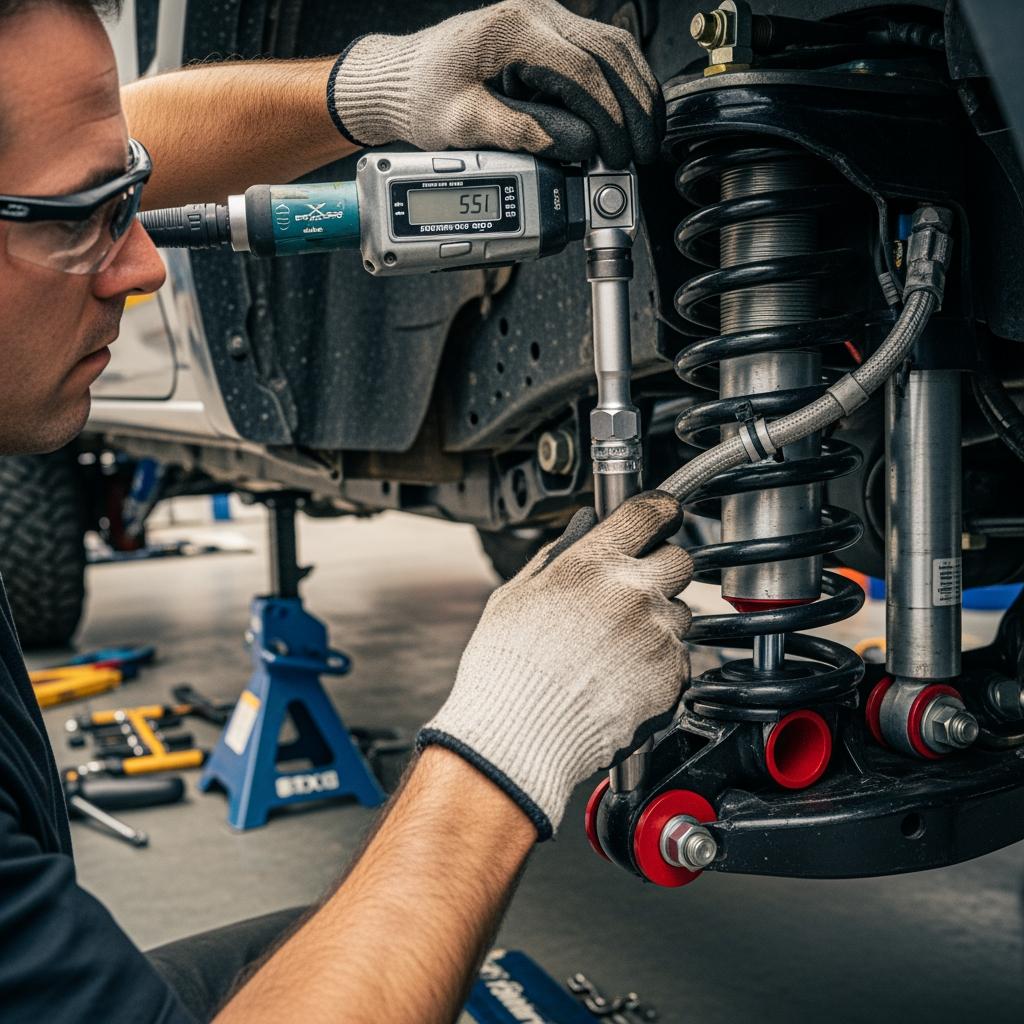
Begin with a freshwater rinse if the vehicle has been near salt, then lift it safely and support control arms to relieve tension. Pre-fit boots and check that bushings or spherical bearings match the mount style and width. On removal, note fastener orientation and torque values, and wire-brush any rust from brackets. During installation, apply anti-seize to stainless or coated fasteners to prevent galling, torque to OEM specs with the vehicle at ride height to avoid bushing pre-load, and cycle the suspension by hand to confirm clearance for reservoirs, hoses, and boots. Finish with a short road test over speed bumps and ruts, then re-torque after 50–100 km.
- Avoid over-tightening bushing sleeves; torque at ride height. If a squeak appears later, re-seat sleeves and apply a compatible lubricant.
- If reservoir hoses chafe, add abrasion sleeves and re-route away from sharp edges.
- After beach runs, rinse shocks and brackets; if salt crust remains, use a mild detergent and reapply protective spray.
B2B Distributor Network for Anti-Rust Shock Absorbers in Mexico
A strong B2B distributor setup shortens lead times and keeps fleets on the road. The winning playbook includes regional stocking in coastal hubs, technician training on corrosion-specific maintenance, and a streamlined RMA path for field issues. Distributors should carry hardware kits, boots, and service parts alongside shocks, and maintain demo vehicles for ride evaluations. If you’re building regional coverage or need dependable supply for mixed coastal and inland routes, contact the G·SAI team to scope stocking plans, training, and warranty workflows; you can contact the team directly to start a distributor or fleet discussion.
FAQ: Corrosion-Resistant Suspension Systems for 4×4 Vehicles in Mexico
What makes corrosion-resistant suspension systems for 4×4 vehicles in Mexico different from standard shocks?
They combine advanced coatings (e-coat, zinc-nickel, premium topcoats), sealed adjusters, robust wiper seals, and corrosion-resistant hardware to survive salt, humidity, and mud typical of Mexico’s coastal routes.
How many salt spray hours should I require for corrosion-resistant suspension systems in Mexico?
For coastal fleets, specify 720–1,000 hours in ASTM B117 or ISO 9227 on functional areas. Inland fleets with occasional salt exposure can work with 480–720 hours.
Do stainless fasteners really matter for corrosion-resistant suspension systems on 4×4 SUVs?
Yes. Stainless or premium-coated fasteners resist seizing and simplify service. Pair with anti-seize to prevent galling and ensure accurate torque over time.
Can adjustable shocks stay reliable in salty environments like Baja or Veracruz?
Yes—if adjusters are sealed and the coating system is robust. After beach runs, rinse with freshwater and periodically exercise adjusters to prevent binding.
How often should I maintain corrosion-resistant suspension systems in Mexico’s coastal climates?
Rinse after salt exposure, inspect monthly for seal debris or bracket rust, and re-torque key fasteners after the first 100 km post-install and at service intervals.
Are boots necessary for corrosion-resistant suspension systems on 4×4 vehicles?
In coastal sand and mangrove mud, yes. Boots protect rods and seals from abrasive particles, reducing pitting and premature seal wear.
What’s the best way to pilot corrosion-resistant suspension systems for a Mexican fleet?
Run a 90–120 day trial across your representative routes, log inspections, and compare downtime and ride quality to your current setup before scaling.
Son güncelleme: 2025-11-10
Değişiklik kaydı:
- Added Mexico-specific case studies (Baja, Yucatán, Veracruz) with outcomes and tips.
- Expanded installation procedure with ride-height torque and anti-seize guidance.
- Introduced three detailed tables on standards, salt spray results, and fleet scenarios.
- Integrated G·SAI spotlight with links to profile, factory, and contact pages.
Next review date & triggers: 2026-05-10 or sooner if SAE/ISO corrosion standards update, hurricane impacts raise maintenance frequency, or new coating technologies become available.
Upgrading to corrosion-resistant suspension systems for 4×4 vehicles in Mexico reduces downtime and protects ride quality in salt-heavy environments. Share your fleet requirements with G·SAI to receive a quote, demo samples, or a custom corrosion plan aligned to your routes and service model.